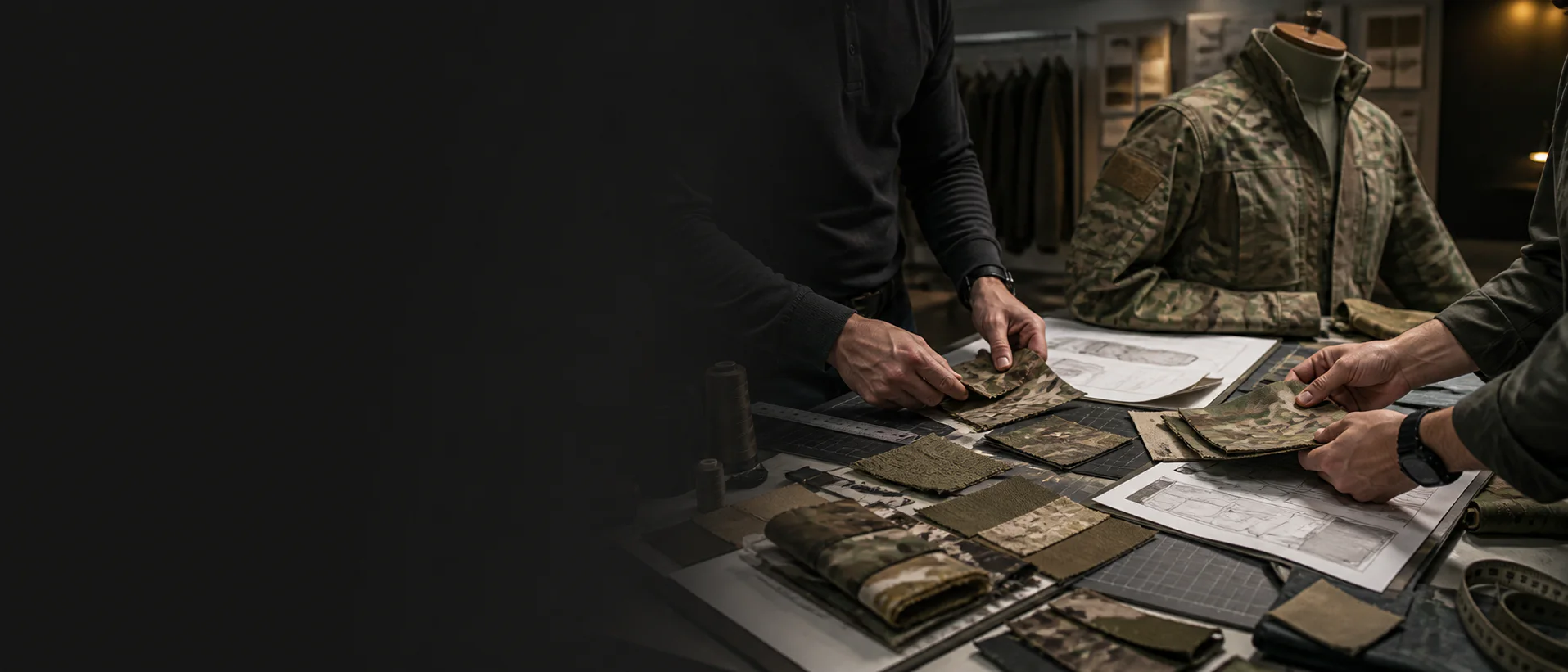
Confirm product and manufacturing scope
Specifications, samples, timing and deliverables are confirmed with your team as the project progresses.

Coordinate product development, materials, samples, bulk production, packing and delivery.
Project support
Coordinate product development, materials, samples, bulk production, packing and delivery. Share the product, quantity, specification, destination and timeline so our team can recommend the appropriate steps for sampling, quotation, production, inspection and delivery.
What to send us
A clear requirement helps us recommend suitable products, options and next steps.
Project process
Specifications, samples, timing and deliverables are confirmed with your team as the project progresses.
Specifications, samples, timing and deliverables are confirmed with your team as the project progresses.
Specifications, samples, timing and deliverables are confirmed with your team as the project progresses.
Specifications, samples, timing and deliverables are confirmed with your team as the project progresses.
Specifications, samples, timing and deliverables are confirmed with your team as the project progresses.
Project deliverables
Deliverables are matched to the product, specification, quantity, project stage and quotation scope.
The format, timing and included details are confirmed for your project.
The format, timing and included details are confirmed for your project.
The format, timing and included details are confirmed for your project.
The format, timing and included details are confirmed for your project.
Project planning
OEM and ODM labels are too broad for institutional due diligence. A buyer needs to understand who interprets the requirement, develops the sample, purchases critical materials, performs production steps, controls changes, inspects goods and holds the relevant records. The answer may differ by product family, component and project; it should be disclosed rather than compressed into a generic factory claim.
Map manufacturing, customization, sourcing and integration responsibilities for each major product or component. State where an outside partner or standard model is part of the route.
Identify who freezes the BOM, approves materials, releases production, controls subcontracted operations, handles nonconformity and authorizes a substitution or schedule change.
Review configuration, material minimums, sample status, quantity, inspection scope and production window before stating capacity, minimum order or lead time for the project.
What to send
Provide specification, product family, custom features, estimated order and reorder quantities, size or colour mix, destination and timing assumptions.
Identify materials, treatments, sewing, molding, assembly, printing, embroidery, electronics or testing steps whose location and control matter to supplier approval.
State which sample, BOM, material, inspection, lot, partner, change and shipment records the buyer expects, and which may require controlled document exchange.
Preparation tips
A facility name or photograph is offered as proof, but the buyer cannot tell which operations for the quoted item occur there or who controls outsourced steps.
A development sample is made with convenient materials or at a different site, while the transfer method and reapproval conditions for bulk production remain undefined.
A general monthly figure is treated as available capacity although style complexity, material readiness, size mix, partner load and inspection window were not reviewed.
Next step
Send the requirement, quantities, target dates and the processes or documents that matter to qualification. The first response should show the proposed product supply arrangement, production route, approval points, outside dependencies and evidence gaps for that configuration. Only then can the parties decide whether sampling, an audit question set or a commercial quotation is the appropriate next step.
Capability FAQ
Review relevant project examples, sample quality, material and size controls, inspection records, current test or management-system documents, capacity assumptions and how corrective actions are closed. Match every performance claim to the exact quoted product.
Check the capability during supplier qualification and confirm it again if the product, production location, materials, process, destination or required standard changes. Ask for documents and samples that match the current order.
Share your organization, product use, quantity, current specification, destination, deadline and any required test method, inspection or document format.
The exact deliverables depend on your project. Typical items include a requirement list, specification, sample revision summary, size chart, BOM, inspection plan, packing plan or supporting-document list.
Schedule and capacity can be confirmed after we review the exact configuration, quantity, materials, sample stage and required production window.
Share the product, quantity, destination, customization and delivery requirements. Our business team will reply with suitable options and the next quotation step.
 WhatsApp