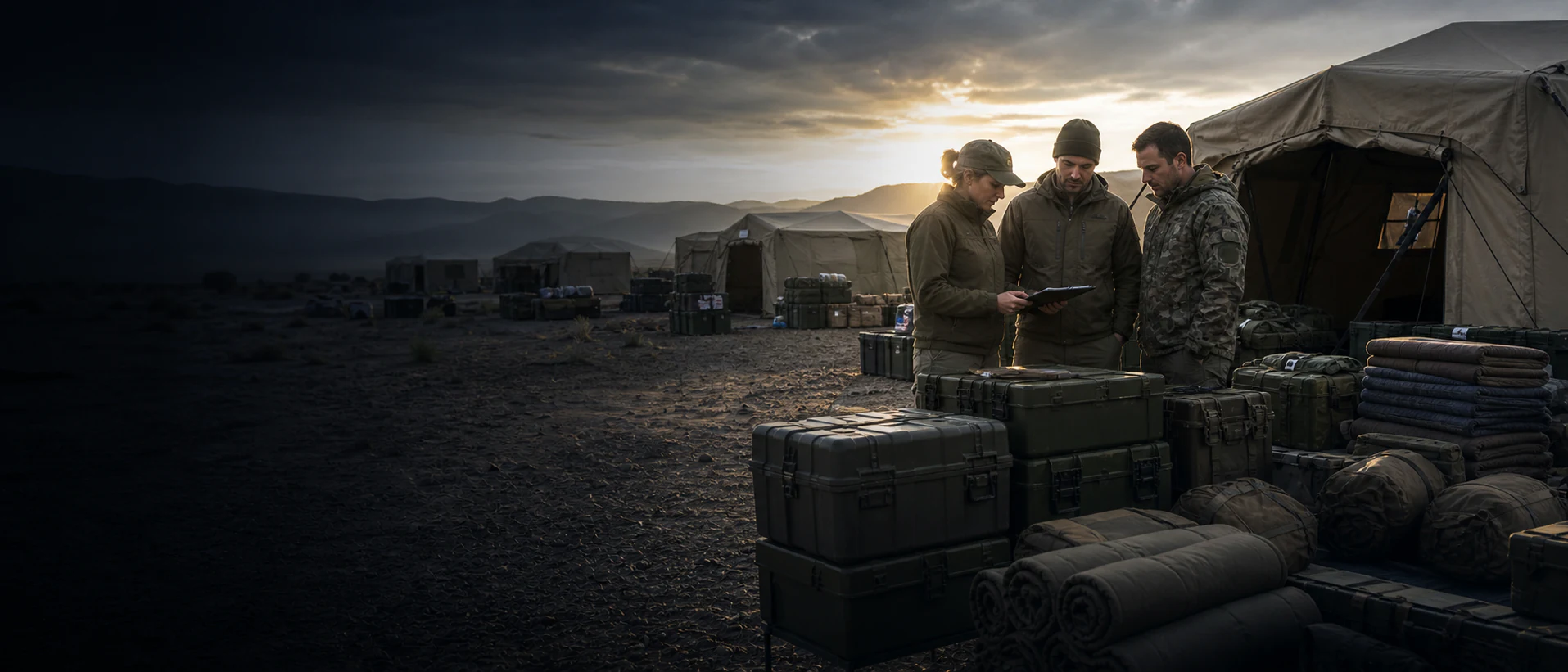
Tactical Apparel
Jackets, shirts, trousers and field layers configured for duty, training and contractor programs.
View products
Scalable uniform programs for public institutions and enterprises with role hierarchy, seasonal options and replenishment planning.
Product support
Scalable uniform programs for public institutions and enterprises with role hierarchy, seasonal options and replenishment planning. Use the linked product groups to compare available items, then send a combined list with quantities, specifications, packing and delivery requirements for a coordinated quotation.
Who this serves
Typical project needs
Product scope
Compare available products, then send the product IDs, quantities and required options in one enquiry.
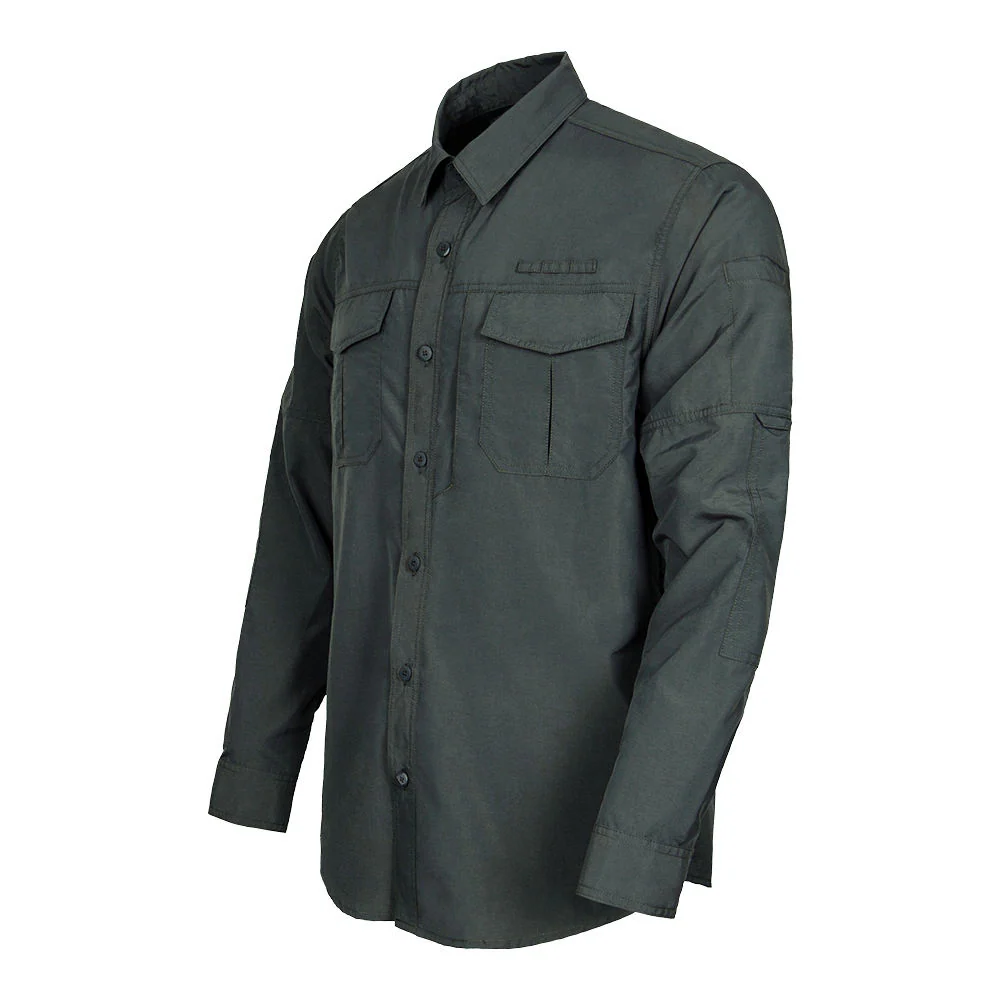
Jackets, shirts, trousers and field layers configured for duty, training and contractor programs.
View products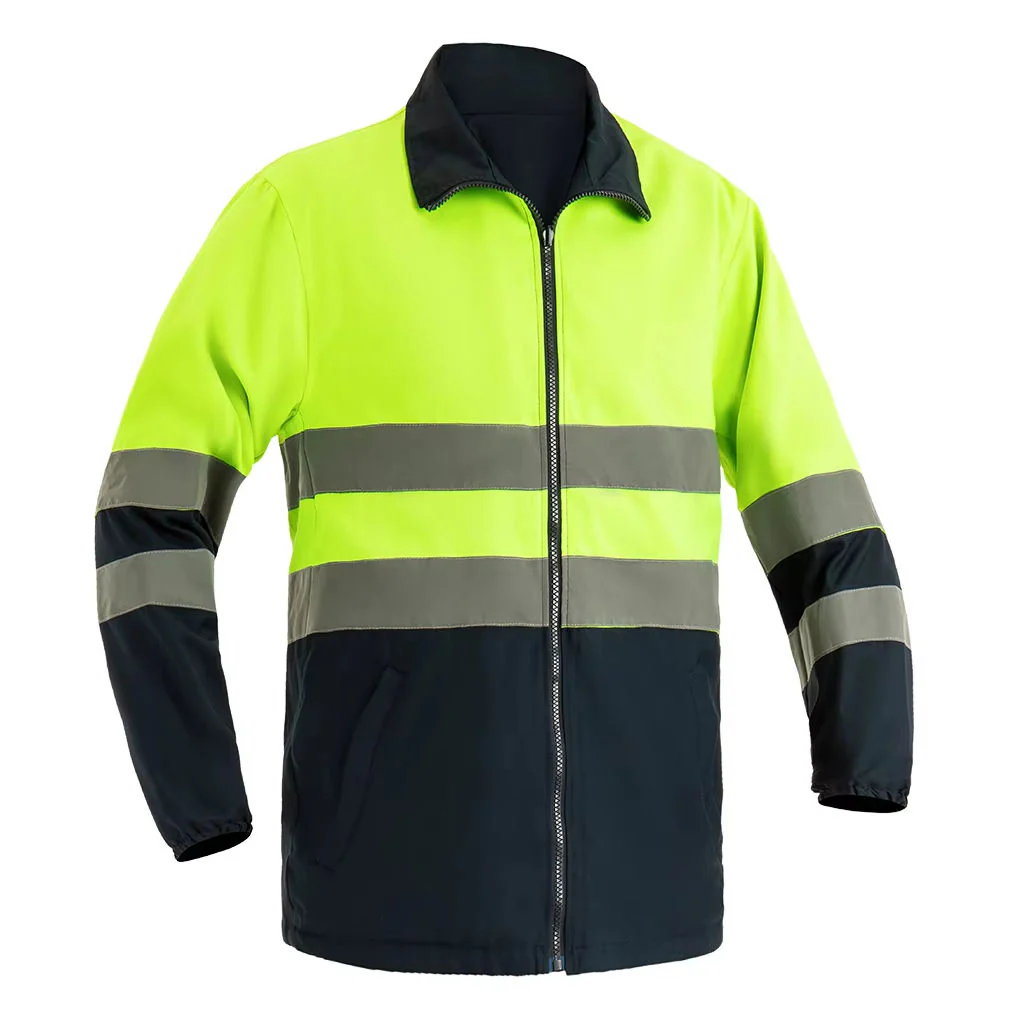
Uniform programs for government departments, public institutions and enterprise workforces.
View productsHow it works
Buyer type, end use, quantity, climate, specifications and deadline are screened.
Materials, sizing, colours, insignia, performance requirements and BOM are clarified.
Development sample, size set or pre-production sample is selected for the project stage.
Scope, MOQ, packaging, inspection, lead-time range and delivery terms are documented.
Approved reference, revision control and agreed quality checkpoints guide production.
Final inspection, kitting, packing and shipping records follow the accepted project plan.
Project outputs
Project planning
Government departments, public institutions and enterprises need more than a matching shirt and trouser. A workable program connects job hazards, public identity, seasonal layering, inclusive sizing, site allocation and replacement policy. The procurement decision should establish which garments are shared across the organization, which differ by role and how future replenishment will refer back to approved records.
Map office, field, maintenance, security, driving, supervisory and specialist functions to their actual clothing needs. Use visual differences only where the organization requires them and can control the artwork.
Define hot-weather, cold-weather, rain and transitional combinations, expected wearing frequency and replacement triggers. This prevents one annual quantity from hiding materially different duty conditions.
Plan sizes, roles, names or identification and carton destinations at the unit or site level. A bulk total alone does not explain how goods must be packed, issued or replenished.
What to send
Provide role counts, indoor or outdoor exposure, movement and visibility needs, relevant workplace risks, laundering expectations and the garment combinations worn in each season.
Identify approved colours, logos, name fields, rank or department markings, modesty requirements, measurement references and any wearer groups requiring a separate fit review.
State initial issue per employee, spare percentages if defined by the buyer, replacement authorization, site destinations, packaging labels and the records needed for a later repeat order.
Preparation tips
A single garment is selected for office, driving and field maintenance even though movement, visibility, pocket and environmental needs materially differ.
Artwork is visually accepted but thread, colour, dimensions, placement and revision are not recorded, so markings vary between suppliers or replenishment batches.
The purchase order states overall quantities but omits size, employee, role or site allocation, forcing uncontrolled sorting after the goods arrive.
Next step
Provide workforce counts by job, site and size where available; approved identity references; expected garment combinations; target quantity; and the current procurement schedule. The review should convert these inputs into a style matrix, open fit questions, a sample route and an allocation structure before individual products are finalized.
Project questions
Define the buying organization, end user, project objective, required product systems, estimated quantities, destination, required standards and delivery deadline. These details allow suppliers to recommend suitable products and prepare a useful quotation.
Provide a requirement list, product or kit components, quantities, sizes, customization, sample expectations, inspection needs, packing allocation and delivery schedule. Confirm any changes in writing before bulk production.
Provide the buying organization, end use, destination, estimated quantities, product scope, target specifications and deadline. Our team will reply with the next quotation step.
Yes. Send a combined product list with quantities, configuration, packing and delivery requirements so the items can be coordinated in one proposal.
Tell us which product and configuration you want to evaluate and the expected bulk quantity. Our team will reply with the available sample options.
Share the product, quantity, destination, customization and delivery requirements. Our business team will reply with suitable options and the next quotation step.
 WhatsApp