Military & Camouflage Uniform Systems
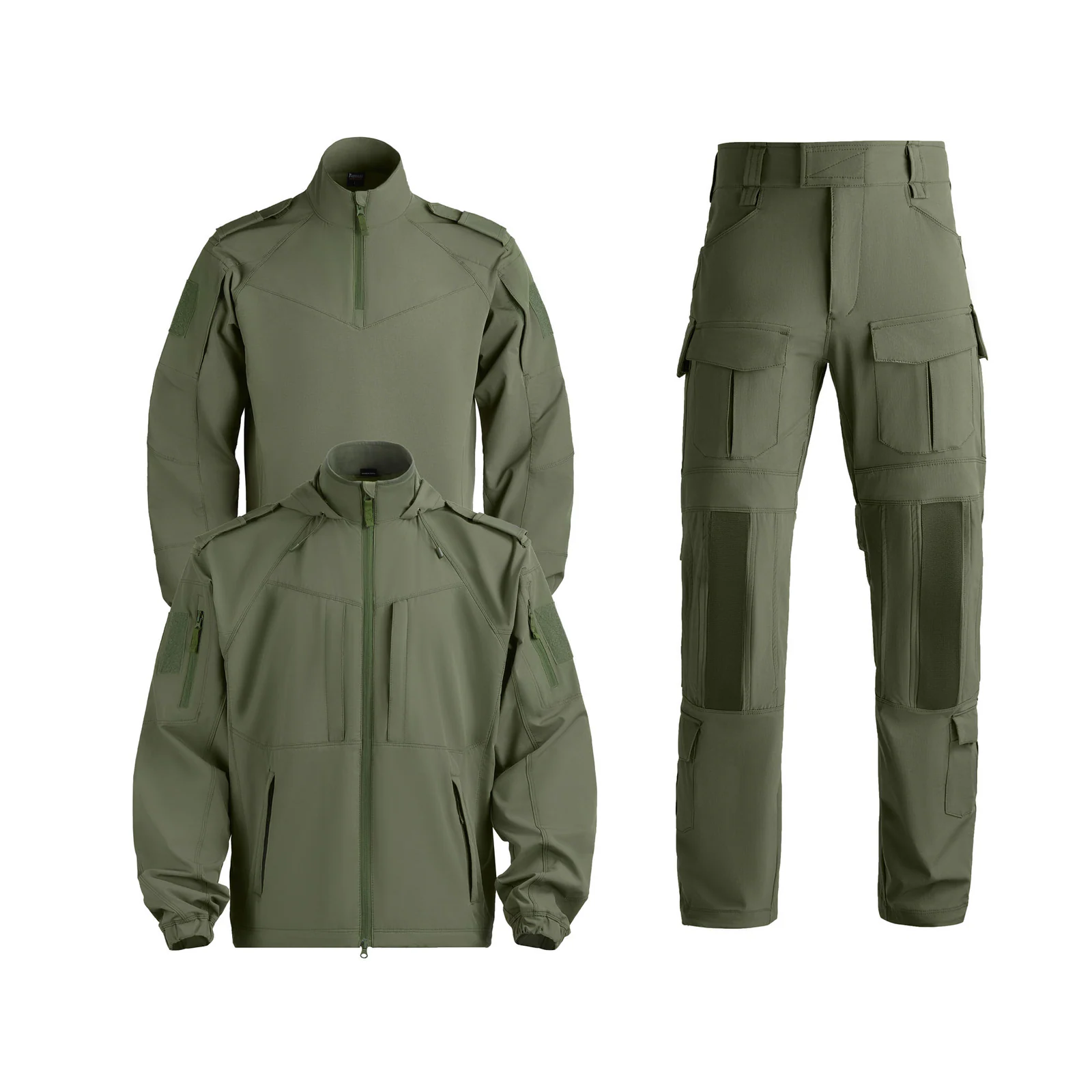
Configurable BDU, ACU-style, combat and training uniform programs for institutional procurement.
View products
A structured component-selection and BOM process for contractors combining textiles, carried equipment and field-support systems.
Product support
A structured component-selection and BOM process for contractors combining textiles, carried equipment and field-support systems. Use the linked product groups to compare available items, then send a combined list with quantities, specifications, packing and delivery requirements for a coordinated quotation.
Who this serves
Typical project needs
Product scope
Compare available products, then send the product IDs, quantities and required options in one enquiry.
Configurable BDU, ACU-style, combat and training uniform programs for institutional procurement.
View products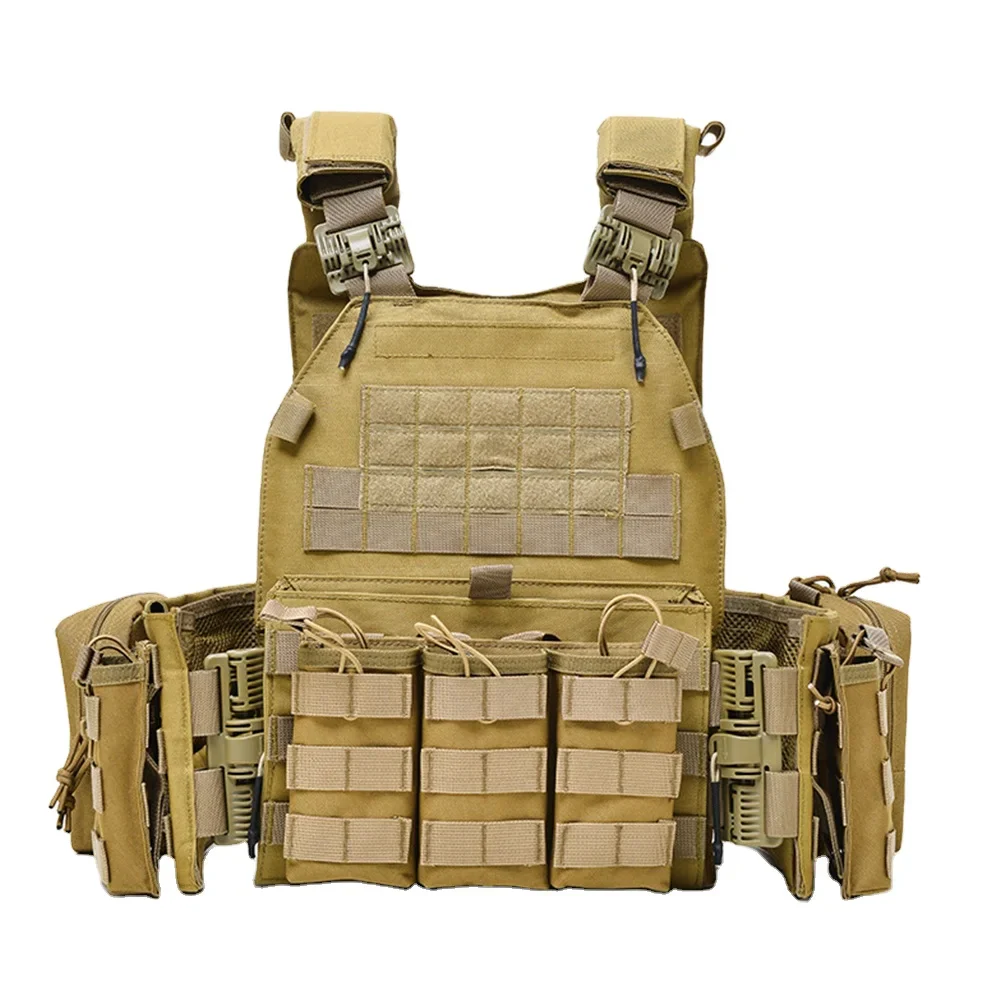
Modular vests, backpacks, belts, pouches and medical carriage for coordinated equipment sets.
View products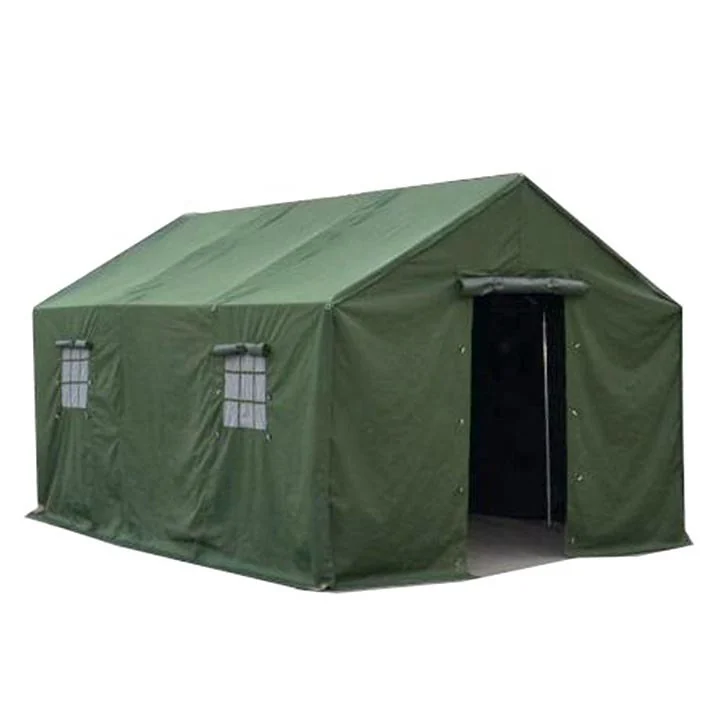
Tents, sleeping systems, cots, rainwear and field-support packages for deployment requirements.
View products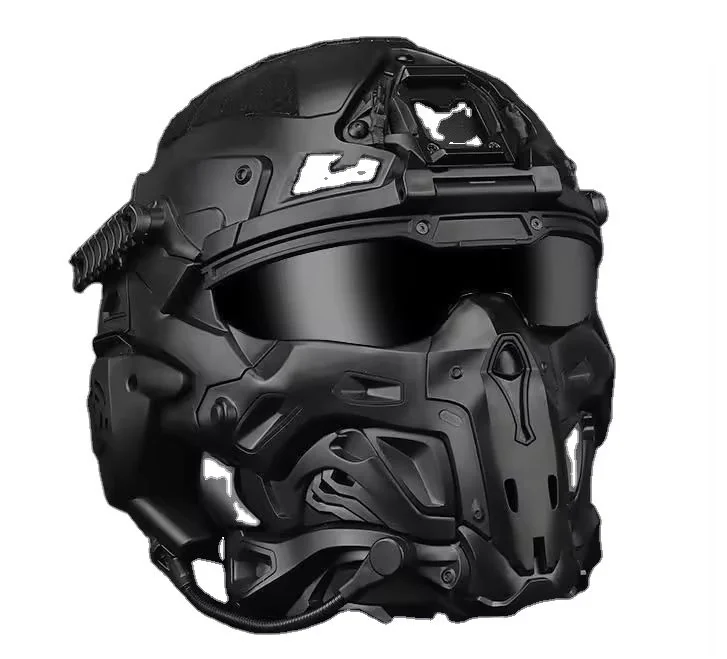
Night vision, thermal imaging, unmanned systems and portable power options for project-specific requirements.
View productsHow it works
Buyer type, end use, quantity, climate, specifications and deadline are screened.
Materials, sizing, colours, insignia, performance requirements and BOM are clarified.
Development sample, size set or pre-production sample is selected for the project stage.
Scope, MOQ, packaging, inspection, lead-time range and delivery terms are documented.
Approved reference, revision control and agreed quality checkpoints guide production.
Final inspection, kitting, packing and shipping records follow the accepted project plan.
Project outputs
Project planning
A defense contractor or technical integrator may combine uniforms, carried equipment, shelters and specialist components from several routes. The central procurement question is whether the proposed bill of materials can be versioned, traced and reconciled as one deliverable. Product availability is secondary until interfaces, configuration ownership, documentation access and controlled-item eligibility are understood.
Identify mechanical, dimensional, attachment, electrical, packing and human-use interfaces that cross product boundaries. State the reference component or envelope used to judge compatibility.
Confirm how each product line will be manufactured, customized, supplied or coordinated for the project. Product documents and warranty terms should match the agreed responsibility.
Name who can approve substitutions, drawing revisions, model changes and deviations. A versioned BOM should show open, proposed, approved and superseded states rather than one editable spreadsheet.
What to send
Share the relevant specification sections, interface drawings, reference models, fit envelopes, intended users and environmental conditions, with sensitive access handled only after qualification.
List candidate components, quantities, mandatory part or performance references, required documents, approved equivalents and the evidence owner for every controlled or safety-relevant line.
State milestone dates, sample and integration reviews, change authority, inspection responsibilities, kit definition, packaging hierarchy, destinations and confidentiality requirements.
Preparation tips
Part names and prices are compared before dimensions, attachments, power, wearer fit or packing interfaces are defined, leaving integration risk invisible.
A proposed alternative is called equivalent without stating which characteristics may vary, which evidence applies or who is authorized to accept the deviation.
Quotation, sample, inspection and packing teams work from different BOM or drawing revisions, so a technically accepted configuration is not the one delivered.
Next step
Submit the system purpose, accountable contractor, end user and destination, then attach a controlled BOM excerpt showing quantities, interfaces, mandatory evidence and open decisions. The useful first output is not a broad catalogue proposal; it is a component-and-responsibility matrix that identifies which lines can proceed, which need clarification and which require separate compliance review.
Project questions
Define the buying organization, end user, project objective, required product systems, estimated quantities, destination, required standards and delivery deadline. These details allow suppliers to recommend suitable products and prepare a useful quotation.
Provide a requirement list, product or kit components, quantities, sizes, customization, sample expectations, inspection needs, packing allocation and delivery schedule. Confirm any changes in writing before bulk production.
Provide the buying organization, end use, destination, estimated quantities, product scope, target specifications and deadline. Our team will reply with the next quotation step.
Yes. Send a combined product list with quantities, configuration, packing and delivery requirements so the items can be coordinated in one proposal.
Tell us which product and configuration you want to evaluate and the expected bulk quantity. Our team will reply with the available sample options.
Share the product, quantity, destination, customization and delivery requirements. Our business team will reply with suitable options and the next quotation step.
 WhatsApp