
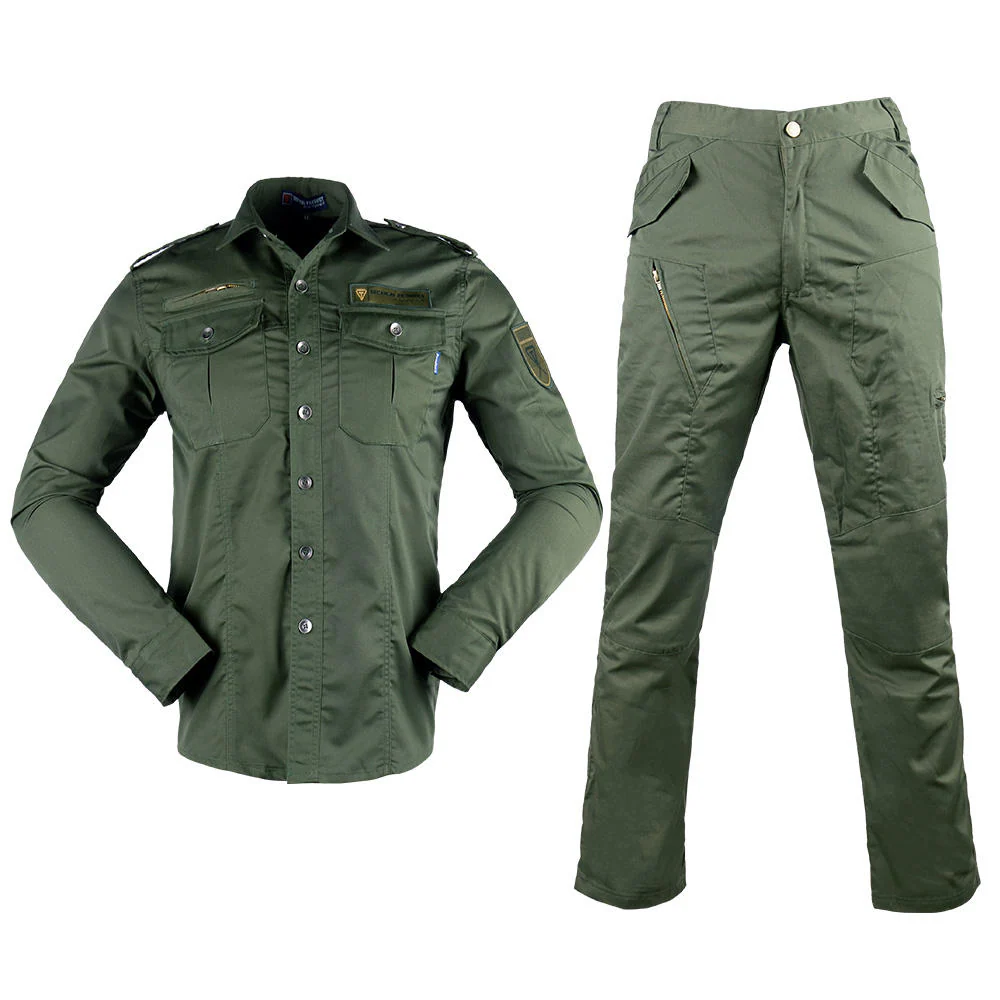
Military uniform programs
Military Camouflage Uniforms Built Around Your Duty Requirement
Source military uniforms for bulk orders: compare BDU sets, ACU-style uniforms and combat shirts, then discuss fabric, sizing, camouflage and custom labels with Jinteng.
- Configurable blouse, trouser and combat-shirt systems
- Buyer-controlled fabric, colour and camouflage references
- Size-set, insignia and pre-production approval support
- Bulk packing and replenishment planning for institutional issue
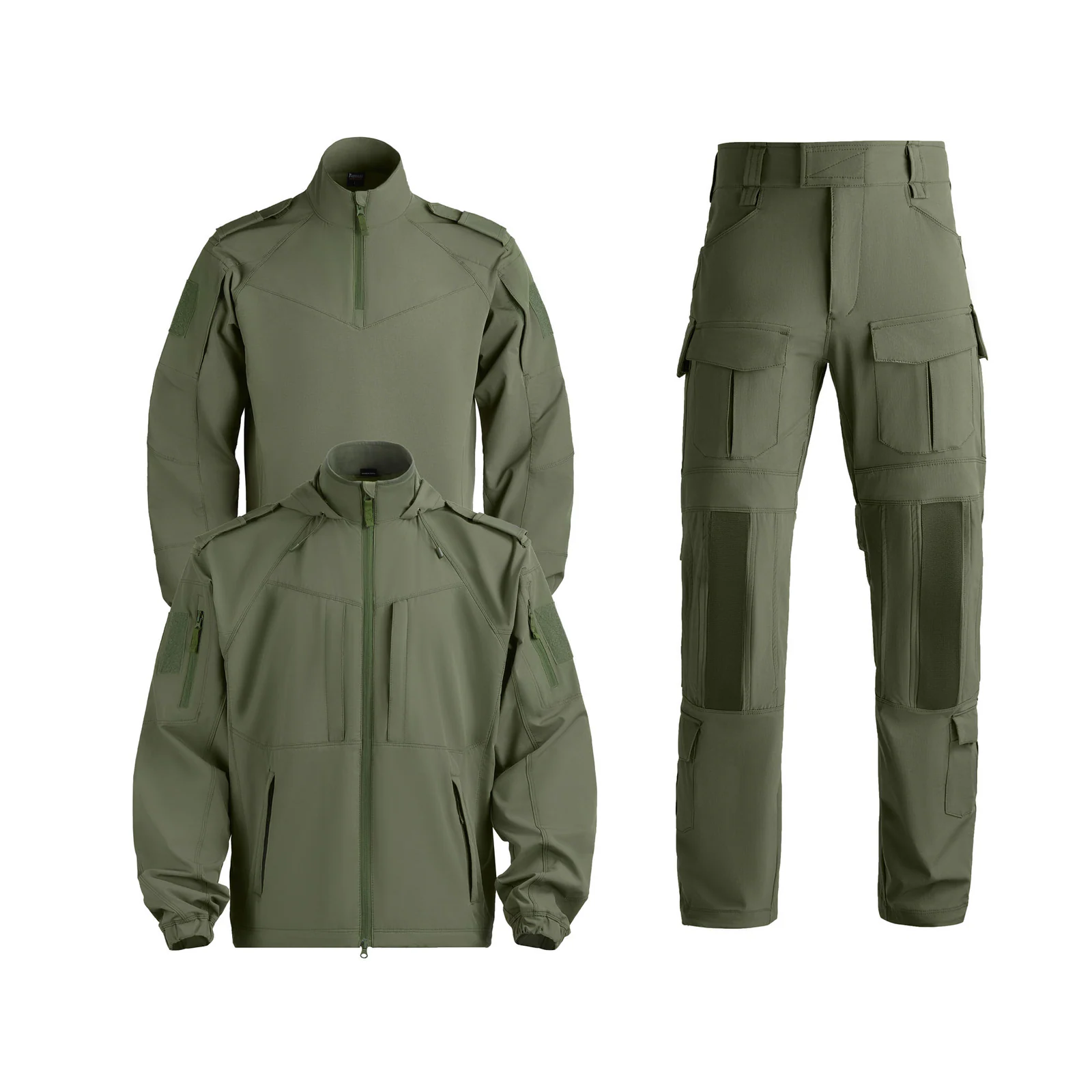
Available product options
73 product options for bulk enquiries
Compare the styles below. Open a product for its details, or send the product ID and your requirements to discuss a quotation.
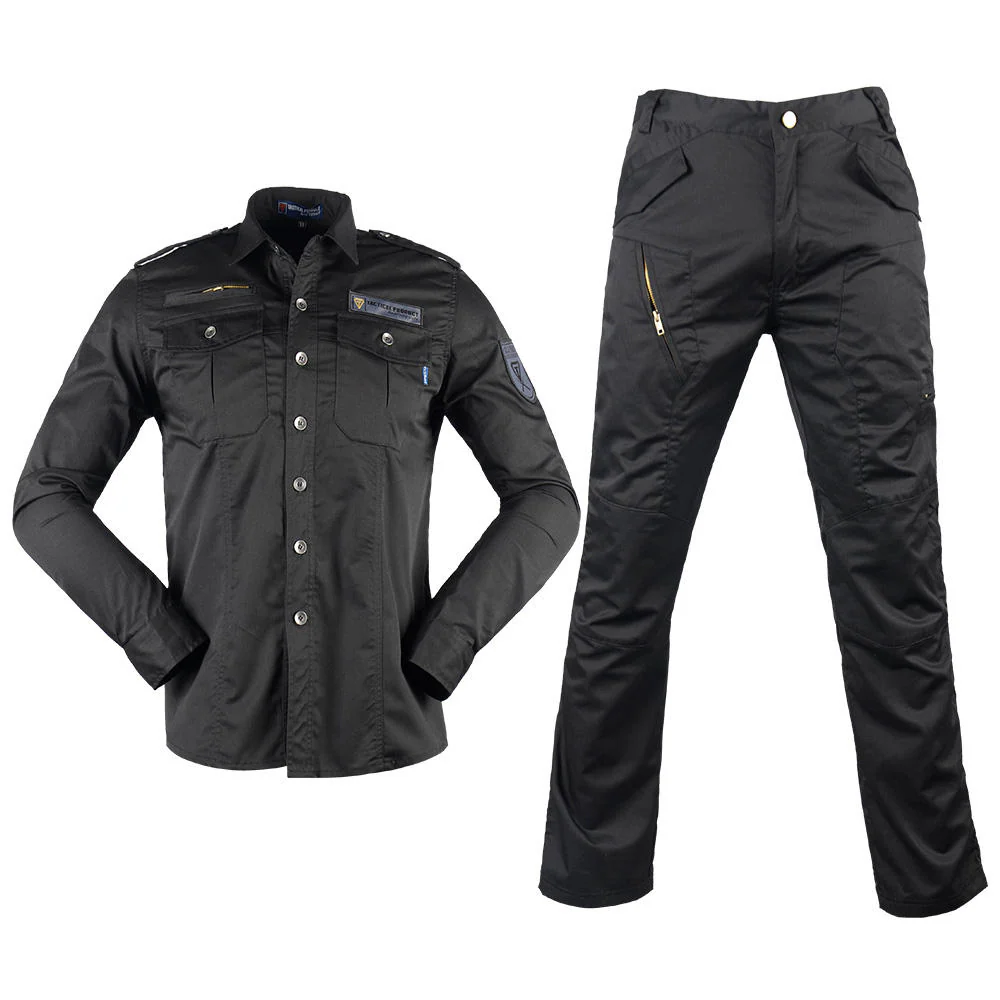
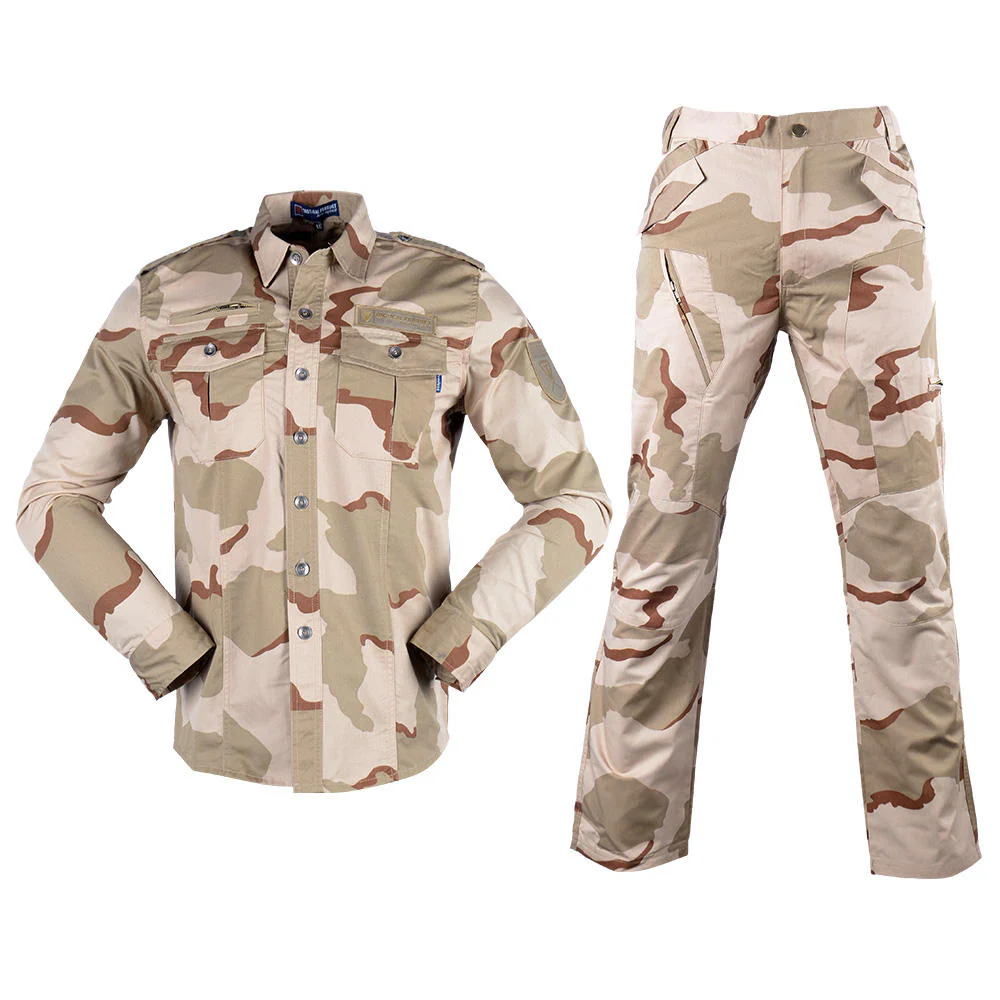
JT-1T-002
Tactical Formal Breathable Anti-static Rip-Stop Needle Detection Black
- Weight
- 1.25kg
- Season
- All seasons
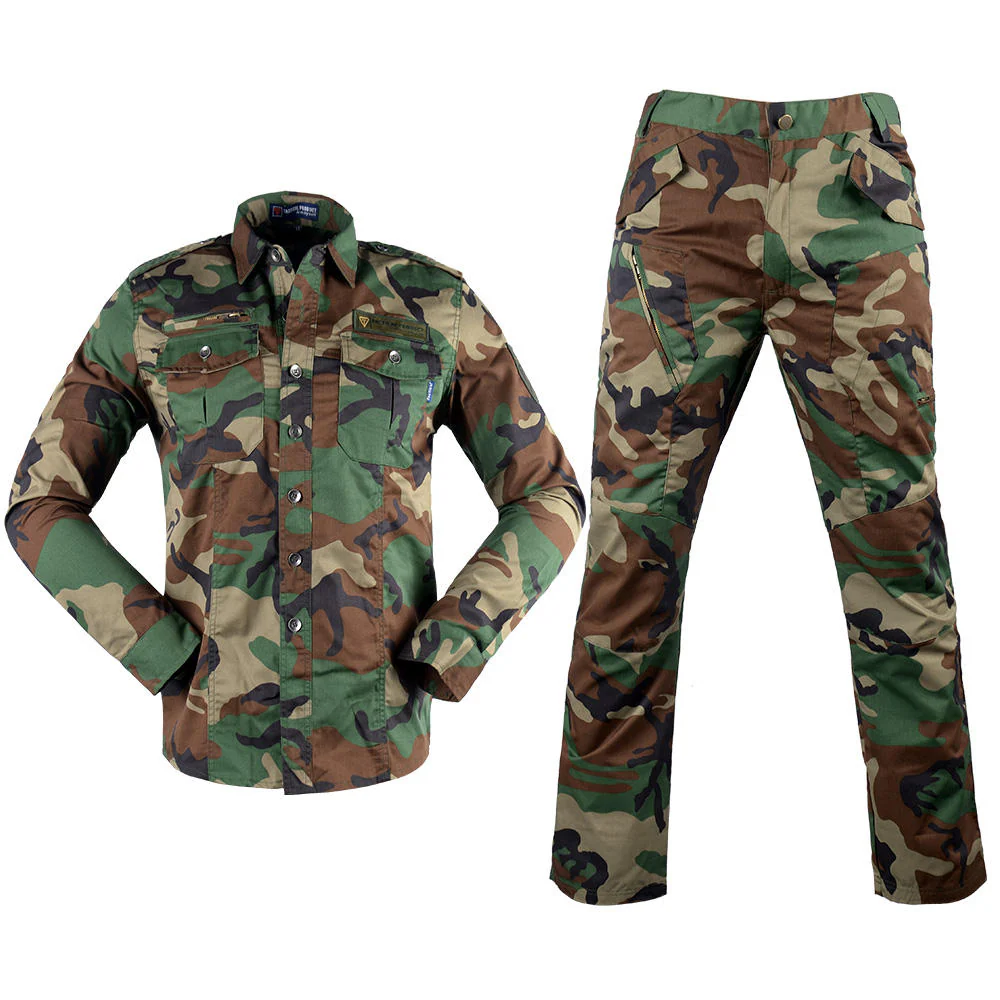
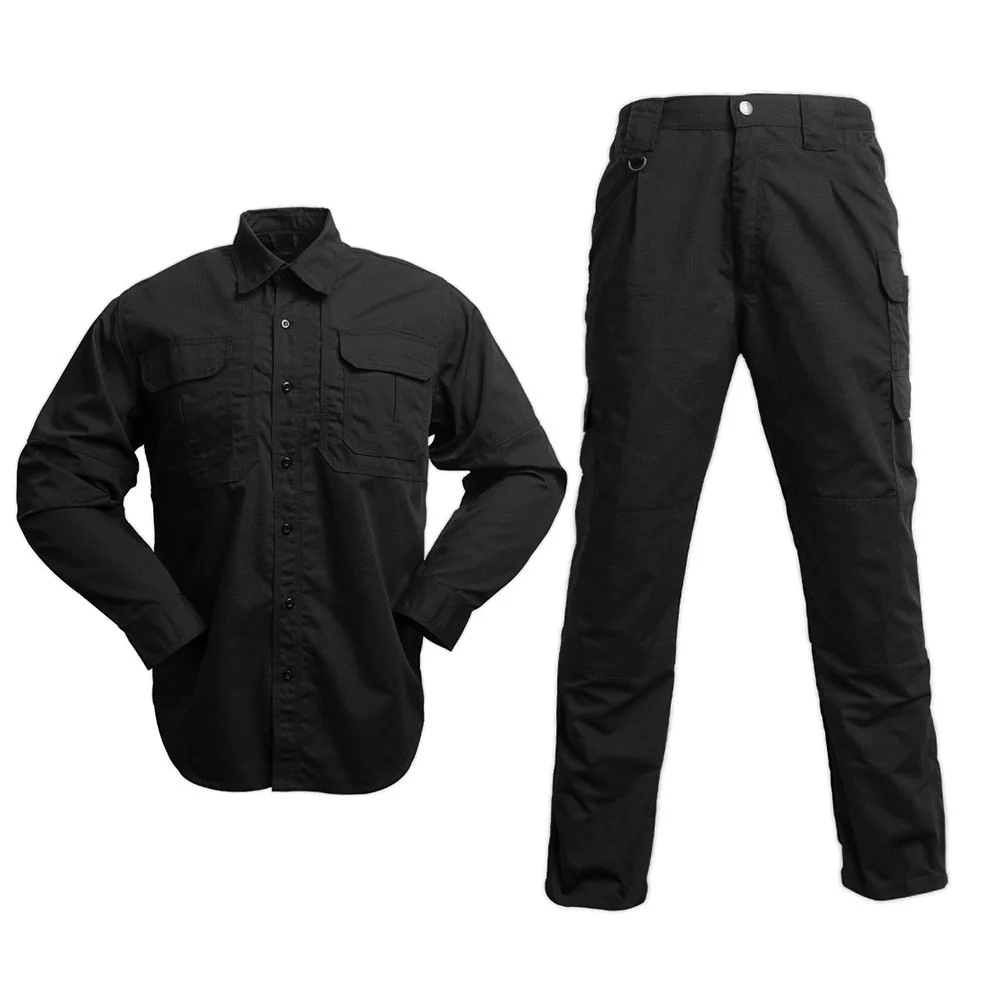
JT-1T-006
Tactical Combat Uniform-Breathable Camouflage Polyester/Cotton All Seasons
- Weight
- 1.5kg
- Season
- All seasons
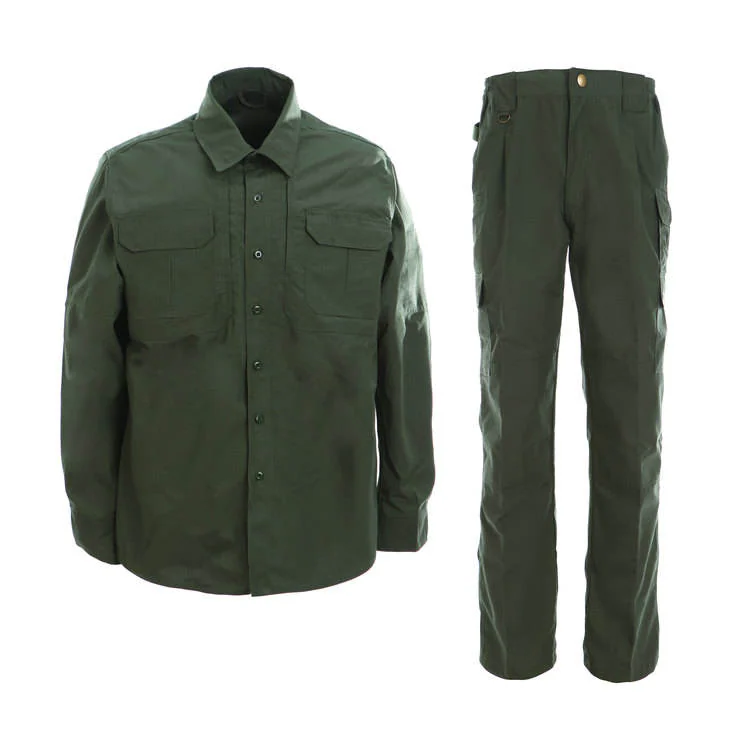
JT-57T-003
Tactical Uniform Long Sleeved Training Suit
- Texture
- Gridding
- Color
- khaki, olive green, black, jungle, 3 color desert
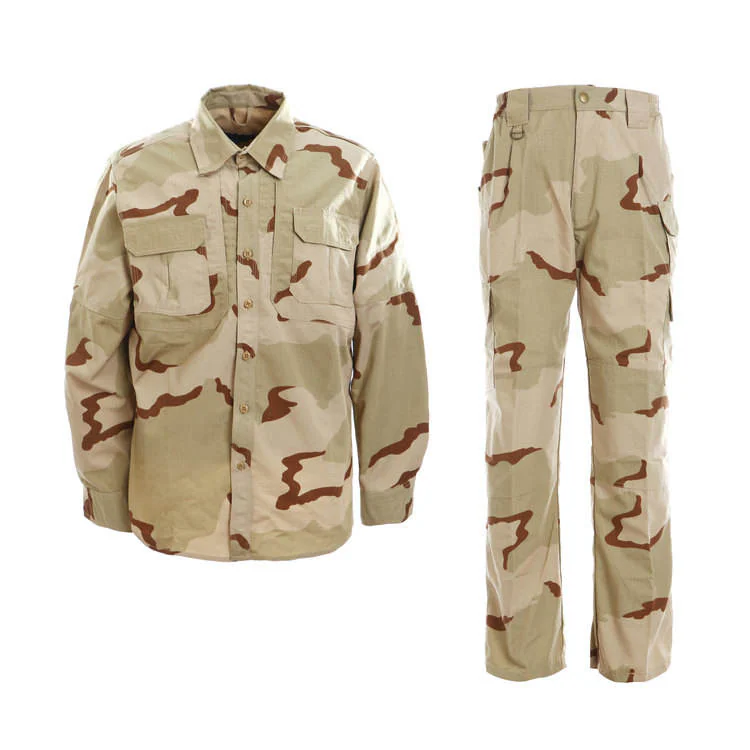
JT-57T-004
Camouflage Desert Training Clothing Tactical Uniform
- Product Name
- Camouflage Desert Training Clothing Tactical Uniform
- Texture
- gridding
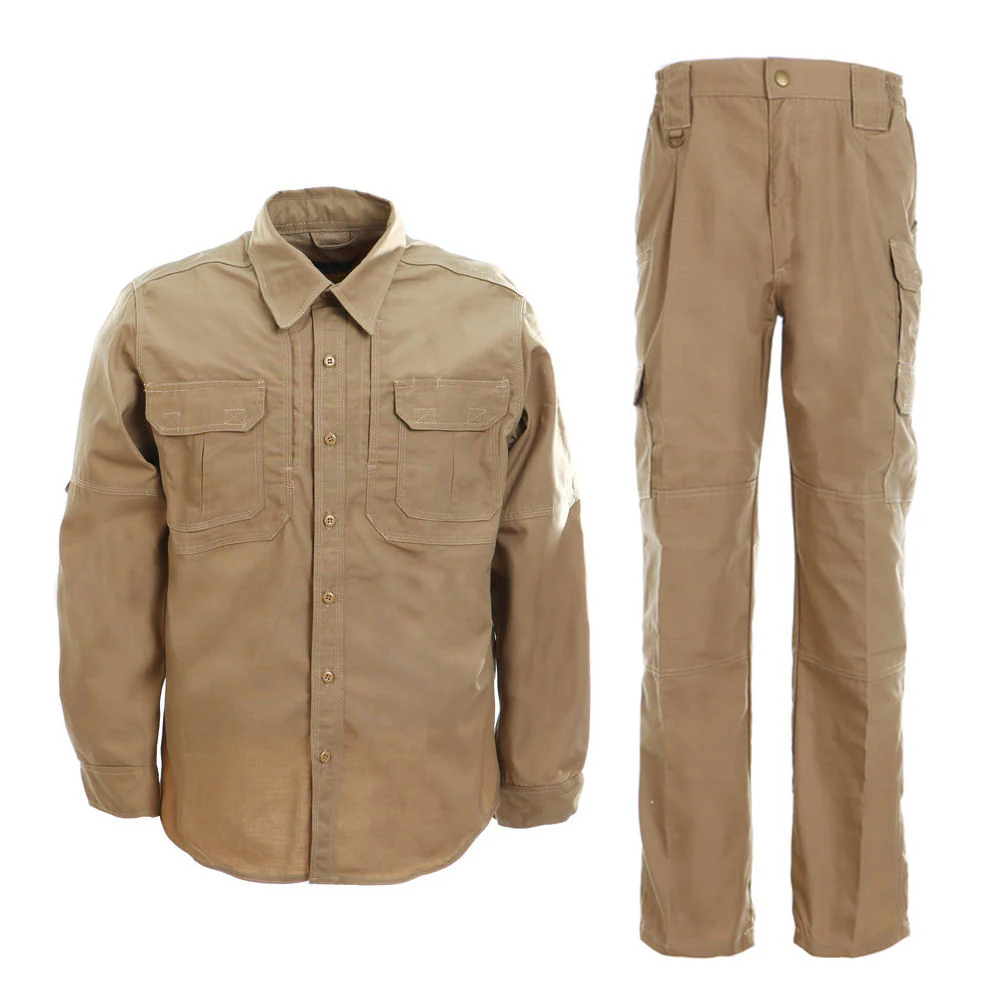
JT-57T-005
New Style S11 Tactical Khaki Uniforms
- Texture
- gridding
- Color
- khaki, olive green, black, jungle, 3 color desert
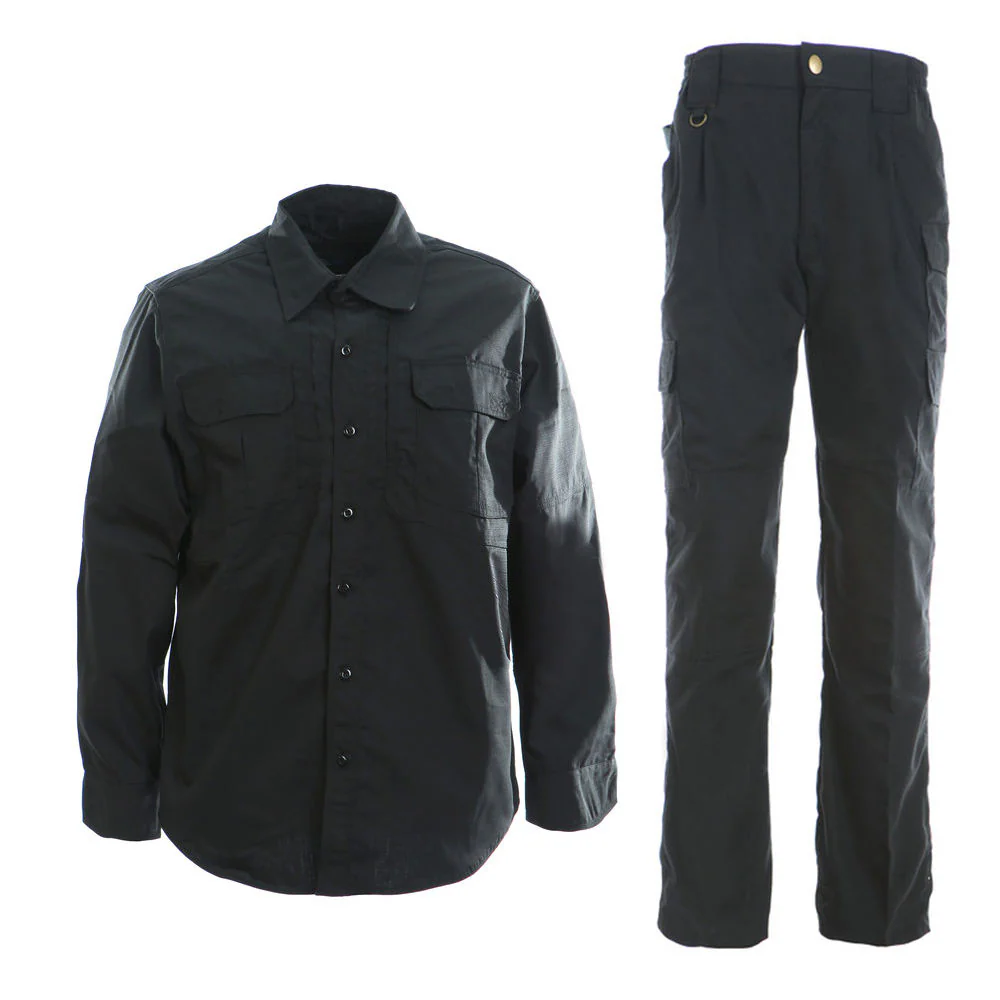
JT-57T-007
Standard Black Camouflage Tactical Ripstop Breathable Unisex Shirt Formal
- Texture
- Gridding
- Color
- Khaki, olive green, black, WLC, 3 color desert
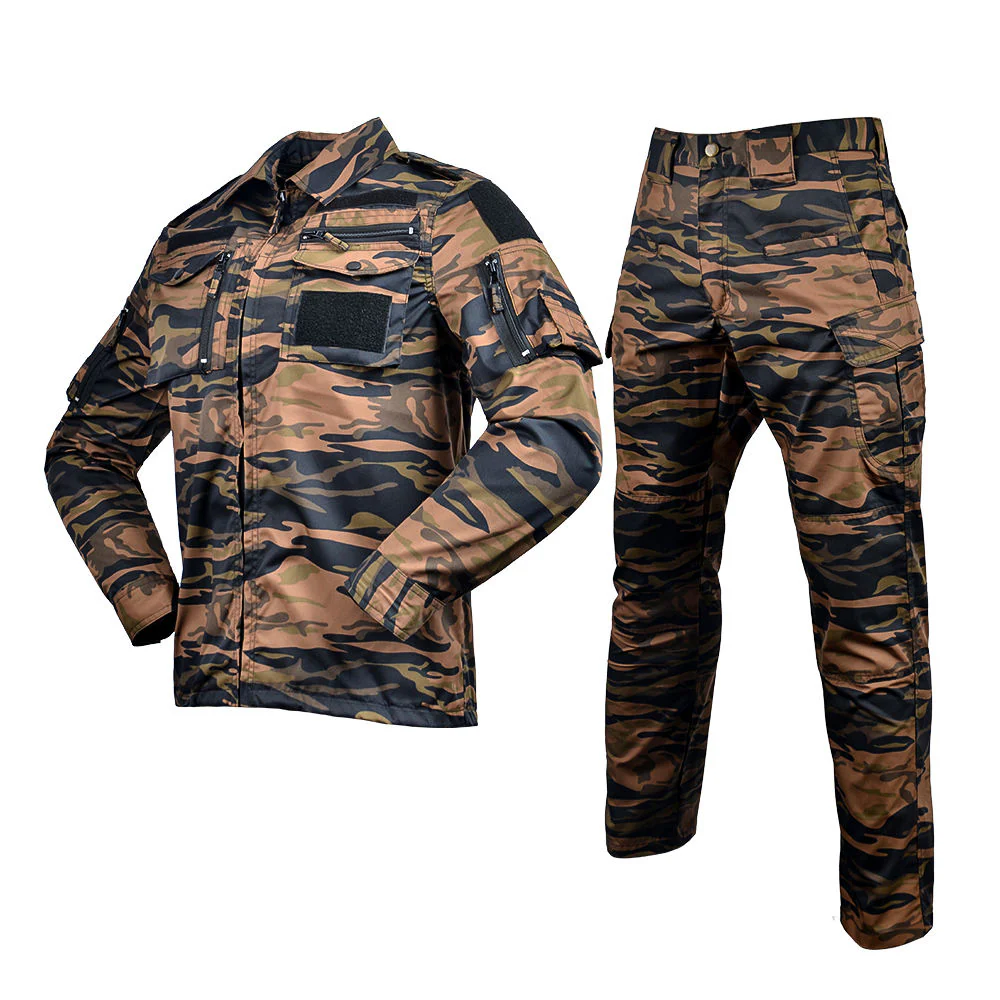
JT-57T-008
Direct Afghanistan Tabby Camo Rip-Stop Twill Fabric Uniform Breathable
- Size
- XS, S, M, L, XL, XXL
- Material description
- 65% polyester and 35% cotton
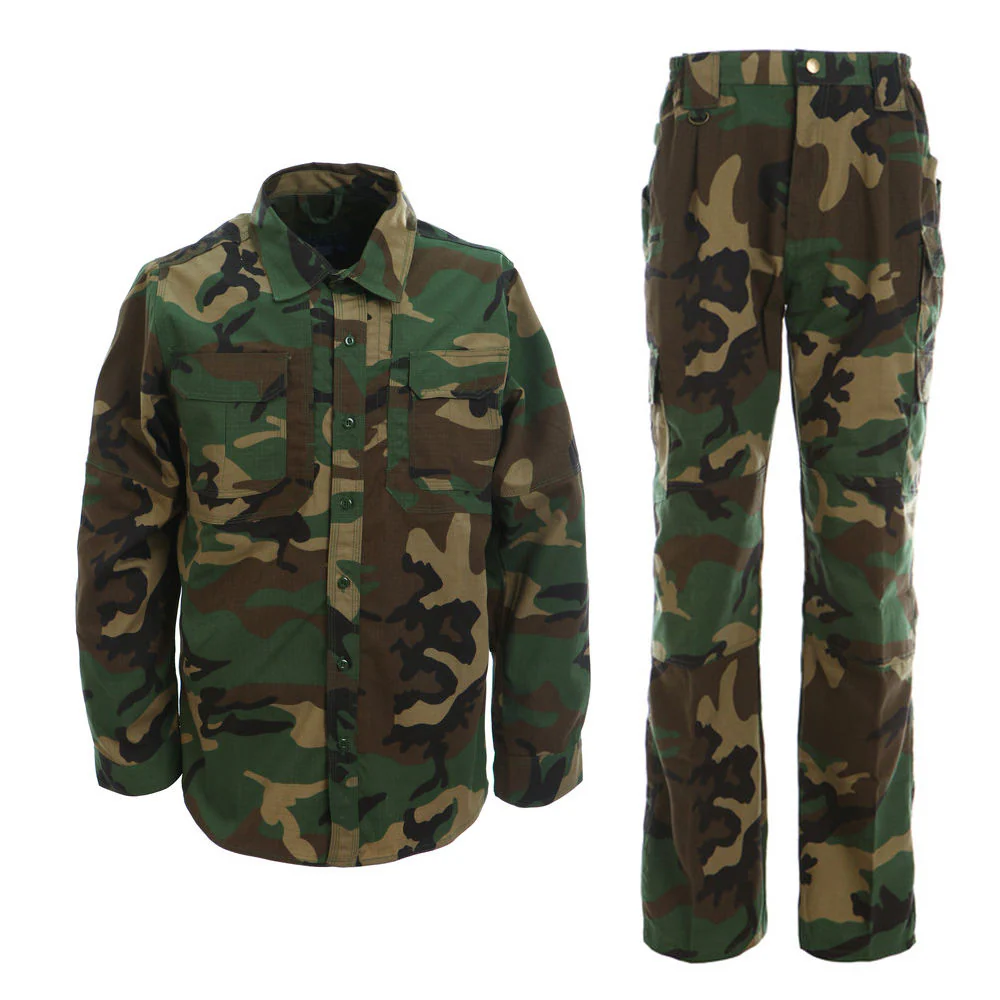
JT-57T-009
Breathable Jungle Camo Combat Tactical Jacket & Pant Uniform Anti-UV
- Product Name
- Tactical Uniform
- Texture
- Gridding
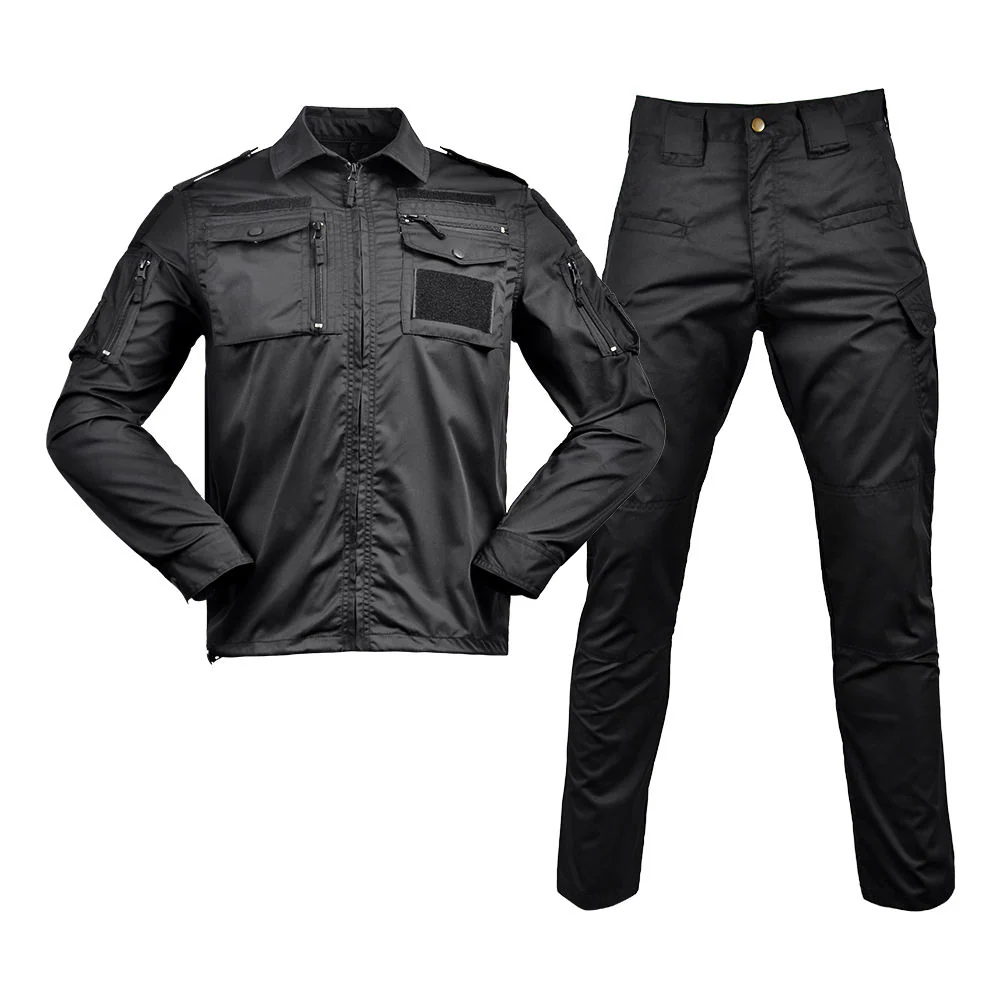
JT-57T-010
Customized Camouflage Uniform (Jacket+Pants), Ripstop Fabric Option
- Product type
- 728 tactical uniform
- Size
- XS, S, M, L, XL, XXL, XXXL
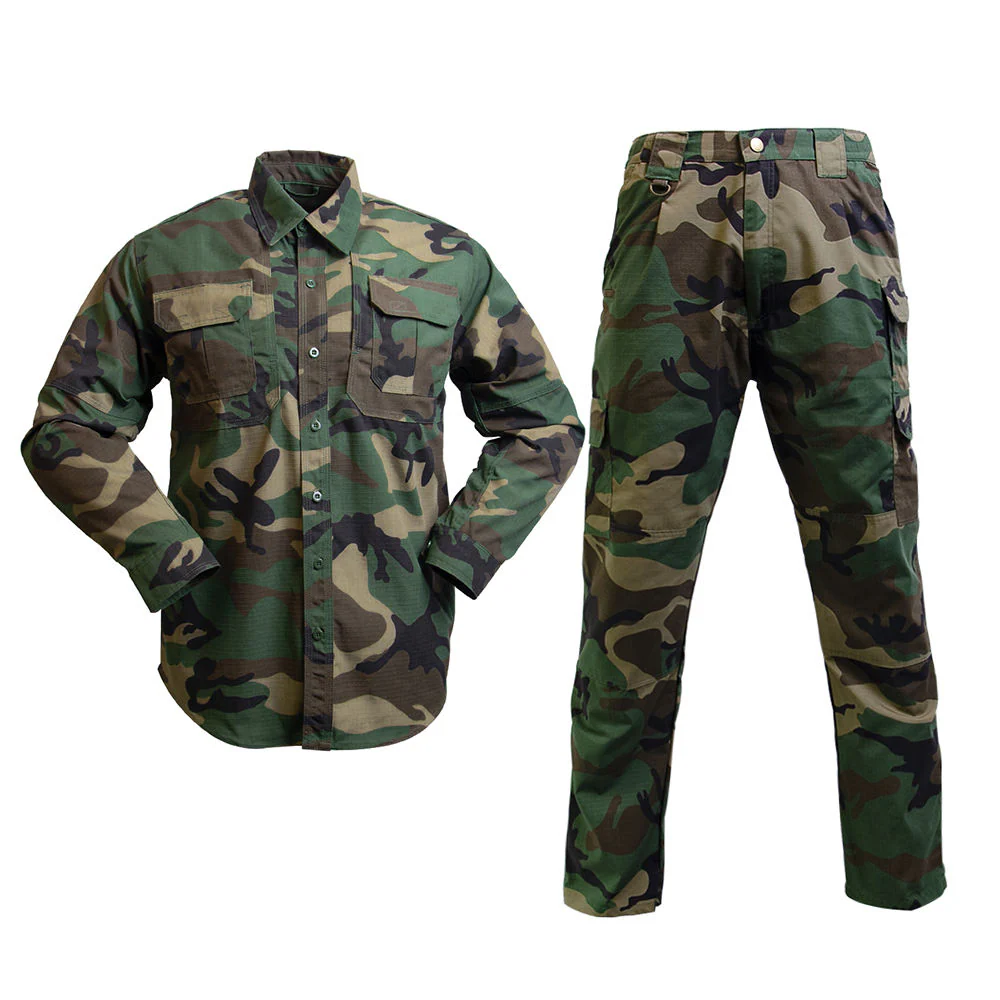
JT-57T-011
New Style S11 Breathable Camouflage Tactical Shirts & Pants Uniform
- Product Name
- New Style S11 Tactical Shirts & Pants Uniform
- Size
- S-XXXL
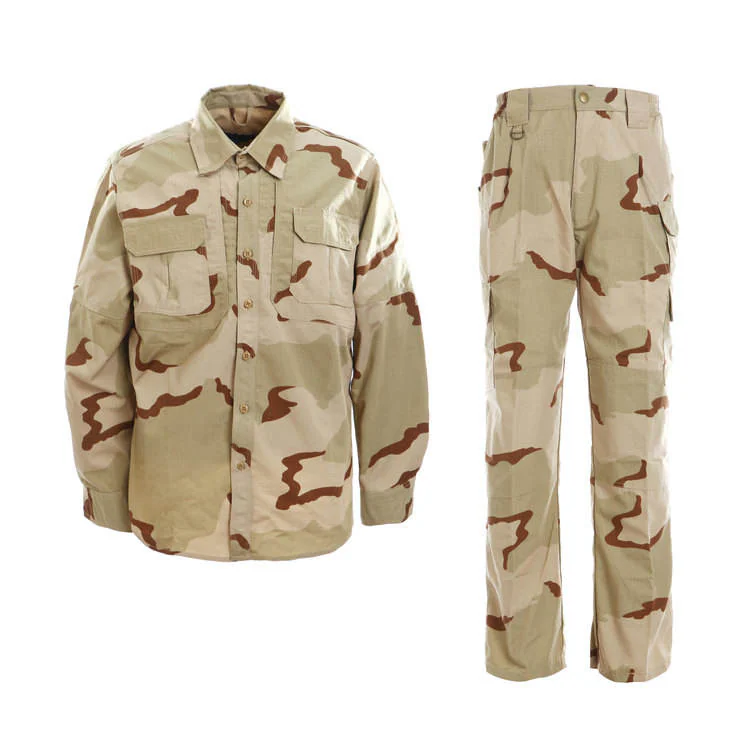
JT-57T-014
Breathable Woven Camouflage Outdoor Tactical Uniform for Unisex
- Texture
- Gridding
- Color
- Khaki, olive green, black, jungle, 3 color desert
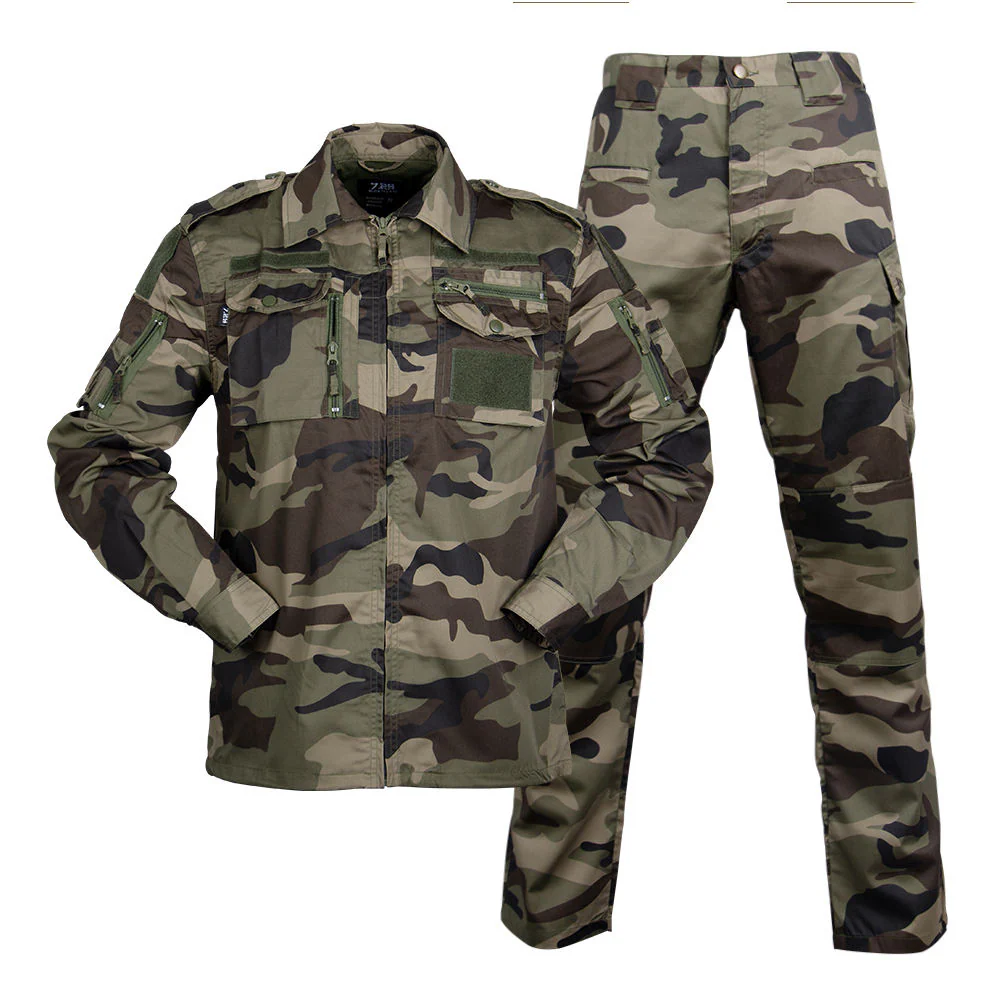
JT-57T-015
Custom UK Uniform Standard French Jungle Camouflage
- Product type
- Tactical Uniform
- Size
- XS, S, M, L, XL, XXL, XXXL
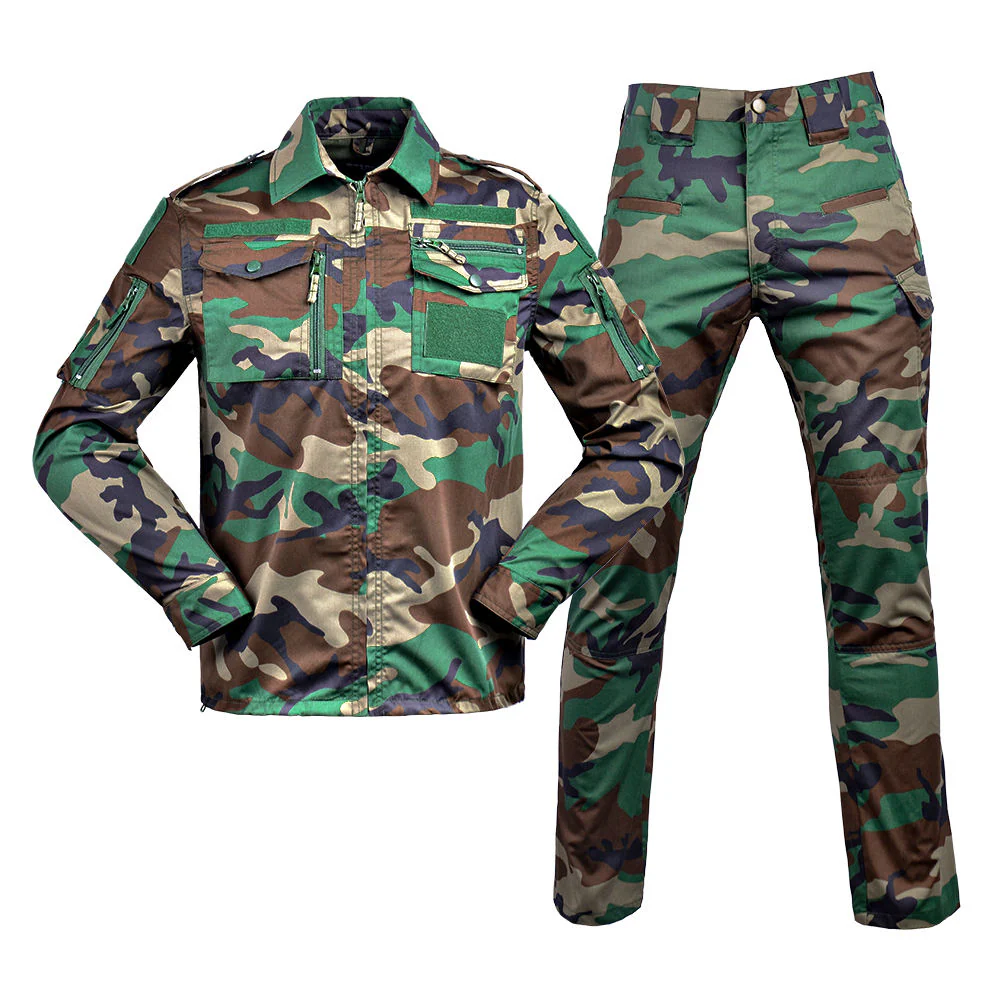
JT-57T-016
728 Gear Tactical Set Uniform Printed Breathable Anti-Static for Combat
- Product type
- 728 Tactical Uniform
- Size
- XS, S, M, L, XL, XXL
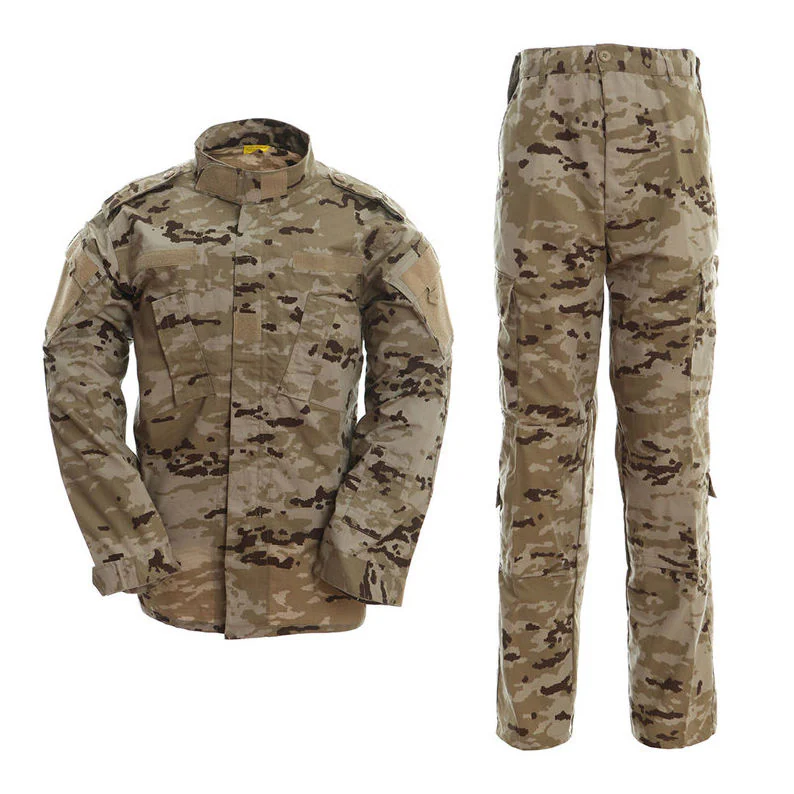
JT-ACU-002
ACU Spanish Desert Tactical Uniform Camouflage Woven Rip-Stop Windproof
- Weight
- 1.5kg
- Size
- XS, S, M, L, XL, XXL
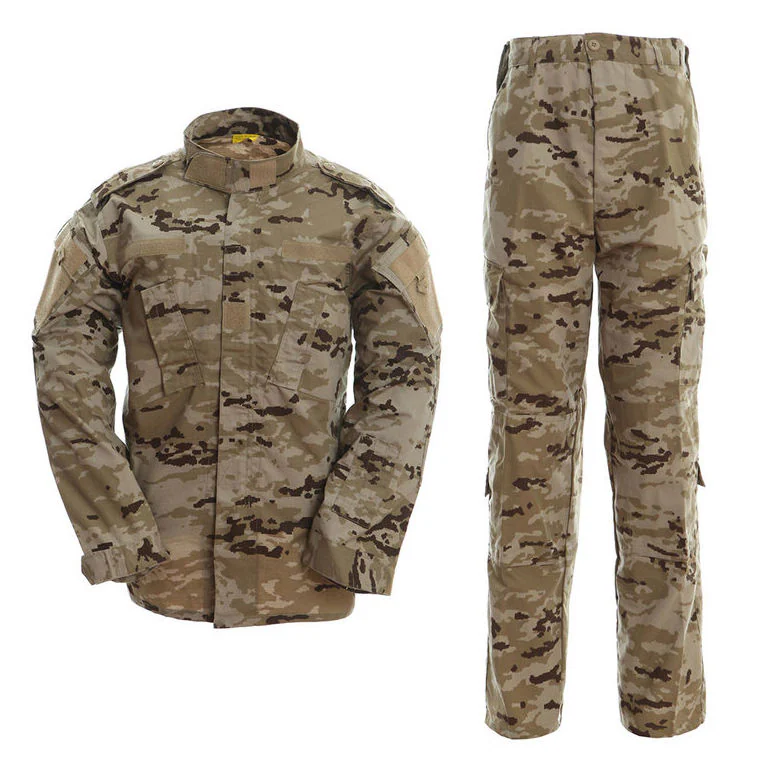
JT-ACU-003
Spanish Desert Camouflage Uniform Jackets and Pants ACU Tactical USA Combat
- Product Type
- Uniform
- Texture
- Twill/gridding
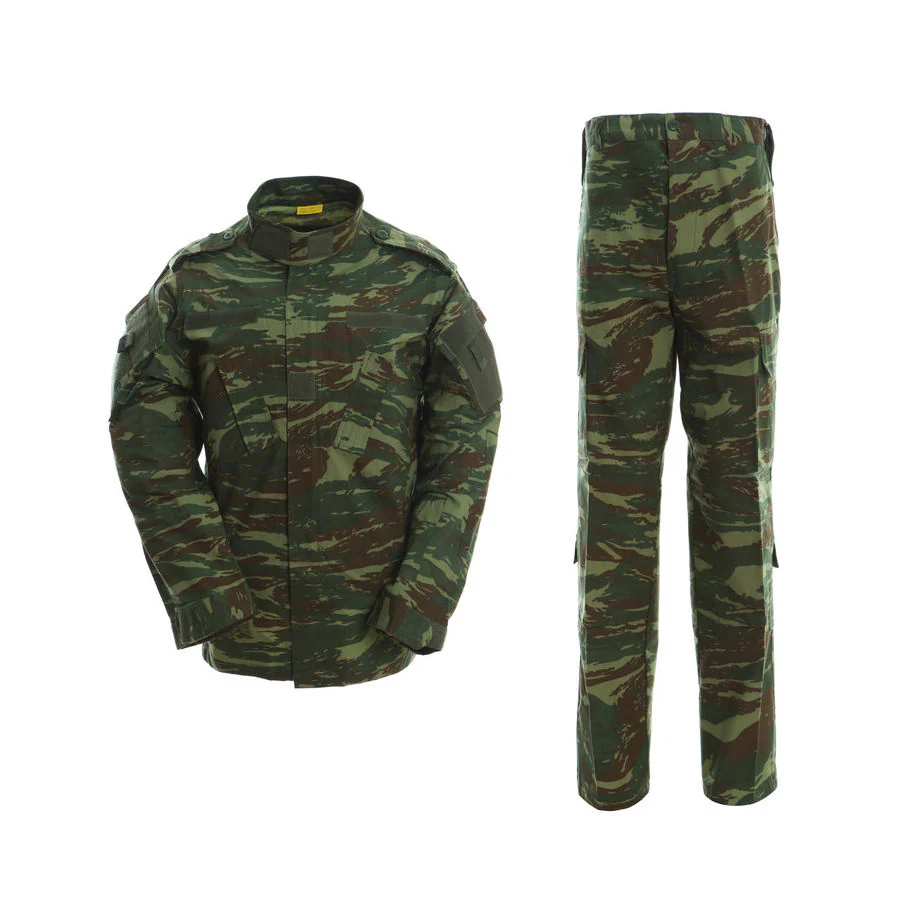
JT-ACU-004
Camo Garment ACU Greek Jungle Breathable Woven Fabric Uniform
- Product Type
- Uniform
- Weight
- 1.5kg
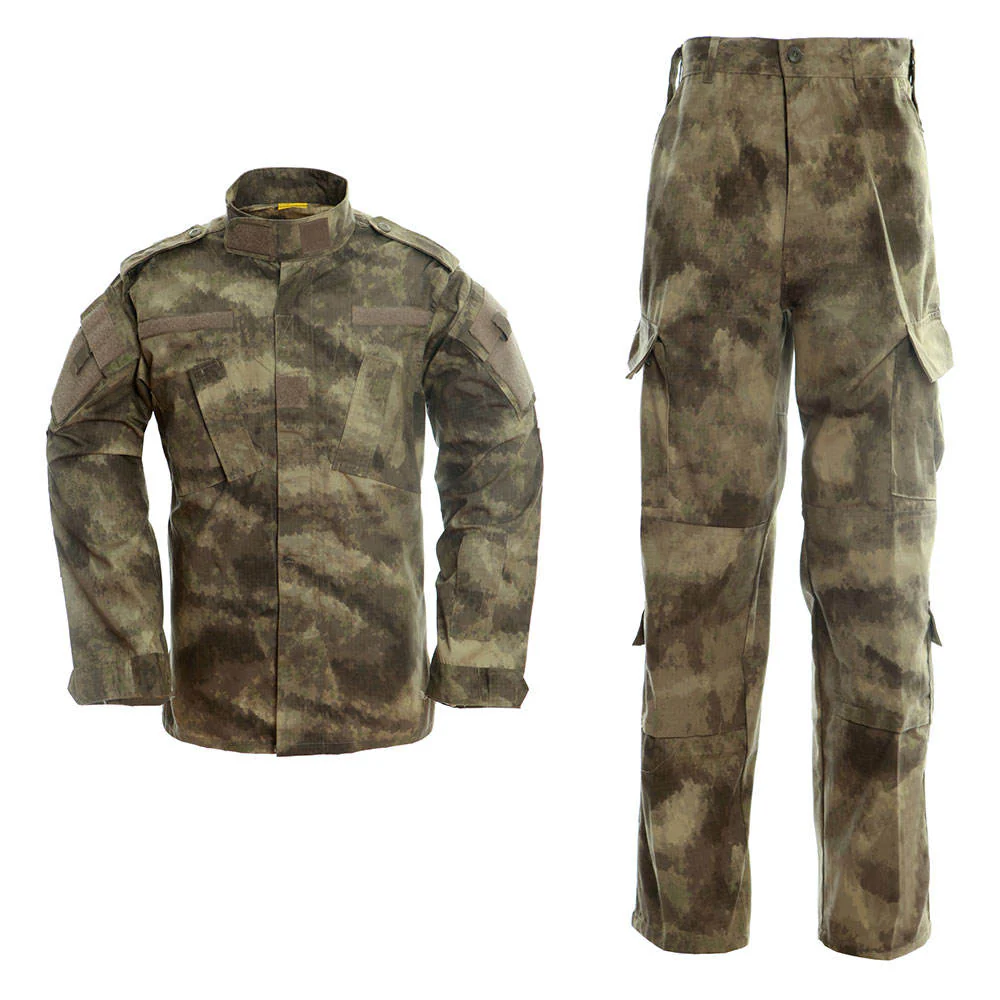
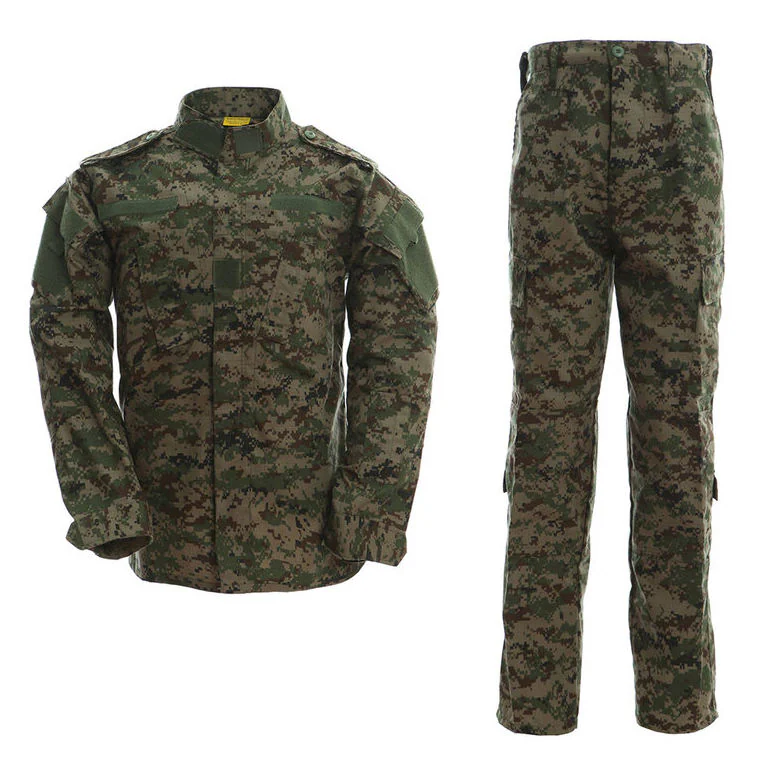
JT-ACU-012
Russian Jungle Camo Breathable Woven Camouflage Suit-Unisex Polyester/Cotton
- Color
- Russian Jungle Camo
- Type
- Camouflage Suit
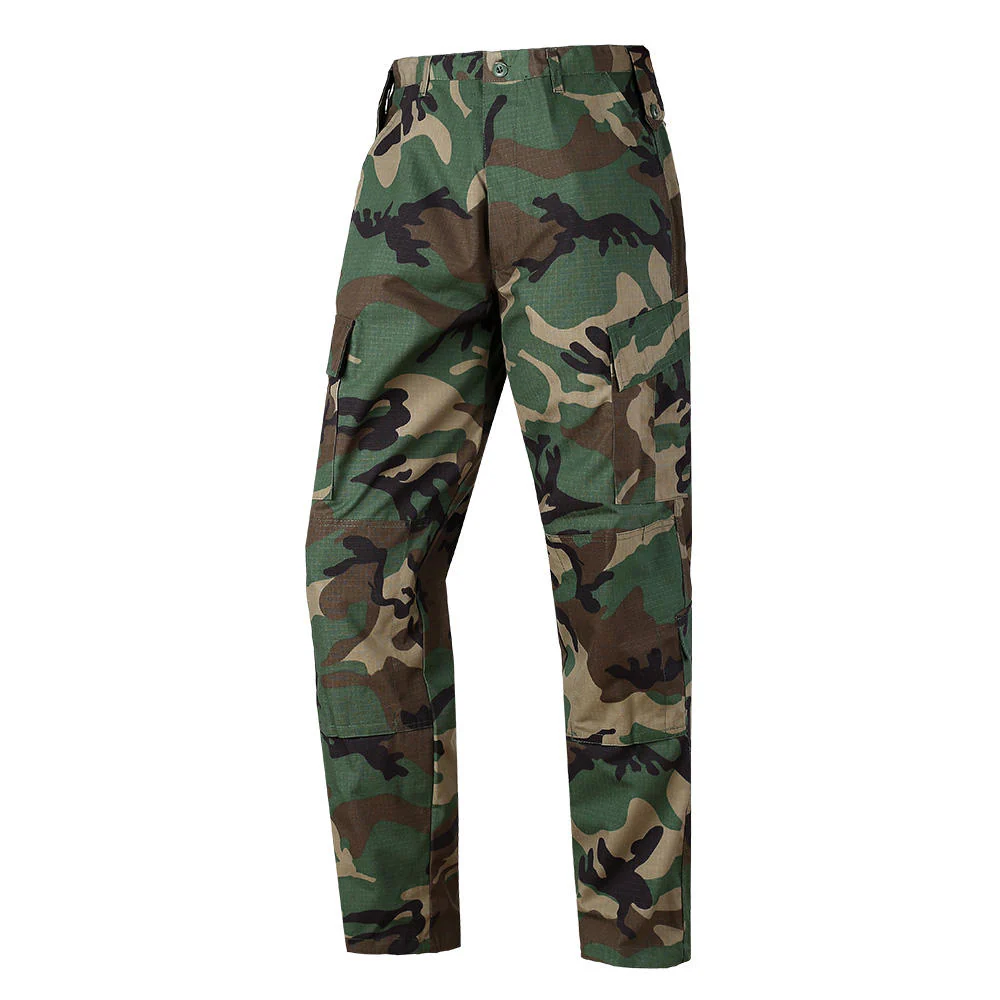
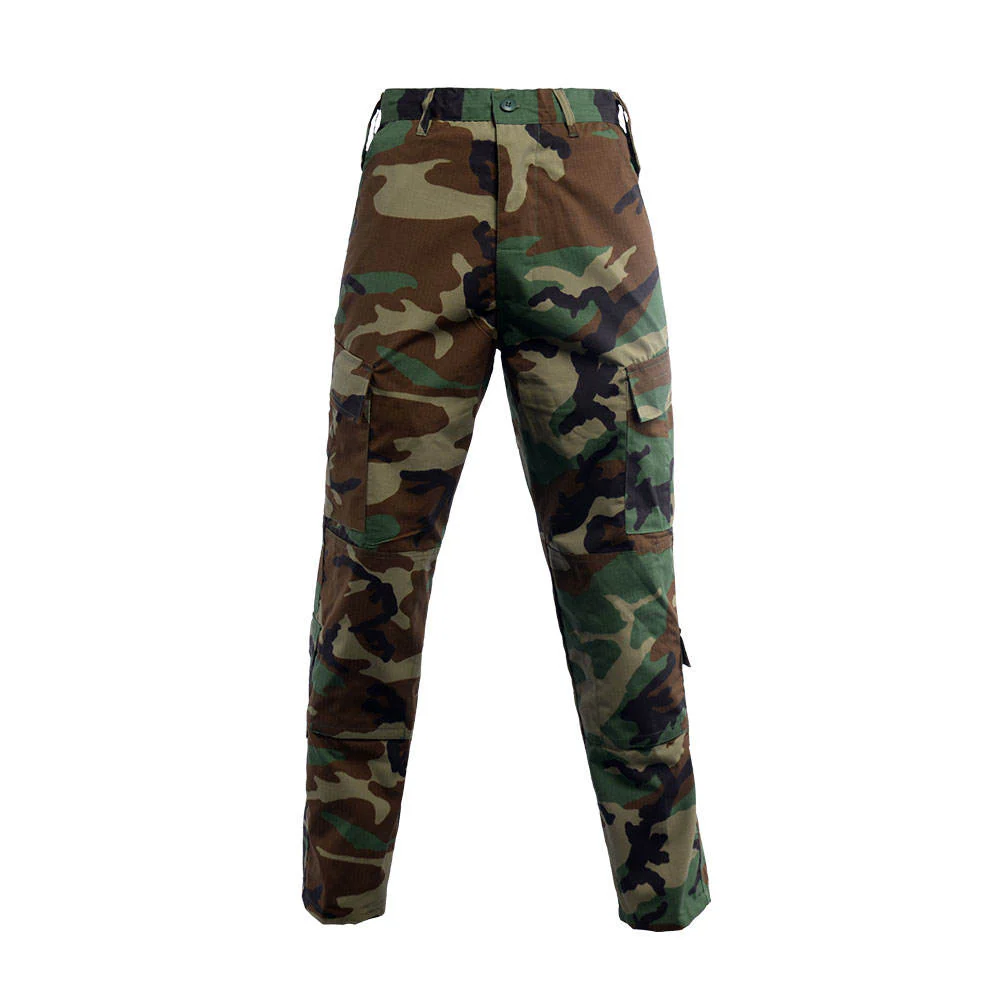
JT-AP-004
Digital Jungle ACU Pants Camo
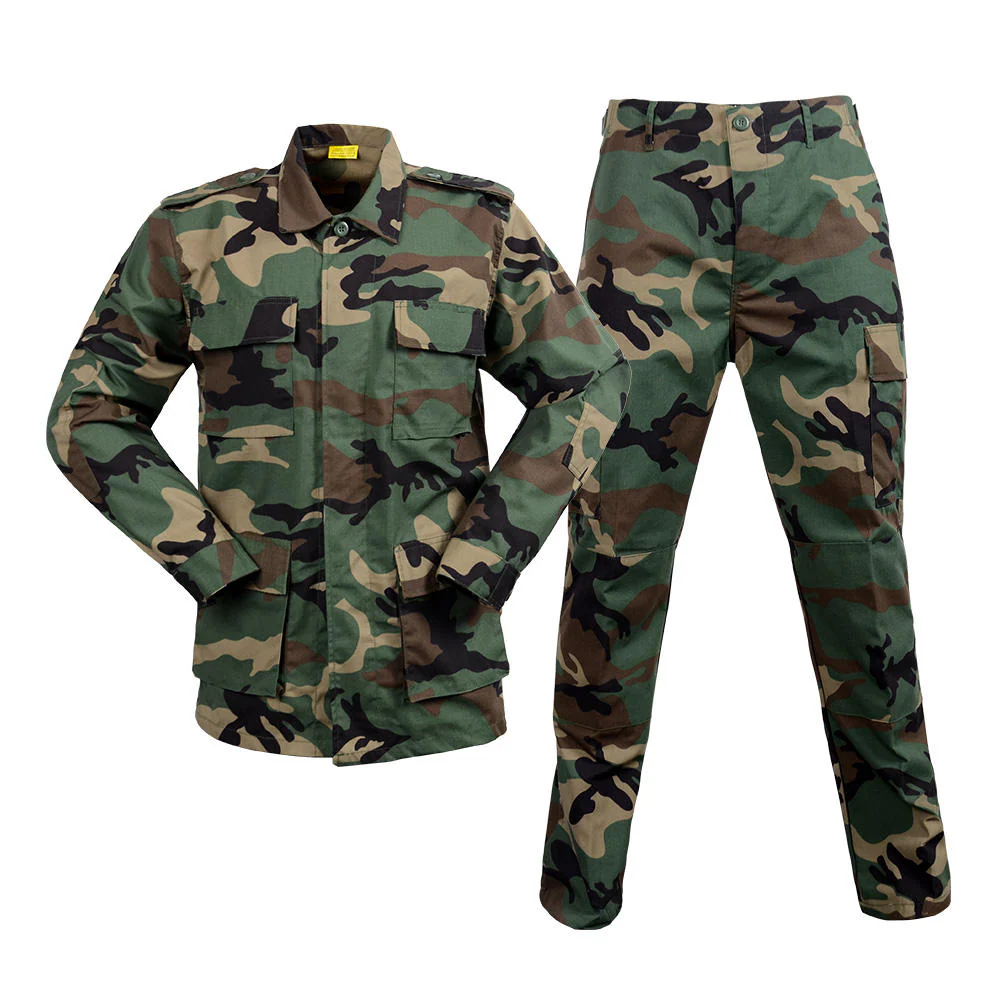
Product and supplier review
Compare a complete uniform set with a trouser-only option
Start with the product scope you need. These two catalogue references serve different purchasing decisions; a style name alone does not define the final fabric, fit or order configuration.
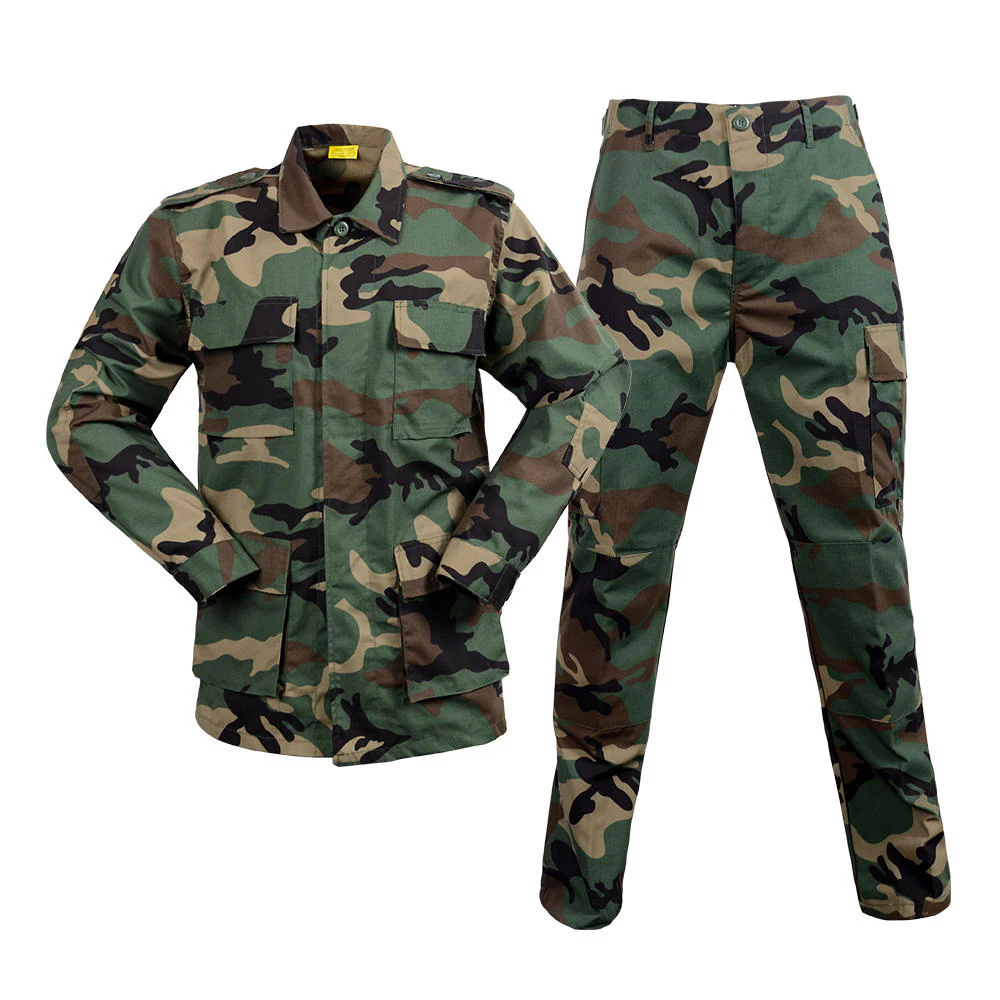
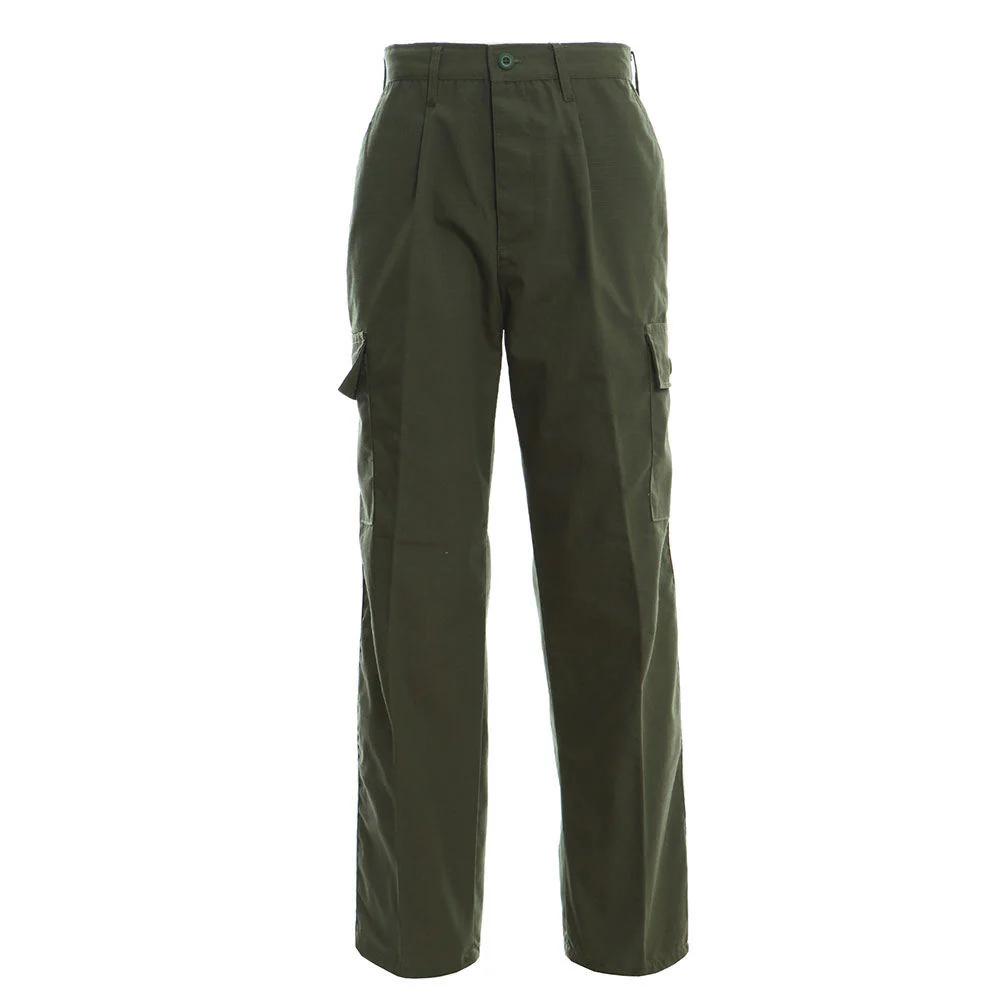
| Catalogue reference | Available reference details | What to compare before sampling |
|---|---|---|
| JT-BDU-008 · jacket + trousers | Listed composition: 65% polyester / 35% cotton; fabric weight: 210–220 g/m²; sizes: XS–XXL. | Compare jacket and trouser measurements, camouflage reference and quantity by size. |
| JT-BP-006 · cargo trousers | The catalogue photograph shows an olive trouser reference, belt loops and flap-covered thigh pockets. | Specify fabric composition and weight, waist/inseam measurements and pocket layout for the quotation. |
The listed JT-BDU-008 values describe its current catalogue reference. Confirm the exact ordered material, measurements and configuration in the quotation and sample approval. Catalogue photographs do not establish certification, performance or present stock.
A complete uniform system
Choose the uniform, then tailor the details to your order.
Start with a jacket-and-trouser set or a combat-shirt system. Share the climate, expected quantity and size range so Jinteng can review suitable fabric and construction options. Customization can include pocket layouts, colours, labels and packing, subject to the selected product. Our garment production and coordinated supply routes are explained with your quotation, so you can confirm who supplies the proposed item and what is included before sampling.
- PlatformChoose the right construction
- Start with BDU, ACU-style, combat-shirt or project-specific field construction.
- ControlSeparate garment and camouflage
- Record construction, material, artwork and colour as distinct approval fields.
- RepeatPlan beyond the first order
- Keep size ratios, labels, samples and packing references ready for replenishment.
Product selection
Compare styles and uses
Find the style closest to your needs, then explore the available products.
01 · Traditional field platform
BDU Combat Uniform Programs
Compare BDU jacket-and-trouser options, then discuss fabric, pocket layout, sizes and labels.
View product details02 · Alternative construction
ACU-Style Field Uniforms
Field-uniform options organized around the required collar, sleeve, pocket, closure and reinforcement layout.
View product details03 · Equipment interface
Combat Shirt and Trouser Systems
Material-zoned clothing for projects that need a defined interface with selected load carriage or protective equipment.
View product details04 · Program-specific configuration
Country, Climate and Unit Requirements
Buyer-supplied artwork, sizing, labels and construction are reviewed as a controlled project rather than inferred from a country name.
Product advantages
Details that make a difference
Compare the features below when choosing your products.
Fabric selected for the duty profile
Define fibre blend, construction, finished weight, finish and care route from climate and expected use.
Camouflage controlled as production artwork
Confirm pattern source, repeat, scale, colour references and approval authority before printing or cutting.
Sizing built from measurable inputs
Connect body data, finished-garment measurements, grading, ease and the planned size ratio.
Identity carried through every component
Coordinate labels, insignia fields, hook-and-loop, embroidery and packaging against approved artwork.
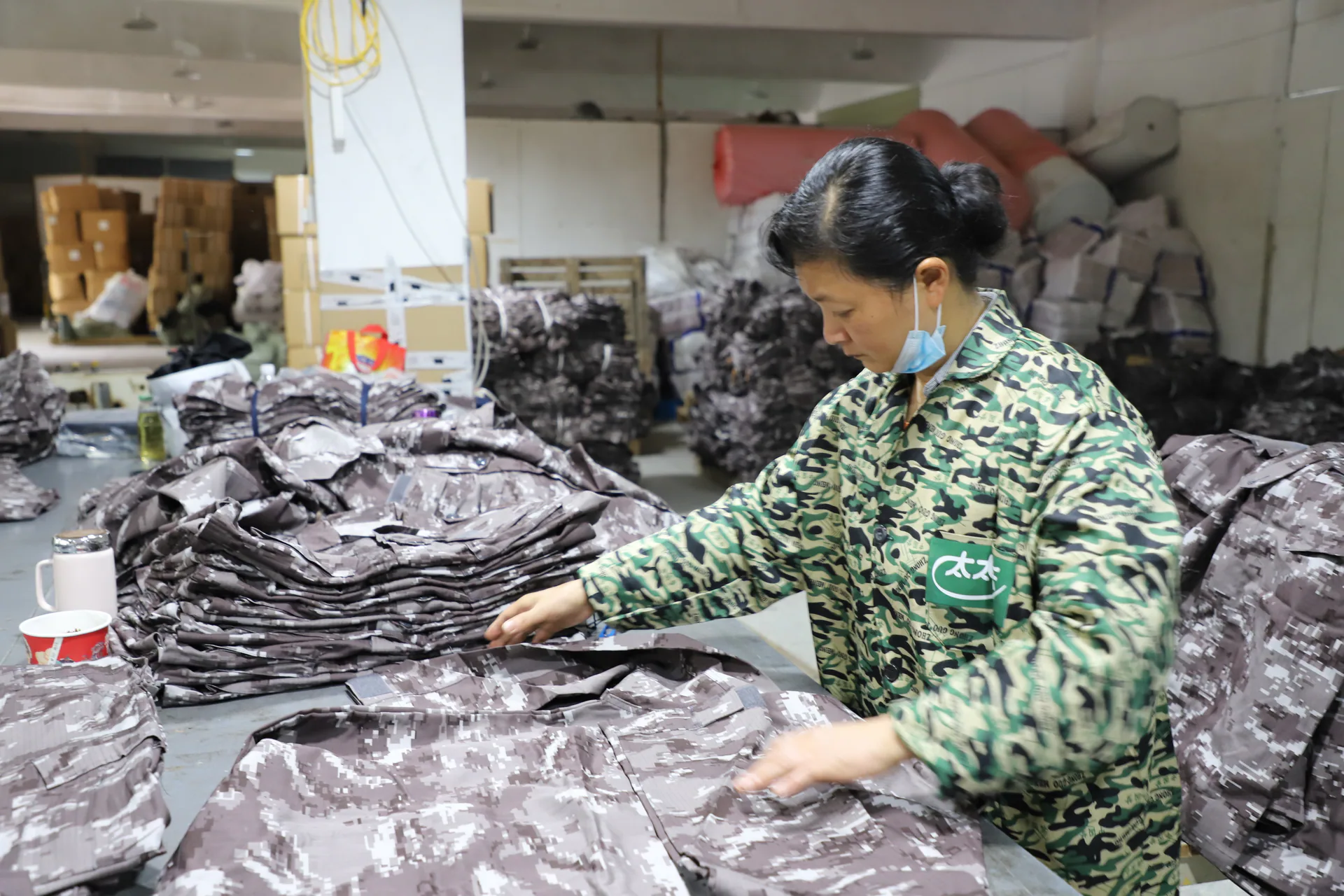
Construction control
A uniform should be easy to inspect because every detail has an owner.
Pocket position, seam type, reinforcement, closure and trim decisions are recorded before the approved sample is released. Production and inspection teams can then work from the same drawing, measurement chart and sample revision.
- Versioned construction comments
- Approved material and trim references
- Measurement and workmanship checkpoints
Fit and allocation
Size approval must support real wearer distribution, not only one sample.
A useful size-set review checks selected sizes across the proposed range, closes grading issues and then connects the approved chart to labels, order ratios, wearer allocation and final inspection.
- Defined points of measure
- Size-set decision record
- Ratio and carton reconciliation
Agree the reference, sample and delivery configuration
Keep the selected product ID, material or component specification and approved sample together when reviewing the order.
Choose the sample stage · Review procurement support · Review company and supply roles
Application contexts
Organize the product around the people, environment and delivery task.
Use these common program contexts to clarify the specification and route your enquiry to the most relevant product and project-support pages.
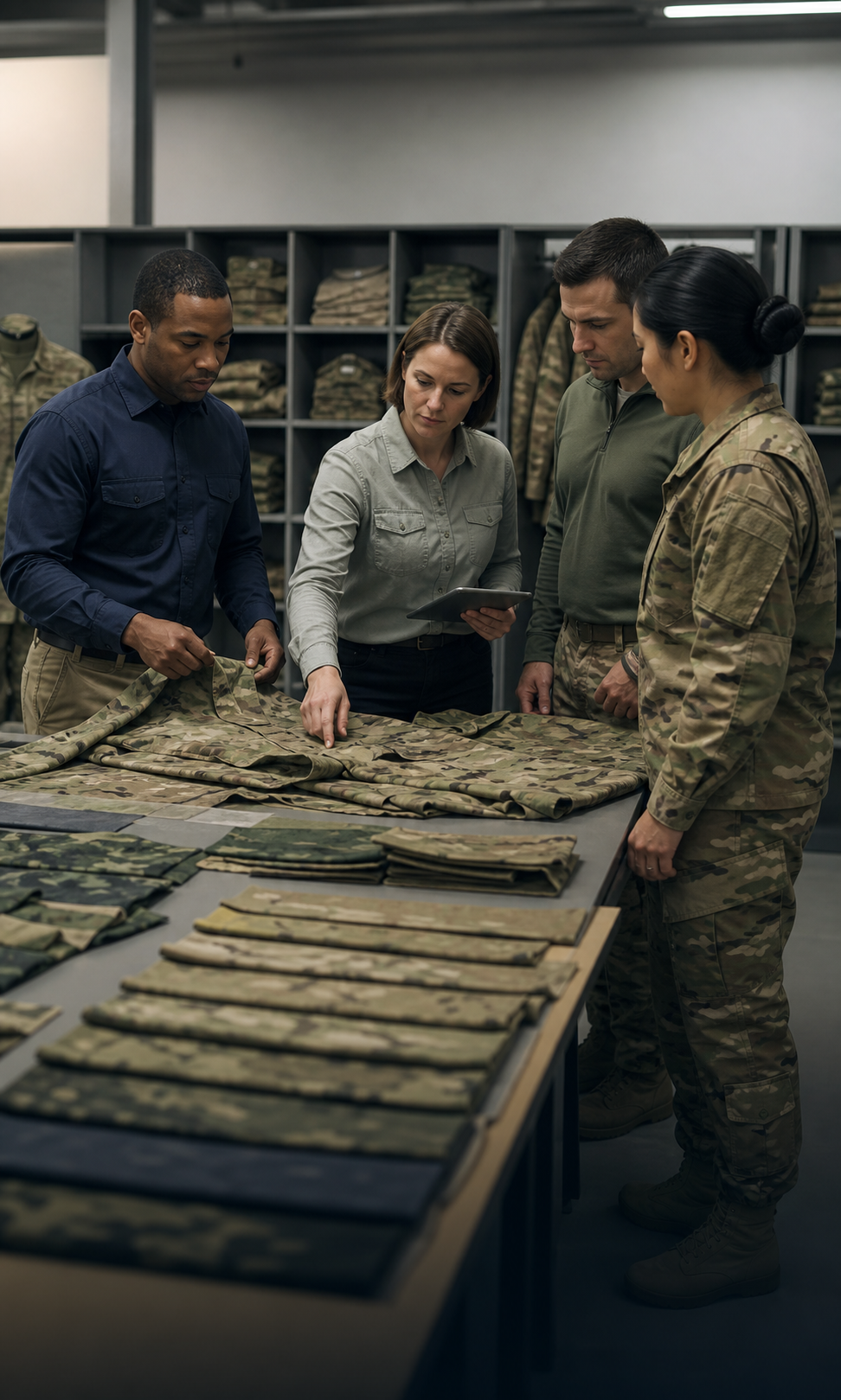
Defense and government uniform programs
Build a controlled garment and size matrix for an authorized institutional issue requirement.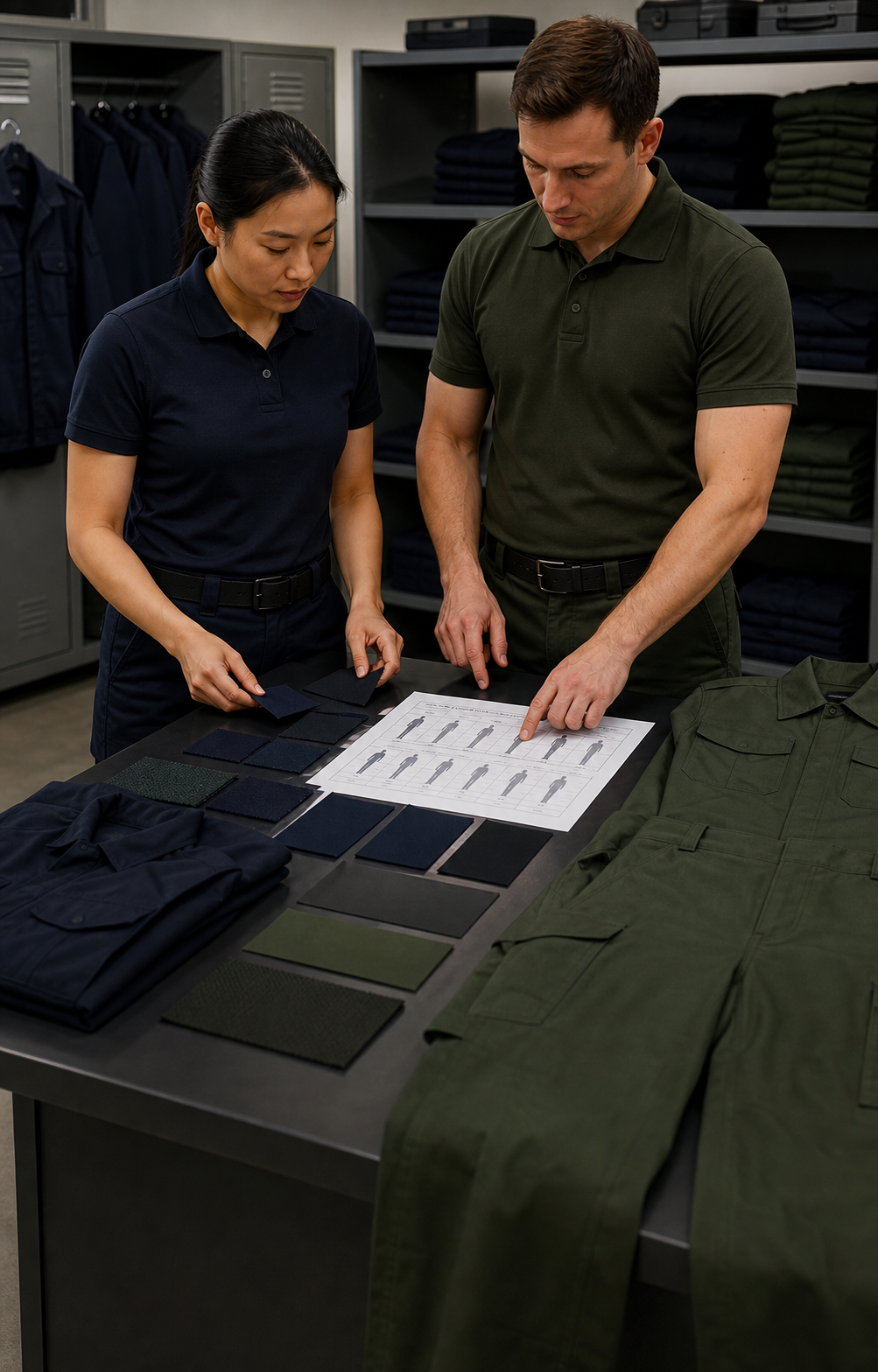
Public-security field clothing
Coordinate duty clothing, identification and compatible equipment around the named organization and use.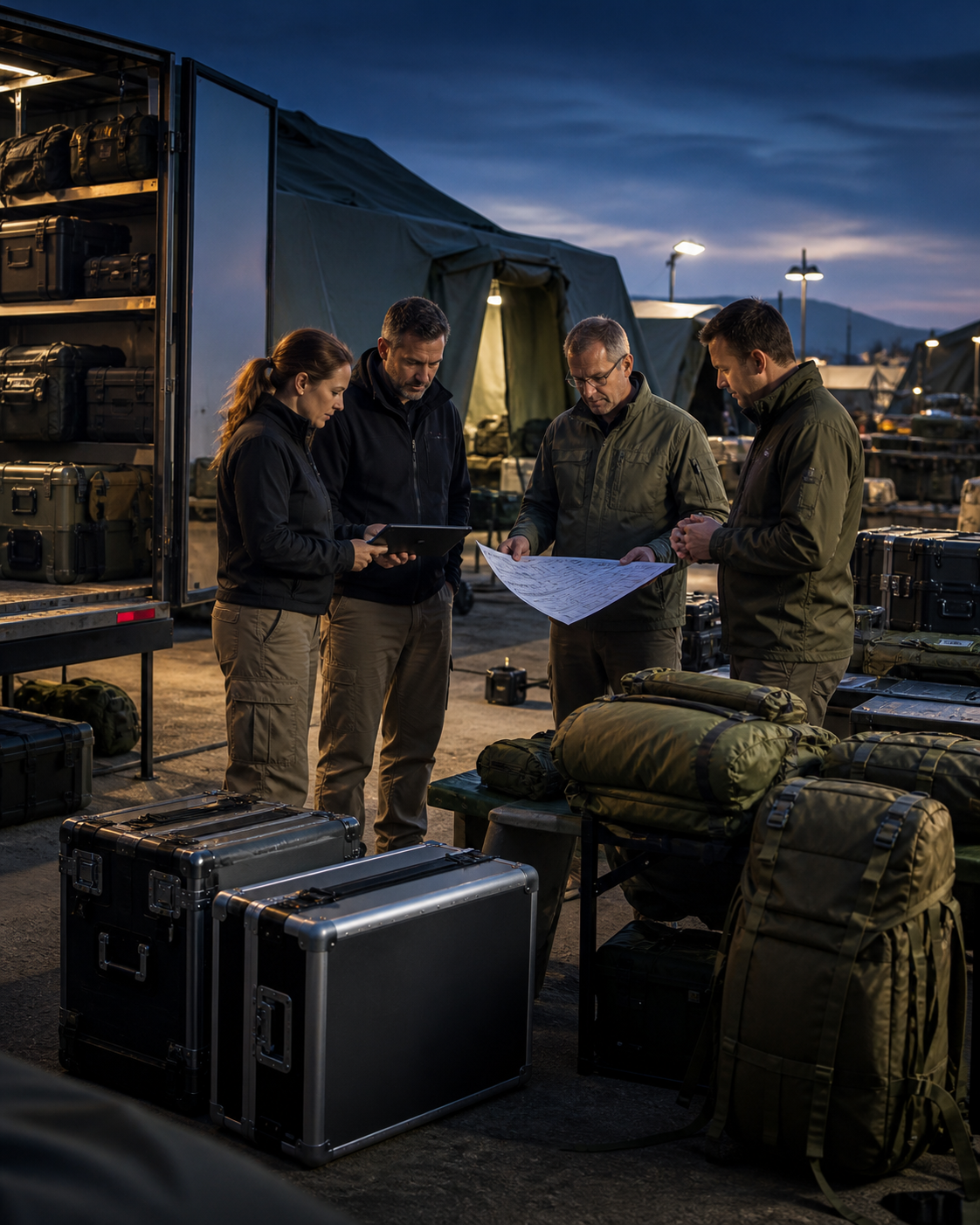
Contractor uniform integration
Keep garments, load carriage, labels and packing identifiers aligned in one project BOM.Buyer resources
Use practical guides and the company catalogue to prepare the next decision.
The resources below help you define the requirement, choose the right approval stage and request a more comparable quotation.
Product catalogue
2026 Product Catalogue
Request the current company catalogue, then tell us which product families and configurations should be included in your quotation.
Request catalogue access
Buyer guide
Military Uniform RFQ Checklist
Define the commercial and technical inputs required for comparable bids.
Read the buyer guide
Buyer guide
Military Uniform Fabric Guide
Specify material, construction, finish, colour and camouflage as verifiable fields.
Read the buyer guide
Buyer guide
Combat Uniform Types Guide
Compare BDU, ACU-style, combat-shirt and field-uniform starting points.
Read the buyer guideGarment program capability
Jinteng combines garment production experience with one accountable project record.
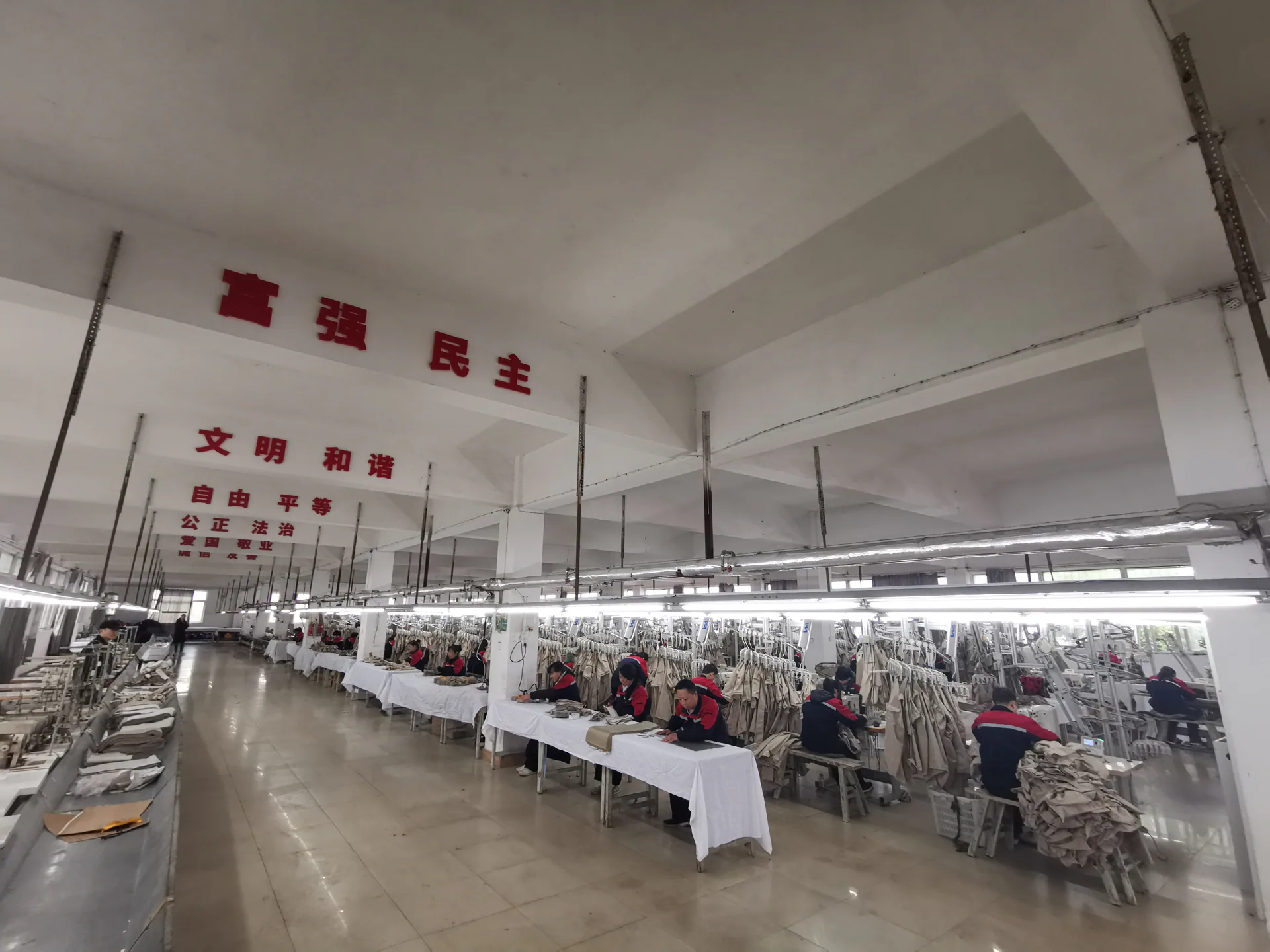
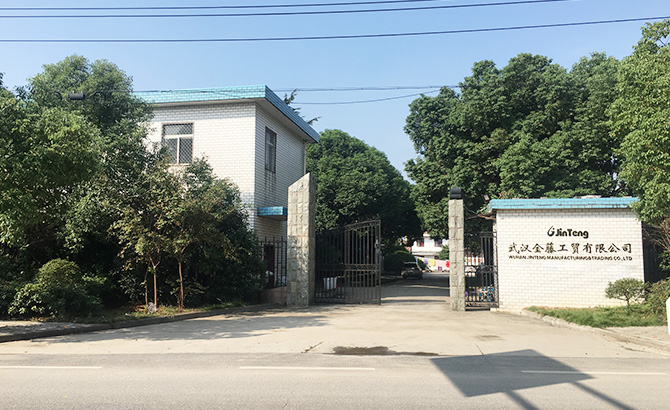
Established in Wuhan in 2002, Jinteng supports military and institutional garment programs through requirement review, sampling, production planning, inspection and export coordination. The project route is confirmed against the selected product and configuration before quotation.
- 7,800 m² company site
- 5,600 m² workshop and warehouse area
- More than 200 people across the company team
- Own, partner and sourced routes disclosed for the proposed item

Configuration details
Materials, sizes and custom options
Review the product-specific details below, then use these tabs to plan any changes.
Define the garment platform
Record the set and construction before discussing fabric or price.
- Jacket, shirt and trouser components
- Pocket, collar, cuff and closure layout
- Reinforcement and equipment interfaces
- Optional seasonal layers
- JT-1T-001 · Weight
- 1.5kg
- JT-1T-001 · Size
- S,X,M,L,XL,XXL,XXXL
- JT-1T-002 · Weight
- 1.25kg
- JT-1T-002 · Size
- S,X,M,L,XL,XXL,XXXL
- JT-1T-003 · Weight
- 1.5kg
- JT-1T-003 · Size
- S,M,L,XL,XXL,XXXL
- JT-1T-006 · Weight
- 1.5kg
- JT-1T-006 · Size
- S,M,L,XL,XXL,XXXL
Control fabric and camouflage separately
A style name does not determine material performance or printed artwork.
- Fibre and fabric construction
- Finished weight and finish
- Colour or controlled camouflage reference
- Thread, zip, button and hook-and-loop details
Connect fit approval to the order ratio
Use reproducible measurements and selected size samples.
- Body-data and ease basis
- Finished-garment points of measure
- Grading and tolerance rules
- Size ratio and label reconciliation
Inspect and deliver the accepted configuration
Exact configuration documents should connect the approved BOM, sample, inspection and allocation plan.
- Material and sample identity
- Measurements and workmanship checkpoints
- Final appearance and function record
- Individual, unit or destination packing
What a buyer should be able to verify
Use records that stay connected to the exact uniform being quoted.
The following items help purchasing and technical teams compare suppliers without relying on broad marketing claims.
- 01
Does the quotation match our complete garment set?
A component-level quotation with product IDs, quantities, proposed values and declared deviations.
- 02
Will the bulk order match the approved sample?
A frozen BOM, measurement chart, artwork register and identified pre-production sample.
- 03
Can the required sizes be allocated correctly?
An approved size chart, ratio file, label logic and packing allocation.
- 04
How will defects and changes be controlled?
An agreed inspection plan, change log and final release record for the named order.
Frequently asked questions
Questions buyers ask before sampling and quotation
These answers address the configuration, order planning and approval details that most often affect a bulk project.
What information is needed to quote military camouflage uniforms?
Provide the buyer and end-user type, garment set, quantity, destination, duty environment, fabric requirement, colour or camouflage reference, size chart, identity details, sample stage, inspection needs and delivery target. If a field is open, label it as a supplier proposal so every quotation can answer on the same basis.
Can one camouflage image be used as the production colour reference?
A screen image is rarely enough for controlled production. The project should identify who owns or authorizes the artwork, the required repeat and scale, colour references, component matching rules and the physical or digital approval method before bulk printing.
How do BDU and ACU-style uniforms differ?
They are broad construction families rather than complete specifications. Pocket layout, closures, collar, cuffs, reinforcement and equipment interfaces may differ, but either family still requires a separate material, colour or camouflage, sizing, identity and inspection brief.
Which sample should be approved before bulk production?
The correct path may include an evaluation sample, a development sample, a size set and a pre-production sample. The final release should identify the accepted materials, construction, measurements, artwork, labels and packing that will govern the bulk order.
How can repeat orders stay consistent?
Retain stable product IDs, approved BOM and artwork revisions, measurement charts, accepted samples, shade references and packing instructions. Reconfirm any changed material, component, production route or destination requirement before treating the previous approval as current.
Buyer guide
How to prepare a military camouflage uniform requirement that suppliers can price accurately
The strongest brief makes technical, commercial and allocation decisions visible before quotations are compared.
Read the full buying guide
Begin with users, duty and issue scale
Describe who will wear the garments, the operating climate, planned layers, carried equipment, care route and expected replacement cycle. List every garment and accessory in the issue set, then separate first-issue quantities from reserves and future replenishment. This opening brief gives material, construction and sizing decisions a practical reason. It also prevents a supplier from assuming that one fabric, fit or pocket layout suits every wearer group simply because the garments share a military uniform category.
Turn design intent into controlled fields
Use drawings, a requirement matrix or an approved reference sample to identify blouse, trouser and combat-shirt construction. Specify fabric, camouflage, trims, measurements and identity as separate fields, and state which values are mandatory, acceptable alternatives or open for proposal. Require each supplier to return its proposed value and deviation on the same schedule. This makes quotations comparable and helps the buyer distinguish a deliberate alternative from a detail that was silently filled in during sampling.
Define approval, inspection and packing before price comparison
Name the purpose of each sample, who can accept it and which record closes the decision. Set the intended inspection basis, including construction, measurements, material identity, appearance, quantities and packing. Define whether garments are packed individually, as wearer sets, by size ratio, by unit or by destination. A low unit price is not comparable when required sample stages, project documents, labels, inspection work or allocation services are excluded or left as later assumptions.
Keep the accepted program usable after delivery
Bring the final drawing, BOM, material and artwork references, measurement chart, sample comments, labels and packing instructions together under one revision. Reconcile the delivered sizes and sets against that record, then retain the accepted product and sample identifiers. When a material, artwork, construction or packing rule changes, record the new decision instead of overwriting the earlier baseline. A later replenishment order can then distinguish an intentional update from an unapproved substitution and preserve continuity for existing wearers.
Project enquiry
Request a focused quotation for military uniform supply.
Share the current requirement, even if some technical fields still need a supplier proposal. We will use the product IDs and project context to recommend the next quotation or sample step.
Helpful details to include
- Garment and component matrix
- Duty, climate and equipment interface
- Fabric and camouflage controls
- Size chart and preliminary ratio
- Identity, sample, inspection and packing plan
 WhatsApp