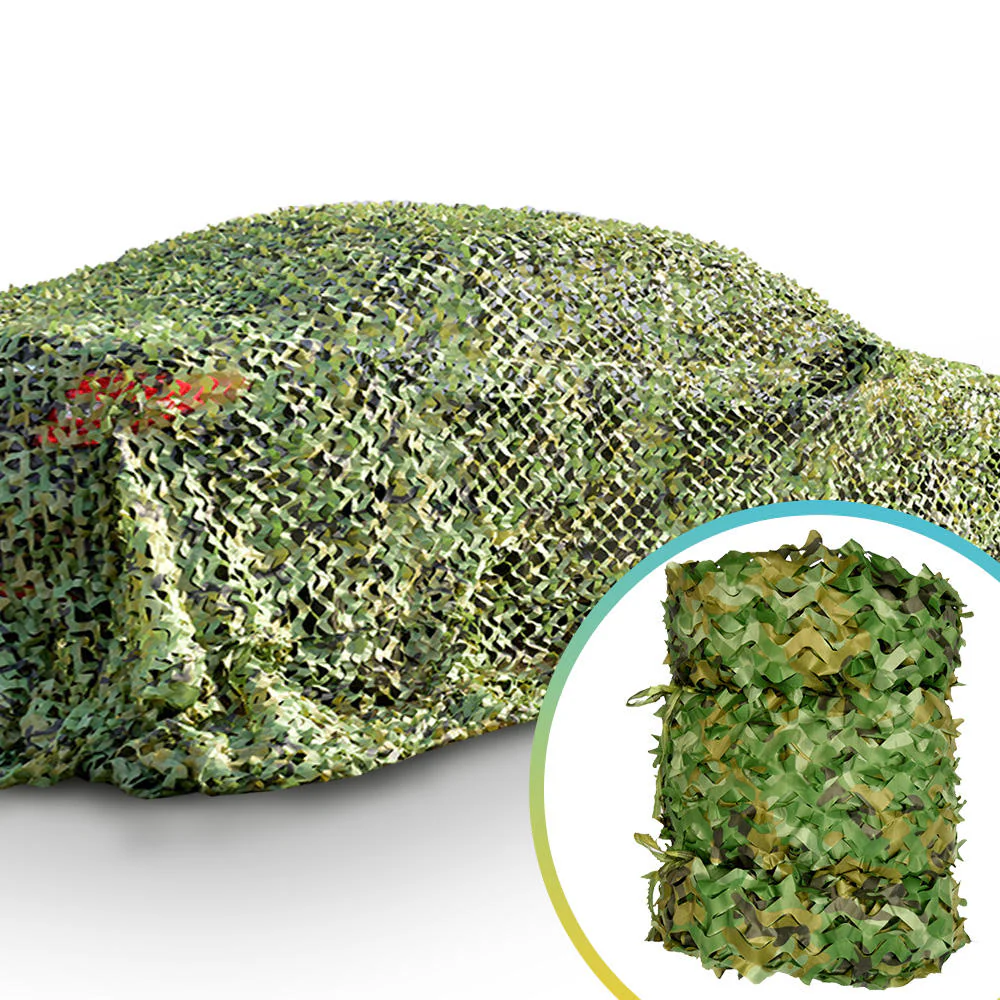
JT-A-003
Customizable 150D Woodland Mesh Camouflage Netting Personal Defense
- Type
- Camouflage Net
- Color
- Camo or can be customized

Deployable field support
Coordinate shelters, sleeping systems, cots, storage and supporting field items around occupancy, climate, transport, setup, packing and replenishment requirements instead of purchasing disconnected products.
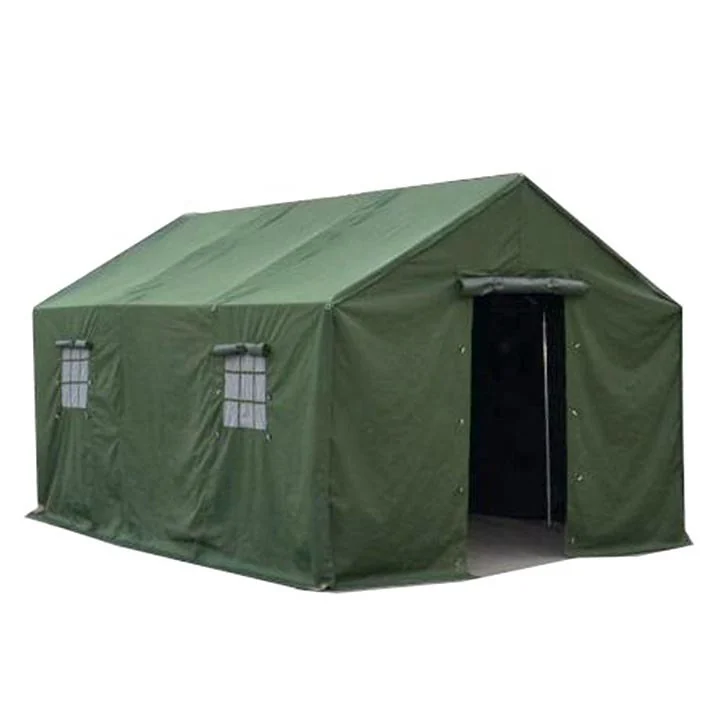
Available product options
Compare the styles below. Open a product for its details, or send the product ID and your requirements to discuss a quotation.
JT-A-003
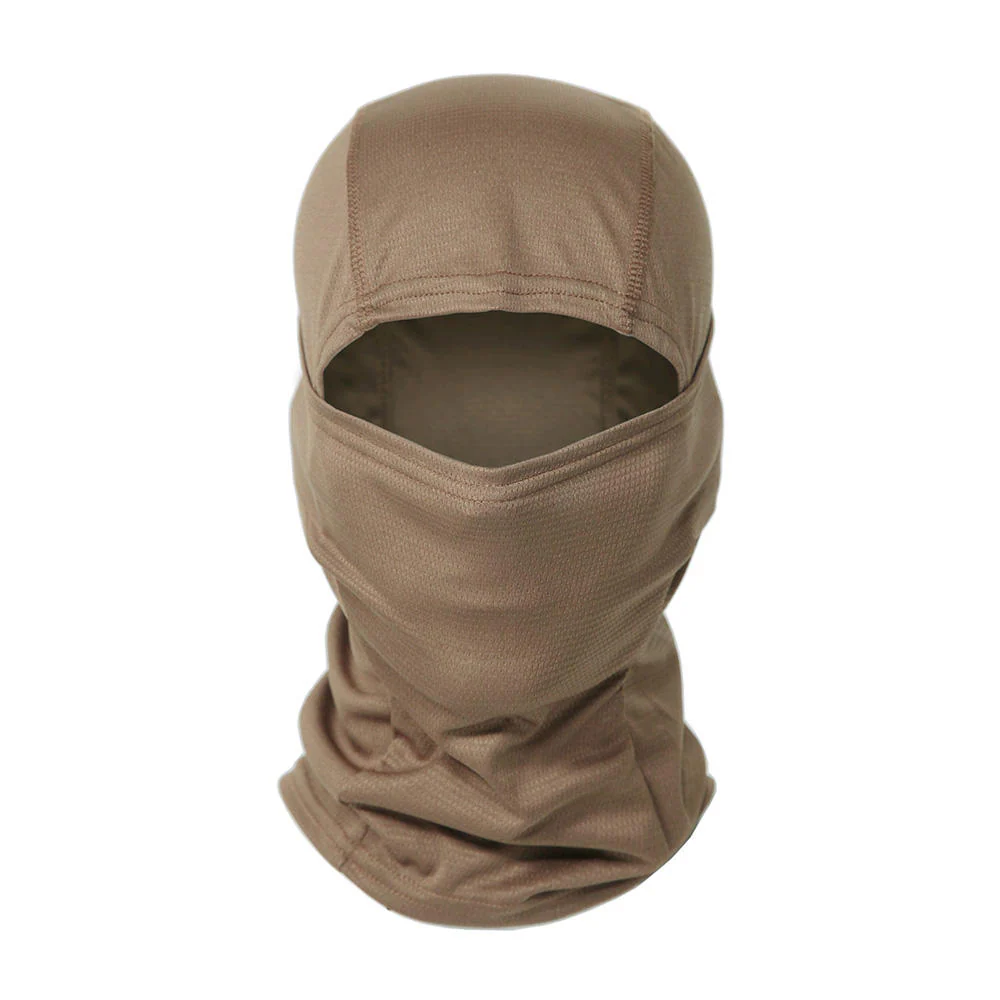
JT-H-008
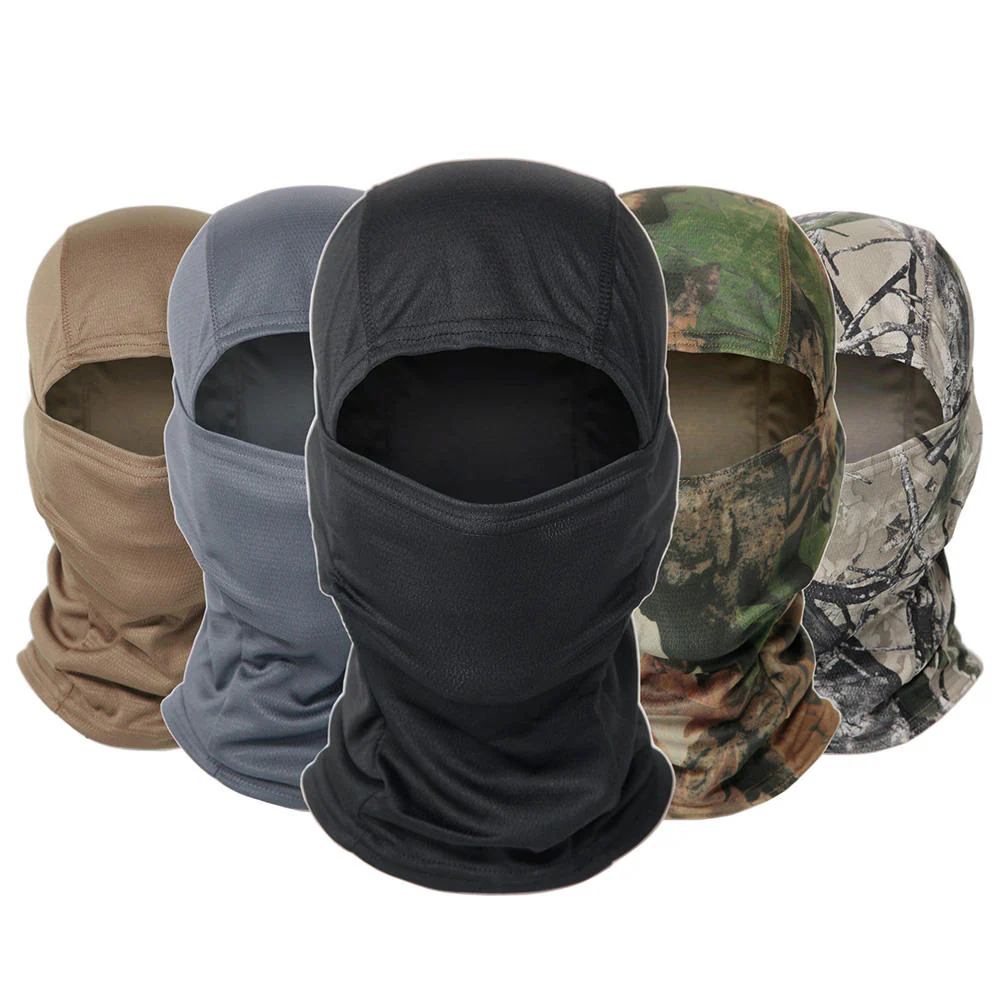
JT-H-009
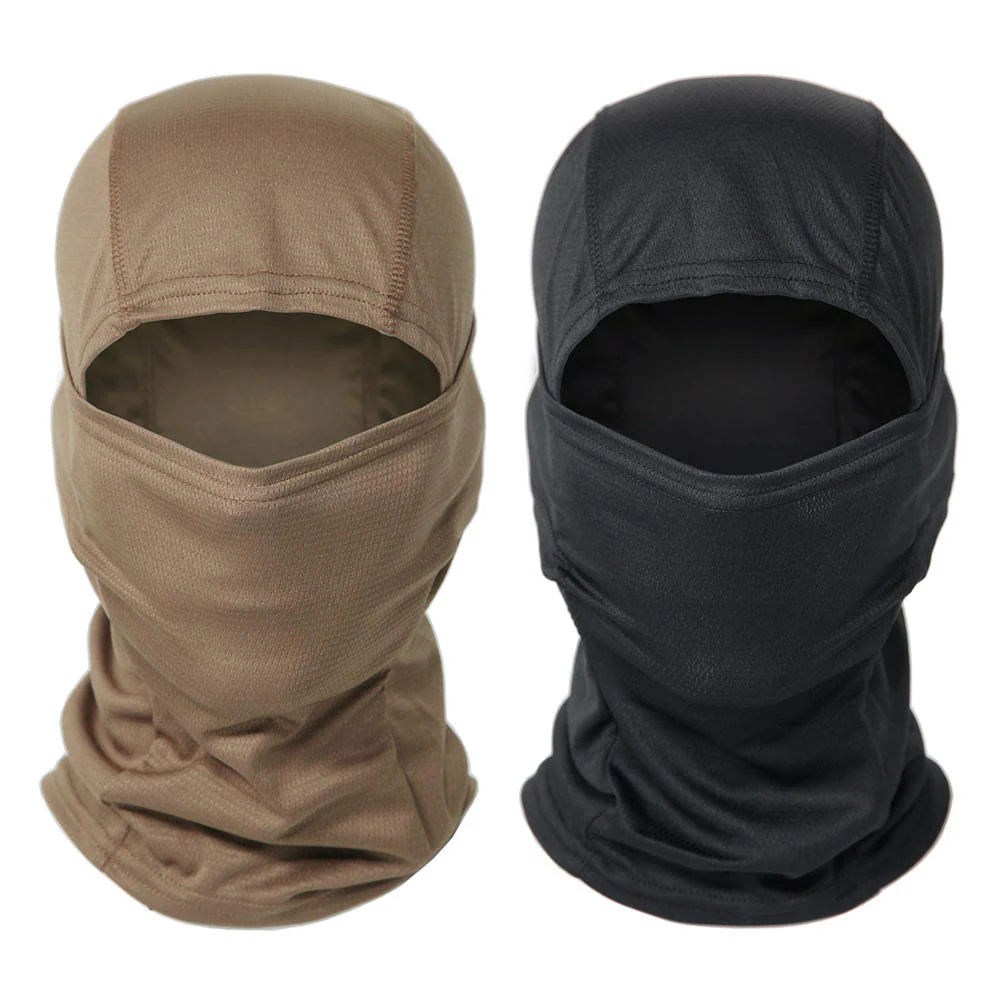
JT-H-010
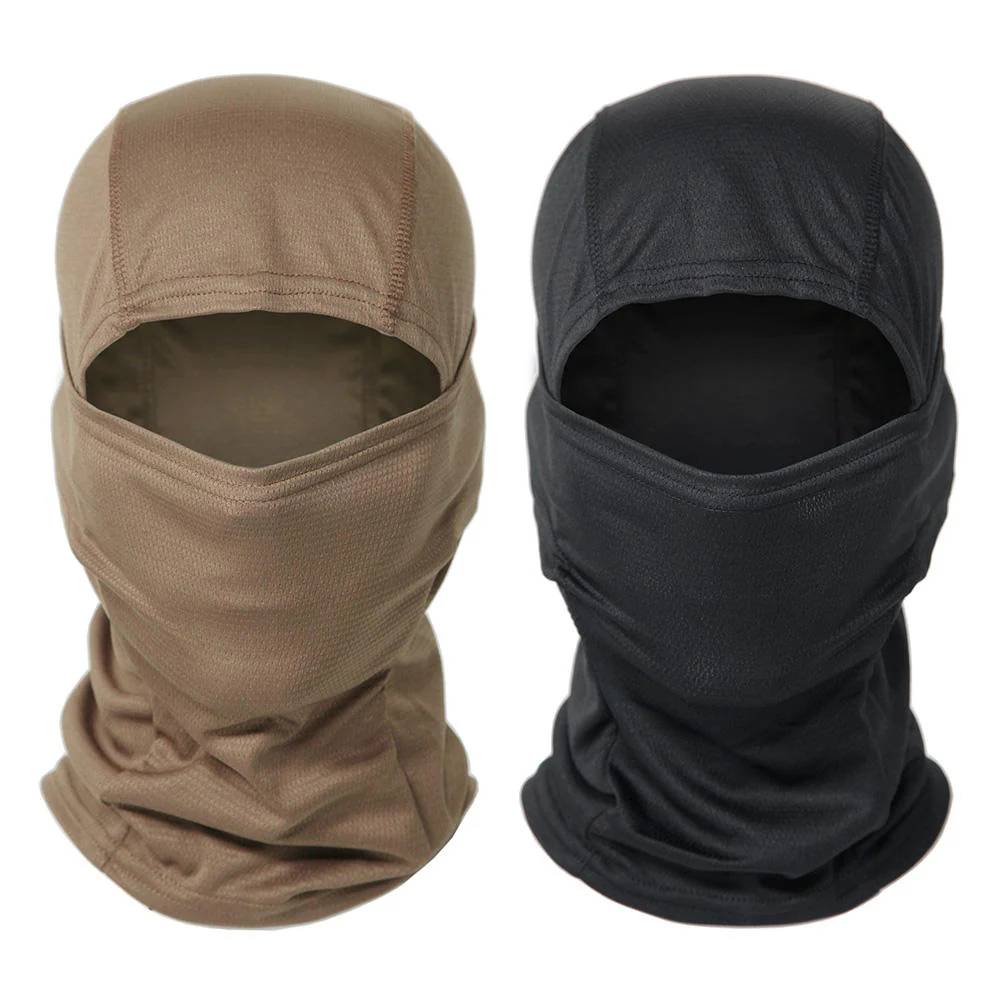
JT-H-011
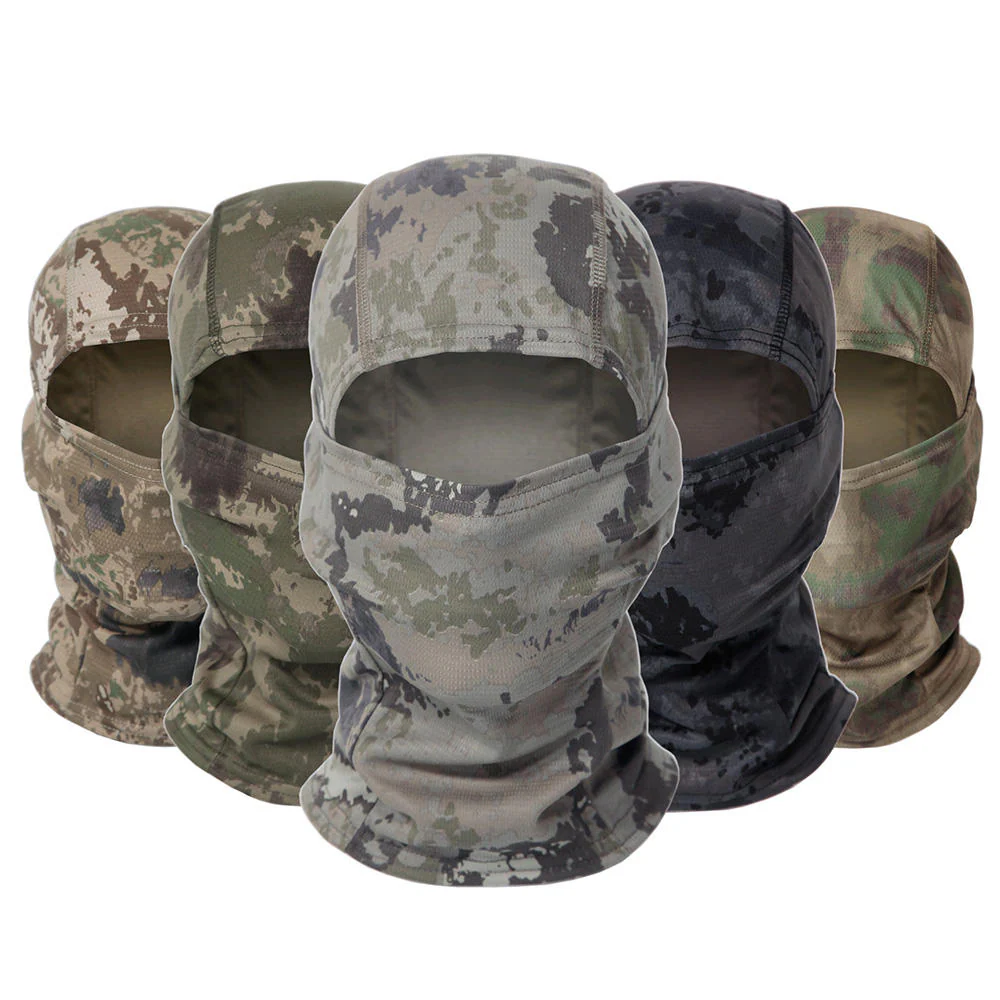
JT-H-012
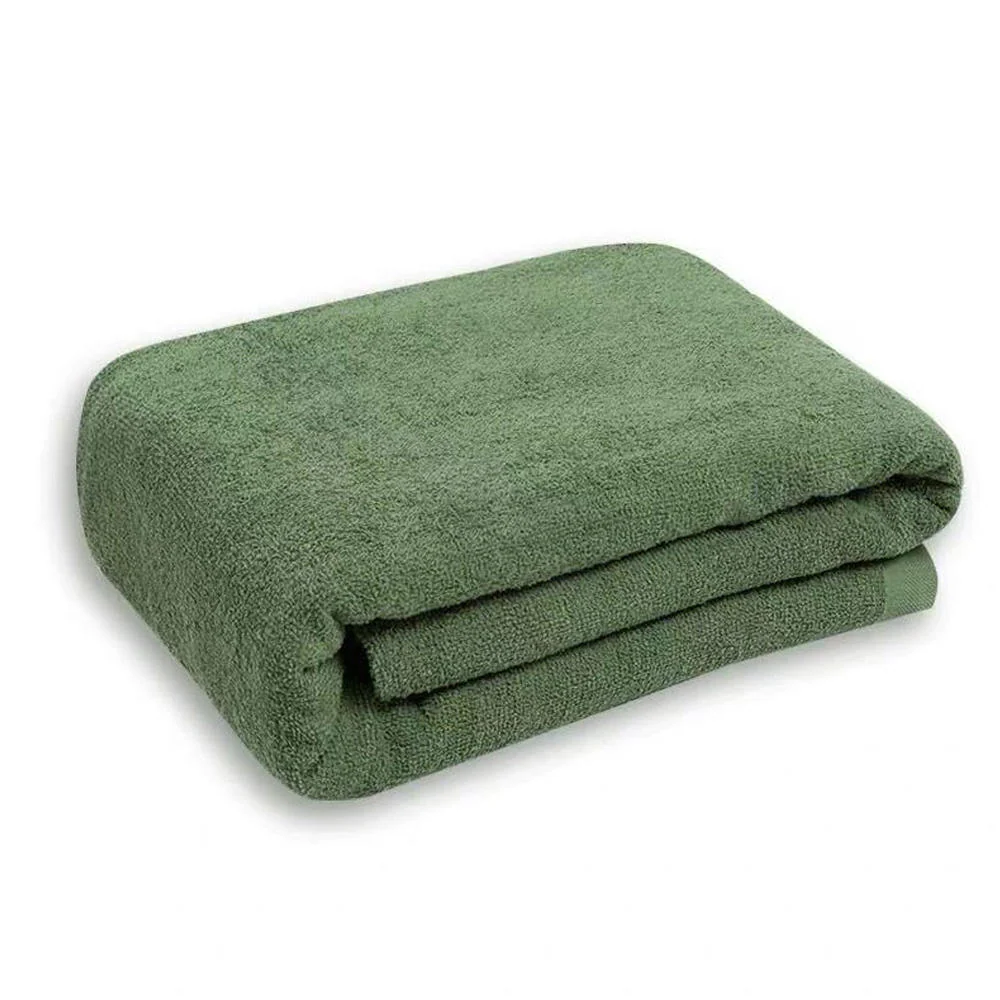
JT-SS-001
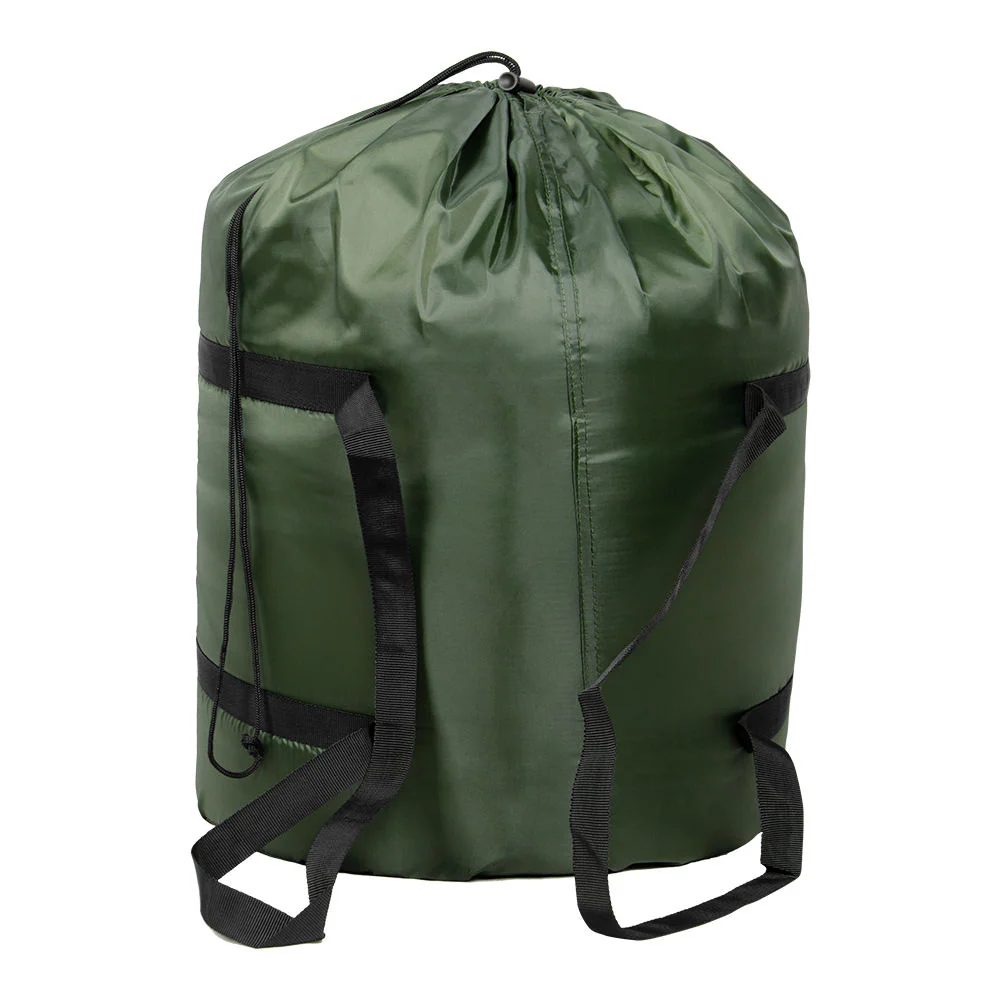
JT-SS-002
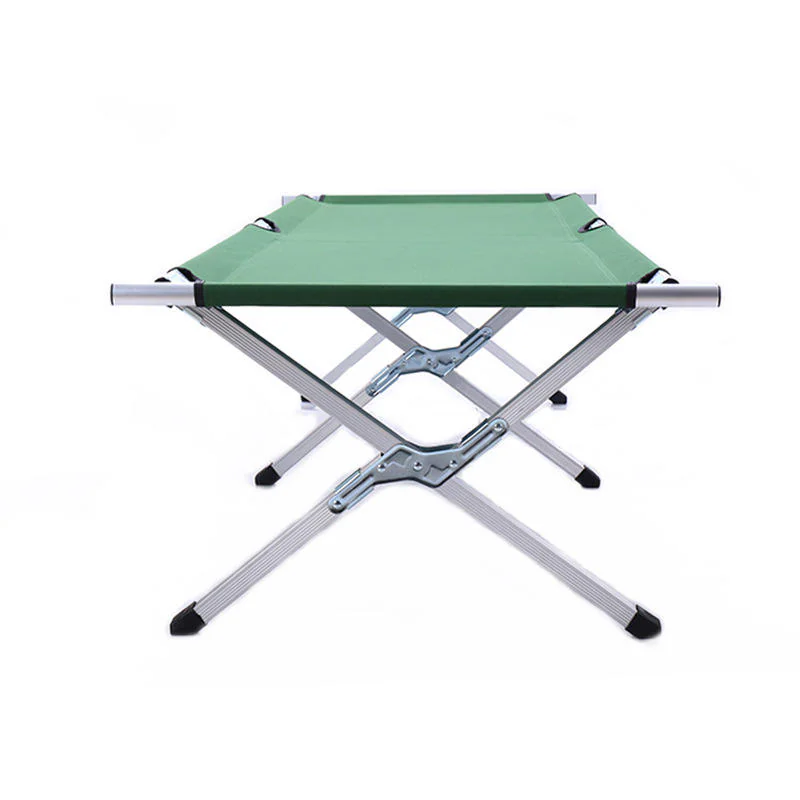
JT-SS-003
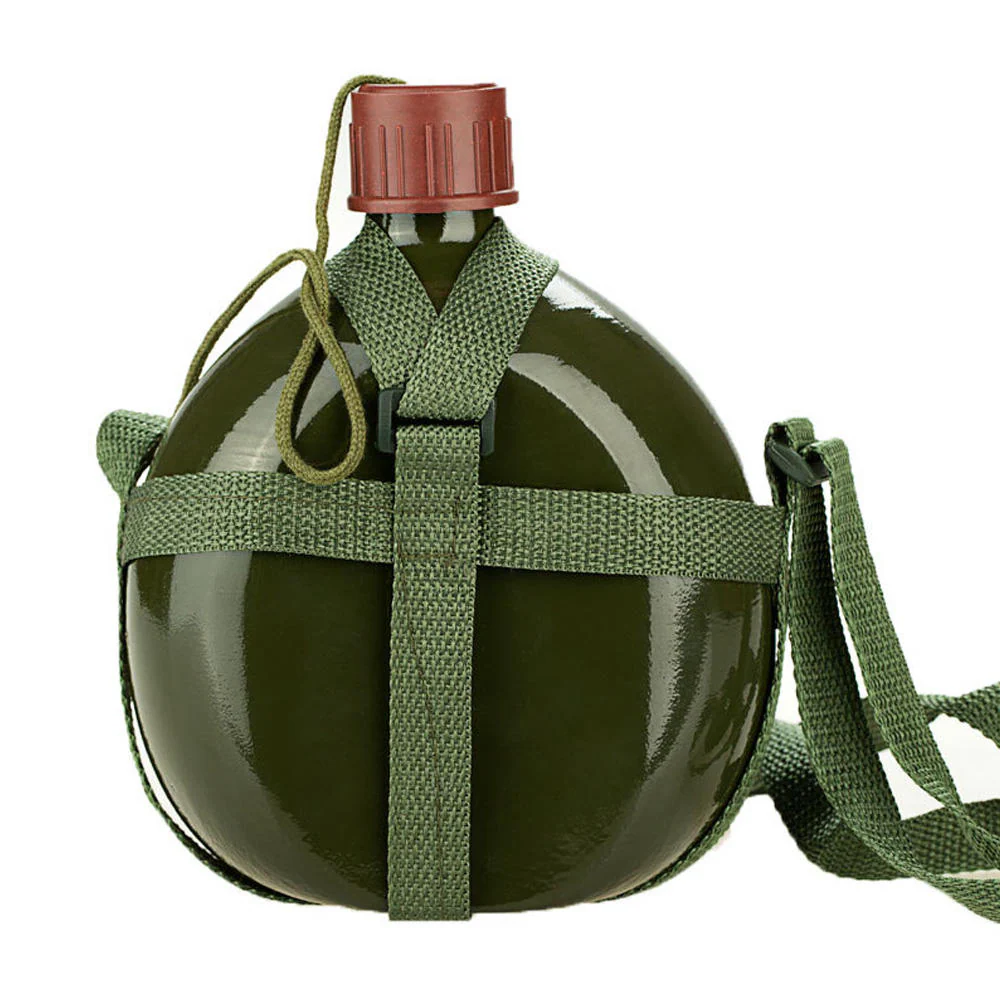
JT-T-018
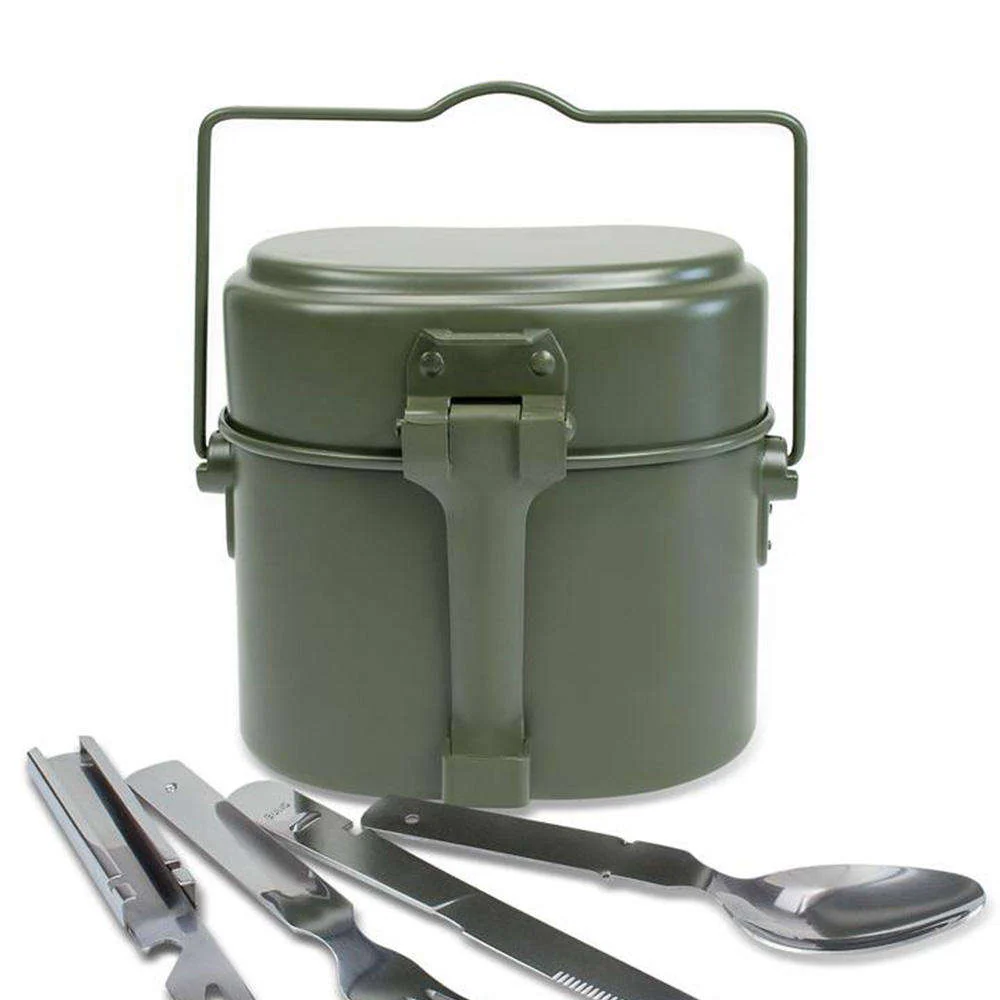
JT-T-019
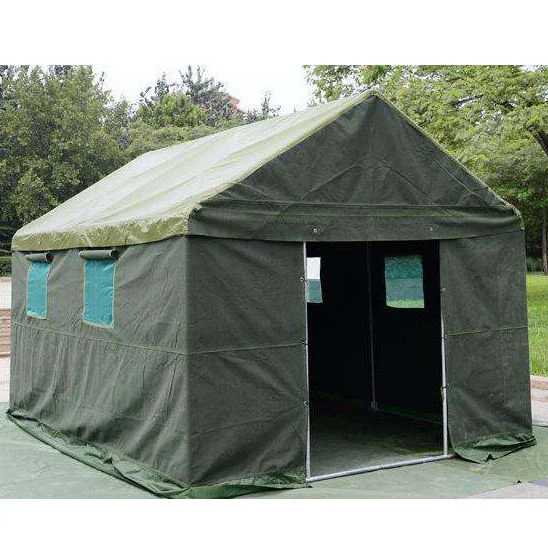
JT-TENT-002
JT-TENT-003
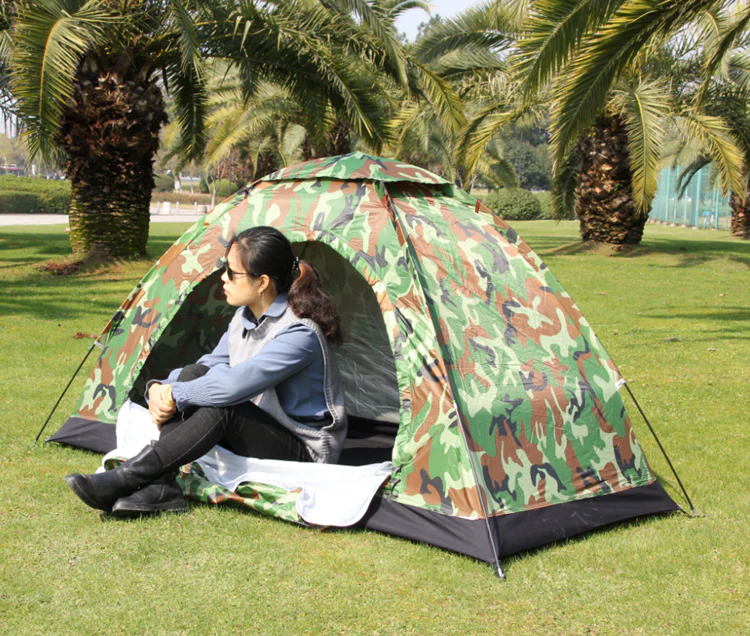
JT-TENT-004
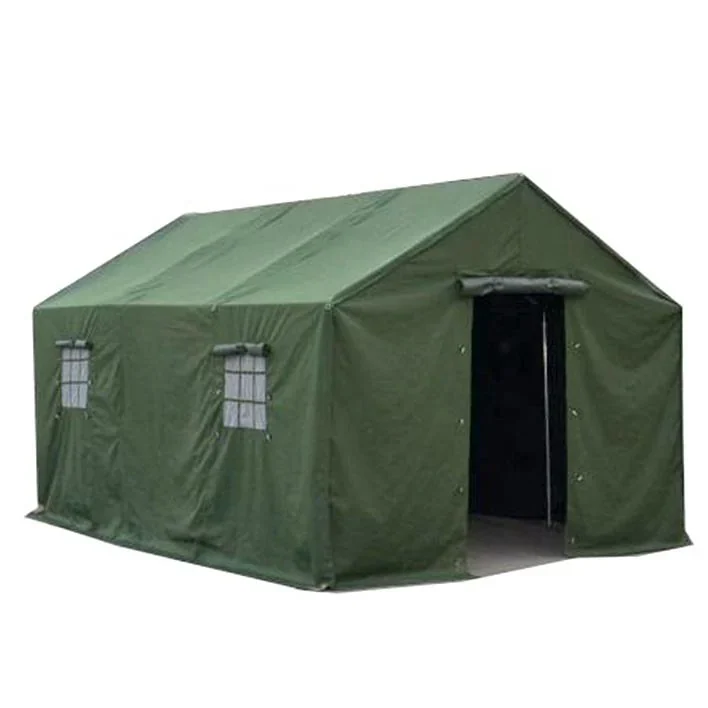
JTT-F01
JTT-F02

JTT-F03
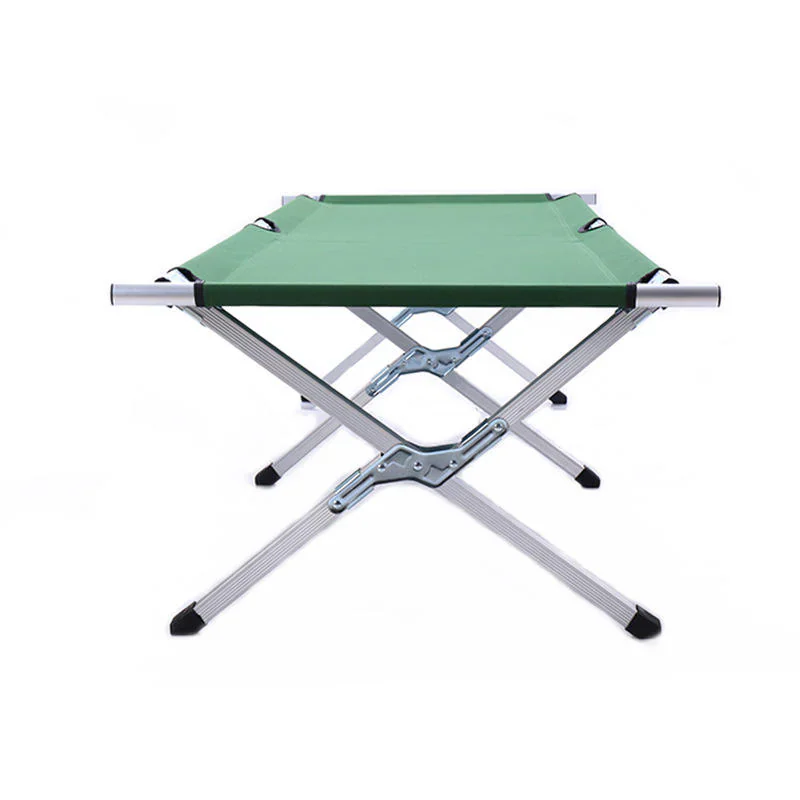
JTT-F04
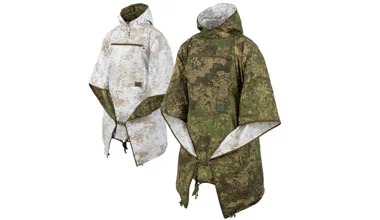
JTT-F05
More than an equipment list
Field logistics equipment must work as a deployable package. A tent may be suitable on its own but still create problems if the occupancy basis, packed volume, repair parts, sleep items or destination labels are not coordinated. Jinteng supports institutional buyers by organizing partner and sourced supply routes around a controlled item matrix. The quotation identifies the proposed model, configuration, included components, packing basis and open decisions so purchasing, technical and logistics teams can compare complete offers.
Product selection
Find the style closest to your needs, then explore the available products.
01 · Group shelter
Compare tent configurations by function, planned occupancy, climate, frame or pole arrangement, openings, ventilation, anchoring, accessories and packed handling.
View product details02 · Individual rest
Sleeping systems matched to temperature expectations, insulation construction, shell and lining requirements, compression packing and care conditions.
View product details03 · Off-ground sleeping
Portable cots reviewed by frame configuration, sleeping dimensions, working-load requirement, folded size, carrying method and replacement-part needs.
View product details04 · Coordinated camp package
Combined shelter, sleeping and camp-support item lists arranged for team issue, destination allocation and controlled replenishment.
View product detailsProduct advantages
Compare the features below when choosing your products.
Start with users, sleeping positions, work areas, climate and deployment duration before choosing sizes or quantities.
Record packed dimensions, unit weight, handles, bags, carton quantity and transport constraints for each configured item.
Poles, ropes, pegs, repair pieces, covers and storage bags should be listed rather than assumed from a product photograph.
Identify wear items, repair components and stable product references so future replenishment can address the affected part.
Configuration control
Names such as field tent or sleeping system cover many constructions. A useful requirement records the selected model, dimensions, materials, included components, optional accessories, packed form and marking. Any supplier proposal should show its value for each field and state deviations clearly. This makes price comparison more reliable and reduces the risk that a required pole set, carrying bag, liner or repair item is omitted.
Logistics design
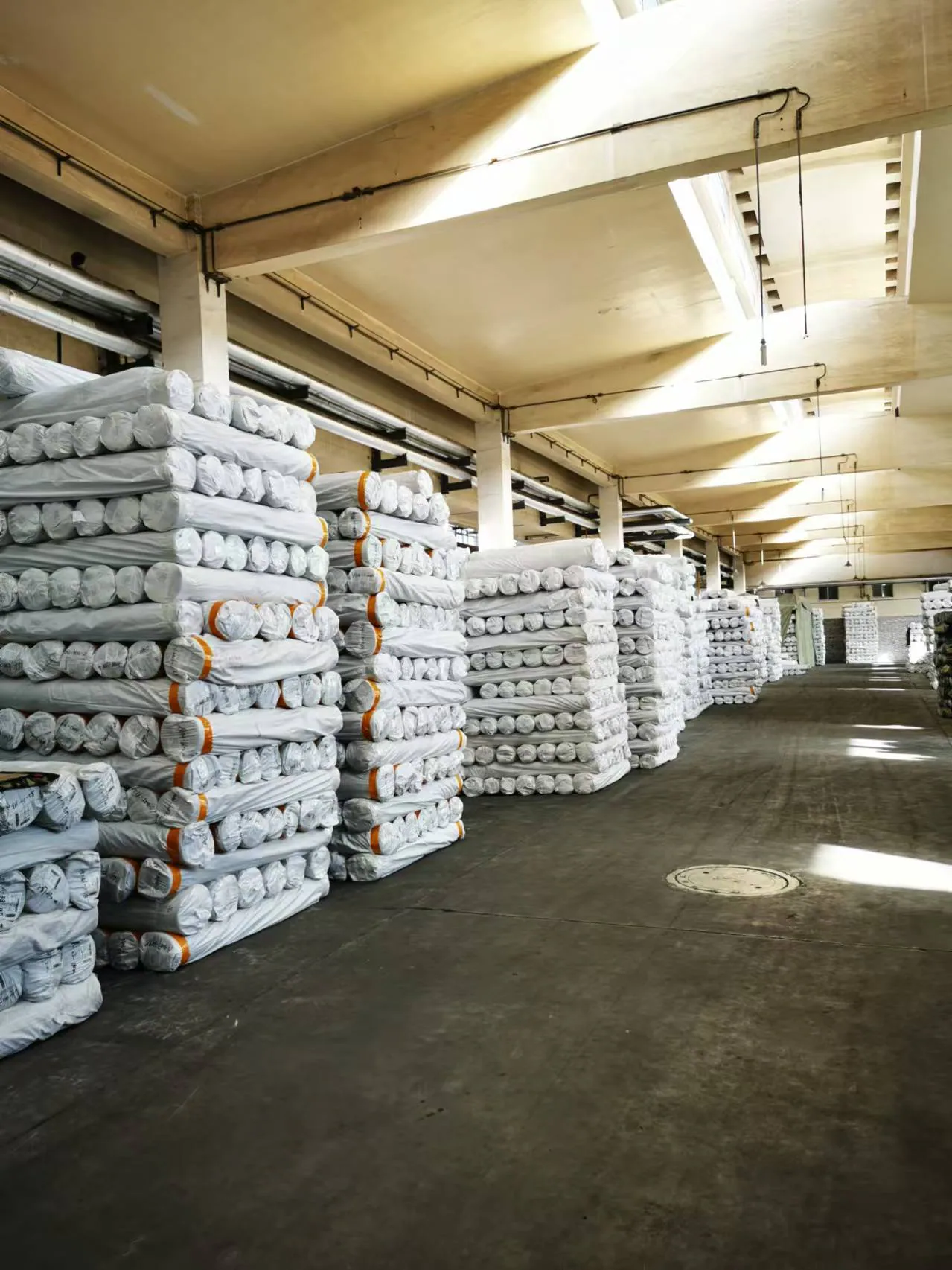
A project can involve individual items, team kits and multiple receiving destinations. Packing design should therefore identify the smallest issue unit, outer handling unit, carton or bundle markings and destination split. The final packing list should reconcile product identity, quantity and configuration with the purchase order so receiving teams can find and distribute the correct items without opening every package.
Field support procurement path
The sequence keeps technical selection, coordinated supply, packing and delivery aligned across multiple product families.
Confirm users, climate, deployment duration, sleeping arrangement, camp function, destination and transport limitations.
List shelters, sleep items, cots and accessories, then check occupancy, dimensions, compatibility and issue quantities.
Identify the exact proposed model, configuration, supply route, included components and any departure from the requirement.
Review the product information, configuration details and, where required, a representative sample before order release.
Freeze bags, bundles, carton quantities, markings, spare items and destination splits for the named order.
Match quantities, product identifiers, accessories and packing records before coordinated export and receiving handover.
Application contexts
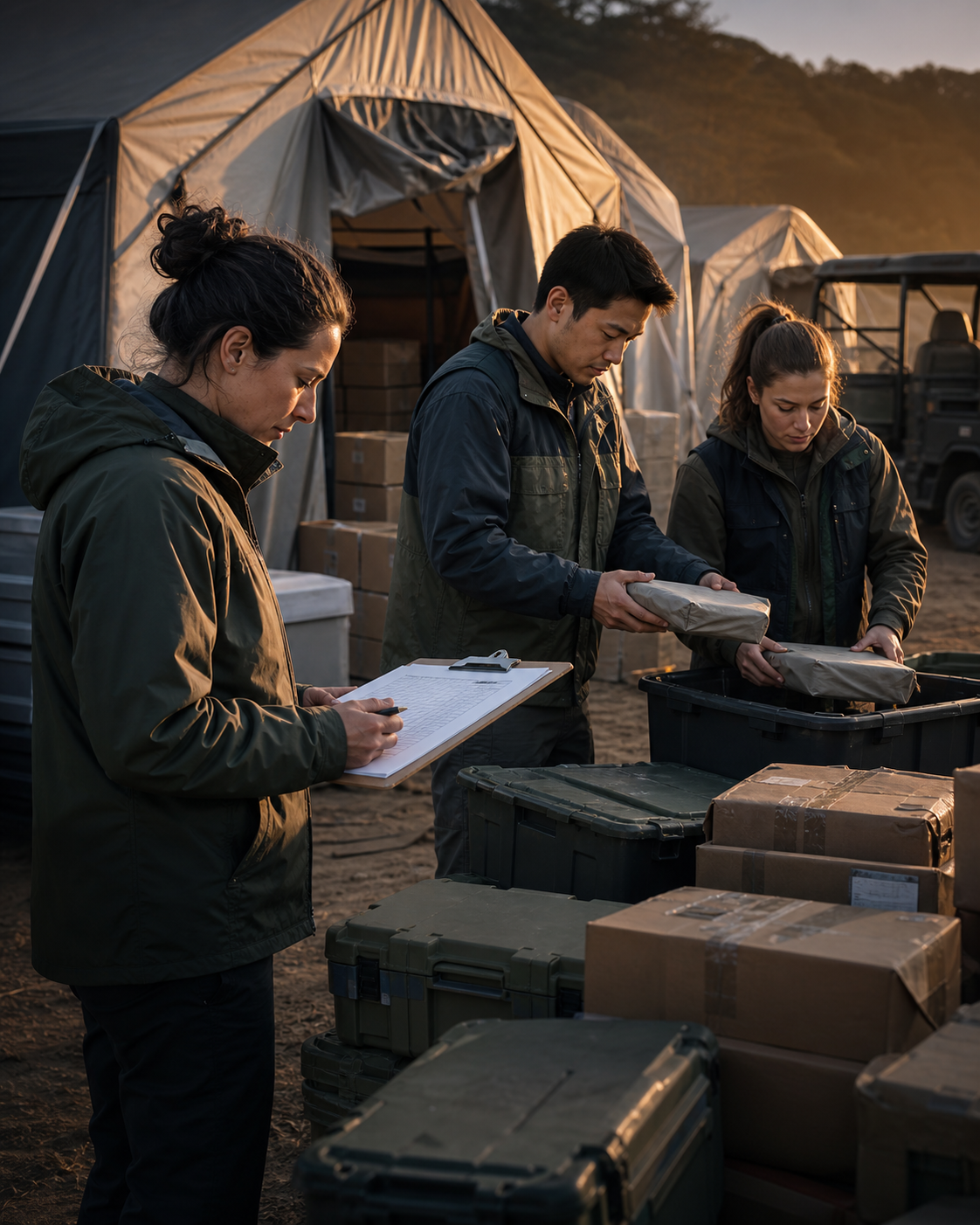
Use these common program contexts to clarify the specification and route your enquiry to the most relevant product and project-support pages.
Buyer resources
The resources below help you define the requirement, choose the right approval stage and request a more comparable quotation.
Request the current company catalogue, then tell us which product families and configurations should be included in your quotation.
Request catalogue accessChoose document review, representative sampling and release stages according to the item and project risk.
Read the buyer guidePlan issue units, outer packs, labels, destination splits and receiving records.
Read the buyer guideConnect the accepted item matrix to inspection, packing and coordinated delivery.
Read the buyer guideCoordinated project supply
Established in Wuhan in 2002, Jinteng supports institutional procurement through requirement review, partner and sourced-product coordination, sample planning, order follow-up, packing control and export delivery. Field logistics items are quoted against the exact requested configuration and the proposed supply route. This approach gives buyers one commercial and document path while preserving the product-level detail needed for acceptance.
Configuration details
Review the product-specific details below, then use these tabs to plan any changes.
Operational conditions determine the appropriate product and quantity structure.
A product family name is not a complete purchasing description.
The packing structure should help people identify, move and distribute the order.
Exact configuration documents should identify the selected model, components, review route and final pack.
Buyer questions and delivery records
Useful delivery records identify the actual model, components, quantities and pack structure rather than relying on a broad category description.
A line-item schedule showing the proposed model, dimensions, included accessories, optional items, quantities and stated deviations.
Packed dimensions, handling weight, bag or bundle method and outer-pack quantity for the selected configuration.
An approved marking layout, pack hierarchy and destination allocation connected to the purchase-order line items.
A component list with stable product references and a final packing record for the delivered order.
Frequently asked questions
These answers address the configuration, order planning and approval details that most often affect a bulk project.
Provide the intended users, duty or relief context, climate, deployment duration, required item list, quantities, occupancy basis, dimensional limits, transport method, destination, packing needs and delivery target. For tents and sleep systems, include any required accessories and temperature or weather expectations. Mark open fields clearly so proposed configurations can be compared on the same basis.
Yes, they can be organized into one coordinated project item matrix. The buyer should still approve each product line separately because shelter occupancy, cot dimensions, sleeping-bag construction, packed form and accessories are different decisions. A combined quotation should show the relationship between team quantities, individual quantities, spares and destination allocation.
Compare the exact model, usable dimensions, occupancy arrangement, material construction, frame or pole system, entrances, ventilation, ground interface, included accessories, packed size, handling weight and sample route. Confirm what is included in the quoted unit. A low price may omit a liner, groundsheet, carrying bag, pegs, repair items or project-specific packing.
Define the intended environment, temperature expectation, insulation construction, shell and lining, dimensions, closure, hood or foot design, compression method, packed size and care route. Performance expectations should be connected to the exact proposed model and available product documentation rather than inferred from appearance or a general product-family name.
Create destination allocations before final packing. Each inner item, team kit, carton or bundle can carry an agreed identifier connected to the purchase-order line and receiving location. The supplier should then reconcile actual quantities against a destination packing list so the receiving team can distribute the shipment without rebuilding the order.
Field logistics buyer guide
A useful requirement connects operating conditions, exact configurations, packing and receiving instead of treating every line as a generic commodity.
Record who will use the equipment, where it will be deployed, the likely climate, deployment duration and expected movement frequency. Define occupancy for group shelters and individual allocation for sleeping items. Note transport limits, available setup personnel and storage conditions. These facts help the supplier propose suitable dimensions, construction and packed form without assuming that the most familiar model fits the mission.
List every main item, included component, optional accessory, spare and carrying item. For a tent, this may include the cover, frame or poles, lines, pegs, ground component, liner and repair pieces. For a sleeping system, distinguish the sleeping bag, liner, compression bag and outer storage bag. Require proposed values and exclusions for each line so quotations describe the same commercial scope.
Use model identifiers, dimensions, materials, photographs, drawings or a representative sample according to project needs. Record the accepted revision and connect it to the quotation, purchase order and final item schedule. If an alternative is proposed, compare it against the same requirement fields rather than accepting a general statement that it is similar. This is especially important when the order combines several partner and sourced products.
Decide whether products will be issued individually, by team, by camp or by destination. Confirm bags, bundles, cartons, labels, handling weights and destination codes before production or consolidation is complete. Include spare parts and accessories in the same allocation logic. A clear pack hierarchy reduces receiving time and helps teams identify shortages without opening and recounting the entire shipment.
Retain the accepted model, configuration, accessory schedule, packing logic and product references. Identify components likely to be lost or worn and decide whether they should be ordered as spares. On a repeat order, reconfirm any change in materials, partner route, product version or destination requirement before relying on the previous approval.
Project enquiry
Share the current requirement, even if some technical fields still need a supplier proposal. We will use the product IDs and project context to recommend the next quotation or sample step.
Share the product, quantity, destination, customization and delivery requirements. Our business team will reply with suitable options and the next quotation step.
 WhatsApp