
JT-A-004
Single-Layer Polyester Anti-radar Anti-Aerial Photography Flame Retardant
- Material
- Polyester
- Color
- White

Configured equipment for defined programs
Source and coordinate observation devices, unmanned systems, portable power and related equipment only after the buyer, application, model requirements, operating environment, destination and project-document needs are clear.
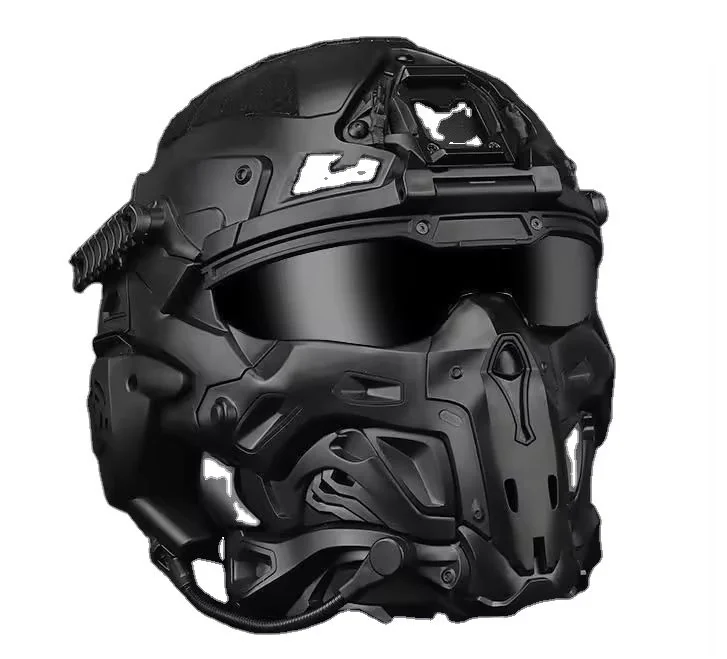
Available product options
Compare the styles below. Open a product for its details, or send the product ID and your requirements to discuss a quotation.
JT-A-004
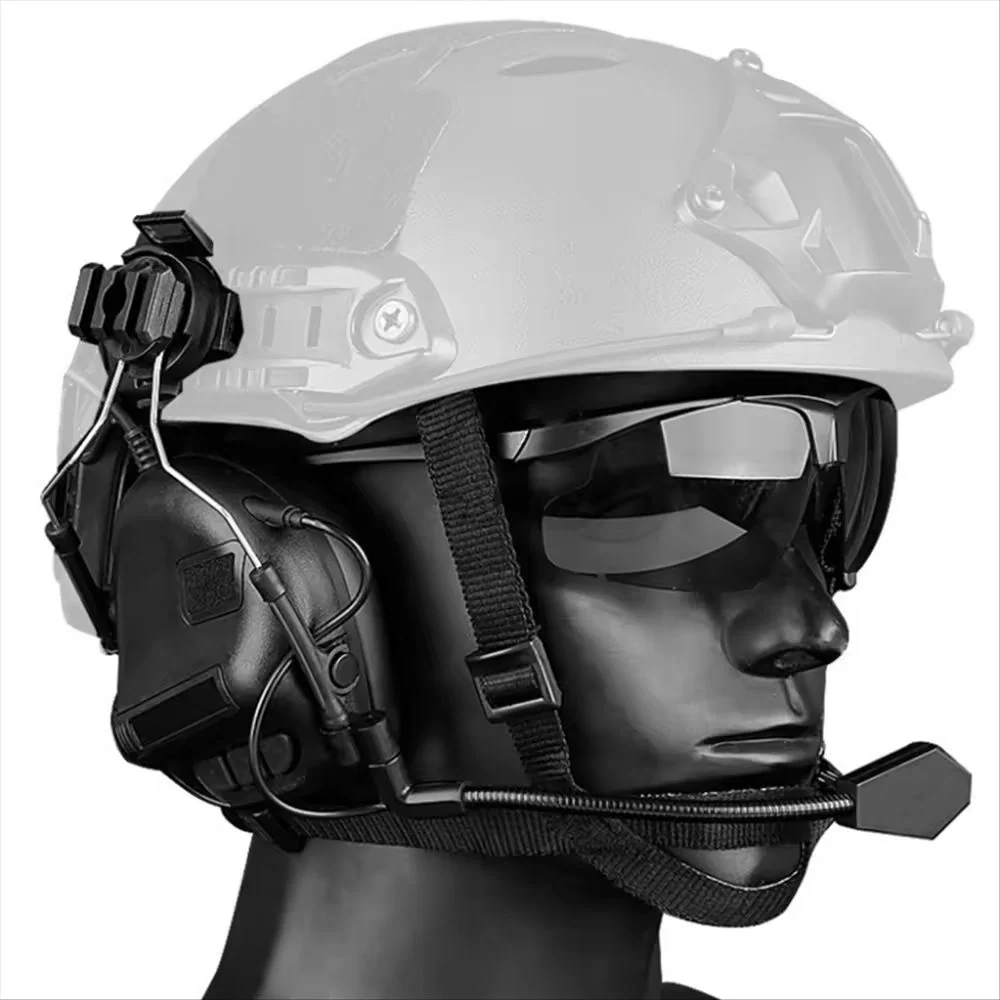
JT-H-004
JT-OTHER-003
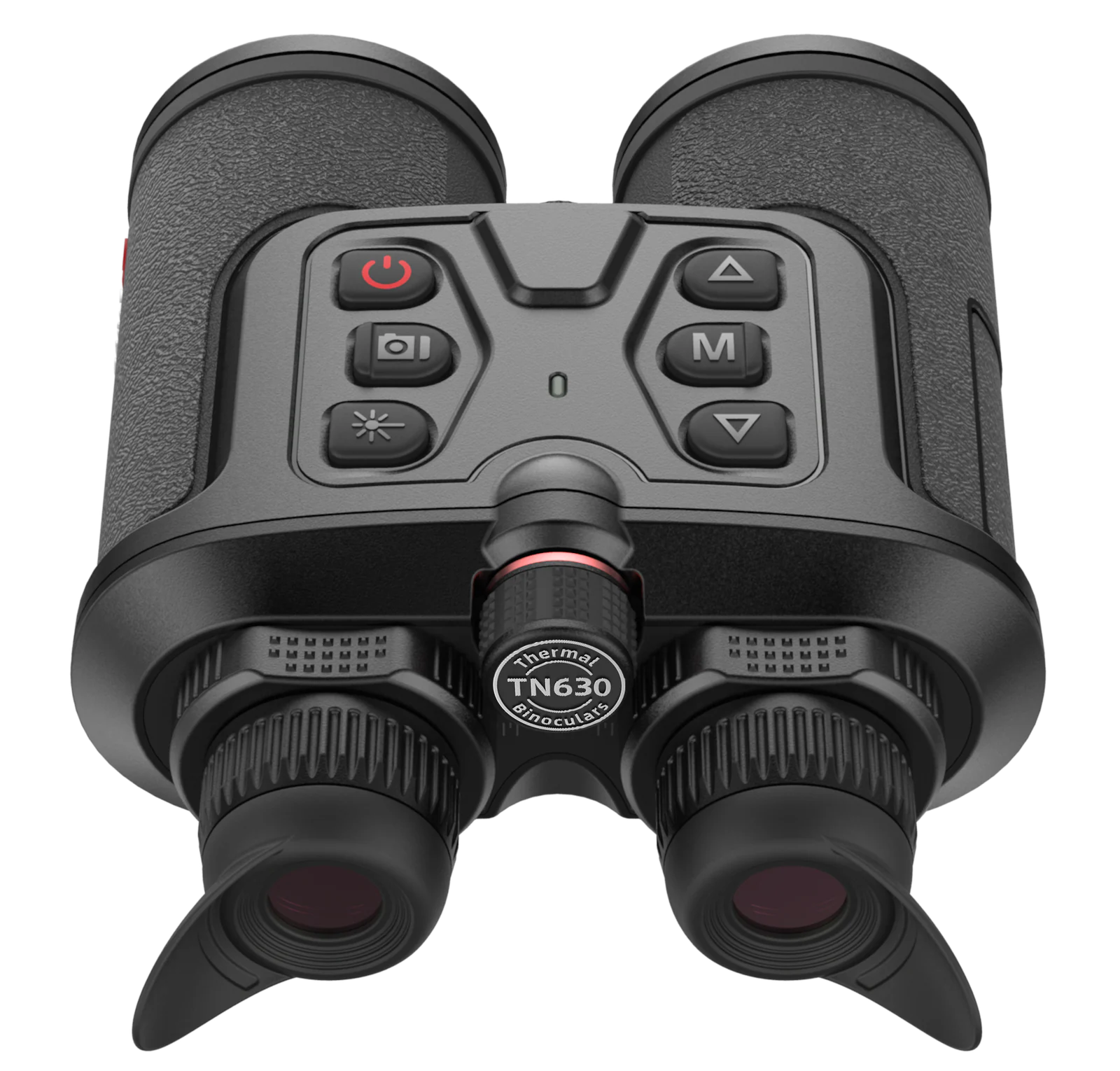
JTT-S01
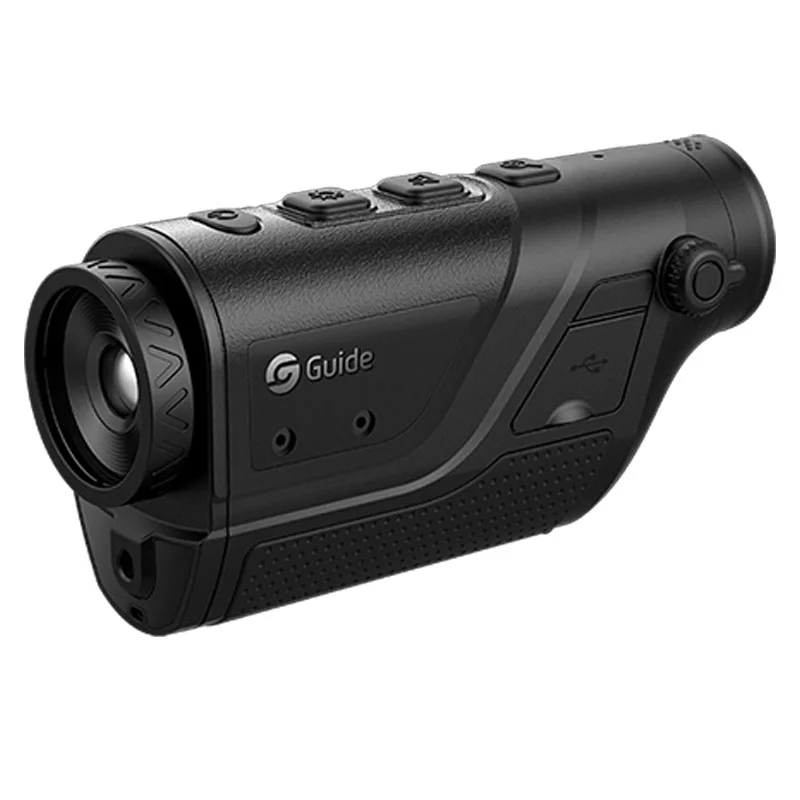
JTT-S02
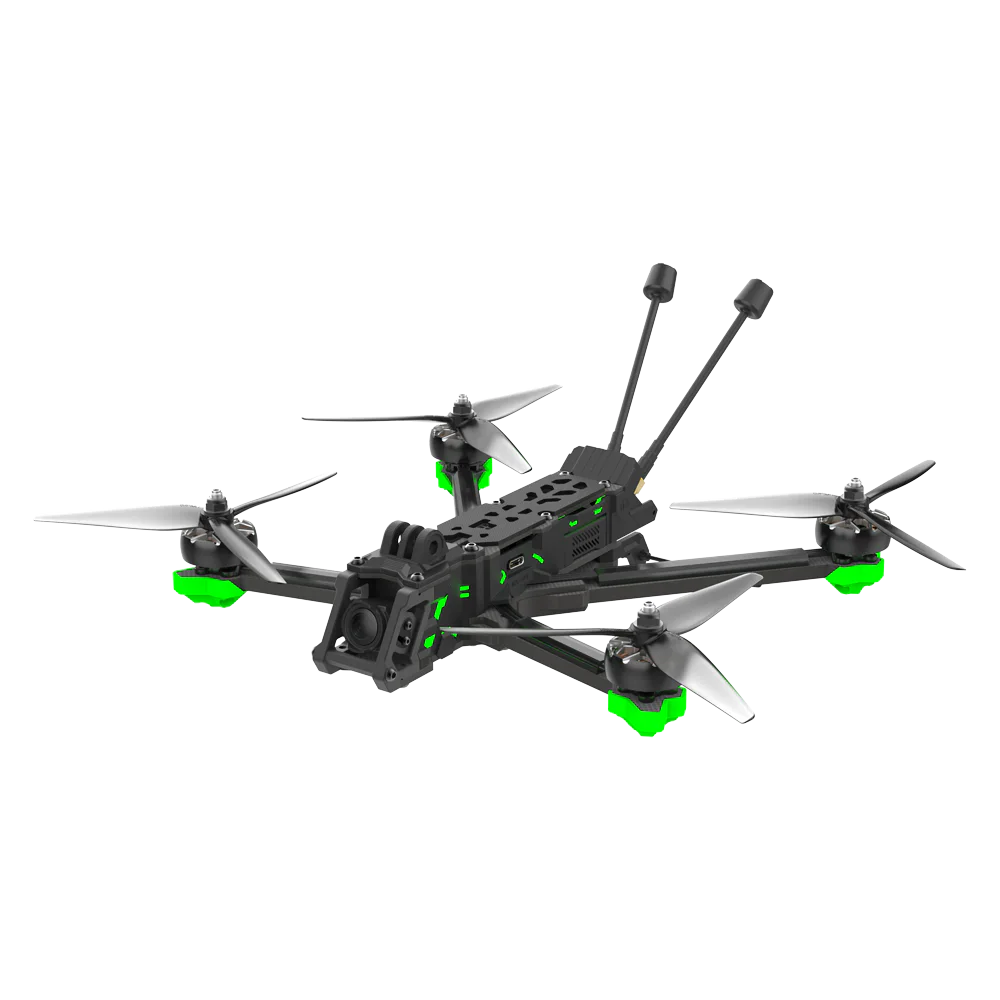
JTT-S03
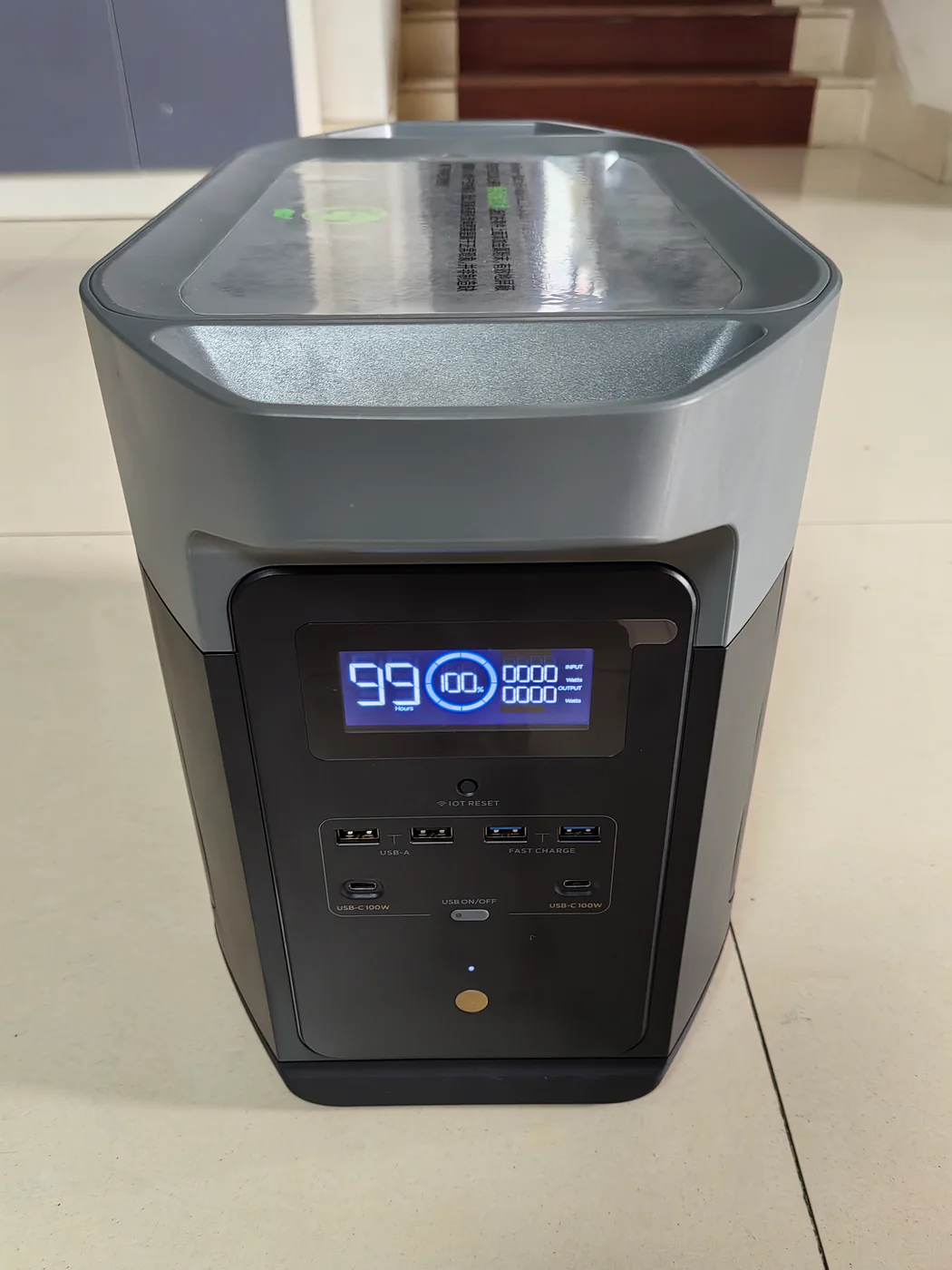
JTT-S04
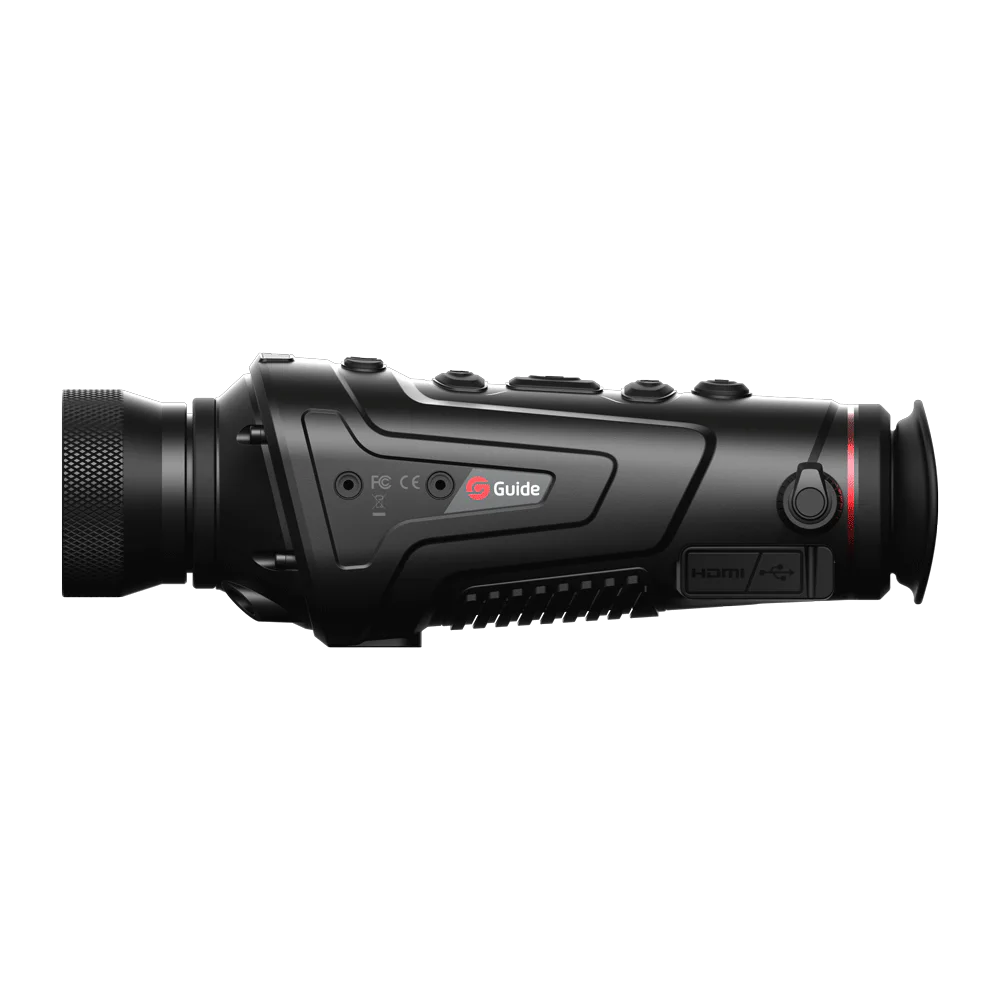
JTT-S101
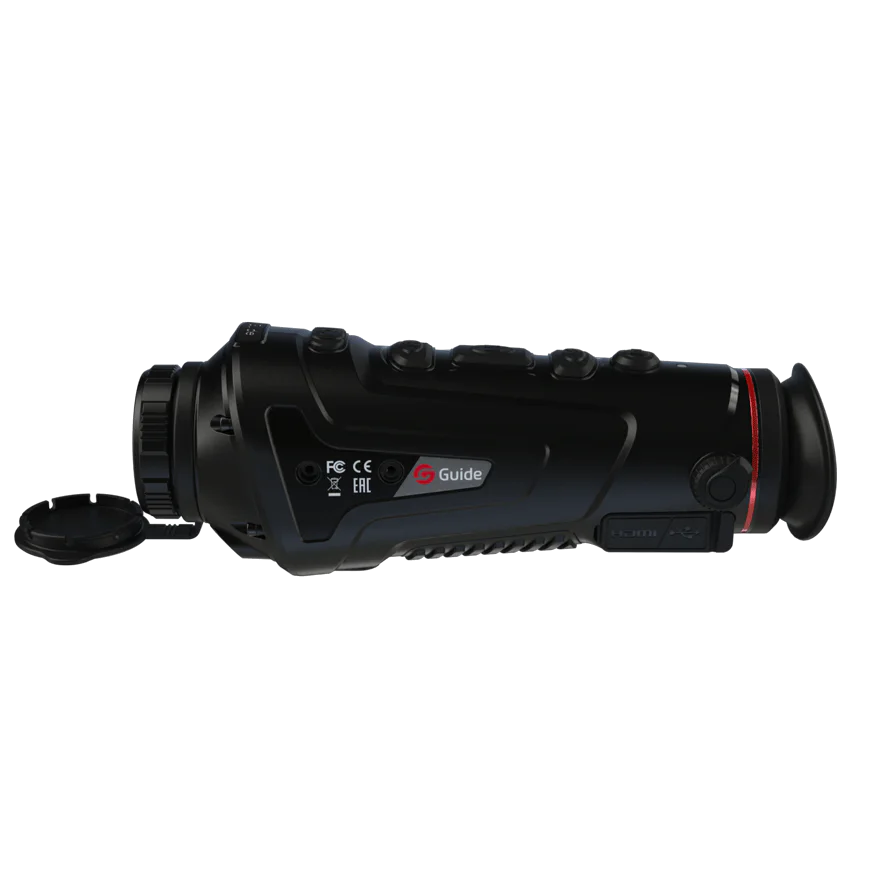
JTT-S102
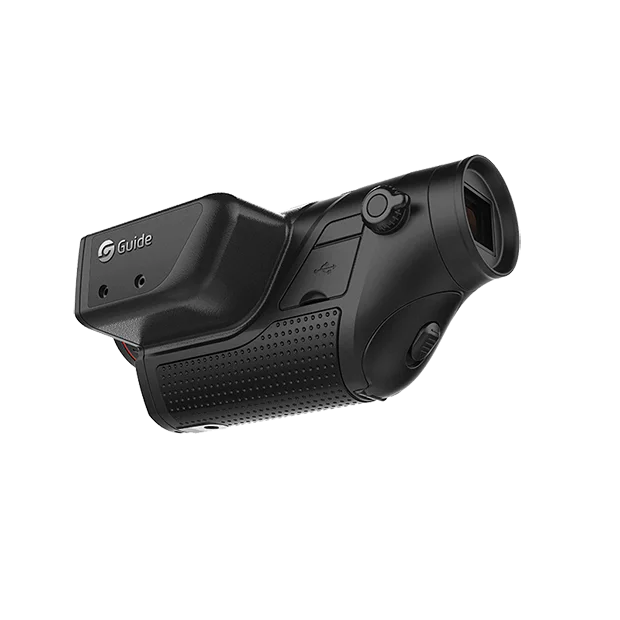
JTT-S103
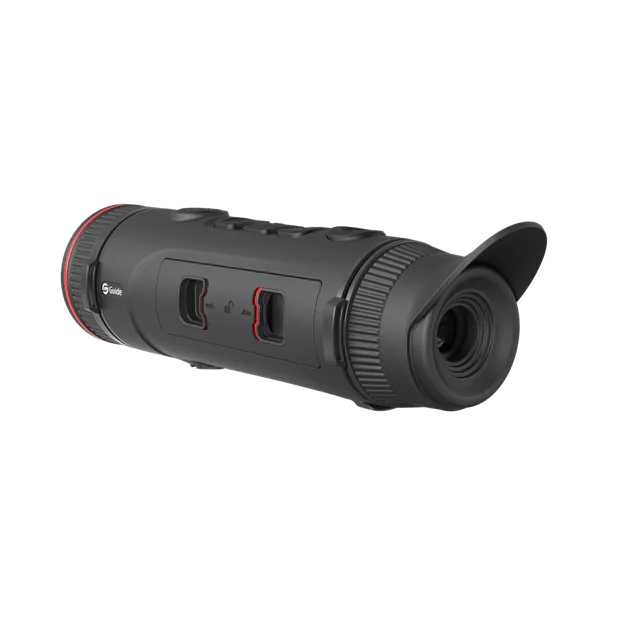
JTT-S104
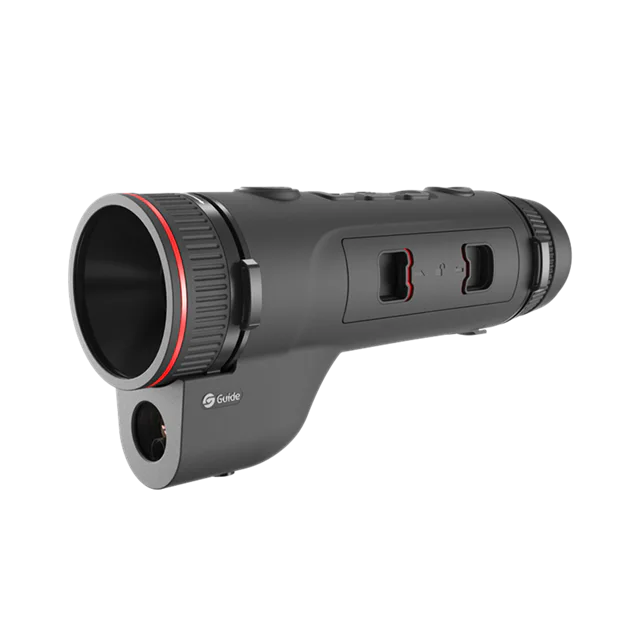
JTT-S105
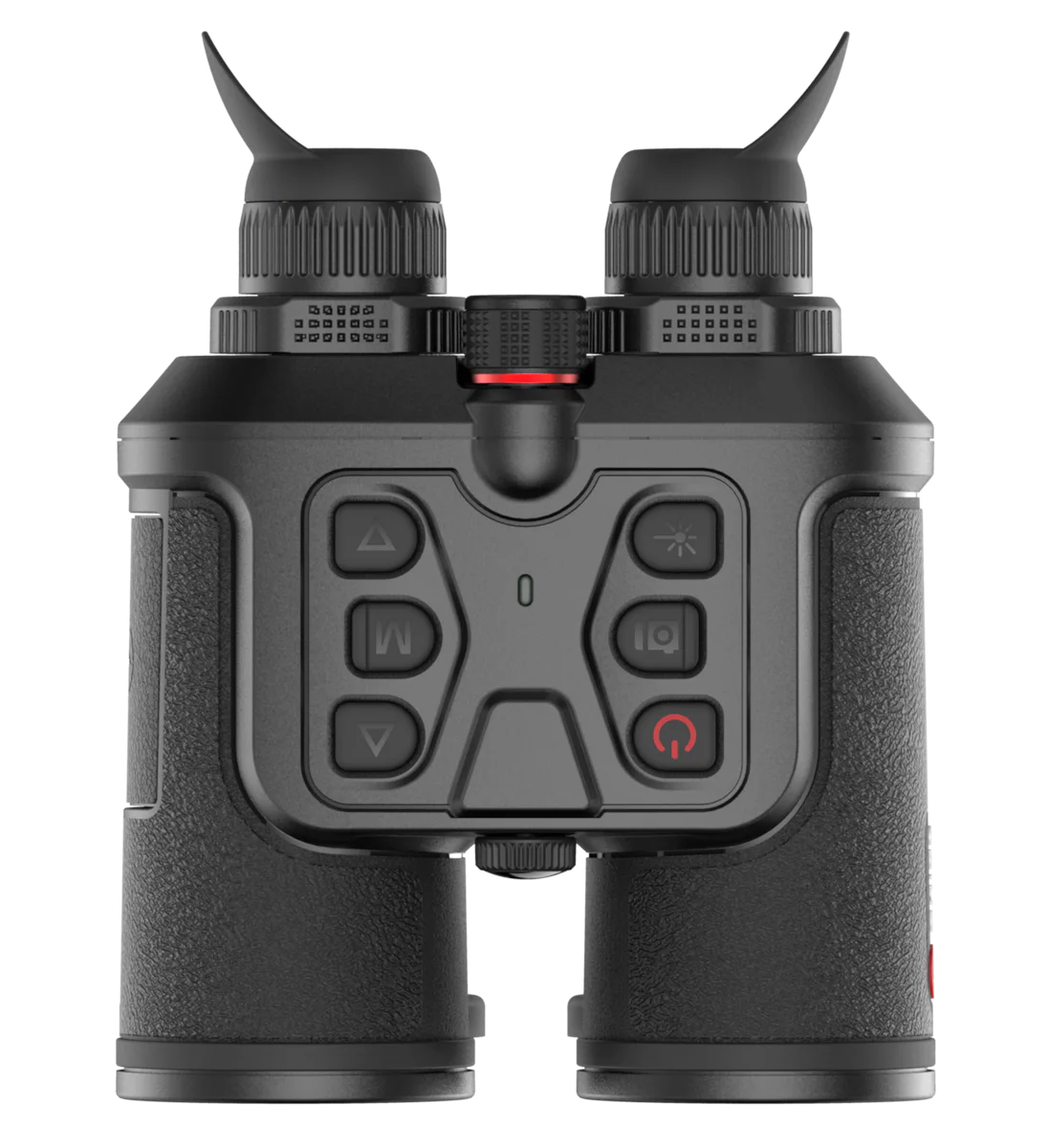
JTT-S106
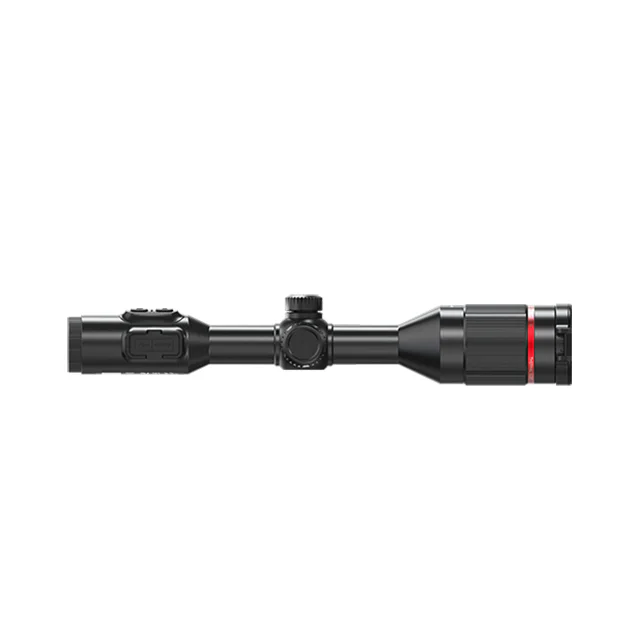
JTT-S107
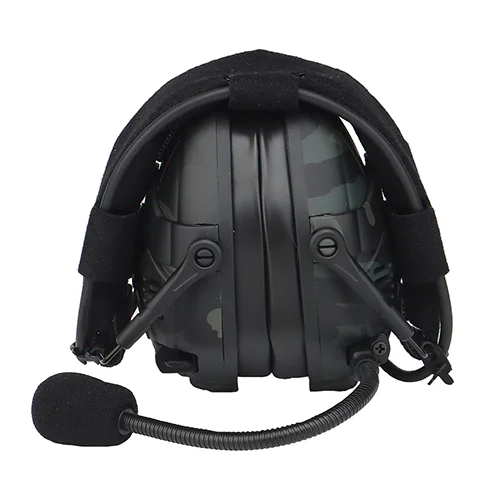
JTT-S108
Specification-led supply coordination
Specialized mission equipment may combine a core device with batteries, chargers, mounts, cases, cables, control units, software or other accessories. A product-family name cannot show whether those elements are compatible or included. Jinteng coordinates approved sourcing and project documentation for defined institutional requirements. The quoted model, configuration, quantity, buyer, end use and destination are reviewed together, and availability or supporting documents are confirmed for that proposed item rather than generalized across an entire category.
Product selection
Find the style closest to your needs, then explore the available products.
01 · Low-light observation
Model-specific observation options reviewed with the required format, power arrangement, mounting needs, accessories and operating conditions.
View product details02 · Thermal observation
Configured thermal systems compared by the buyer’s required detection task, viewing format, environmental conditions and included kit.
View product details03 · Unmanned platform projects
Institutional project coordination covering the named platform, payload, control, power, communication and support-package requirements.
View product details04 · Deployable energy
Power and charging packages selected around connected loads, connectors, operating duration, transport method and destination conditions.
View product detailsProduct advantages
Compare the features below when choosing your products.
Record the maker, exact model, revision and proposed alternatives so specifications and documents are not mixed between variants.
List the core unit, accessories, batteries, chargers, mounts, cases, cables, controls and consumable or spare items.
Check mechanical, electrical, data, software, environmental and user interfaces against the intended operating setup.
Confirm which manuals, technical sheets, packing records and other required documents are available for the exact proposed configuration.
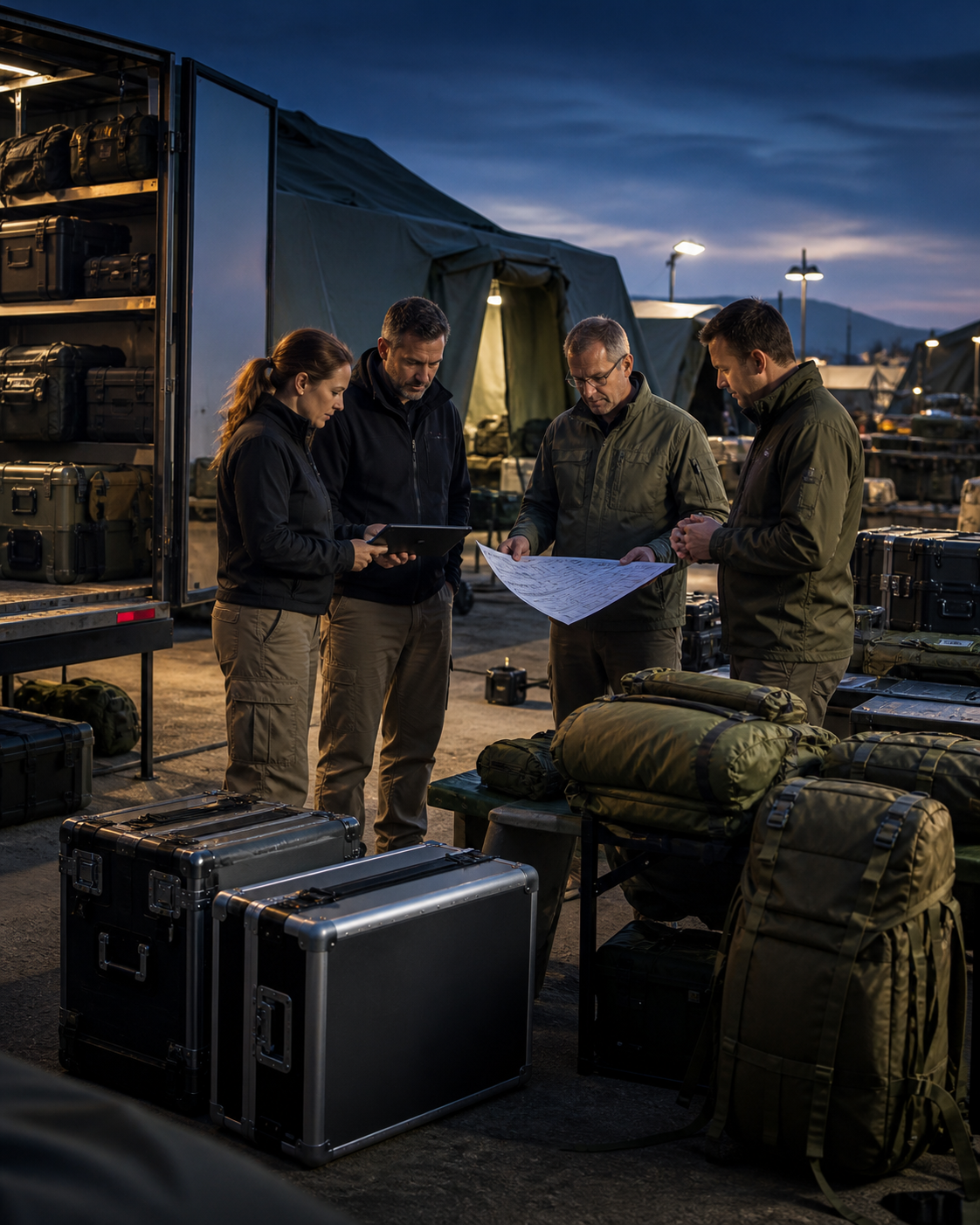
Configuration control
The buyer should be able to see exactly what is included. A configuration record identifies the core model, revision, supplied accessories, batteries, chargers, mounts, cables, cases, software or control elements and the quantity of each item. Optional or substitute components are listed separately. This prevents a price comparison from treating an incomplete kit and a deployment-ready kit as equivalent, and it gives inspection and receiving teams a clear basis for checking the delivered package.
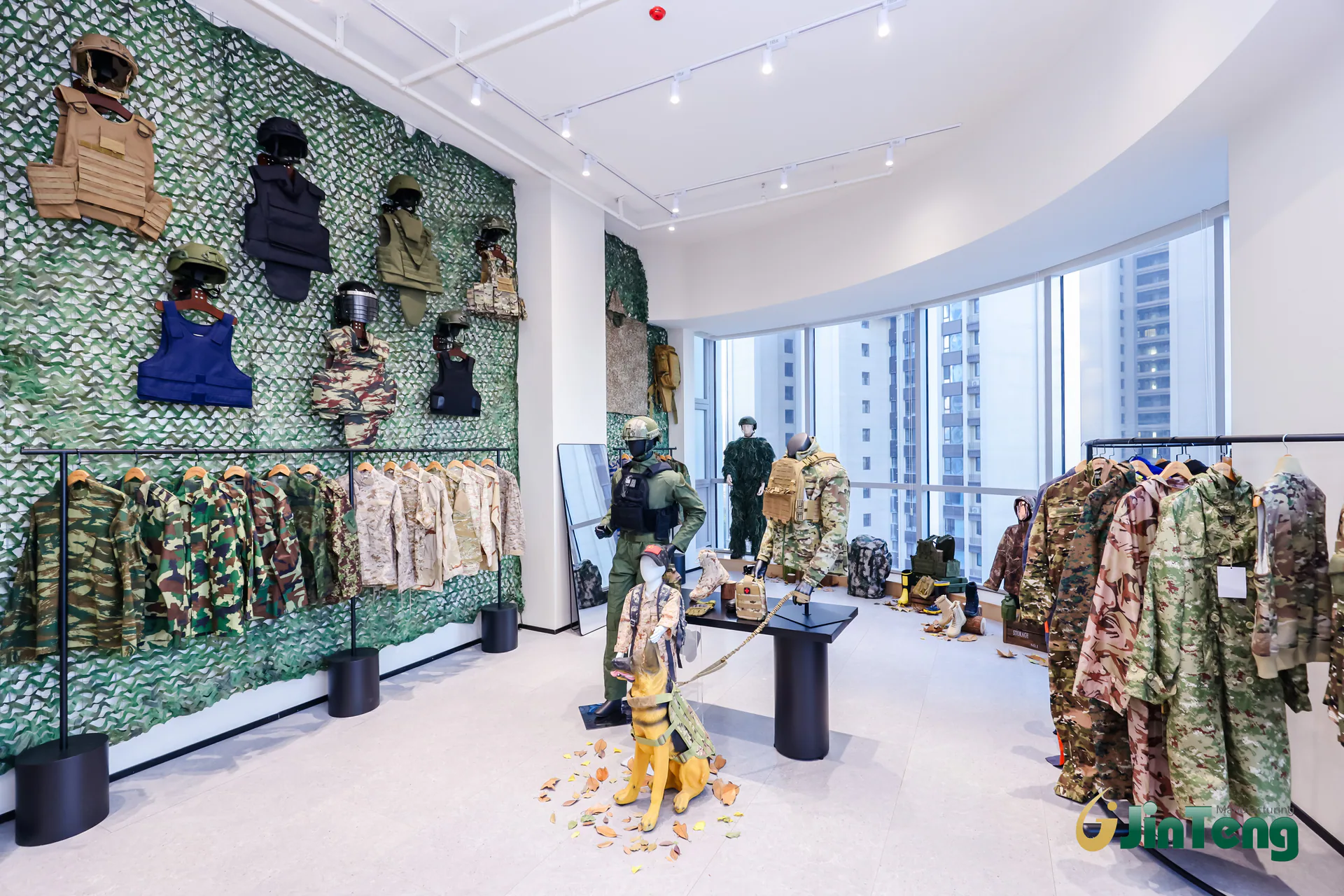
Buyer, end use and destination
Specialized mission equipment is reviewed for an identified authorized institutional buyer and a stated lawful end use. Destination, delivery route, required project documents, product availability and any applicable transaction conditions should be established before a commercial commitment is made. If the requested model or configuration cannot be supported for the named project, the alternative must be clearly identified and approved rather than presented under the original product description.
Specialized-equipment project path
The sequence begins with project identity and ends with a receiving package that can be checked against the accepted configuration.
Identify the institutional buyer, procurement authority, end user, lawful application, destination, quantity, schedule and any project-specific purchasing conditions.
Describe the operating environment, performance priorities, form factor, interfaces, power, mounting, communication, transport and user-support requirements.
Record the proposed model, revision, core unit, included accessories, optional components, spares and any declared departure from the requirement.
Check interfaces across the proposed kit and confirm which technical sheets, manuals, packing details and other required documents apply to that exact item.
Close quantity, configuration, unit scope, packing, destination, schedule, validity, substitution rules and the buyer’s named approval authority.
Use model identifiers, serial or batch information when applicable, component lists and packing records to check the received system against the accepted order.
Application contexts
Use these common program contexts to clarify the specification and route your enquiry to the most relevant product and project-support pages.


Buyer resources
The resources below help you define the requirement, choose the right approval stage and request a more comparable quotation.
Request the current company catalogue, then tell us which product families and configurations should be included in your quotation.
Request catalogue accessLearn how to connect model identity, configuration and supporting documents before approval.
Read the buyer guideTurn operational needs into comparable technical and commercial fields.
Read the buyer guideReview the proposed supply route and project responsibilities for the named equipment.
Read the buyer guideOne accountable project desk
Specialized mission equipment is handled as a coordinated sourcing and project-management requirement. Jinteng reviews the buyer’s specification, communicates with the proposed supply route, organizes item and configuration details, tracks buyer decisions and connects packing and delivery information to the accepted order. This service does not assume that every item is produced by Jinteng; the quoted route and project responsibilities are stated for the selected model and configuration.

Configuration details
Review the product-specific details below, then use these tabs to plan any changes.
A precise comparison begins with the operating task and ends with a named model and revision.
Every included and optional component should be visible before the buyer compares price.
The quoted equipment must connect to the intended system and each supplied document must apply to that exact model and kit.
Approval and packing records should preserve the model and configuration accepted by the authorized buyer.
Questions an institutional buyer should close
These questions help technical and purchasing teams avoid comparisons based on incomplete configurations or documents from a different model.
A product schedule naming the maker, model, revision, quantity and any approved alternative or deviation.
A configuration list separating included accessories, optional components, batteries, chargers, mounts, cables, cases, spares and consumables.
A project interface record covering the identified mounting, power, connector, communication, software and environmental requirements.
An item-specific document index linked to the proposed model and configuration, with unavailable or non-applicable documents clearly identified.
A packing and receiving schedule showing product identifiers, kit contents, quantities and serial or batch references when applicable.
Frequently asked questions
These answers address the configuration, order planning and approval details that most often affect a bulk project.
Provide the authorized institutional buyer, purchasing authority, end use, final destination, quantity, delivery target and the operational requirement. Include an exact model if one is mandatory; otherwise specify the required task, environment, form factor, performance fields, interfaces, power, mounting, accessories and project documents. Open fields should be marked clearly so a proposed option is not mistaken for a confirmed requirement.
Products within the same family may differ by revision, performance, connector, power arrangement, supplied accessories, software, environmental suitability or available documents. Naming the exact model and revision allows the buyer to check whether the specification, quotation and delivered kit describe the same product. If an alternative is proposed, it should be listed as an alternative rather than placed under the requested model name.
First normalize the configuration. Compare the core model, revision, included accessories, batteries, chargers, mounts, cases, cables, controls, spares and documents. Then compare compatibility, quantity, packing, delivery scope, support responsibilities and substitution rules. Unit prices are not directly comparable when one quotation includes a complete kit and another includes only the core device.
No blanket production claim should be assumed for specialized mission equipment. These projects use coordinated sourcing, integration and supply routes selected for the defined requirement. The proposed route and Jinteng’s project responsibilities are stated for the exact item before quotation so the buyer can evaluate who supplies, coordinates, documents and delivers each part of the system.
The buyer should identify the purchasing organization, authorized contact, final end user, intended lawful application, country and final delivery destination. Additional project information may be required depending on the equipment, proposed route and transaction. A change in buyer, end use or destination must be reviewed before the previous quotation or approval is treated as applicable.
A proposed substitution should name the affected item, explain the reason, show the new model or specification, identify any interface or document change and state the commercial and schedule impact. The authorized buyer should approve the change before it enters the accepted configuration. The final packing and delivery records must then reflect the approved replacement rather than the original item.
The required set depends on the exact model, configuration, buyer and destination. It may include a product schedule, technical sheet, configuration list, user or installation information, packing list and receiving references. Buyers should request a document index during quotation and confirm that each supplied document belongs to the proposed model instead of assuming category-level material applies to every variant.
Buyer guide
The goal is to connect the authorized project, operating task, selected equipment, complete kit and delivery records without leaving critical assumptions hidden.
Identify the institutional buyer, procurement authority, end user, lawful application and final destination before focusing on product features. State the required quantity, schedule, delivery point and any purchasing conditions that affect the project. This context allows the proposed supply route to review whether it can support the named project and prevents a quotation prepared for one buyer or destination from being reused where the circumstances have changed.
Explain what users need to observe, power, carry, control or connect, and under which environmental conditions. Record required form factor, operating duration, mounting method, connectors, input and output, communication or software dependencies, transport limits and necessary accessories. Separate mandatory values from preferences. When a brand or model is specified, state whether alternatives are prohibited or may be reviewed against the same field list.
Require the quotation to name the exact maker, model and revision. List the core unit and every included battery, charger, mount, case, cable, control, spare and consumable with its quantity. Show optional items separately and identify exclusions. This configuration should become the common reference for technical review, price comparison, buyer approval, packing and receiving, reducing the risk that different teams are discussing different versions of the same system.
A suitable core device can still fail as a project solution if a mount does not fit, a connector differs, charging capacity is insufficient, software is incompatible or an accessory is not available in the approved kit. Build an interface list covering mechanical, electrical, power, communication, software, environmental and user requirements. Assign open questions to a responsible party and close them before the commercial configuration is approved.
Define the technical sheets, manuals, configuration records, packing information and other project documents needed by purchasing, technical review and receiving teams. Ask the supplier to index the available documents against the proposed model and revision. If a required document is unavailable or applies only to another variant, that limitation should be visible before approval rather than discovered after the purchase order.
State that model, revision or component substitutions require written buyer approval. The change record should describe the technical, interface, document, price and schedule impact. Before delivery, reconcile each kit against the accepted configuration and packing schedule. Receiving teams should be able to identify the core unit, included components and quantities, using serial or batch information where it is applicable to the supplied product.
Project enquiry
Share the current requirement, even if some technical fields still need a supplier proposal. We will use the product IDs and project context to recommend the next quotation or sample step.
Share the product, quantity, destination, customization and delivery requirements. Our business team will reply with suitable options and the next quotation step.
 WhatsApp