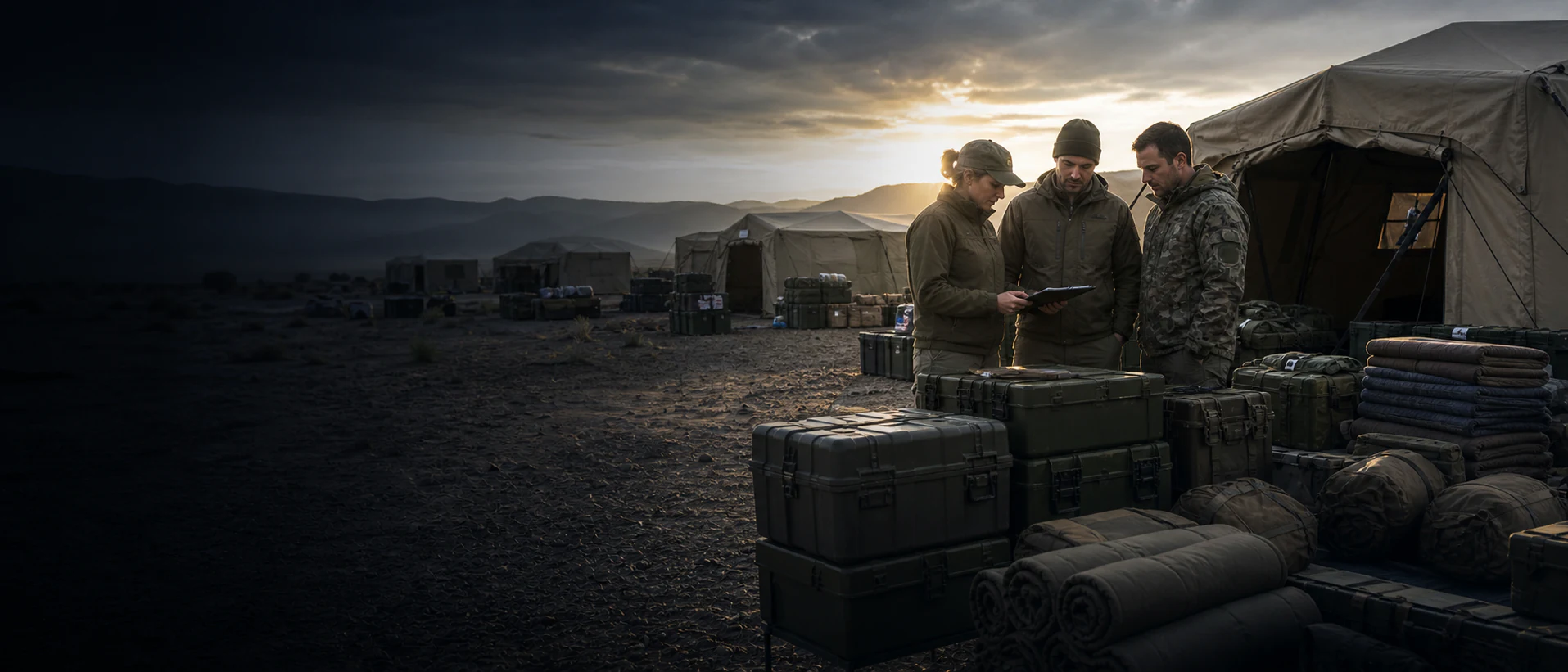
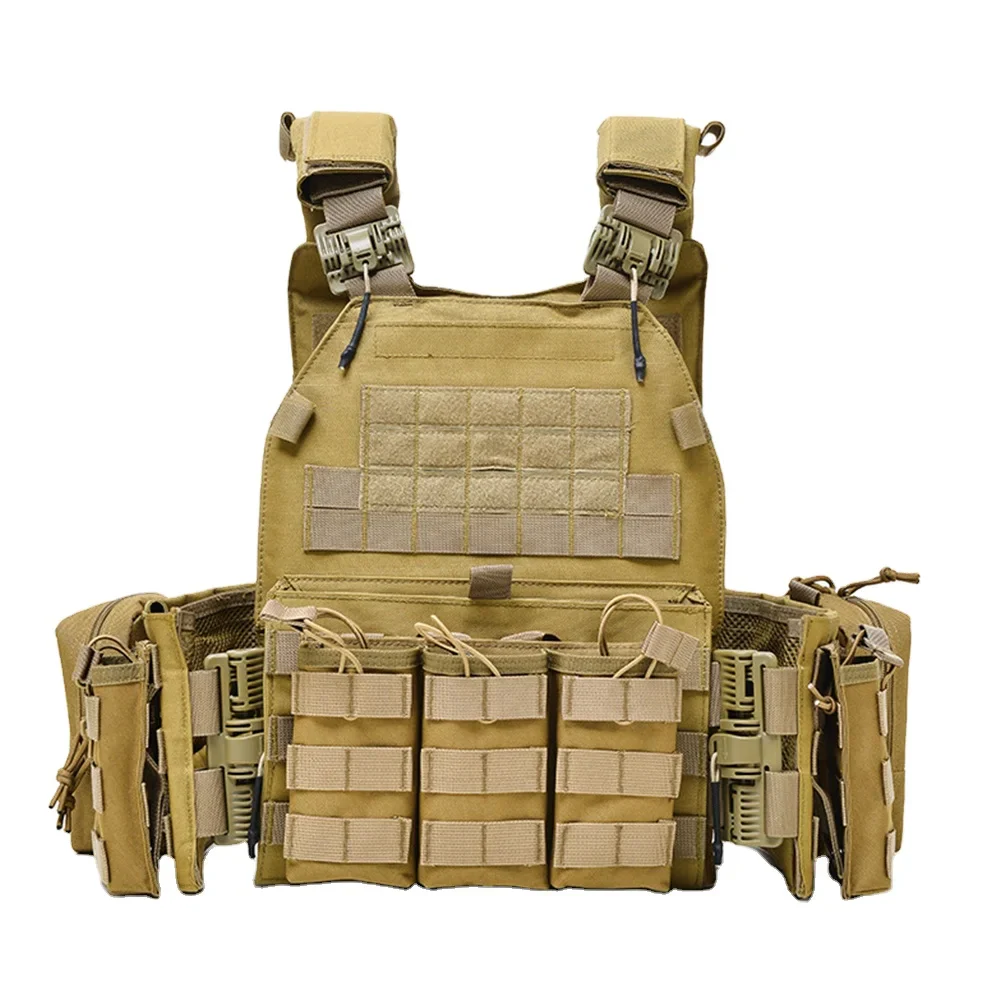
Load-Carriage & Tactical Equipment
Modular vests, backpacks, belts, pouches and medical carriage for coordinated equipment sets.
View products
Coordinated duty uniforms, load carriage and approved protective equipment for police and public-security procurement.
Product support
Coordinated duty uniforms, load carriage and approved protective equipment for police and public-security procurement. Use the linked product groups to compare available items, then send a combined list with quantities, specifications, packing and delivery requirements for a coordinated quotation.
Who this serves
Typical project needs
Product scope
Compare available products, then send the product IDs, quantities and required options in one enquiry.
Modular vests, backpacks, belts, pouches and medical carriage for coordinated equipment sets.
View products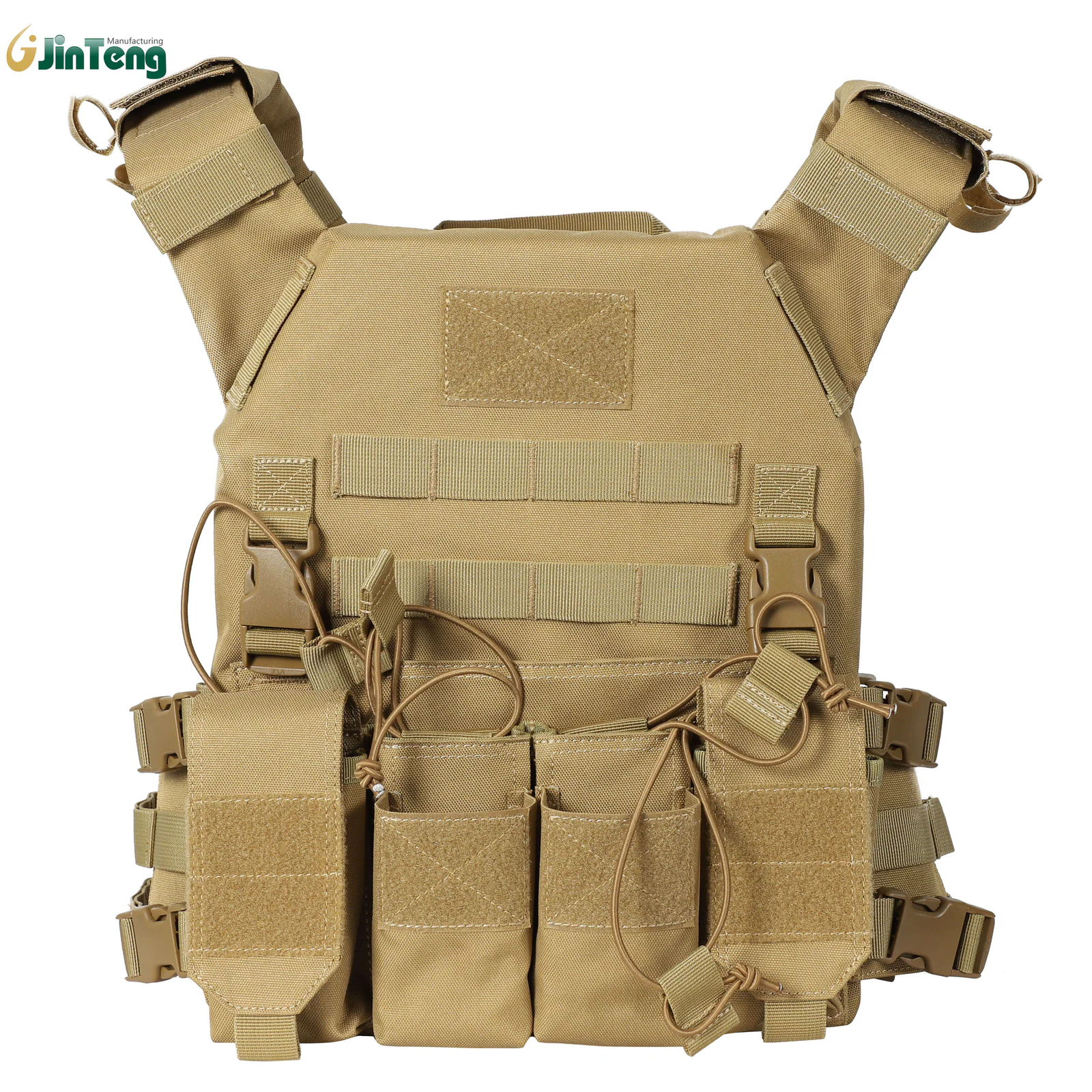
Vests, helmets and hard-armor components for institutional specifications and model-specific product requirements.
View products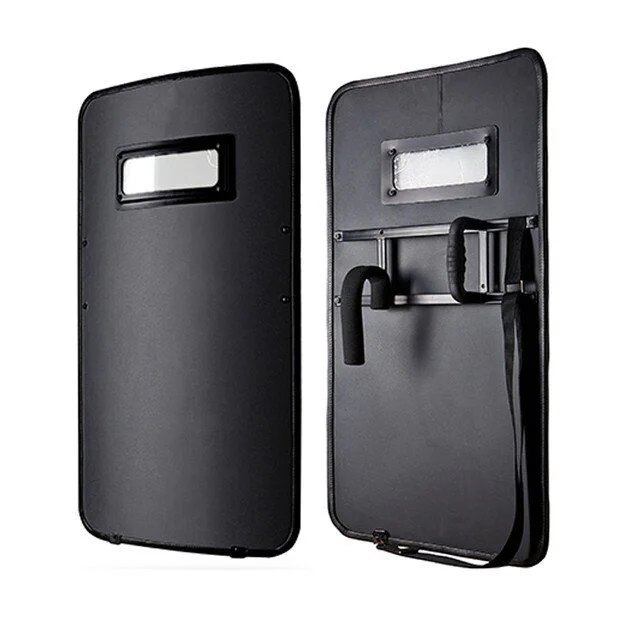
Protective suits, helmets, shields and duty equipment for authorized public-security procurement.
View products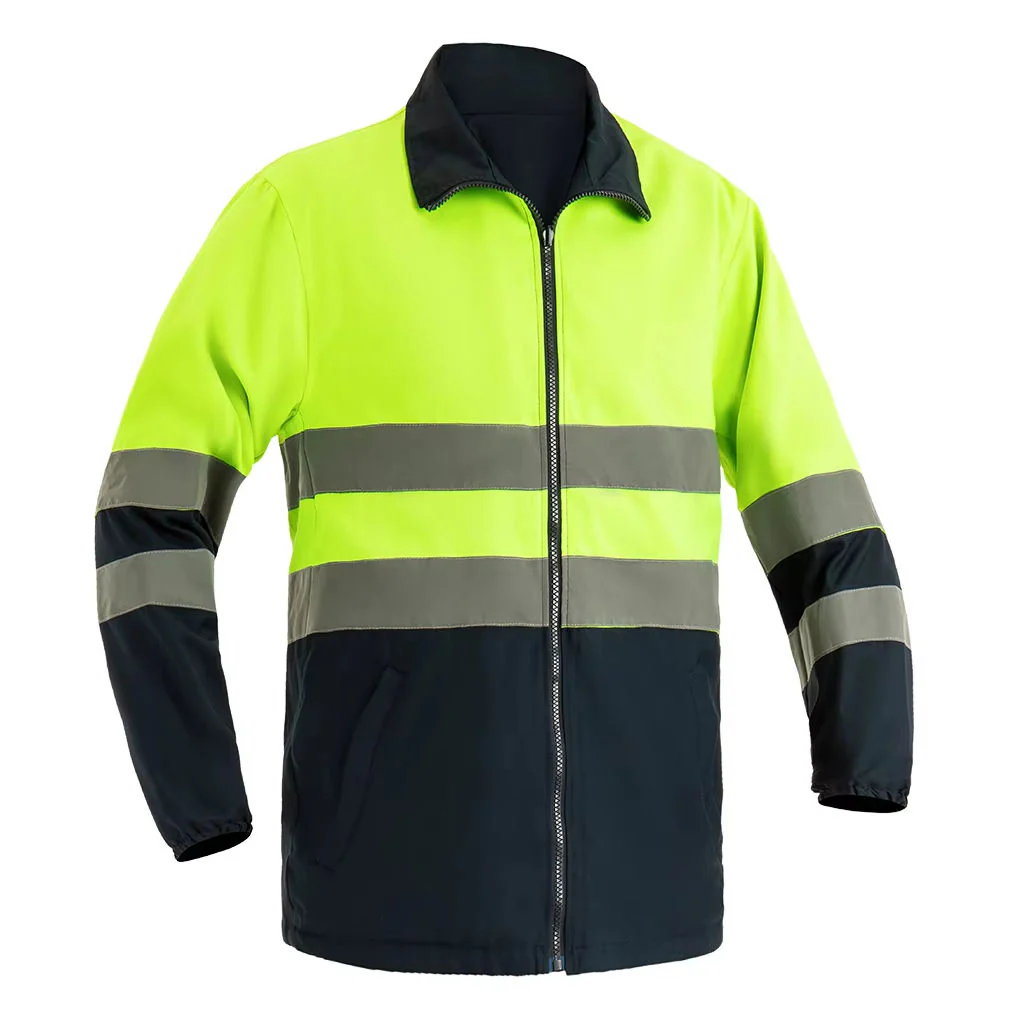
Uniform programs for government departments, public institutions and enterprise workforces.
View productsHow it works
Buyer type, end use, quantity, climate, specifications and deadline are screened.
Materials, sizing, colours, insignia, performance requirements and BOM are clarified.
Development sample, size set or pre-production sample is selected for the project stage.
Scope, MOQ, packaging, inspection, lead-time range and delivery terms are documented.
Approved reference, revision control and agreed quality checkpoints guide production.
Final inspection, kitting, packing and shipping records follow the accepted project plan.
Project outputs
Project planning
Police, border, customs and public-security requirements often combine visible identity, daily-wear comfort, load carriage and selected protective items. These elements should not be treated as independent shopping lines. Procurement must first decide how personnel are identified, what each role carries, which interfaces are critical and which protective and specialist equipment require a separate authorization and evidence review.
Define patrol, traffic, border, supervisory, specialist and support roles separately where their clothing, markings or carried equipment differ. Record the number of complete kits and replacement items for each role.
Check belts, vests, pouches, radios, body-worn devices, rain layers and protective equipment as an operating system. Attachment method, access, movement and identification must be reviewed together.
Keep routine uniforms and load carriage distinct from ballistic or riot-control models that need buyer, end-use, destination and model-specific evidence review before technical or commercial commitment.
What to send
Identify the purchasing body, final user groups, duty environments, public-facing identification needs and any gender, size or accessibility considerations in the wearer population.
List radios, restraints, medical items, lighting, documents and other equipment that must be mounted or accessed, including dimensions or approved references when fit is critical.
State applicable tender clauses, marking controls, inspection methods, mandatory standards and the authorization route for any restricted protective product included in the project.
Preparation tips
Garments are approved before belt, vest, radio or rain-layer interfaces are checked, leaving pockets obstructed or required equipment difficult to reach.
Badges, reflective elements, wording or colour references move between versions without an approval log, creating inconsistent public identification across batches.
A protective item is considered compliant because it looks like a tested model, although the construction, configuration, report scope or destination requirement is different.
Next step
For each user group, state headcount, issue quantities, operating conditions, carried equipment, required markings and delivery destination. Separate routine products from restricted protective items. The first useful output is a role-based BOM with open interfaces, evidence gaps and sample decisions clearly identified for buyer review.
Project questions
Define the buying organization, end user, project objective, required product systems, estimated quantities, destination, required standards and delivery deadline. These details allow suppliers to recommend suitable products and prepare a useful quotation.
Provide a requirement list, product or kit components, quantities, sizes, customization, sample expectations, inspection needs, packing allocation and delivery schedule. Confirm any changes in writing before bulk production.
Provide the buying organization, end use, destination, estimated quantities, product scope, target specifications and deadline. Our team will reply with the next quotation step.
Yes. Send a combined product list with quantities, configuration, packing and delivery requirements so the items can be coordinated in one proposal.
Tell us which product and configuration you want to evaluate and the expected bulk quantity. Our team will reply with the available sample options.
Share the product, quantity, destination, customization and delivery requirements. Our business team will reply with suitable options and the next quotation step.
 WhatsApp