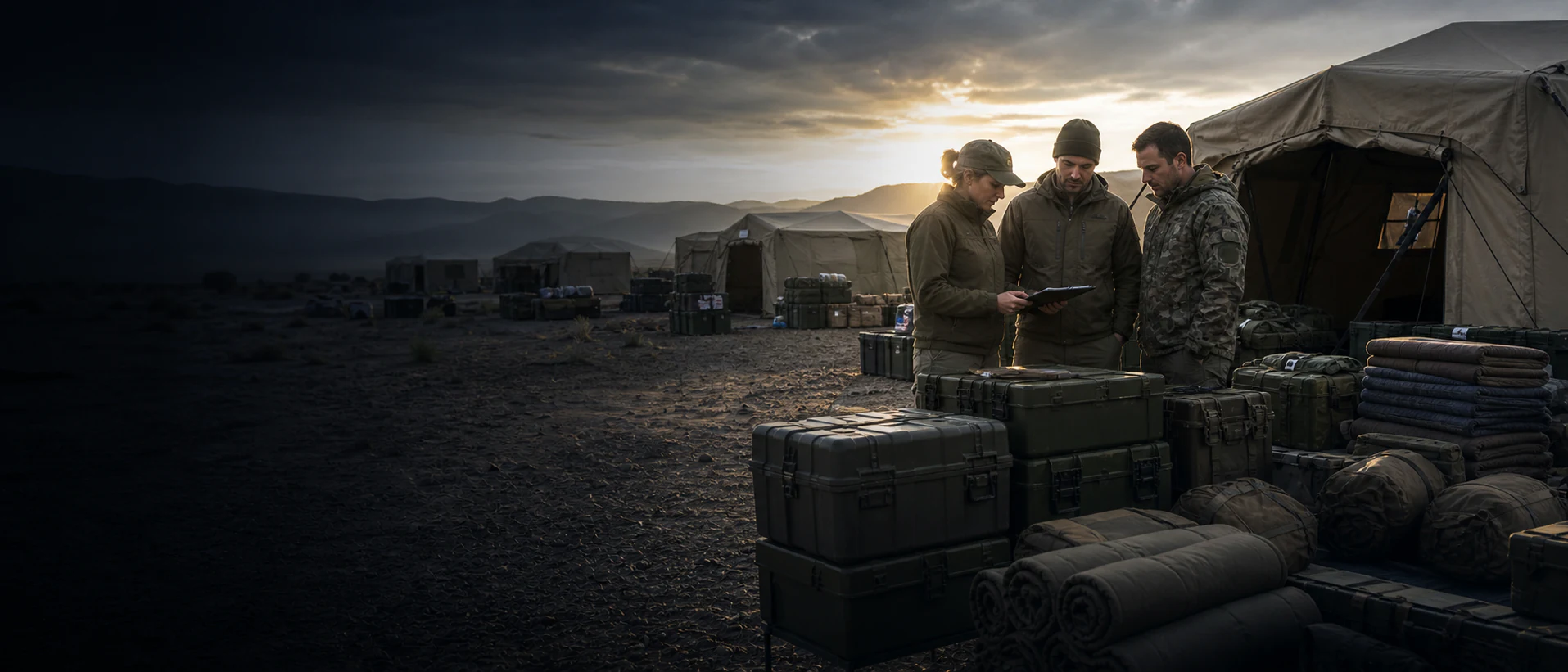
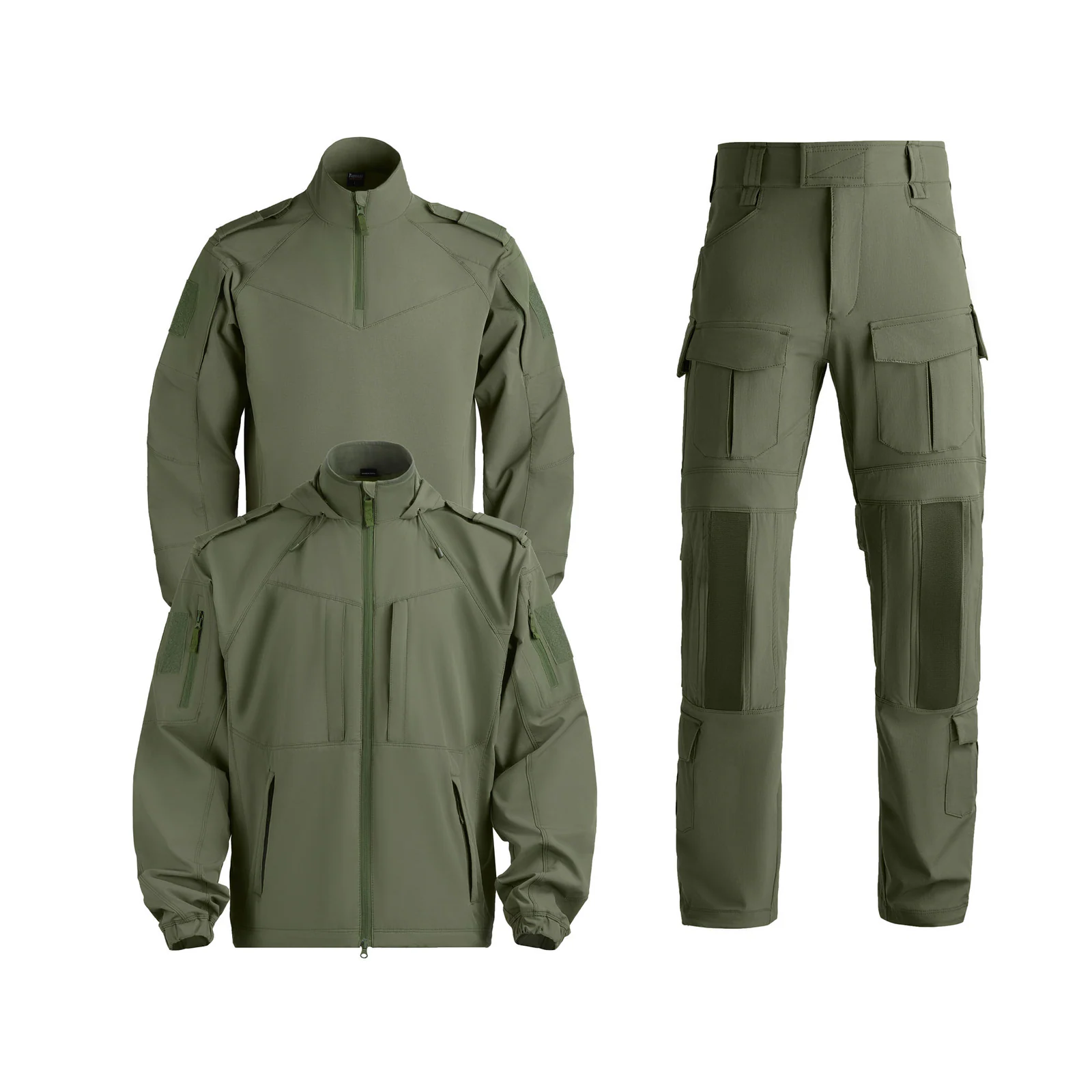
Military & Camouflage Uniform Systems
Configurable BDU, ACU-style, combat and training uniform programs for institutional procurement.
View products
A specification-led route from fabric and camouflage approval through size sets, production control and repeat-order records.
Product support
A specification-led route from fabric and camouflage approval through size sets, production control and repeat-order records. Use the linked product groups to compare available items, then send a combined list with quantities, specifications, packing and delivery requirements for a coordinated quotation.
Who this serves
Typical project needs
Product scope
Compare available products, then send the product IDs, quantities and required options in one enquiry.
Configurable BDU, ACU-style, combat and training uniform programs for institutional procurement.
View products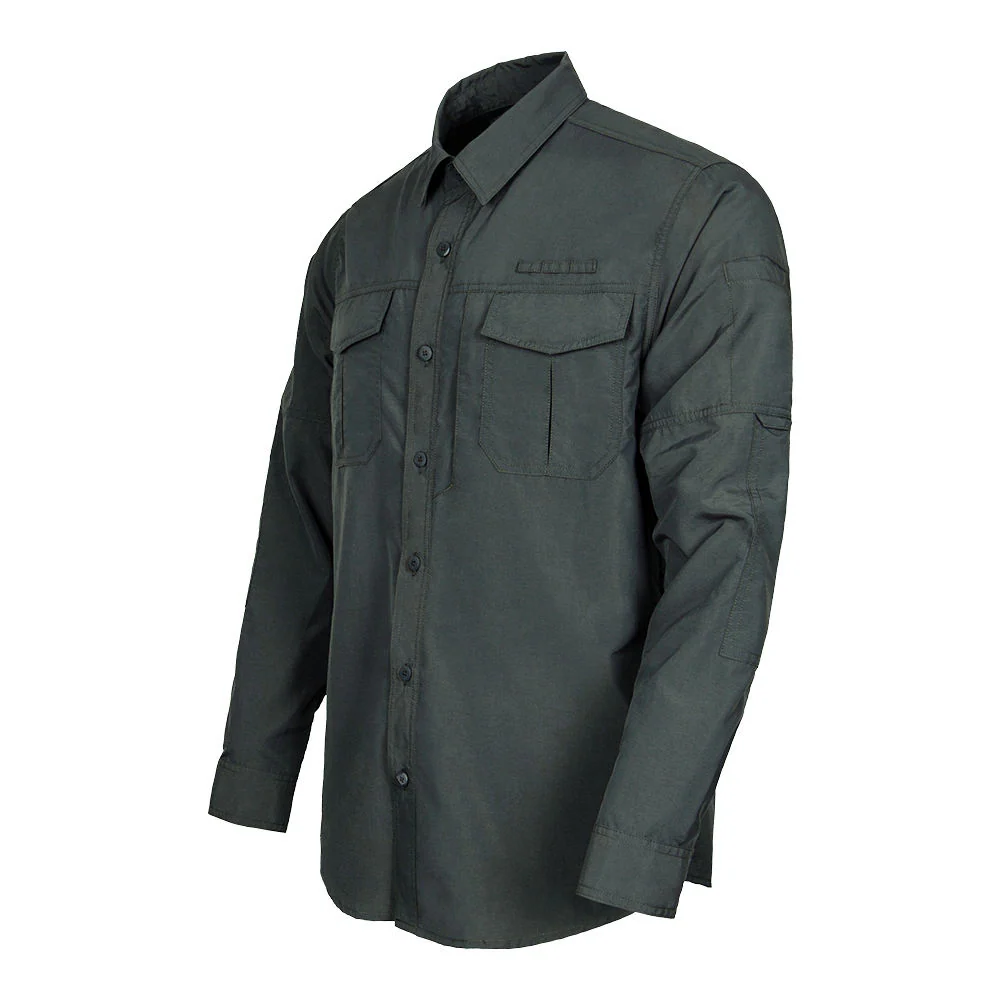
Jackets, shirts, trousers and field layers configured for duty, training and contractor programs.
View products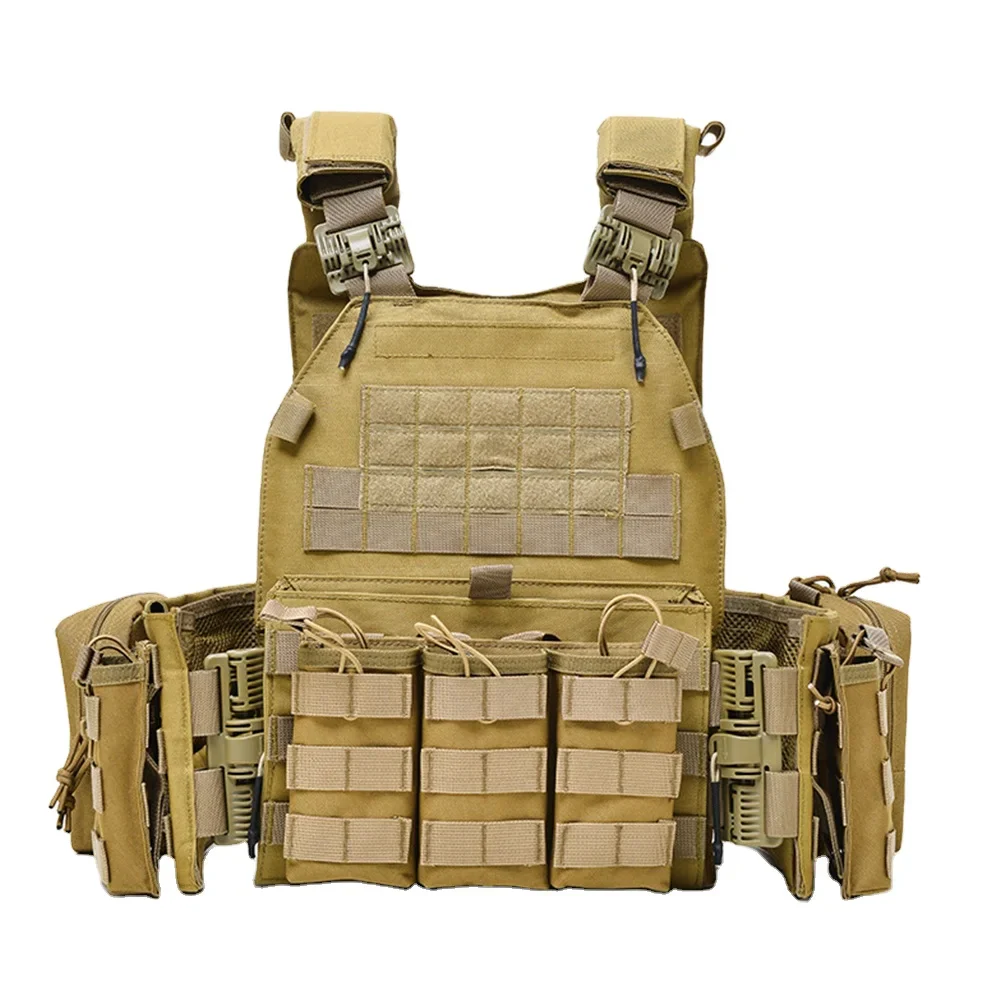
Modular vests, backpacks, belts, pouches and medical carriage for coordinated equipment sets.
View productsHow it works
Buyer type, end use, quantity, climate, specifications and deadline are screened.
Materials, sizing, colours, insignia, performance requirements and BOM are clarified.
Development sample, size set or pre-production sample is selected for the project stage.
Scope, MOQ, packaging, inspection, lead-time range and delivery terms are documented.
Approved reference, revision control and agreed quality checkpoints guide production.
Final inspection, kitting, packing and shipping records follow the accepted project plan.
Project outputs
Project planning
A military uniform procurement program succeeds when issue policy, wearer duties, climate, identity controls and repeat-order records are designed together. The early decision is therefore not which catalogue photograph looks closest. It is whether the purchasing team can define a controlled uniform system whose approved references can survive sampling, size allocation, inspection and later replenishment.
Separate combat, training, garrison, outerwear and accessory requirements by user group and operating condition. State which pieces form one issue set and which are optional, seasonal or role-specific.
Base the size plan on an identified wearer population, allocation rule and issue quantity. A total order number without size ratios, reserve stock logic or unit destinations cannot support a dependable quotation.
Name the approved pattern, colour, insignia artwork, measurement method and comparison sample. Each revision needs a version and approval owner so obsolete references do not reappear during production.
What to send
List services, units or job roles; expected climate and activity; garment combinations; and any differences between training, operational and ceremonial use.
Supply controlled drawings, measurement tables, camouflage or colour references, placement diagrams and authorized insignia files. Identify which details are mandatory and which remain open to development.
Show estimated quantities by style, size, delivery point and phase, together with the intended sample decision, procurement calendar and any requirement for repeat-order comparability.
Preparation tips
A drawing, written clause and physical sample specify different pocket, colour or measurement details, but no precedence rule identifies which reference governs.
An industry-average ratio replaces actual wearer or issue data. The order total may be correct while the delivered size mix is unusable at unit level.
Fabric, trim or component changes are treated as purchasing details rather than configuration changes, so approval evidence no longer represents the delivered uniform.
Next step
Submit the intended users, garment set, quantities, destination, delivery phases and current reference files. Mark every unknown rather than filling it with an assumption. The first review should return a requirement gap list and a proposed approval path—development sample, size set or pre-production reference—before commercial comparison moves forward.
Project questions
Define the buying organization, end user, project objective, required product systems, estimated quantities, destination, required standards and delivery deadline. These details allow suppliers to recommend suitable products and prepare a useful quotation.
Provide a requirement list, product or kit components, quantities, sizes, customization, sample expectations, inspection needs, packing allocation and delivery schedule. Confirm any changes in writing before bulk production.
Provide the buying organization, end use, destination, estimated quantities, product scope, target specifications and deadline. Our team will reply with the next quotation step.
Yes. Send a combined product list with quantities, configuration, packing and delivery requirements so the items can be coordinated in one proposal.
Tell us which product and configuration you want to evaluate and the expected bulk quantity. Our team will reply with the available sample options.
Share the product, quantity, destination, customization and delivery requirements. Our business team will reply with suitable options and the next quotation step.
 WhatsApp