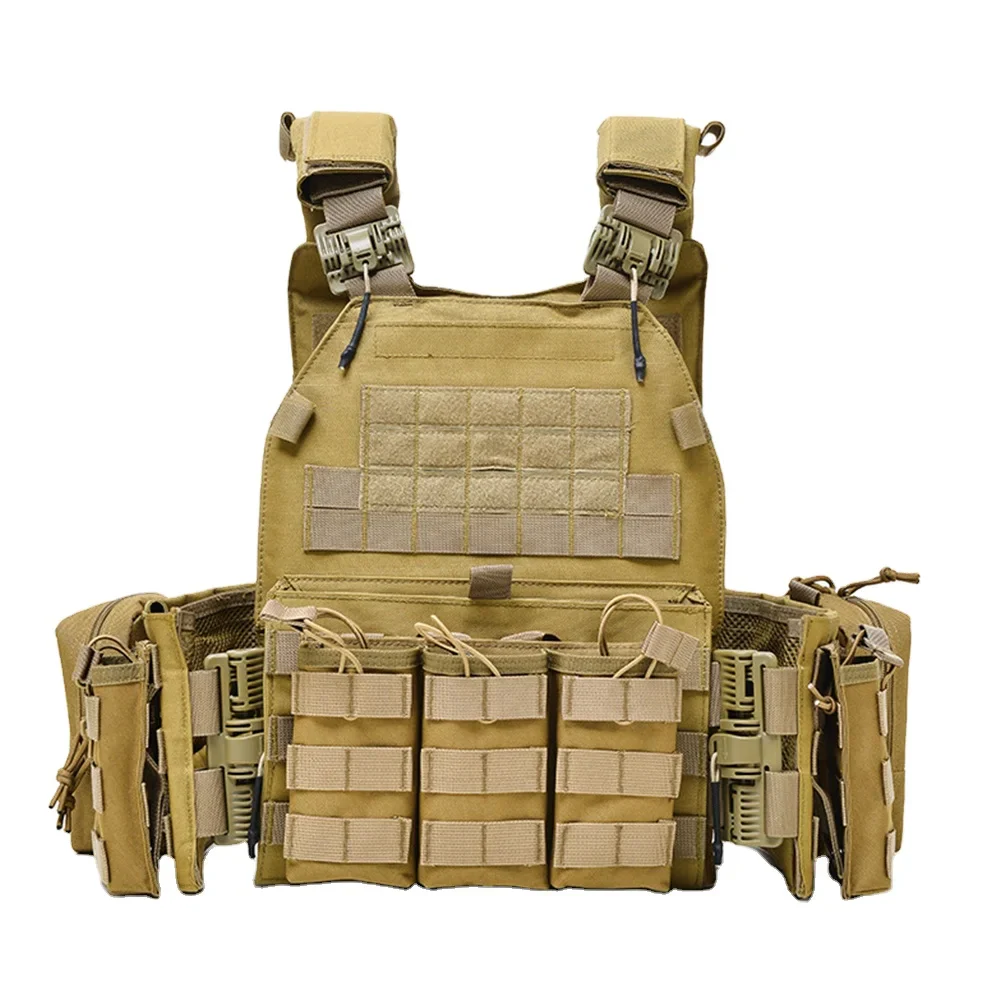
Load-Carriage & Tactical Equipment
Modular vests, backpacks, belts, pouches and medical carriage for coordinated equipment sets.
View products
Coordinated uniforms, field-support equipment and destination-based kits for international organizations, humanitarian agencies and implementing partners.
Product support
Coordinated uniforms, field-support equipment and destination-based kits for international organizations, humanitarian agencies and implementing partners. Use the linked product groups to compare available items, then send a combined list with quantities, specifications, packing and delivery requirements for a coordinated quotation.
Who this serves
Typical project needs
Product scope
Compare available products, then send the product IDs, quantities and required options in one enquiry.
Modular vests, backpacks, belts, pouches and medical carriage for coordinated equipment sets.
View products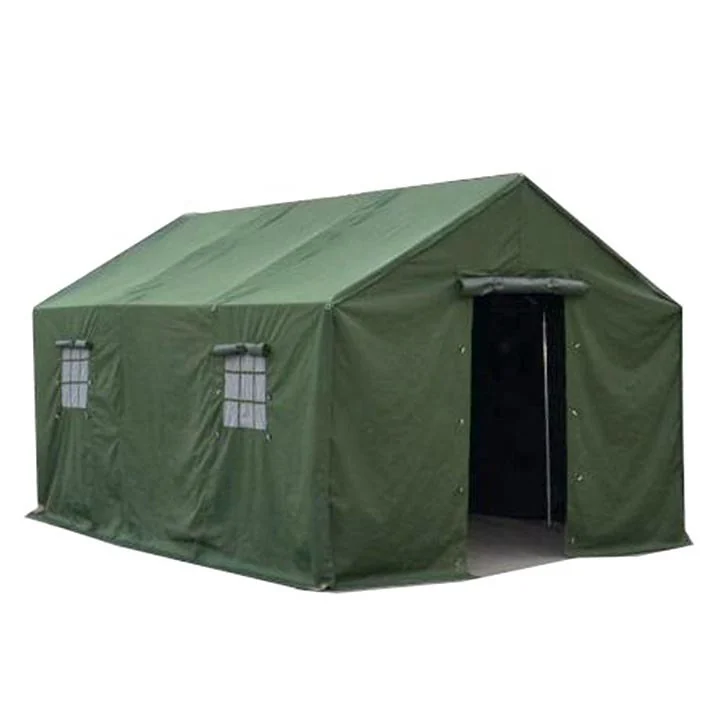
Tents, sleeping systems, cots, rainwear and field-support packages for deployment requirements.
View products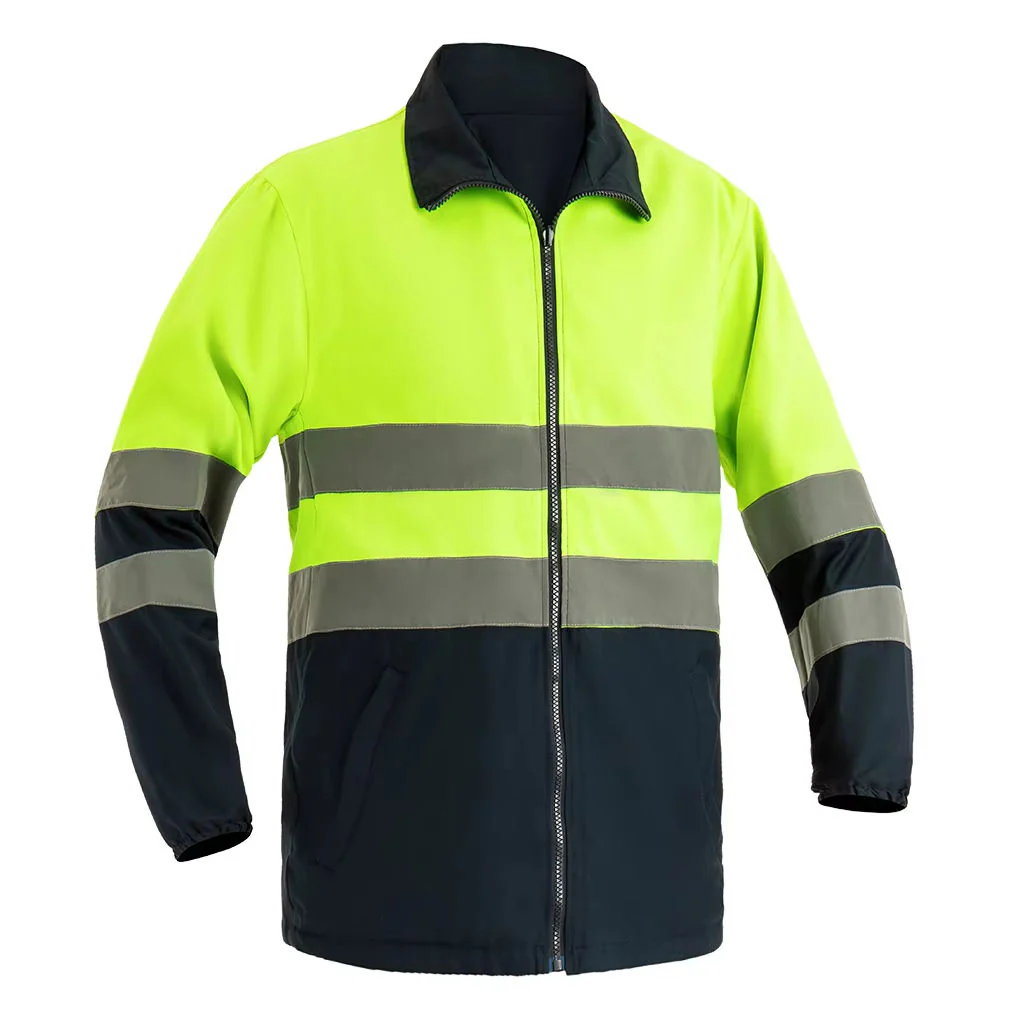
Uniform programs for government departments, public institutions and enterprise workforces.
View productsHow it works
Buyer type, end use, quantity, climate, specifications and deadline are screened.
Materials, sizing, colours, insignia, performance requirements and BOM are clarified.
Development sample, size set or pre-production sample is selected for the project stage.
Scope, MOQ, packaging, inspection, lead-time range and delivery terms are documented.
Approved reference, revision control and agreed quality checkpoints guide production.
Final inspection, kitting, packing and shipping records follow the accepted project plan.
Project outputs
Project planning
International organizations, humanitarian agencies and implementing partners may need institutional clothing, shelters, sleep systems, rain protection, load carriage or medical carry for dispersed field teams. The procurement challenge is to align duty needs, responsible sourcing questions, destination restrictions, packing data and supplier evidence without implying that every catalogue item is appropriate for relief operations or every destination.
Separate staff uniforms, volunteer identification, camp support and beneficiary distribution where requirements differ. Define climate, duration, transport constraints, wearer diversity and maintenance conditions for each use case.
This route is limited to uniforms and non-controlled field-support goods. Requests involving weapons, ammunition, surveillance, ballistic or other restricted equipment require separate eligibility and compliance review and may not be supportable.
Plan kits by country, hub, field office, project or beneficiary group, including language, labels, pack hierarchy and last-mile handling constraints supplied by the buyer or logistics partner.
What to send
Name the contracting entity, implementing parties, end users, funding or tender reference where applicable, delivery countries and the accountable contact for specification and compliance questions.
Describe users, climate, issue purpose, product families, estimated quantities, size information, kit structure, delivery phases and any mandatory sustainability or responsible-sourcing questionnaires.
List prequalification forms, inspection expectations, packing formats, language or marking needs, shipment documents, restricted destinations and the deadline for each clarification or submission stage.
Preparation tips
A project asks for a standard humanitarian kit without defining users, climate, duration, sizes or distribution method, so items cannot be evaluated against a real operating need.
A logo, previous form or third-party statement is treated as proof of registration, framework status or award although the issuing body, scope and current validity were not confirmed.
Country, consignee, routing, language, marking or import conditions emerge after product selection, changing what can be supplied or how the goods must be packed.
Next step
Start with the named contracting entity, implementing partner, end users, destination countries, estimated quantities, product or kit list, field conditions and required document checklist. The first review should separate answerable qualification items from evidence gaps, identify excluded controlled scope and produce a destination-and-kit matrix for technical discussion.
Project questions
Define the buying organization, end user, project objective, required product systems, estimated quantities, destination, required standards and delivery deadline. These details allow suppliers to recommend suitable products and prepare a useful quotation.
Provide a requirement list, product or kit components, quantities, sizes, customization, sample expectations, inspection needs, packing allocation and delivery schedule. Confirm any changes in writing before bulk production.
Provide the buying organization, end use, destination, estimated quantities, product scope, target specifications and deadline. Our team will reply with the next quotation step.
Yes. Send a combined product list with quantities, configuration, packing and delivery requirements so the items can be coordinated in one proposal.
Tell us which product and configuration you want to evaluate and the expected bulk quantity. Our team will reply with the available sample options.
Share the product, quantity, destination, customization and delivery requirements. Our business team will reply with suitable options and the next quotation step.
 WhatsApp