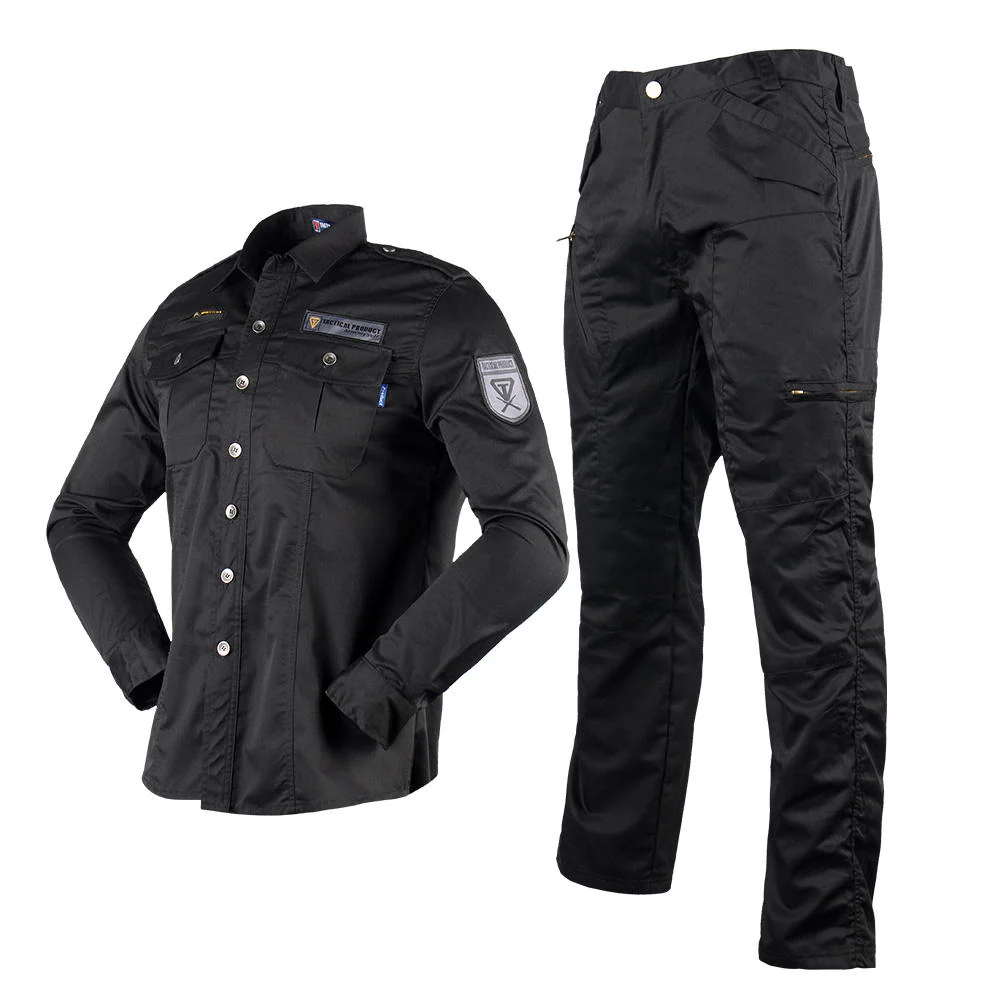
JT-1T-007
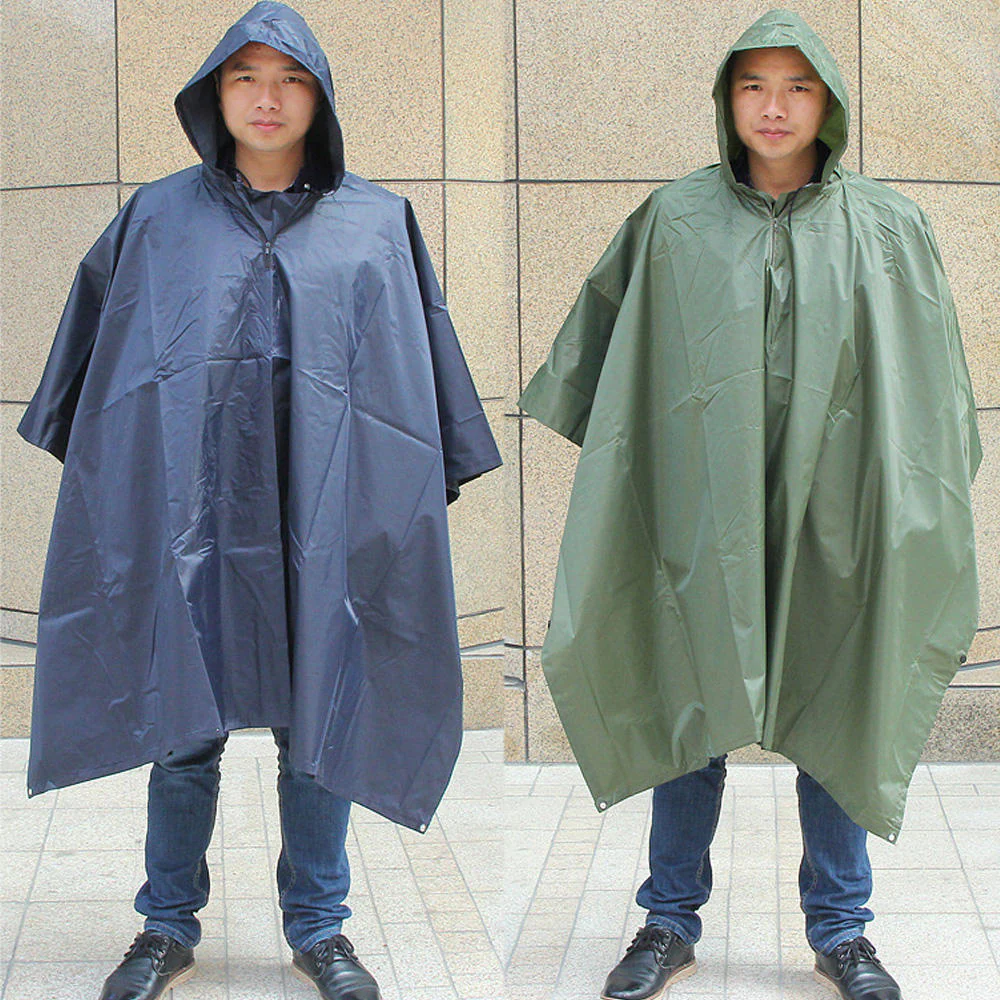
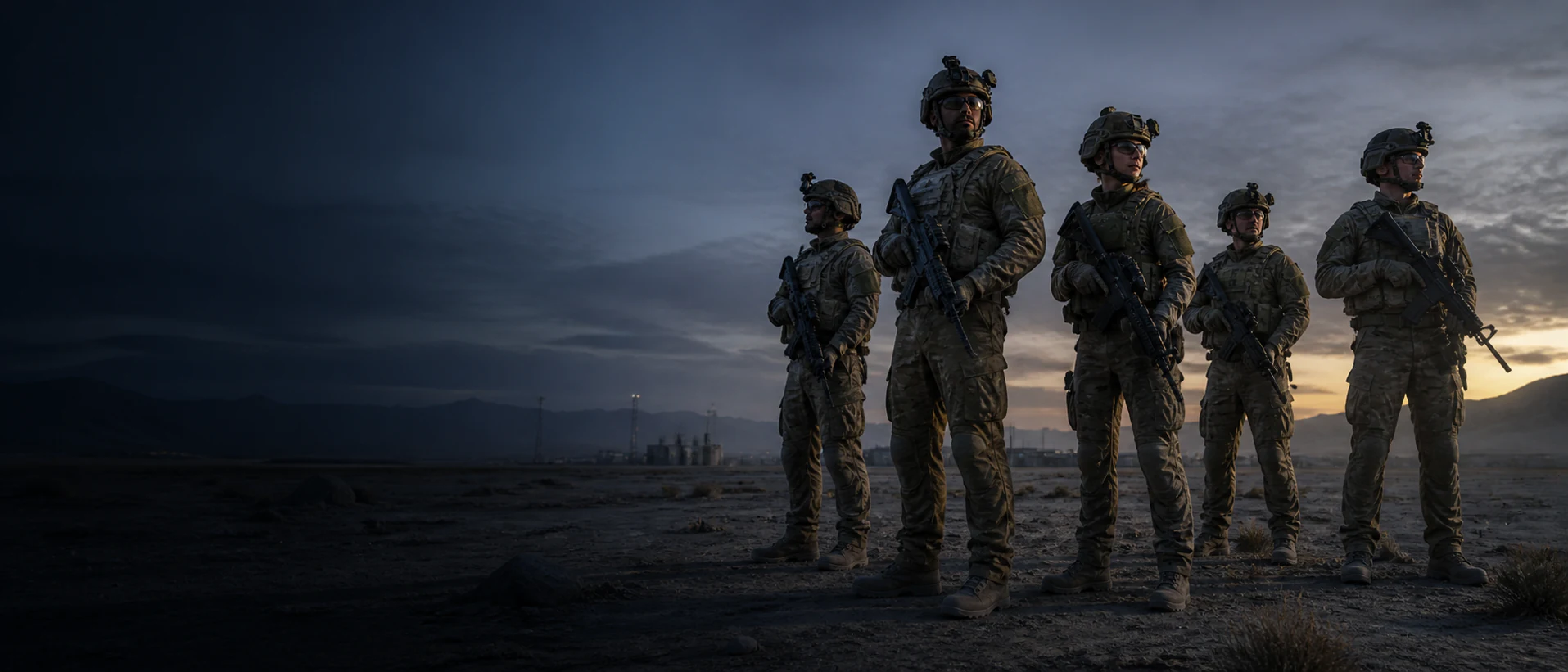
Jinteng American Daily Life Black Guard Training Workwear Tactical Uniform
- Weight
- 1.5kg
- Size
- S,M,L,XL,XXL,XXXL

Uniform programs for organizations
Plan duty uniforms, industrial workwear and workforce clothing as a repeatable program with controlled fabrics, sizing, identity, allocation and packing—not as a collection of unrelated garments.
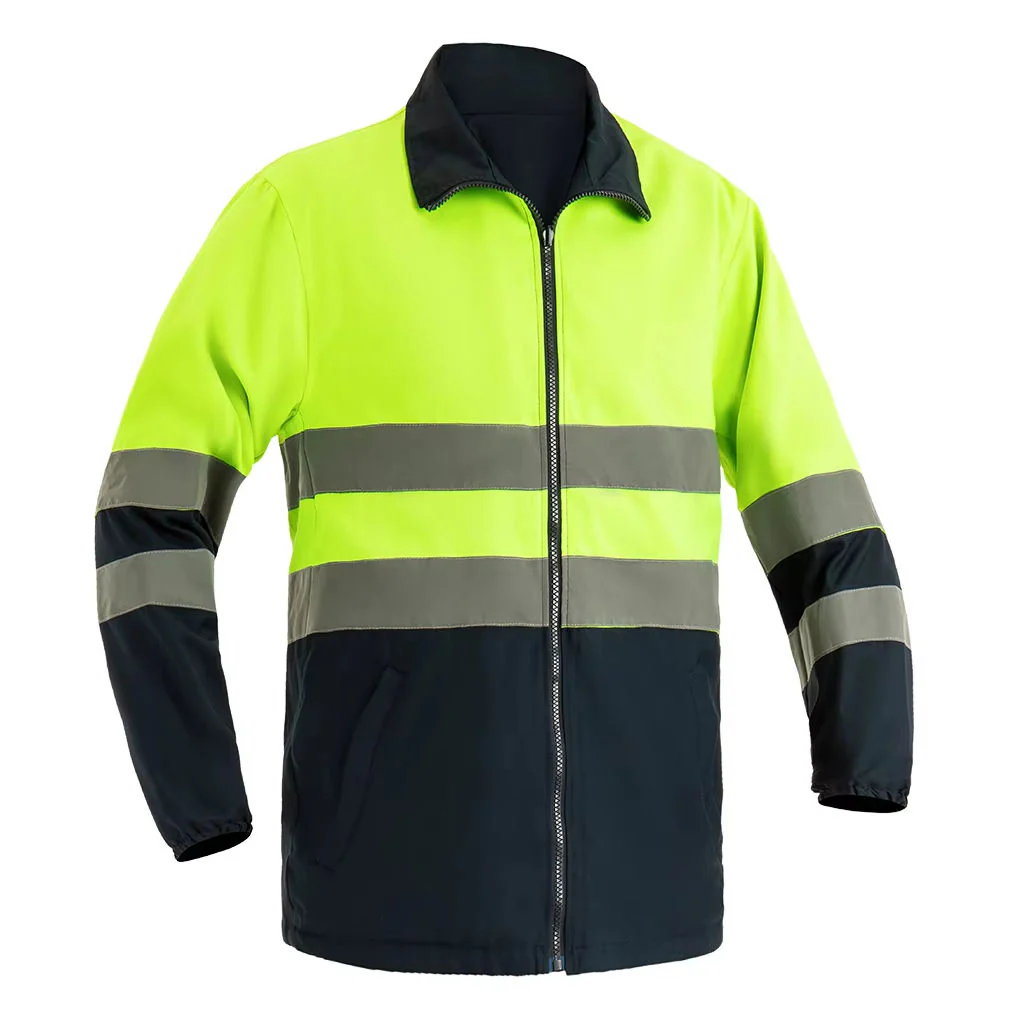
Available product options
Compare the styles below. Open a product for its details, or send the product ID and your requirements to discuss a quotation.
JT-1T-007
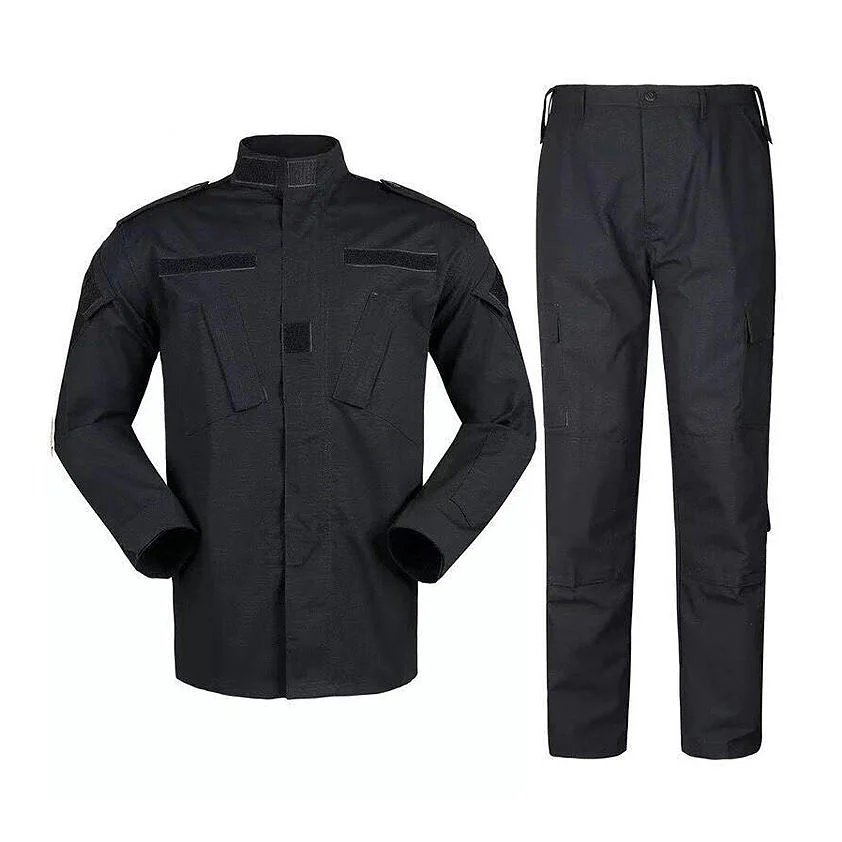
JT-ACU-007
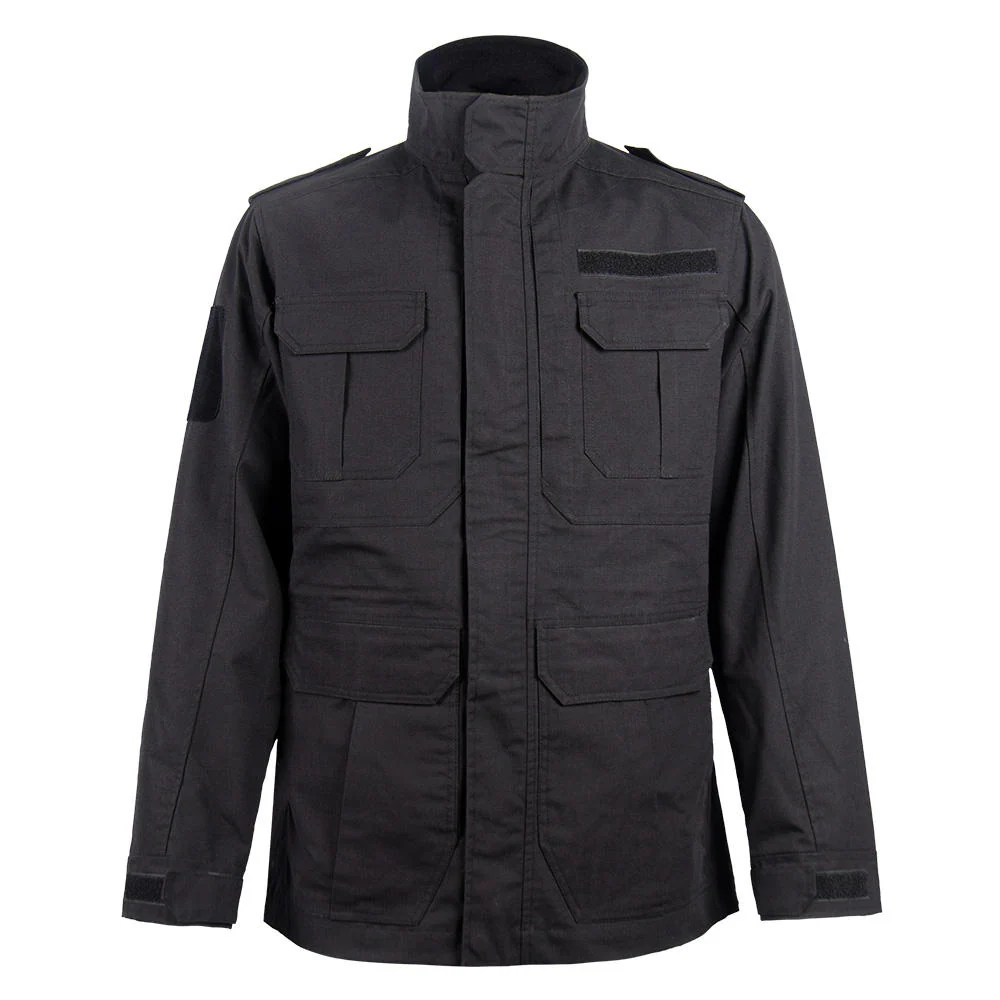
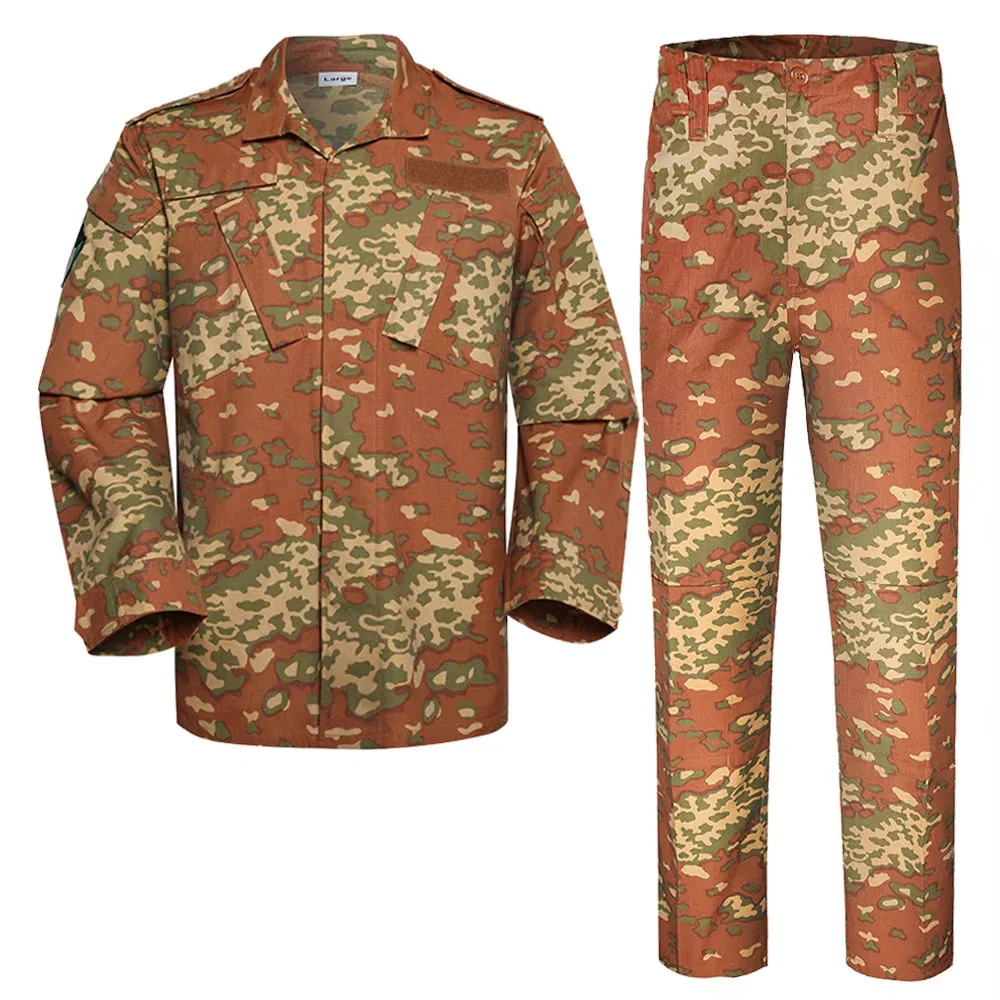
JT-C-003
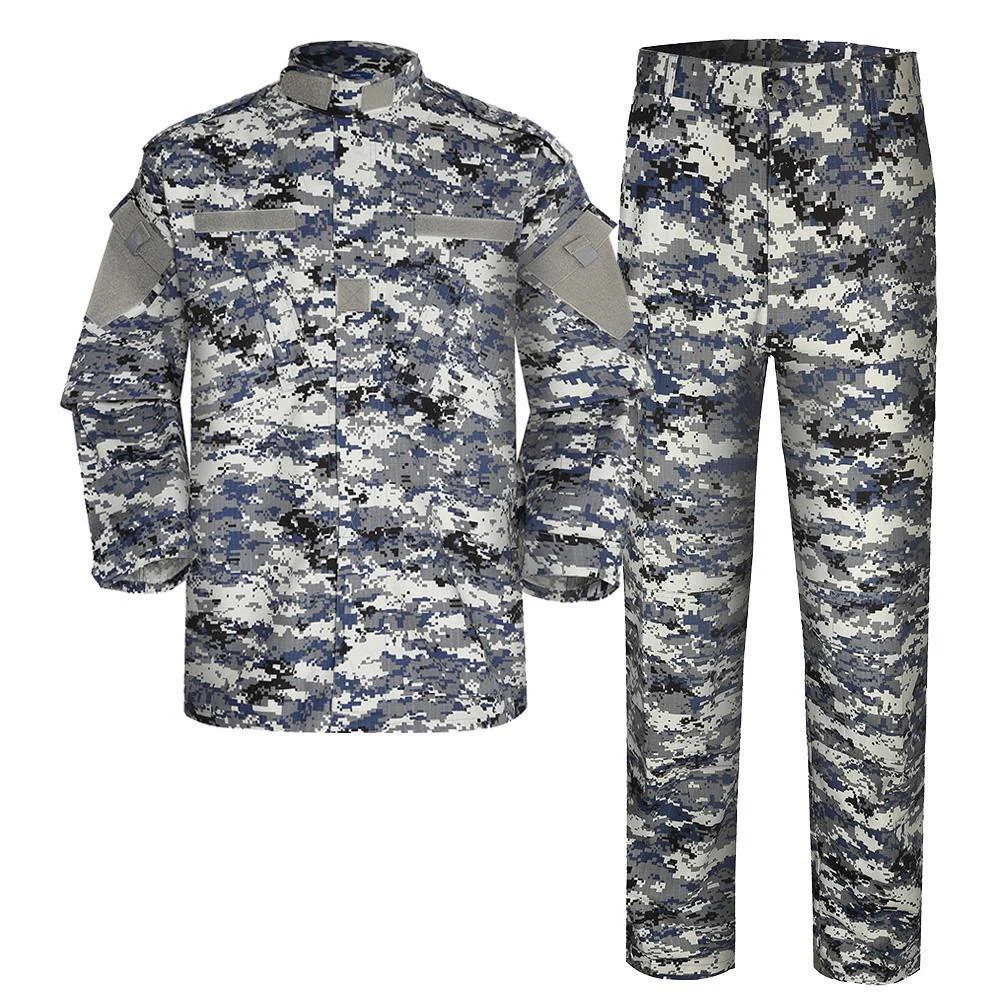
JT-C-008
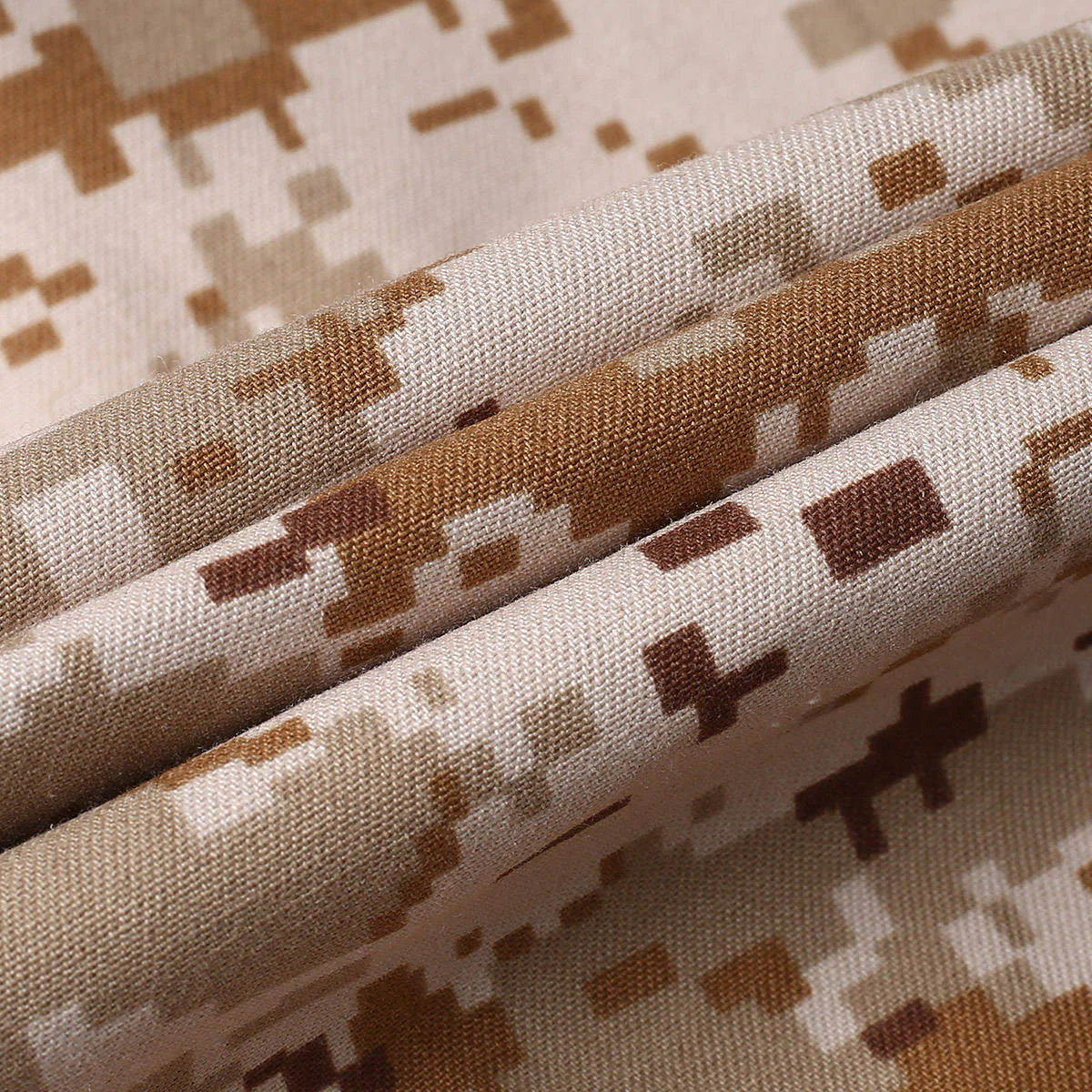
JT-FABRIC-001
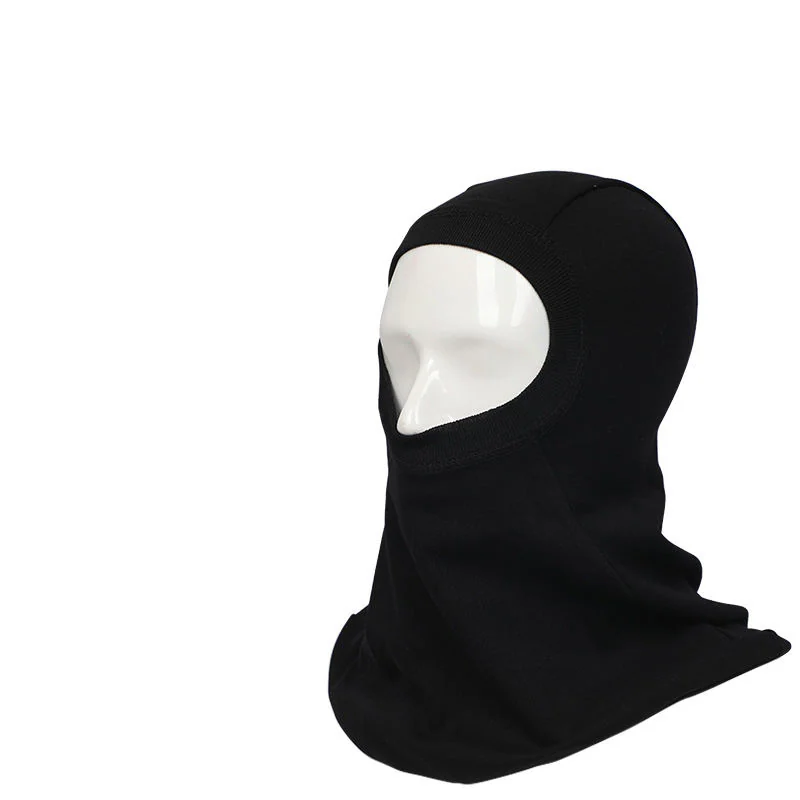
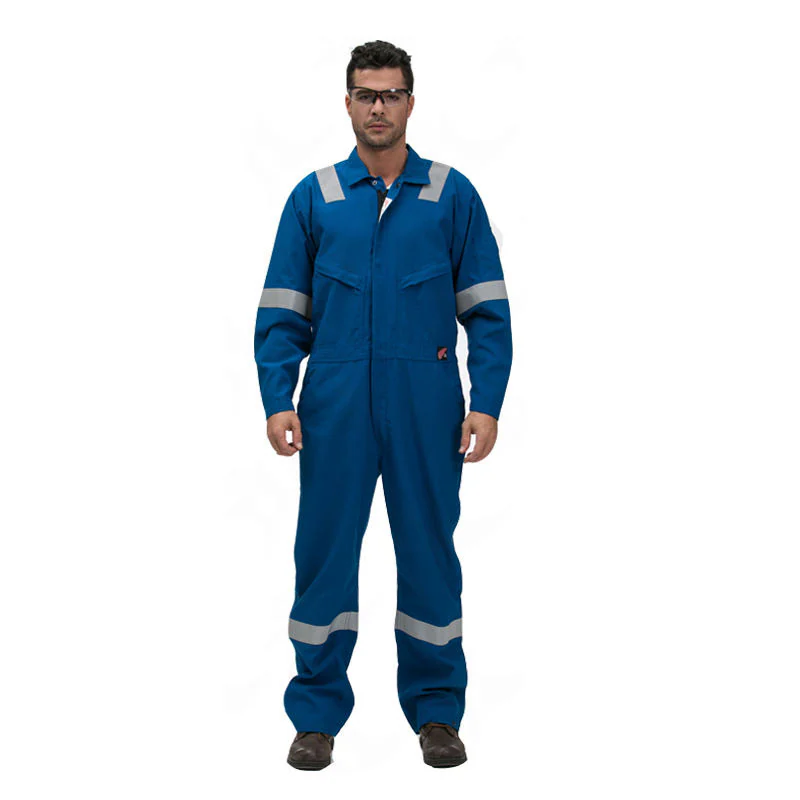
JT-FR-002
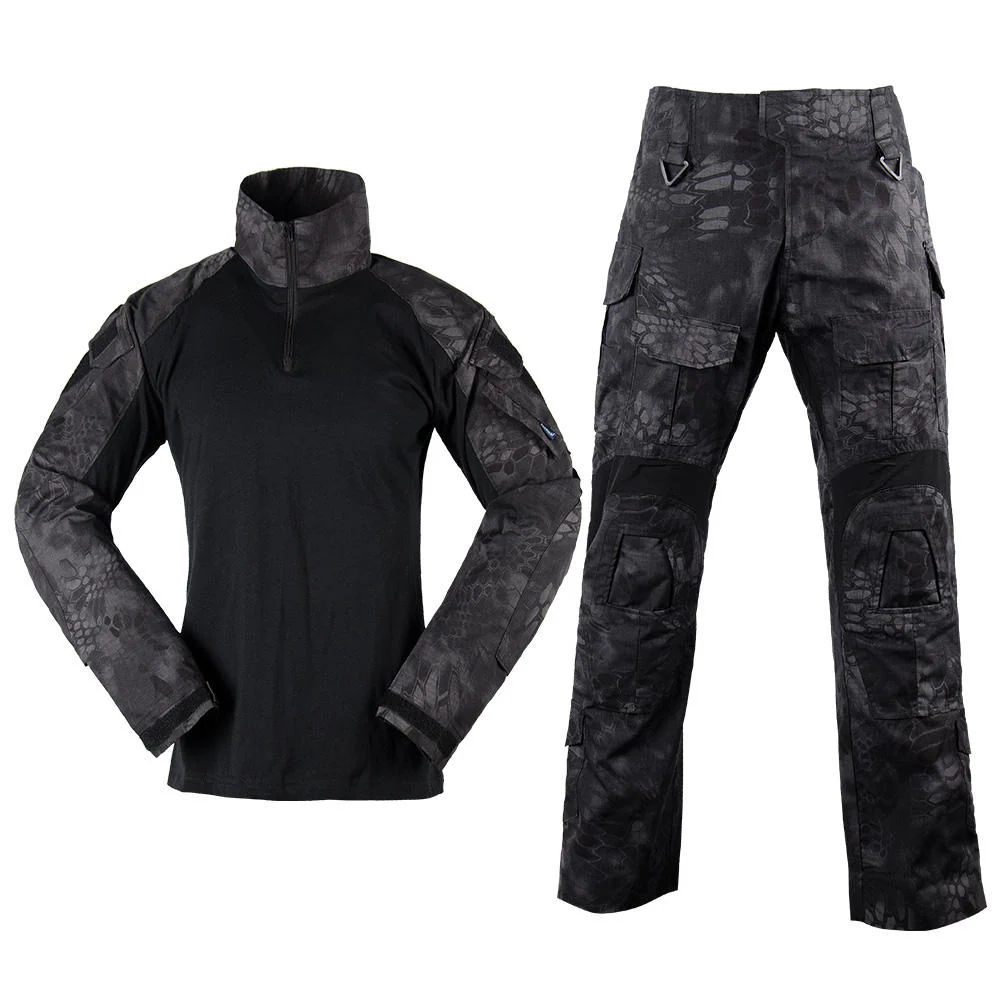
JT-FS-006
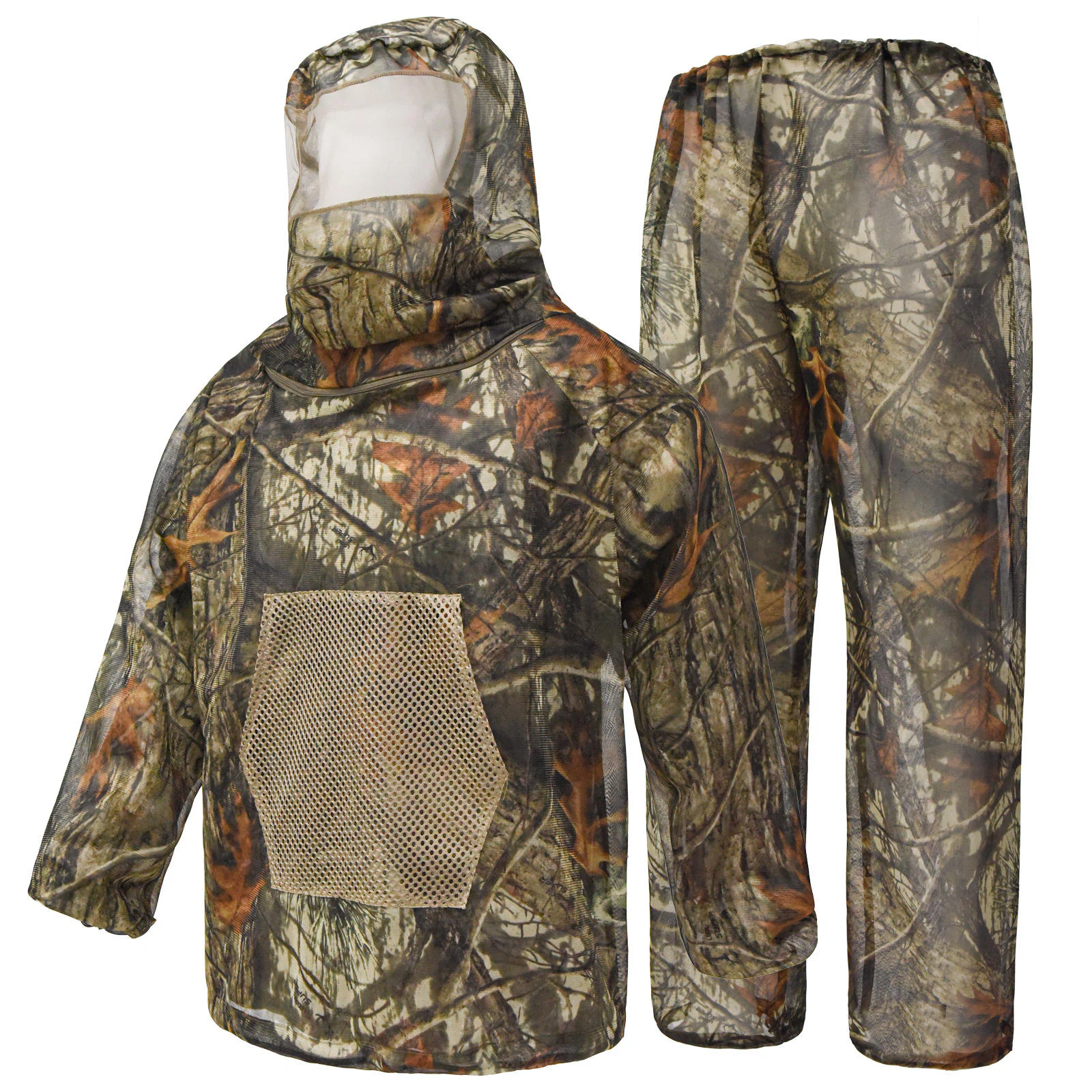
JT-H-022
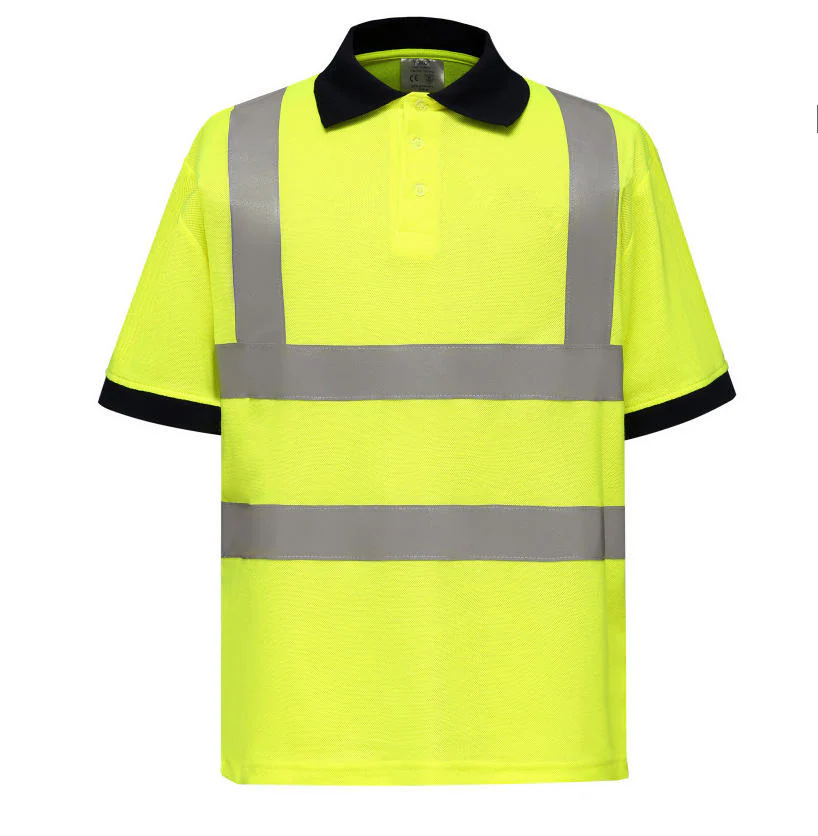
JT-HP-001
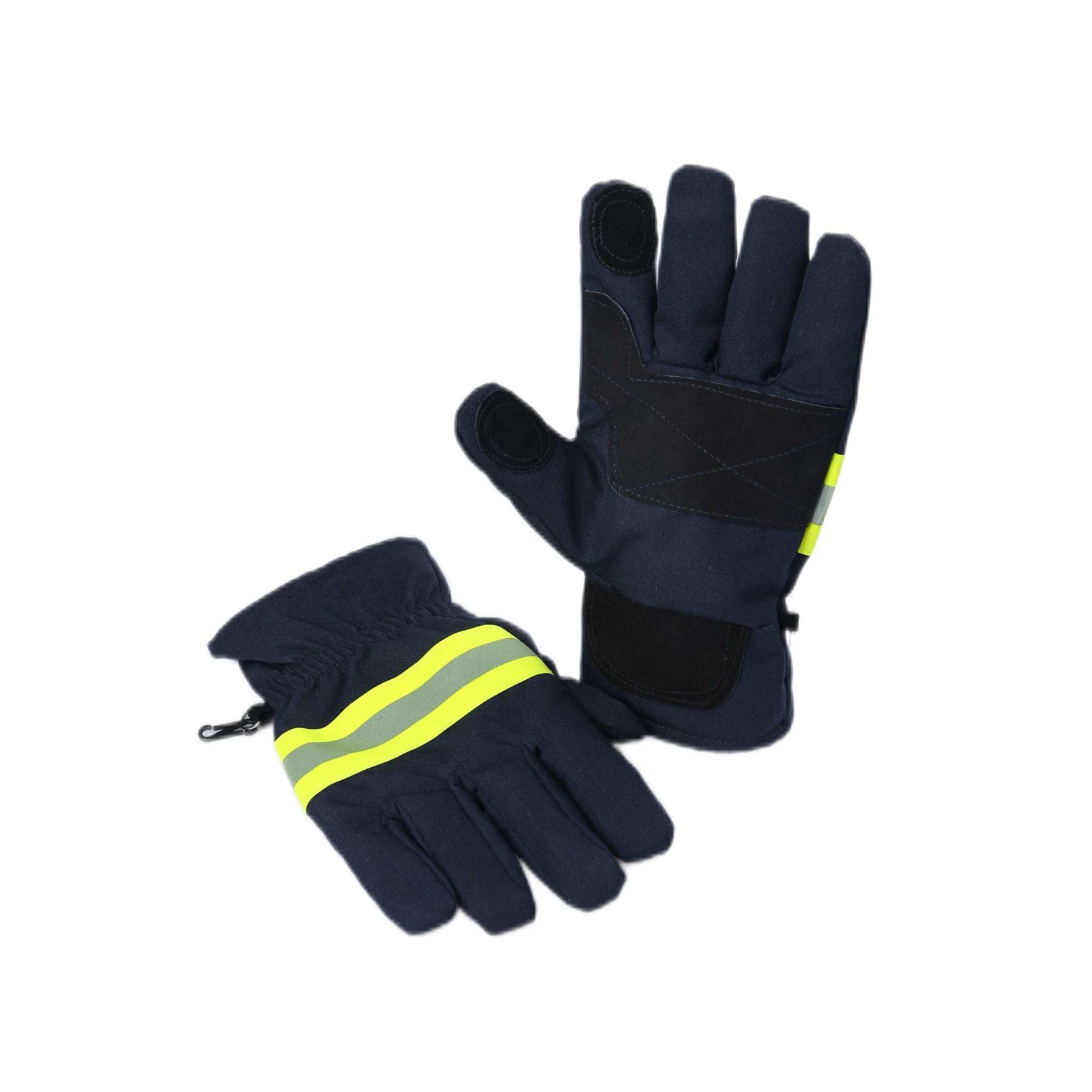
JT-HP-011
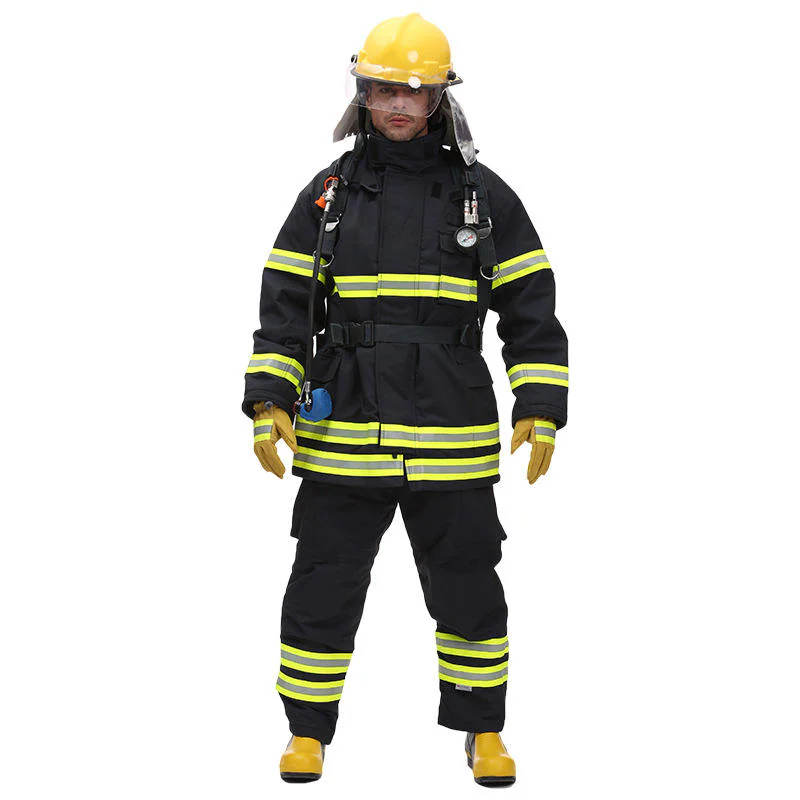
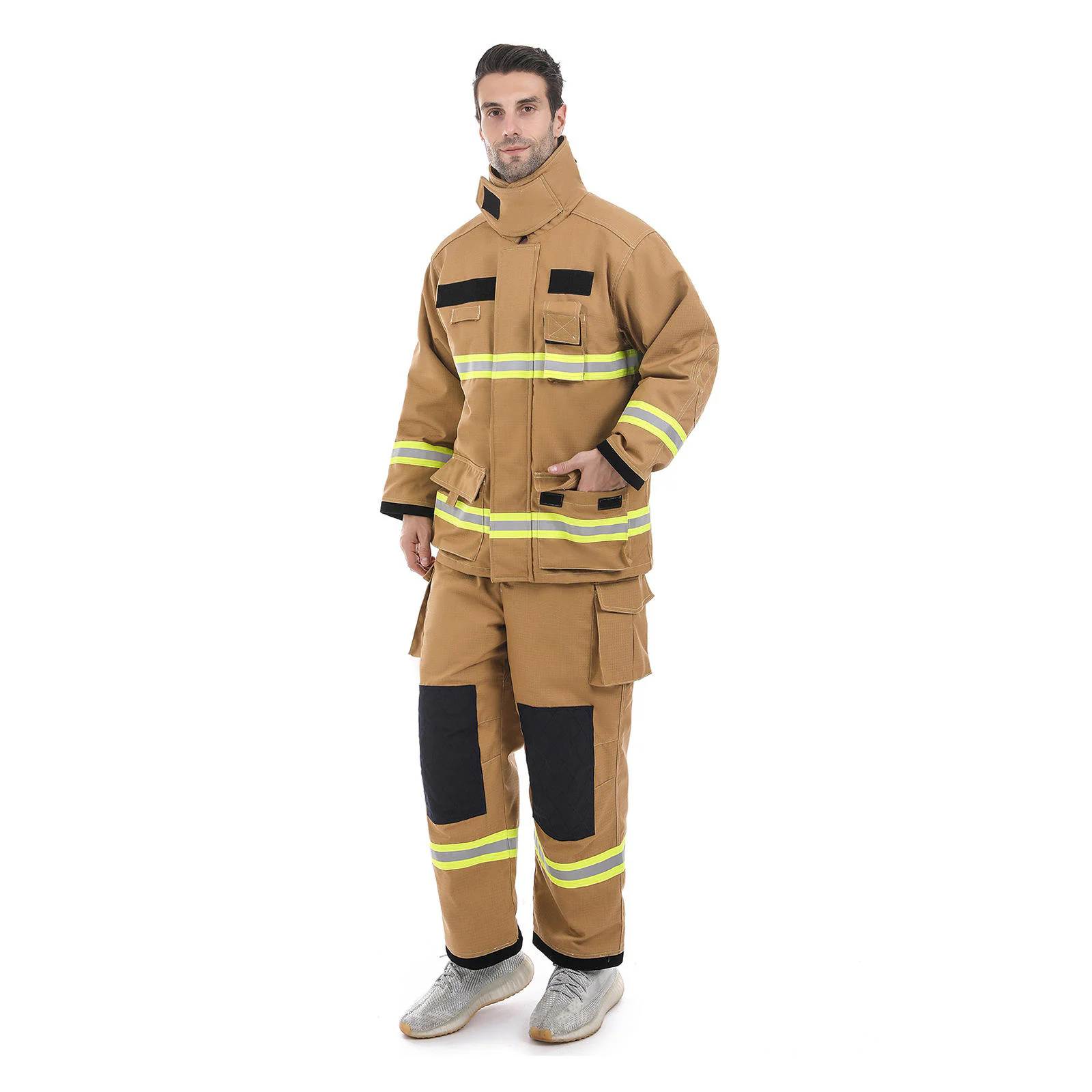
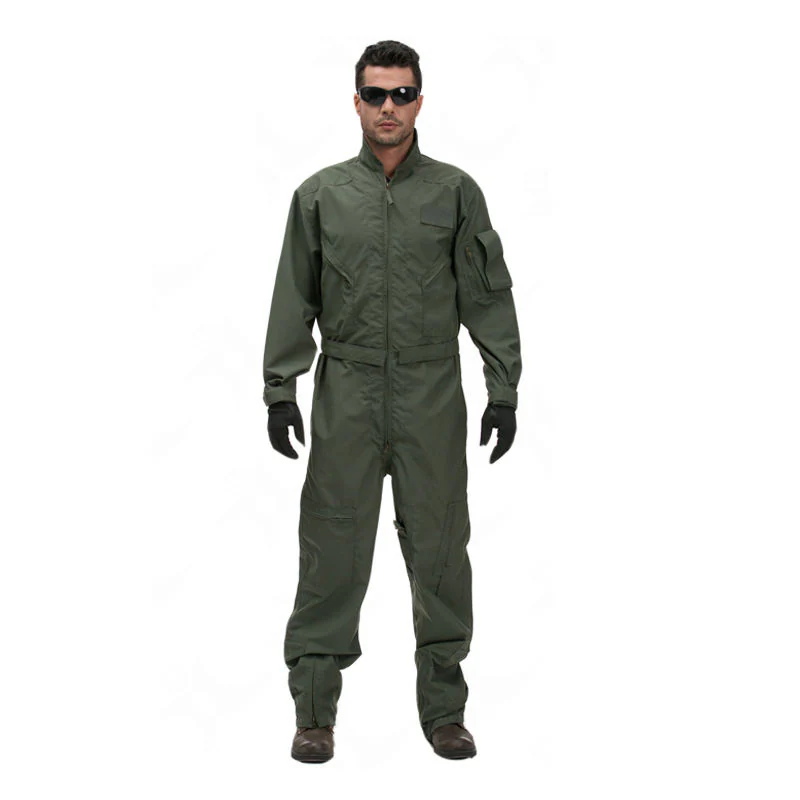
JT-HP-014
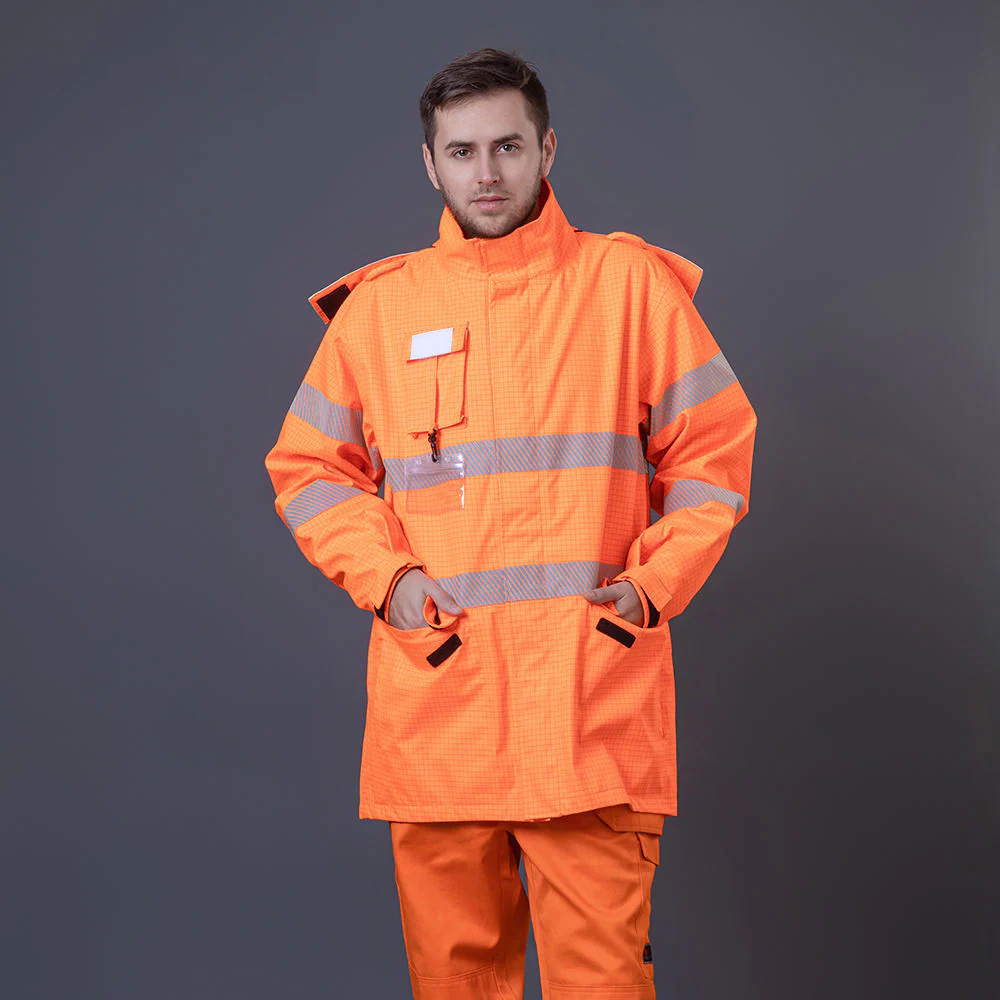
JT-HP-016
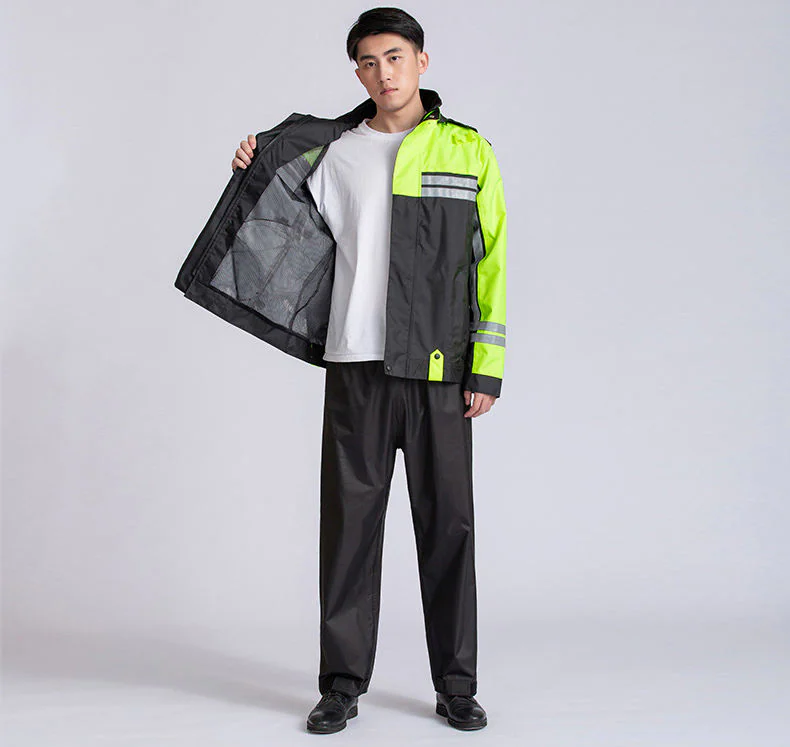
JT-HV-001
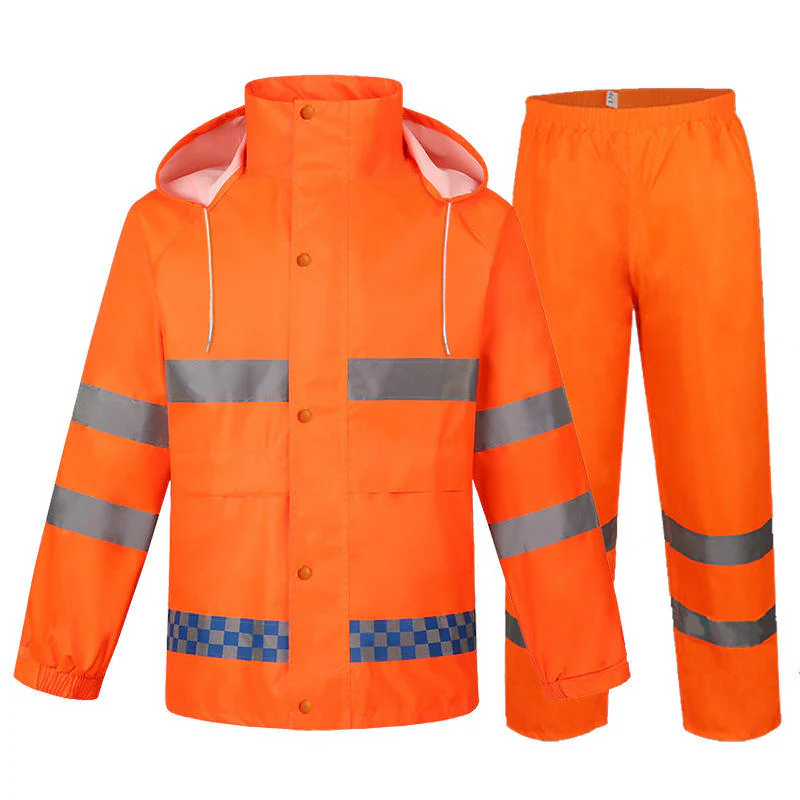
JT-HV-002
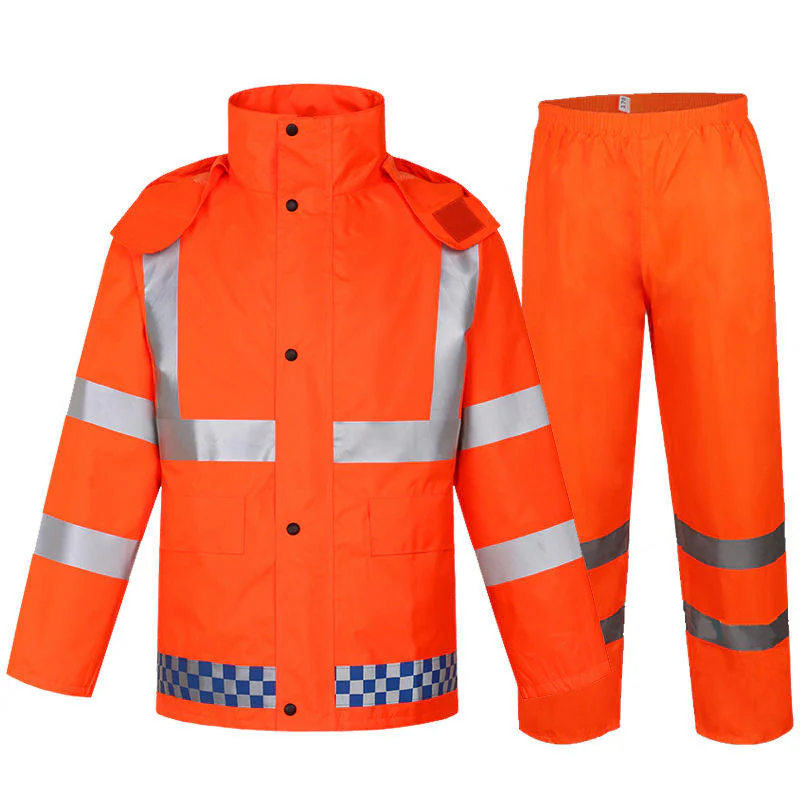
JT-HV-003
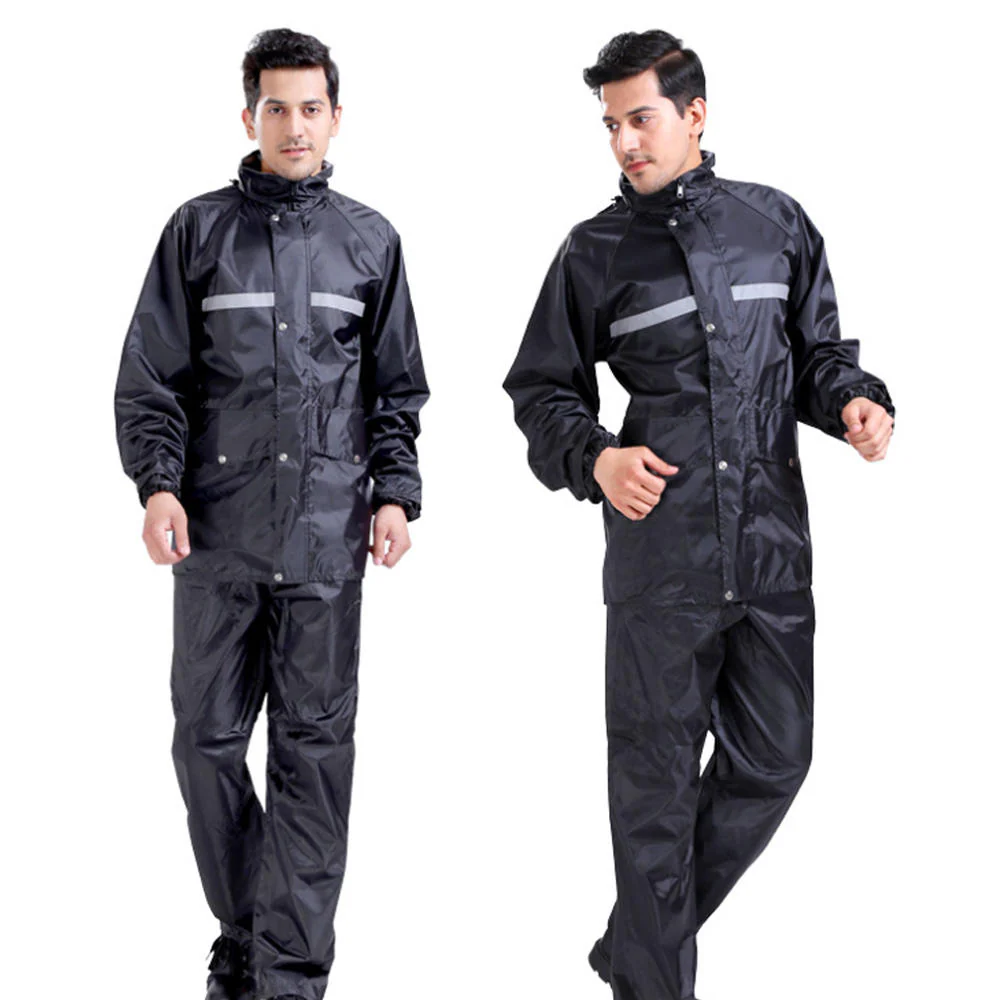
JT-HV-005
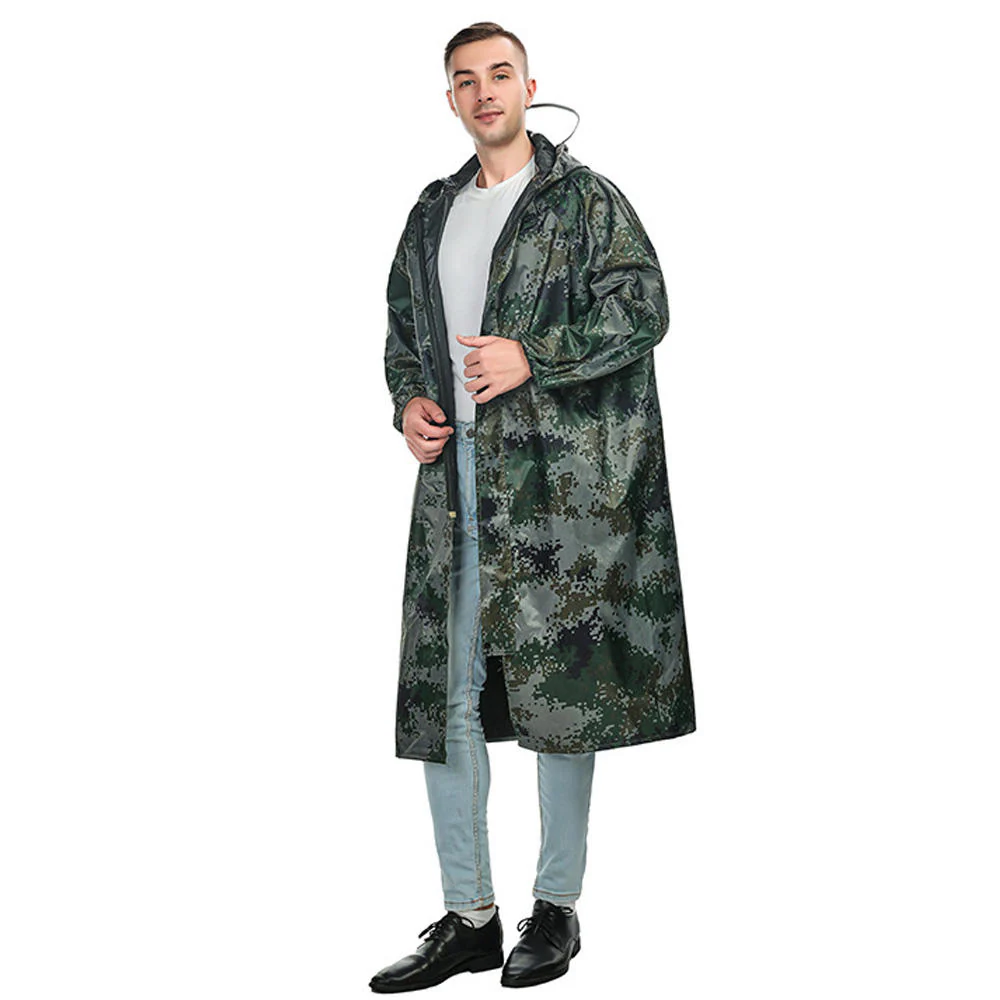
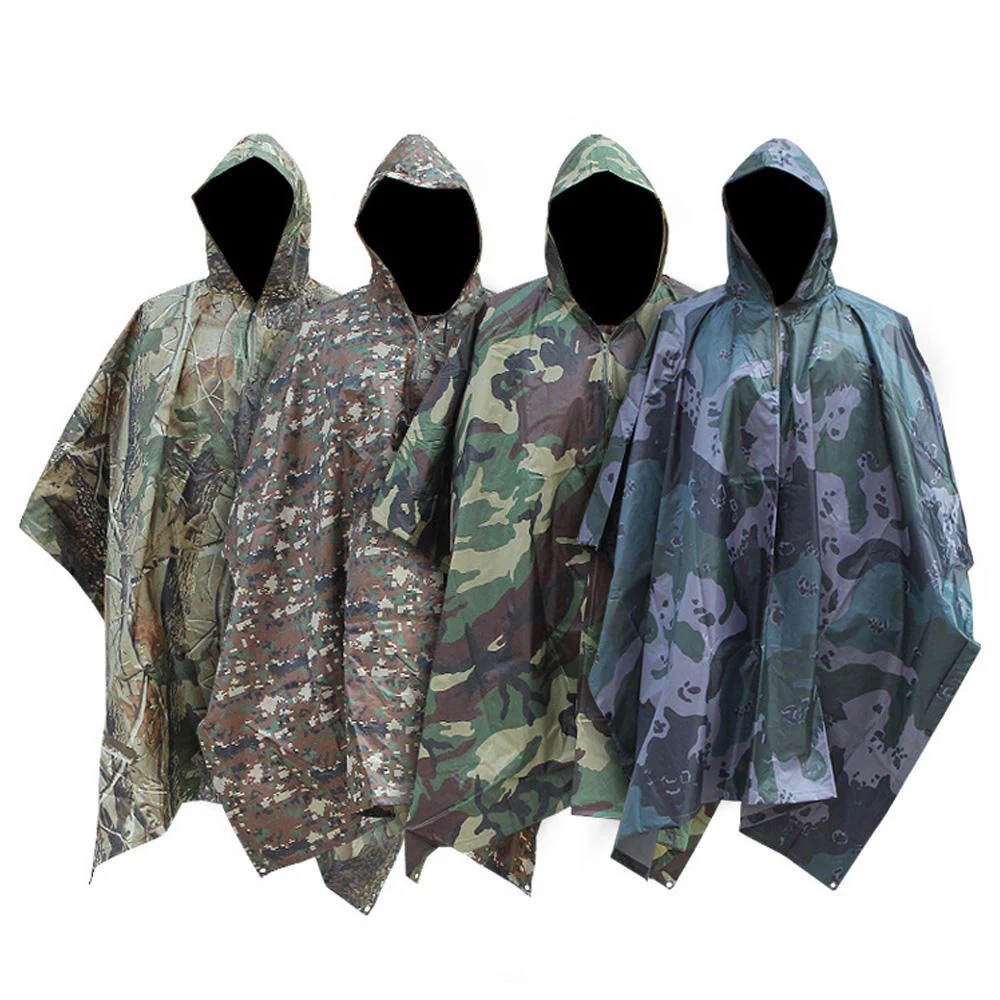
JT-HV-007
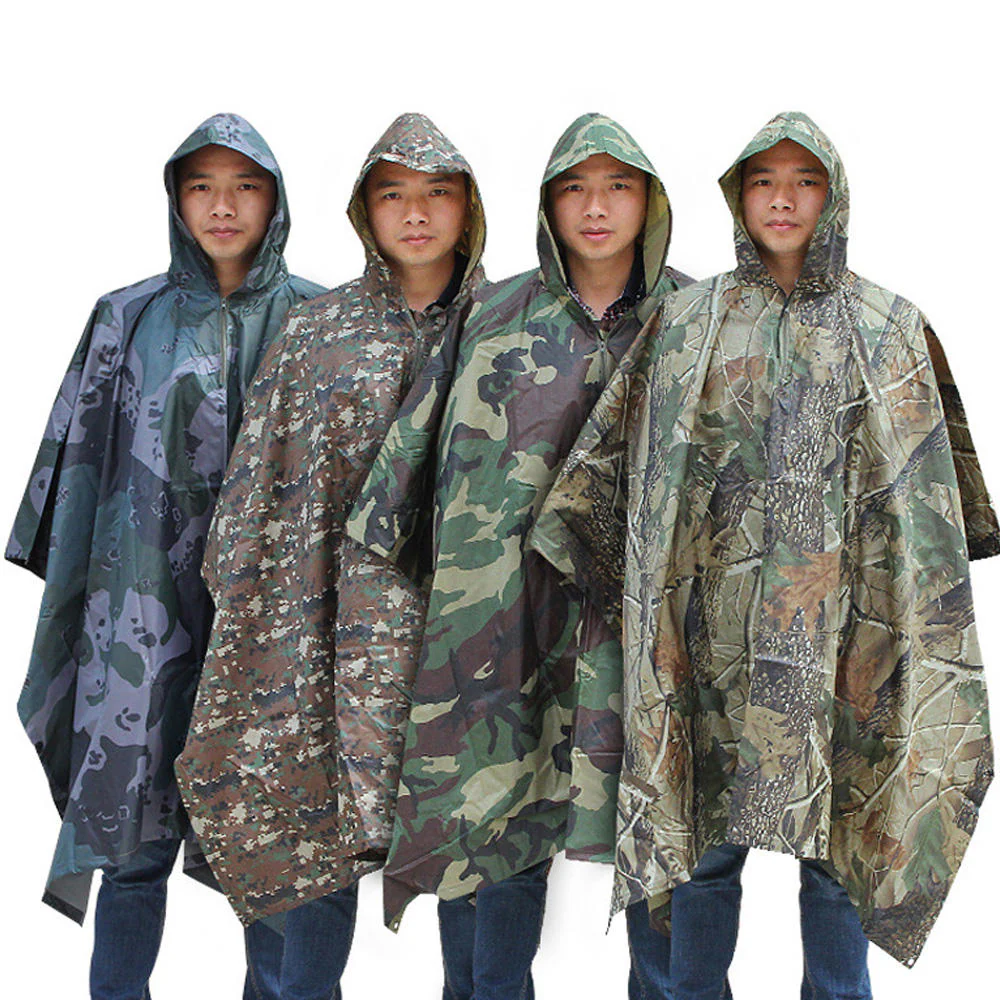
JT-HV-008
Workforce clothing with program control
Institutional uniforms and workwear must satisfy several needs at once: employees need usable garments, supervisors need recognizable roles, purchasing teams need comparable prices, and administrators need reliable allocation and replenishment. Jinteng helps buyers translate those needs into a garment matrix, material brief, measurement system, identity register, sample plan and packing schedule. The result is a practical uniform program that can serve different job functions while preserving the organization’s approved appearance.
Product selection
Find the style closest to your needs, then explore the available products.
01 · Daily duty issue
Coordinated shirts, trousers, jackets and identification details for administrative, security, service and public-facing teams.
View product details02 · Industrial workforce
Work shirts, trousers, coveralls and outer layers configured around movement, abrasion areas, care routines and site identity.
View product details03 · Department differentiation
Shared design language with controlled colour, trim, badge or garment differences for departments, grades and responsibilities.
04 · Seasonal and new-starter supply
Core garments, seasonal layers and replacement quantities planned around workforce changes and actual issue frequency.
05 · Guard-force issue
Role-based shirts, trousers, jackets and identity fields organized for contract, facility and institutional security teams.
View product detailsProduct advantages
Compare the features below when choosing your products.
Control colour, logo artwork, label wording and placement so every component belongs to the same organizational program.
Connect body information, garment measurements, grading and size ratios to the workforce that will receive the order.
Select pockets, closures, reinforcement and materials around movement, working environment and expected care frequency.
Separate bulk quantities by wearer, team, branch or destination and reconcile each pack against the approved order matrix.
Fit and workforce allocation
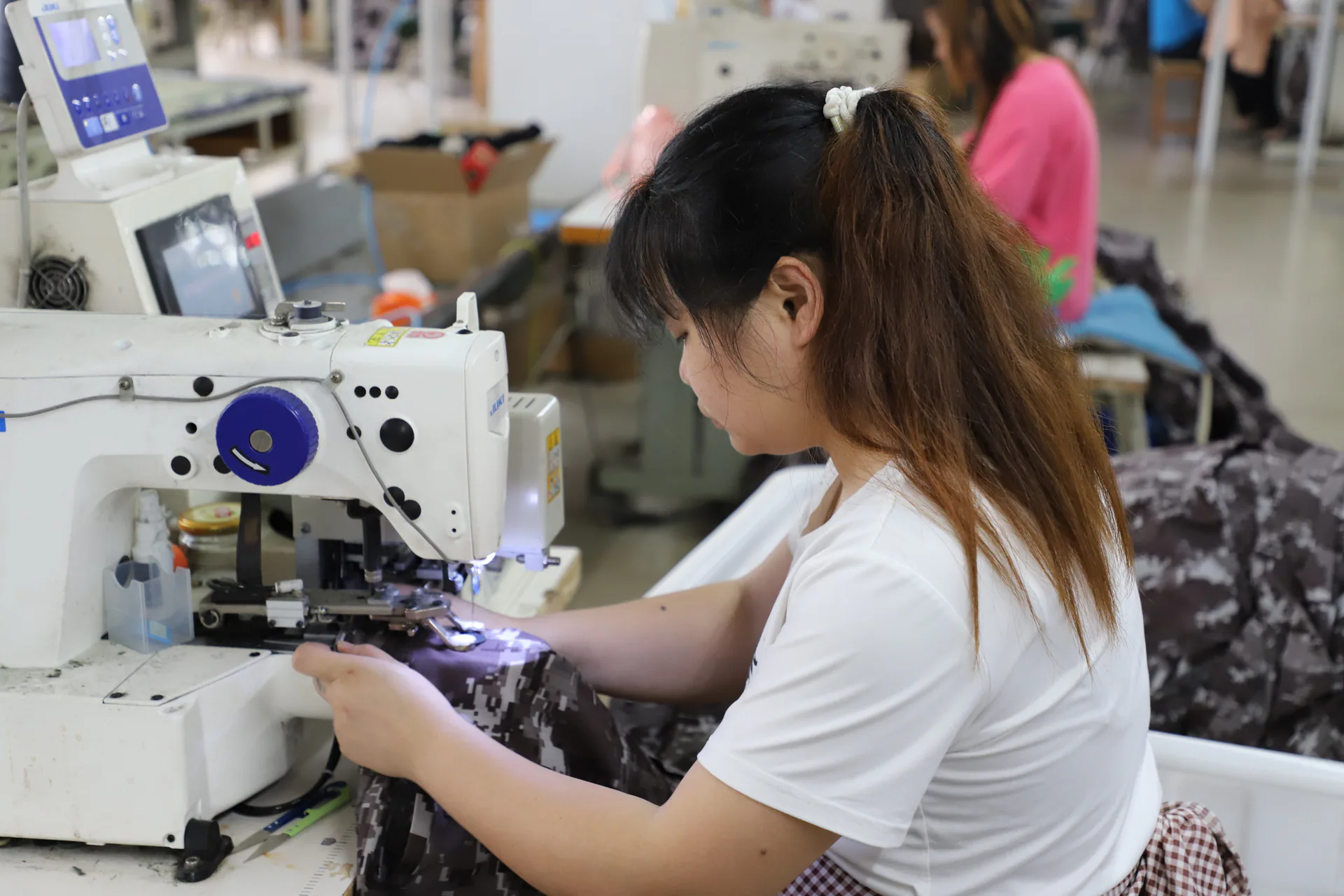
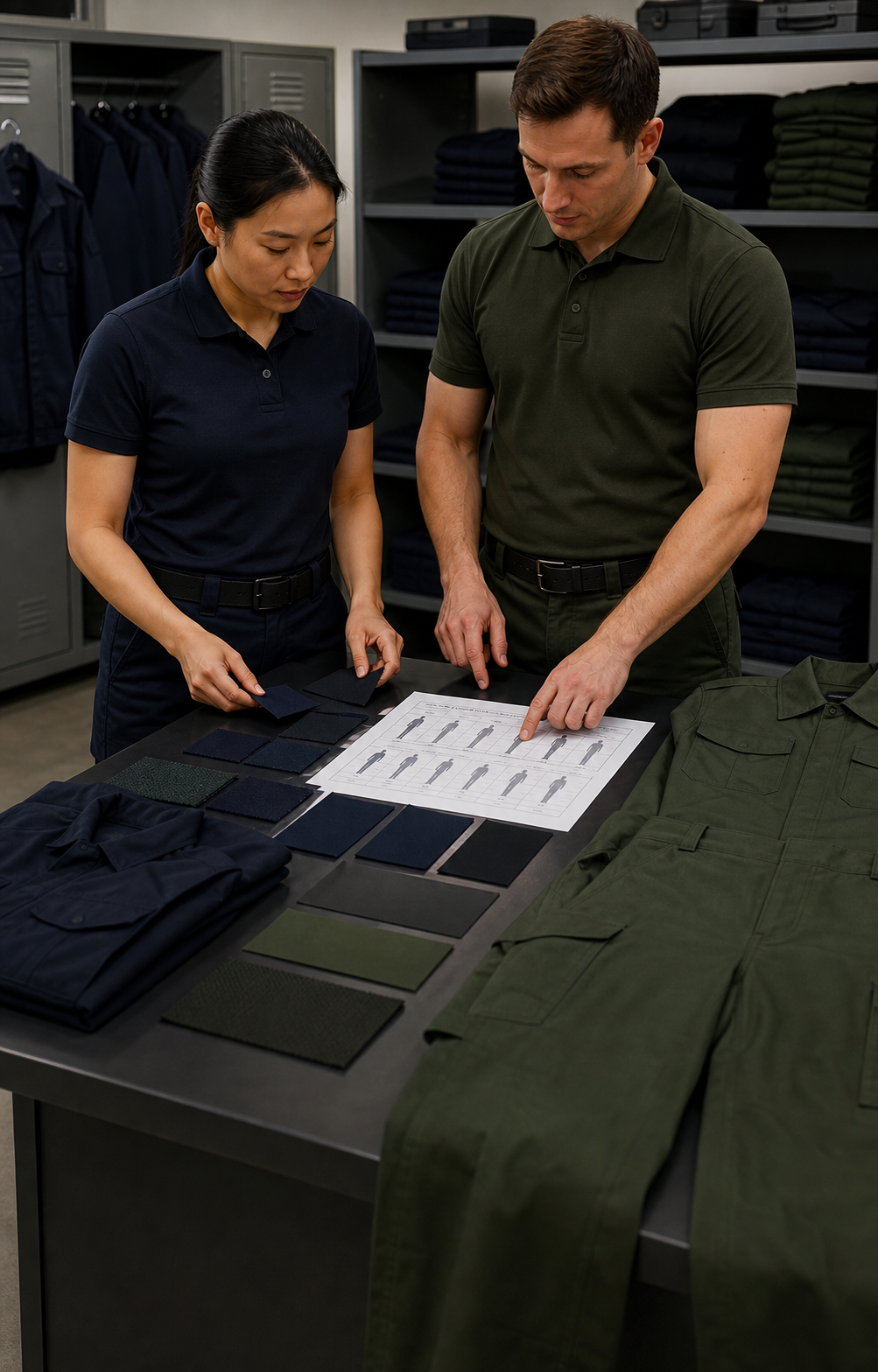
A single approved sample does not prove that the complete size range will fit a mixed workforce. The size-set stage should review selected sizes across the proposed range, confirm the points of measure, close grading comments and connect the accepted chart to the order ratio. When wearer names or departments are available, the same information can support individual or team packing. This gives purchasing and site managers a clearer way to reconcile what was ordered, packed and issued.

Identity and everyday use
Uniform identity involves more than adding a logo. The project should define base colour, contrast details, embroidery or badge artwork, label language, wearer-name requirements and placement on every garment. Material, thread and application methods should suit the intended care route. These decisions are recorded with the approved sample so later orders can be checked against the same visual and dimensional references instead of being recreated from memory.
Institutional uniform development
The workflow keeps commercial, technical and allocation requirements visible from the first quotation through final packing.
List departments, wearer numbers, duty environments, public-facing roles, seasonal needs and any differences between daily, formal and task-specific clothing.
Define each shirt, trouser, jacket, coverall or accessory together with colour, logo, labels, role identifiers and intended issue quantity.
Compare proposed fabric, weight, finish, pocket layout, closure, reinforcement and care route against the actual workplace and replacement cycle.
Close appearance, workmanship, measurements, grading, identity placement and wearer feedback through named sample revisions.
Freeze the accepted bill of materials, measurement chart, artwork register, labels, carton marks and branch or wearer allocation.
Check product identity, workmanship, measurements, colour, quantity and pack distribution before the order is released for delivery.
Application contexts
Use these common program contexts to clarify the specification and route your enquiry to the most relevant product and project-support pages.

Buyer resources
The resources below help you define the requirement, choose the right approval stage and request a more comparable quotation.
Request the current company catalogue, then tell us which product families and configurations should be included in your quotation.
Request catalogue accessConnect fit review, grading and size ratios before the bulk order is released.
Read the buyer guidePlan wearer, team, branch and destination packing without losing quantity control.
Read the buyer guideReview the records and checkpoints that connect inspection to final allocation.
Read the buyer guideA practical garment-program partner
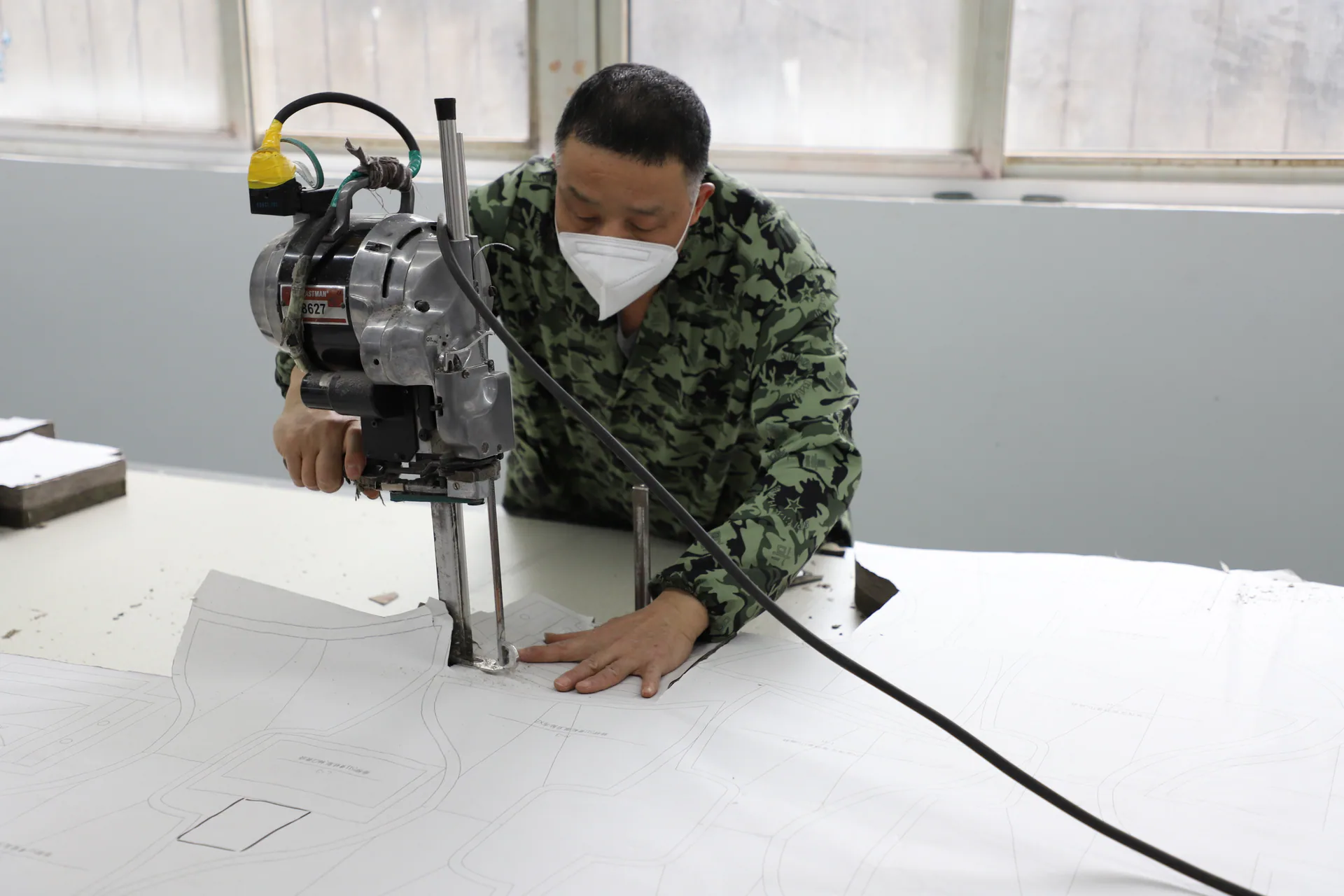
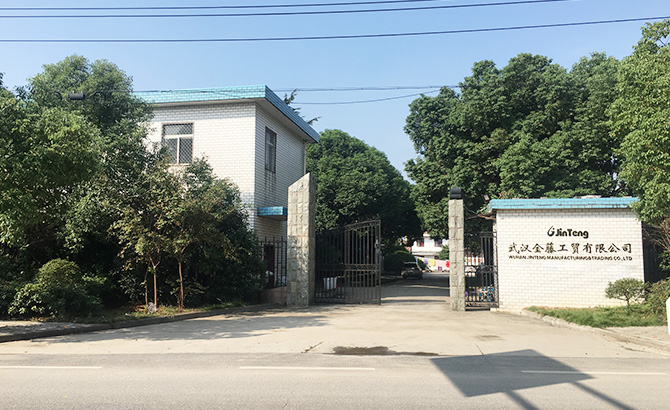
Established in Wuhan in 2002, Jinteng works with institutional buyers on garment specification, samples, production planning, quality control and export coordination. The company operates from a 7,800 m² site, including 5,600 m² of workshop and warehouse area, with more than 200 people across the team. The proposed production and supply route is confirmed for the selected items before quotation so the buyer can evaluate the actual program rather than a broad company claim.
Configuration details
Review the product-specific details below, then use these tabs to plan any changes.
A garment matrix keeps department differences visible without fragmenting the overall uniform identity.
Compare material and construction choices against movement, climate, abrasion and laundering needs.
Approved artwork and measurements should govern every garment, label and future replenishment.
Exact configuration documents should identify the approved uniform, what was checked and where every quantity is going.
Questions purchasing teams should close
A repeatable institutional uniform program is easier to manage when the supplier’s delivery records connect every item to the approved technical and allocation decisions.
A garment matrix showing product ID, description, department or role, quantity, proposed specification and any declared exclusion.
An identified sample revision, bill of materials, measurement chart, artwork register and agreed workmanship checkpoints.
A reconciled size ratio and packing list organized by wearer, team, branch or destination as required by the order.
Stable item references, retained measurements, artwork versions, colour references and a record of any material or construction change.
Frequently asked questions
These answers address the configuration, order planning and approval details that most often affect a bulk project.
List the organization and wearer groups, required garments, quantities, intended use, destination, preferred material, colours, artwork, labels, size information, sample expectations, inspection requirements and packing method. Separate confirmed requirements from fields where the supplier may propose an option. This allows competing quotations to be compared on the same garment and service scope.
Start with the job environment, climate, movement, abrasion areas, care frequency, drying conditions and desired appearance. Then compare fibre composition, fabric construction, finished weight, finish and colour control. The material should be approved together with the garment construction because a fabric that is suitable for a shirt may not be the best choice for trousers, outerwear or repeated industrial care.
A size set helps the buyer review fit and grading across more than one point in the size range. It can reveal inconsistent ease, sleeve or trouser length, pocket position and proportional grading before those issues affect hundreds of garments. The accepted measurements should then be connected to the order ratio, labels and packing plan.
Yes, when the differences are defined in a controlled identity matrix. Record the base garment, permitted colours, trim, badge, embroidery, department wording and placement for each group. This preserves a unified organizational appearance while making roles recognizable and keeps the supplier from interpreting department differences independently.
Provide the allocation structure early, including branch codes, wearer lists, garment quantities and size information. Agree whether products will be packed individually, by set, by department or by destination. Before dispatch, the packing record should reconcile each package with the bulk order and identify any shortage, substitution or special-size item.
Keep the approved product IDs, garment descriptions, bill of materials, measurement chart, artwork files, label wording, colour references, accepted sample revision and packing instructions. Before repeating the order, confirm whether any component, material, size ratio, organizational identity or destination requirement has changed rather than assuming the earlier approval still applies unchanged.
Buyer guide
A successful program connects job requirements, organizational identity, fit, commercial scope and allocation before the purchase order is released.
Begin with the people who will receive the uniforms. Separate office, service, maintenance, security, technical and supervisory roles where their work or presentation differs. Record wearer counts, working environments, seasonal conditions, expected issue frequency and replacement needs. This creates a rational basis for deciding which garments can be shared across the organization and which require a department-specific construction, colour or identifier.
List every shirt, trouser, jacket, coverall and optional layer using a stable item reference. For each item, record wearer group, quantity, base colour, identity method, logo or badge placement and label wording. If departments differ, make the change visible in the matrix. This prevents small identity variations from being discovered only after sampling or from being applied inconsistently across garment types.
Do not choose a material from fibre content alone. Define the workplace climate, movement, abrasion points, expected washing frequency, drying route and appearance expectations. Ask the supplier to state the proposed fabric construction, finished weight, finish and colour method. Compare these values together with the garment pattern, pockets, closures and reinforcement because the useful life of workwear depends on how material and construction operate together.
Assign a clear purpose to every sample. An early development sample may close style and construction, while a size set checks selected sizes across the range. Record comments with measurements and photographs tied to a revision, then identify the final accepted sample and documents. Wearer feedback is useful when it is translated into a measurable change rather than a general preference such as “looser” or “more comfortable.”
The initial size ratio should come from workforce information, not a convenient even split. Decide whether the order will be packed by size, garment type, department, branch or named wearer. Preserve the approved item, sizing and identity records after delivery so replacement garments and new-starter sets can be ordered against the same references. Reconfirm any changed component or material before accepting it into the program.
Project enquiry
Share the current requirement, even if some technical fields still need a supplier proposal. We will use the product IDs and project context to recommend the next quotation or sample step.
Share the product, quantity, destination, customization and delivery requirements. Our business team will reply with suitable options and the next quotation step.
 WhatsApp