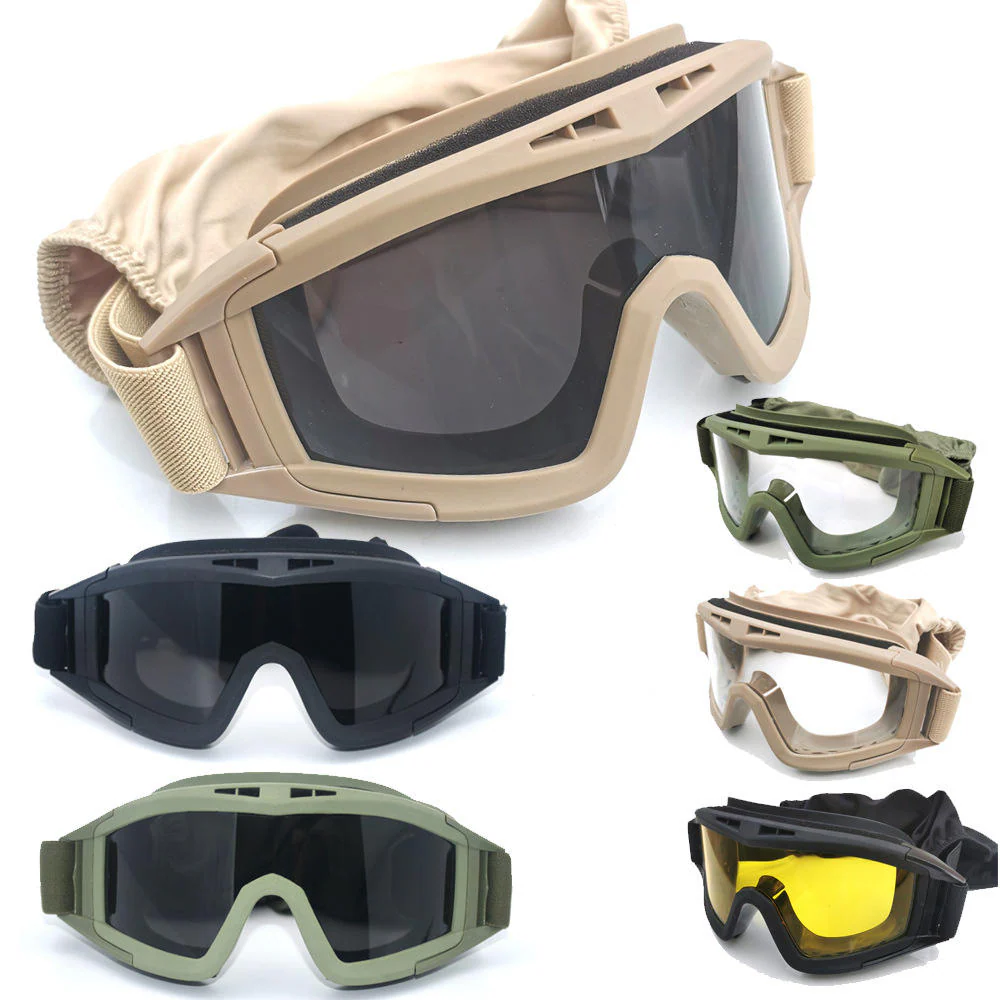
JT-A-009
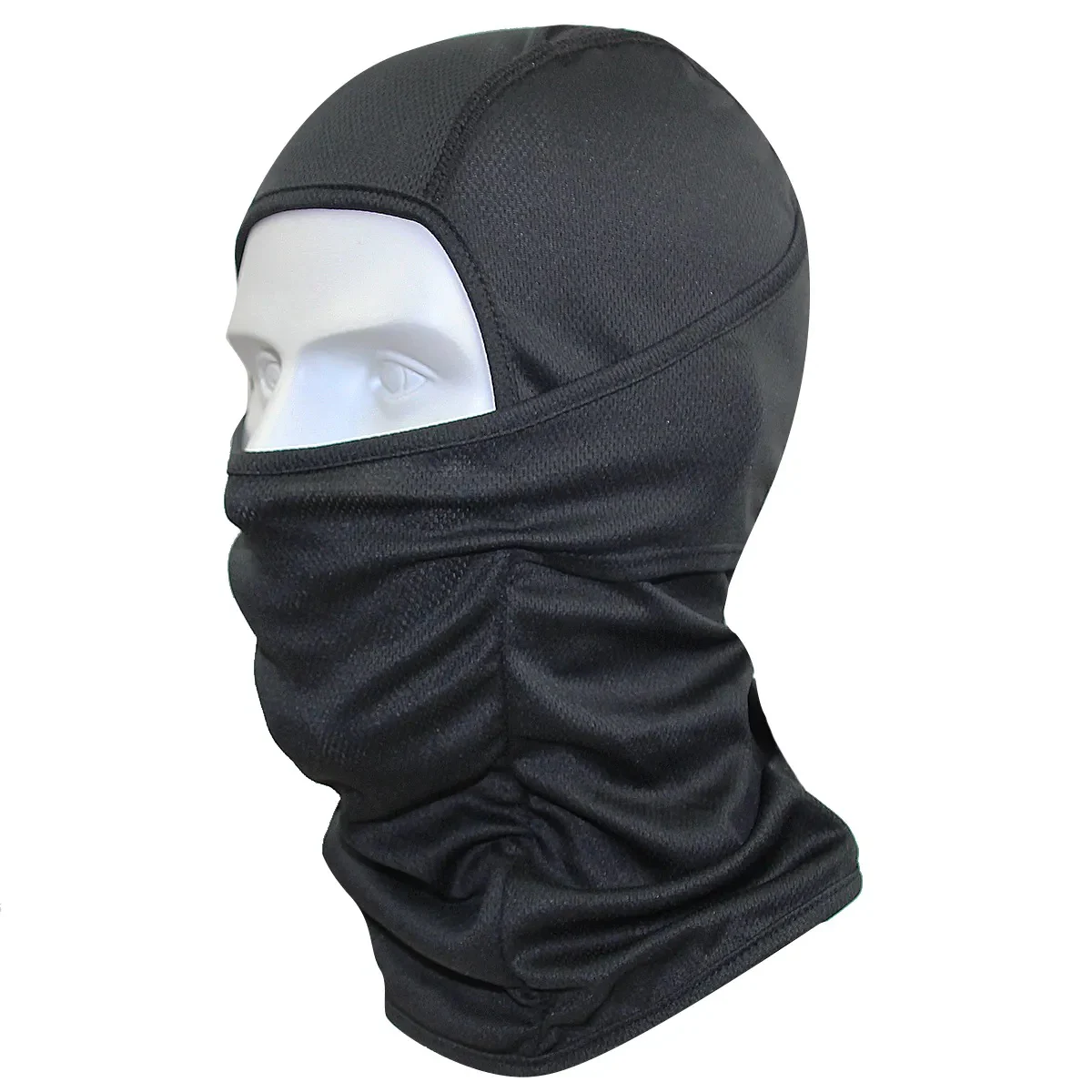
Custom Adjustable Breathable Comfortable Hand Made Eye Mask Shade Cover
- Type
- Tactical Goggles
- Color
- Black, OD Green, Khaki

Wearer equipment programs
Build a coordinated issue list for boots, gloves, headwear and supporting accessories, with fit, materials, colour, equipment interface and packing defined for the intended wearer group.
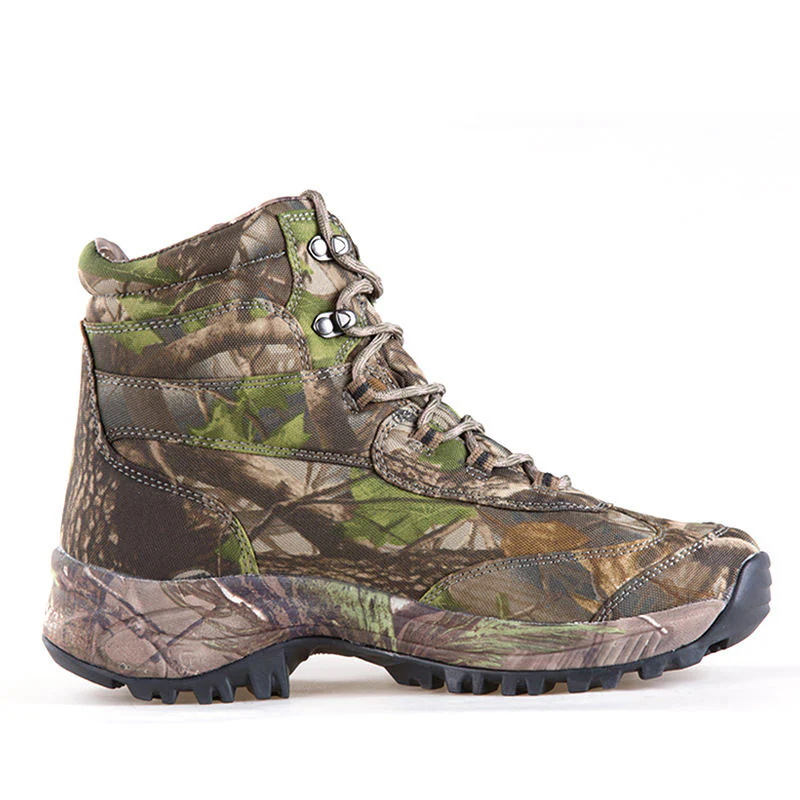
Available product options
Compare the styles below. Open a product for its details, or send the product ID and your requirements to discuss a quotation.
JT-A-009
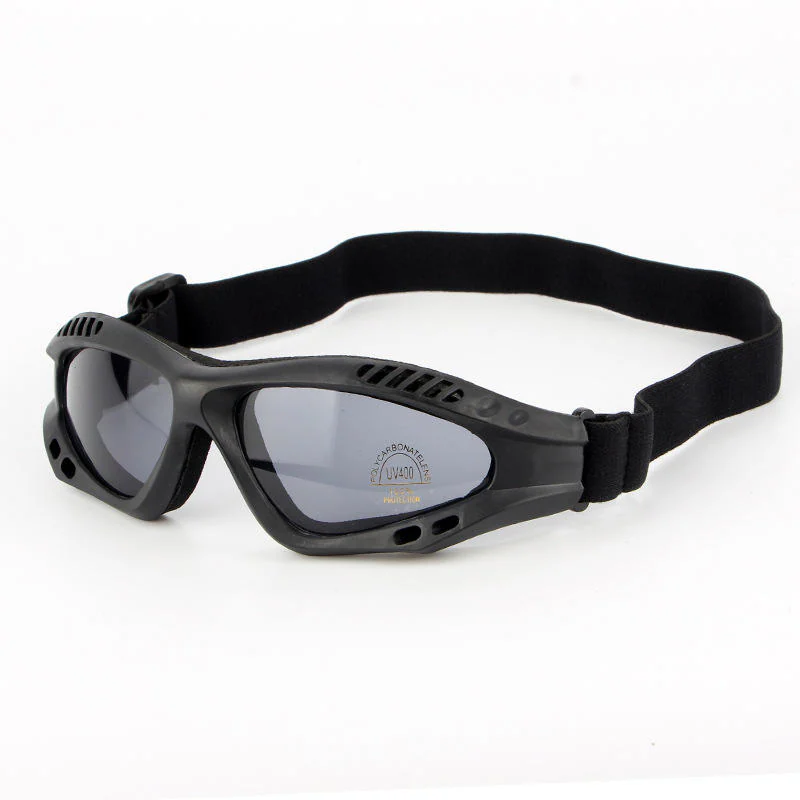
JT-A-010
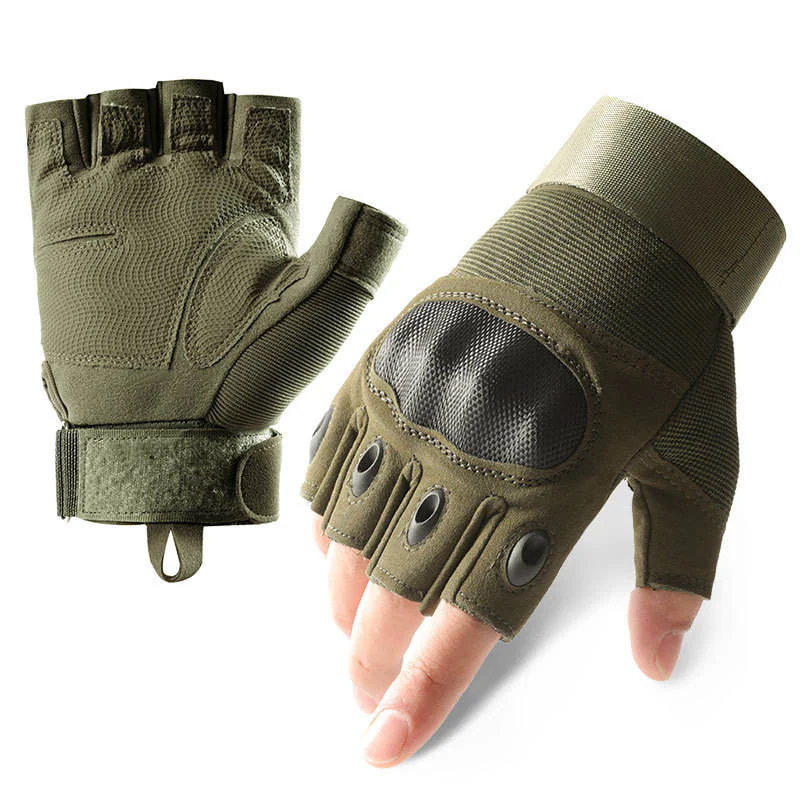
JT-A-012
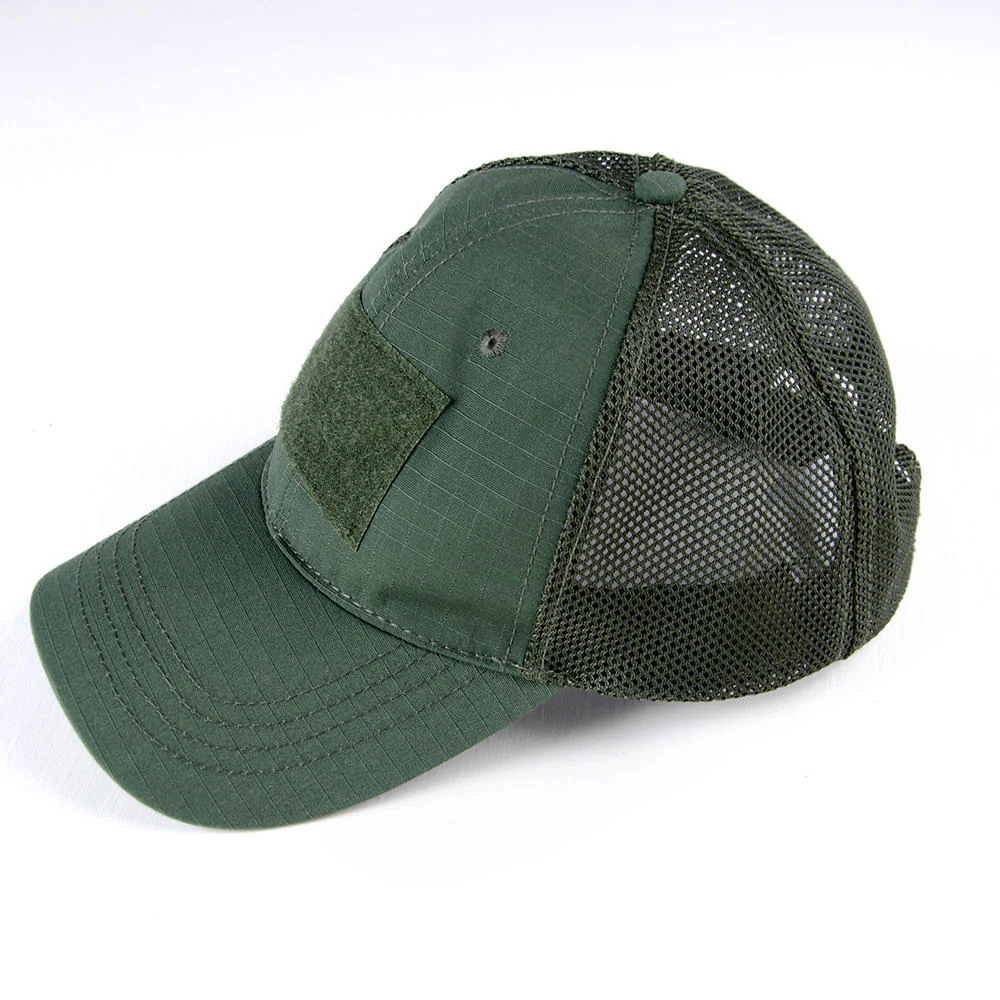
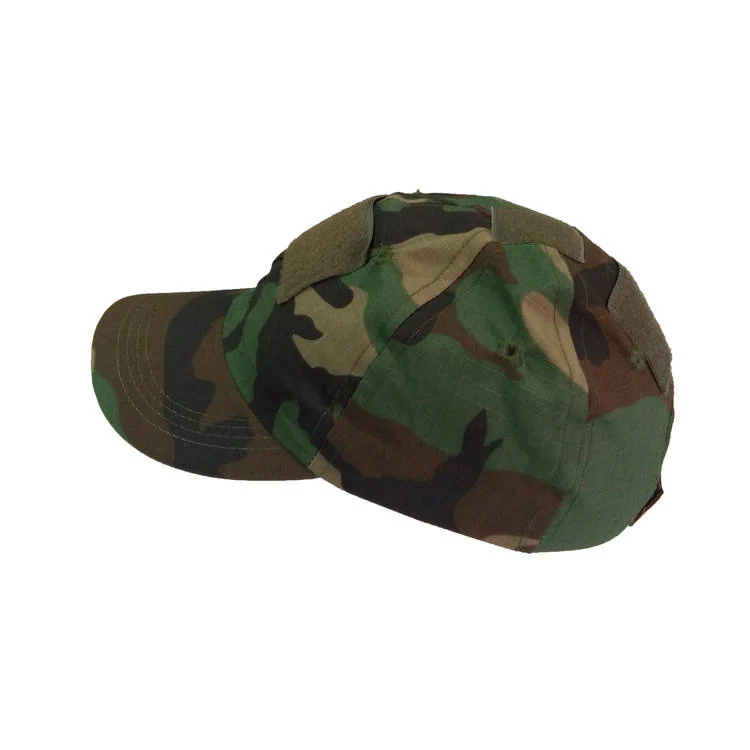
JT-BC-004
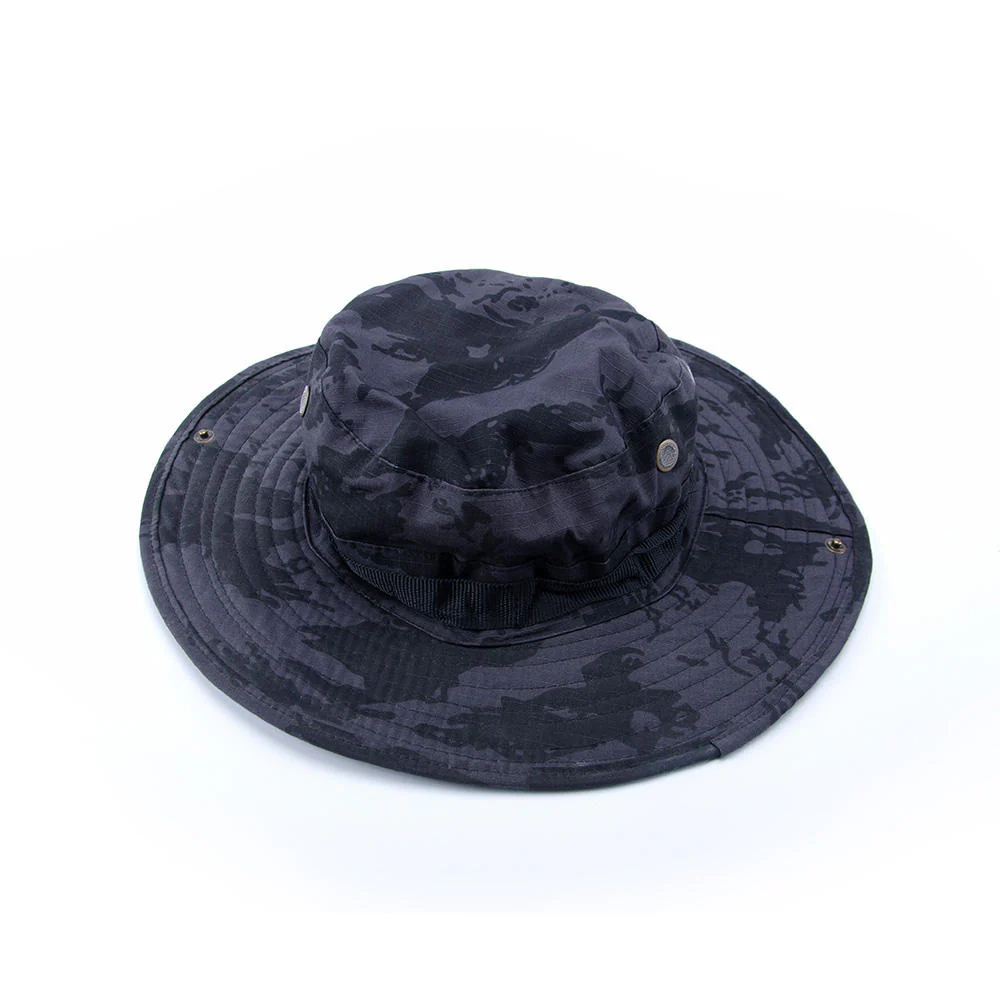
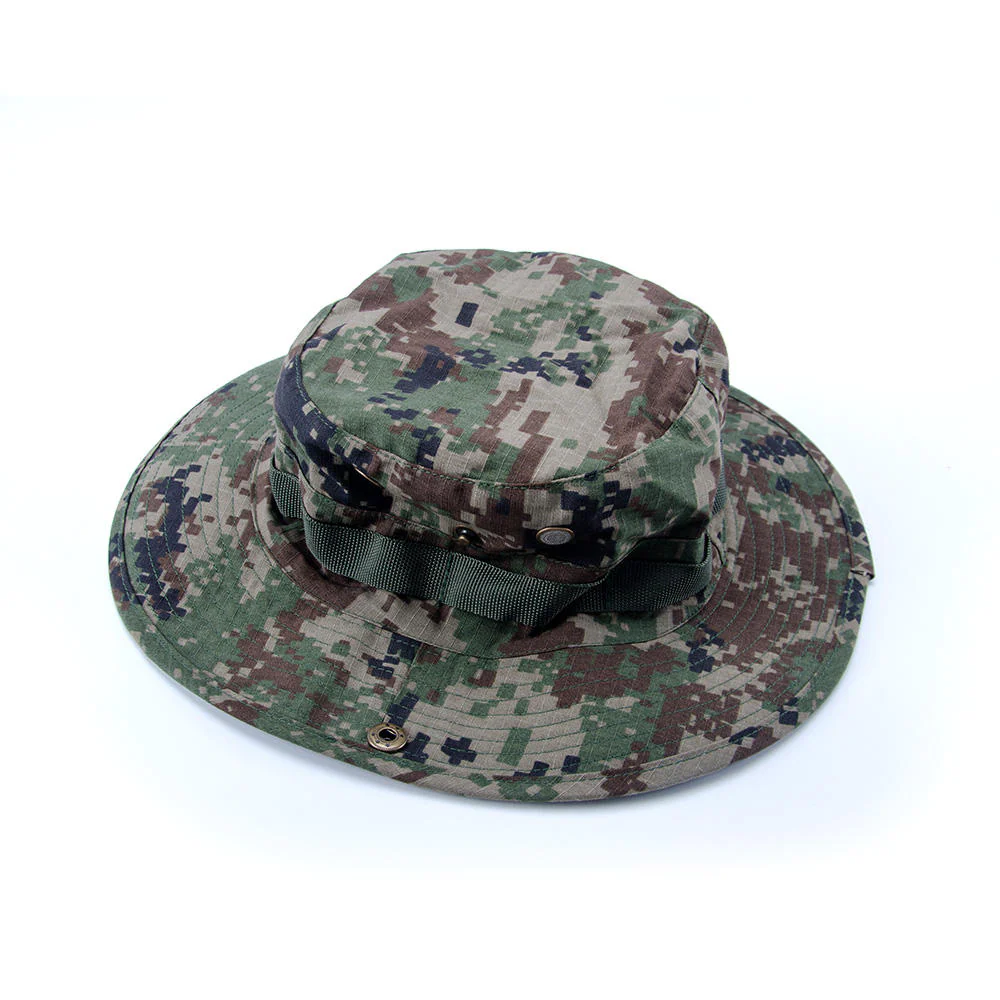
JT-BH-002
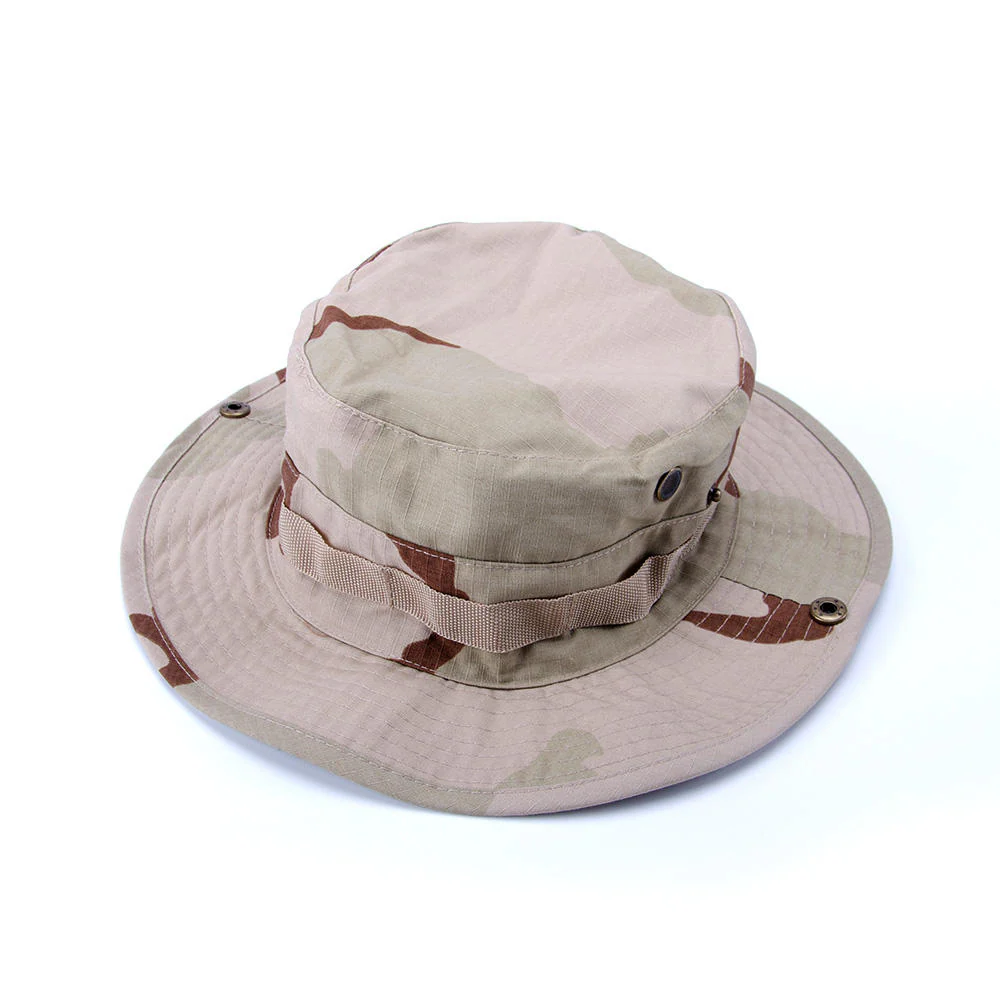
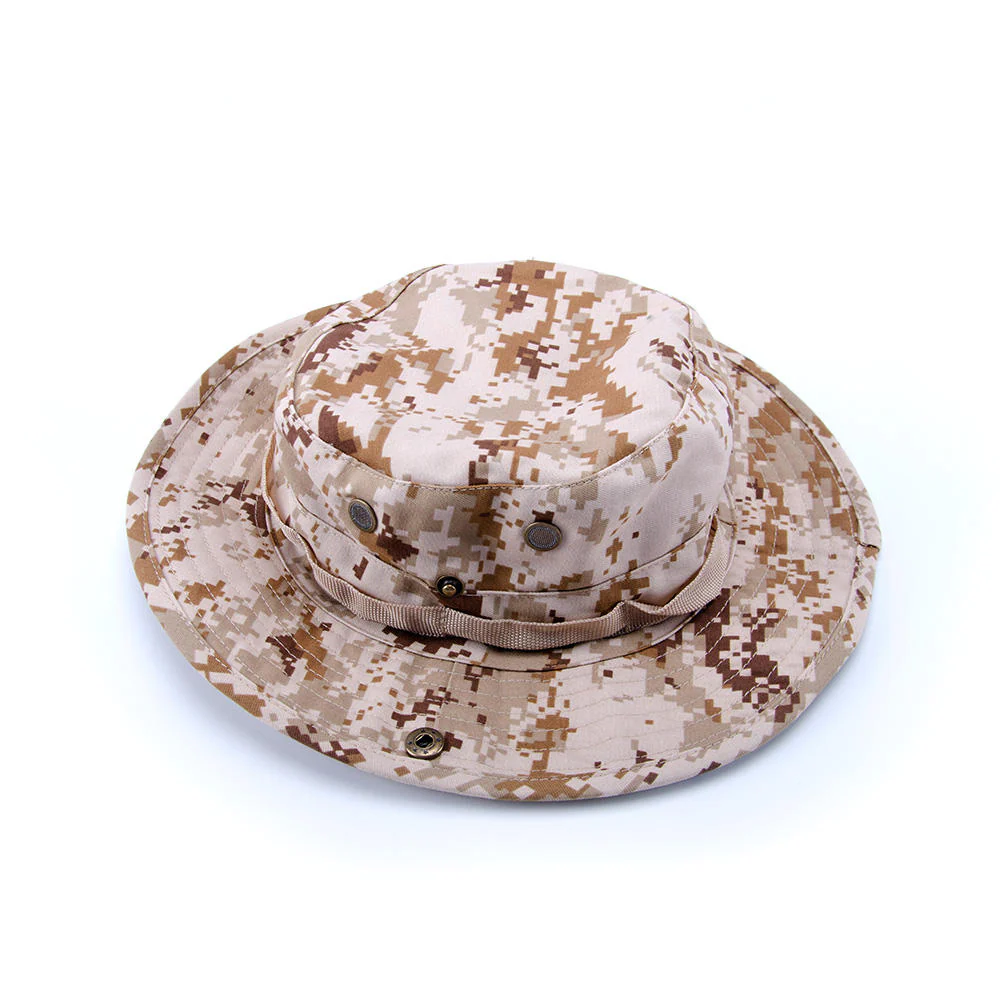
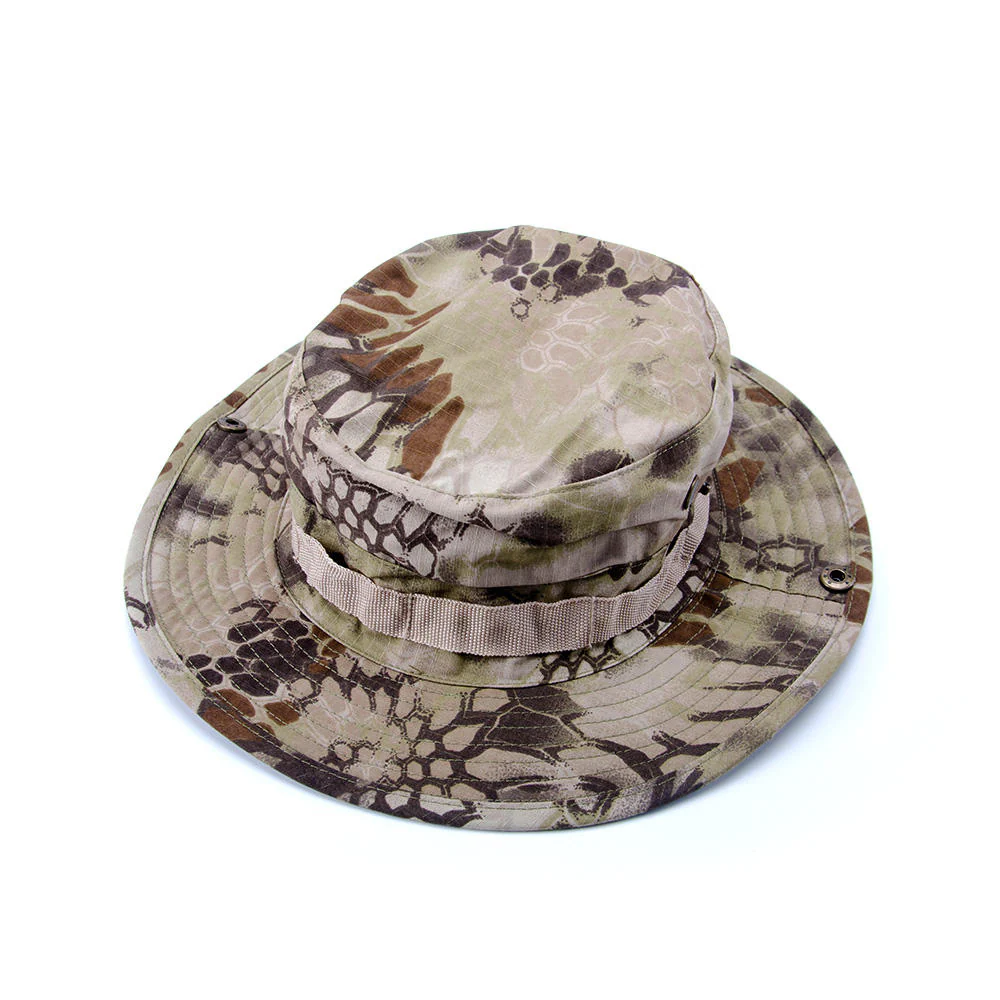
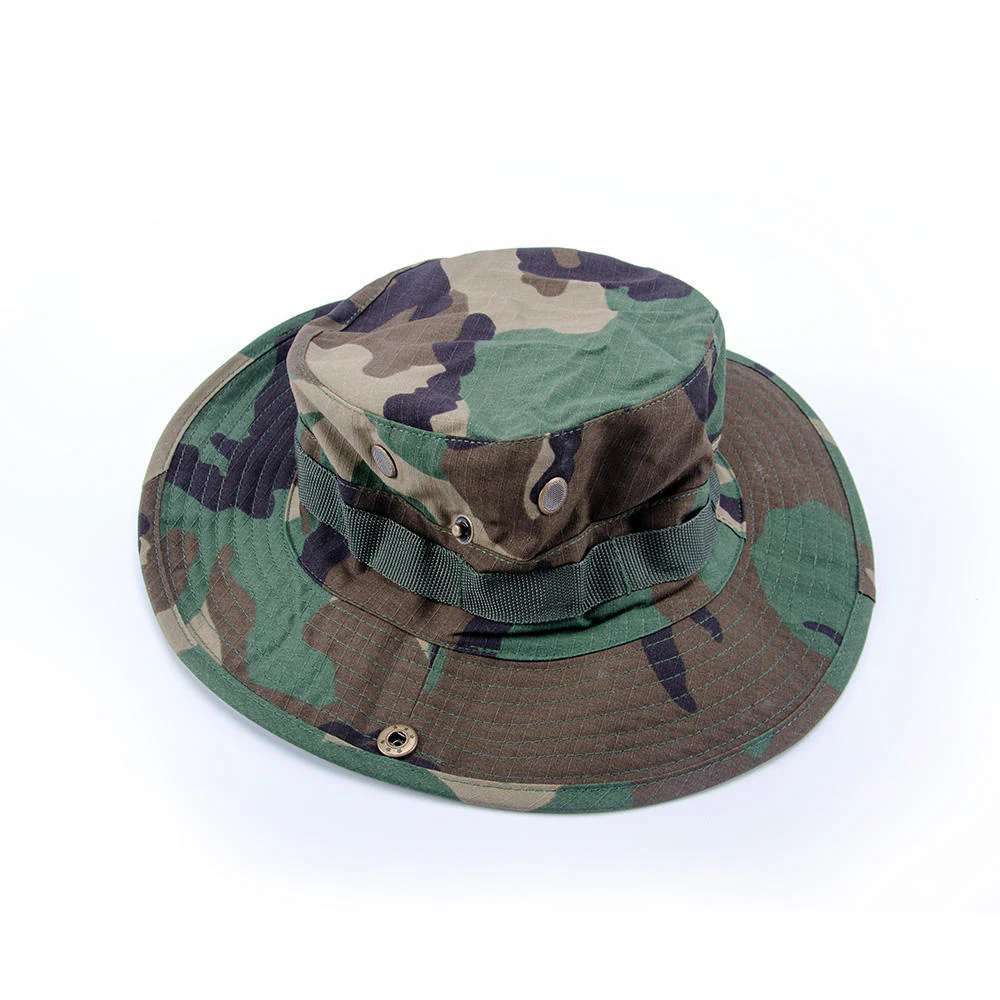
JT-BH-007
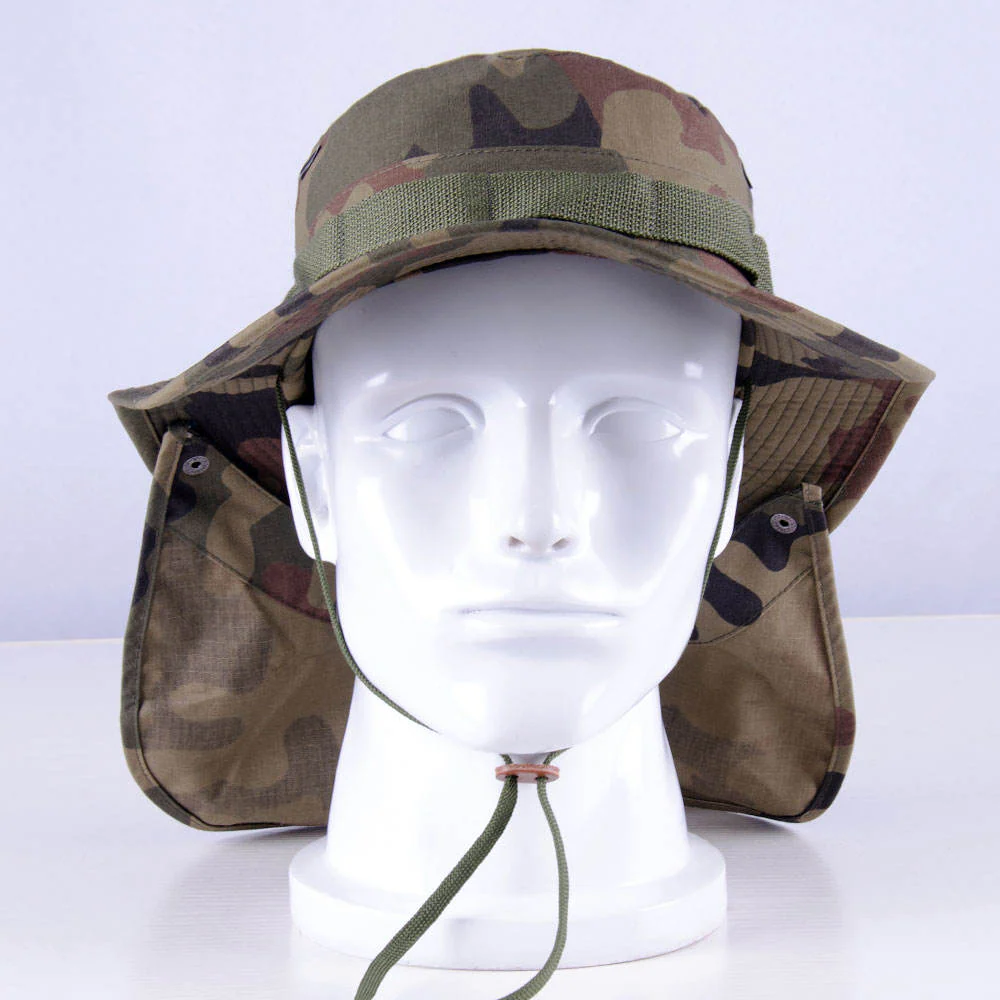
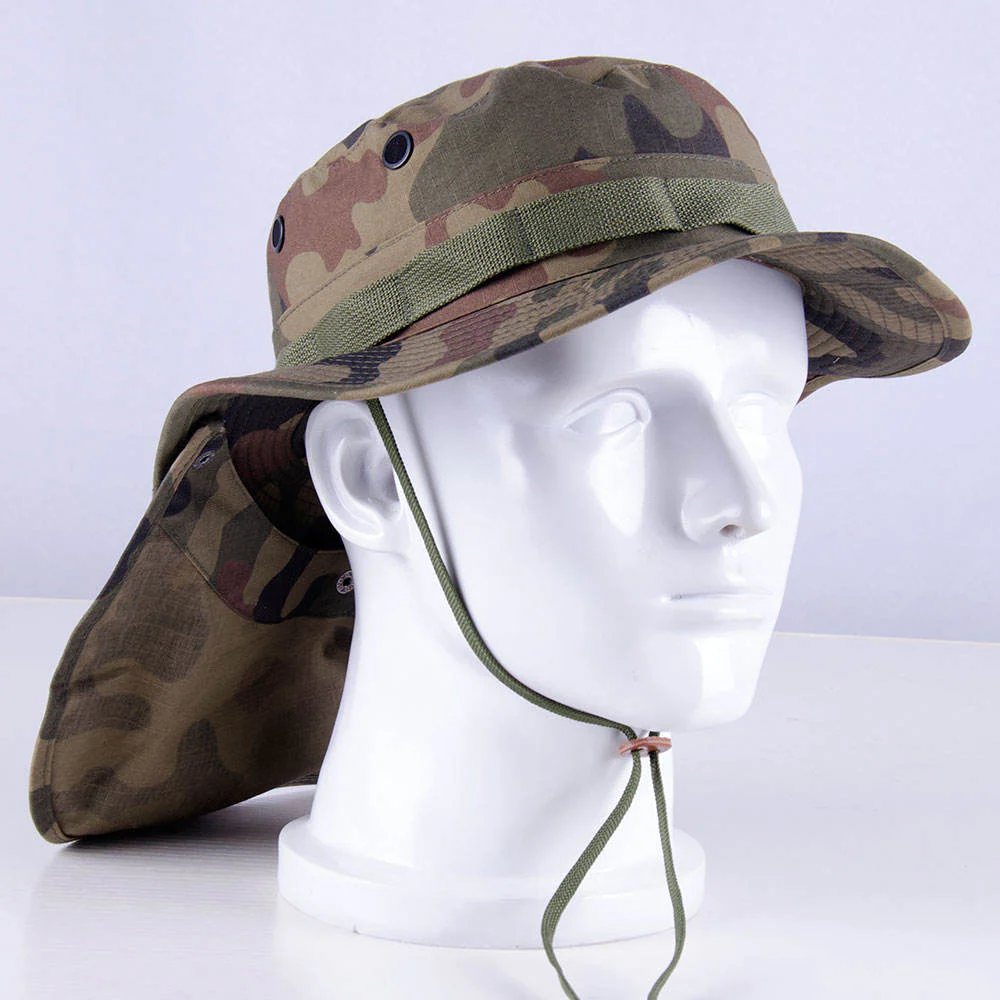
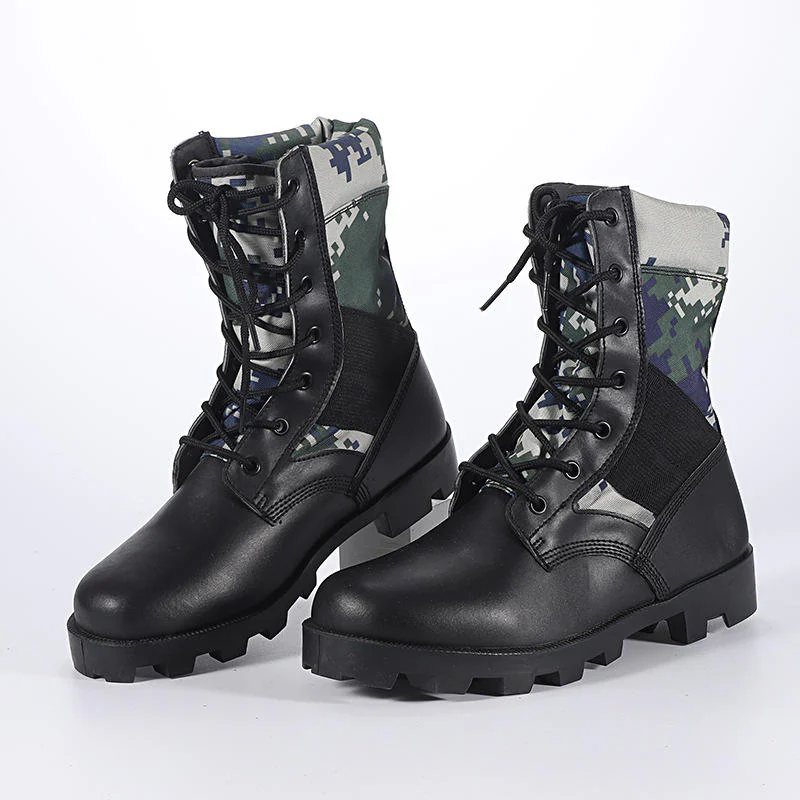
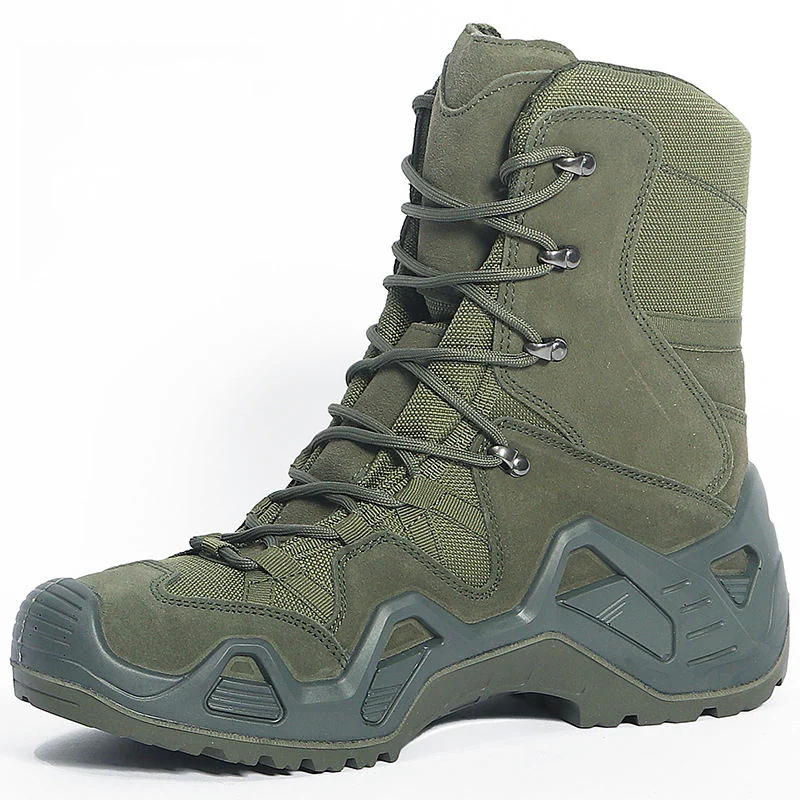
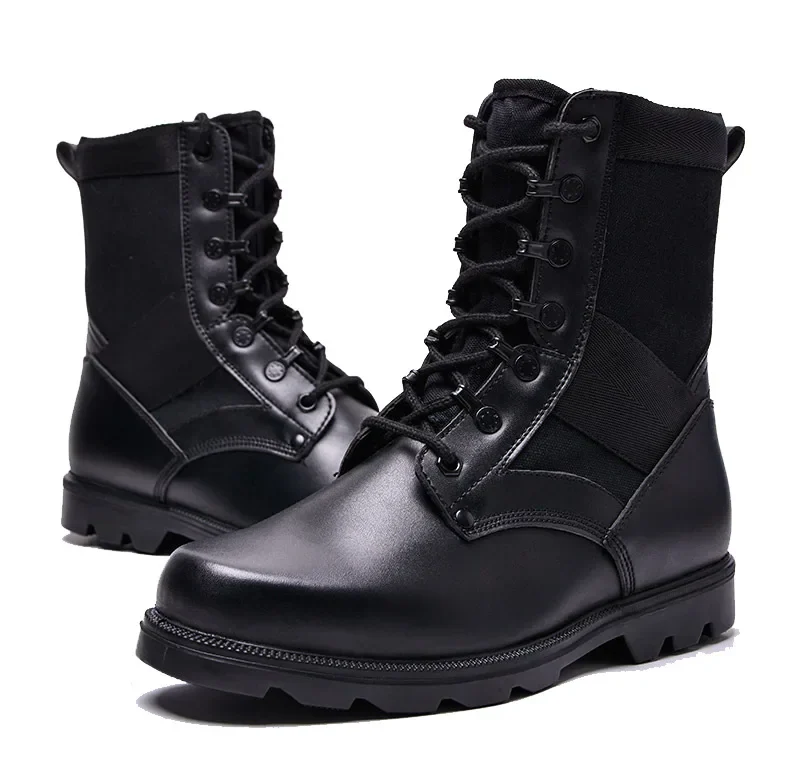
JT-F-005
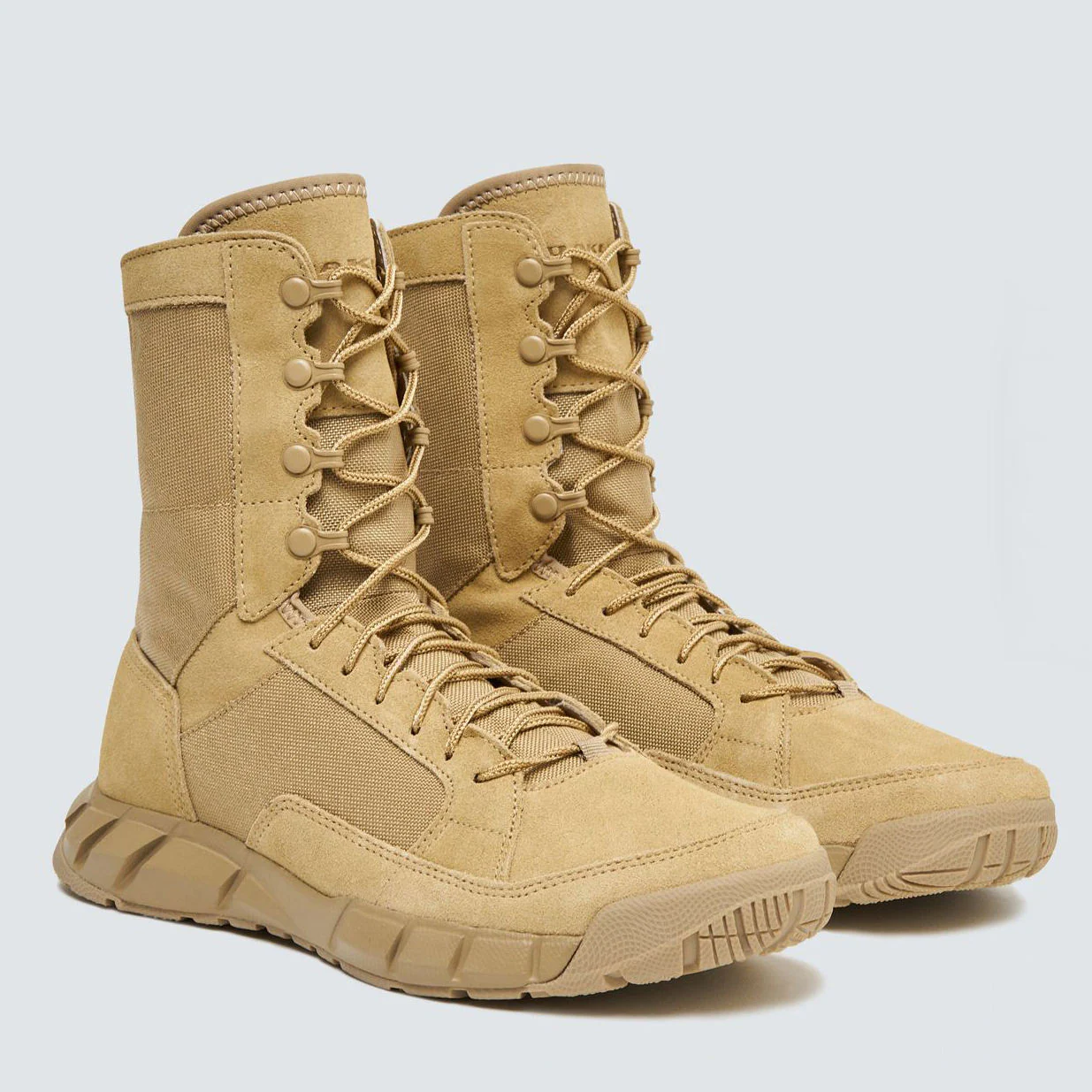
JT-F-007
JT-F-008
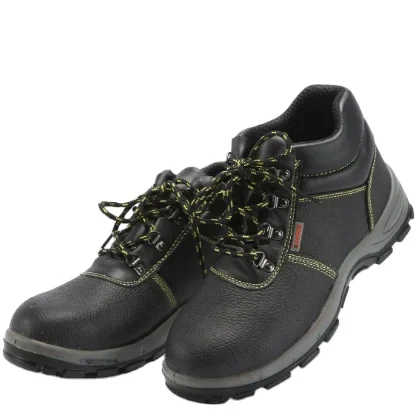
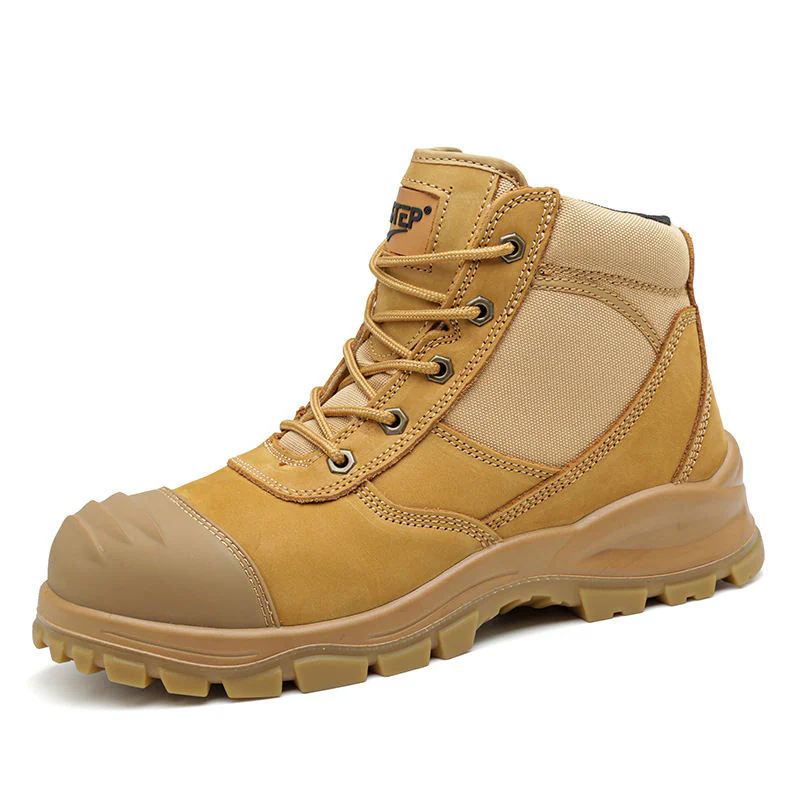
JT-F-011
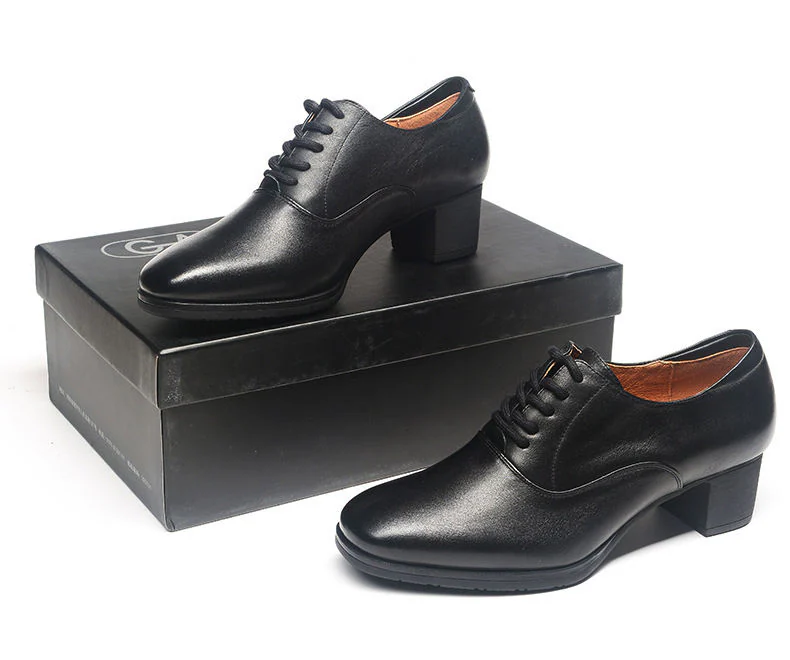
JT-F-015
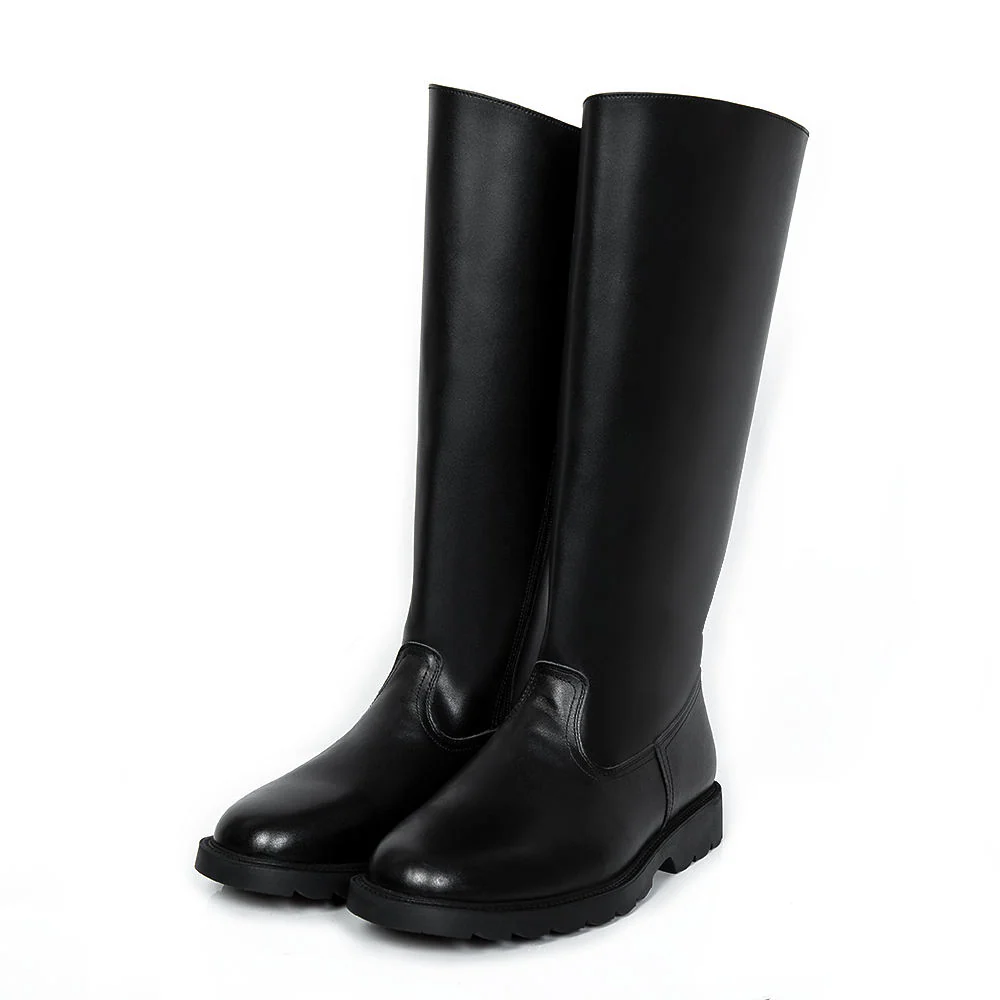
JT-F-016
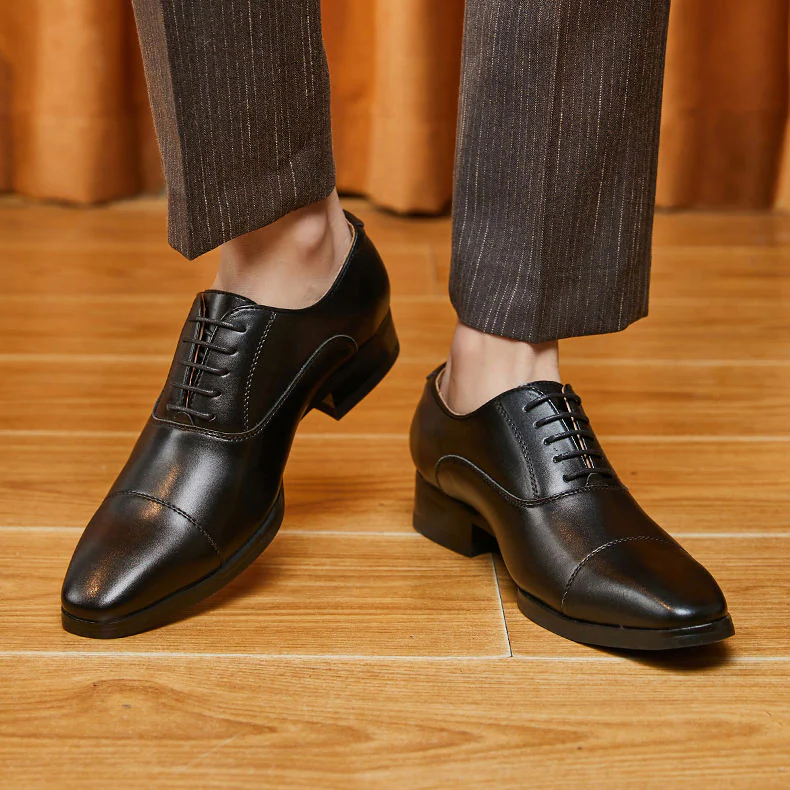
More than an accessory list
Tactical footwear, headwear and accessories create avoidable problems when style selection, size allocation and packing are handled as separate purchases. Jinteng organizes the range around wearer tasks, climate, required interfaces and issue method, then records the exact proposed item, material, colour, size range and included services for quotation and approval.
Product selection
Find the style closest to your needs, then explore the available products.
01 · Footwear
Compare duty and field boot options by upper, lining, outsole, height, closure, size range and use conditions.
View product details02 · Hand equipment
Glove configurations selected around dexterity, grip, cuff, reinforcement, climate and required equipment handling.
View product details03 · Headwear
Compare configurable headwear by uniform colour, brim or crown construction, ventilation, identity, adjustment and size method.
View product details04 · Supporting items
Clearly identified accessories assembled only after attachment, dimensions, colour and kit position are confirmed.
Product advantages
Compare the features below when choosing your products.
Use the proposed last, measurement method and representative samples before confirming allocation.
Record upper, lining, sole, shell, palm, closure and trim instead of relying on a general material label.
Check trouser hems, socks, cuffs, helmets, eyewear and carried equipment with the proposed items.
Link product codes, colours and sizes to labels, unit sets and replacement references.
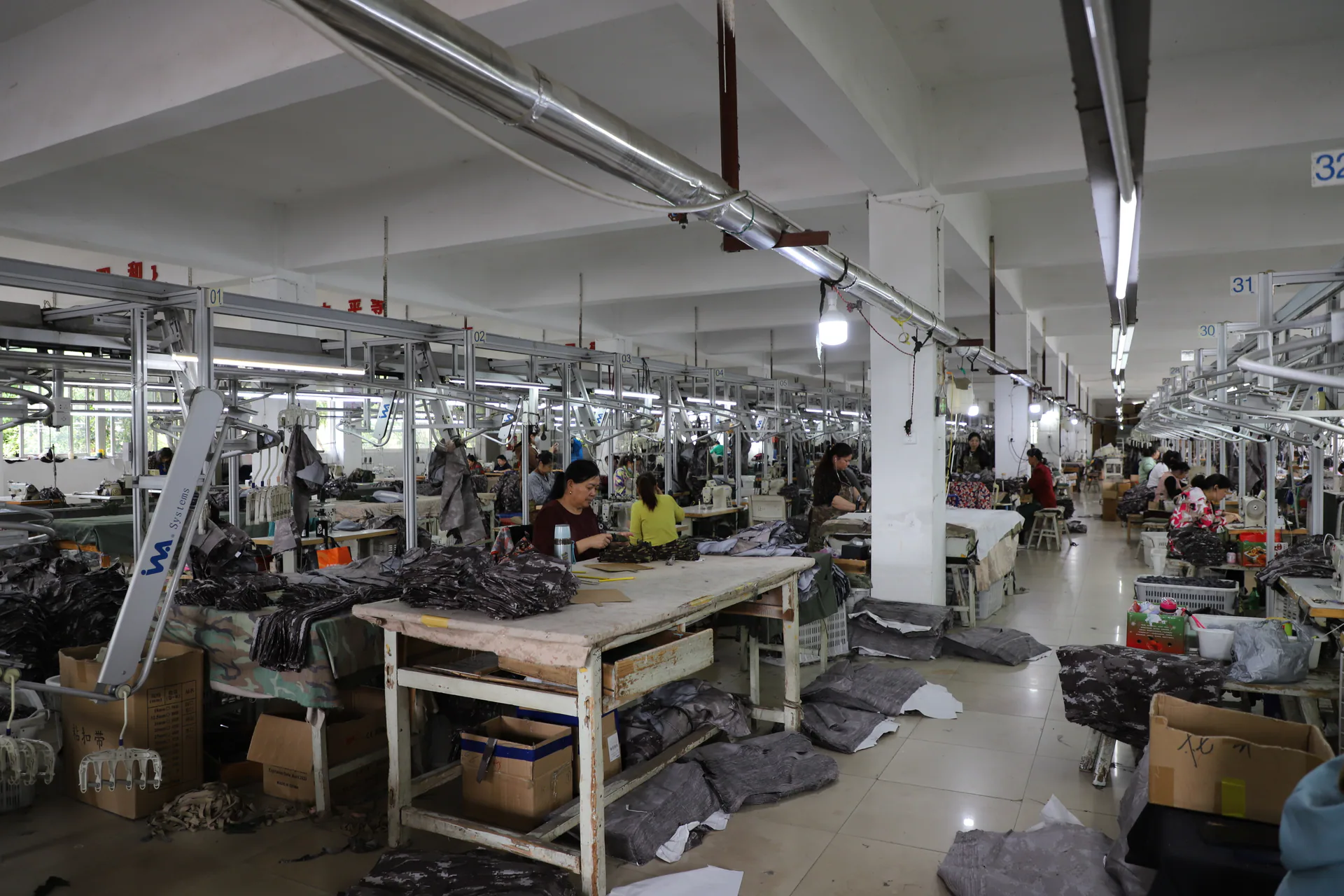
Fit approval
Foot volume, sock choice, glove dexterity and headwear adjustment affect field fit. The sampling plan should state who reviews each item, what other equipment is worn and which observations must be closed before the size ratio is approved.
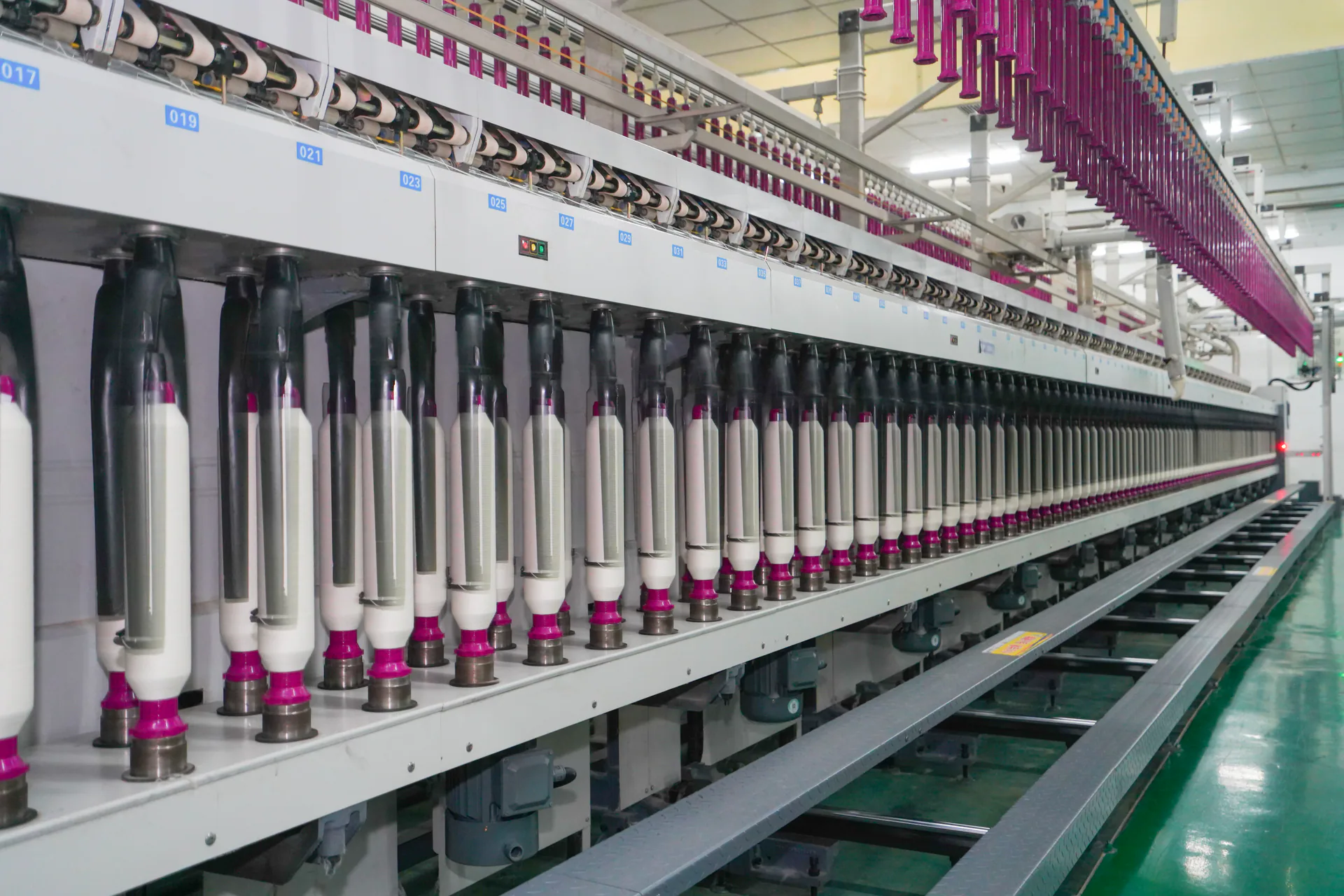
Kit control
A kit matrix assigns every proposed product a description, configuration, colour, size field, quantity and packing position. This reduces mix-ups during approval and gives procurement teams a usable reference for later replenishment.
Kit development path
The process keeps fit, configuration and delivery decisions visible on one program record.
List roles, climate, daily wear conditions, equipment interfaces and quantity.
Select proposed categories and record component, colour, size and performance fields.
Check fit, movement, grip, adjustment and compatibility with the intended kit.
Approve product references, size ranges, ratios, identity and packing instructions.
Match packed items and sizes to the accepted matrix and delivery locations.
Application contexts
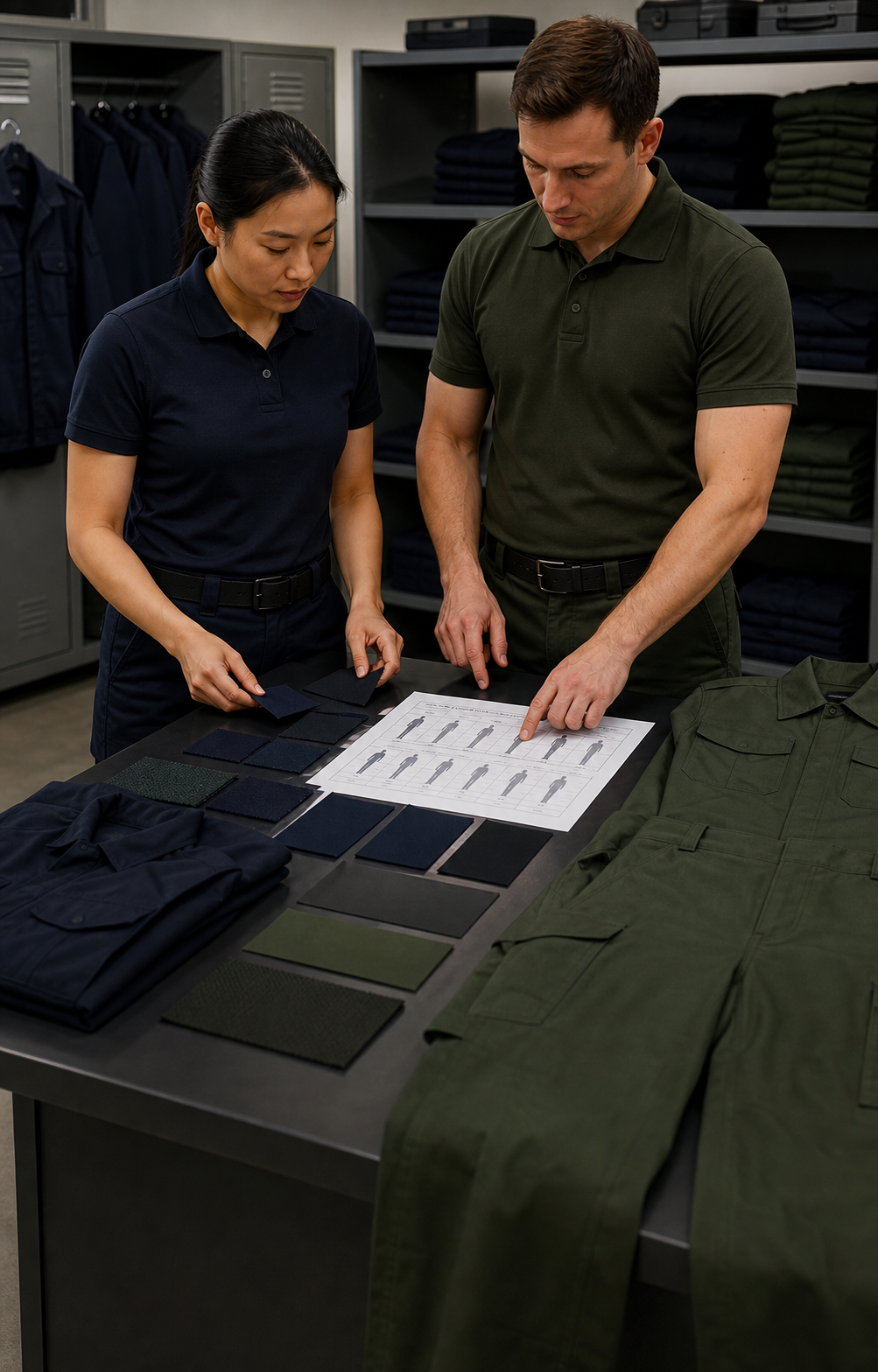
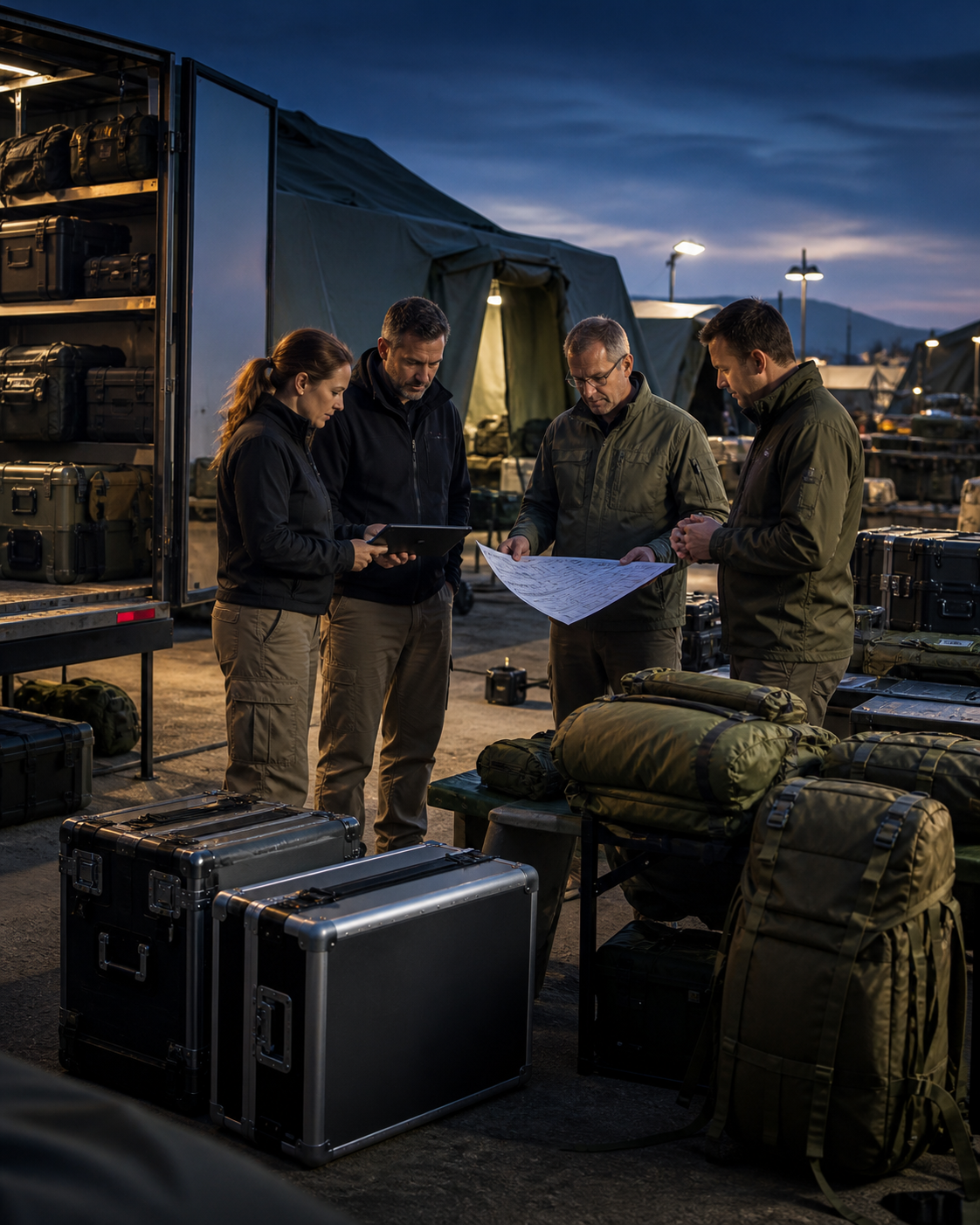
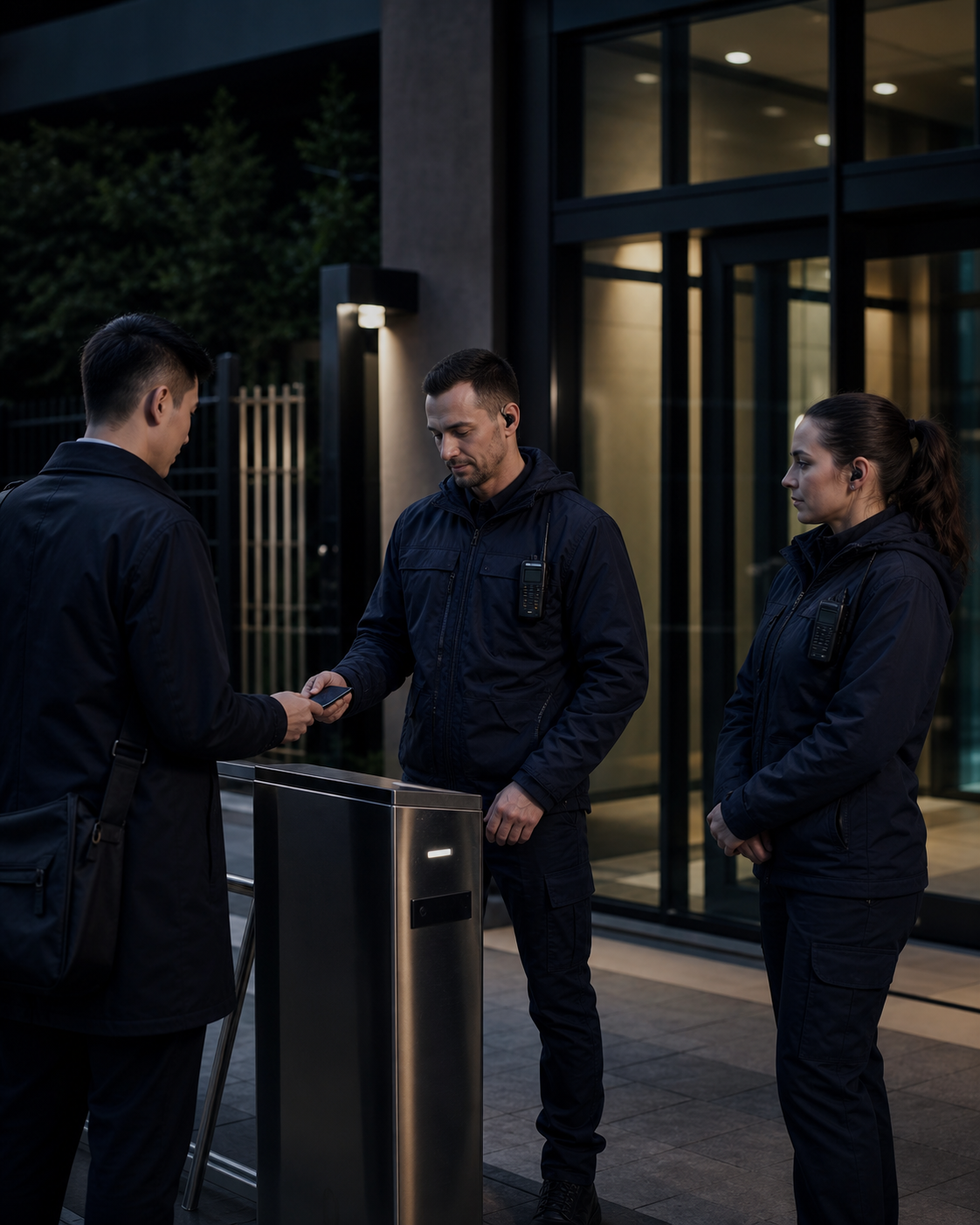
Use these common program contexts to clarify the specification and route your enquiry to the most relevant product and project-support pages.
Buyer resources
The resources below help you define the requirement, choose the right approval stage and request a more comparable quotation.
Request the current company catalogue, then tell us which product families and configurations should be included in your quotation.
Request catalogue accessChoose the sample that matches the decision being made.
Read the buyer guidePlan item, size, label and carton control.
Read the buyer guideTurn a partial item list into comparable supplier responses.
Read the buyer guideProgram coordination
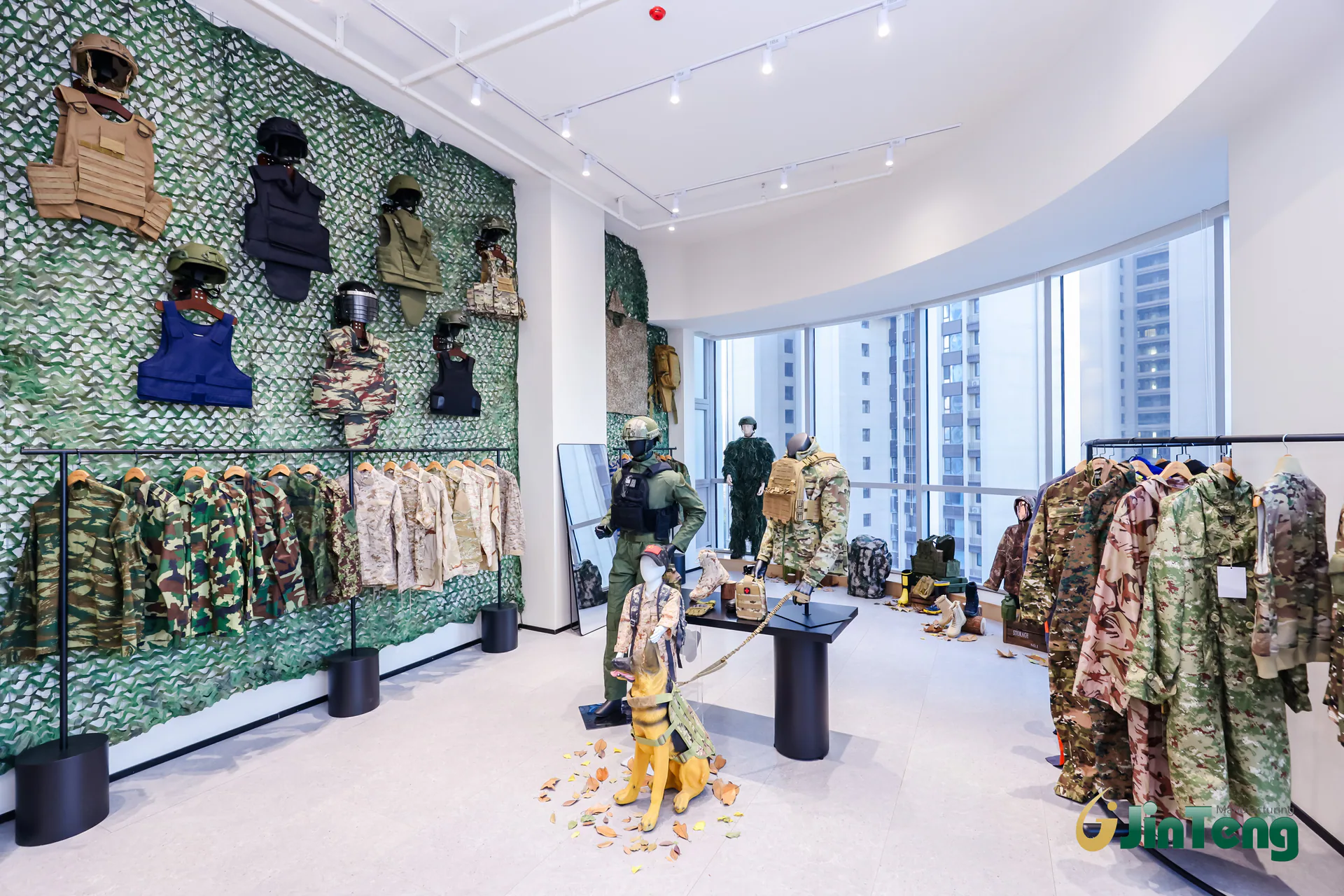
Jinteng has supported institutional supply from Wuhan since 2002. For tactical footwear, headwear and accessories, the practical value is coordinated product identification, sample comments, size allocation and packing records across items that may come from different qualified supply routes.

Configuration details
Review the product-specific details below, then use these tabs to plan any changes.
A shared matrix keeps different product types comparable.
Each item needs a suitable wearer and interface check.
Records should identify the item being quoted and delivered.
The packing method should reflect how the buyer will distribute the items.
Purchase records
Useful records answer buyer questions without relying on a generic product name.
An item matrix naming construction, material, colour, size range, quantity and included services.
Sample comments identifying review conditions, sizes, interfaces and the approved reference.
A kit BOM with item codes, sizes, label hierarchy, pack sequence and pilot-pack check.
Retained configuration, identity, size and packing references with recorded revision status.
Frequently asked questions
These answers address the configuration, order planning and approval details that most often affect a bulk project.
Confirm the proposed sizing system and measurement method, then review representative samples with the intended socks and use conditions. Build the order ratio from wearer data only after fit comments are closed, and keep each approved size connected to the product reference.
Yes, when every item and size field is identified in a kit BOM. A pilot pack should confirm label visibility, pack sequence, quantity and carton allocation before the full order is packed.
Describe the handling tasks, climate, required dexterity, grip surfaces, cuff preference, reinforcement needs, colour and size range. Compare the exact proposed material and construction, then use samples to review fit and equipment handling.
Provide authorized colour and artwork references with placement and dimension instructions. The proposed submission and sample should carry an identifier so the accepted colour, badge, embroidery or label can be traced into packing records.
Product configuration, materials, size range, quantity, customization, sample work, individual packing, set assembly and delivery allocation can all change the offer. A line-by-line matrix makes optional services and assumptions visible.
Buyer guide
A clear schedule lets suppliers quote the same item scope and lets the buyer approve fit before allocation.
First identify the proposed construction, materials, colour and equipment interface for each item. For boots, record the upper, lining, outsole, height, closure and proposed sizing system; for gloves and headwear, record the relevant shell, palm, cuff, adjustment and size fields. Only after representative samples close product and fit questions should the buyer approve the size range and ratio. This prevents available stock sizes from silently determining the specification and keeps commercial comparison focused on the same item configuration.
State which trousers, socks, helmets, eyewear, belts or carried equipment will be used with the proposed item. Review boots with the intended sock thickness and movement conditions, gloves with representative handling tasks, and headwear with required adjustment and equipment overlap. Record specific observations such as heel movement, toe space, grip, cuff interference or pressure points rather than a general comfort rating. The resulting comments give the buyer a defensible basis for product selection and size allocation.
Choose individual, wearer-set, unit-set or size-ratio packing before the order reaches final assembly. Give each product, colour and size a stable reference and show how it appears on inner labels, set labels and outer cartons. When boots, gloves, headwear and accessories are combined, reconcile a pilot pack against the kit BOM and wearer or destination allocation. This catches missing items and ambiguous labels while the packing method can still be corrected, rather than during receiving or field issue.
A later boot, glove or headwear order should identify the accepted construction, material, colour, size system and sample revision rather than only the original family name. Keep fit comments and size conversions with that reference, especially when several sizing systems are used in one kit. Record proposed substitutions separately and update the kit BOM after approval. This protects fit consistency and prevents a similar-looking accessory, a changed last or a different component from entering the issue set without a new review.
Project enquiry
Share the current requirement, even if some technical fields still need a supplier proposal. We will use the product IDs and project context to recommend the next quotation or sample step.
Share the product, quantity, destination, customization and delivery requirements. Our business team will reply with suitable options and the next quotation step.
 WhatsApp