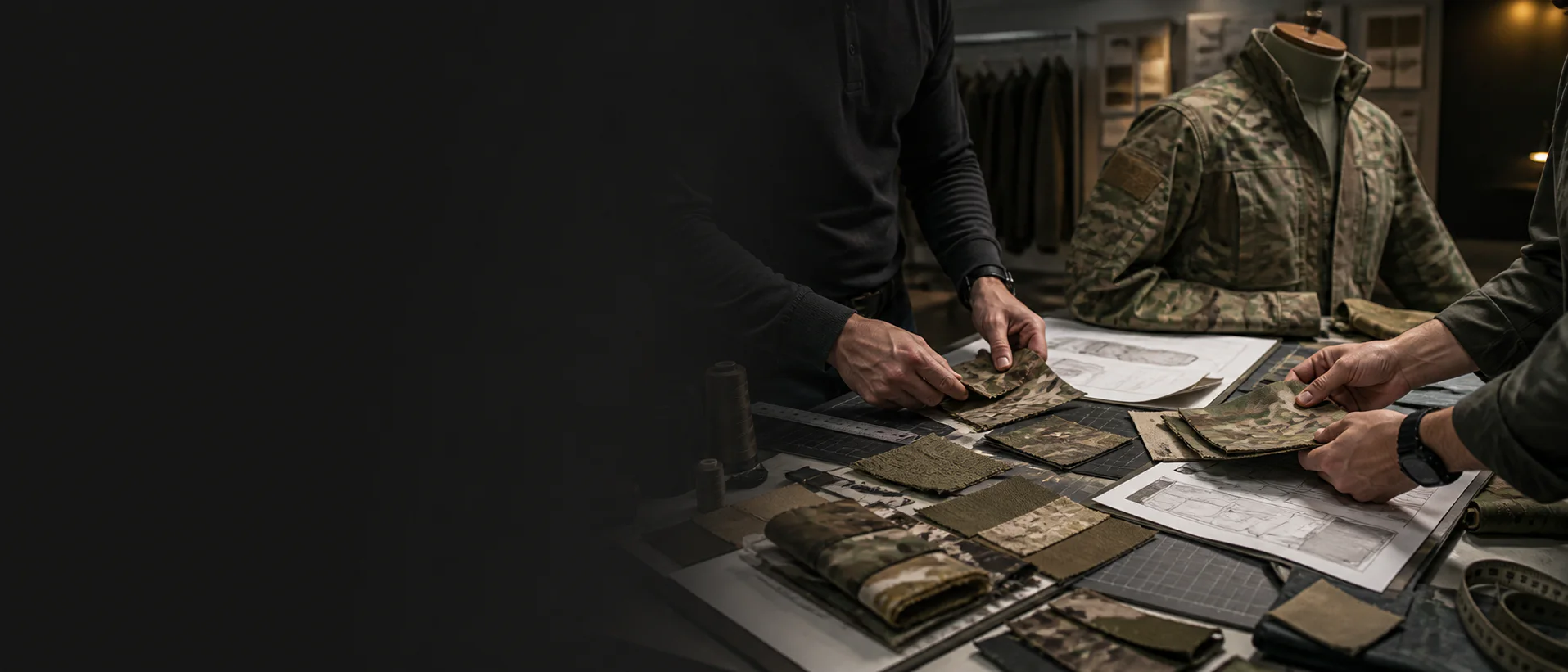
Define material performance and climate needs
Specifications, samples, timing and deliverables are confirmed with your team as the project progresses.

Control fabric, colour, artwork, trims and institutional identity across a program.
Project support
Control fabric, colour, artwork, trims and institutional identity across a program. Share the product, quantity, specification, destination and timeline so our team can recommend the appropriate steps for sampling, quotation, production, inspection and delivery.
What to send us
A clear requirement helps us recommend suitable products, options and next steps.
Project process
Specifications, samples, timing and deliverables are confirmed with your team as the project progresses.
Specifications, samples, timing and deliverables are confirmed with your team as the project progresses.
Specifications, samples, timing and deliverables are confirmed with your team as the project progresses.
Specifications, samples, timing and deliverables are confirmed with your team as the project progresses.
Specifications, samples, timing and deliverables are confirmed with your team as the project progresses.
Project deliverables
Deliverables are matched to the product, specification, quantity, project stage and quotation scope.
The format, timing and included details are confirmed for your project.
The format, timing and included details are confirmed for your project.
The format, timing and included details are confirmed for your project.
The format, timing and included details are confirmed for your project.
Project planning
Fabric, camouflage, colour, insignia and trims combine technical requirements with protected institutional identity. A procurement team should verify how each reference is received, translated, sampled, approved, versioned and released. A colour name, digital image or familiar pattern description is not a production standard, and an authorized artwork file does not by itself define material performance.
Define fibre, construction, weight, finish, comfort, durability, climate or care requirements separately from colour and pattern. The accepted test or inspection method must be stated where performance matters.
Identify the governing colour standard, swatch, artwork, repeat dimensions, print layout, insignia drawing and placement diagram, including precedence when sources conflict.
Decide which lab dip, strike-off, embroidery sample, badge, trim card or finished garment becomes the accepted reference and how long version and lot records are needed.
What to send
Provide intended use, climate, fibre or construction constraints, target physical properties, finishes, restricted substances or care conditions and the method used for acceptance.
Supply colour references, repeat artwork, vector insignia, wording, dimensions, placement and permitted variants through an authorized contact, with use rights controlled by the buyer.
State viewing or measurement conditions, approved sample type, acceptable variation, component matching priorities and which changes require resampling or formal deviation approval.
Preparation tips
A monitor or compressed image is used to judge production colour without a named reference, controlled lighting or agreed instrumental method.
Artwork is accepted on one substrate, then fibre, weave, finish or printing route changes without checking appearance and performance on the actual production material.
Artwork arrives through an intermediary but the approving organization, permitted use, wording and final placement have not been authenticated for the project.
Next step
List the garment or equipment use, material properties, test methods, colour or pattern references, artwork authority, trim requirements, approval samples and required records. The review should identify conflicting sources, missing tolerances and the sequence for lab dip, strike-off, insignia sample and finished-product approval where each stage is relevant.
Capability FAQ
Review relevant project examples, sample quality, material and size controls, inspection records, current test or management-system documents, capacity assumptions and how corrective actions are closed. Match every performance claim to the exact quoted product.
Check the capability during supplier qualification and confirm it again if the product, production location, materials, process, destination or required standard changes. Ask for documents and samples that match the current order.
Share your organization, product use, quantity, current specification, destination, deadline and any required test method, inspection or document format.
The exact deliverables depend on your project. Typical items include a requirement list, specification, sample revision summary, size chart, BOM, inspection plan, packing plan or supporting-document list.
Schedule and capacity can be confirmed after we review the exact configuration, quantity, materials, sample stage and required production window.
Share the product, quantity, destination, customization and delivery requirements. Our business team will reply with suitable options and the next quotation step.
 WhatsApp