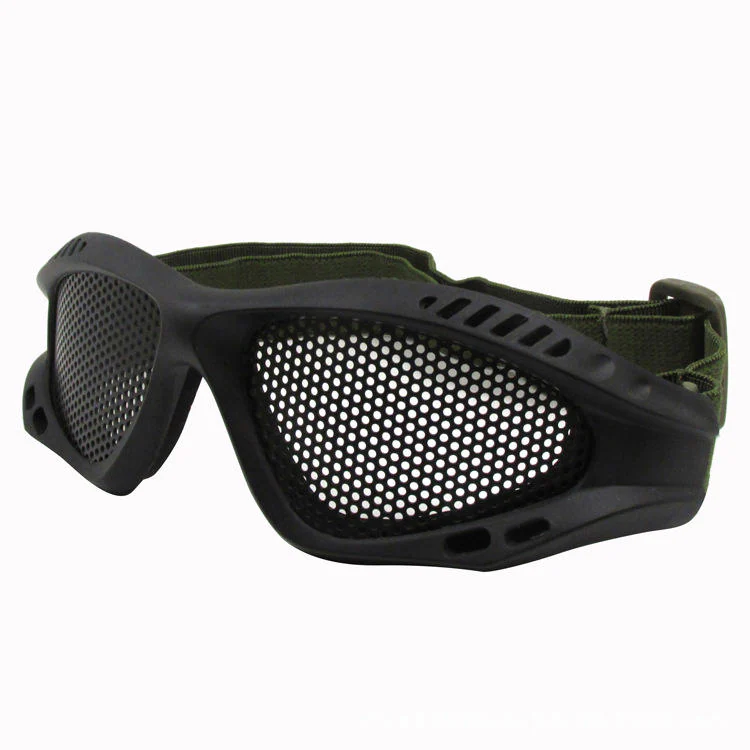
JT-A-011
Tactical Safety Glasses With Metal Mesh for Gel Blaster Games
- Type
- Tactical Goggles
- Color
- Black, OD Green, Khaki

Duty and field clothing
Build jackets, shirts, trousers and layers around the wearer’s actual duty profile, then control materials, fit, pockets, reinforcement and branding through samples and bulk-production records.
Available product options
Compare the styles below. Open a product for its details, or send the product ID and your requirements to discuss a quotation.
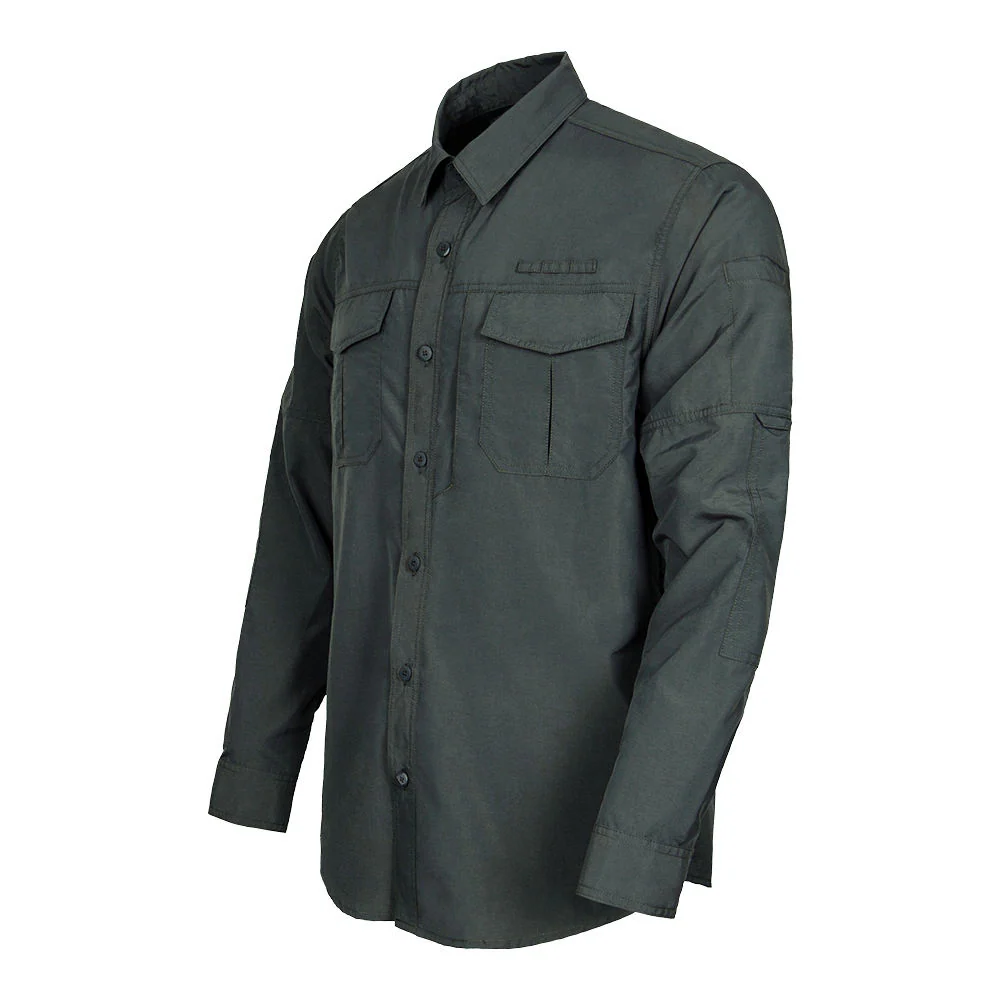
JT-A-011
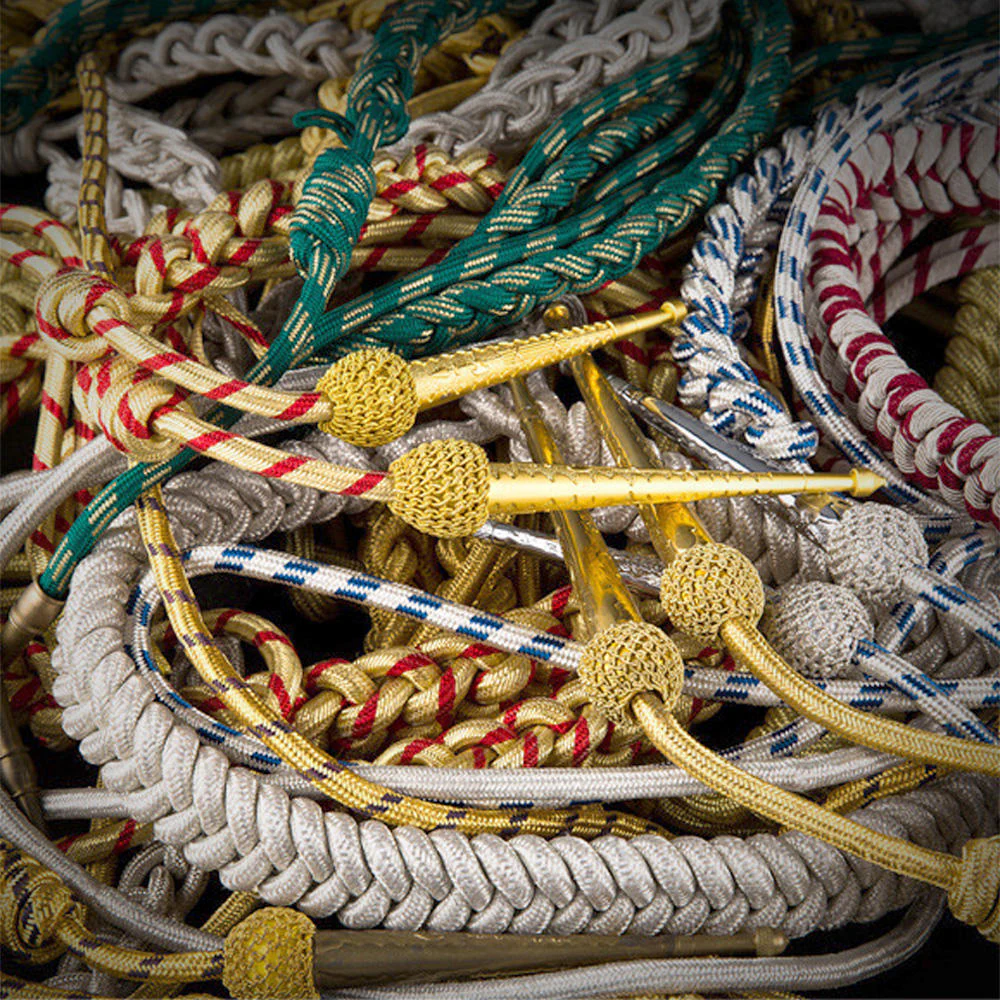
JT-A-018
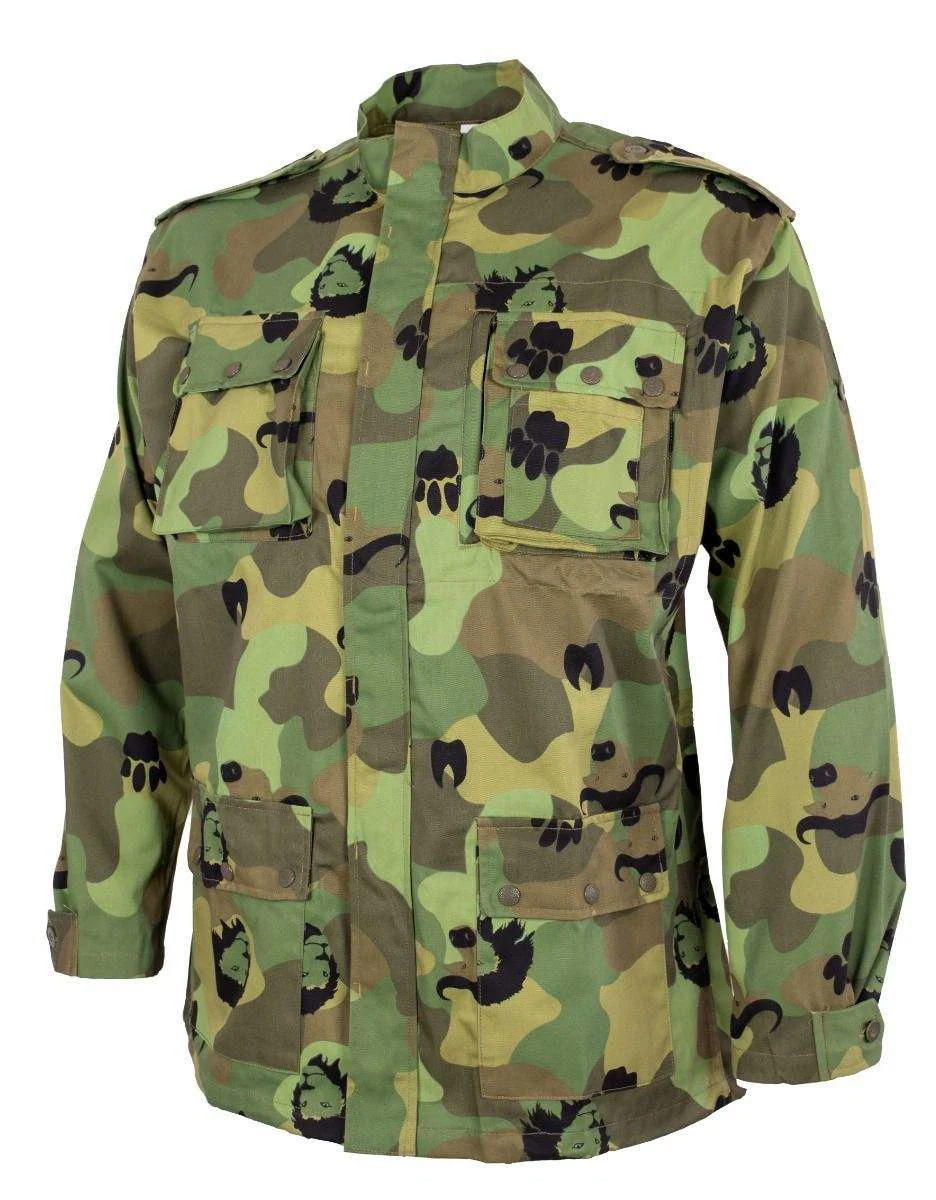
JT-C-009
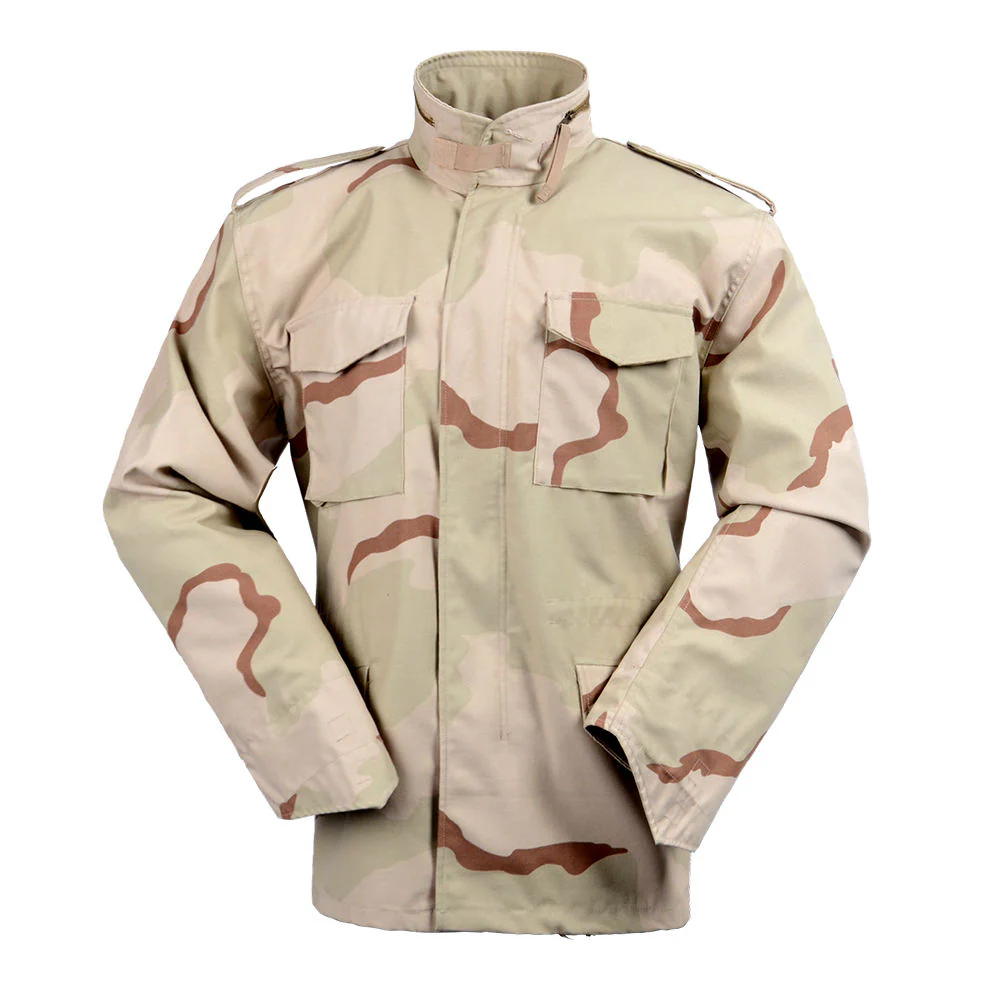
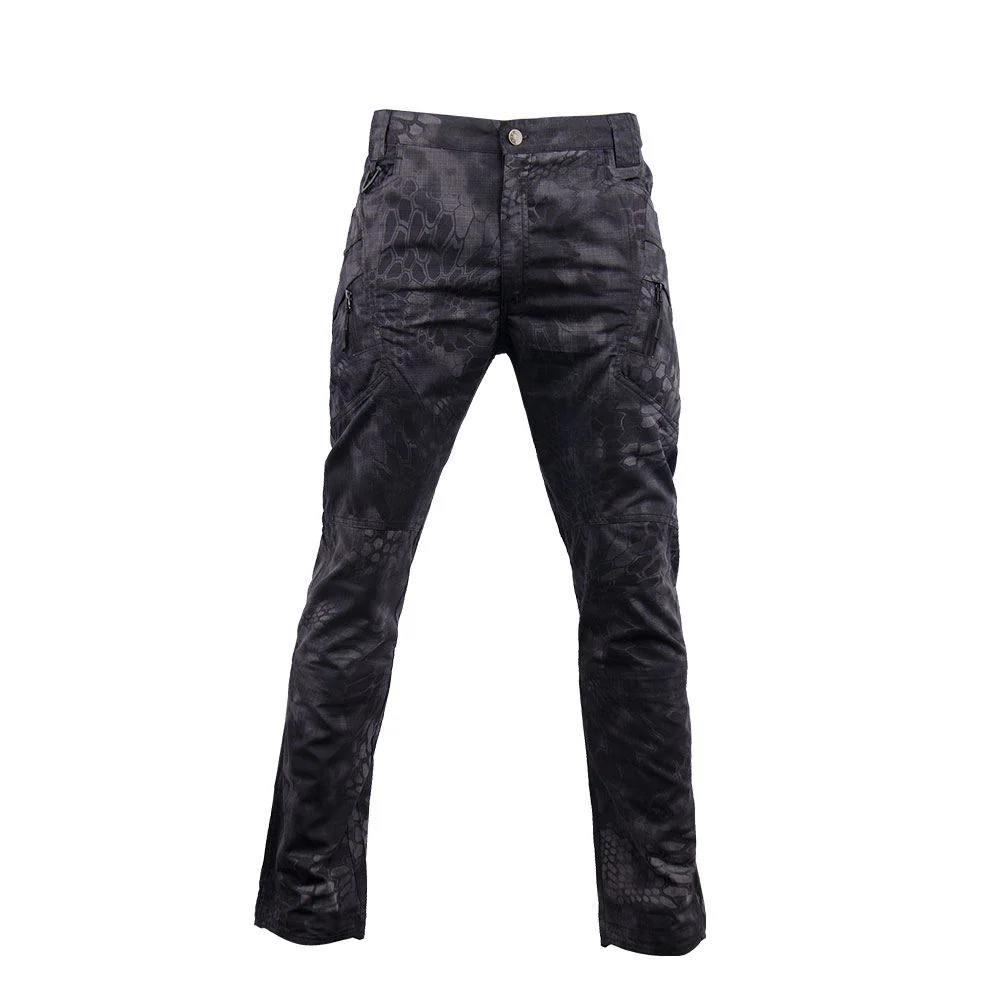
JT-CI-004
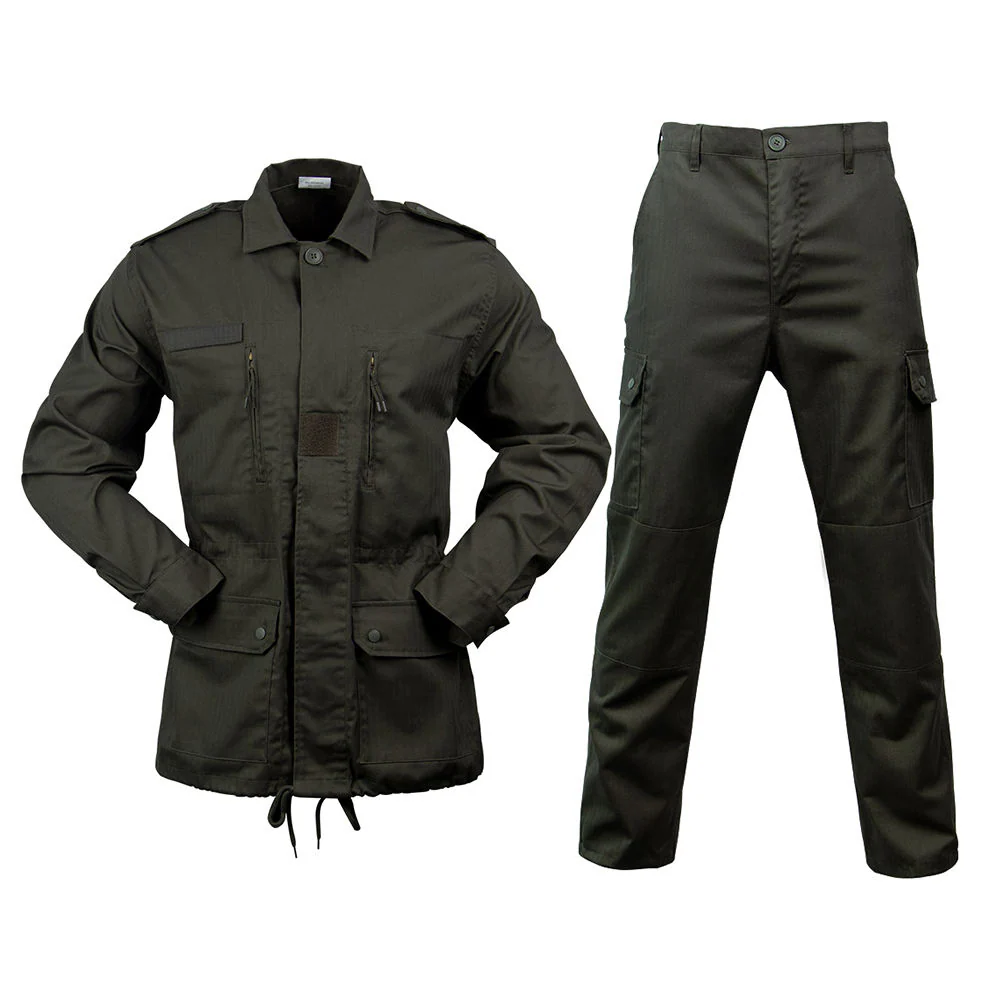
JT-F1-F2-002
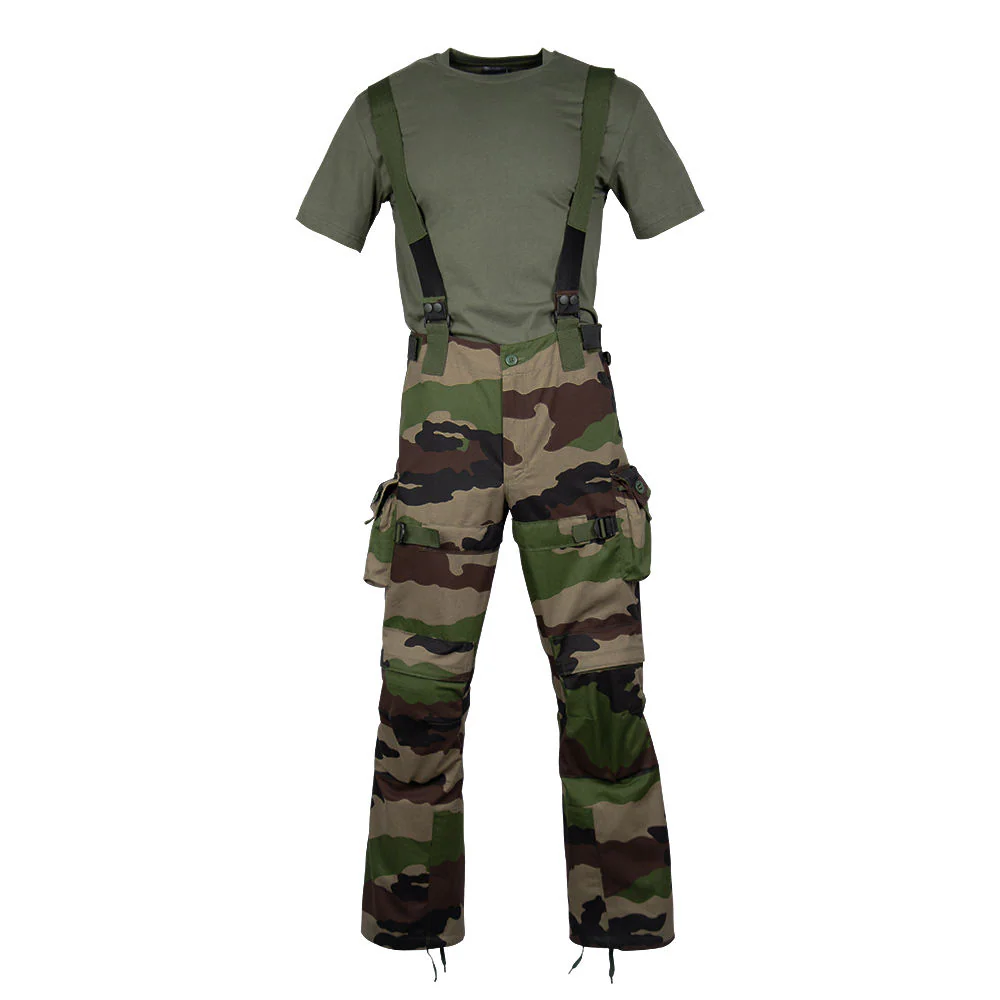
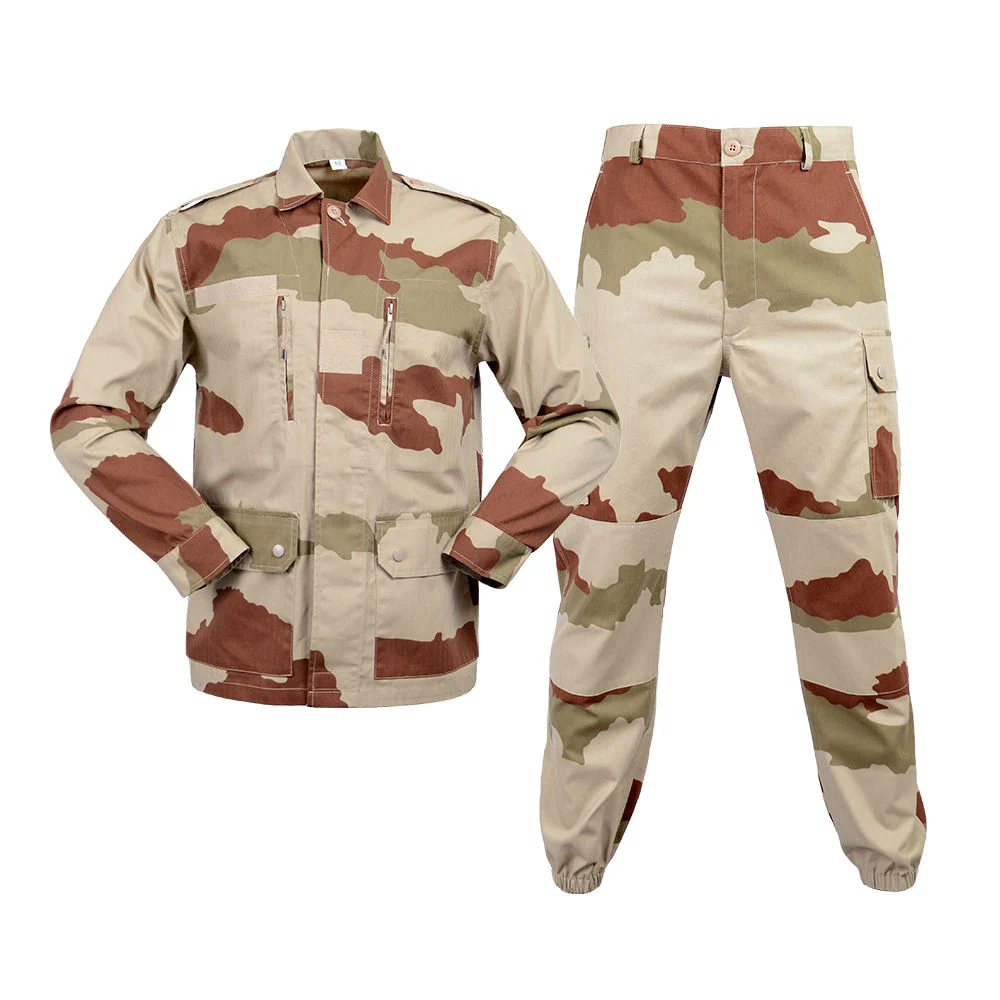
JT-F1-F2-006
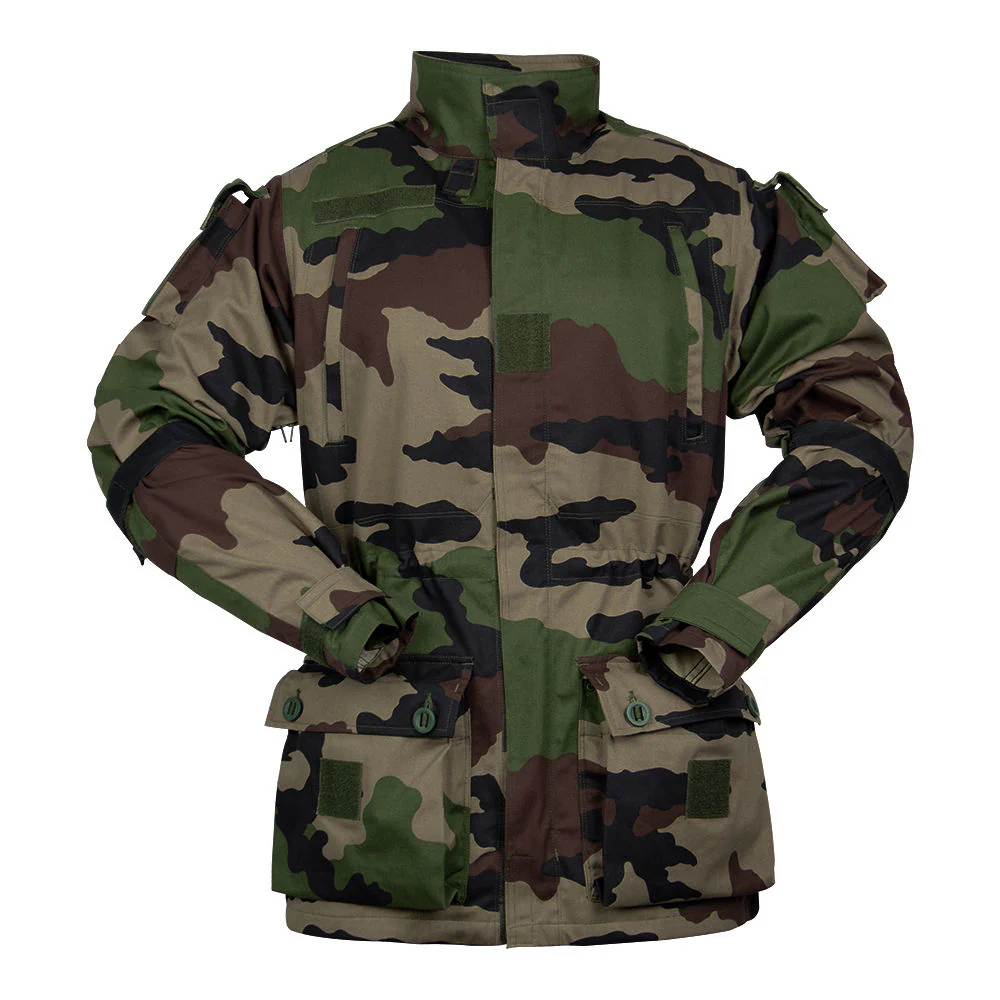
JT-F1-F2-007
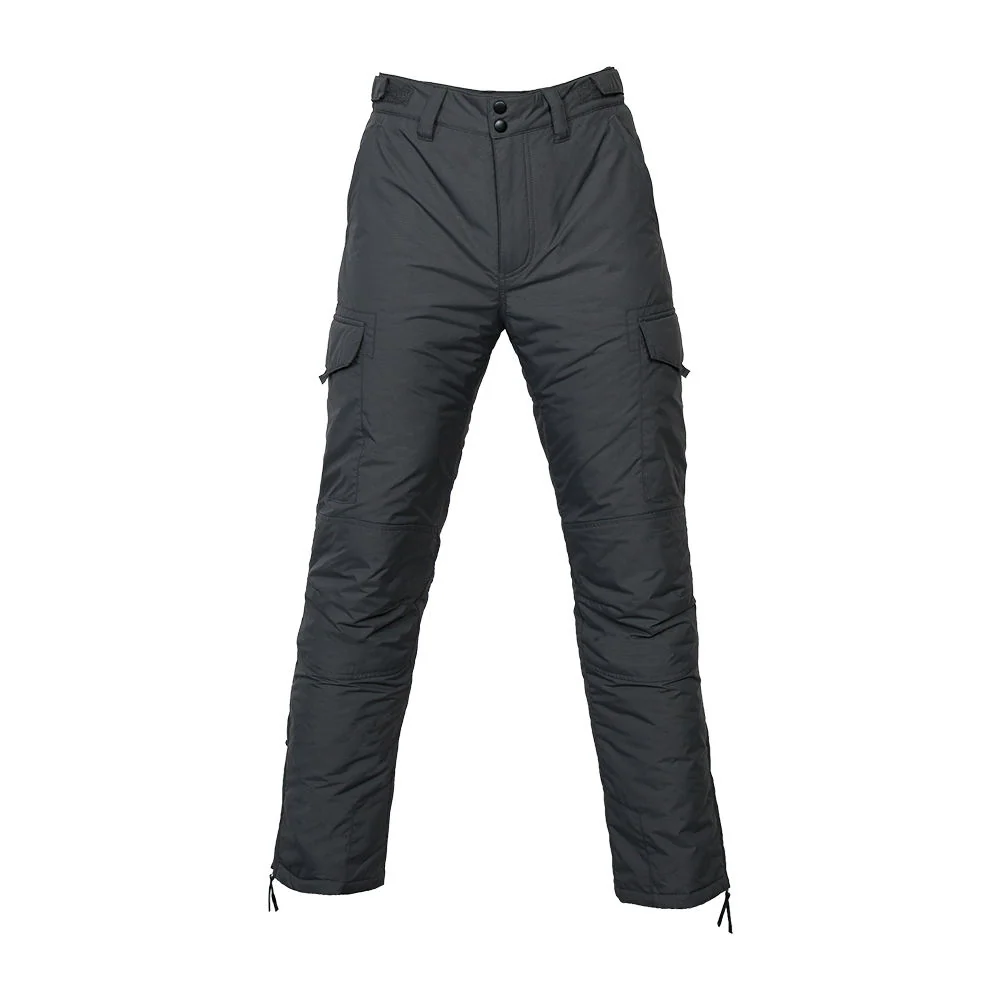
JT-FP-001
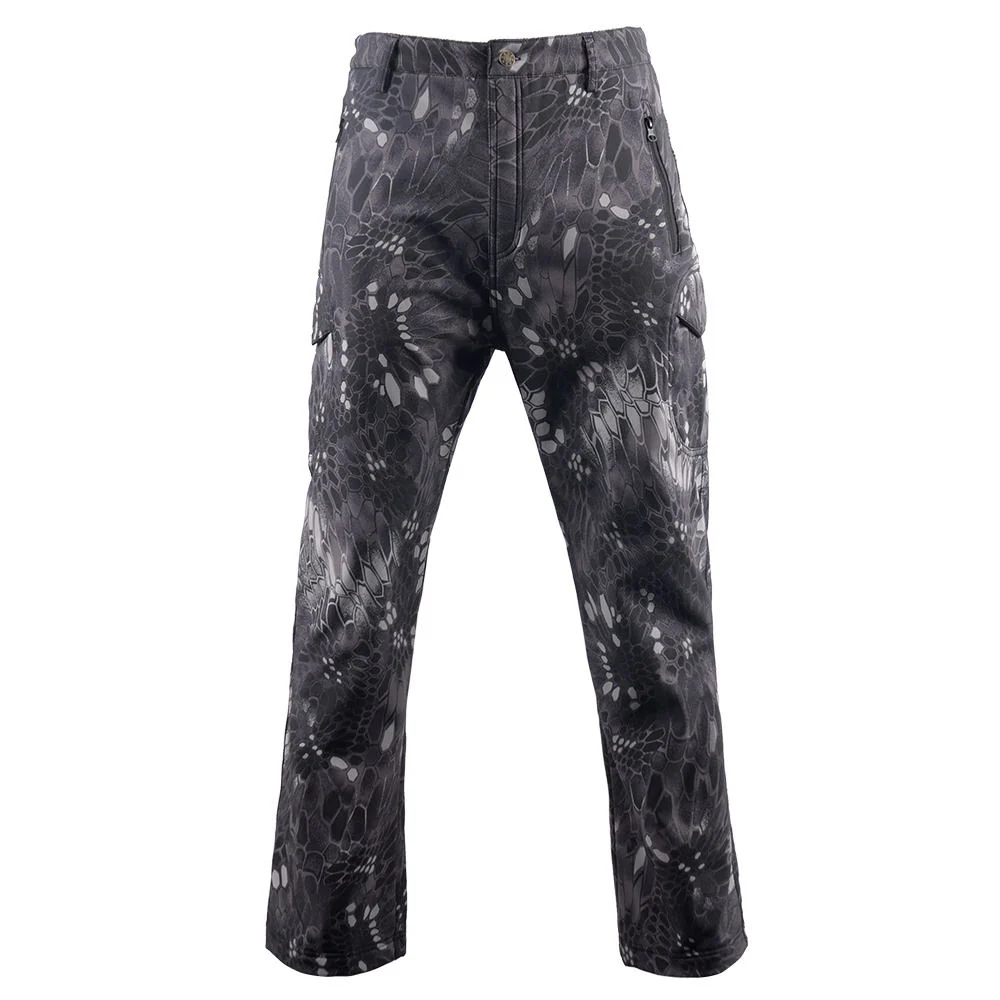
JT-FP-002
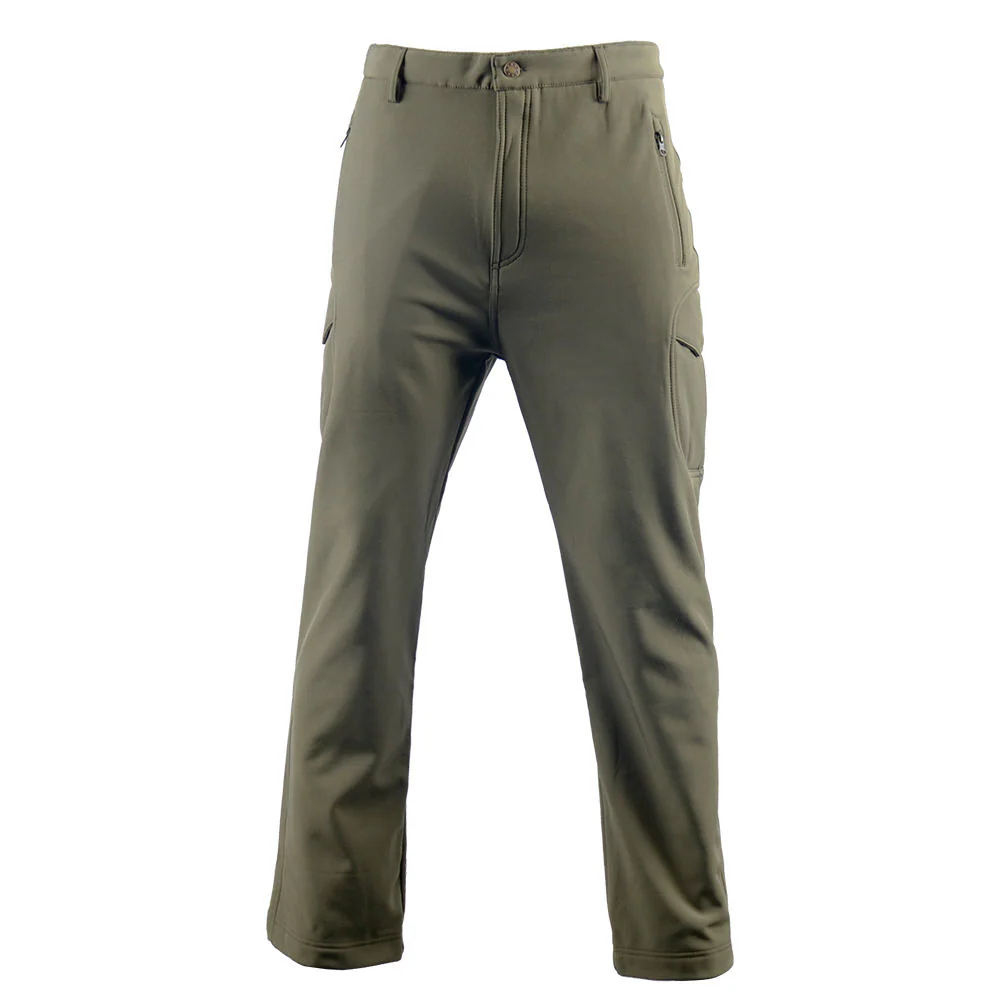
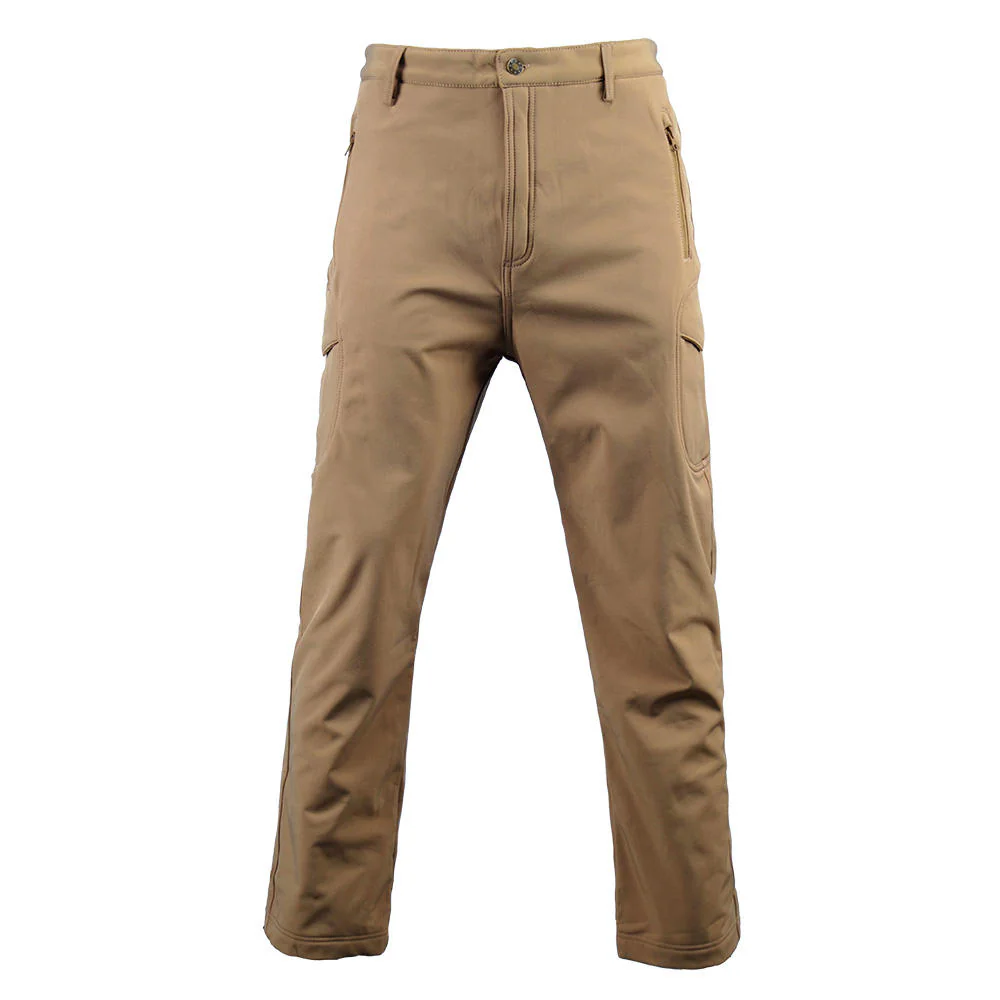
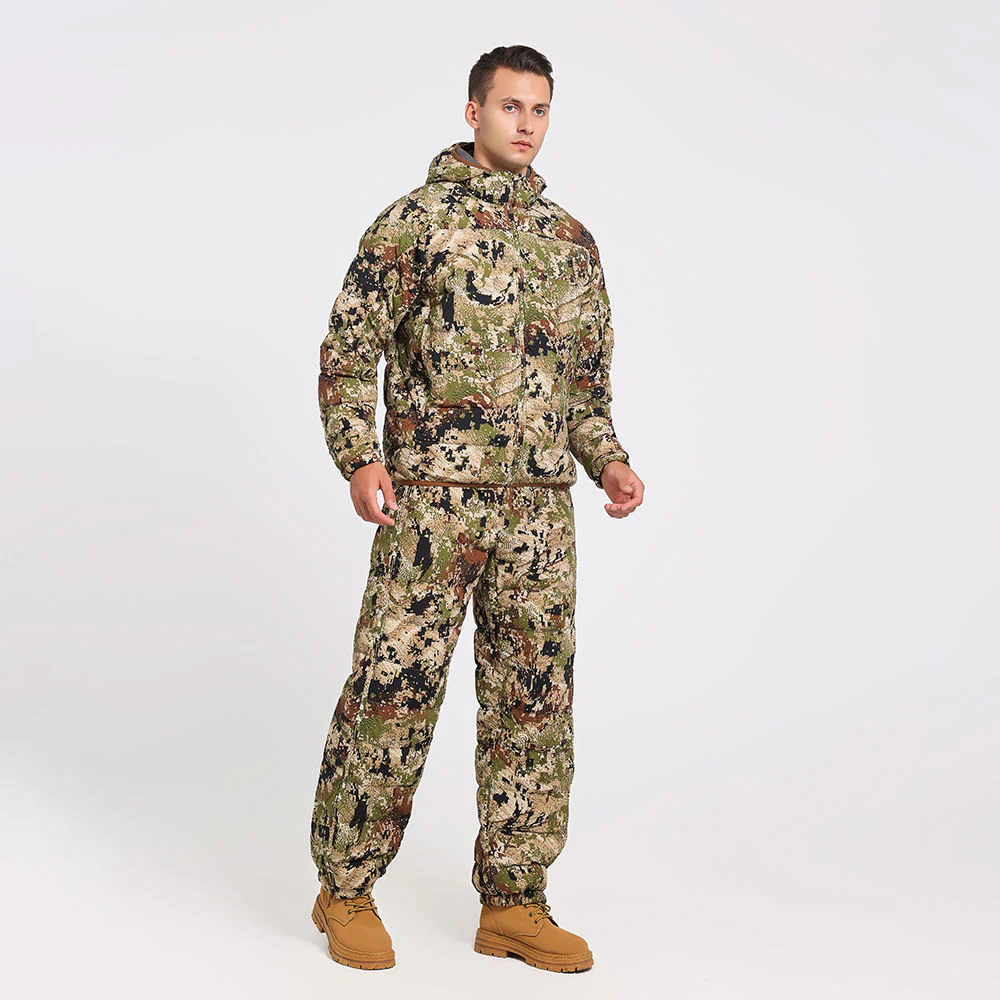
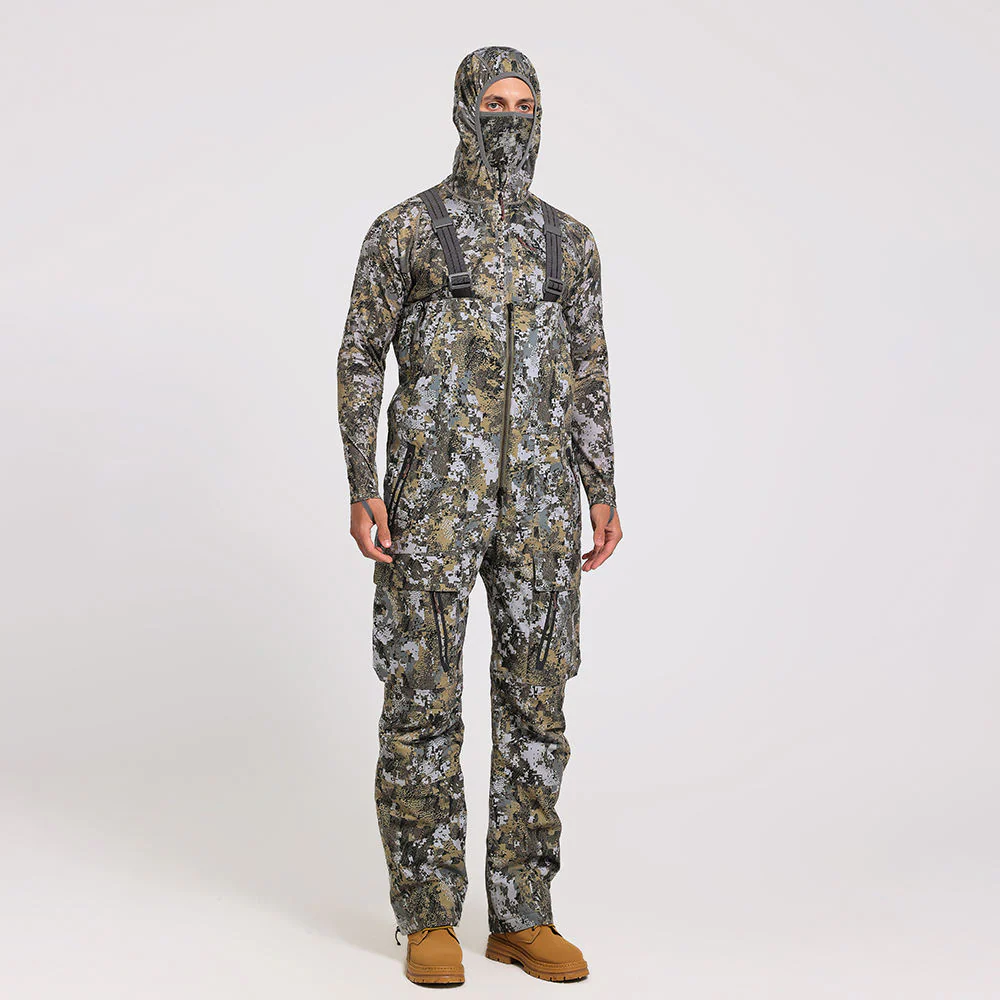
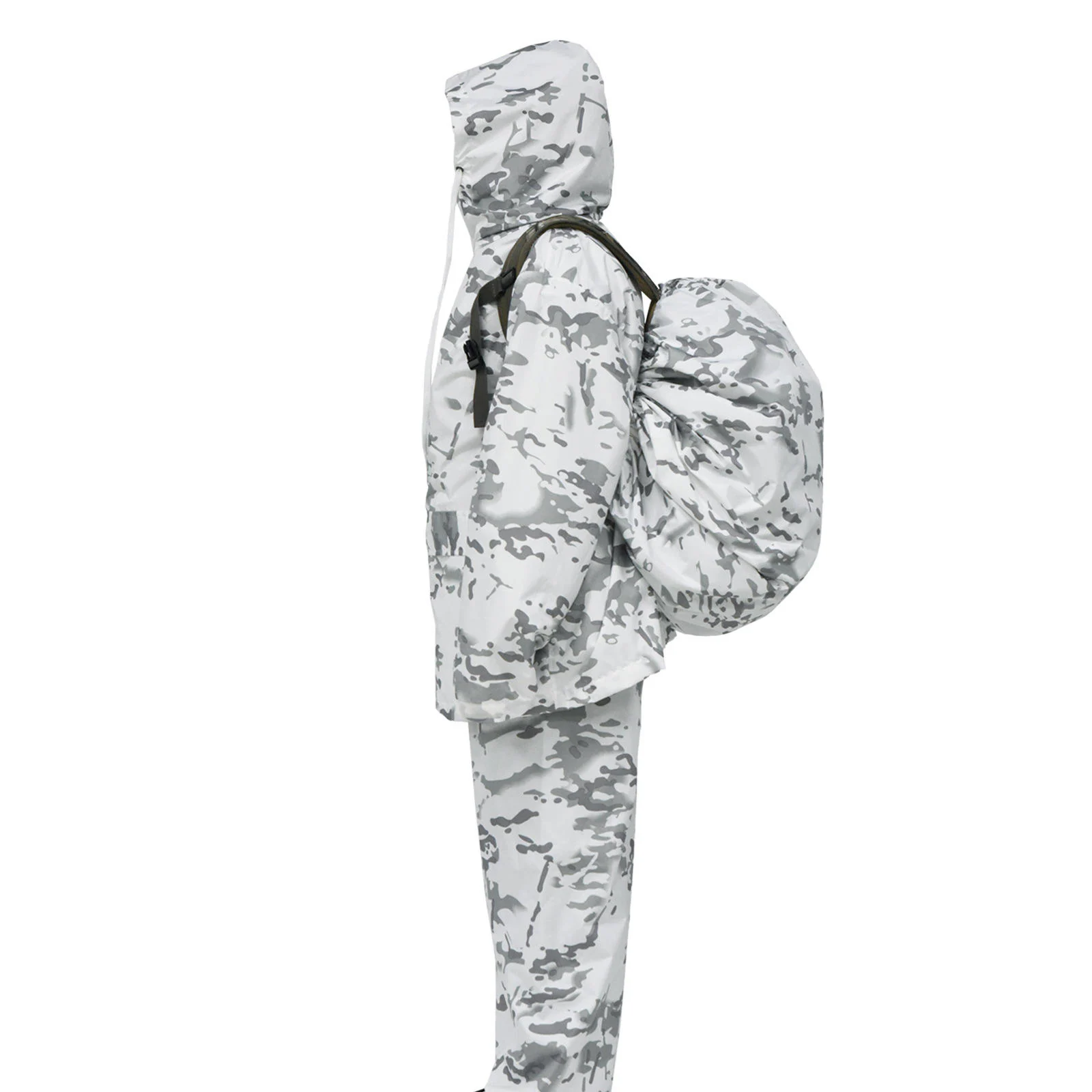
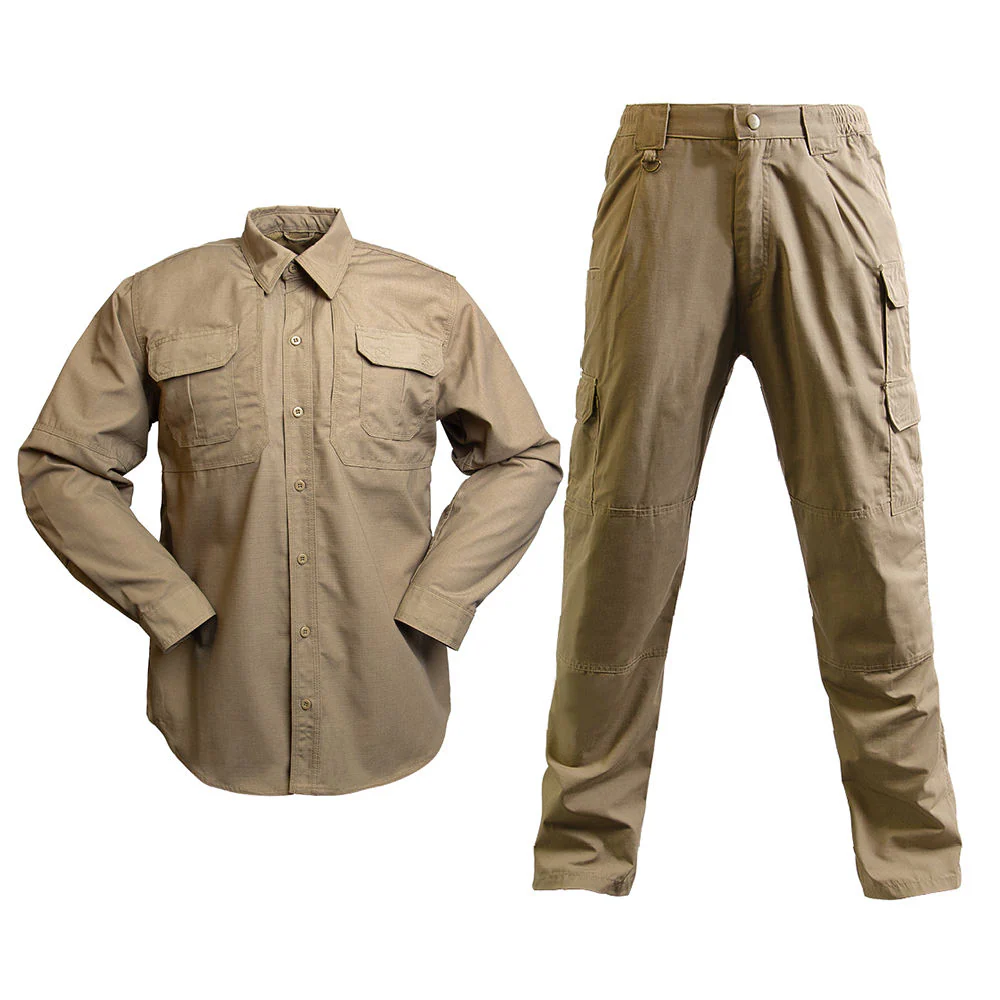
JT-HS-006
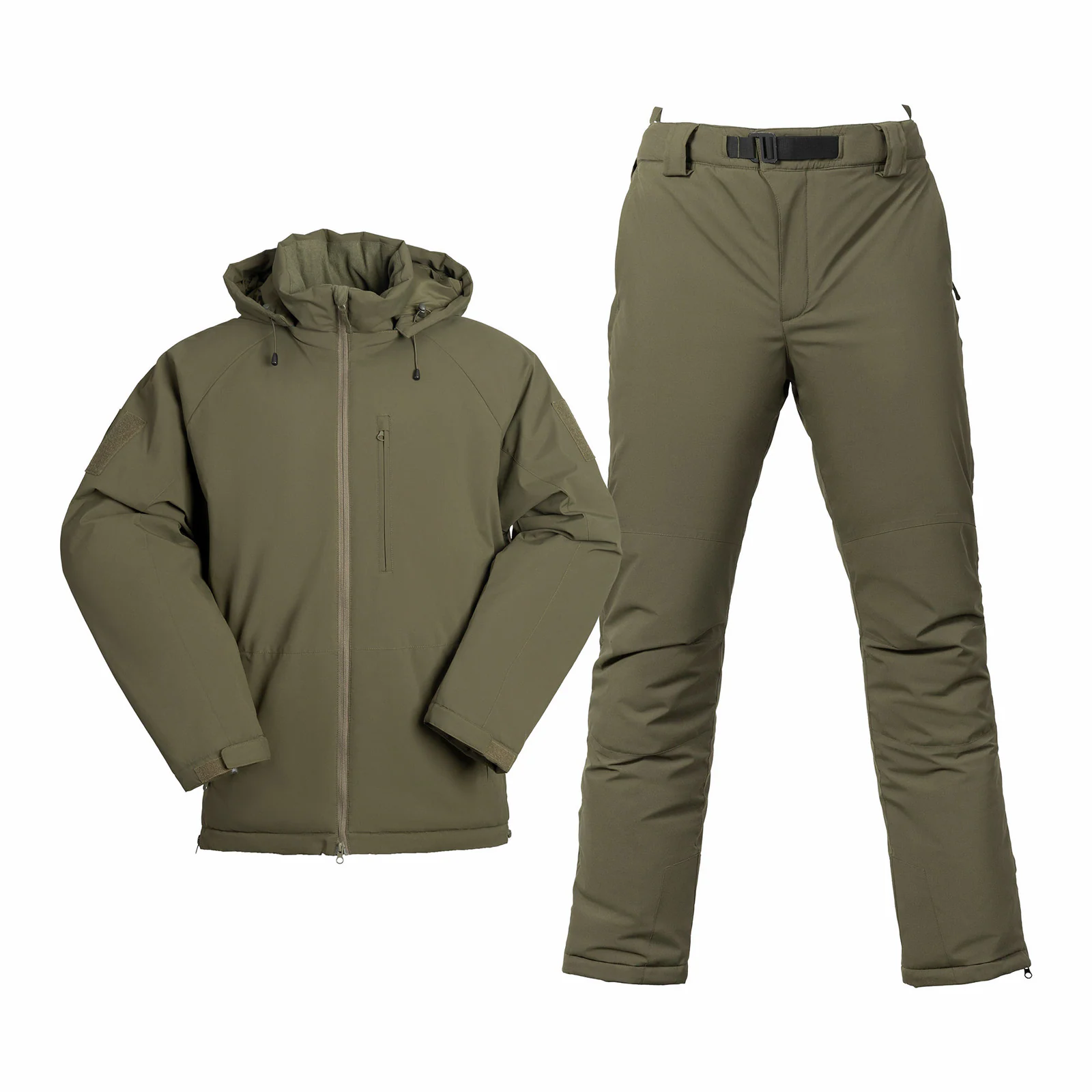
JT-HS-007
![[ Special Offer ] Thick Puffer Men's Long Stand Collar Waterproof Jacket](/media/supplier-products/jt-hs-008/01.webp)
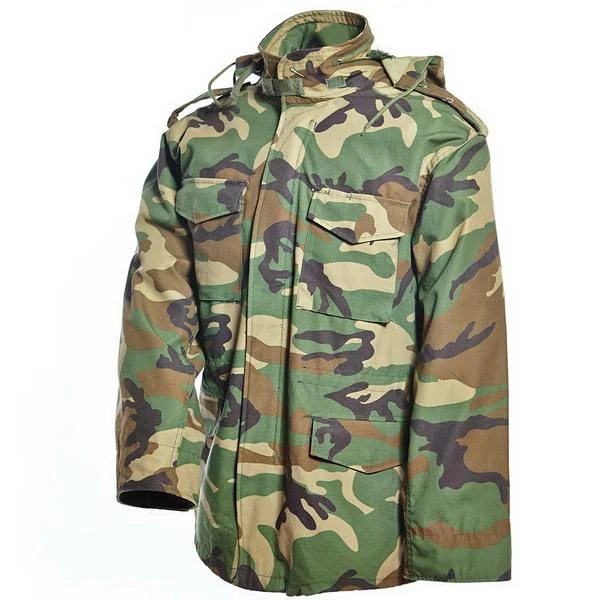
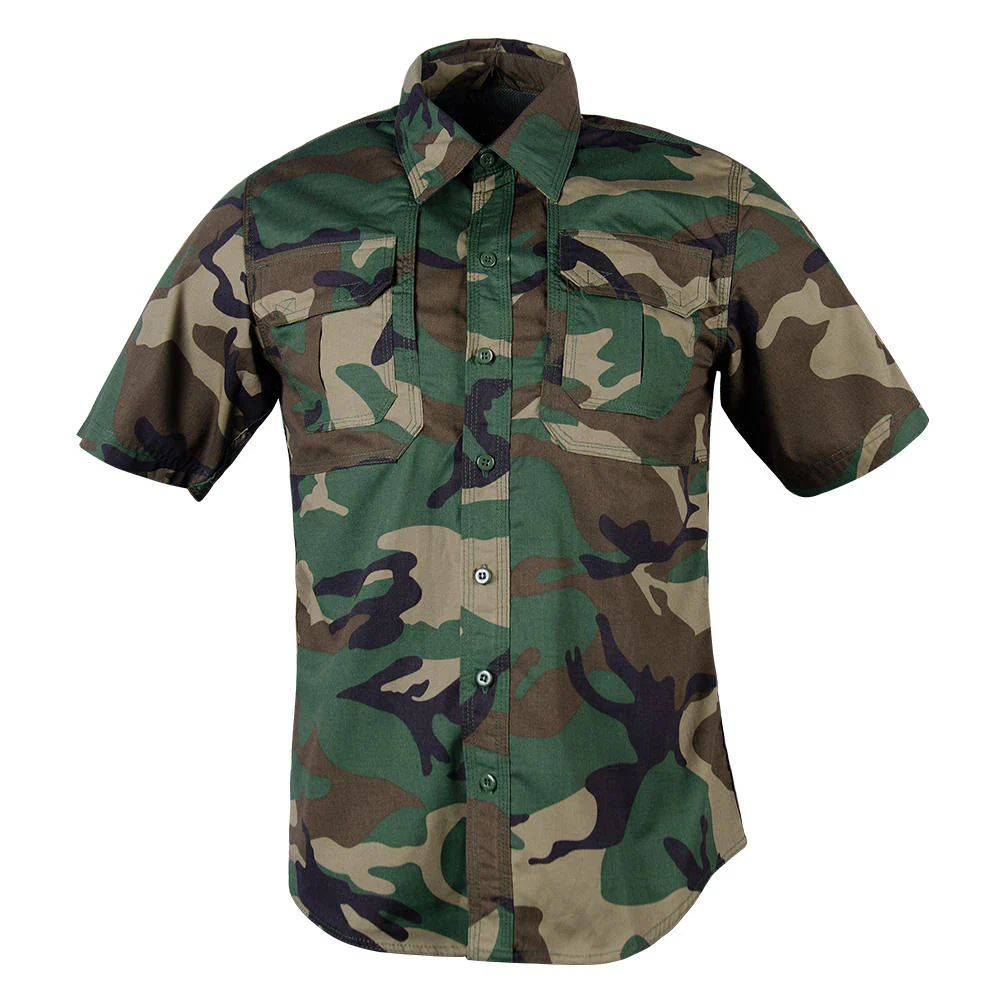
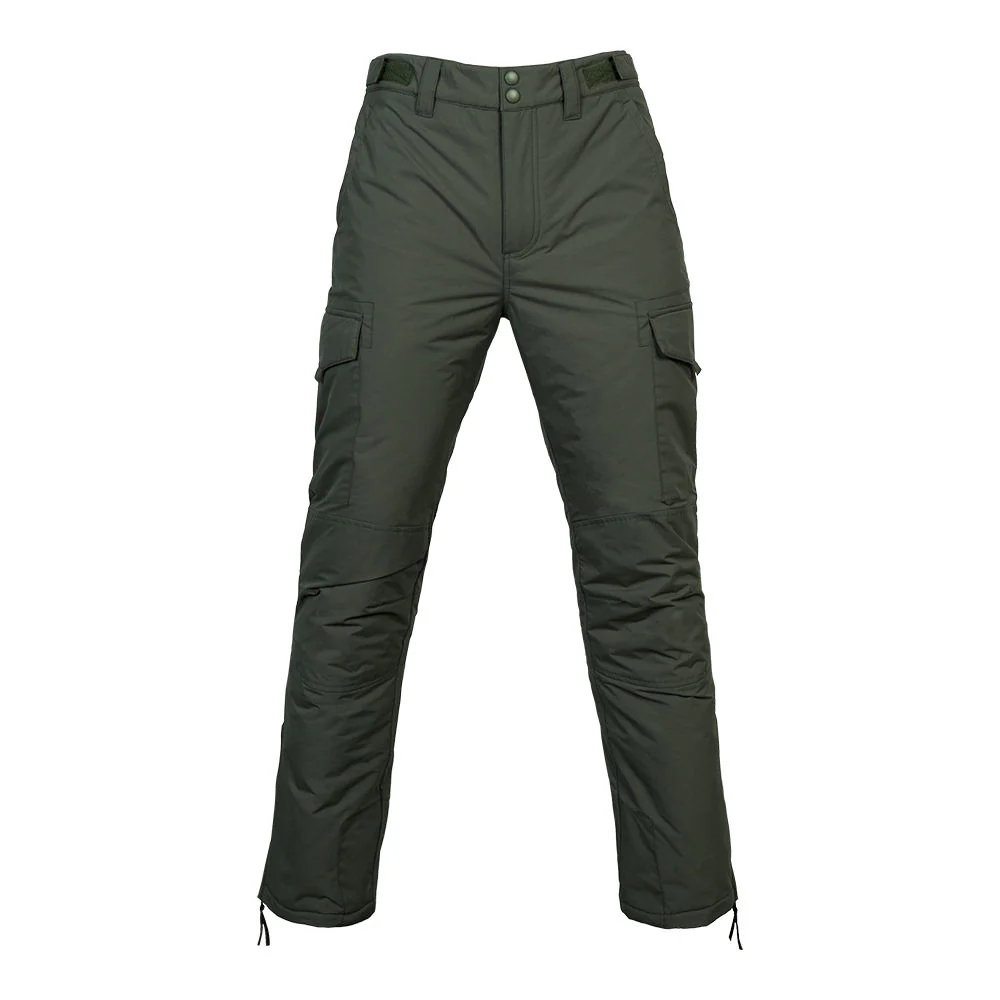
JT-HS-015
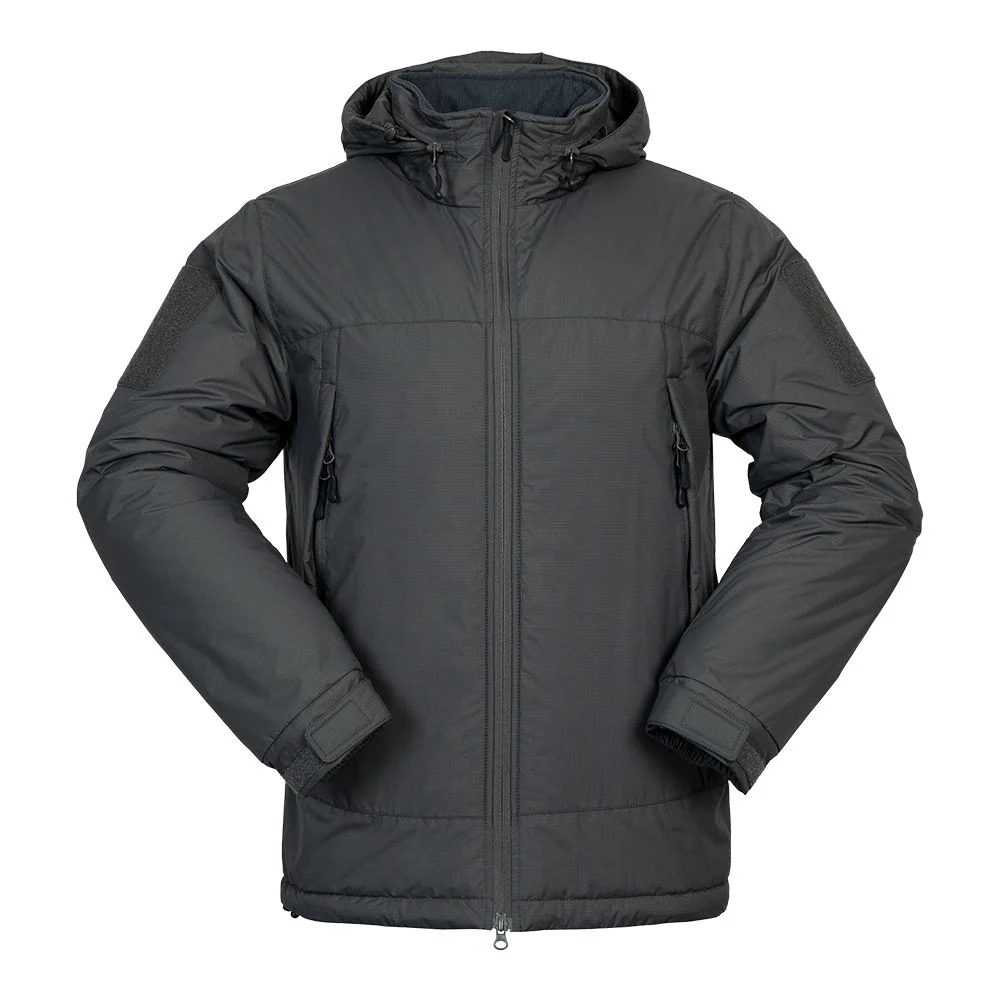
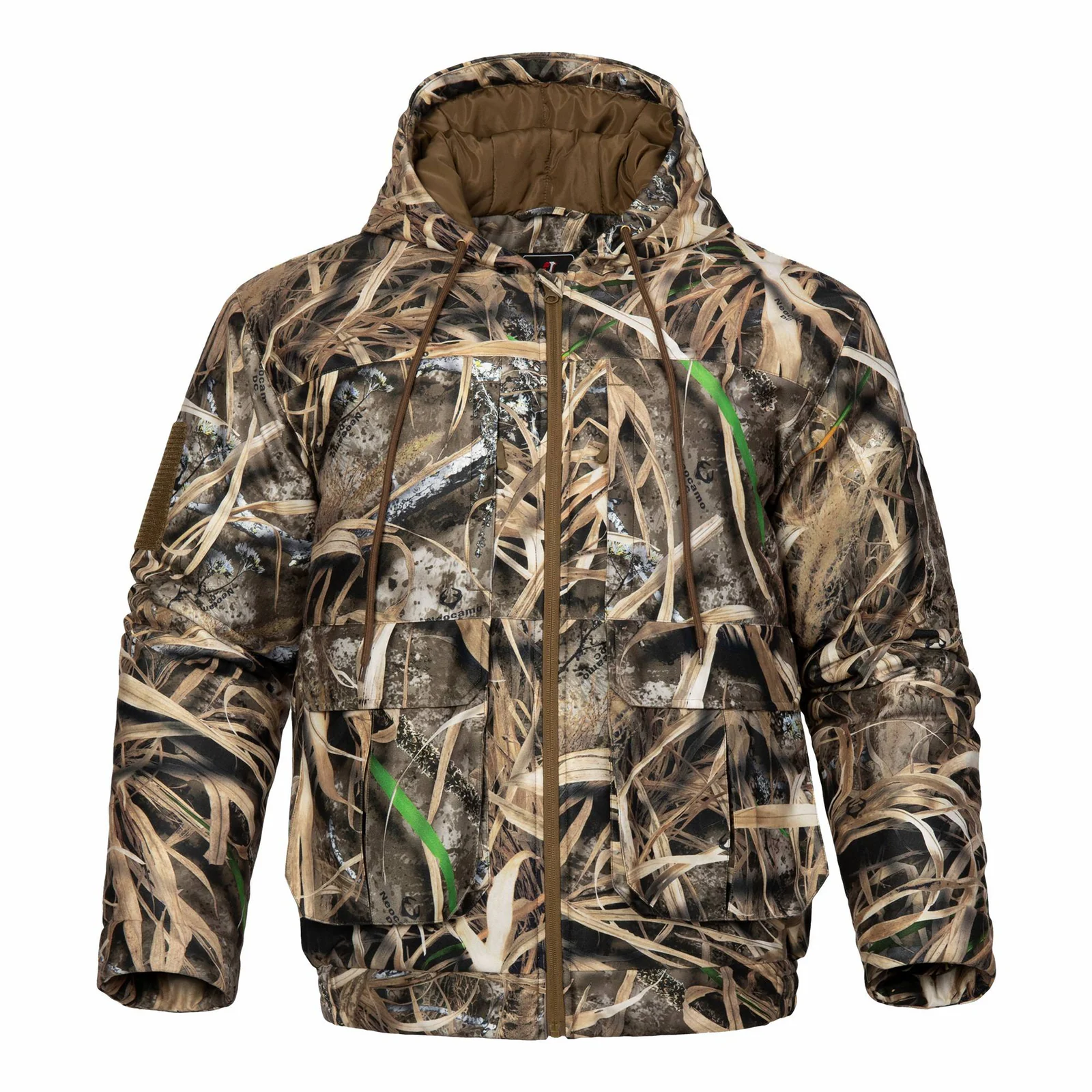
From garment to duty system
Tactical apparel performs as part of a clothing and equipment system. Jinteng helps buyers define layers, movement tasks, climate, storage access, material priorities, sizing and identity before selecting a product family. This approach prevents a familiar style from hiding the construction decisions that affect comfort, wear life and quotation value.
Product selection
Find the style closest to your needs, then explore the available products.
01 · Weather layer
Configurable outer layers with project-specific shell, lining, hood, pocket and identification options.
View product details02 · Field outerwear
Multi-pocket field jackets for programs that need durable construction, optional liners and controlled colours.
View product details03 · Movement layer
Compare duty-trouser options by fabric, pocket access, reinforcement, fit, climate and bulk size allocation.
View product details04 · Layering and team issue
Coordinated clothing options for seasonal issue, contractor uniforms and field-support programs.
Product advantages
Compare the features below when choosing your products.
Review sleeve reach, seat and knee movement, garment rise and equipment overlap on representative wearers.
Place pockets and closures where required items remain accessible under the planned outer layers or carriers.
Balance abrasion, drying, stretch, warmth, wind resistance and care requirements by garment zone.
Control colour, labels, embroidery, badges and placement through approved artwork and physical samples.
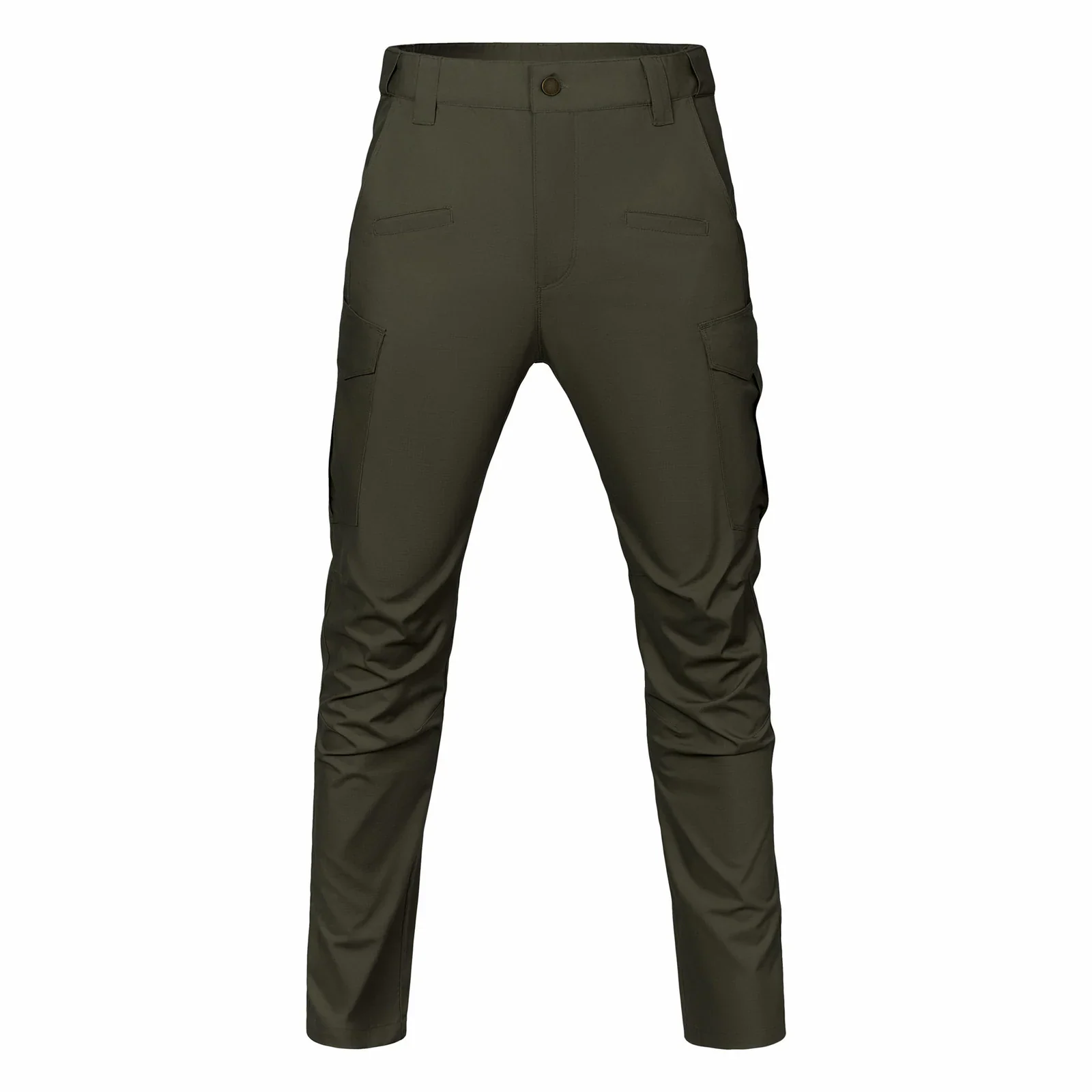
Fit in motion
Representative wearers should perform the movements and equipment interactions that matter to the program. Their observations are converted into measurable pattern, pocket, reinforcement or grading decisions before final approval.
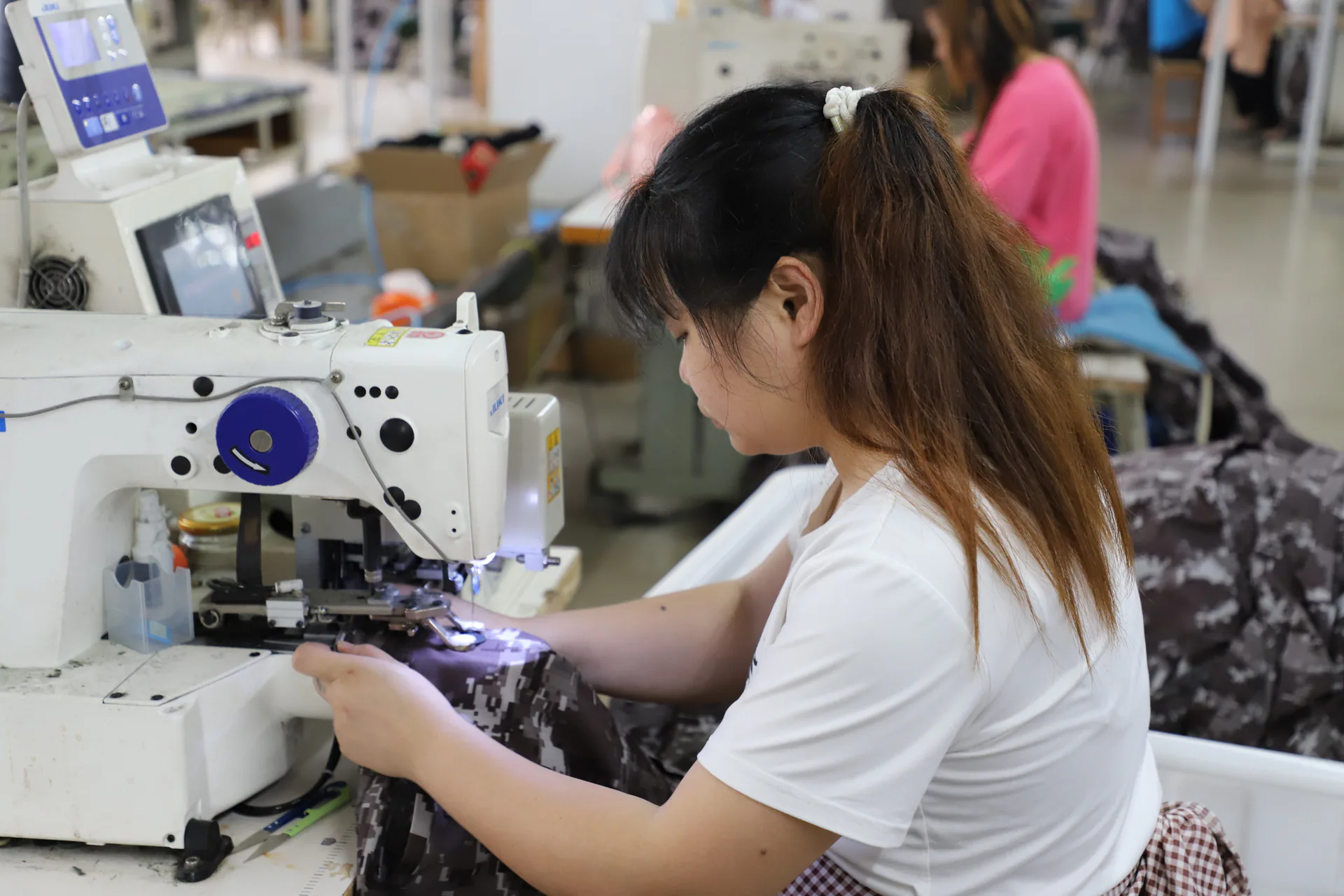
Production repeatability
Material codes, measurements, trims and identity artwork are linked to one accepted configuration. Inline checks focus on the details most likely to affect fit, function and appearance across the bulk order.
Apparel development
The workflow keeps fit, function and commercial decisions in the same record.
List the clothing set, quantities, climates, wearer roles and seasonal issue needs.
Translate movement, storage, weather and care needs into materials and garment details.
Review fit and equipment interfaces on the fabric and construction being proposed.
Approve measurements, grading, colour, artwork, labels and placement.
Check the accepted configuration and reconcile sizes, sets and destination packing.
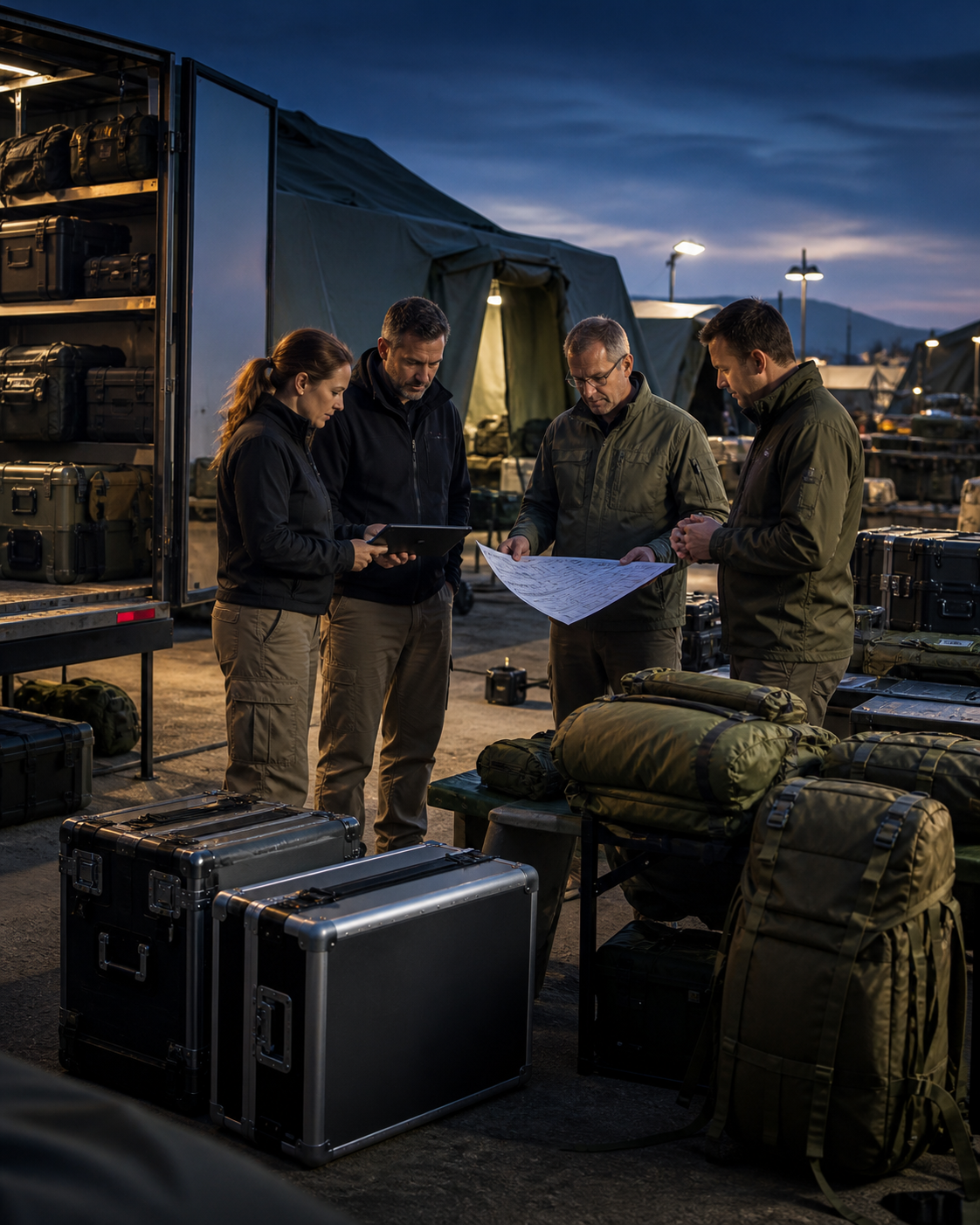
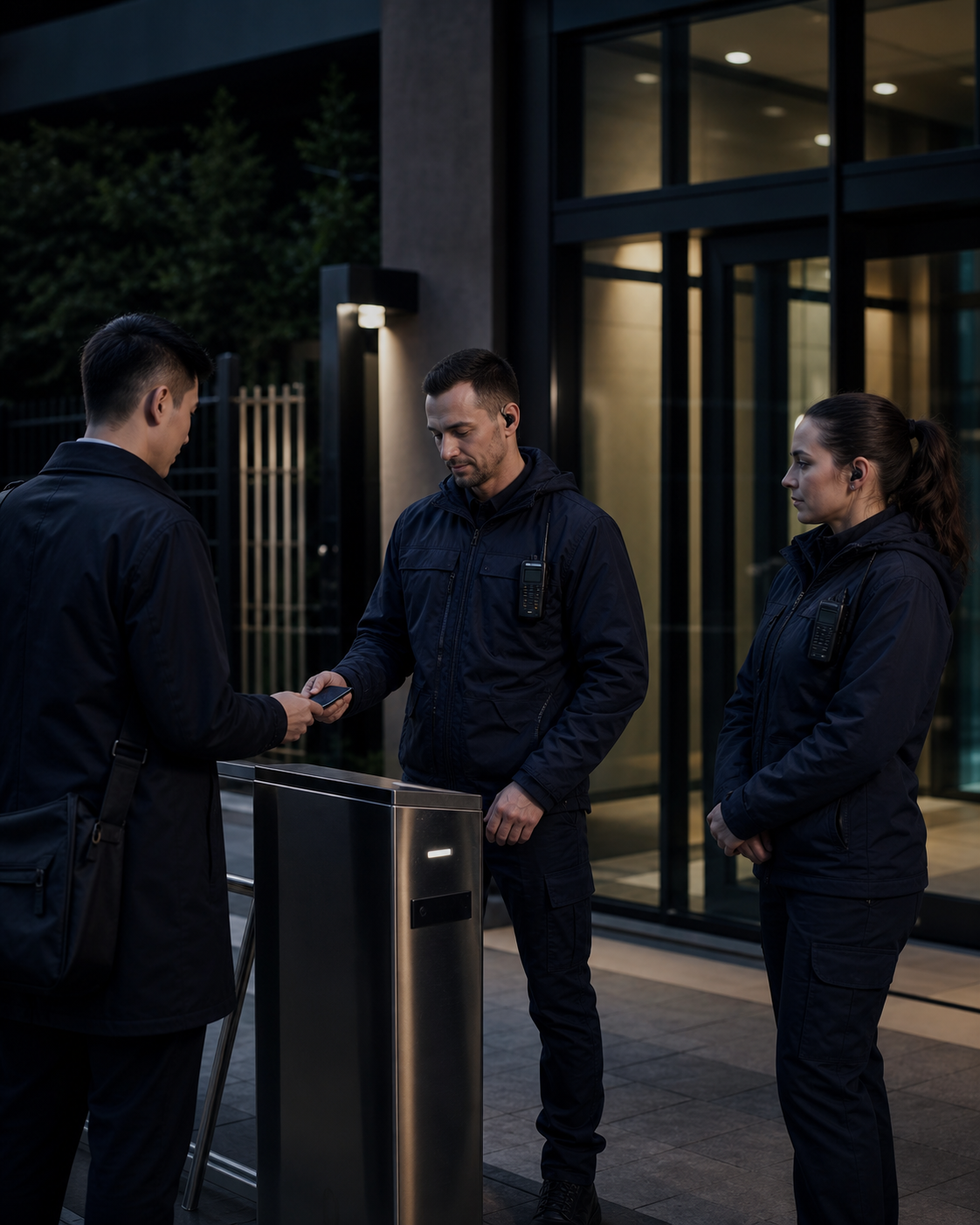
Application contexts
Use these common program contexts to clarify the specification and route your enquiry to the most relevant product and project-support pages.

Buyer resources
The resources below help you define the requirement, choose the right approval stage and request a more comparable quotation.
Request the current company catalogue, then tell us which product families and configurations should be included in your quotation.
Request catalogue accessChoose evaluation, development, size-set and pre-production samples correctly.
Read the buyer guideConnect measurements, fit, grading and the production ratio.
Read the buyer guideUse a disciplined material brief for woven and knitted duty garments.
Read the buyer guideGarment development and production
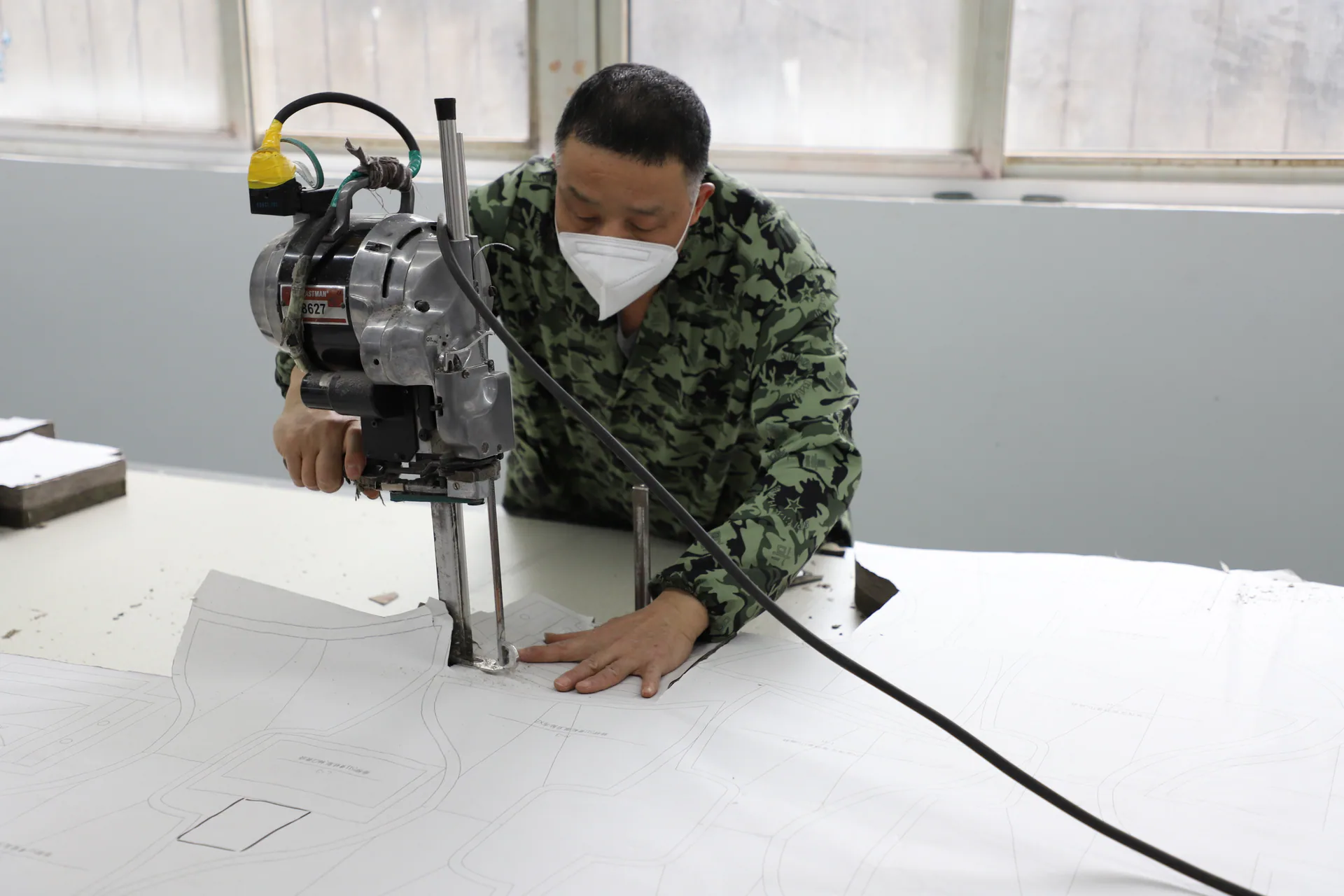
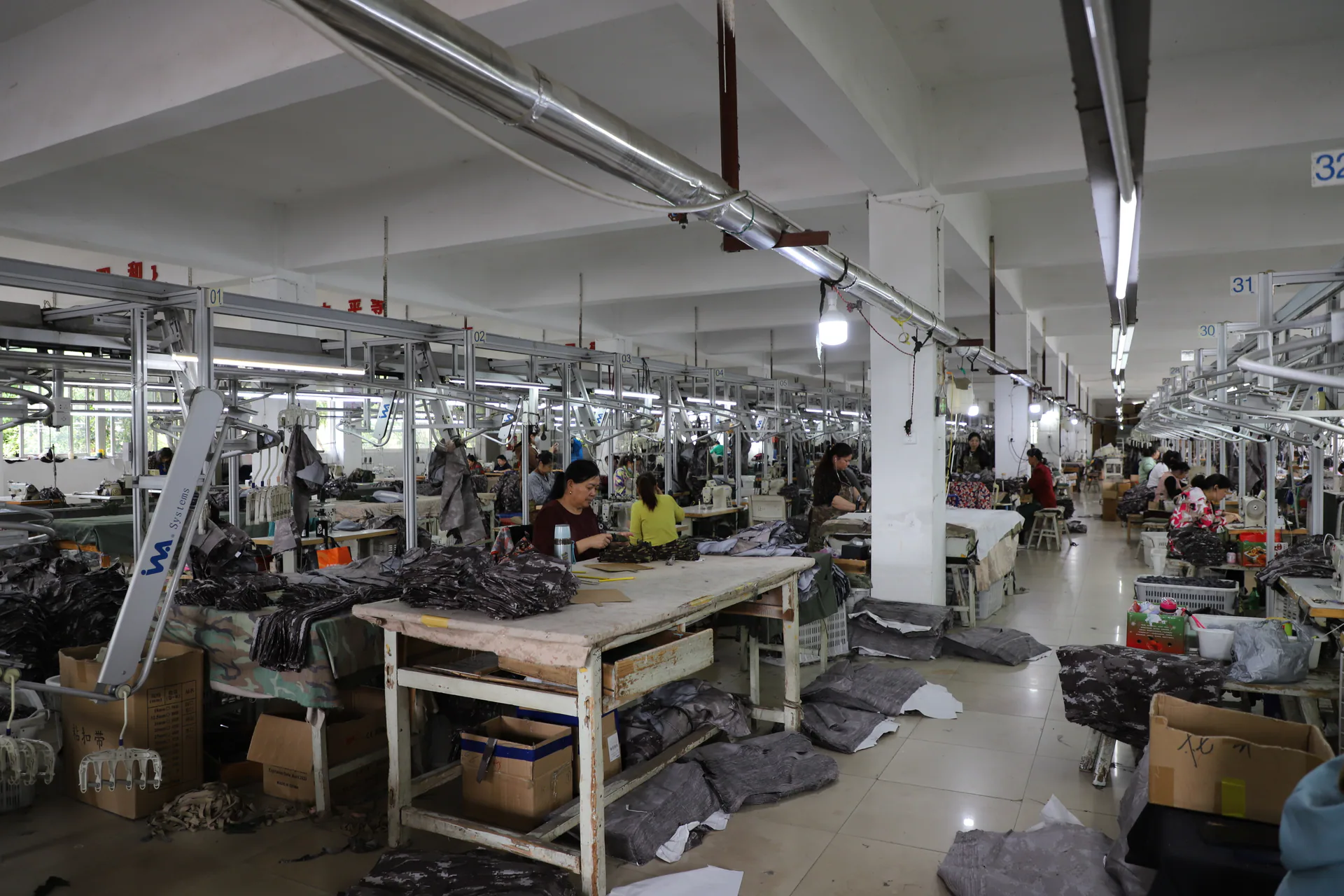
Jinteng has worked with institutional garment requirements since 2002. Commercial, product-development, production and quality workstreams coordinate the selected supply route, close sample comments and keep approved garment details visible through final packing.
Configuration details
Review the product-specific details below, then use these tabs to plan any changes.
Define which garments work together and when each is issued.
Make movement, storage and wear-zone decisions explicit.
Material behaviour and layering affect the finished garment.
Exact configuration documents align visible identity, accepted products, sizes and packing logic.
Decision-ready records
Useful records make fit, materials and included services visible before the purchase decision.
A component matrix identifying the proposed style, material, colour, size range and quantity.
A sample comment record covering movement, pocket access, overlap and required changes.
Identified colour, trim, label and artwork submissions linked to the accepted sample.
A kit BOM, size allocation, label hierarchy and pilot pack reconciliation.
Frequently asked questions
These answers address the configuration, order planning and approval details that most often affect a bulk project.
Start with wearer roles, climate, movement, planned layers, carried equipment and care route. Build the required garment set from those inputs, then compare materials, construction, sizing, identity and packing rather than choosing by appearance alone.
Yes. Material zoning or different garment fabrics may be appropriate when the duty profile requires different stretch, warmth, abrasion or drying characteristics. The BOM should identify each material and the sample should confirm colour coordination, care compatibility and fit.
Select sizes that reveal both fit and grading across the proposed range, not only one middle size. Record finished-garment measurements, wearer observations, layering conditions and required pattern changes before approving the chart and order ratio.
Provide an authorized colour or artwork reference and placement instructions. The supplier should return identified submissions, and the buyer should record the accepted colour, dimensions, technique and sample revision before bulk work begins.
Garment construction, materials, trims, size range, quantity, customization, sampling, inspection, individual or set packing and delivery terms all affect the commercial offer. Quotations should identify assumptions and separate optional services.
Buyer guide
A clothing matrix prevents individual garment decisions from conflicting across one program.
Create one row for each garment and wearer group, then show climate, season, planned layers, equipment interface, first-issue quantity and replacement need. A softshell for a mobile outdoor role may require different ease, pocket access and material priorities from a field jacket used as a durable outer layer. Keeping those conditions beside the garment line helps suppliers coordinate common colours and identity while preserving necessary construction differences instead of offering one generic clothing set.
Describe the actual movement, abrasion points, exposure, drying conditions and care frequency. Where a measurable property is mandatory, name the method, conditioning and acceptance basis supplied by the project. For open fields, request a proposed material with fibre, construction, finished weight and finish rather than a broad performance adjective. Review the fabric together with the garment pattern because stretch, thickness and drape can change fit, reinforcement needs and the way pockets or closures operate.
Compare garments, development samples, material or artwork submissions, requested project documents, labels, individual or set packing and delivery on the same response sheet. Confirm that each quotation covers the same garment components, size range, customization and allocation work before comparing unit prices. Optional layers and services should be shown separately. This approach makes the commercial decision reflect the complete delivered program and reduces later additions that were absent from an apparently lower initial price.
Review representative sizes with the intended layers and selected equipment, record movement and pocket-access comments, and update both the measurement chart and ratio plan. Before bulk packing, reconcile one complete issue set against the garment matrix, identity instructions and labels. Confirm how different garments and sizes will be grouped for wearers or locations. Retain the accepted set and revision references so replacement purchasing can reproduce the intended combination rather than ordering individual garments that no longer coordinate.
Project enquiry
Share the current requirement, even if some technical fields still need a supplier proposal. We will use the product IDs and project context to recommend the next quotation or sample step.
Share the product, quantity, destination, customization and delivery requirements. Our business team will reply with suitable options and the next quotation step.
 WhatsApp