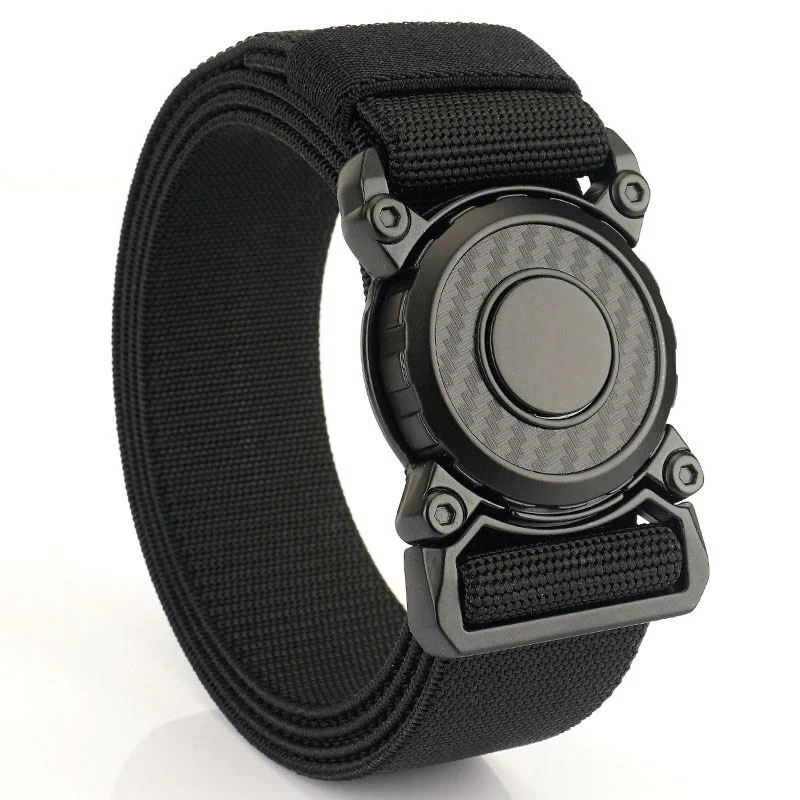
JT-A-005
Customized Molle Utility Duty Tactical Belt Black Strap Alloy Auto Lock
- Item
- Tactical Belt
- Color
- Black & Olive Green & Khaki

Load carriage systems
Compare vests, backpacks, duty belts and pouches as an integrated carrying system, then define attachment, capacity, load distribution, colour, item allocation and project documentation.
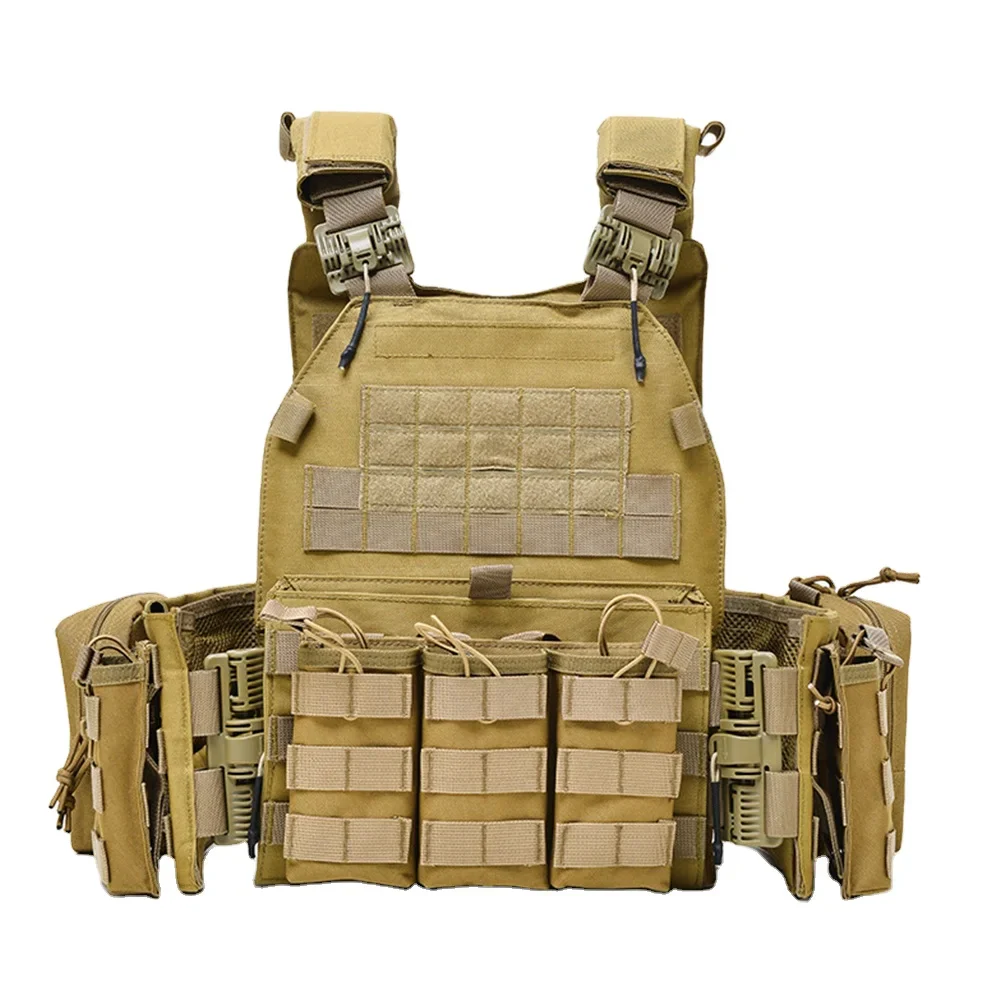
Available product options
Compare the styles below. Open a product for its details, or send the product ID and your requirements to discuss a quotation.
JT-A-005
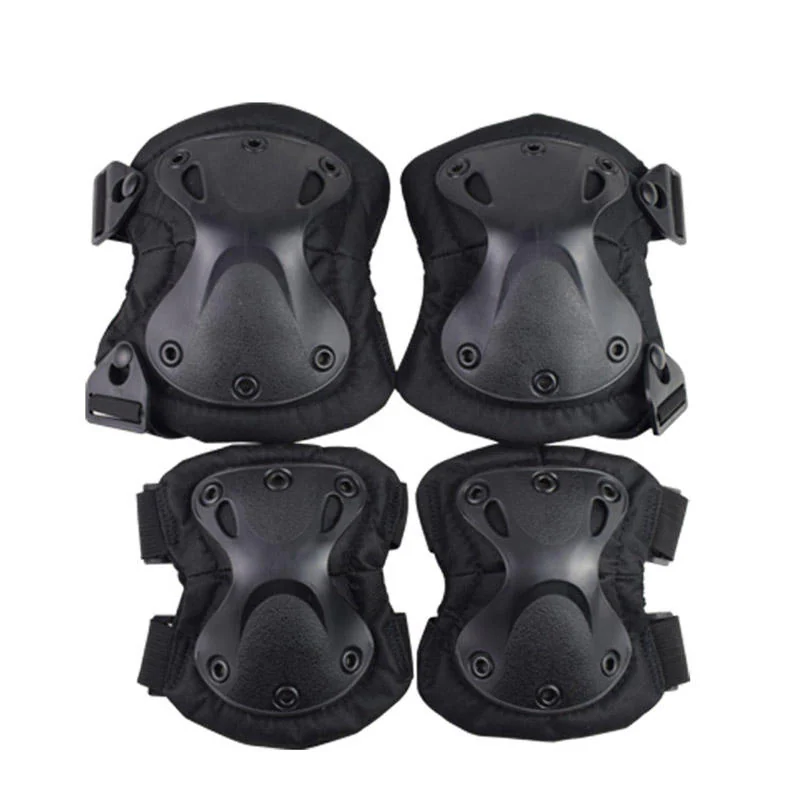
JT-A-008
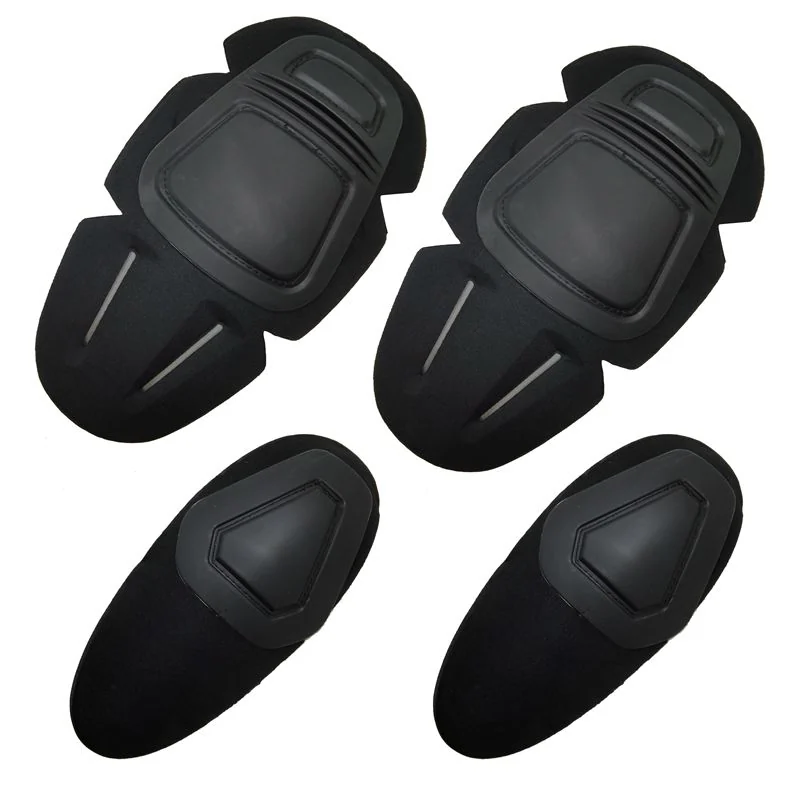
JT-A-015
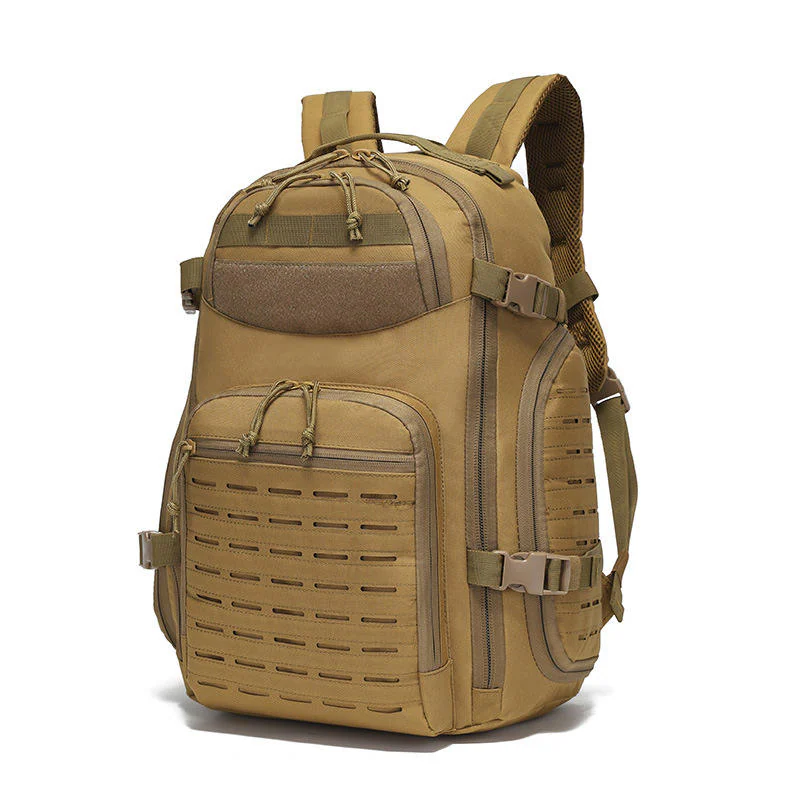
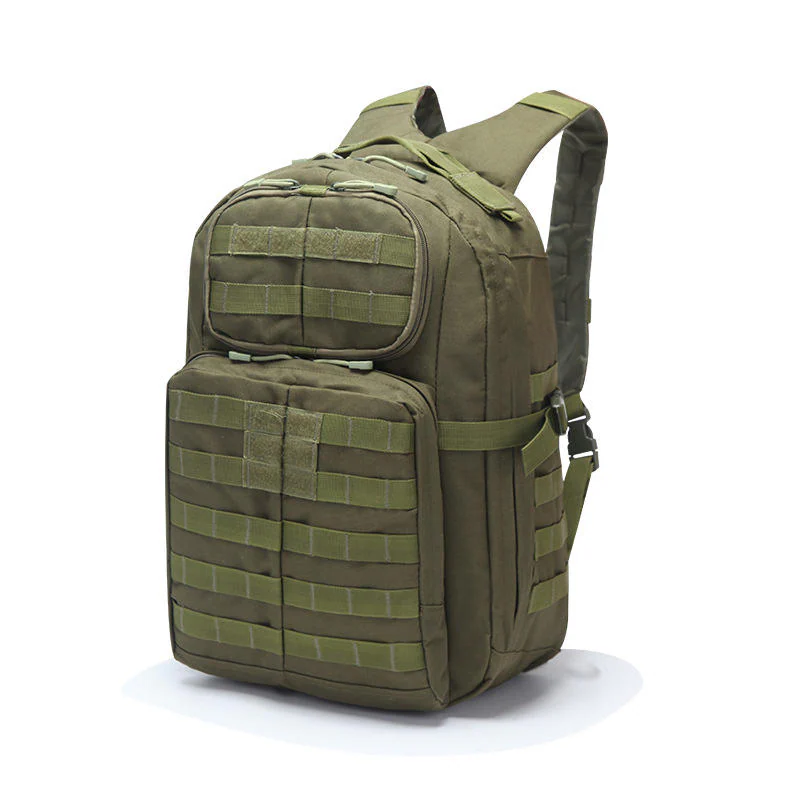
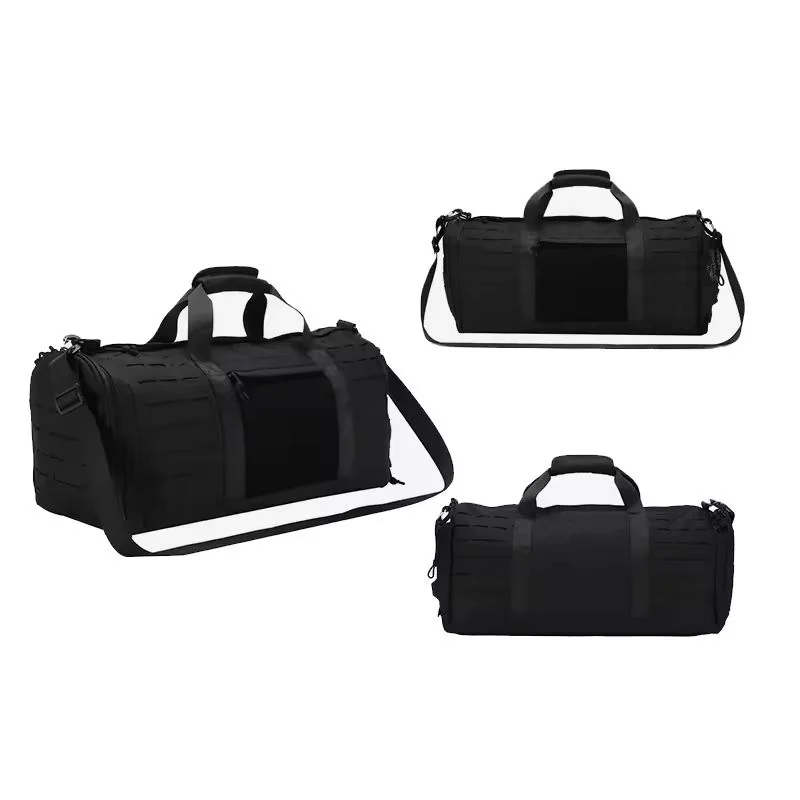
JT-BP-015
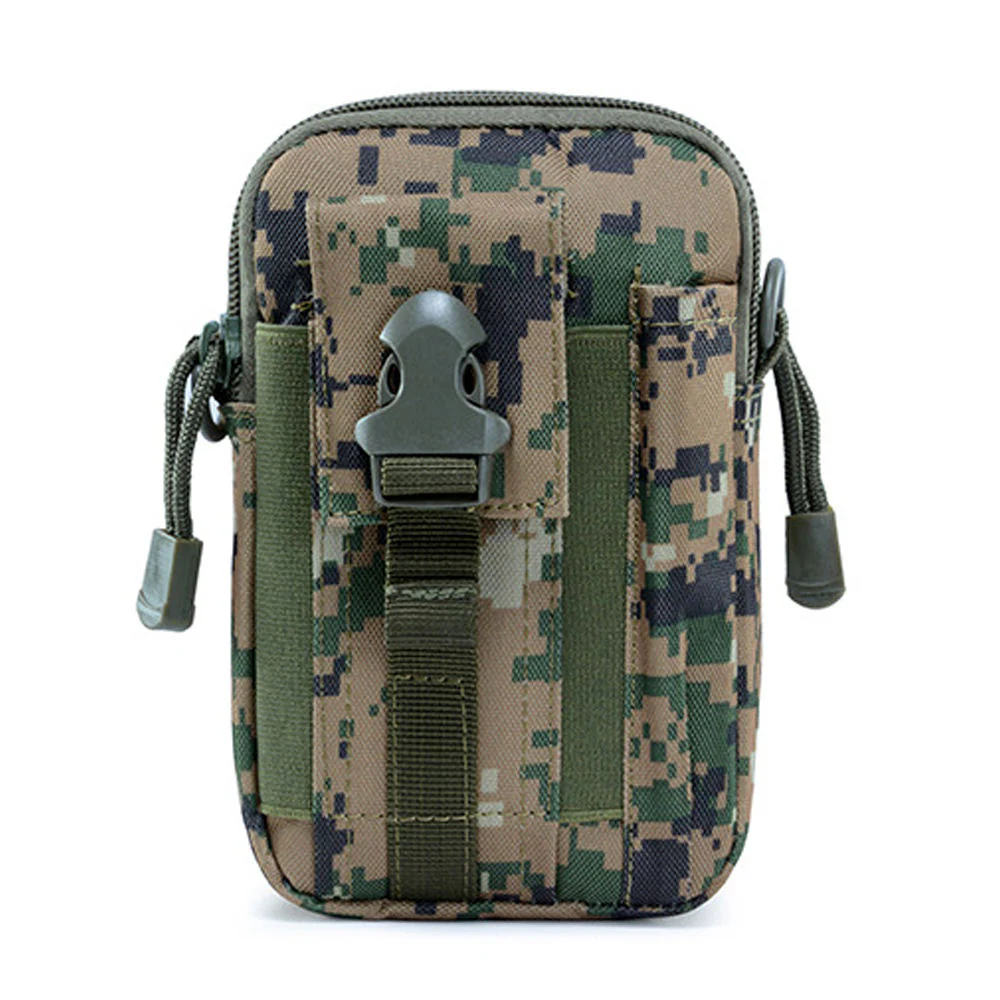
JT-BP-017
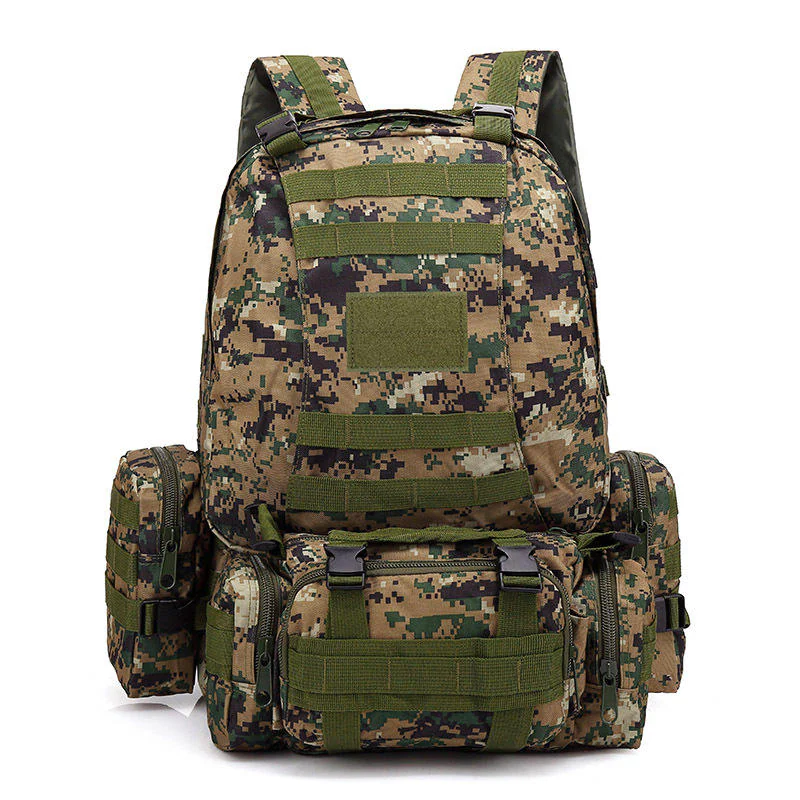
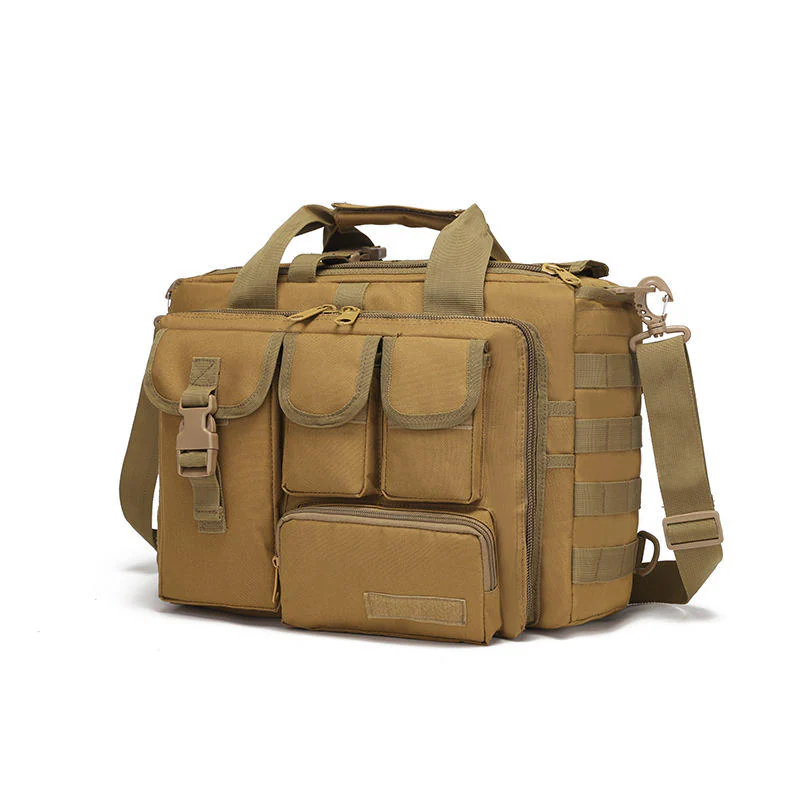
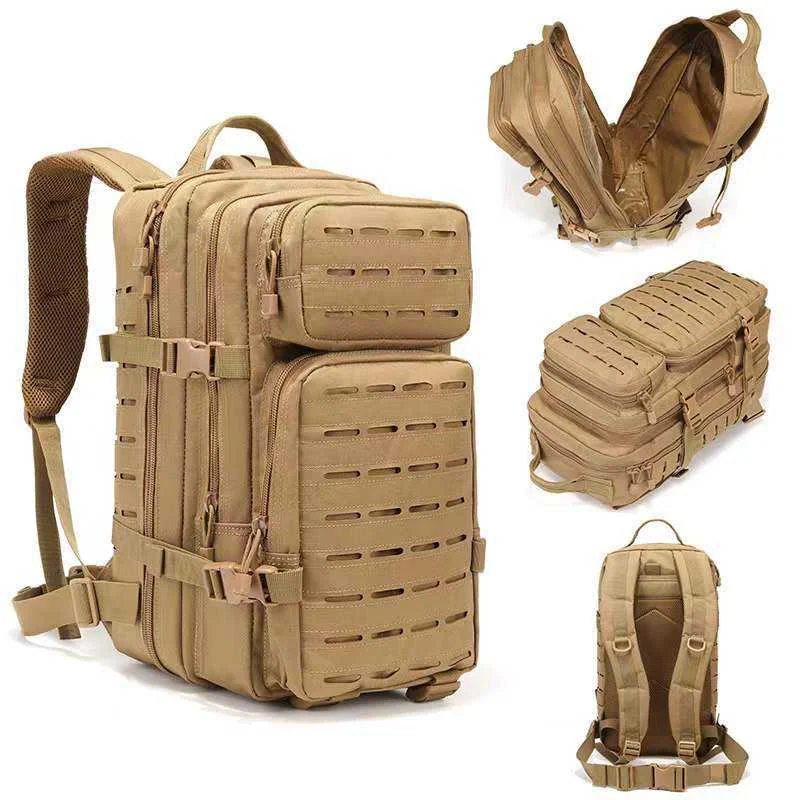
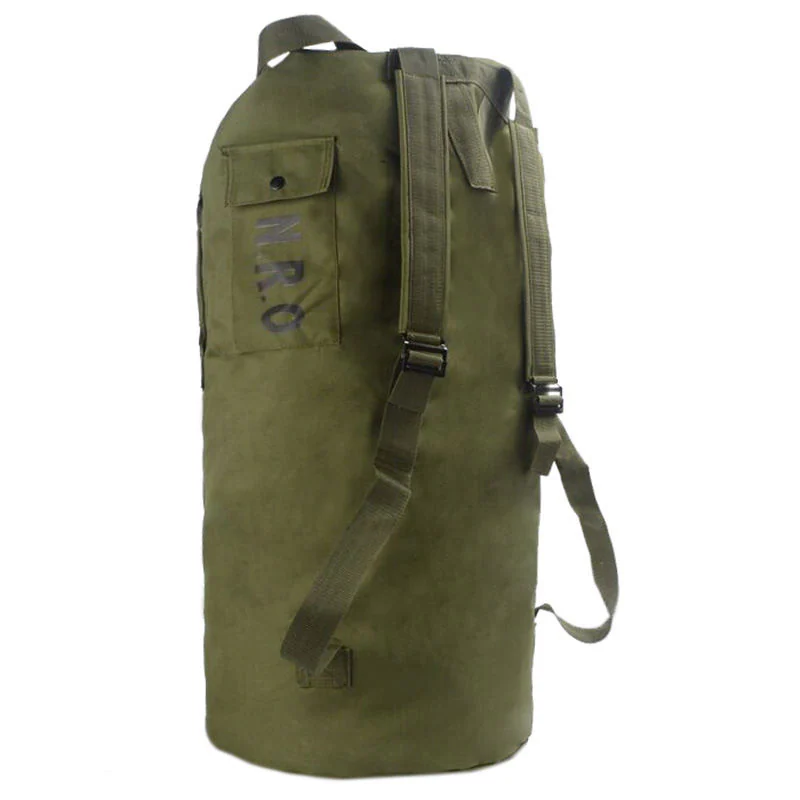
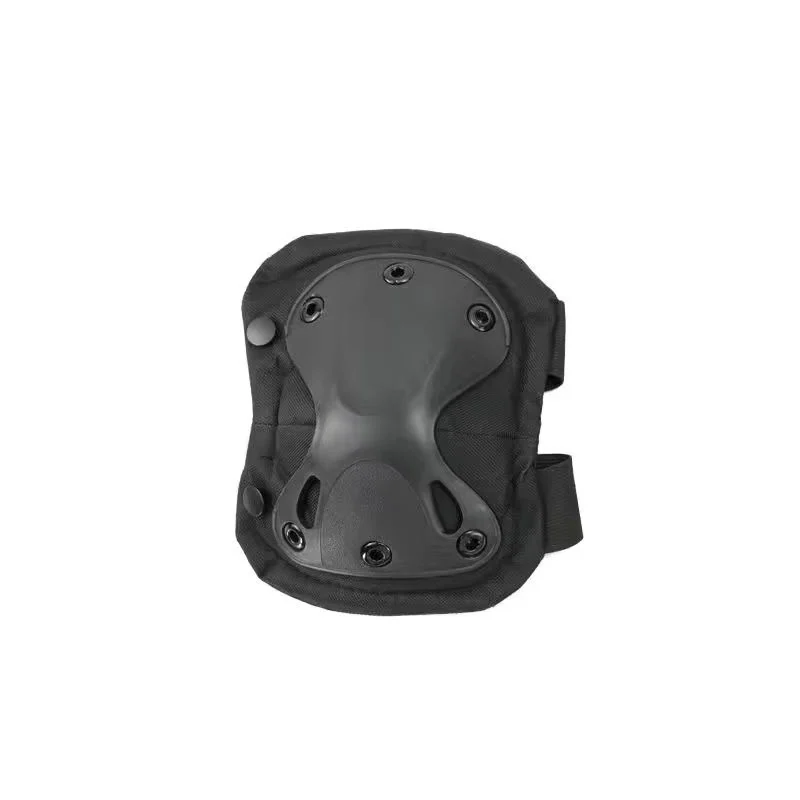
JT-CI-006
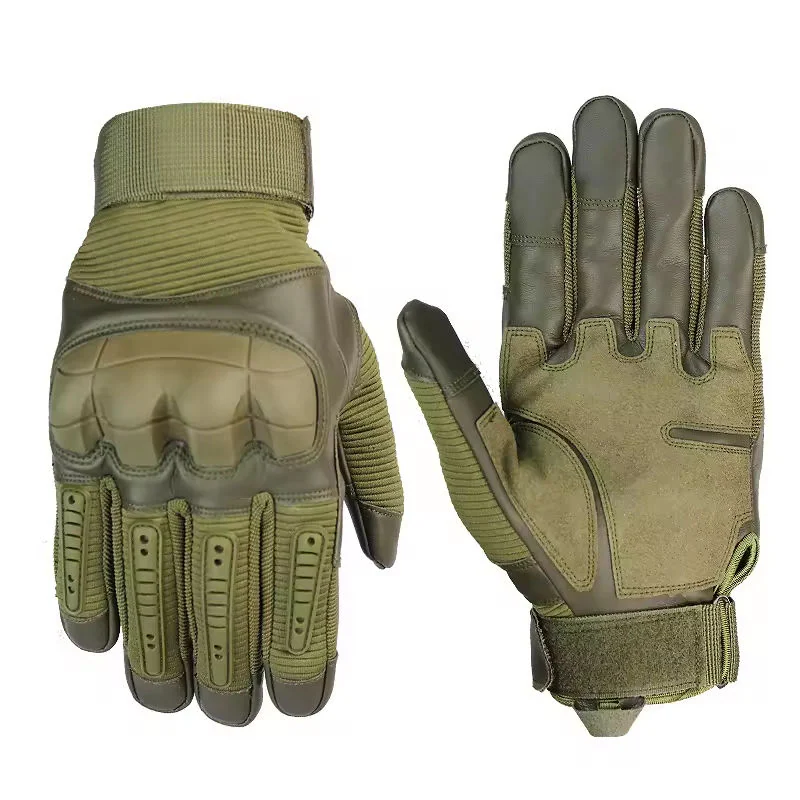
JT-HP-006
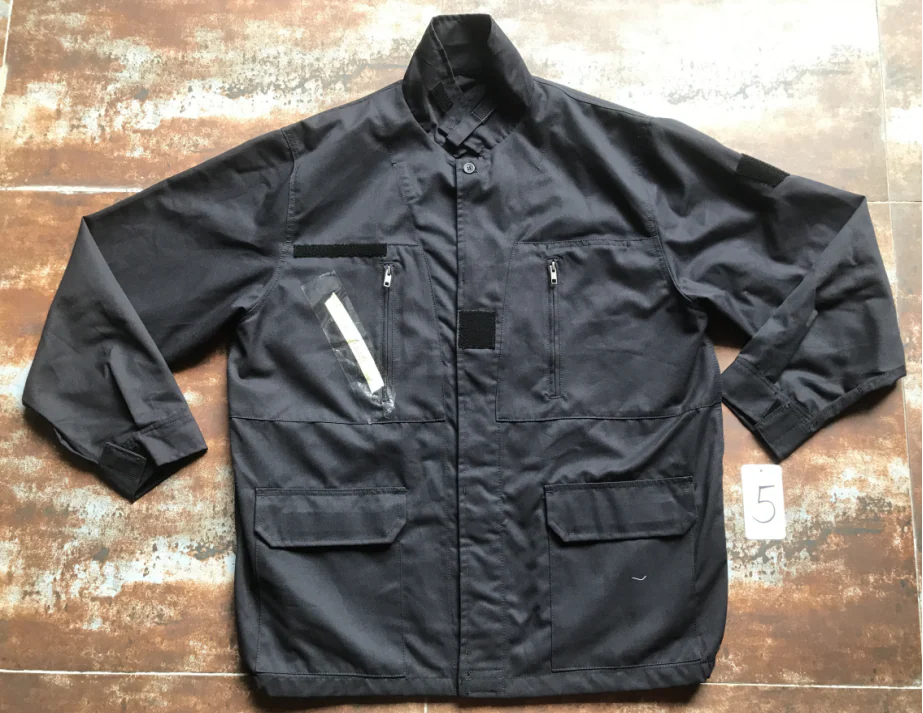
JT-HP-009
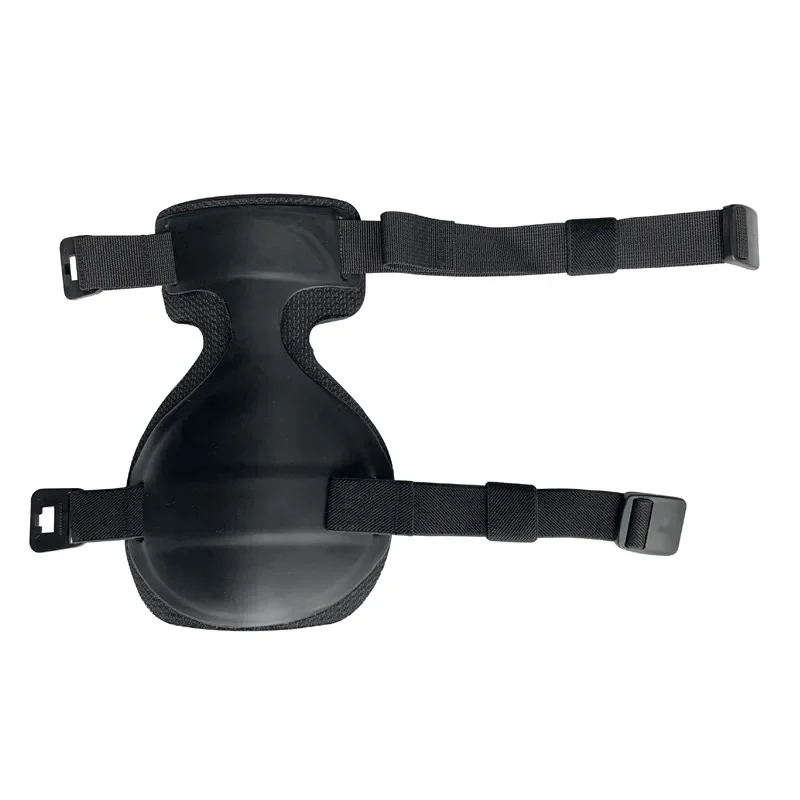
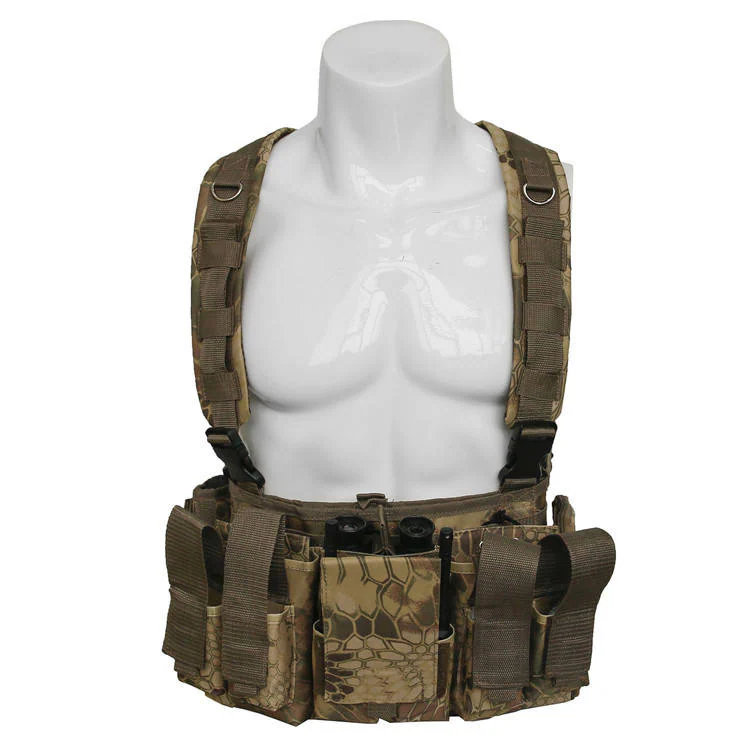
JT-VEST-002
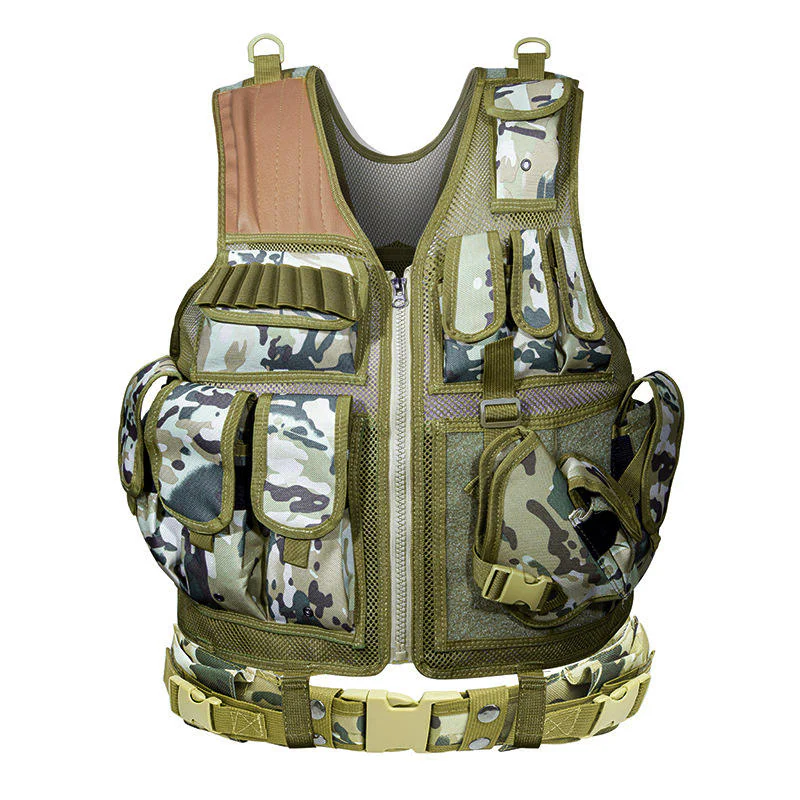
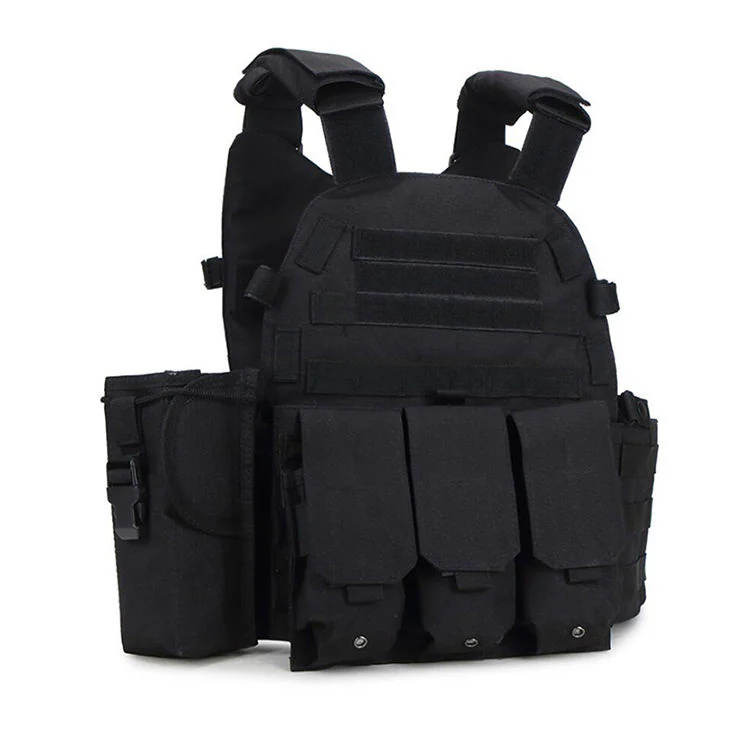
JT-VEST-004
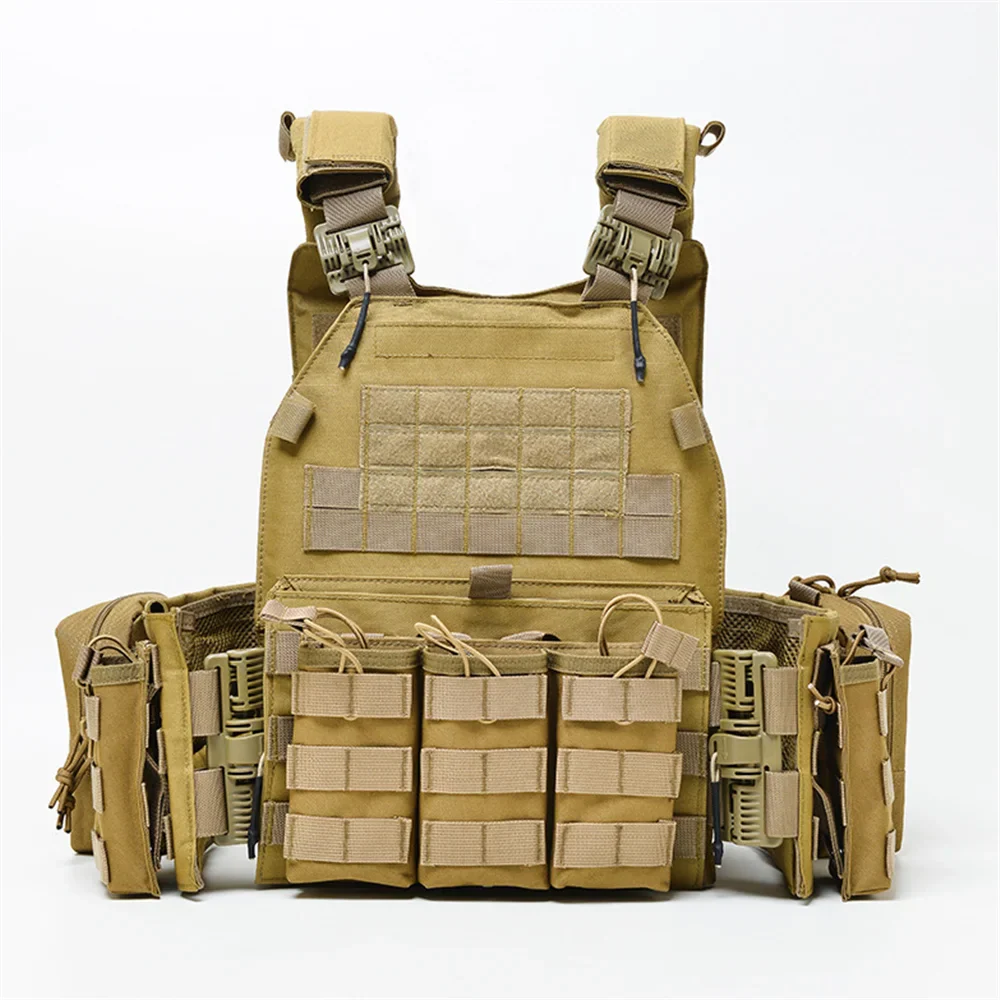
JT-VEST-006
JT-VEST-008
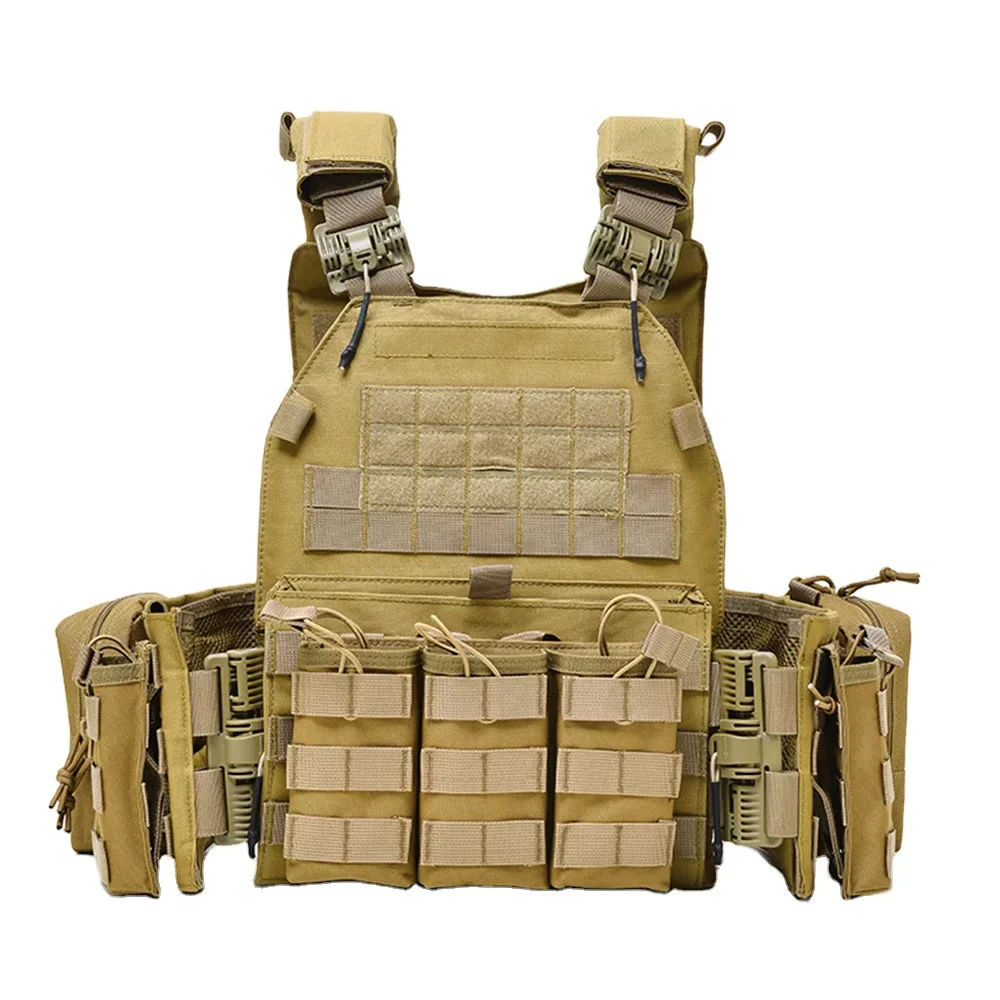
JTT-L01
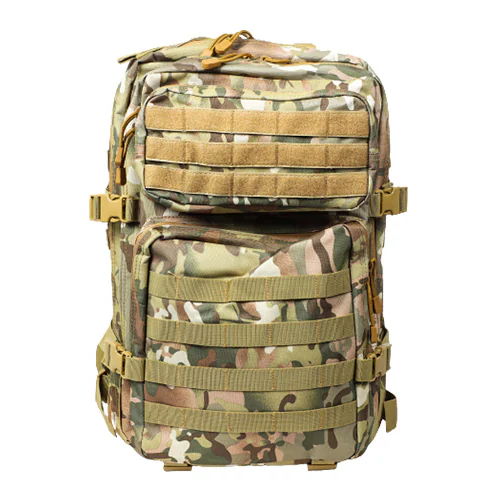
JTT-L02
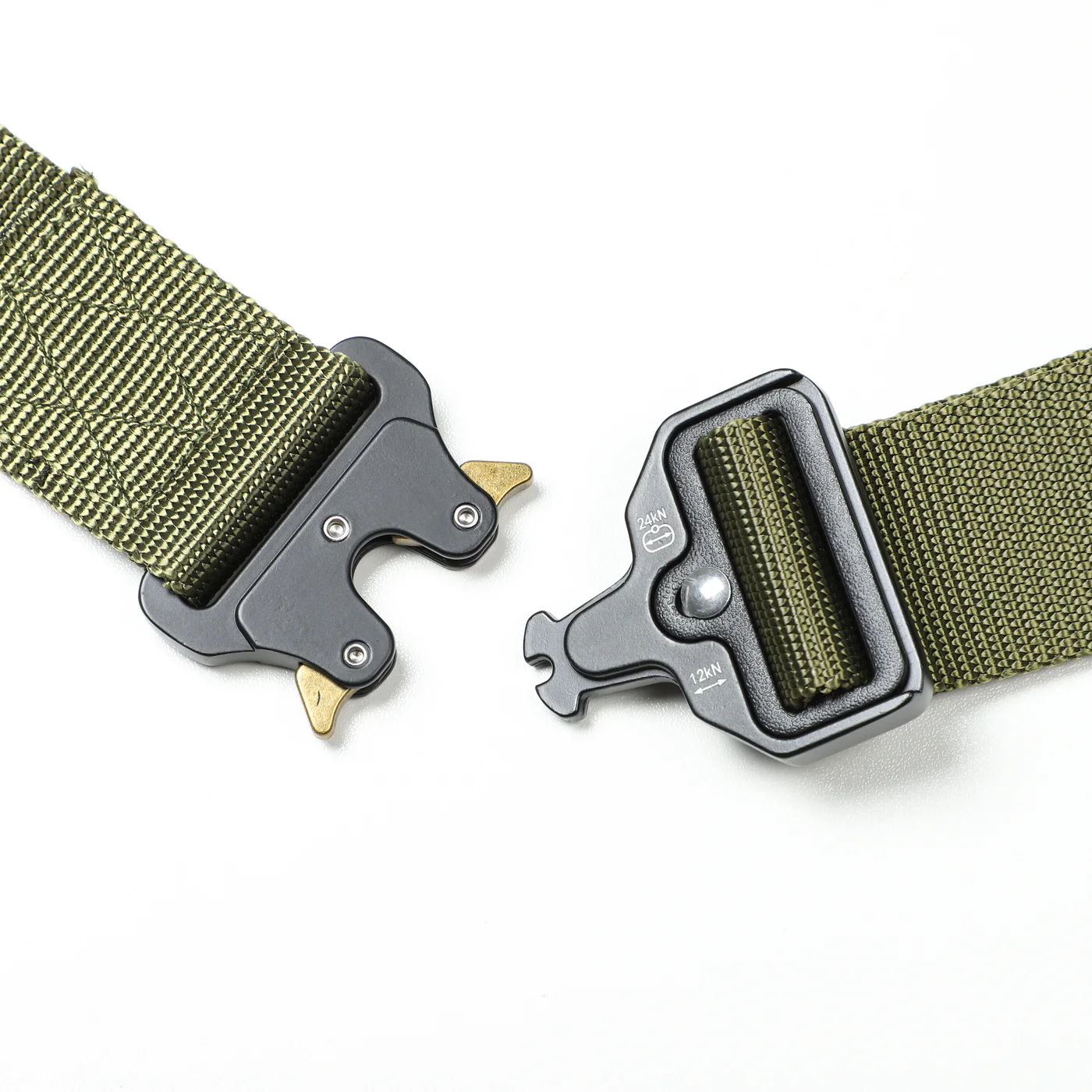
JTT-L03
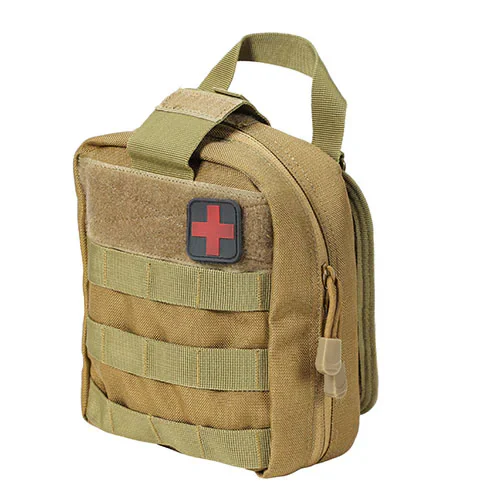
JTT-L04
System-level selection
Load carriage tactical equipment should be evaluated by the equipment it carries, the order in which users need access and the way components interact on the body. Jinteng helps buyers convert those tasks into a proposed carrier, attachment map, component BOM, sample review plan and packing matrix so competing offers and delivered sets can be checked on the same basis.
Product selection
Find the style closest to your needs, then explore the available products.
01 · Body-carried platform
Carrier layouts configured by panel area, adjustment, closure, attachment fields and required pouch positions.
View product details02 · Pack system
Compare day and field packs by usable capacity, compartment plan, harness, access and external attachment.
View product details03 · Waist-carried equipment
Belt and attachment combinations organized around equipment position, retention, adjustment and wearer movement.
View product details04 · Defined contents
Pouch configurations identified by dimensions, opening, mounting and buyer-approved contents responsibility.
View product detailsProduct advantages
Compare the features below when choosing your products.
Place required equipment by access priority, dimensions, weight and wearer role.
State webbing, panel, belt and accessory interfaces with measurable dimensions.
Review range, stability and movement with the planned clothing and equipment.
Use a BOM and packing check so every delivered set contains the accepted parts.
Equipment interface
List the equipment each wearer must carry, define access priority and propose a location for every component. Sample review can then focus on reach, interference, retention and movement instead of subjective appearance.
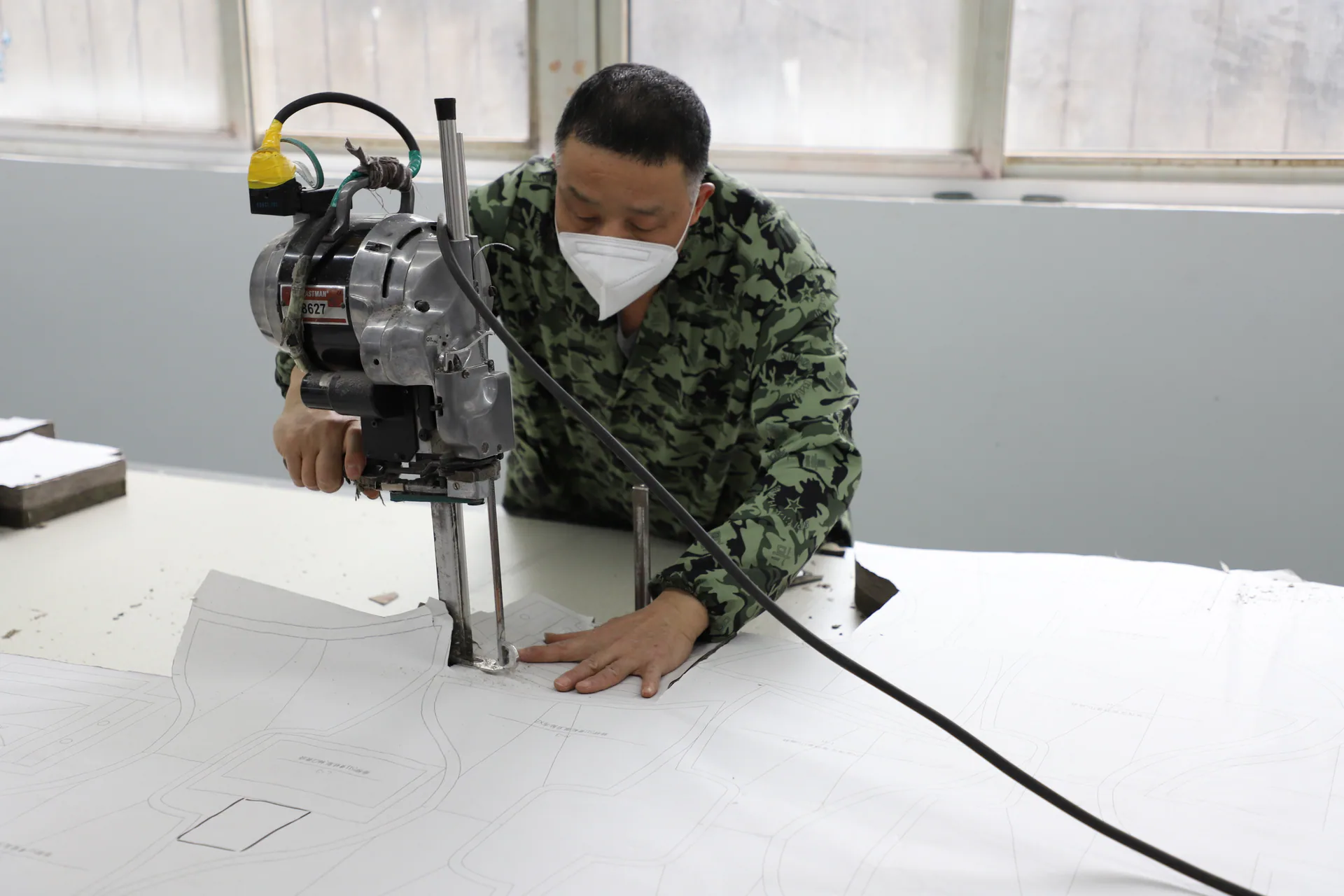
Delivered configuration
The accepted record names the carrier or pack, every included pouch and strap, colour, hardware, size or adjustment range and packing position. Pilot-set reconciliation confirms that the configuration can be repeated before full packing.
Configuration workflow
Each step closes a specific interface or delivery risk.
List carried items, approximate loads, access priority, clothing and use duration.
Select carrier, pack, belt and pouch construction with attachment positions.
Check adjustment, reach, interference, retention and the complete component list.
Approve item references, colour, hardware, labels and packing hierarchy.
Check pilot and bulk sets against the BOM, quantities and delivery allocation.
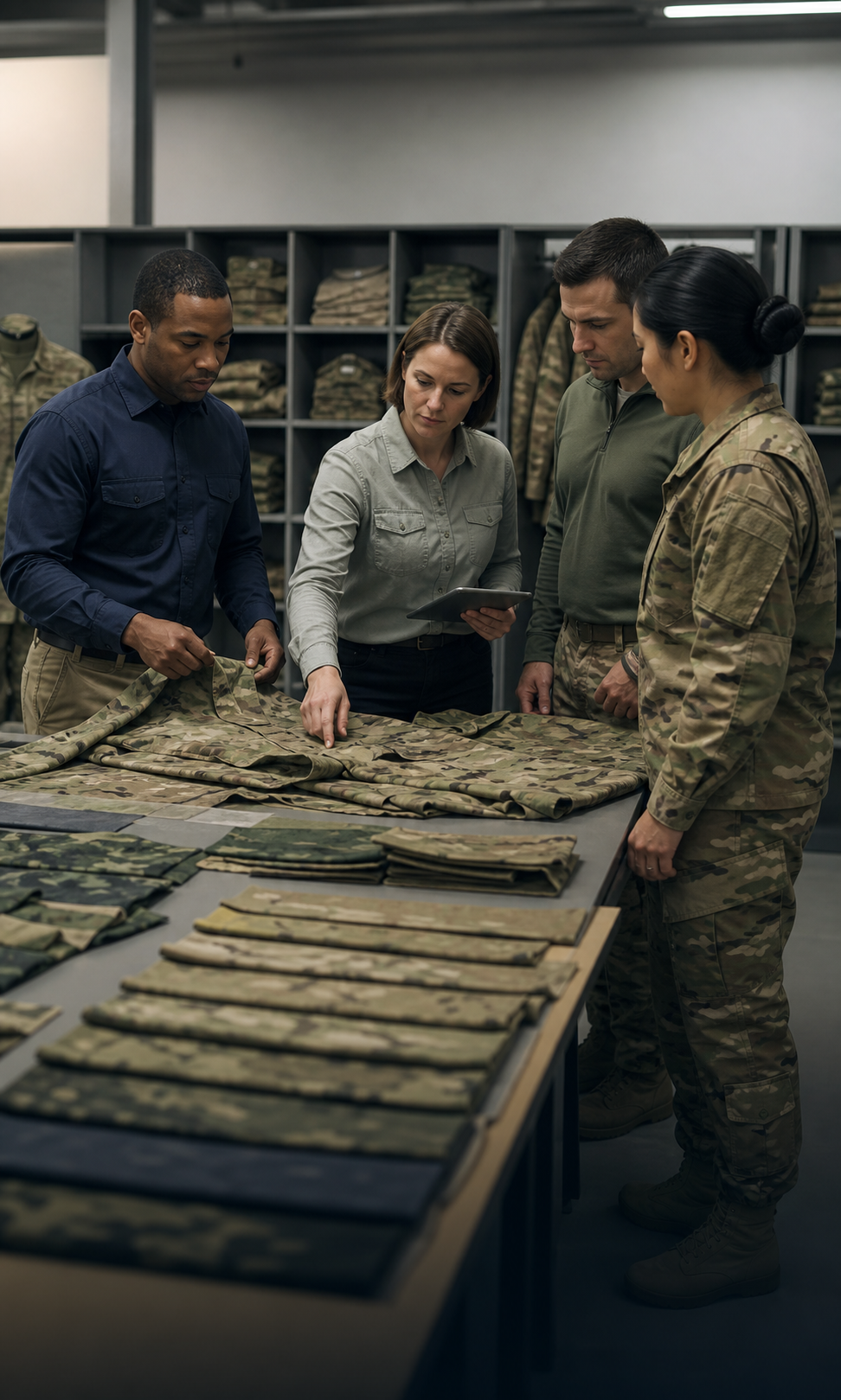
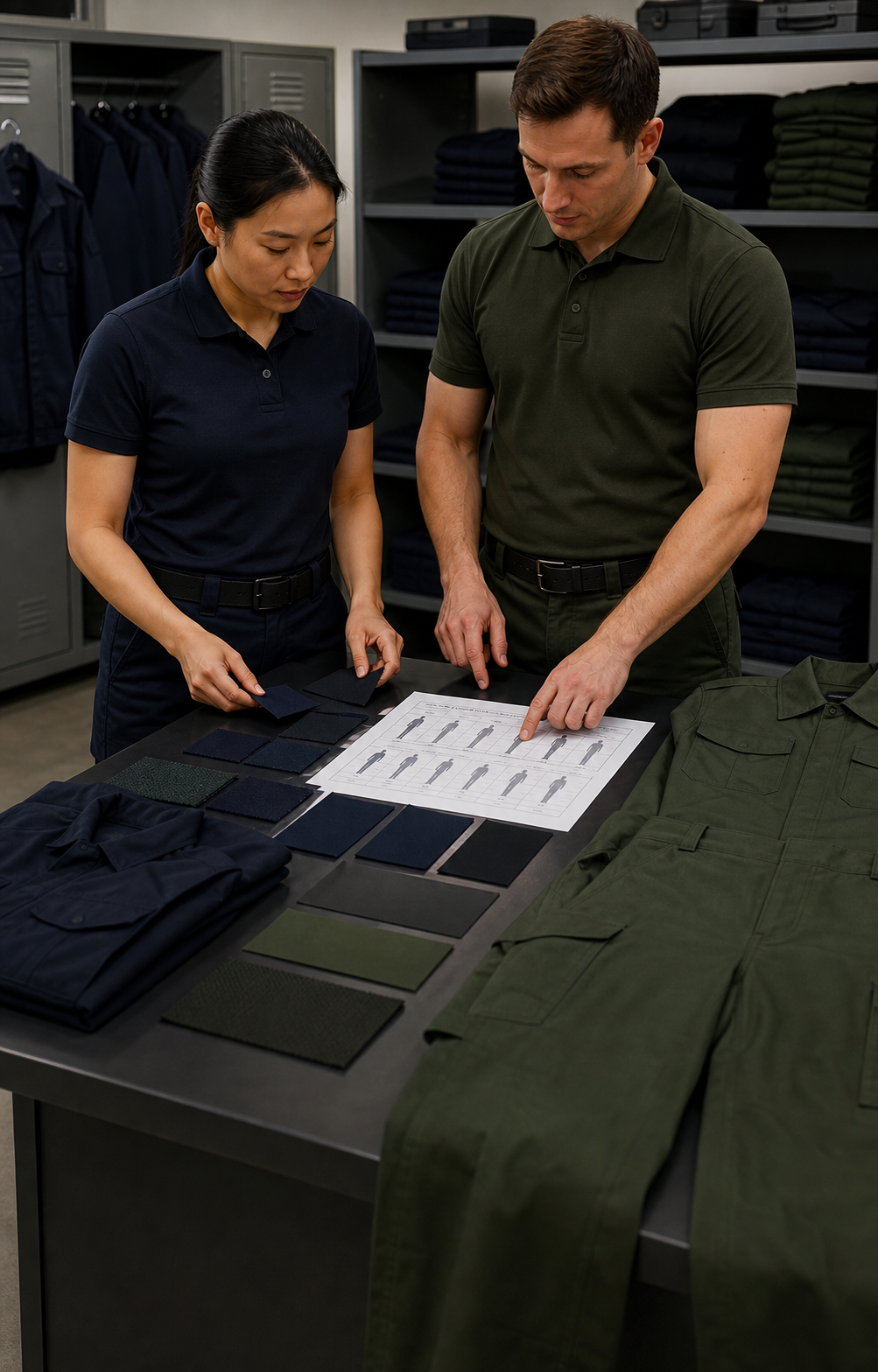
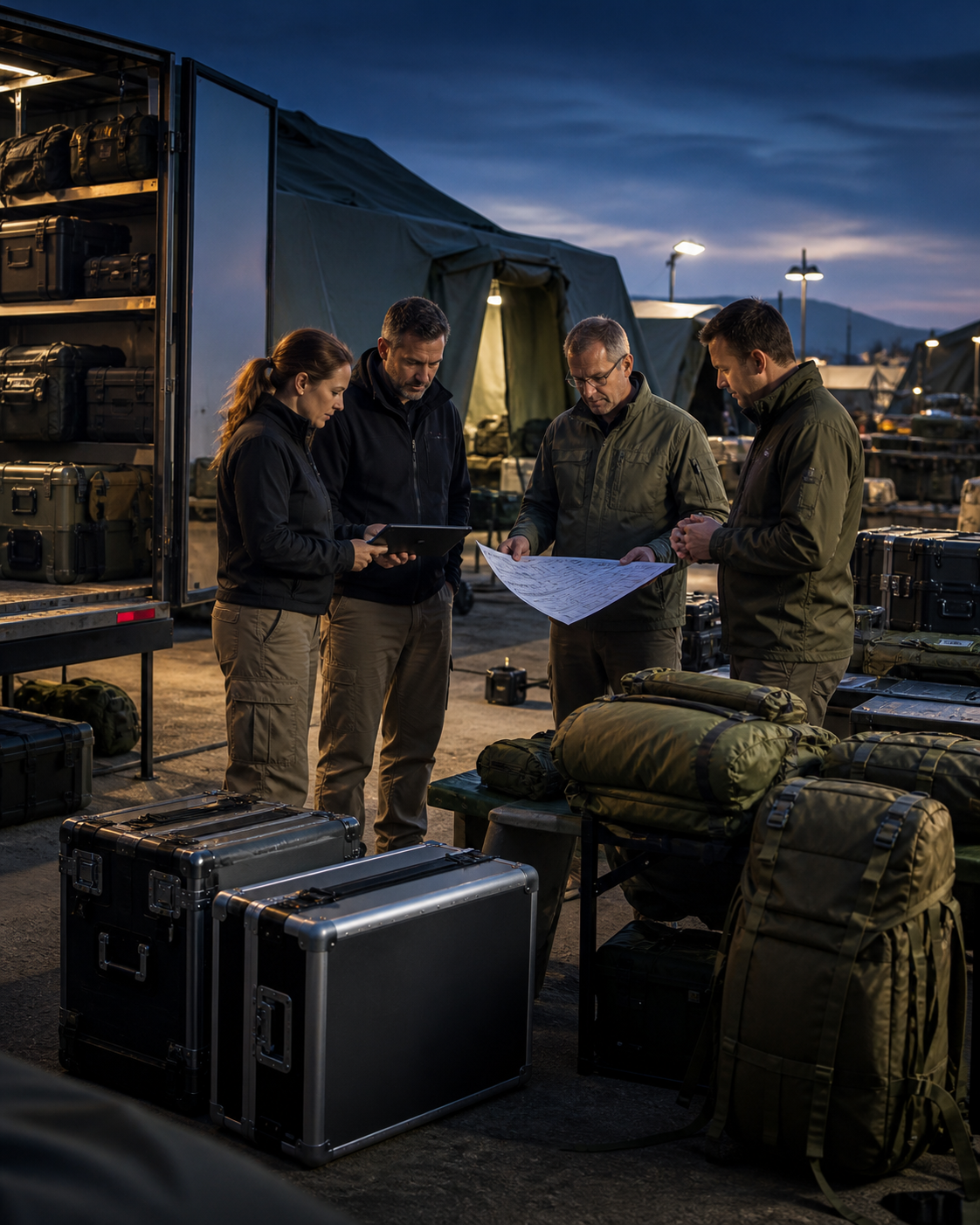
Application contexts
Use these common program contexts to clarify the specification and route your enquiry to the most relevant product and project-support pages.
Buyer resources
The resources below help you define the requirement, choose the right approval stage and request a more comparable quotation.
Request the current company catalogue, then tell us which product families and configurations should be included in your quotation.
Request catalogue accessControl multi-component sets from BOM to carton.
Read the buyer guideMatch sample type to configuration decisions.
Read the buyer guidePlan acceptance and allocation records before shipment.
Read the buyer guideSupply coordination
Jinteng coordinates institutional equipment programs from Wuhan. Load carriage products may follow different qualified supply routes, so the offer is controlled by exact product references, configuration comments, a component BOM and delivery records rather than a general statement about one manufacturing source.

Configuration details
Review the product-specific details below, then use these tabs to plan any changes.
Different carrying tasks require different platforms and access layouts.
The sample should be checked with intended clothing and specified equipment.
Records should connect product, component and packing decisions.
Packing follows the approved BOM and buyer distribution plan.
Decision records
The purchase record should connect user tasks to every included component.
A carried-item matrix and attachment map identifying position, access priority and interface.
A part-level BOM naming the carrier, pouches, straps, hardware, colour and quantities.
Sample comments covering adjustment, movement, reach, retention and equipment interference.
Pilot-set and packing reconciliation tied to item labels, carton marks and destinations.
Frequently asked questions
These answers address the configuration, order planning and approval details that most often affect a bulk project.
Provide wearer roles, carried-item dimensions, approximate load, access priority, use duration, clothing layers and any specified equipment interfaces. Quantities, colour, labeling and delivery allocation help turn that task brief into a comparable commercial offer.
Load it with the intended equipment and check adjustment, stability, reach, retention, movement and interference with clothing or other specified equipment. Record the exact pouches and positions on the accepted sample rather than approving an empty carrier.
Yes. Use one base platform where practical, then define role-specific components and positions in separate BOM rows. Labels and packing should make each set distinguishable without opening every package.
Compare usable compartment dimensions, intended contents, access, harness adjustment and load placement, not a nominal volume alone. A packed sample or packing plan helps confirm whether the proposed configuration supports the required task.
For the exact proposed configuration, retain the option sheet, component BOM, attachment map, sample comments, accepted reference, labels and packing reconciliation. Any required test or inspection document should name the applicable model, material and acceptance basis.
Buyer guide
A useful specification begins with carried tasks and ends with a component-level delivery record.
List every required carried item with dimensions, approximate weight, access priority, quantity and wearer role. Add the expected duration, clothing layers and any fixed equipment interfaces. This reveals whether a vest, pack, belt or combined system is appropriate and which equipment needs immediate, secondary or protected access. Starting with the load also prevents unnecessary pouches from driving the layout and gives suppliers a common basis for proposing capacity, attachment space and adjustment.
Review a configured sample with the planned clothing and specified equipment, not as an empty carrier. Check adjustment range, stability, reach, opening, retention, movement and interference in representative positions. Mark each accepted component and location on the attachment map and record any role-specific variation. If a pouch or piece of equipment moves, check the effect on neighbouring items and wearer balance before approving the revision. The sample comments should then update both the map and component BOM.
Place the approved carrier, pouches, straps, panels, hardware, labels and spares on one part-level component list. Identify included and optional items separately so price comparisons do not confuse a base carrier with a complete set. Use the same BOM for pilot-set approval, bulk inspection, pack labels and delivery reconciliation. Receiving teams can then report a missing component by product reference and procurement teams can replenish the affected part without replacing an otherwise serviceable system.
Keep the accepted platform, attachment dimensions, component references and layout revision after delivery. When a pouch, carried item or wearer role changes, review affected access, retention, load balance and interference points before updating the BOM. State whether the revised component remains compatible with existing issued platforms and whether packing labels or spare quantities must change. A documented change process allows replacement purchases to evolve with operational needs while preserving compatibility and accountability across the rest of the system.
Project enquiry
Share the current requirement, even if some technical fields still need a supplier proposal. We will use the product IDs and project context to recommend the next quotation or sample step.
Share the product, quantity, destination, customization and delivery requirements. Our business team will reply with suitable options and the next quotation step.
 WhatsApp