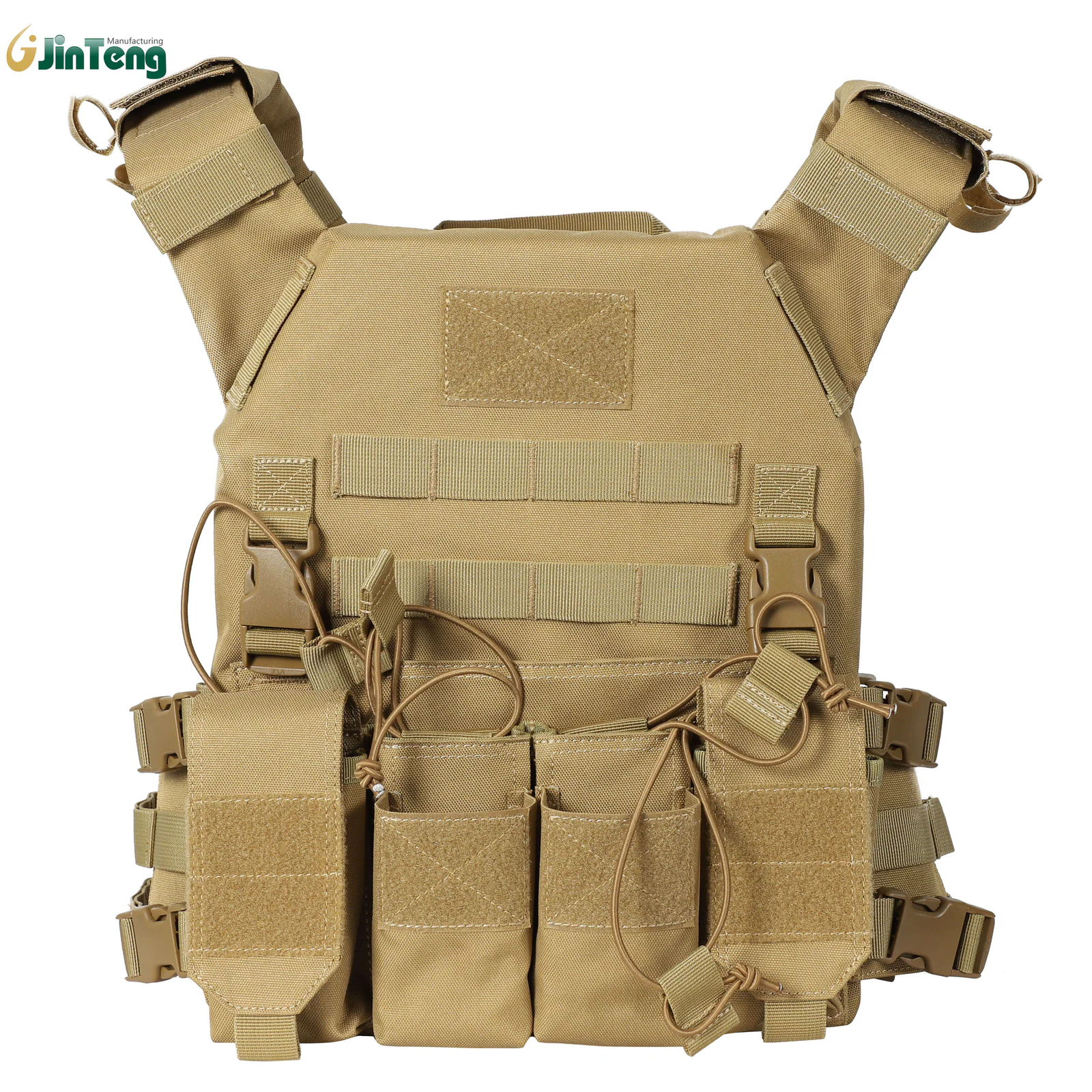
JTT-B01
Configurable Ballistic Vest System
- Configuration
- Defined against buyer specification and approved BOM
- Colour
- Project-specific colours subject to component availability

Authorized institutional procurement
Source ballistic vests, helmets and hard armor for an authorized institutional requirement through a controlled review of buyer, end use, destination, model, protection requirement, carrier configuration, documentation and delivery records.
Available product options
Compare the styles below. Open a product for its details, or send the product ID and your requirements to discuss a quotation.
JTT-B01
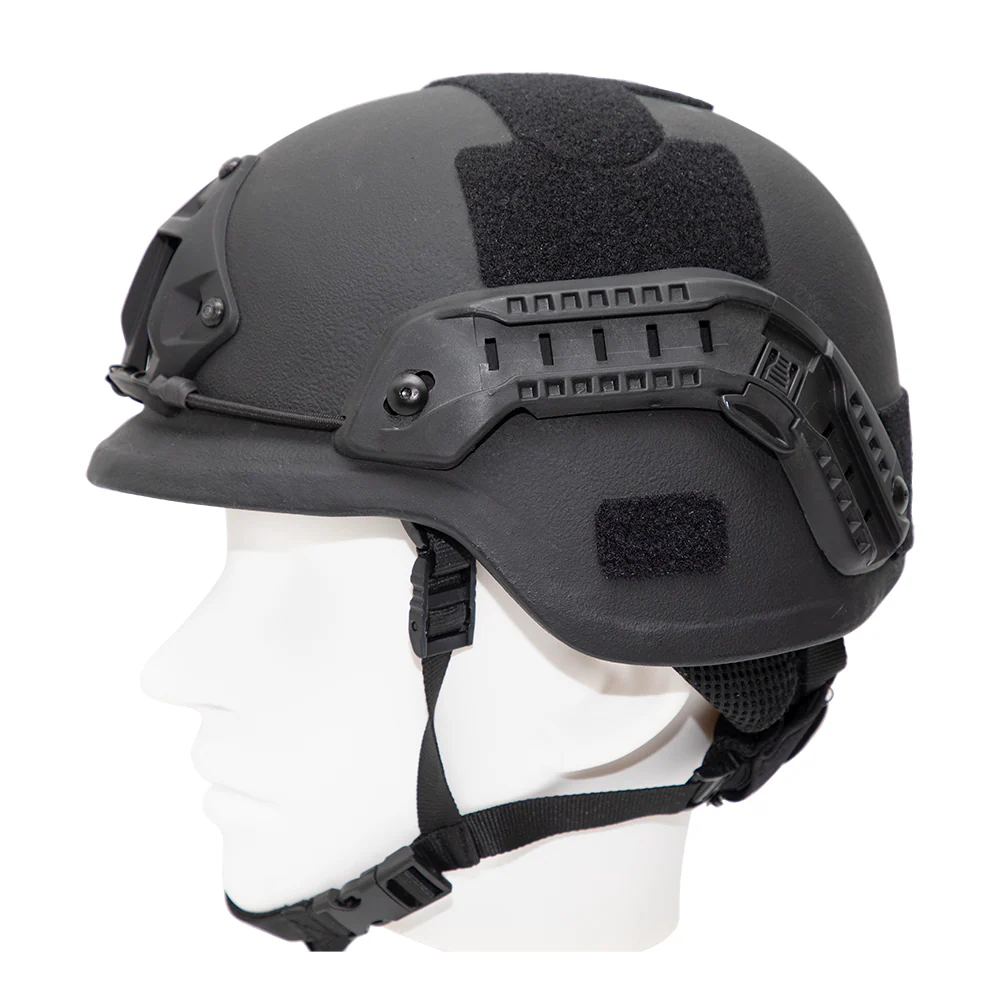
JTT-B02
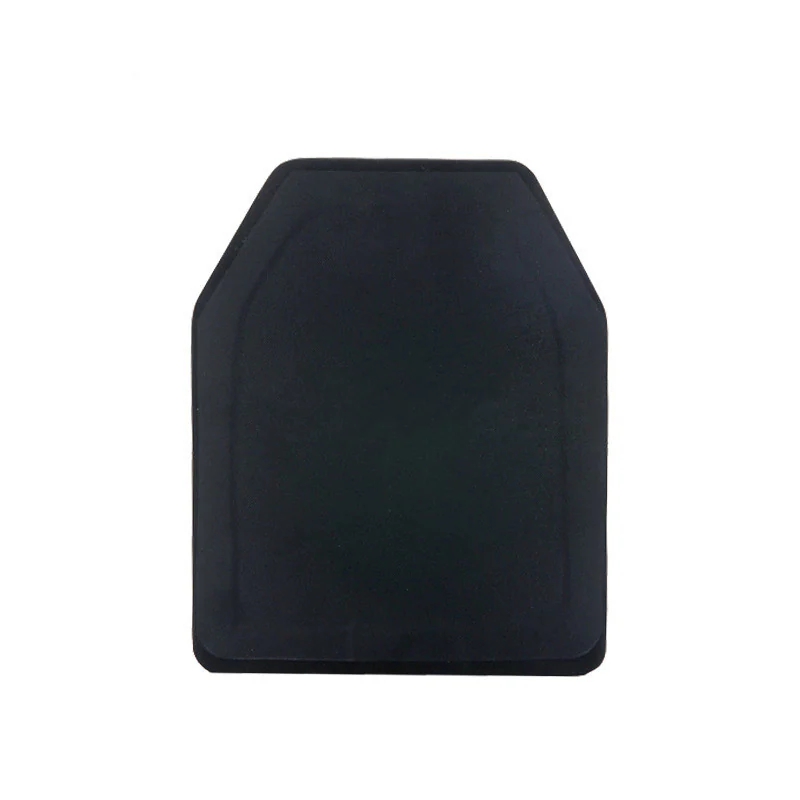
JTT-B03
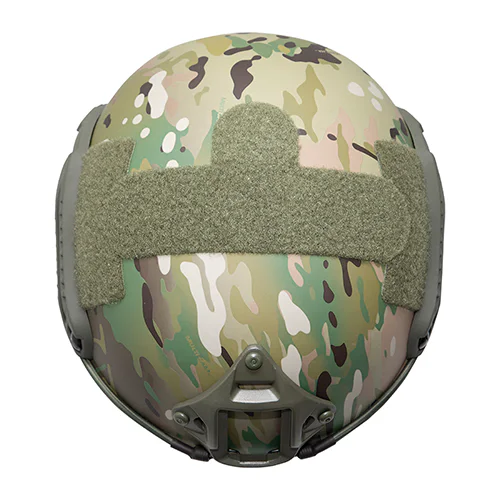
JTT-B100
JTT-B101
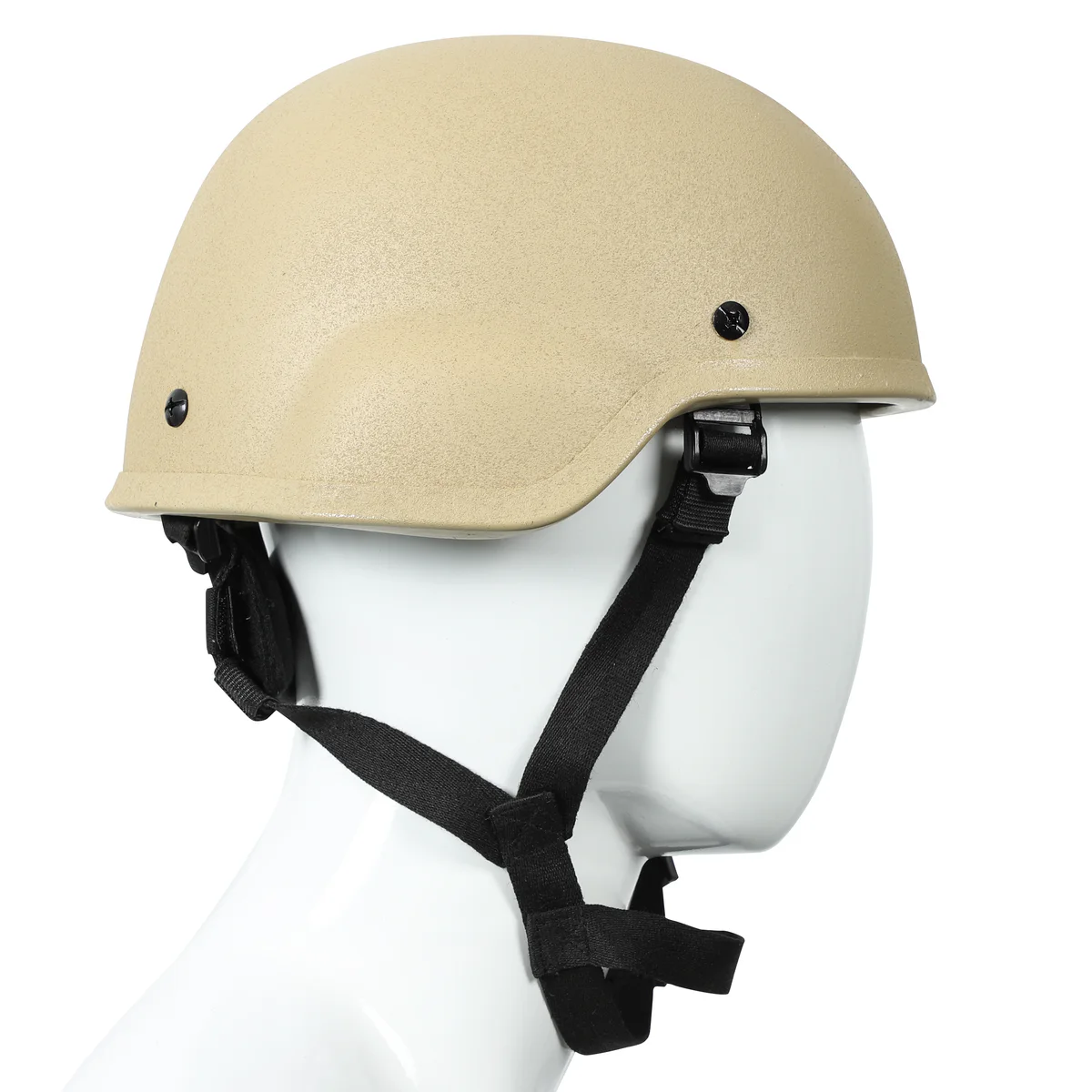
JTT-B103
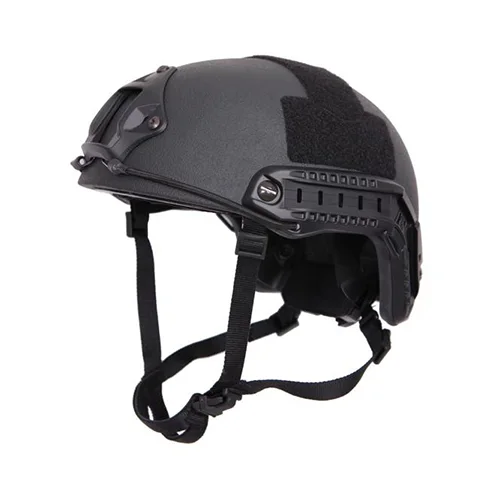
JTT-B104
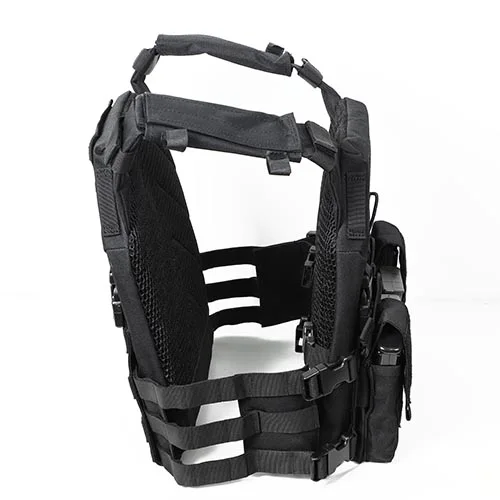
JTT-B107
Controlled protection procurement
Ballistic protection equipment is purchased for a defined organization, wearer group, risk context and destination. Jinteng coordinates qualified partner and sourced supply routes for authorized institutional projects. We help buyers convert the requirement into a product matrix covering the exact model, protection requirement, size or coverage, carrier or shell configuration, compatible components, marking, requested documentation, inspection and delivery. Availability, documentation and commercial terms are confirmed for the specific project rather than assumed across a product family.
Product selection
Find the style closest to your needs, then explore the available products.
01 · Wearable torso system
Vest proposals organized around the required protection configuration, coverage, carrier layout, sizing, closure, adjustment, components and marking.
View product details02 · Head protection
Helmet platforms reviewed by exact model, shell profile, size range, suspension, retention, padding, accessories and requested product documentation.
View product details03 · Rigid protection component
Plate options specified by exact model, dimensions, curvature, construction, protection requirement, weight and intended carrier interface.
View product details04 · Order-level configuration
Product models, carrier sizes, plate sizes, helmet sizes, accessories and markings coordinated through one approved allocation matrix.
Product advantages
Compare the features below when choosing your products.
The buyer organization, intended end use, destination and receiving party should be clear before detailed product coordination.
Do not transfer a statement, report or value from one construction, size or configuration to another.
Confirm plate-to-carrier fit, wearer coverage, helmet components and selected accessories for the proposed configuration.
Keep product identity, size allocation, markings, supplied documents and final quantities connected to the purchase order.

Protection requirement
The buyer should state the required protection basis, wearer group, coverage, expected duty and any applicable purchasing specification. The supplier proposal must then identify the exact product model and configuration offered against that requirement. Size, shape, construction and component changes may affect the suitability of the proposal, so documentation should be reviewed only for the product it names.
Wearer and equipment interface
A vest, plate or helmet is not selected by nominal size alone. Buyers should review the relevant body measurements, coverage expectations, adjustment range and interface between components. The order matrix should identify carrier sizes, plate dimensions, helmet sizes and accessories for each allocation group. Representative fit review may be needed before the final ratio is released.
Protected procurement path
Each stage answers a different purchasing, technical or receiving question for the named institutional project.
Confirm the purchasing organization, end user, intended use, destination, quantity and responsible receiving party.
Record the protection requirement, product types, coverage, sizes, interfaces, accessories, markings and requested documents.
Identify the partner or sourced model, configuration, available documentation, commercial scope and stated deviations.
Review product-specific documents, representative configuration, component interfaces and planned size allocation.
Freeze model identifiers, sizes, components, markings, quantities, packing and the accepted project document list.
Confirm supplied models, serial or batch references where applicable, quantities, allocation and order documents before dispatch.
Application contexts
Use these common program contexts to clarify the specification and route your enquiry to the most relevant product and project-support pages.


Buyer resources
The resources below help you define the requirement, choose the right approval stage and request a more comparable quotation.
Request the current company catalogue, then tell us which product families and configurations should be included in your quotation.
Request catalogue accessLearn which product-specific and order-specific records to request before purchase and delivery.
Read the buyer guideOrganize supplier, product, project and destination information for institutional review.
Read the buyer guideDefine the requested standard, exact product and supporting records needed before testing or technical review.
Read the buyer guidePartner and sourced product coordination
Jinteng coordinates ballistic protection requests through qualified partner and sourced supply routes. Our role is to structure the buyer requirement, identify the proposed product, collect available project documentation, maintain the configuration and allocation matrix, coordinate order follow-up and reconcile delivery records. We do not treat a company profile or a broad product-family statement as proof for every model. Product availability and supporting documents are confirmed against the exact institutional project.
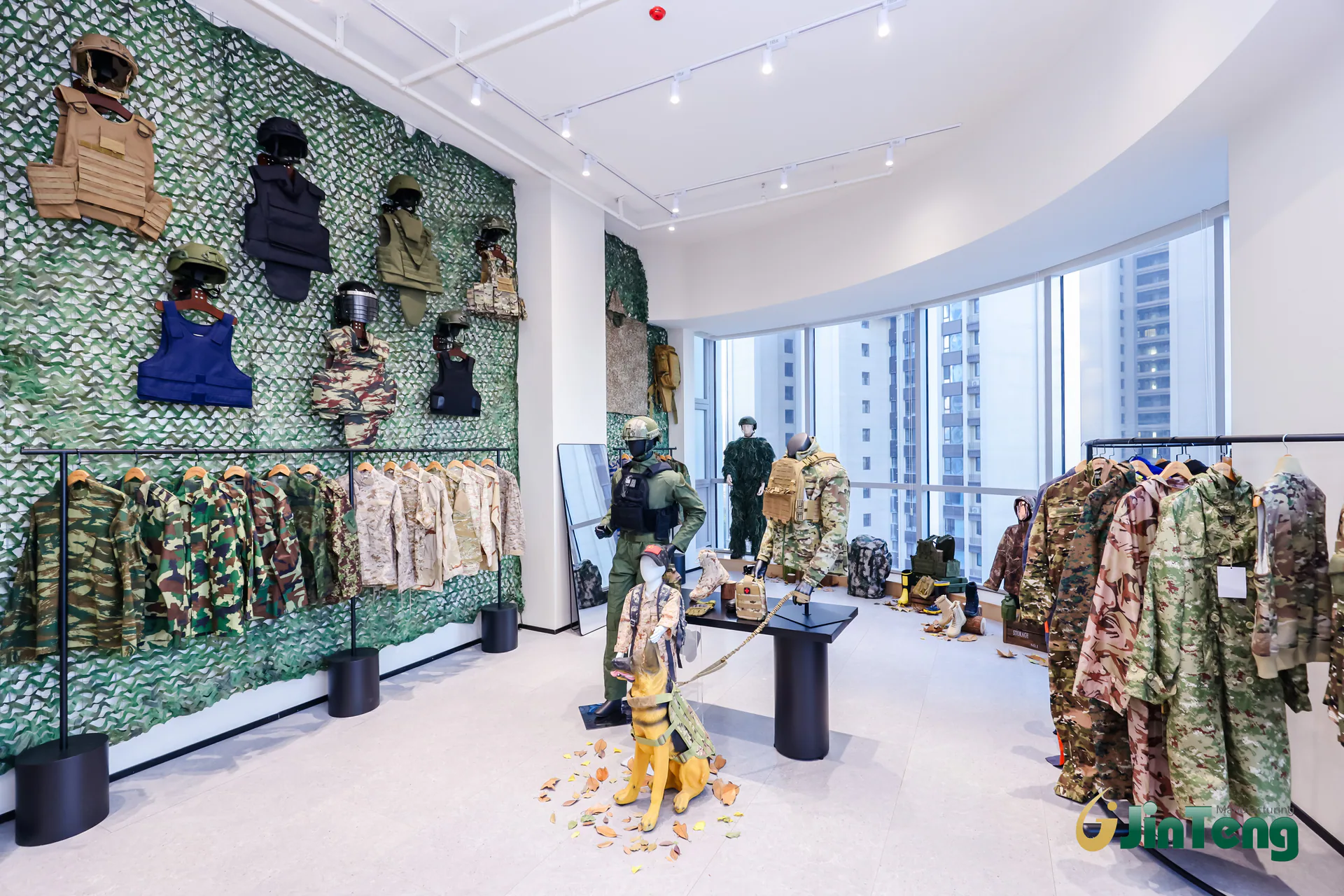
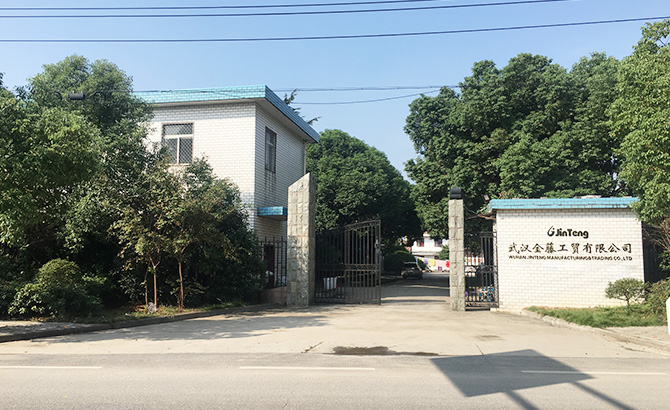
Configuration details
Review the product-specific details below, then use these tabs to plan any changes.
Product coordination begins after the project parties and destination are clear.
Review model-specific details rather than relying on a broad category label.
Exact configuration documents and their availability should be agreed before the order is released.
A clear allocation matrix reduces size, component and destination errors.
Buyer questions and delivery records
The most useful records connect the institutional requirement, product identity, configuration, allocation and final delivery.
A product schedule linking the quoted model, construction, dimensions, configuration and supplied document identifiers.
An approved compatibility matrix identifying carrier sizes, plate dimensions, helmet components and selected accessories.
Agreed product markings and order records containing the relevant model, size, lot or batch reference where applicable.
A reconciliation of model, configuration, sizes, quantities, destination allocation and supplied order documents.
Frequently asked questions
These answers address the configuration, order planning and approval details that most often affect a bulk project.
This category is intended for authorized institutional procurement. The purchasing organization, intended end user, use, destination and receiving party should be provided before detailed product coordination. Additional project documents may be requested according to the product, destination and transaction. Availability and commercial processing remain subject to the completed project review.
Provide the protection requirement, required coverage, wearer group, carrier style, compatible insert or plate needs, size basis, adjustment range, closure, attachment fields, colours, markings, accessories, quantities and destination. State which product documents are required. The proposal should identify the exact model and list any open or alternative fields.
No broad assumption should be made. Product documentation must be reviewed against the exact model, construction, size or configuration it identifies. A change in materials, geometry, component combination or product version may affect relevance. The buyer should confirm which product version and supporting records apply before placing the order.
Record plate dimensions, shape, curvature, thickness and the intended carrier pocket. Confirm the carrier size, closure and retention arrangement for the proposed plate. Protection requirements and wearer coverage should be reviewed separately from simple physical fit. The approved order matrix should identify the exact plate and carrier combination.
Reconcile the authorized purchase order against the proposed and supplied product identifiers, configuration, sizes, quantities, components, markings, packing and destination allocation. Review the agreed project-document list and ensure supplied records refer to the named products. Any approved substitution or change should be recorded before dispatch.
Ballistic protection buyer guide
Responsible comparison depends on clear authorization, exact product identity, model-specific documentation, component compatibility and order-level records.
Begin with the purchasing organization, responsible contact, end-user organization, intended use, destination and receiving party. Explain the procurement route and required delivery schedule. These details are not a substitute for the technical brief, but they establish whether and how the project can proceed. Keep organization and destination information current if the receiving arrangement changes.
State the required protection basis and the purchasing specification that governs the project. Define product type, coverage, dimensions, weight priorities, sizes, carrier or shell configuration, adjustment, accessories, colour and markings. Do not ask suppliers to choose a product solely from a generic phrase such as ballistic vest or armor plate. Require the exact proposed model and a clear response to every requirement field.
List the product documents required for technical and procurement review. When a report or specification is supplied, compare the model name, construction, size, configuration and other identifiers with the quoted product. Record any limitation or difference. Avoid extending a document from one model to another because the products look similar or share a commercial family name.
Create an allocation matrix for vest, plate and helmet sizes. Confirm plate dimensions against carrier pockets, selected helmet components against the proposed shell and retention platform, and accessories against the named product. If representative fit review is required, define the sample configuration and the decision owner before the full size ratio is released.
Freeze product identifiers, sizes, configurations, markings, quantities, packing and destination splits in the purchase order or attached schedule. Before dispatch, compare delivered items with the accepted matrix and agreed document list. Record approved substitutions or changes. Retain the final reconciliation for receiving and any later replenishment of the same exact model.
Project enquiry
Share the current requirement, even if some technical fields still need a supplier proposal. We will use the product IDs and project context to recommend the next quotation or sample step.
Share the product, quantity, destination, customization and delivery requirements. Our business team will reply with suitable options and the next quotation step.
 WhatsApp