JTT-R01
Anti-Riot Protective Equipment
- Configuration
- Defined against buyer specification and approved BOM
- Colour
- Project-specific colours subject to component availability

Authorized public-security procurement
Coordinate protective suits, helmets, shields and duty equipment for an authorized institutional buyer through exact model selection, size and component allocation, intended-use review, destination confirmation and order-specific documentation.
Available product options
Compare the styles below. Open a product for its details, or send the product ID and your requirements to discuss a quotation.
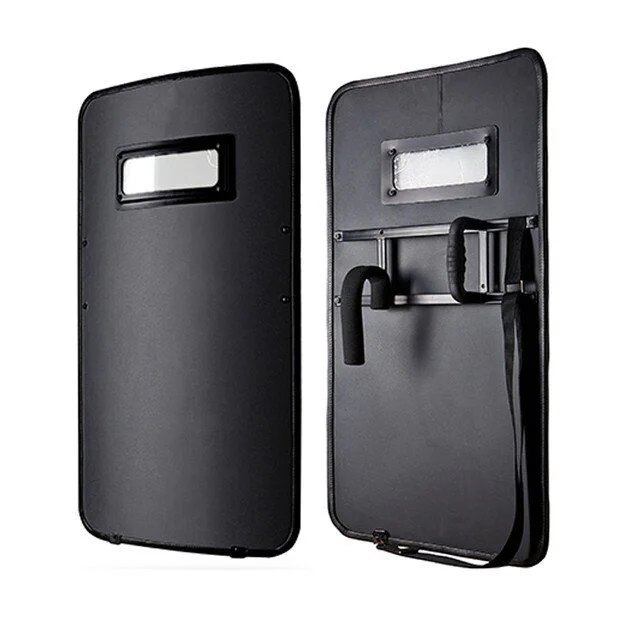
JTT-R01
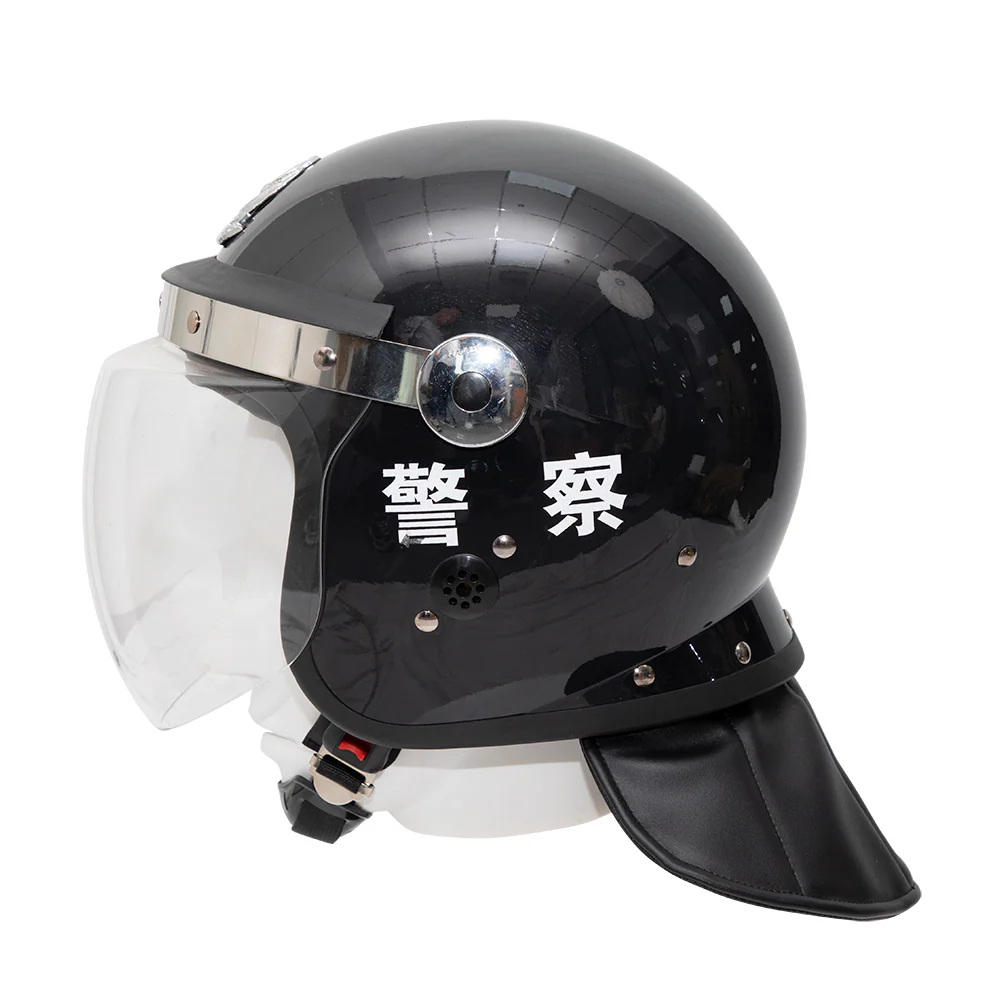
JTT-R02
JTT-R03
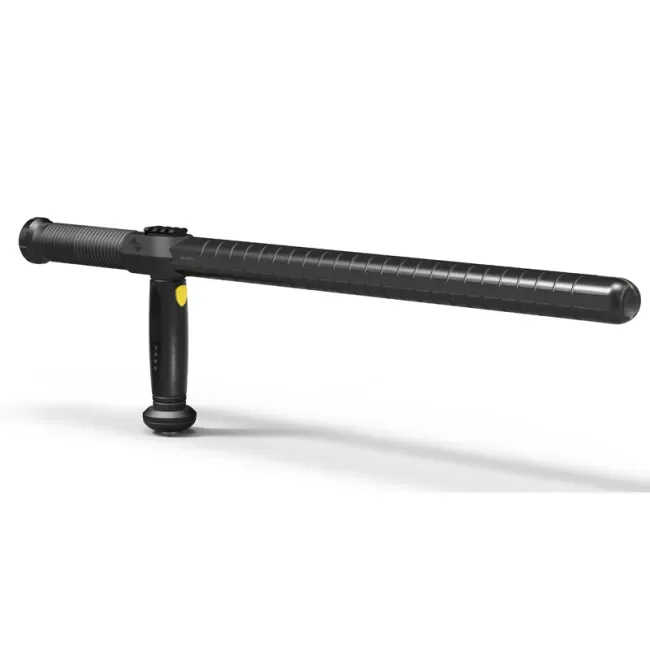
JTT-R04
Product and supplier review
Review each component separately, then check the fit and interfaces of the combined set. These are procurement checks, not claims that every catalogue option has a particular protection rating.
| Equipment category | Details to settle with the supplier | Relevant catalogue route |
|---|---|---|
| Protective suit | Wearer size allocation, coverage, fastening arrangement and included components. | Identify every garment and accessory in the proposed set. |
| Helmet | Head sizing, retention arrangement and the requested face or neck components. | Specify the exact helmet configuration for review. |
| Shield | Requested dimensions, handling arrangement and applicable test documentation. | Check documentation against the selected model, not the category name. |
| Duty baton | Requested dimensions, material, carry method and authorized use. | Confirm the proposed model and component scope. |
Ask for documents that identify the exact model and applicable test scope. Impact protection and ballistic protection are different requirements; neither should be inferred from a product photograph.
Public-security equipment programs
Anti-riot and public-security equipment must be organized for a named institutional buyer, intended use and destination. Jinteng coordinates qualified partner and sourced supply routes for approved projects. The commercial and technical review identifies the exact proposed model, size range, material or construction, included protective components, interfaces, markings, requested documents, packing and unit allocation. This allows procurement teams to compare complete configurations and receiving teams to identify what was actually supplied.
Product selection
Find the style closest to your needs, then explore the available products.
01 · Wearable protective set
Protective suit configurations reviewed by exact model, body coverage, component arrangement, adjustment, size allocation, closure and storage method.
View product details02 · Head protection
Helmet proposals organized by model, shell and visor configuration, retention, padding, size range, markings and compatible accessories.
View product details03 · Team protective equipment
Shield configurations compared by dimensions, material, viewing area, handle arrangement, markings, storage and intended team use.
View product details04 · Controlled duty item
Duty baton requests reviewed by exact model, dimensions, material, carrying arrangement, authorized institutional use and destination.
View product detailsProduct advantages
Compare the features below when choosing your products.
Define which items belong to each wearer or team so quantities and interfaces remain visible.
Check adjustment, articulation, vision, grip, closure and access while wearing the planned uniform and equipment.
List pads, protectors, visors, straps, covers, bags and carrying items rather than inferring them from images.
Connect buyer, end use, destination, model, marking, quantity and supplied records to the same project.
Wearer configuration
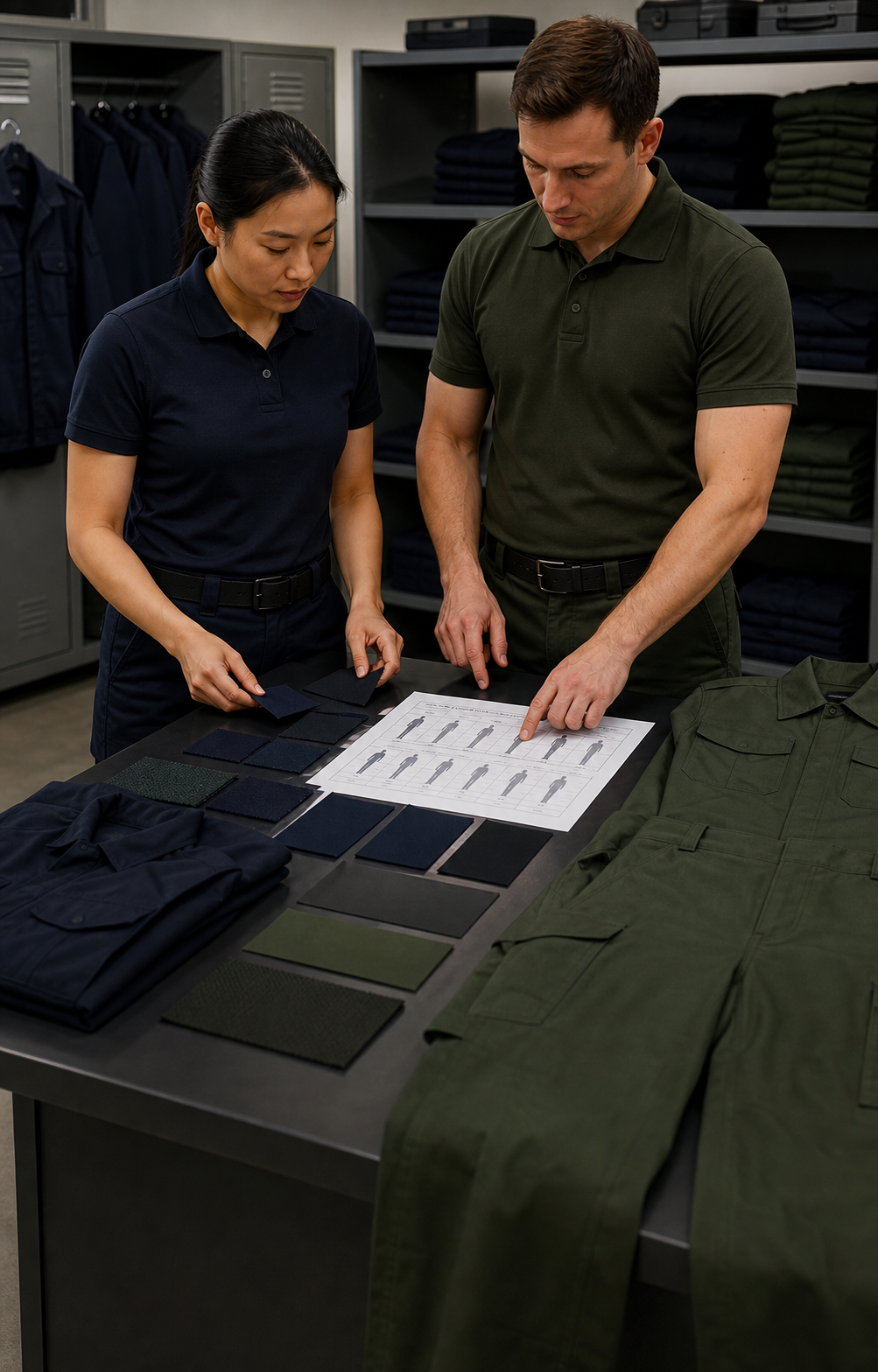
Protective suits and helmets must be reviewed on representative wearers with the planned clothing layers. The project should define the body areas to be covered, the adjustment range, articulation needs, component overlap, closure security, visibility and access to selected duty equipment. Observations should be translated into size quantities and configuration decisions before the bulk allocation is frozen.
Unit accountability
A multi-item order can contain several models, sizes and destination groups. The accepted project matrix should identify each item and included component, its quantity, marking and pack location. Before dispatch, the final packing record should reconcile the approved configuration with actual cartons or bundles. This helps the receiving organization distribute complete sets and report any discrepancy by product line.
Keep the selected product ID, material or component specification and approved sample together when reviewing the order.
Choose the sample stage · Review procurement support · Review company and supply roles
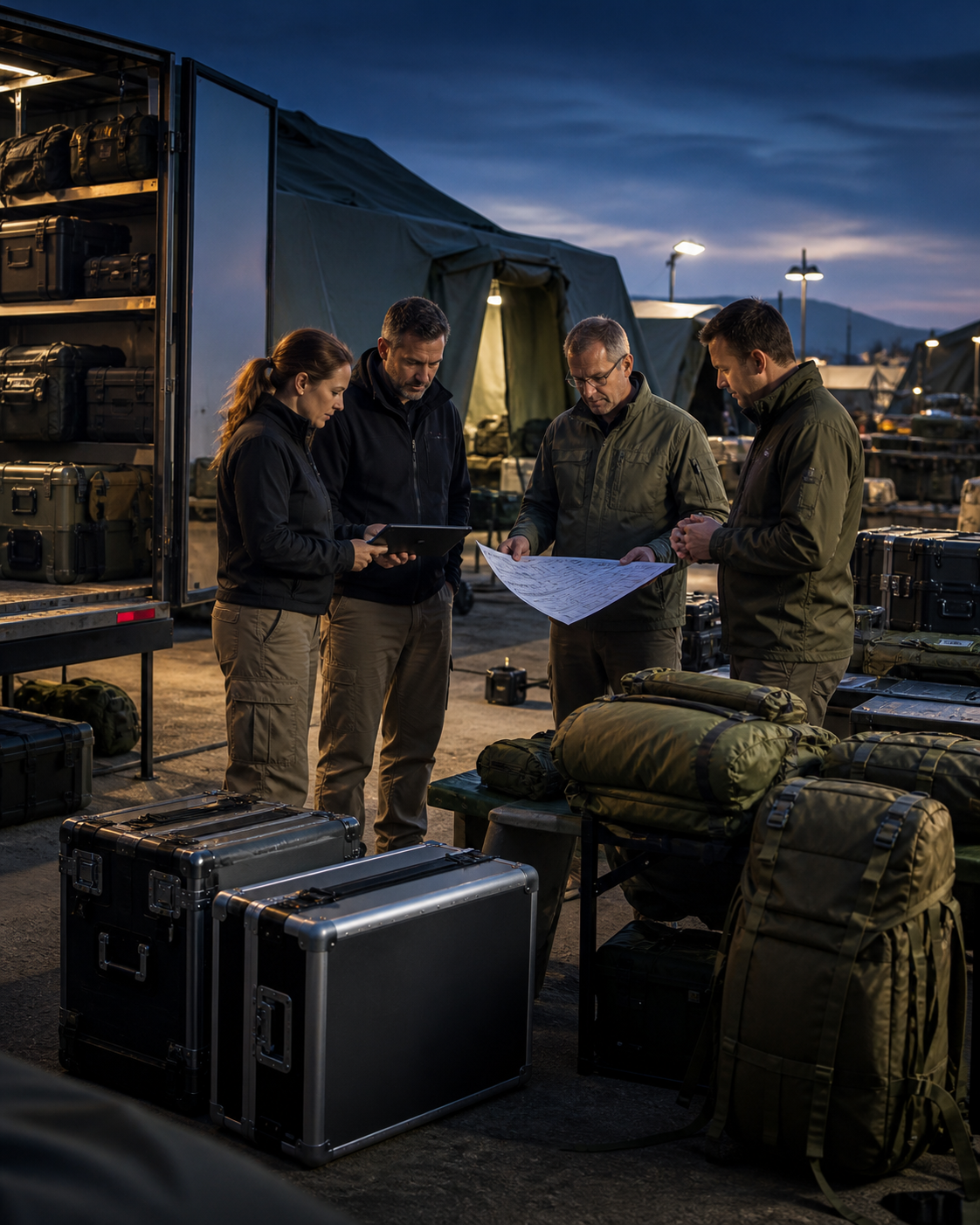
Application contexts
Use these common program contexts to clarify the specification and route your enquiry to the most relevant product and project-support pages.

Buyer resources
The resources below help you define the requirement, choose the right approval stage and request a more comparable quotation.
Request the current company catalogue, then tell us which product families and configurations should be included in your quotation.
Request catalogue accessOrganize product-specific records and order-specific delivery information for buyer review.
Read the buyer guideStructure item schedules, compliance responses, samples, alternatives and commercial submissions.
Read the buyer guideConnect accepted equipment configurations to unit packing, destination allocation and receiving records.
Read the buyer guideControlled partner and sourced supply
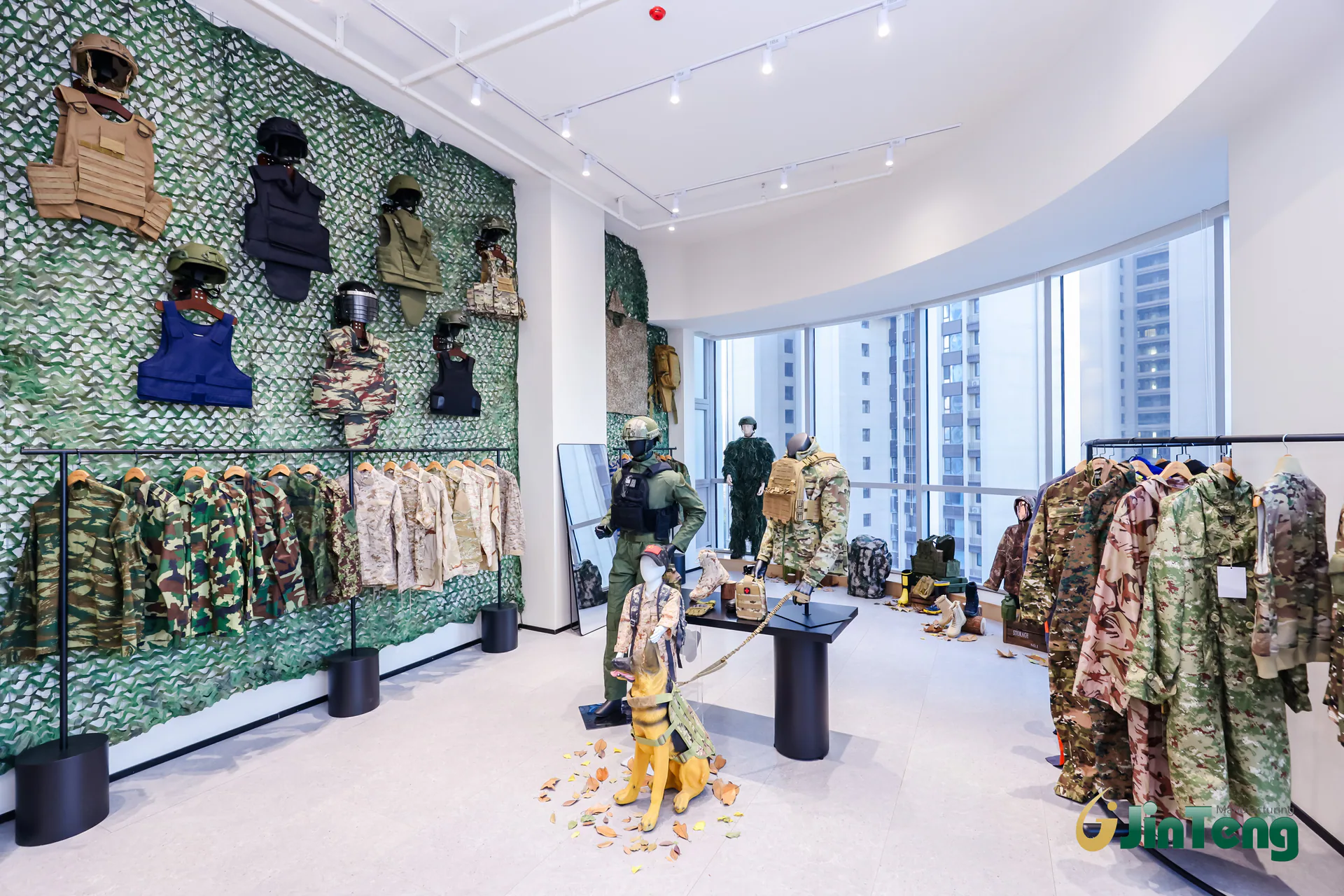
Jinteng supports authorized anti-riot and public-security projects through requirement review, partner and sourced-product coordination, representative sample planning, order follow-up, unit kitting and export delivery. The supply role, model and available documentation are confirmed for the proposed product. The project record separates product facts from buyer-selected options and connects the final item matrix to markings, quantities, packing and destination.
Configuration details
Review the product-specific details below, then use these tabs to plan any changes.
Buyer, end user, intended use and destination guide the project route.
Model and component detail prevent incomplete or mismatched proposals.
Representative review turns observations into an allocation decision.
Exact configuration documents should connect product models and components to the receiving unit’s pack hierarchy.
Buyer questions and delivery records
The following questions help buyers confirm configuration, fit, completeness and receiving accountability for the named order.
A product matrix showing the exact model, intended allocation, dimensions, materials, included components and deviations.
A reviewed size basis, representative fit comments and approved quantity ratio for each product line.
A component and accessory schedule connected to the product identifier and final packing list.
A pack hierarchy and destination allocation that reconcile individual items, team kits, cartons and order totals.
Frequently asked questions
These answers address the configuration, order planning and approval details that most often affect a bulk project.
This category is intended for authorized institutional buyers and approved project participants. Provide the purchasing organization, end-user unit, intended use, destination and responsible receiving party. Additional information may be required according to the exact product and transaction. Detailed coordination begins after the project context and supply eligibility are clear.
State the required body coverage, expected clothing layers, wearer size information, adjustment needs, component arrangement, closures, colour, markings, storage bag, quantities and destination. Identify any purchasing specification and requested product documents. The supplier proposal should name the exact model and list all included, optional and excluded components.
Use the head measurements and fit method appropriate to the proposed helmet platform. Confirm shell sizes, padding, suspension, retention, visor configuration and intended accessories. A representative fit review can check stability, comfort, field of view and interaction with other issued items before the final size ratio is released.
Define the intended institutional use, dimensions, material, viewing area, handle arrangement, edge or surface details, markings, storage and quantity. Request the exact proposed model and available product information. If several shield roles are required, separate them into distinct line items rather than combining different dimensions or handle arrangements under one generic description.
First define the contents of each wearer set and team set. Give every item a stable product identifier and size or configuration where applicable. Approve inner labels, bags, carton quantities and destination codes. The final packing list should reconcile unit kits and loose spares with total order quantities before dispatch.
Public-security equipment buyer guide
A complete brief connects authorization, exact products, wearer fit, component contents, unit allocation and receiving records.
Identify the purchasing body, end-user organization, intended use, destination and receiving party. Describe the unit structure and the roles that require individual or team equipment. State the procurement schedule and whether the project is a new issue, replacement or replenishment. These facts establish the project route and prevent equipment quantities from being estimated without a clear wearer or unit basis.
List each suit, helmet, shield, controlled duty item, accessory, carrying item and spare as a separate line. Connect individual items to wearer roles and team items to unit quantities. For every line, state the required model fields, dimensions, materials, components, colour, markings and quantity. Ask suppliers to show alternatives and exclusions explicitly so quotations represent a comparable scope.
A product image cannot confirm the construction or contents of a delivered set. Require the exact model, configuration and component schedule. Check visor, padding, straps, protectors, fasteners, handles, bags and other removable items individually. Review requested product documentation only against the model it names, and record any difference between the proposed item and the purchasing requirement.
Use representative wearers and the planned clothing layers when reviewing protective suits and helmets. Check adjustment, movement, coverage, overlap, closures, vision, grip and access to compatible duty equipment. Record observations by sample and size, close necessary changes, and then approve the final ratio. Avoid relying on a single display sample to determine an entire workforce allocation.
Decide whether items will arrive as individual wearer sets, team kits or separate product cartons. Define identifiers, size labels, destination codes and the treatment of loose spares. Before dispatch, reconcile each approved product and component with actual pack quantities. Retain the final matrix so receiving teams can distribute complete sets and future replenishment can refer to the same exact product.
Project enquiry
Share the current requirement, even if some technical fields still need a supplier proposal. We will use the product IDs and project context to recommend the next quotation or sample step.
Share the product, quantity, destination, customization and delivery requirements. Our business team will reply with suitable options and the next quotation step.
 WhatsApp