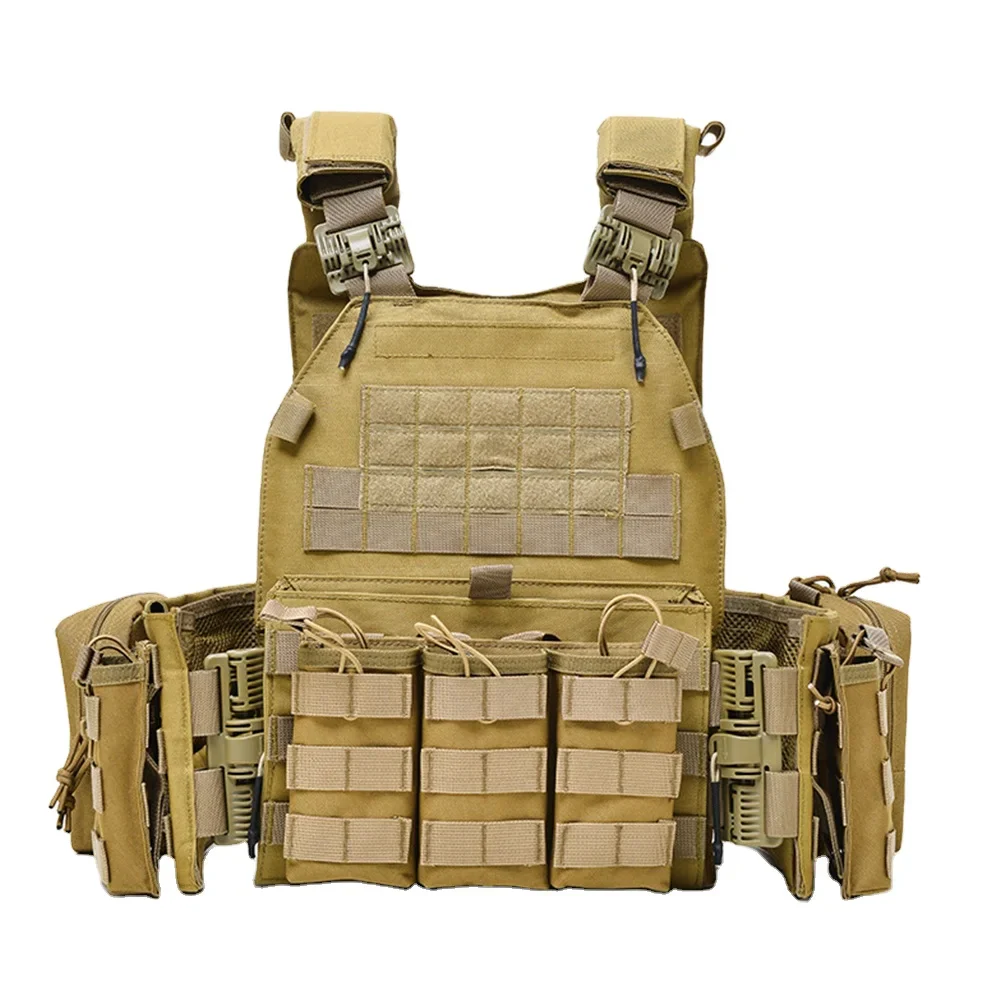
Load-Carriage & Tactical Equipment
Modular vests, backpacks, belts, pouches and medical carriage for coordinated equipment sets.
View products
Model-specific protective equipment and coordinated system options for institutional and public-security requirements.
Product and supplier review
A protective-equipment proposal needs more than one general compliance statement. Separate the requested function and the evidence needed for each model, then review wearer fit and equipment compatibility.
| Procurement line | Define the requirement | Review evidence for the exact model |
|---|---|---|
| Ballistic-protection items | Identify the item, intended application and requested protection standard or test method. | Check model identity, test conditions, document scope and proposed configuration. |
| Anti-riot equipment | List suit, helmet, shield or baton items and the wearer or handling requirements. | Review component specifications and the requested impact-protection evidence. |
| Load carriage and accessories | Define what must be carried and which protective items it must fit with. | Check dimensions, attachment interfaces and the assembled sample. |
Keep model documents separate from company information. A document for one model does not substantiate another product or an entire category. Use the sample to resolve fit and compatibility before accepting the proposed configuration.
Product support
Model-specific protective equipment and coordinated system options for institutional and public-security requirements. Use the linked product groups to compare available items, then send a combined list with quantities, specifications, packing and delivery requirements for a coordinated quotation.
Who this serves
Typical project needs
Product scope
Compare available products, then send the product IDs, quantities and required options in one enquiry.
Modular vests, backpacks, belts, pouches and medical carriage for coordinated equipment sets.
View products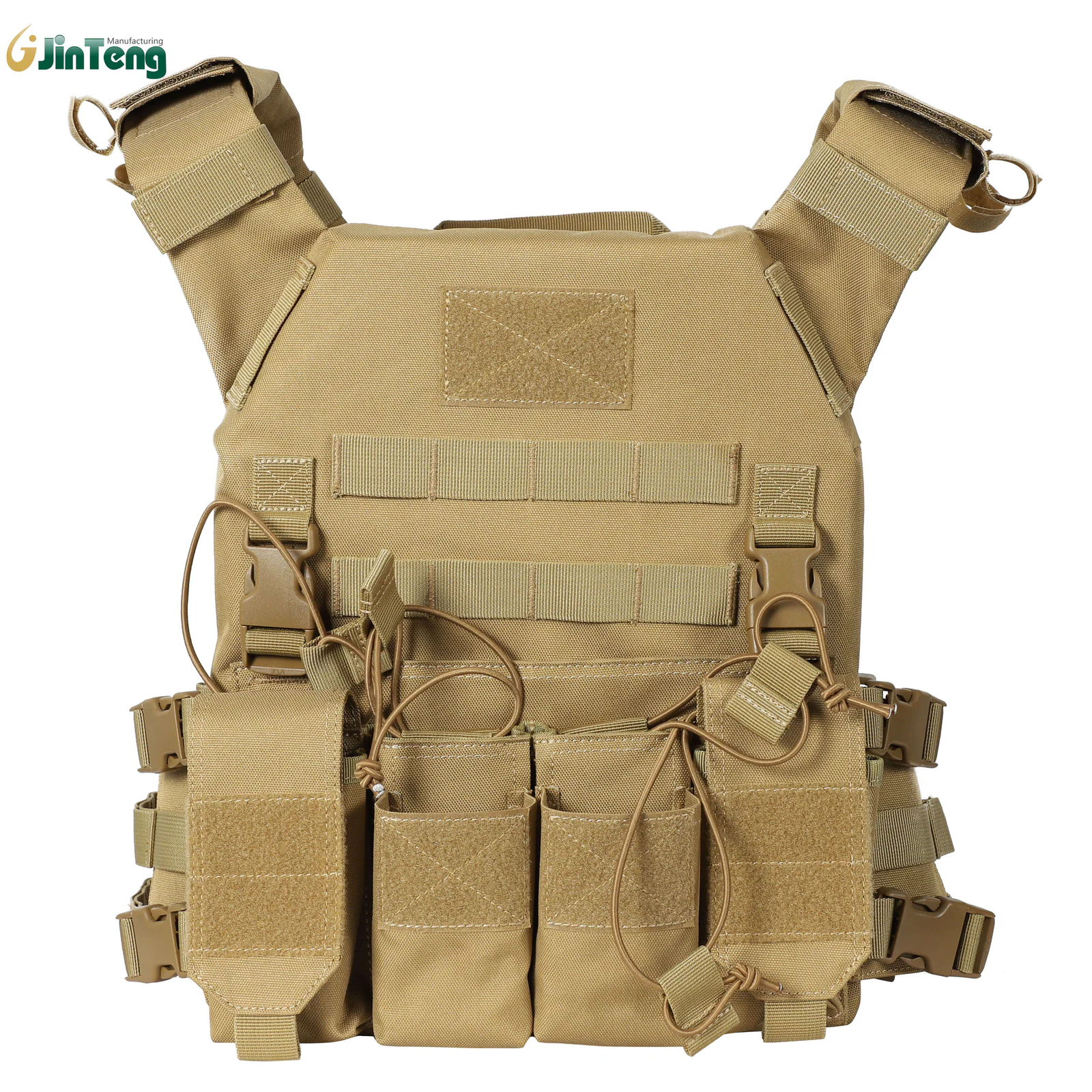
Vests, helmets and hard-armor components for institutional specifications and model-specific product requirements.
View products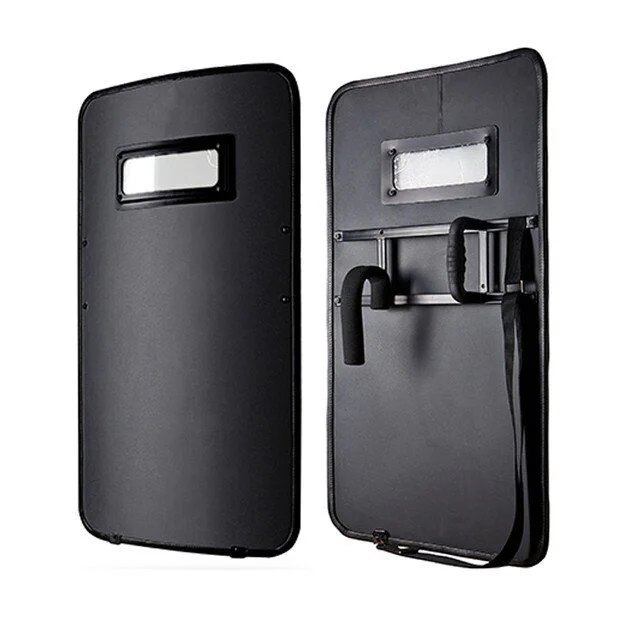
Protective suits, helmets, shields and duty equipment for authorized public-security procurement.
View productsRecord each proposed item, quantity, requested configuration and applicable document. Review the assembled sample for fit and interfaces before confirming the bulk specification.
Review sampling and approvalProject outputs
Project planning
Ballistic and riot-control projects involve protective claims that cannot be evaluated from a category name alone. An authorized institutional buyer must connect end use, destination, wearer configuration, target standard and model-specific evidence before price or availability becomes meaningful. Ballistic protection and riot-control equipment also require separate performance logic; neither should inherit claims from the other.
Identify the purchasing entity, final end-user organization, destination, intended duty and applicable authorization path. Technical document access and quotation remain conditional on this review.
Define vest carrier, armor package, plate size or curvature, helmet configuration, riot ensemble components and interfaces as applicable. A family label is not a testable model definition.
Compare the exact standard edition, test method, model designation, configuration, sizes, laboratory scope, date and reported result against the tender clause without generalizing beyond the document.
What to send
Provide organization, end user, destination, intended use, estimated quantities, tender or project reference and an accountable contact permitted to discuss the requirement.
State product type, sizes, component configuration, claimed protection level, named standard and edition, mandatory test conditions, marking rules and required report access.
List carriers, plates, helmets, shields, communication or load-carriage interfaces, wearer fit needs, sample restrictions, inspection plan and the authority that will approve evidence and configuration.
Preparation tips
A tender asks for a familiar protection level but omits the standard version, test conditions, configuration and acceptance rule needed to compare reports.
A carrier style, soft armor package and hard plate are described as one product although each component and combination may have a different evidence basis.
Models and documents are discussed before buyer, end use and destination eligibility, wasting review effort or exposing information outside an approved process.
Next step
Submit the authorized organization, final user, destination, intended use, quantity, exact requested configuration and governing standard clause. Do not send sensitive personal or operational data through the public form. After eligibility review, the next output should be a model-level evidence matrix and a list of unresolved configuration or document conditions—not an unconditional compliance promise.
Project questions
Define the buying organization, end user, project objective, required product systems, estimated quantities, destination, required standards and delivery deadline. These details allow suppliers to recommend suitable products and prepare a useful quotation.
Provide a requirement list, product or kit components, quantities, sizes, customization, sample expectations, inspection needs, packing allocation and delivery schedule. Confirm any changes in writing before bulk production.
Provide the buying organization, end use, destination, estimated quantities, product scope, target specifications and deadline. Our team will reply with the next quotation step.
Yes. Send a combined product list with quantities, configuration, packing and delivery requirements so the items can be coordinated in one proposal.
Tell us which product and configuration you want to evaluate and the expected bulk quantity. Our team will reply with the available sample options.
Share the product, quantity, destination, customization and delivery requirements. Our business team will reply with suitable options and the next quotation step.
 WhatsApp