
 Discuss on WhatsApp
Configurable carrier built around an approved contents list and access sequence
Load Carriage · JTT-L102
Portable Tactical Medical Kit Bag
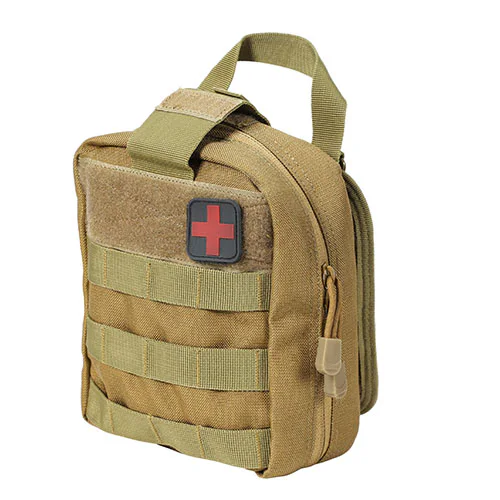
Configurable institutional medical-kit carrier for empty-bag, internal-layout, marking and transport requirements; current construction is confirmed by quotation, loaded sample and BOM.
- MOQ
- From 1,000 units
- Samples
- Available for qualified institutional bulk projects
- Quotation
- Send the product ID, quantity and destination
- Customization
- Material, colour, sizing, logo and packing options
Mission & use
Uses and product details
Institutional equipment kits
Field and patrol load carriage
Contractor or public-service issue
Platform features
Internal layout, closure, mounting and markings defined in the project BOM
Loaded-sample review for access, retention, comfort and component reconciliation
Empty carrier and regulated or dated medical contents quoted as separate schedules
Specifications
Specifications and available options
Use the available specifications as a starting point and include any required material, colour, sizing, performance or packing options in your enquiry.
| Configuration | Defined against the buyer specification and approved BOM |
|---|---|
| Availability | Contact us for current availability, MOQ and quotation |
| MOQ | From 1,000 units. Send an enquiry to discuss your order and customization requirements. |
| Samples | Available for qualified institutional bulk projects |
| Documentation | Applicable product documents confirmed for the selected model and configuration |
Customization
Make it suit your order
Base material and hardware
Capacity, pouch or component layout
Colour and identification
Accessory and kit packaging
Quality control
What to check before packing
Include any additional inspection requirements when discussing your order.
Material and hardware identity
Seam, webbing or attachment inspection
Adjustment and function checks
Kit completeness audit
More about materials, sizing and order planning
Bulk procurement
Planning a project for Portable Tactical Medical Kit Bag
This family covers the carrier and transport arrangement around an institutional medical kit; it is not a pre-approved list of medicines or clinical supplies. A useful brief starts with the authorized contents list, the user role and the order in which items must be reached. It should also state whether the bag will be issued to an individual, vehicle, team or fixed post. Those choices determine internal organization, external marking, mounting and replenishment far more accurately than a generic capacity label.
Current configuration should identify the shell fabric and coating, seam and edge treatment, closure size and pull arrangement, internal dividers, elastic retention and the attachment method required for the intended load. If cleaning or decontamination is part of the duty cycle, the buyer should describe the method and the surfaces that need access. A loaded prototype is more useful than an empty display sample because it shows whether the opening can be controlled and whether frequently used items can be reached without unloading the complete carrier.
Medical contents require a second approval track. If the buyer asks for dressings, instruments or other consumables, the quotation should separate the textile carrier from every regulated, sterile or dated item. Product identity, lot information, expiry control, language and destination requirements belong to the contents schedule. Keeping that schedule separate prevents a statement about the bag from being misread as authorization, registration or shelf-life evidence for the items packed inside it.
For institutional issue, markings and kit reconciliation can matter as much as the shell. The requirement should state whether the bag needs a unit identifier, contents label, colour code, tamper indicator or individual serial reference, and which markings must remain readable when the bag is mounted or stacked. The packing record should identify empty carriers, fitted kits, spare components and replenishment modules separately so the receiving team can count what was delivered without opening every package.
The acceptance sample should be checked in the intended wearing or transport position, with representative contents installed and the closure operated repeatedly. Reviewers can record opening direction, pull access with gloves, retention after movement, pressure points, stitching around loaded areas and the ability to replace one component without disturbing the whole arrangement. Those observations create a product-specific inspection plan and distinguish this larger carrier from the smaller individual first-aid pouch family already represented elsewhere in the catalogue.
Production inspection should follow the risks discovered during the loaded-sample review. Typical checkpoints may include fabric and component identity, finished dimensions, divider placement, seam security at loaded areas, closure operation, marking accuracy and the count of every removable part. The agreed checks, tolerances and sample version should be named in the inspection plan so a receiving team is not forced to judge the carrier from appearance alone.
For a usable quotation, provide the organization and end user, estimated quantity, issue level, intended contents, preferred carry or mounting method, marking language, destination and required sample stage. If a former reference bag must be reproduced, identify the details that are mandatory and the areas where an updated layout is acceptable. JT Tactical can then review the appropriate manufacturing, sourcing and integration route and return the questions needed to define a current BOM.
Quotation checklist
Send these details for a faster, more accurate quotation.
The product type, quantity, destination and configuration details help us recommend suitable options and prepare the next step.
01
Mission load and component list
02
Required attachment interfaces
03
Material / webbing requirement
04
Colour and markings
05
Size or capacity range
06
Kitting and allocation plan
Product questions
Procurement FAQ for Portable Tactical Medical Kit Bag
What specifications should an rfq for portable tactical medical kit bag include?
Start with mission load and component list, required attachment interfaces, material / webbing requirement, colour and markings, size or capacity range. Also include the quantity, destination, required customization, delivery schedule, packing and any applicable standard. We will confirm suitable options, MOQ, samples and quotation terms.
What affects moq for portable tactical medical kit bag institutional orders?
From 1,000 units. Send an enquiry to discuss your order and customization requirements. Material or component minimums, colour or pattern development, size allocation, markings, testing and pack configuration can change the final figure.
How to request a representative sample for portable tactical medical kit bag?
Available for qualified institutional bulk projects Tell us which materials, features, size or fit, function and packing you want to evaluate. We will confirm sample availability, cost and estimated dispatch time.
How to compare suppliers of portable tactical medical kit bag for a tender?
Compare the quoted specifications, included components, customization choices, MOQ, sample support, inspection terms, lead time, packing, delivery and payment terms. Ask each supplier to quote the same quantity and configuration for a fair comparison.
How to inspect portable tactical medical kit bag before shipment?
Build the inspection plan from the accepted specification and approved sample. Relevant checks for this family include material and hardware identity, seam, webbing or attachment inspection, adjustment and function checks, kit completeness audit; the contract must define methods, tolerances and sampling.
Which product details should I include when requesting a quotation for Portable Tactical Medical Kit Bag (JTT-L102)?
Include the required quantity, destination and these product details: Configuration: Defined against the buyer specification and approved BOM; Documentation: Applicable product documents confirmed for the selected model and configuration. Also state any preferred colour, sizing, logo, packing, delivery schedule and required standard so we can confirm suitable options, MOQ, samples and quotation terms.
What should I check when reviewing a sample of JTT-L102?
Check the selected load carriage configuration for institutional equipment kits and field and patrol load carriage, including materials and dimensions, fit or function, material and hardware identity, seam, webbing or attachment inspection, adjustment and function checks. Send any requested changes before confirming the final sample for bulk production.
How can I request a quotation for JTT-L102?
Send JTT-L102, the required quantity, destination, intended use and requested configuration through the quotation form or WhatsApp. We will use those details to recommend suitable options and confirm sample availability, MOQ, delivery and quotation terms.
Related products
Compare related products for your project
Review similar products in this category, then include the product IDs, quantity, destination and customization requirements in one quotation request.
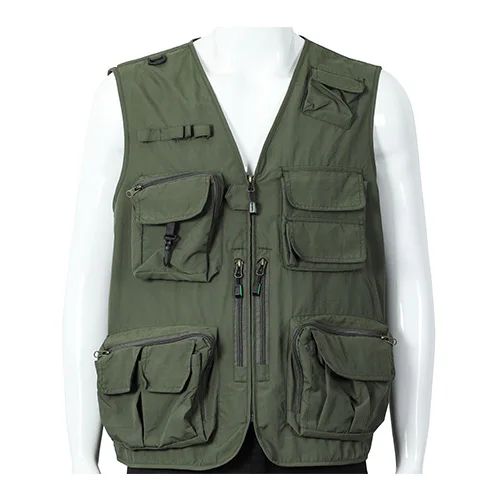
JTT-L112
Configurable Cooling Tactical Vest
- Configuration
- Defined against the buyer specification and approved BOM
- Documentation
- Applicable product documents confirmed for the selected model and configuration
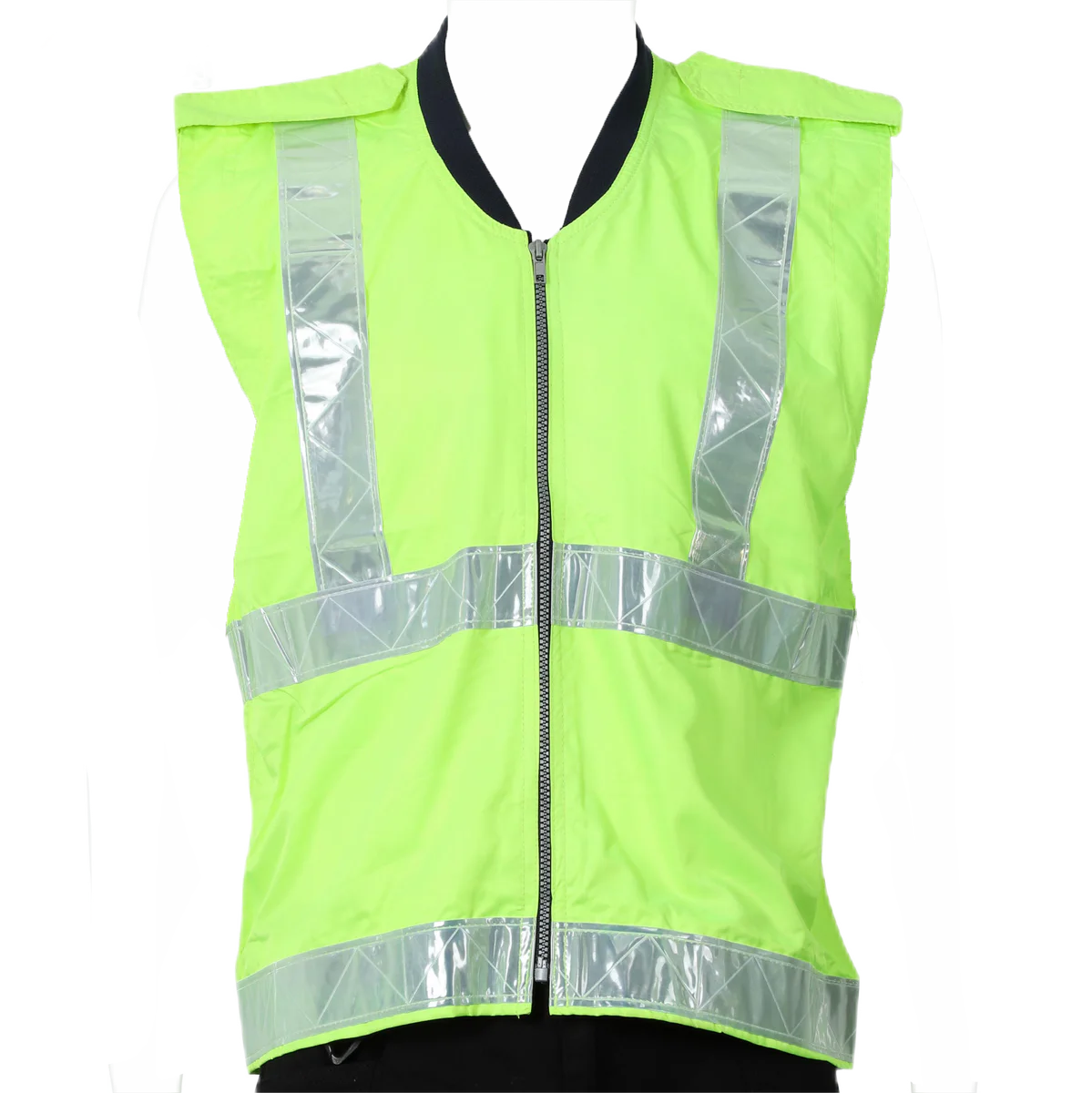
JTT-L107
High-Visibility Security Duty Vest
- Configuration
- Defined against the buyer specification and approved BOM
- Documentation
- Applicable product documents confirmed for the selected model and configuration
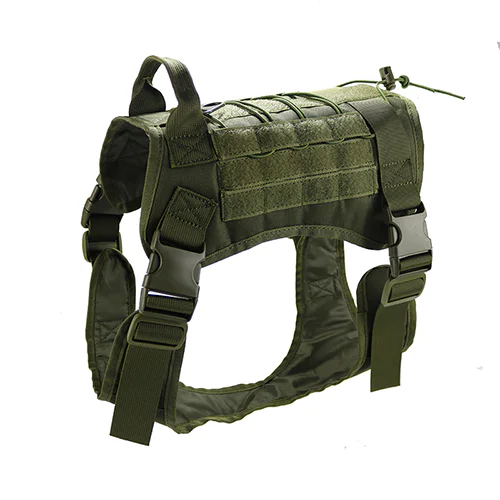
JTT-L100
Adjustable K9 Training Vest
- Configuration
- Defined against the buyer specification and approved BOM
- Documentation
- Applicable product documents confirmed for the selected model and configuration
Request a Quote
Get a quotation for Portable Tactical Medical Kit Bag
Provide the product ID, organization, estimated quantity, destination and customization requirements. The form includes the product and page details automatically.
Need the latest catalogue?
Use the same form and select a catalogue request. Our team can recommend related products for your project.