
Buyer question
How do military uniform supply prices compare across different vendors?
Compare vendors only after converting every offer to the same requirement and evaluated-cost basis. Align the garment set, approved fabric and trims, size ratio, sample stages, testing, inspection, packing, quantity, Incoterm, delivery schedule and payment terms. Then separate recurring unit price from development, tooling, testing, freight and other one-time charges. Investigate exclusions and unusually low line items before ranking suppliers.
Normalize the scope before comparing the number
- Quotes must cover the same technical and commercial scope.
- One-time and excluded costs should be shown separately.
- Price differences should be traced to assumptions, not guessed at.
Build one evaluated-price worksheet
Issue one specification and pricing schedule to all vendors.
Require each bidder to list inclusions, exclusions and deviations.
Normalize currency, quantity, Incoterm and delivery date.
Calculate evaluated cost for the required quantity and destination.
Score material, sample, inspection and schedule assumptions beside the price.
Investigate outliers before making a shortlist.
Separate unit cost from omitted obligations
A vendor quoting garment-only EXW pricing is not directly comparable with one including labels, size assortment, inspection and delivered freight. Preserve the original quote, then show normalization adjustments separately.
Price analysis can use competition, valid historical prices and market evidence, but prior prices must be adjusted when quantity, specification, timing or terms materially differ.
Like-for-like total: production units plus mandatory one-time and delivery costs.
Technical adjustment: different fabric mass, testing or sample obligation.
Risk flag: a low price accompanied by blank specification fields or broad exclusions.
Decision record: original quoted price, every normalization adjustment and the resulting evaluated total.
Before you order
- If a quotation omits a cost, mark it unresolved instead of filling the gap with an unsupported estimate.
- A lower number offers no value when the proposal fails a mandatory technical requirement.
Related products, services and guides
Continue with the product family, sourcing service or practical guide that best matches your next step.
Find a relevant product
Explore product categories
Open a category to compare available product families, then include the product type, quantity, destination and customization needs in your enquiry.
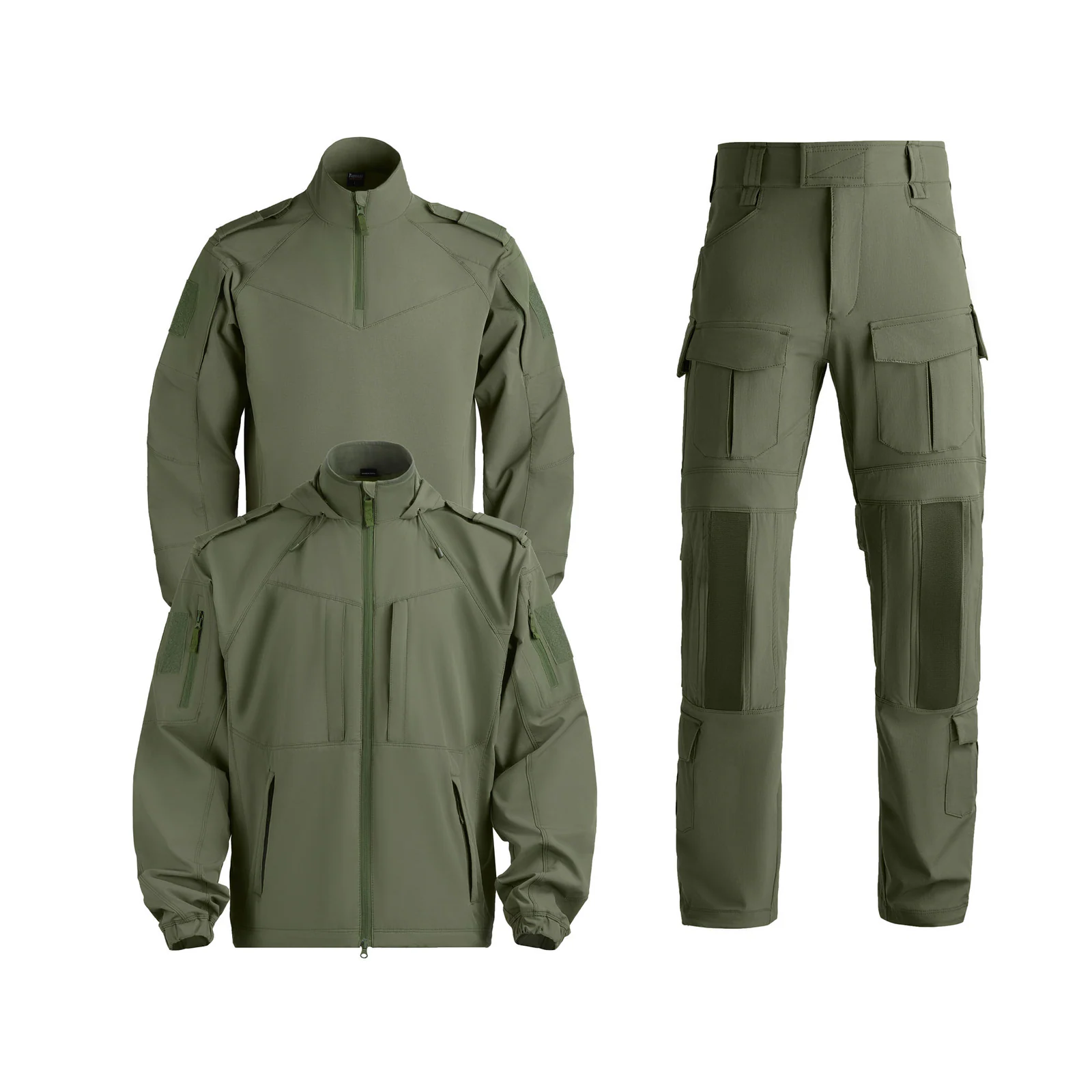
Military & Camouflage Uniform Systems
Configurable BDU, ACU-style, combat and training uniform programs for institutional procurement.
View products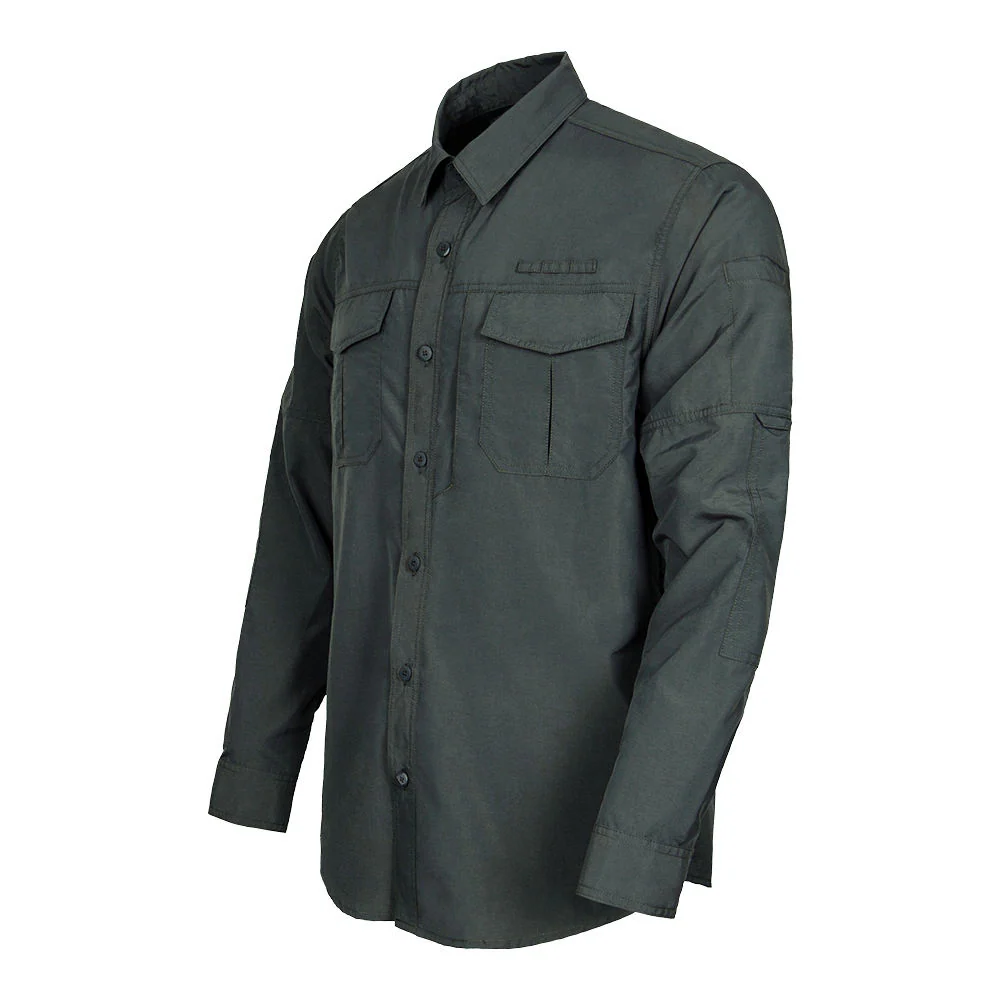
Tactical Apparel
Jackets, shirts, trousers and field layers configured for duty, training and contractor programs.
View products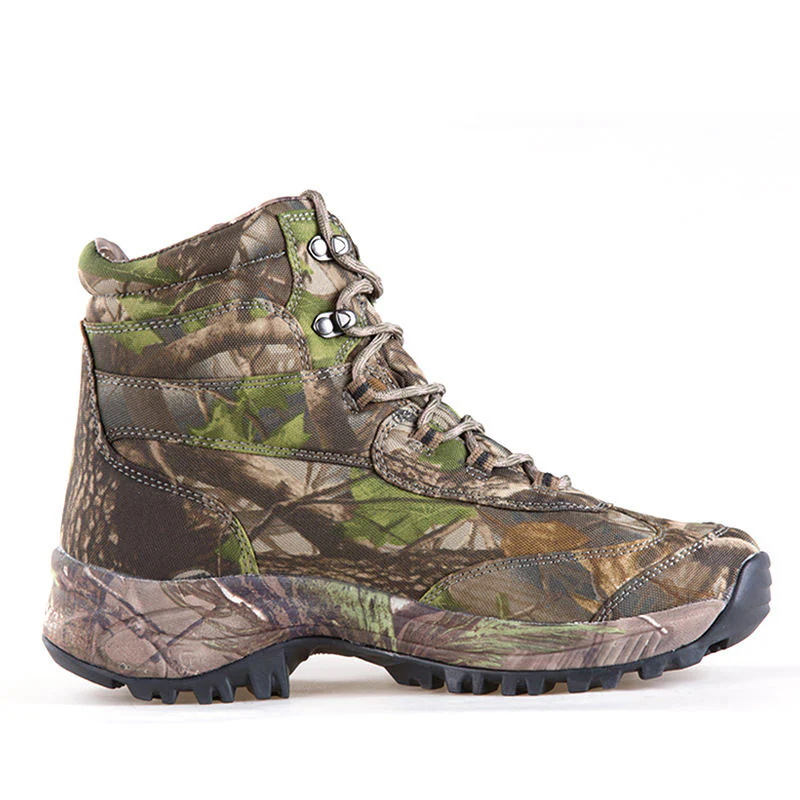
Tactical Footwear, Headwear & Accessories
Boots, shoes, socks, caps, hats, gloves and eyewear for coordinated duty and field-use programs.
View products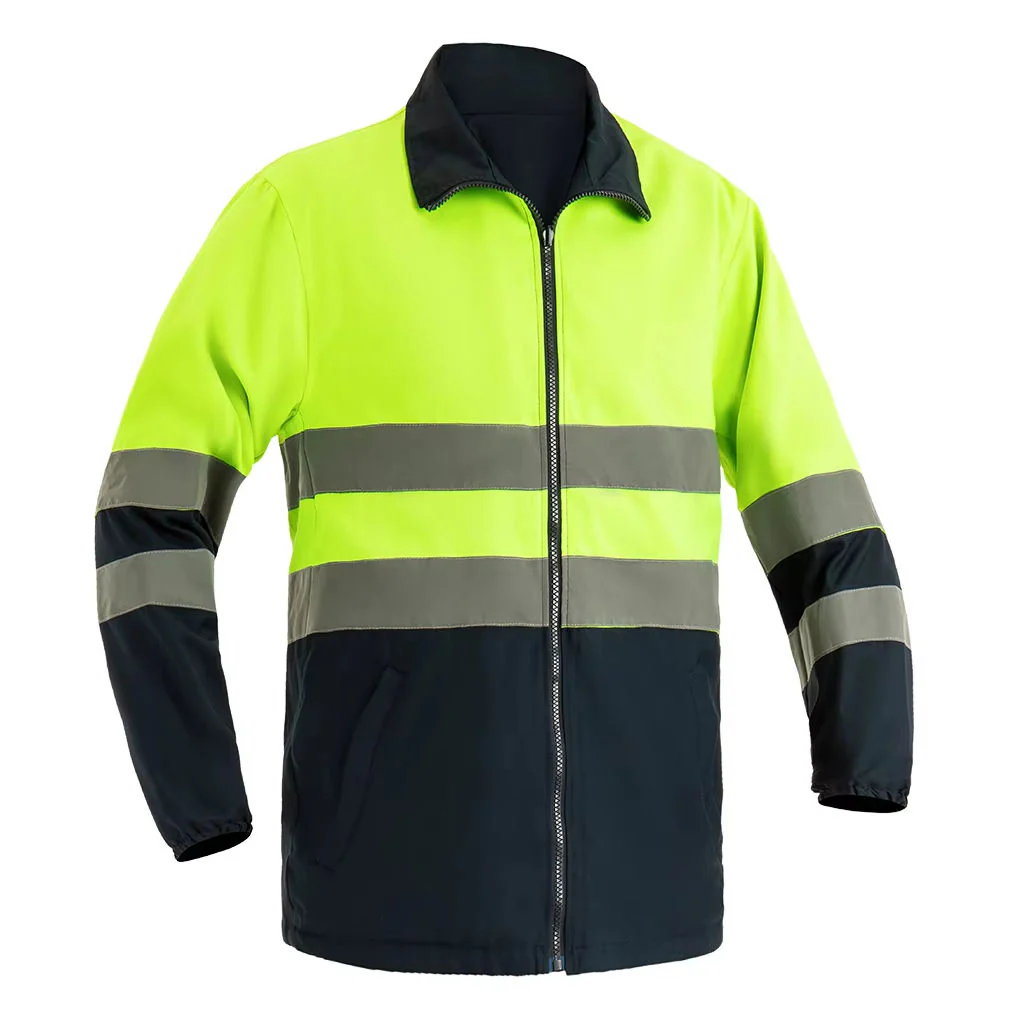
Institutional Uniforms & Workwear
Uniform programs for government departments, public institutions and enterprise workforces.
View products