
Buyer question
What should I consider when reviewing military uniform supply companies?
Review the company that will sign the contract, what it actually manufactures or subcontracts, and whether it can control your exact uniform specification. Then examine comparable production experience, material traceability, sample discipline, sizing controls, inspection records, capacity assumptions and delivery planning. The right supplier is the one that can support its proposed scope with project-specific evidence and accept clear contractual accountability.
Start with the contracting entity and real supply role
- Separate manufacturer, subcontractor, exporter and contracting roles.
- Evaluate capability against the exact product rather than the company’s full catalogue.
- Check whether specifications, samples, changes and inspection results remain traceable.
Test capability against your proposed order
- 01
Request the legal entity, production site and proposed subcontracting map.
- 02
Issue the same controlled specification and response matrix to every candidate.
- 03
Review one comparable sample and its supporting material and measurement records.
- 04
Confirm capacity and lead time only after quantity and configuration are fixed.
- 05
Check whether the quotation, invoice beneficiary and proposed contract entity agree.
- 06
Put inspection, change-control and remedy terms into the contract.
Follow the specification through the factory
A supplier may be competent in one product family and inexperienced in another. Ask which processes occur at the disclosed site, which are outsourced and who remains accountable for conformity.
A credible response identifies missing information, proposed deviations and evidence limitations. An immediate unconditional ‘yes’ to an incomplete requirement is a risk signal rather than proof of flexibility.
Entity control: quotation, invoice, bank beneficiary and contract name agree.
Technical control: sample, BOM, measurements and artwork carry matching revisions.
Delivery control: the schedule identifies material, sampling, production, inspection and packing milestones.
Before you order
- A quality-management certificate alone cannot establish garment capability or delivery readiness.
- The word ‘manufacturer’ may cover outsourced operations; verify which processes actually occur at the disclosed site.
Related products, services and guides
Continue with the product family, sourcing service or practical guide that best matches your next step.
Find a relevant product
Explore product categories
Open a category to compare available product families, then include the product type, quantity, destination and customization needs in your enquiry.
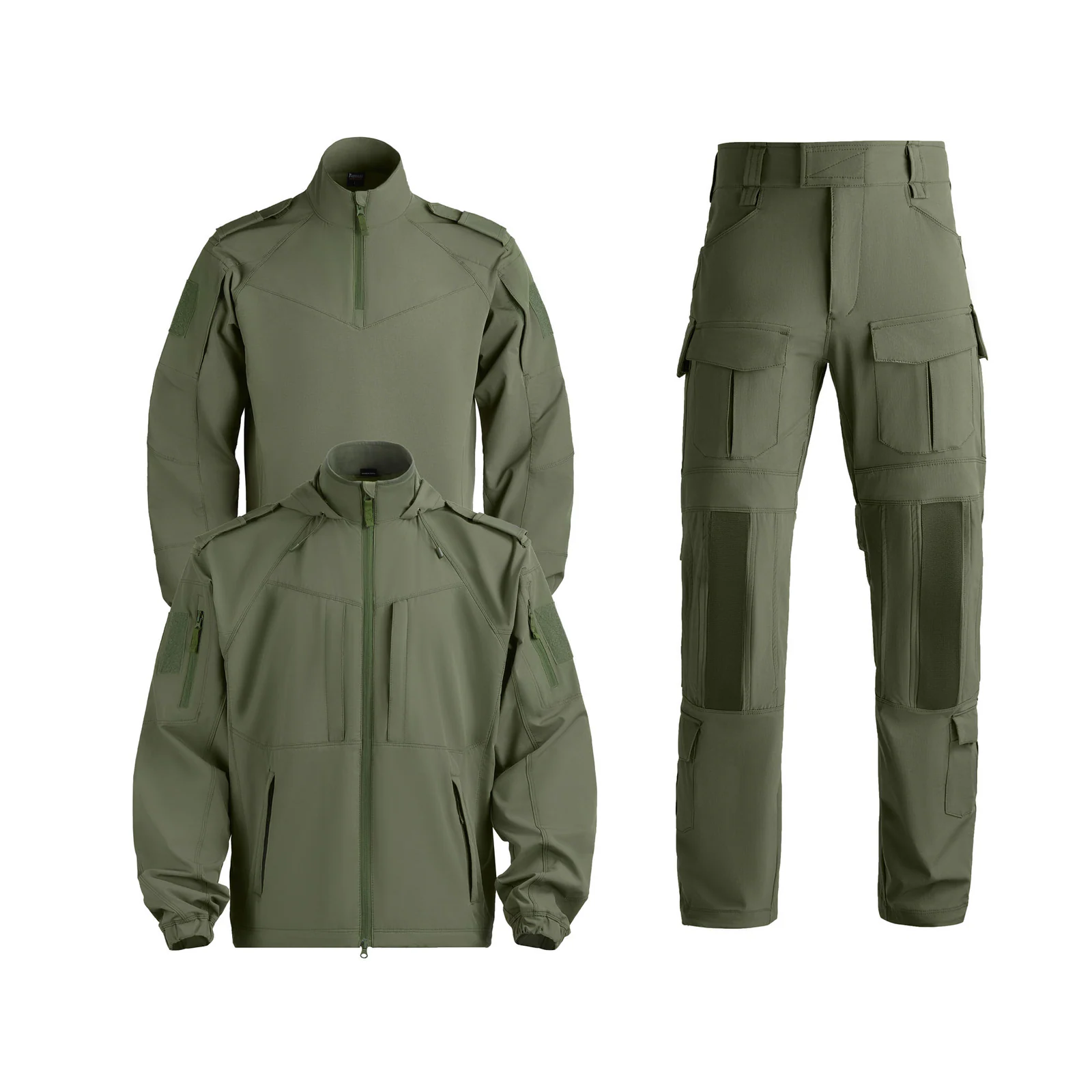
Military & Camouflage Uniform Systems
Configurable BDU, ACU-style, combat and training uniform programs for institutional procurement.
View products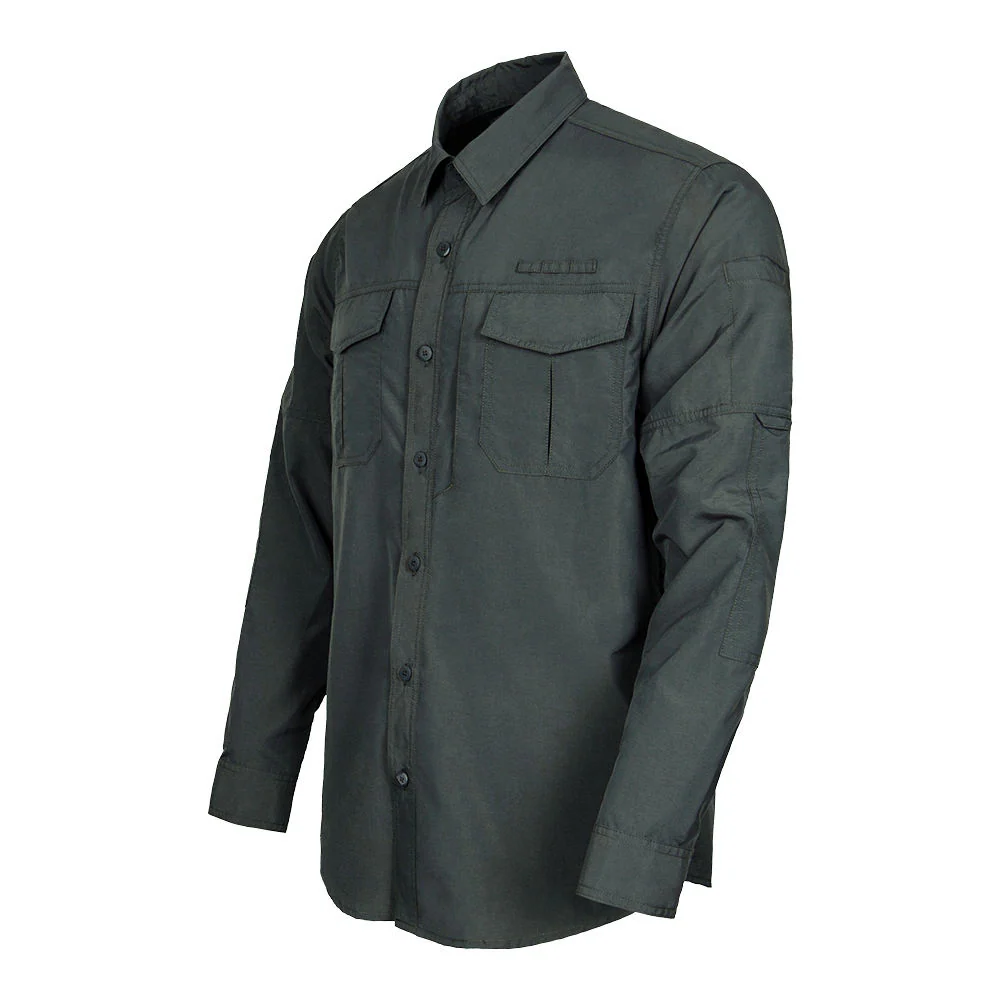
Tactical Apparel
Jackets, shirts, trousers and field layers configured for duty, training and contractor programs.
View products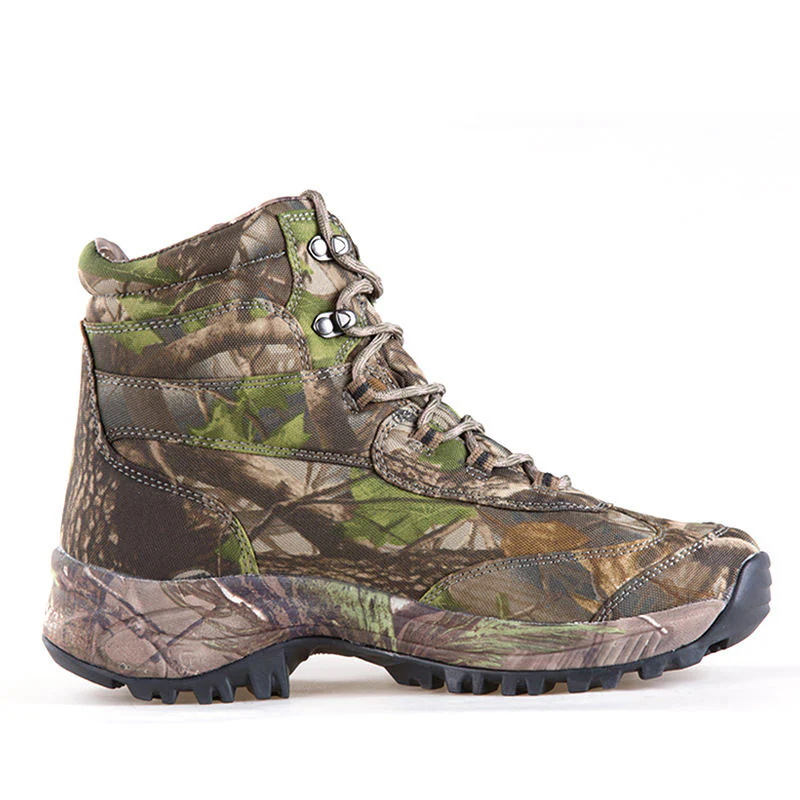
Tactical Footwear, Headwear & Accessories
Boots, shoes, socks, caps, hats, gloves and eyewear for coordinated duty and field-use programs.
View products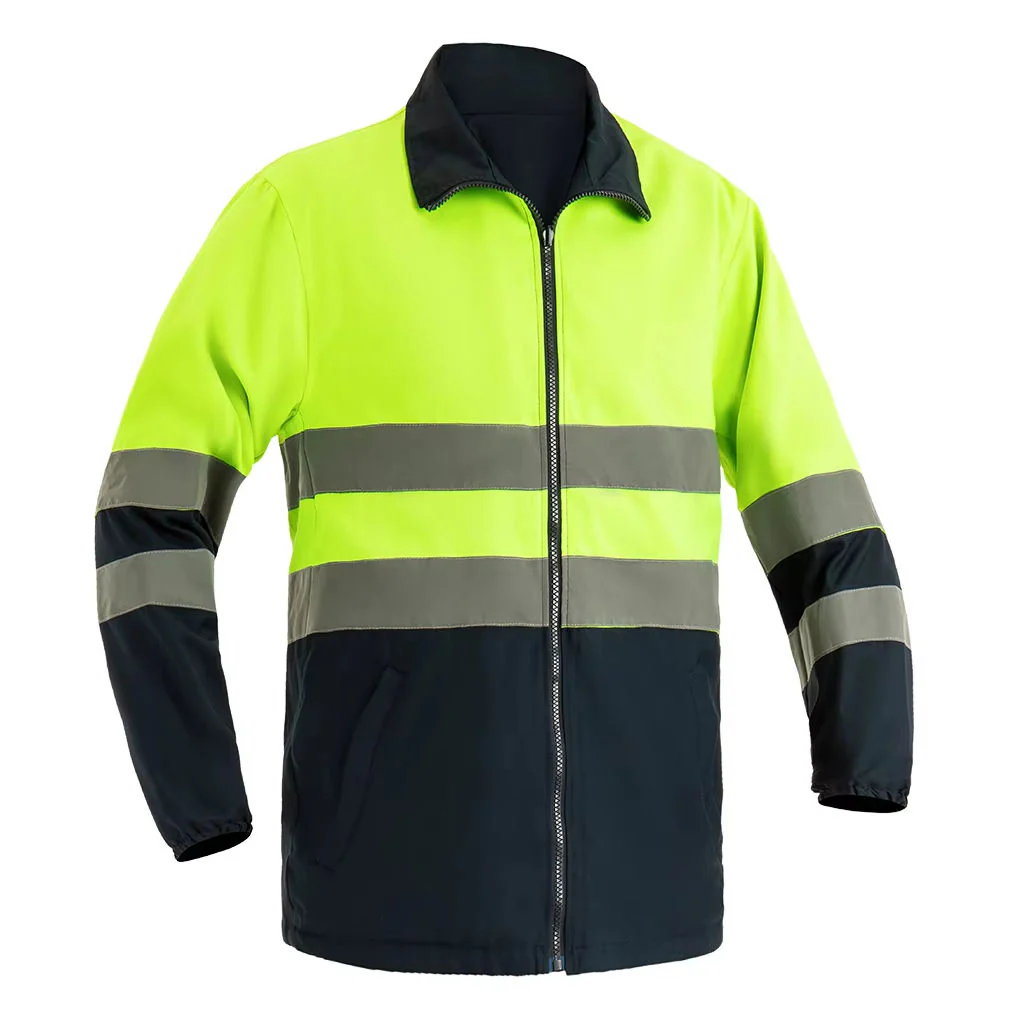
Institutional Uniforms & Workwear
Uniform programs for government departments, public institutions and enterprise workforces.
View products