
Buyer question
how to conduct military uniform inspection
Military uniform inspection can mean checking a person's dress and appearance or checking a bulk clothing order. For personal dress inspections, follow the applicable service and unit instructions. This guide covers bulk-order quality inspection: compare the garments with the agreed specification and sample, then check fabric, colour, measurements, stitching, labels, quantities and packing. Record defects against the agreed acceptance criteria and have the responsible buyer confirm the outcome before accepting the shipment.
The contract defines conformity
- Confirm governing documents and revisions before inspecting.
- Check technical, visual, quantitative and packing requirements.
- Separate inspection findings from formal acceptance authority.
- Every defect should identify the affected item, requirement and evidence.
Inspect from documents to packed shipment
- 01
Freeze the inspection plan and governing document set.
- 02
Verify lot identity, quantity and sample selection.
- 03
Inspect fabric, shade, construction, measurements and workmanship.
- 04
Check labels, controlled identity items, packing and carton marks.
- 05
Photograph and code each finding against the agreed defect definition.
- 06
Issue a defect report and obtain the supplier’s corrective-action response.
- 07
Reinspect affected goods and record the authorized acceptance decision.
Make every finding traceable
Measurement points, tolerances, defect classes and sampling method should be agreed before production. Otherwise identical observations can lead to inconsistent pass or fail decisions.
The supplier remains responsible for controlling quality and tendering conforming goods. Buyer or government inspection does not remove that responsibility.
Corrective action should identify affected quantity, root cause, rework method, reinspection result and approval owner.
Critical or controlled issue: unauthorized insignia, identity error or safety-related nonconformance.
Major issue: measurement or construction defect that materially affects use.
Minor issue: limited workmanship departure that does not materially impair use, subject to the contract definition.
Traceable record: photo, sample number, specification clause, defect class and disposition agree.
Before you order
- Set the AQL and defect classifications before production; creating them afterward changes the acceptance basis.
- Inspection completion is not acceptance until the contract’s authorized party records that decision.
Related products, services and guides
Continue with the product family, sourcing service or practical guide that best matches your next step.
Find a relevant product
Explore product categories
Open a category to compare available product families, then include the product type, quantity, destination and customization needs in your enquiry.
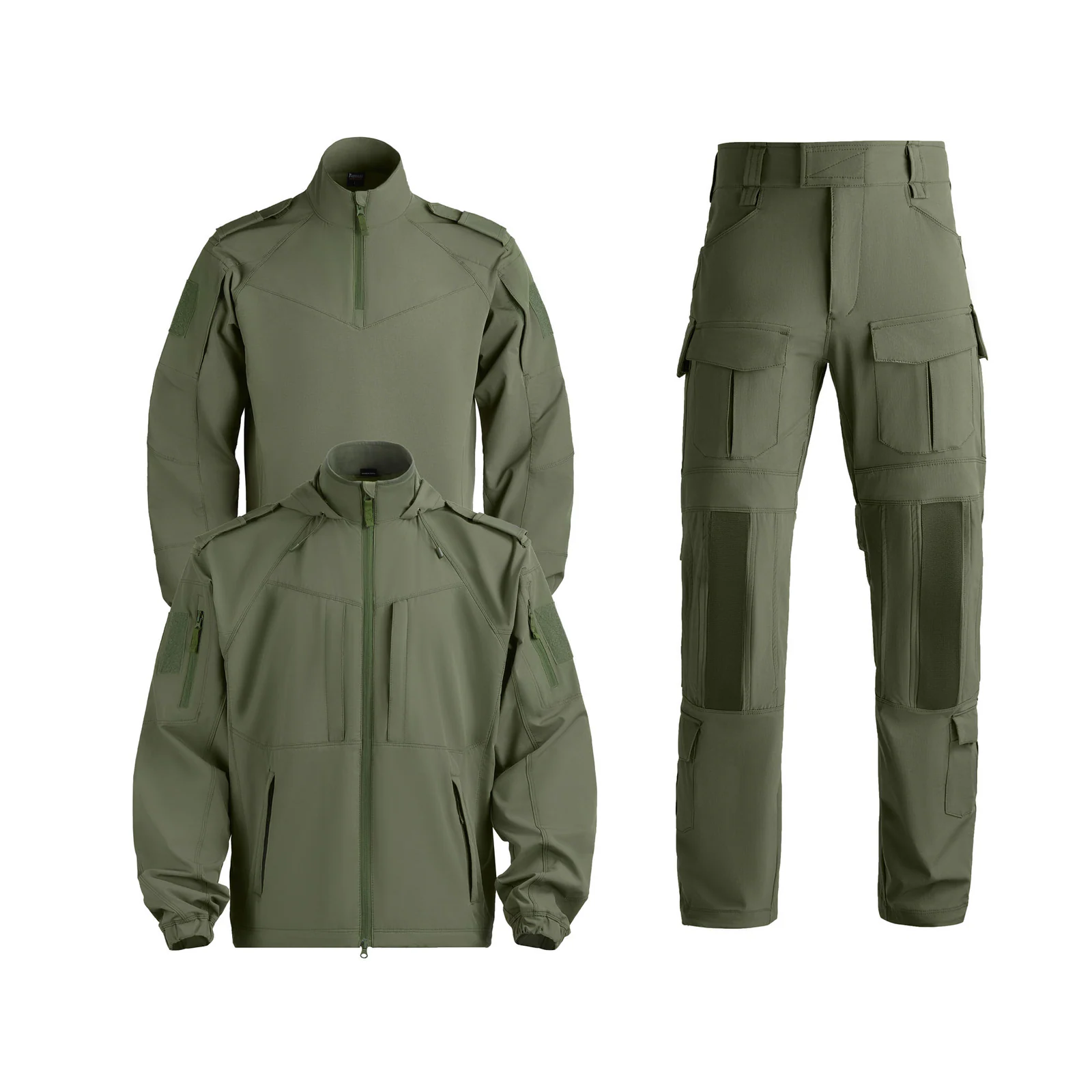
Military & Camouflage Uniform Systems
Configurable BDU, ACU-style, combat and training uniform programs for institutional procurement.
View products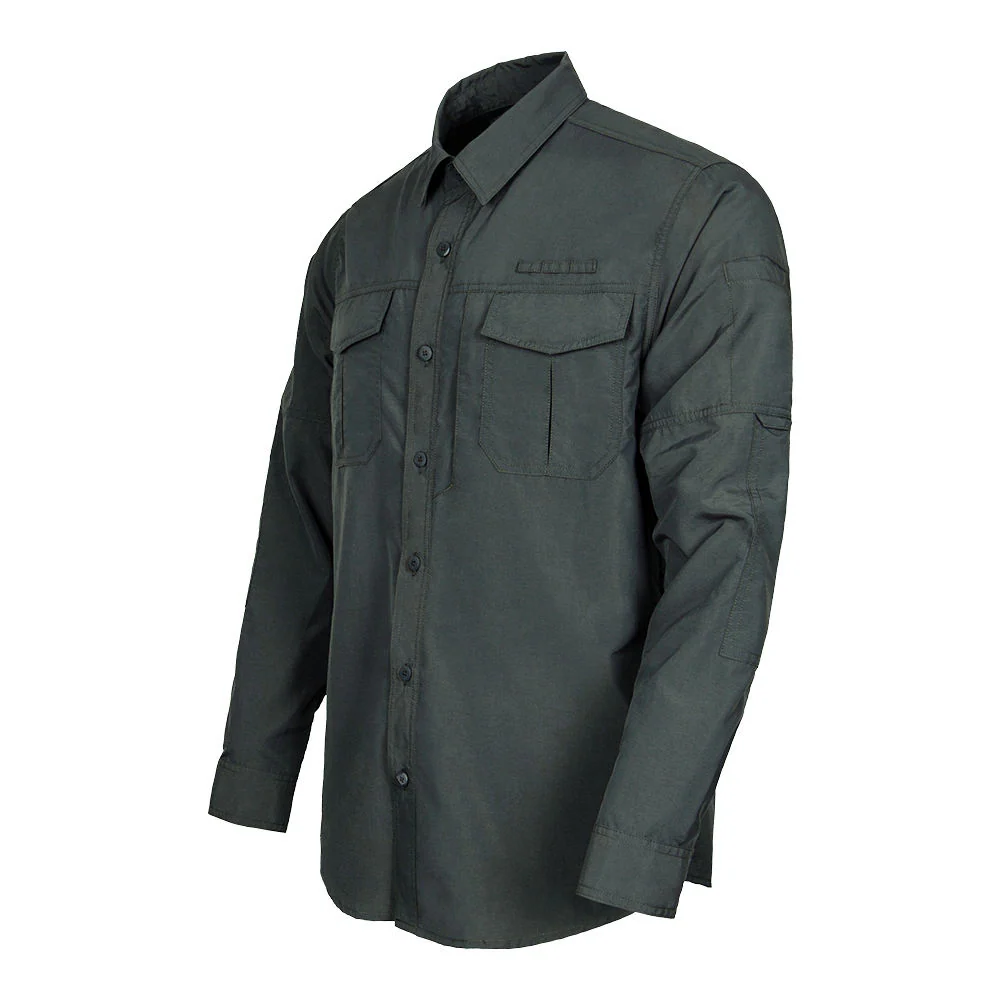
Tactical Apparel
Jackets, shirts, trousers and field layers configured for duty, training and contractor programs.
View products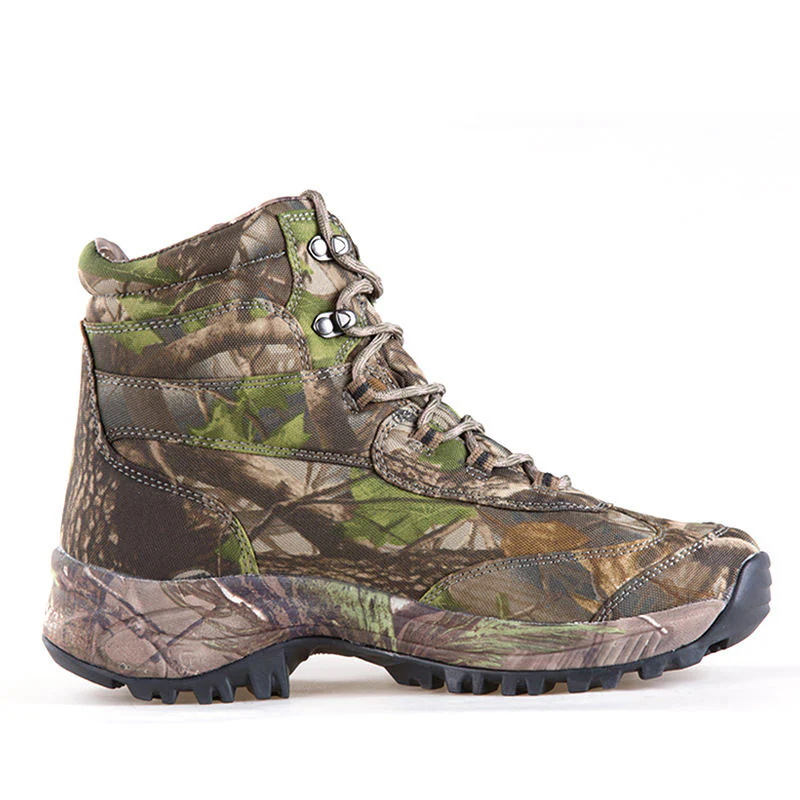
Tactical Footwear, Headwear & Accessories
Boots, shoes, socks, caps, hats, gloves and eyewear for coordinated duty and field-use programs.
View products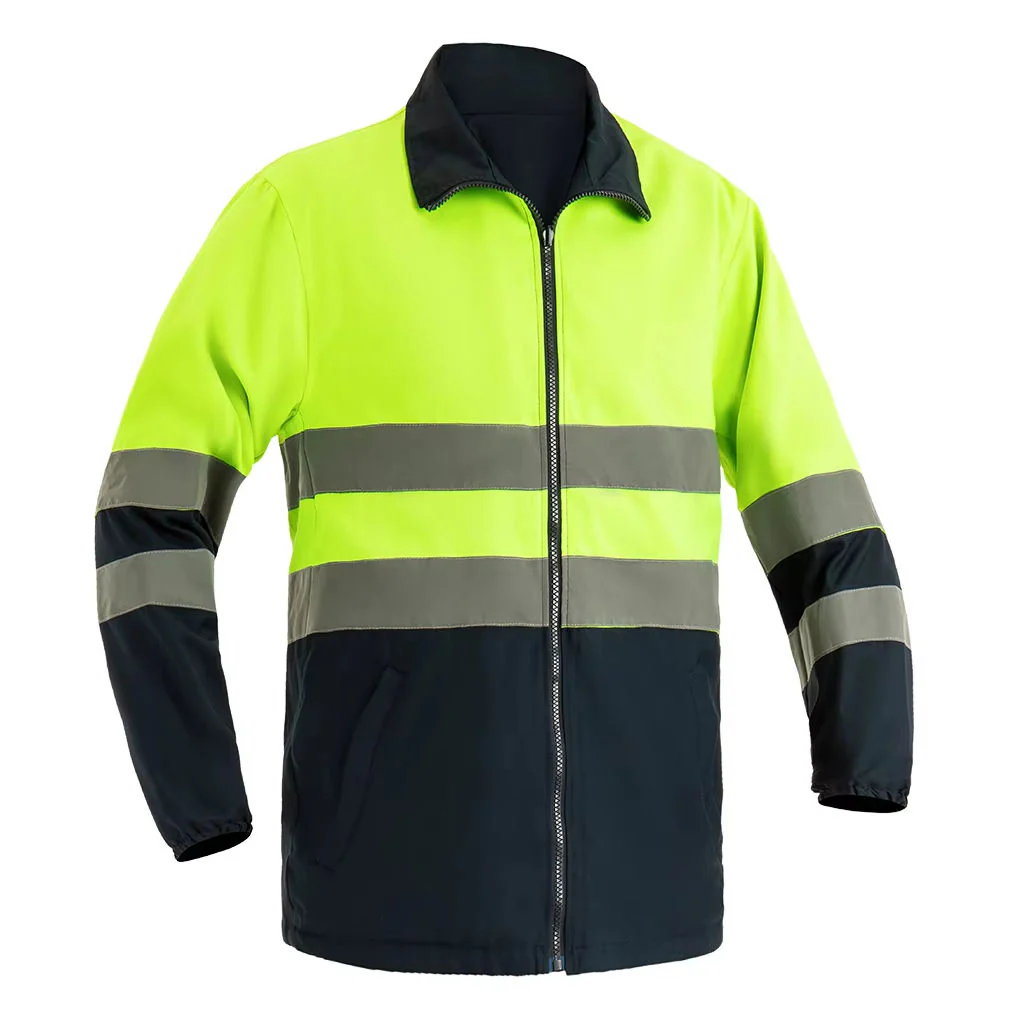
Institutional Uniforms & Workwear
Uniform programs for government departments, public institutions and enterprise workforces.
View products