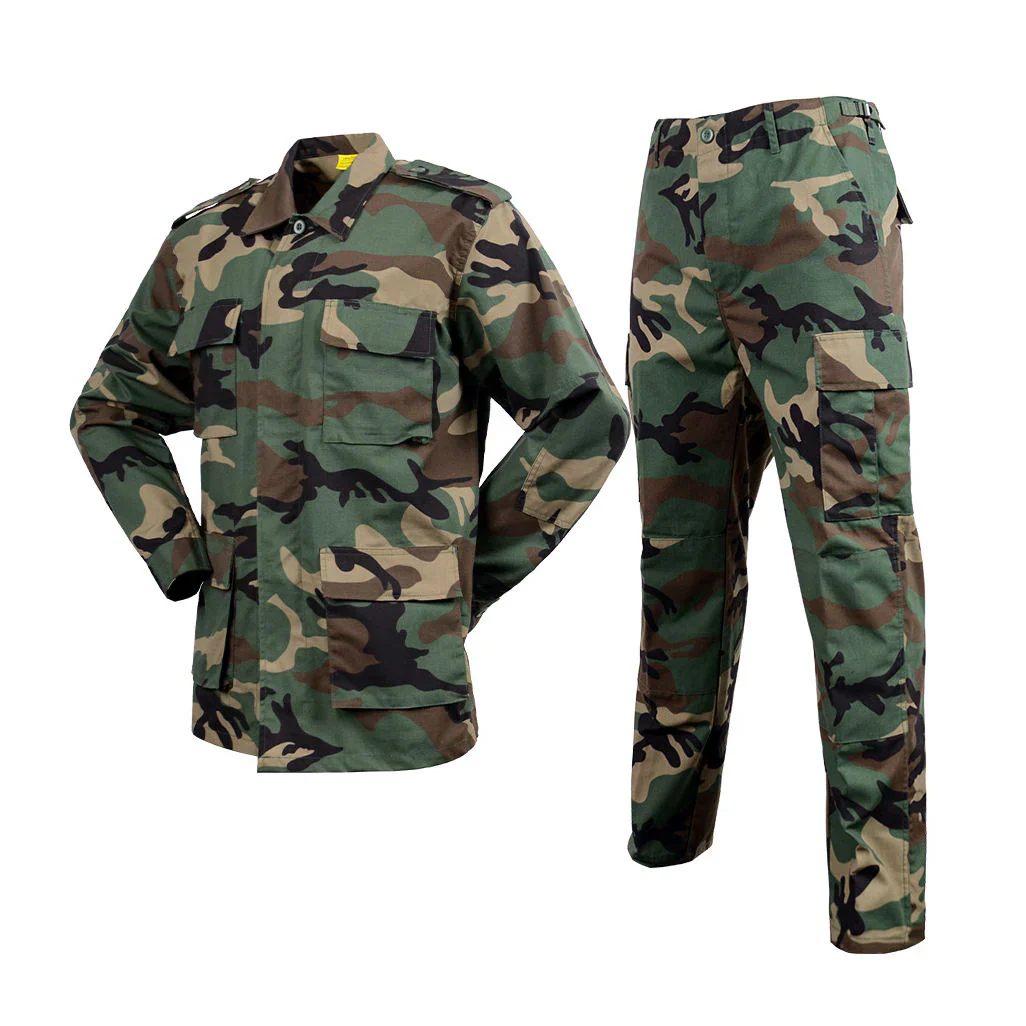
JTT-U01
BDU Combat Uniform Program
- Program type
- Institutional bulk uniform program
- Material options
- Poly-cotton, nylon-cotton or buyer-specified fabric after approval

BDU uniform programs
Compare BDU-style blouse and trouser configurations by fabric, pocket layout, reinforcement, sizing, identity and packing, then develop the selected option against a buyer-approved requirement.
Available product options
Compare the styles below. Open a product for its details, or send the product ID and your requirements to discuss a quotation.
JTT-U01
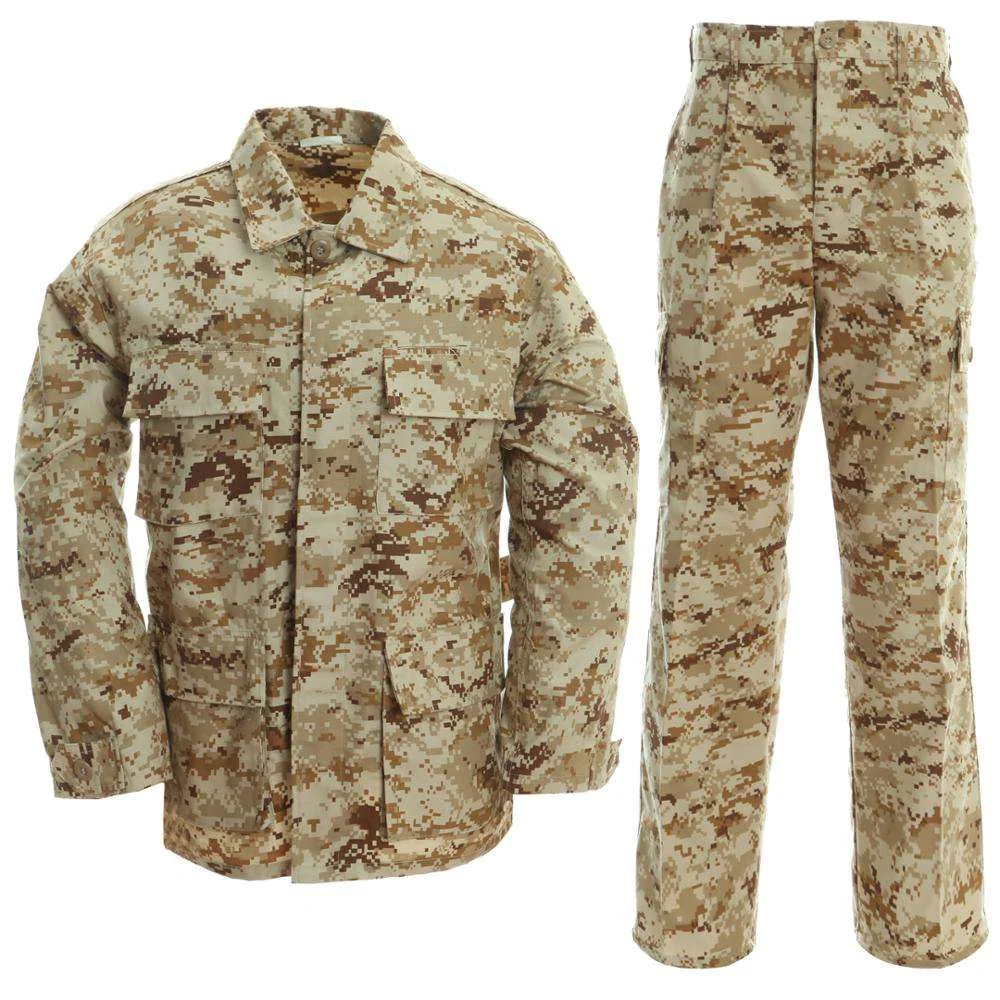
JT-BDU-005
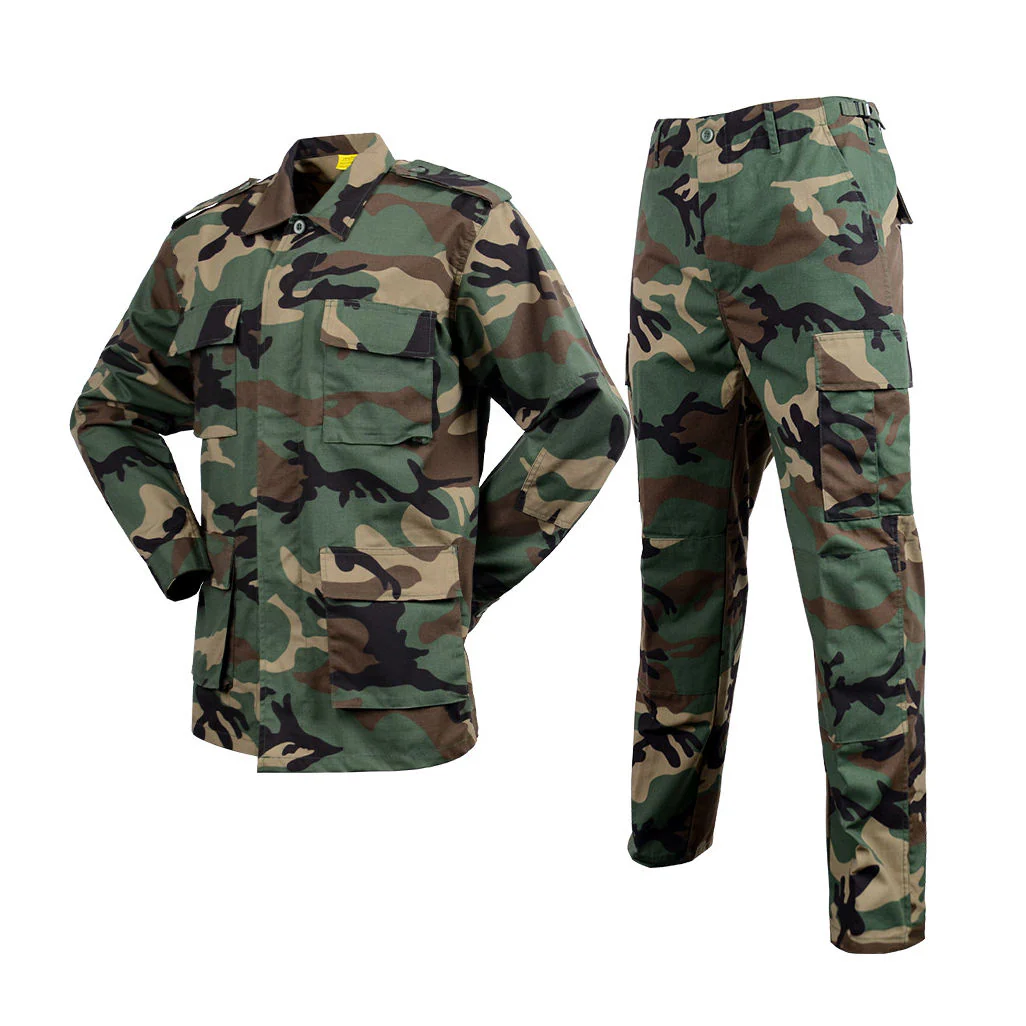
JT-BDU-009
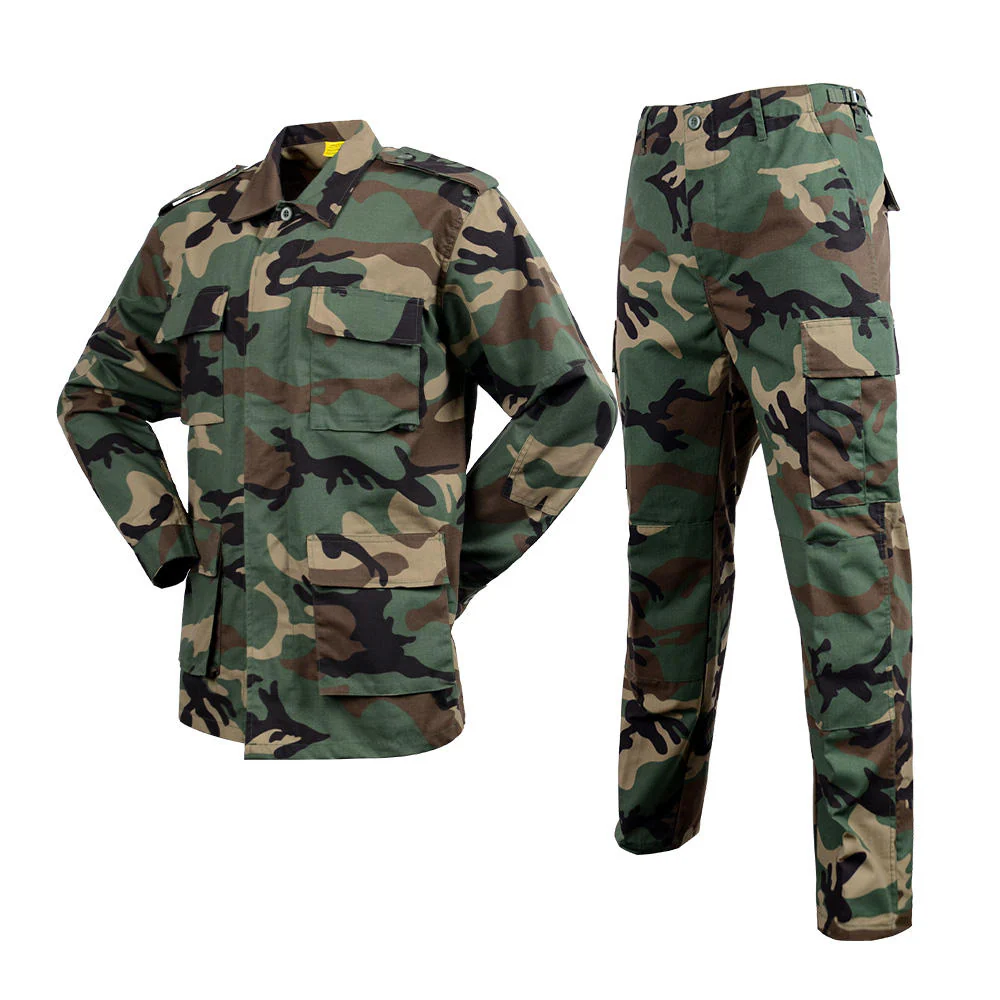
JT-BDU-010
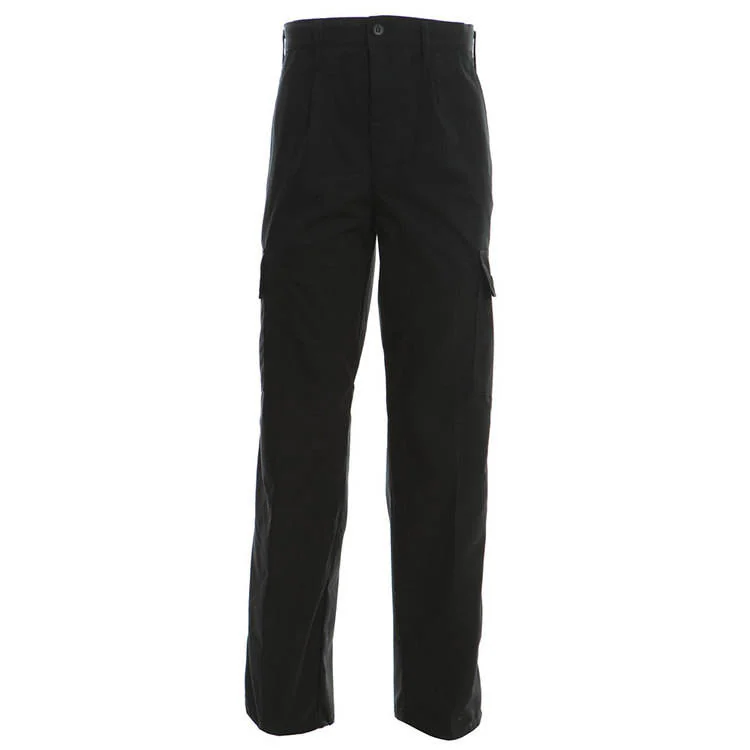
A configurable field-uniform platform
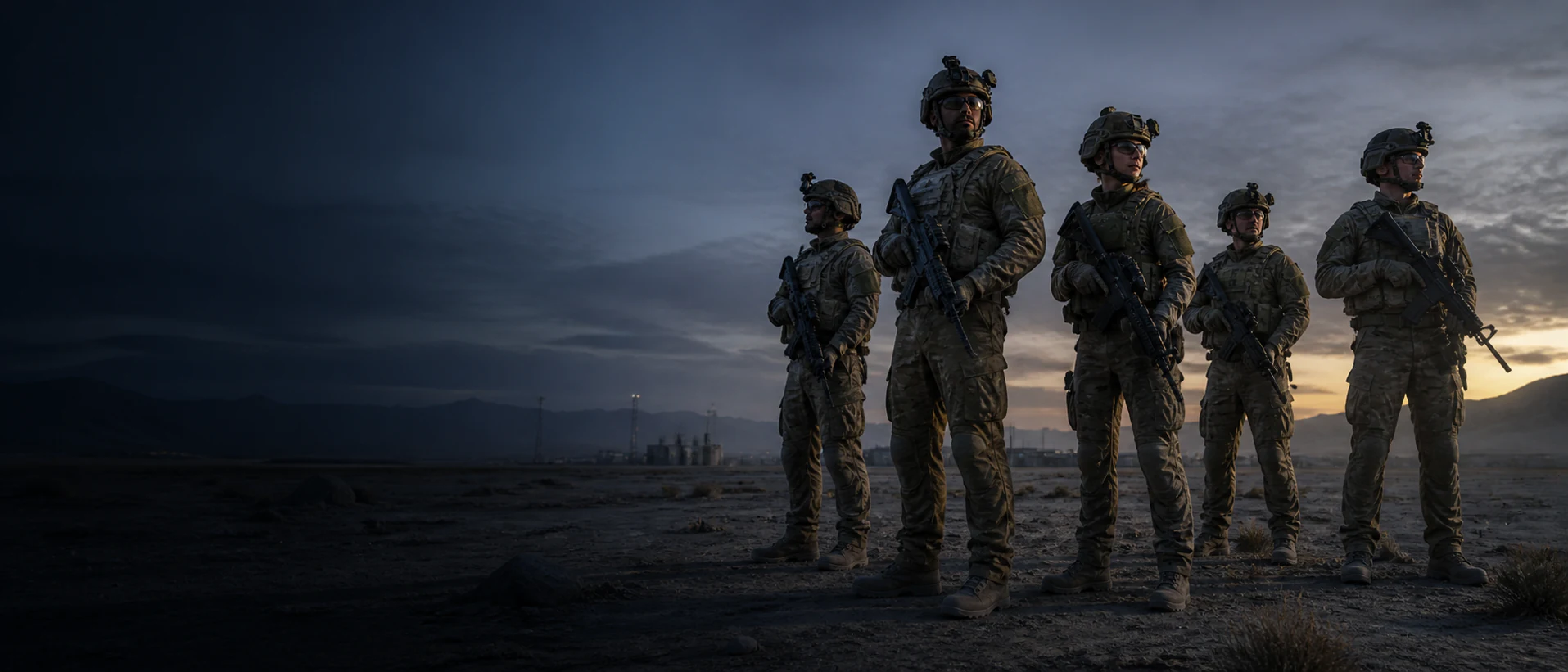
Military BDU uniform programs can vary in blouse length, pocket placement, closure, waist adjustment, trouser reinforcement, fabric, colour, camouflage, size range and identity fields. Jinteng helps institutional buyers turn a preferred BDU-style layout into a controlled garment set with comparable quotation fields, sample decisions, measurements, approved materials and delivery instructions. The result is a program that can be inspected and reordered by documented configuration rather than by name or photograph.
Product selection
Find the style closest to your needs, then explore the available products.
01 · Core platform
Traditional field-uniform layouts adapted through buyer-approved pocket, closure, reinforcement, adjustment and trim decisions.
View product details02 · Climate selection
Material and construction proposals developed around heat, drying, sun exposure, movement and the buyer’s care route.
03 · Duty appearance
Coordinated colour, identity, sizing and packing for institutional duties that do not require a camouflage print.
04 · Program artwork
Garment construction and print artwork managed as separate approval tracks before the final sample is accepted.
Product advantages
Compare the features below when choosing your products.
Confirm quantity, dimensions, opening, closure and reinforcement for each pocket position.
Record fibre blend, construction, finished weight, colour, finish and care expectations.
Place reinforcement according to the accepted construction and intended movement conditions.
Identify buttons, zippers, tabs, cuffs, waistband and drawcord fields line by line.
Review representative sizes, points of measure, grading, ease and planned order ratios.
Connect pattern source, scale, repeat and colours to an approved submission reference.
Record label, badge, embroidery and attachment dimensions with placement instructions.
Use item, size and set labels that can be reconciled to locations and later orders.

Material and construction
A fibre name does not explain finished weight, weave, hand, shrinkage, colour performance or comfort. The material brief should state the operating climate, wear intensity, laundering route and any measurable acceptance requirement, then connect the accepted fabric submission to the garment sample and BOM.
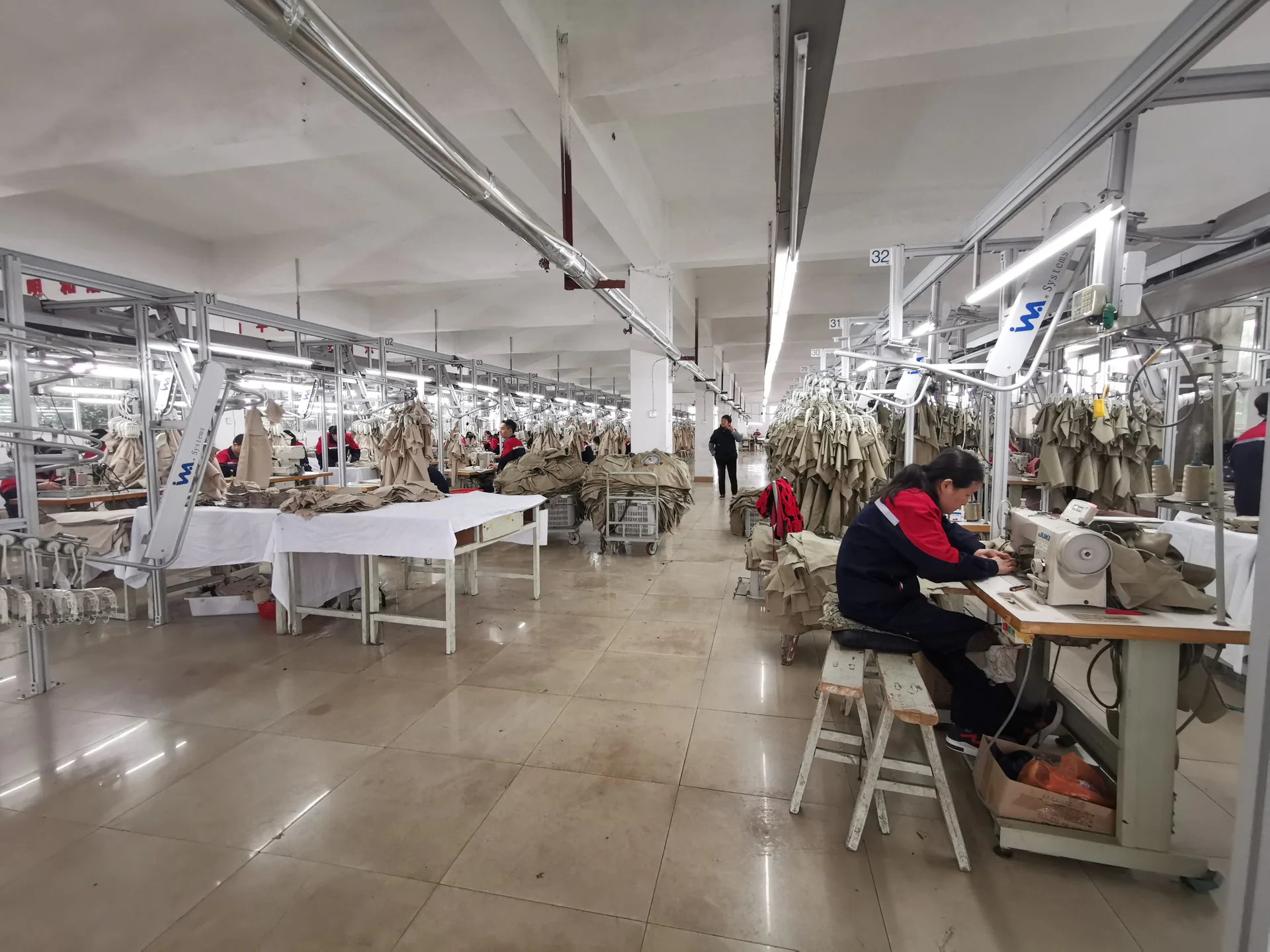
Fit and replenishment
The buyer and supplier should agree how each point is measured, how much tolerance applies and which sizes are reviewed. Linking the accepted chart to labels, ratio planning, inspection and retained samples creates a practical reference when new wearers or replacement quantities are added.
BDU development workflow
The sequence separates appearance, construction, fit and delivery so each can be approved on suitable information.
State duty, climate, planned layers, care method, issue quantity and destination.
Confirm blouse, trouser, pocket, closure, adjustment and reinforcement fields.
Review identified fabric, colour or camouflage, trims, labels and artwork.
Close workmanship, measurement, movement and grading comments on the correct samples.
Link the accepted sample to the BOM, chart, artwork, labels and packing instructions.
Use defined checkpoints and reconcile size, set and carton quantities to destinations.
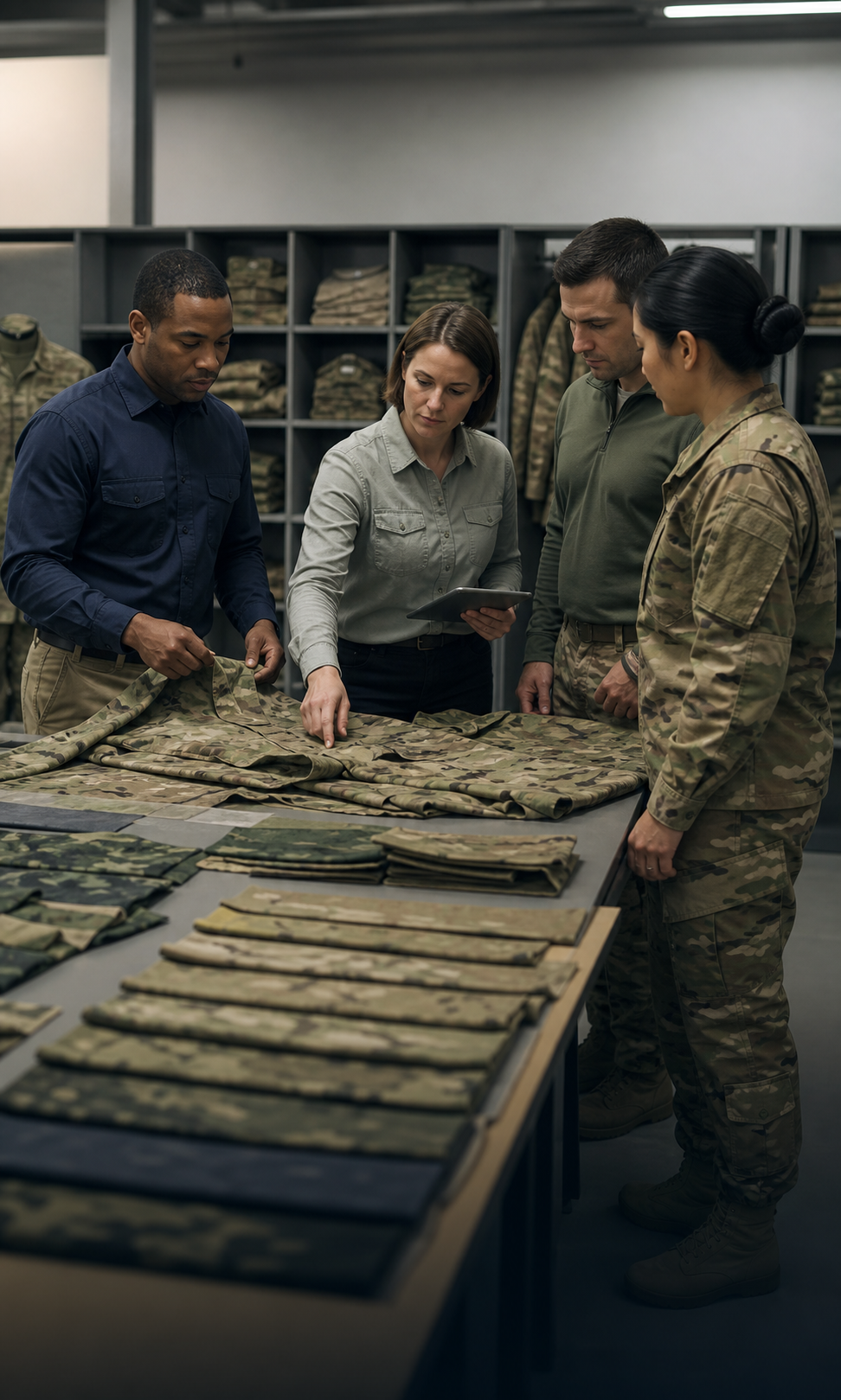
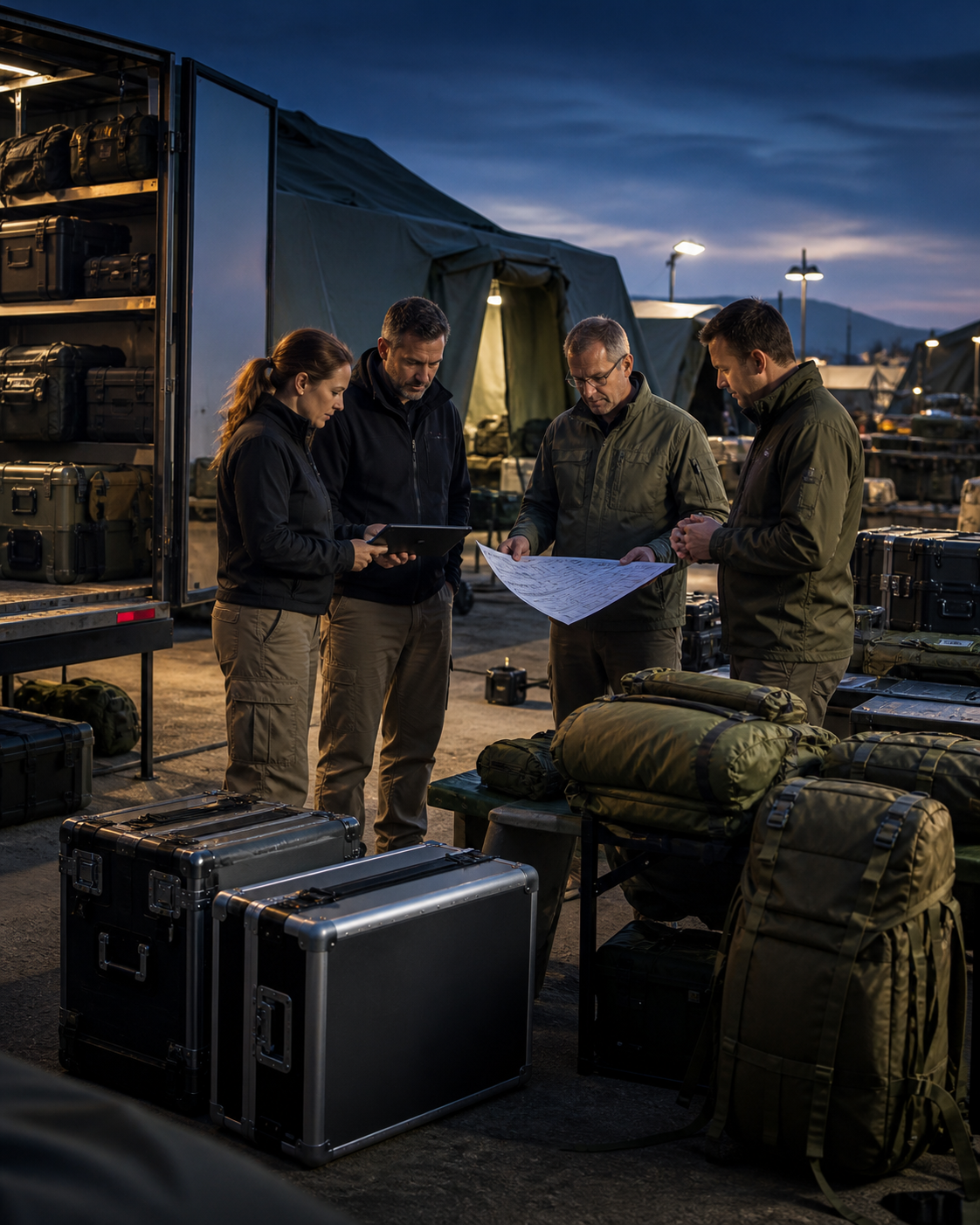
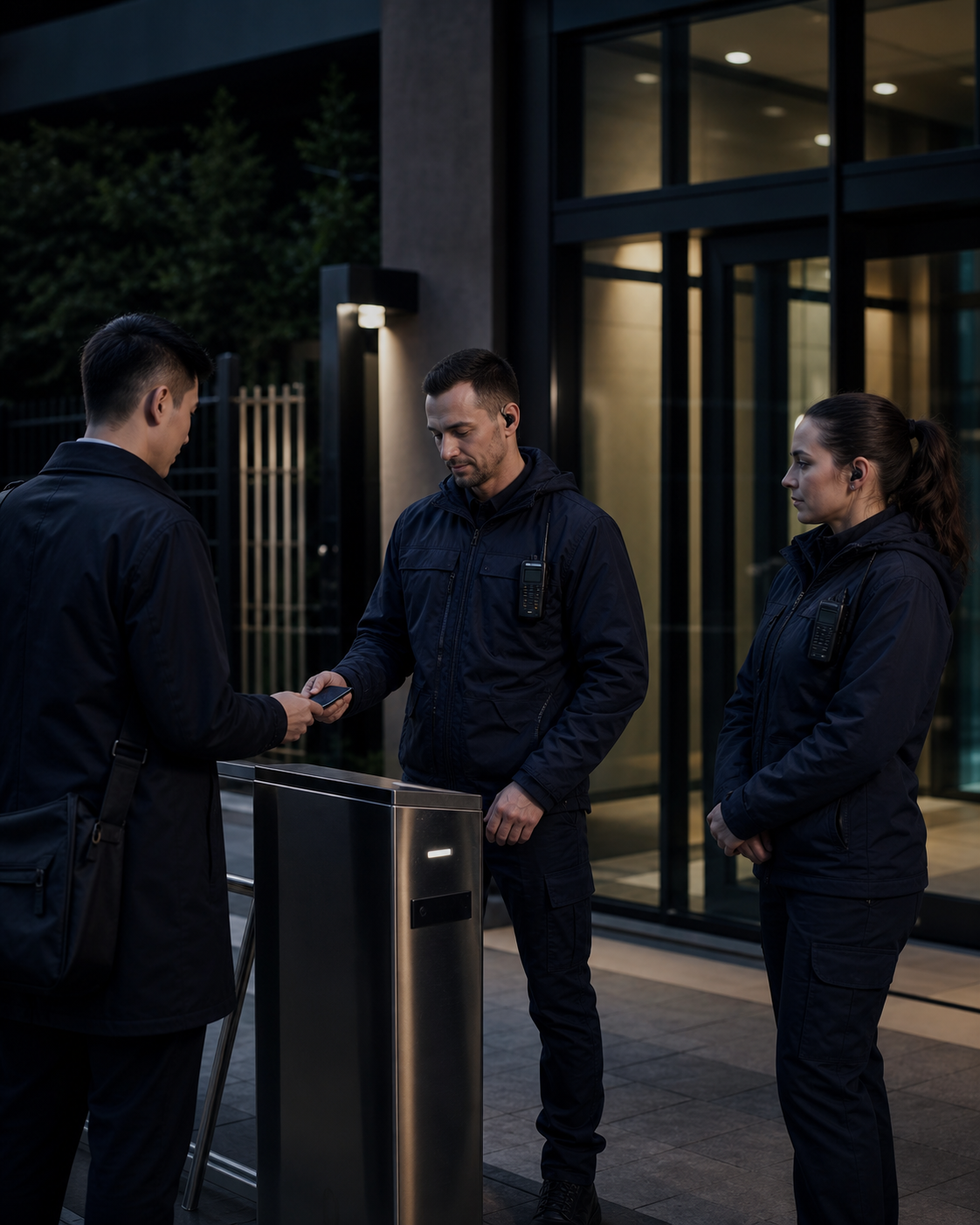
Application contexts
Use these common program contexts to clarify the specification and route your enquiry to the most relevant product and project-support pages.
Buyer resources
The resources below help you define the requirement, choose the right approval stage and request a more comparable quotation.
Request the current company catalogue, then tell us which product families and configurations should be included in your quotation.
Request catalogue accessCompare platform choices through procurement fields.
Read the buyer guideUse representative samples to close fit and grading.
Read the buyer guideOrganize the garment, quantity, approval and delivery inputs.
Read the buyer guideGarment-program foundation
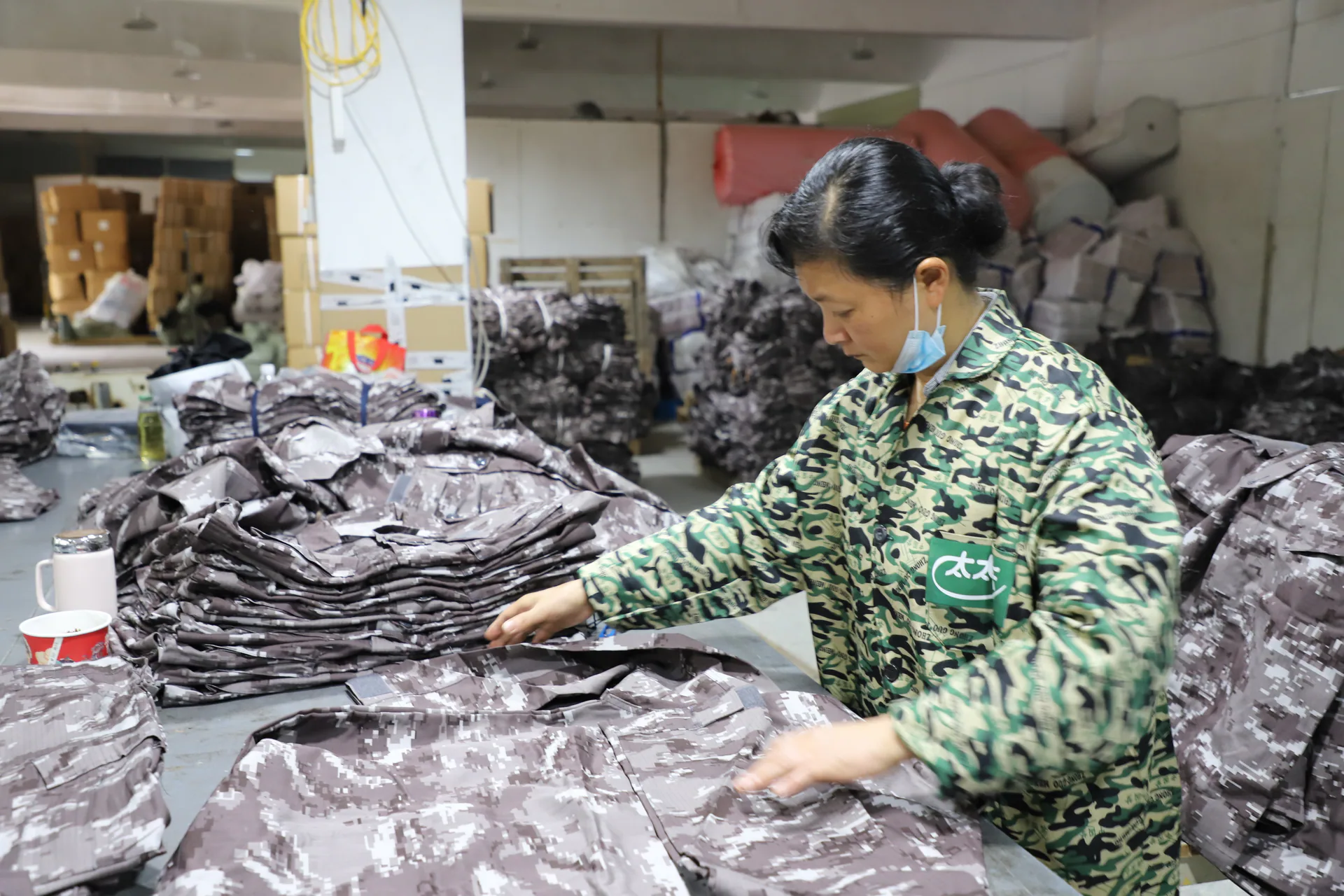
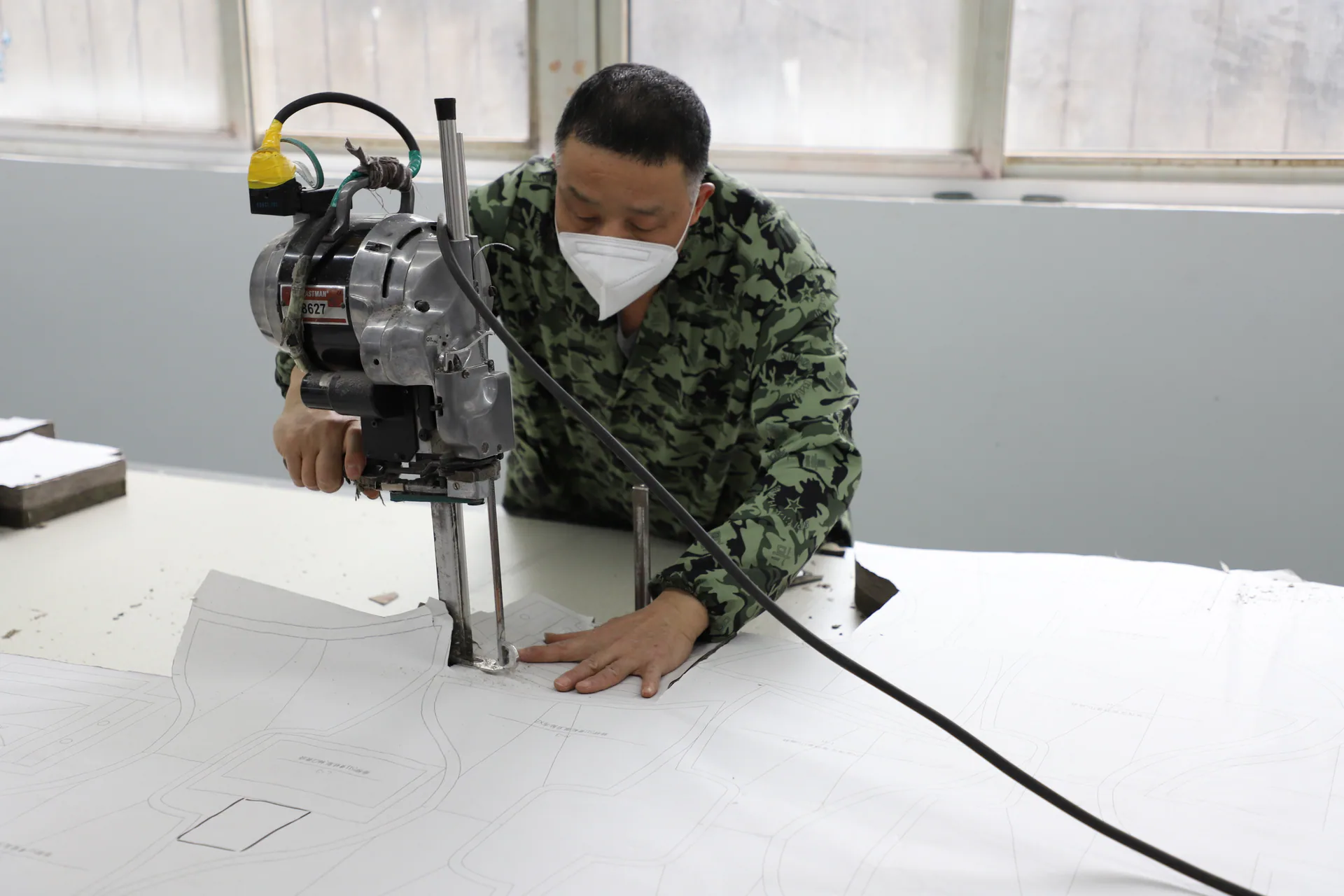
Jinteng was established in Wuhan in 2002 and supports BDU programs through coordinated garment development, sample comments, measurements, production planning and packing records. Individual product options can follow different approved supply routes, so the quoted configuration and project documents remain the controlling reference from sampling through delivery.
Configuration details
Review the product-specific details below, then use these tabs to plan any changes.
The platform name becomes useful when every construction field is visible.
Fabric and artwork records should connect directly to the accepted sample.
Fit, grading and allocation are related but separate decisions.
The project file supports inspection and repeat purchasing.
Quotation comparison
A named style family is only the starting point. Use one comparison table so every supplier answers the same technical and commercial questions.
| Decision | Buyer question | Input for quotation |
|---|---|---|
| Garment set and layout | Which shirt, coat and trouser components are included, and which pocket, closure and reinforcement details are mandatory? | Product list, drawings or reference sample, required changes and component details. |
| Fabric and customization | Which fibre blend, weave, finished weight, colour or camouflage reference is required? | Material specification, colour or artwork reference, trims, labels and insignia details. |
| Sizing and sampling | Which body or garment chart governs grading, and which samples are needed to confirm fit and construction? | Points of measure, tolerances, preliminary size ratio, size set and pre-production sample plan. |
| Inspection and allocation | How will the accepted configuration be inspected, packed and allocated to wearers, units or destinations? | Inspection basis, defect rules, pack hierarchy, carton marks and allocation data. |
Buyer decision records
The following records show what was selected, how it was approved and what should arrive.
A line drawing or option sheet naming pockets, closures, adjustments, reinforcement and trims.
An identified material submission linked to the garment sample and production BOM.
An approved measurement chart, size-set comments, tolerance and order-ratio record.
Retained configuration, sample revision, artwork, labels and packing references with change status.
Frequently asked questions
These answers address the configuration, order planning and approval details that most often affect a bulk project.
No. A military battle dress uniform is a construction-family description, while fabric, pockets, closures, reinforcement, fit, colour or camouflage, identity and packing can change by program. The accepted option sheet, BOM, measurements, artwork and sample should define the purchased garment.
A military BDU uniform quotation should begin with the blouse and trouser requirement, reference images or sample, fabric information, colour or camouflage source, size range, quantity, identity details, packing, destination and delivery timing. Clearly mark which fields are mandatory and which can receive a supplier proposal.
Confirm who controls the artwork and provide the authorized source or measurable colour and repeat references. Review an identified submission at a useful scale, then link the accepted artwork version to the proposed fabric and garment sample before bulk work.
Choose representative sizes that expose fit and grading across the proposed range rather than reviewing only one middle size. The exact selection depends on the range, wearer data and risk, and comments should identify both the sample size and affected graded sizes.
Yes. The buyer can define individual sets, unit sets, size-ratio cartons or location-based allocation. The packing record should identify blouse and trouser sizes, included items, labels, quantities and carton marks, followed by a pilot-pack check.
Fabric, construction complexity, reinforcements, trims, size range, artwork, identity work, sampling, inspection, packing, quantity and delivery terms all affect the offer. Compare suppliers on the same configuration and separate optional work from the base garment price.
BDU buyer guide
A useful requirement lets a supplier understand the field task, quote the same garment scope and prepare samples that close real purchasing decisions.
Begin with wearer roles, climate, expected wear, laundering route, planned layers, issue quantity and replenishment need. These inputs explain why a particular material weight, pocket layout or adjustment is required. If an existing garment is the starting point, identify which features must remain and which can be improved. This prevents a reference sample from becoming an accidental specification for details the buyer never intended to copy.
List the blouse and trouser separately and record each pocket, closure, cuff, waistband, reinforcement, label and insignia field. Dimensions and positions should be measurable wherever they affect function or appearance. Include acceptable proposal fields when the buyer wants supplier input. A structured schedule lets procurement compare offers without assuming that two garments carrying the BDU label contain the same work or components.
Material submissions answer fibre, construction, weight, colour and finish questions; garment samples answer construction and workmanship questions; a size set answers fit and grading questions. Do not ask one early sample to close every decision. Record the identifier and revision of each accepted reference, note any conditions, and make sure the final pre-production garment uses the proposed production material and approved identity details.
The final project file should bring together the drawing, BOM, material and artwork approvals, measurements, tolerances, sample comments, labels and packing instructions. Use these references to prepare inspection checkpoints and a pilot pack. After delivery, retain the accepted configuration and any approved changes so a replacement order begins from a controlled baseline instead of a new photograph or an incomplete product name.
Project enquiry
Share the current requirement, even if some technical fields still need a supplier proposal. We will use the product IDs and project context to recommend the next quotation or sample step.
Share the product, quantity, destination, customization and delivery requirements. Our business team will reply with suitable options and the next quotation step.
 WhatsApp