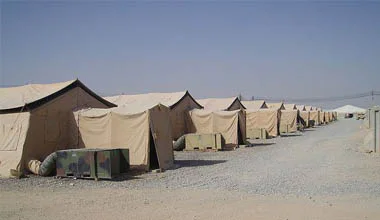
JTT-F02
Deployable Field Tent System
- Configuration
- Defined against buyer specification and approved BOM
- Colour
- Project-specific colours subject to component availability

Military field tent collection
Compare military tent and deployable shelter options by intended occupants, usable layout, fabric and frame configuration, ventilation, ground interface, included components, packed handling and destination requirements. Jinteng coordinates product-level proposals for institutional, distributor and field-support orders.
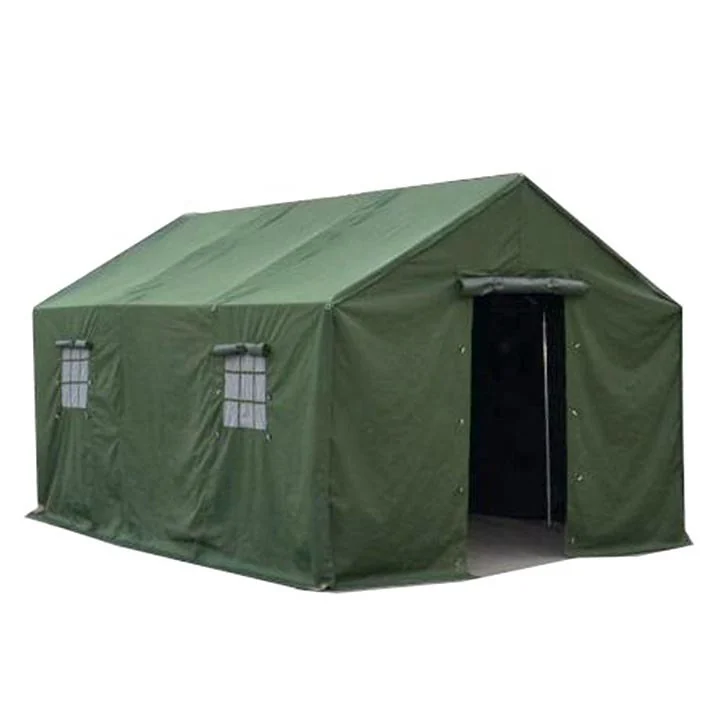
Available product options
Compare the styles below. Open a product for its details, or send the product ID and your requirements to discuss a quotation.
JTT-F02
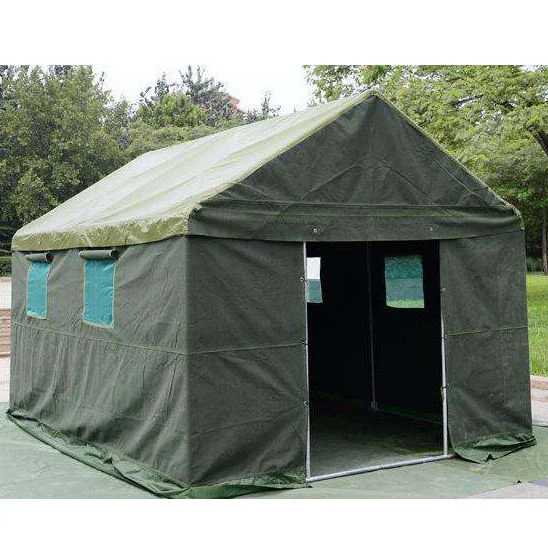
JT-TENT-002
JT-TENT-003
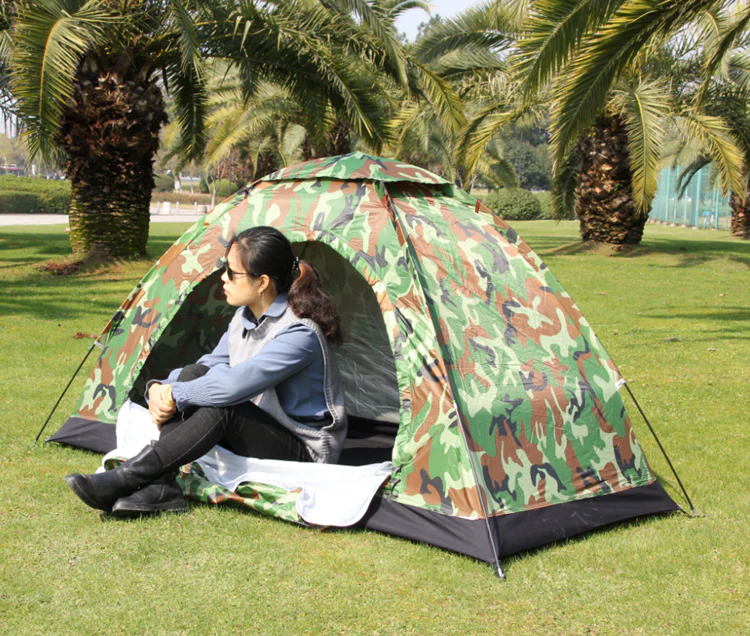
JT-TENT-004
Deployment-led shelter planning
A field tent must fit the people, activity and site while remaining practical to transport, erect, issue and maintain. Similar tent names can hide differences in usable dimensions, wall profile, entrances, ventilation, frame, fabric, ground interface and included pieces. Jinteng organizes product proposals around an operating brief and an itemized component schedule so procurement teams can compare exact configurations, close open questions during review and receive a documented shelter set.
Product selection
Find the style closest to your needs, then explore the available products.
01 · Configurable shelter system
A project-configured shelter family planned by occupancy, climate, transport, camp function and accessory requirements.
View product details02 · Group canvas shelter
A larger canvas shelter option for buyers reviewing team accommodation, field work or relief-support layouts.
View product details03 · Steel-frame field shelter
A framed tent option that can be compared by proposed dimensions, material, floor, frame and included field components.
View product details04 · Compact portable shelter
A compact shelter option for individual or limited-occupancy requirements where packed form and rapid handling matter.
View product detailsProduct advantages
Compare the features below when choosing your products.
Define people, sleeping positions, work areas, equipment and circulation before confirming nominal tent dimensions.
Record entrances, internal divisions, openings and required clear space around the activity performed inside.
Match ventilation, cover, liner and ground requirements to the named weather and operating conditions.
Identify frame or pole arrangement, connections, lines, pegs and the ground conditions expected at deployment.
State proposed outer, floor and supporting materials for the selected model and requested configuration.
Separate included, optional and spare parts so quotations cover the same deployable shelter scope.
Record bags, bundles, packed dimensions, handling units and labels for transport and field issue.
Retain product ID, accepted configuration and component schedule so later replacement needs remain identifiable.
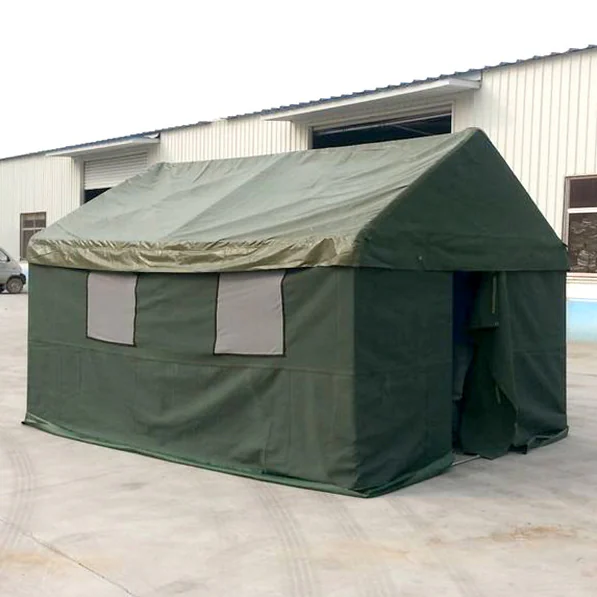
Occupancy and usable layout
Translate headcount into sleeping positions, work areas, equipment storage and movement space. Identify doors, ventilation openings, internal divisions and any clearances needed for the intended task. A simple plan or marked reference image helps suppliers propose a suitable product and lets the buyer compare usable layouts instead of treating every tent with similar external dimensions as equivalent.
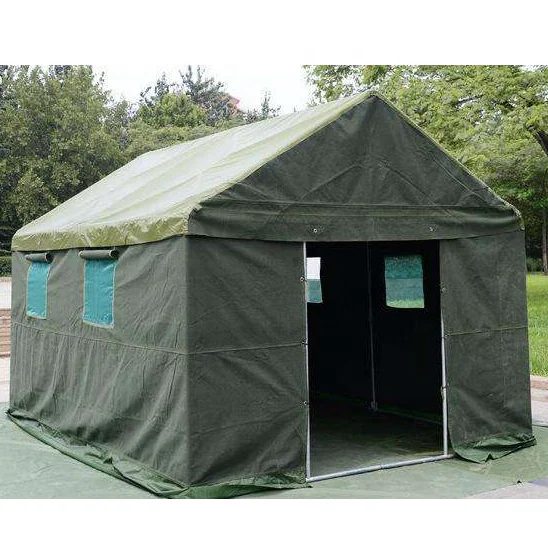
Components and field handling
Covers, frames or poles, connectors, lines, pegs, ground components, carrying bags and repair pieces may be packaged separately or vary by configuration. Put every required component on the quotation and packing schedule. The same schedule can guide sample assembly, pre-dispatch reconciliation and receiving, reducing the risk that a visually complete sample is followed by an order with omitted or substituted parts.
Military tent procurement workflow
The process keeps occupancy, product configuration, sample review and logistics decisions in one order record.
Provide shelter function, occupants, climate, ground, deployment duration, setup frequency and transport limits.
Review usable layout, proposed materials, frame or poles, ventilation, ground interface and packed form.
List included covers, liners, frames, poles, lines, pegs, groundsheets, bags, repair items and options.
Use product documents or a suitable sample stage to close setup, fit, function, marking and packing questions.
Freeze handling units, labels, quantities, spare allocation, destination splits and final component reconciliation.
Application contexts
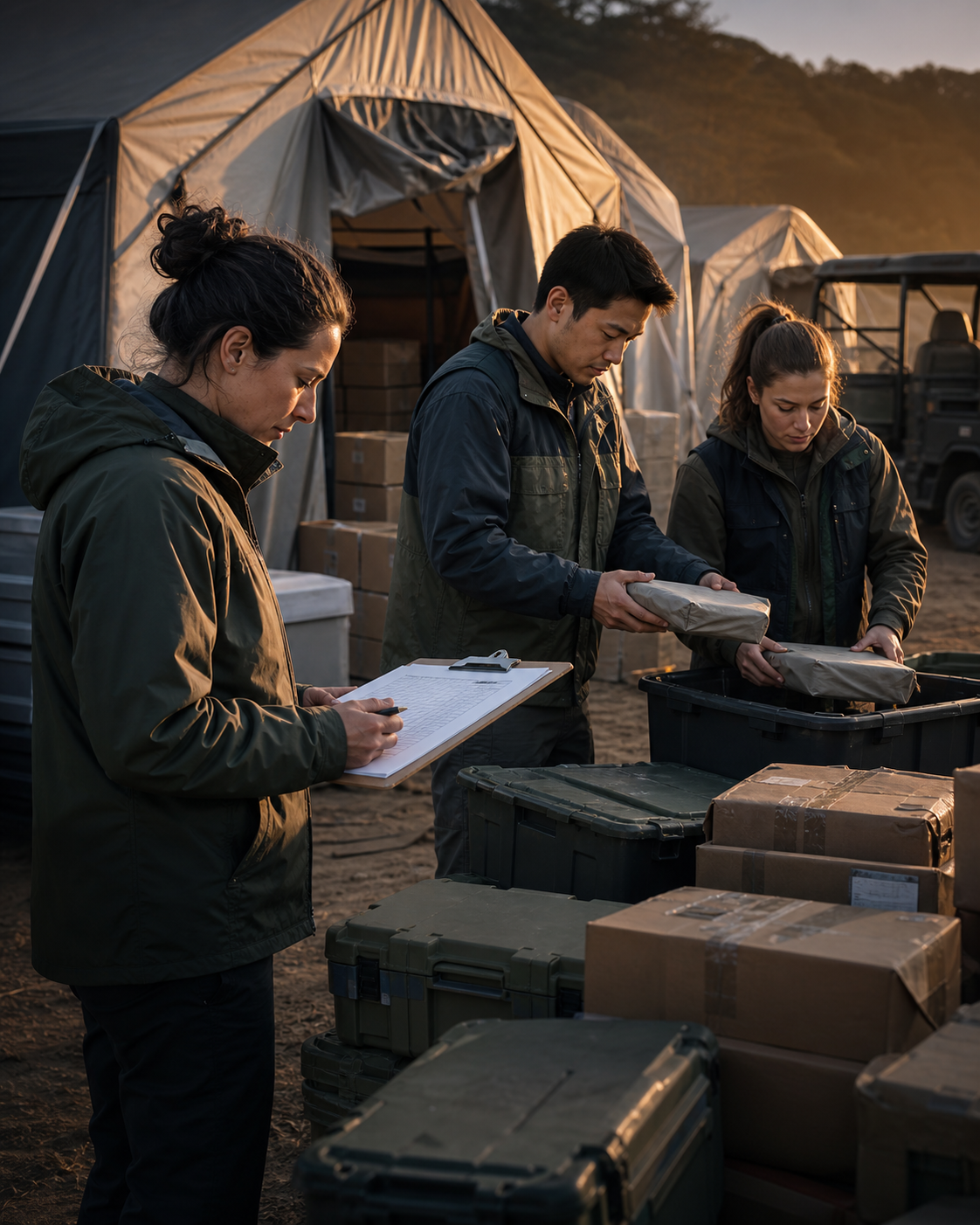
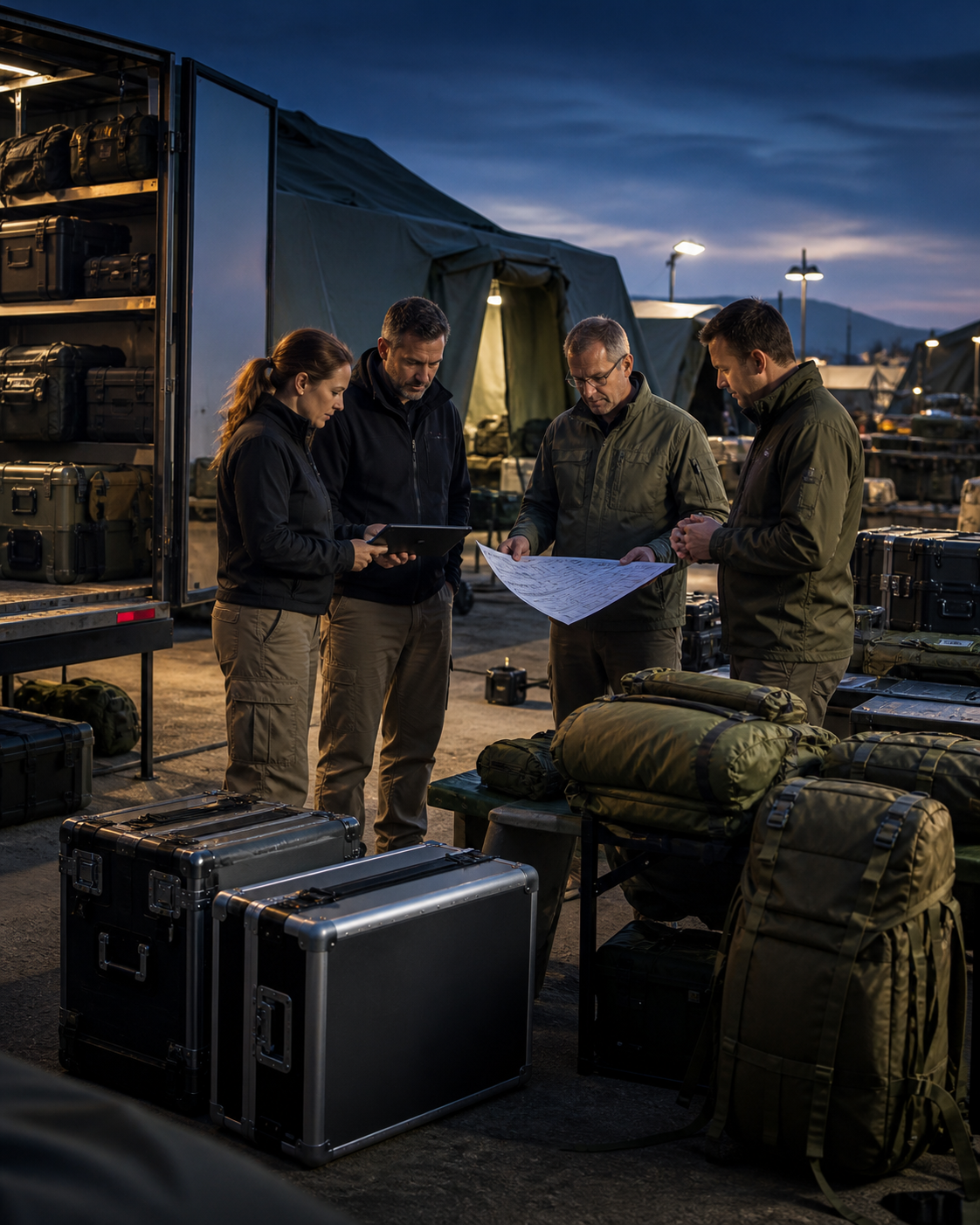
Use these common program contexts to clarify the specification and route your enquiry to the most relevant product and project-support pages.
Buyer resources
The resources below help you define the requirement, choose the right approval stage and request a more comparable quotation.
Request the current company catalogue, then tell us which product families and configurations should be included in your quotation.
Request catalogue accessSelect an appropriate document, representative-product or configured-sample review stage for the shelter order.
Read the buyer guidePlan tent components, team sets, handling units, labels and destination allocation before final packing.
Read the buyer guideCheck occupancy, climate, material, component and delivery fields before requesting final shelter pricing.
Read the buyer guideConnect the accepted tent configuration to order checks, component reconciliation and coordinated delivery.
Read the buyer guideReview personal carry requirements alongside the wider shelter and field-support package.
Read the buyer guideCoordinated field-equipment supply
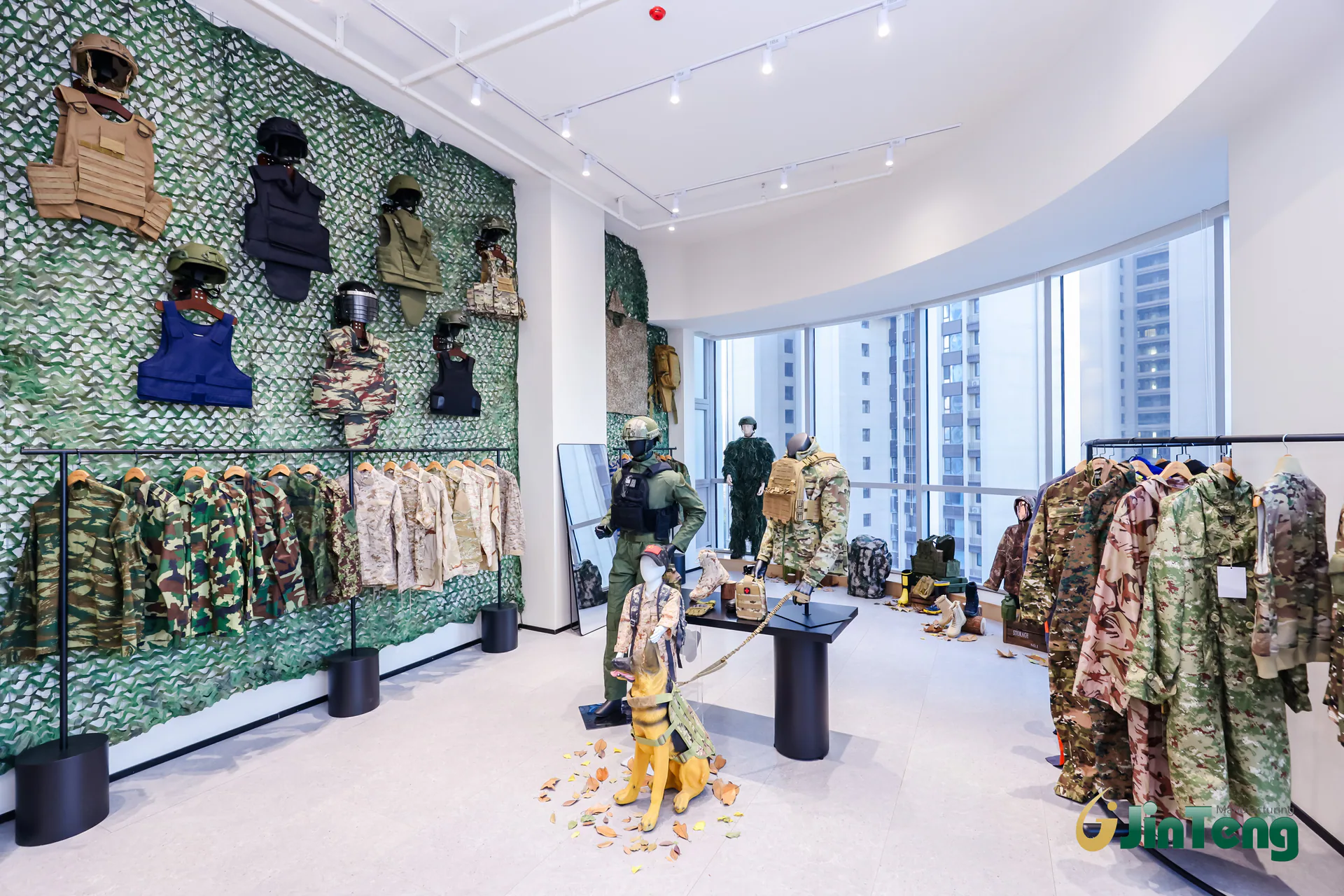
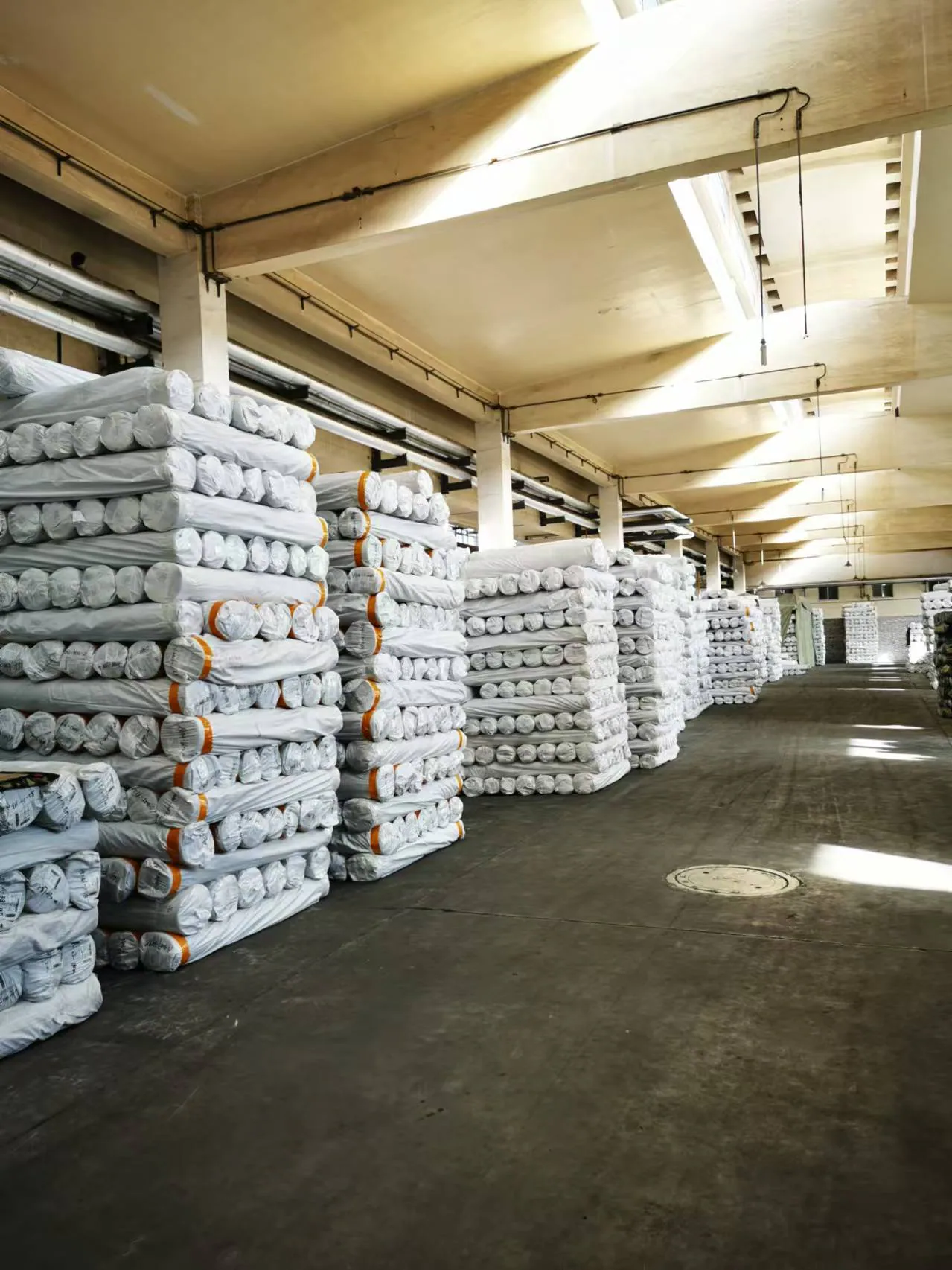
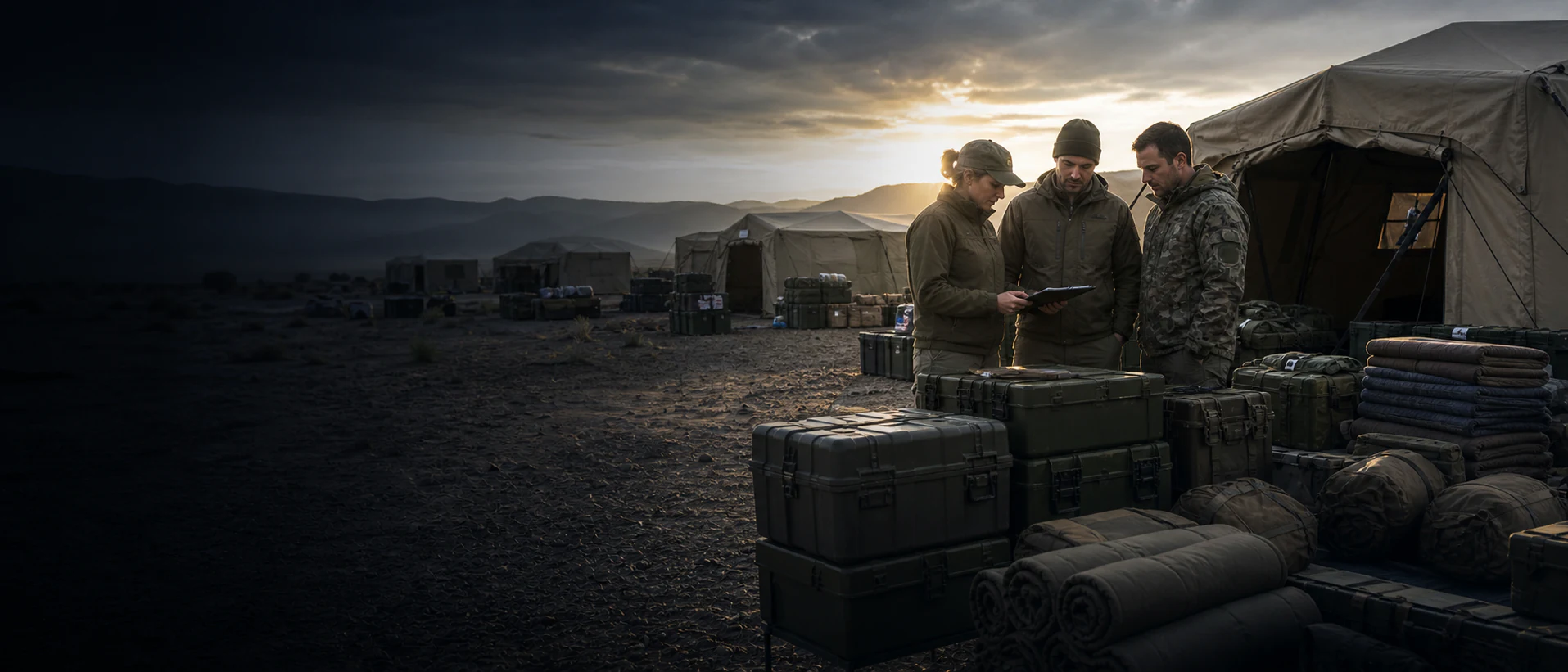
Jinteng has supported institutional sourcing and export projects from Wuhan since 2002. Military tent and field shelter options may follow different qualified partner or sourcing routes, so each proposal is controlled by the exact product reference, configuration, component schedule, review comments and packing plan. Buyers receive a coordinated commercial path while retaining the product-level detail needed to compare offers, approve a shelter and organize receiving.
Configuration details
Review the product-specific details below, then use these tabs to plan any changes.
Occupancy alone is not enough when the shelter also contains work areas, equipment or circulation space.
The selected product should remain identifiable from quotation through packing.
A component schedule keeps the displayed sample and quoted delivery scope aligned.
Packed form and identification should be confirmed before the order is released for dispatch.
Quotation comparison
A named style family is only the starting point. Use one comparison table so every supplier answers the same technical and commercial questions.
| Decision | Buyer question | Input for quotation |
|---|---|---|
| Use and occupancy | Will the tent support accommodation, command, medical, storage or another defined function? | Function, occupant or equipment load, internal layout and required quantity. |
| Site and climate | Which ground, wind, rain, temperature and access conditions shape the system? | Deployment location, seasonal conditions, site constraints and acceptance criteria. |
| Frame and cover | Which dimensions, support structure, fabric, openings, ventilation and optional layers are required? | Layout, construction, material, door/window, anchoring and accessory schedule. |
| Deployment and transport | How will teams install, strike, repair, store and move each shelter? | Crew assumptions, tools, component labels, repair kit, pack dimensions and transport limits. |
Shelter decisions supported by order records
Useful procurement evidence identifies the selected model, its complete component scope and how it was reviewed and packed for the named order.
A product-level dimension and layout record connected to occupants, sleeping or work positions and required openings.
A component schedule naming the proposed materials, supporting structure, anchoring, ground pieces and stated options.
Product documents or sample comments covering assembly, fit, function, visible details and unresolved order-specific conditions.
A final packing reconciliation linking product IDs, component quantities, handling units, carton or bundle marks and destinations.
Frequently asked questions
These answers address the configuration, order planning and approval details that most often affect a bulk project.
Provide the shelter function, number of occupants, required sleeping or work layout, climate, ground conditions, deployment duration, setup frequency and transport limits. Add the quantity, destination, preferred colour, authorized marking, required components, packing method and delivery date. If dimensions or materials are still open, mark them for supplier proposal rather than guessing. A sketch, equipment list or reference product can help clarify usable space and entrances.
Compare usable interior dimensions and the planned layout, not only an external size or a headline occupant count. Show beds, work positions, stored equipment, circulation paths and door locations. Wall angle, internal supports and entrances can reduce usable space. If the same tent supports several duties, identify the most demanding layout. The proposed product should be checked against this plan so quotations do not apply different assumptions to occupancy.
The component schedule should identify the main cover, frame or poles, connectors, lines, pegs or anchors, ground component, liner or partitions where required, carrying and storage bags, repair pieces and any tools supplied with the set. Mark included, optional and spare items separately. Use the same schedule during sample assembly, order confirmation and final packing reconciliation so important pieces are not assumed from a photograph.
Describe the operating environment and the exact requirement, including any applicable method, acceptance value and documentation expected for the proposed model or material. Do not rely on a broad term in a title or assume that one component claim covers the entire shelter system. Review outer material, seams, openings, floor and supporting configuration together. Product-specific evidence should be matched to the configuration being quoted before a performance statement becomes part of the purchase requirement.
The appropriate review stage depends on product complexity, changes and order risk. Existing product documents and component details may support initial selection, while a representative or configured sample can help close dimensions, assembly, component fit, colour, marking and packing questions. When a sample is used, record the product ID, included components, revision and written comments. The order should state which accepted details govern the delivered configuration.
Check that all listed components are present and identifiable, then review the assembly sequence, connection points, frame or pole fit, entrances, ventilation, ground interface and the completed usable layout. Note the number of people and tools used for the review without turning one trial into a universal setup-time promise. Record unclear instructions, difficult connections and required revisions. Repack the same set to confirm that bags and handling units match the approved component list.
Create the destination allocation before final packing. Define whether each shelter travels as one complete handling unit or several marked bundles, and show where poles, pegs, ground pieces, liners and repair items are packed. Apply agreed product and destination identifiers, then reconcile every component quantity against the destination packing list. Spares should be listed separately so receiving teams know whether they belong to a specific tent or the wider project reserve.
Retain the exact product ID, accepted configuration, component schedule, material description, review comments and packing record. Identify pieces likely to be lost or worn, such as selected anchoring, connection, bag or repair components, and decide whether project spares are required. Before a repeat order, reconfirm any change in material, frame, supply route or accessory availability. Stable records help the buyer replace affected components without treating the entire shelter as an unidentified generic product.
Military field tent buyer guide
A useful shelter RFQ connects people, field conditions, exact product configuration, components and logistics. The following sequence helps purchasing and technical teams compare complete military tent offers while leaving room for a qualified product proposal where the specification is not yet closed.
State what will happen inside the tent: sleeping, command work, medical support, storage, relief accommodation or another named activity. Record the number of people, equipment kept inside, privacy or division needs and expected deployment duration. A shelter for sleeping can use floor area differently from a work tent with tables, circulation and cable routes. Identify whether the unit will remain in one location or move repeatedly and whether it forms part of a larger camp. This operating brief gives suppliers a rational basis for proposing dimensions, shape, openings and supporting components instead of selecting a familiar tent only from a catalogue image.
Draw a simple layout showing beds or work positions, stored equipment, clear circulation, door swing and any internal division. Note required standing or working zones and areas affected by sloping walls or internal supports. If occupancy is expressed as a number, explain the sleeping arrangement and personal equipment allowance behind that number. Review the proposed external and usable dimensions against the same layout for every quotation. This prevents one supplier from assuming tightly packed sleeping positions while another includes working or storage space. The approved plan can later support sample review, site planning and repeat orders even if minor dimensions change during product matching.
Provide the likely temperature range, rain, sun exposure, wind environment, humidity, ground type and expected deployment season without asking the product title to stand in for a technical requirement. Explain how often the shelter will be erected, moved, dried, stored and transported. Identify any site limits affecting anchors, guy lines, flooring or available space. If the project specifies a performance method or documentation, state it separately and require the proposal to identify the exact applicable material or model. Environmental information helps the supplier discuss ventilation, cover, liner, ground and anchoring options while keeping performance claims connected to verifiable product details.
The tent should be described as a system. Identify the proposed outer material, floor or ground component, any liner or internal partition, frame or pole arrangement, connectors, lines, pegs or anchors, entrances and ventilation details. Separate fixed construction from optional accessories. For every proposed model, ask which pieces form one complete deployable unit and which items require separate purchase. If colours, authorized markings or labels are required, connect the artwork and placement to the same configuration. This product-level schedule provides a more reliable commercial scope than a broad material name and makes later assembly, inspection and packing checks possible.
Begin with product documents, dimensions, component information and current images to remove unsuitable options. A representative product or configured sample may then be appropriate when the project needs to confirm layout, assembly, component fit, colour, marking or packed form. During review, assemble the complete listed set, check openings and usable space, note connection issues and compare every component with the proposal. Record the selected product ID, revision and written comments. If a required environmental or material claim depends on additional evidence, identify that evidence separately rather than treating visual sample approval as proof of every performance requirement.
Ask each offer to separate the main shelter, included components, optional accessories, project spares, individual bags and outer handling units. The quotation should identify proposed materials and dimensions, quantity, colour, marking, review basis, packing and stated deviations. This structure prevents a complete display configuration from being compared with a price that excludes flooring, anchoring, liners or repair items. Carry the accepted schedule into the purchase order and supplier confirmation. When an alternative component is proposed, review its function and interface before approval and update the same schedule so commercial, technical and logistics teams continue working from one scope.
Decide how each complete tent set will move. Some configurations fit one bag; others use separate marked bundles for covers, frames and accessories. Record packed dimensions and available handling information for the proposed configuration, then define product IDs, bundle marks, carton or overpack requirements and destination codes. Keep small components in identifiable packages and show whether spares belong to an individual shelter, a team or the project reserve. Before dispatch, reconcile the packing list against product and component quantities. A receiving team should be able to identify a complete set and its destination without opening every bundle or reconstructing the order from memory.
Retain the operating brief, layout, product ID, accepted configuration, component schedule, review comments, artwork and final packing record. Identify pieces that may be lost, damaged or worn and decide which spares should accompany the first shipment. Provide receiving teams with identifiers that let them report the affected part rather than only the general tent name. Before a repeat purchase, reconfirm material, frame, accessory and supply-route availability and review any proposed change against the previous interfaces. These records make it easier to replenish components, compare later offers and keep a field shelter program consistent without assuming that every product carrying the same name is interchangeable.
Project enquiry
Share the current requirement, even if some technical fields still need a supplier proposal. We will use the product IDs and project context to recommend the next quotation or sample step.
Share the product, quantity, destination, customization and delivery requirements. Our business team will reply with suitable options and the next quotation step.
 WhatsApp