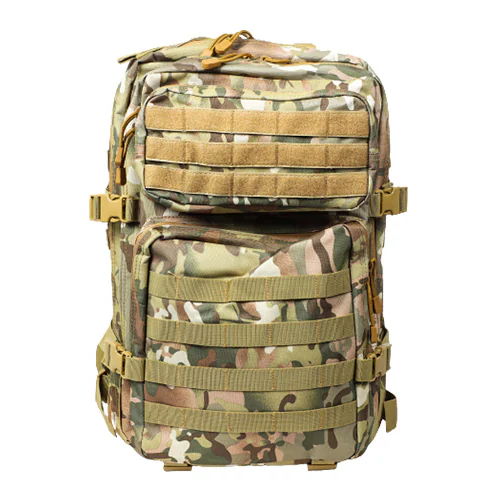
JTT-L02
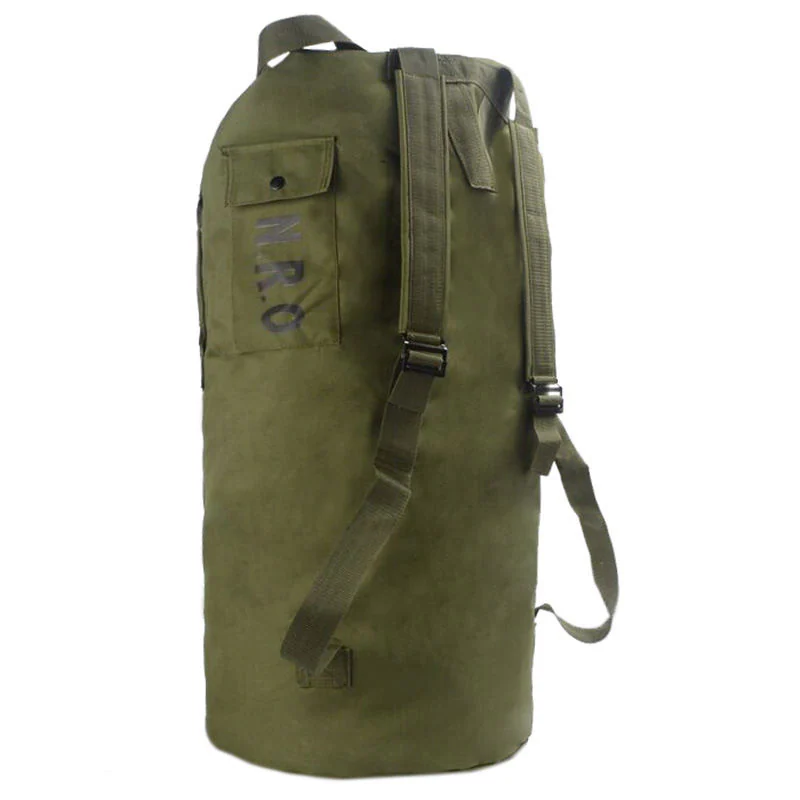
Modular Tactical Backpack
- Configuration
- Defined against buyer specification and approved BOM
- Colour
- Project-specific colours subject to component availability

Tactical backpack collection
Compare tactical backpack options for institutional and distributor orders by usable load space, compartment access, harness construction, attachment layout, material, colour and packing. Send the carried-item list and required quantity to receive a product-level proposal instead of a generic bag quotation.
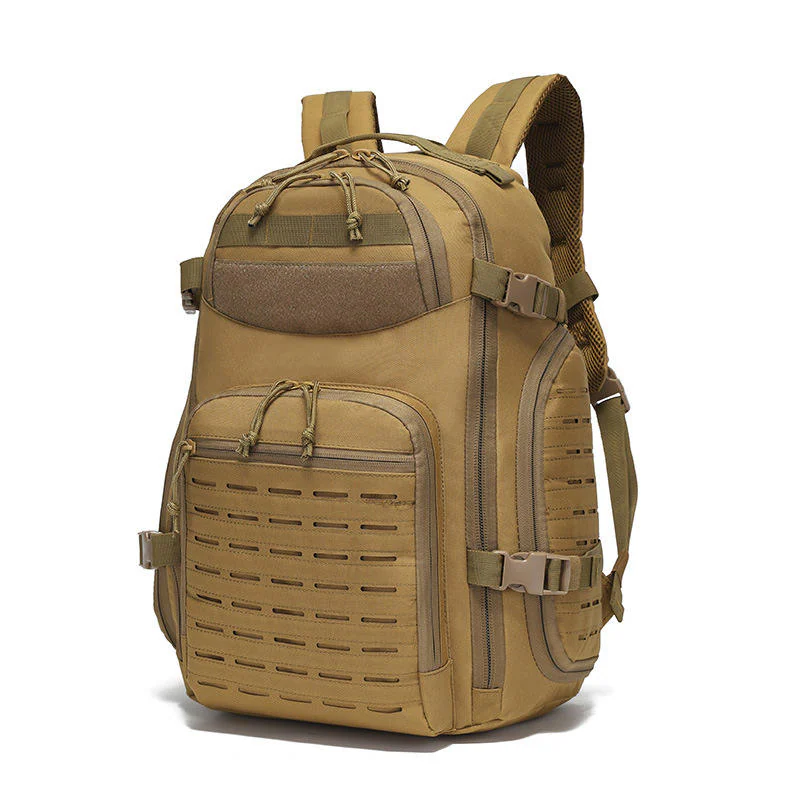
Available product options
Compare the styles below. Open a product for its details, or send the product ID and your requirements to discuss a quotation.
JTT-L02
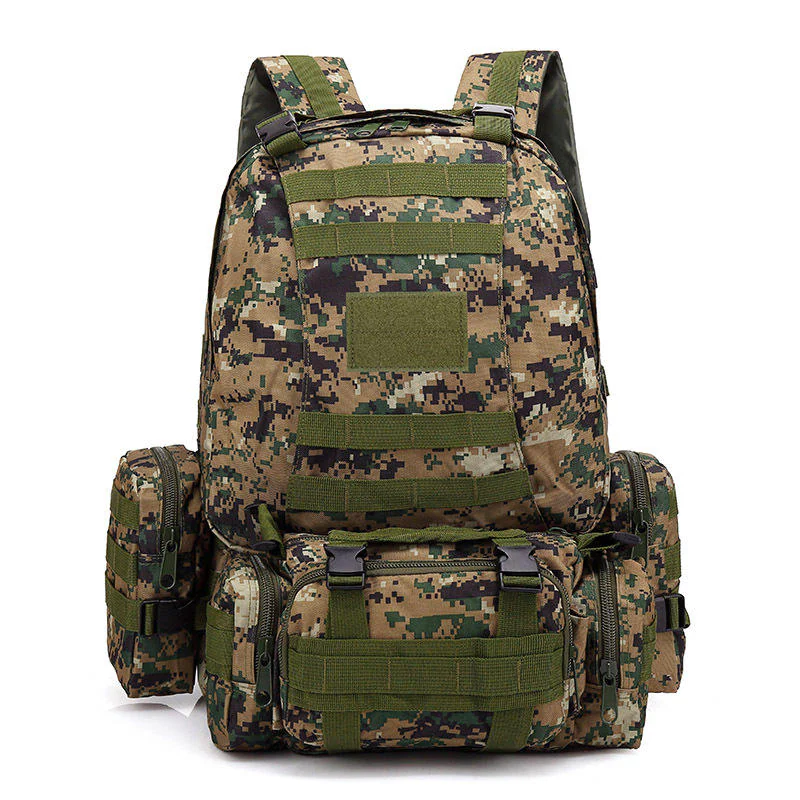
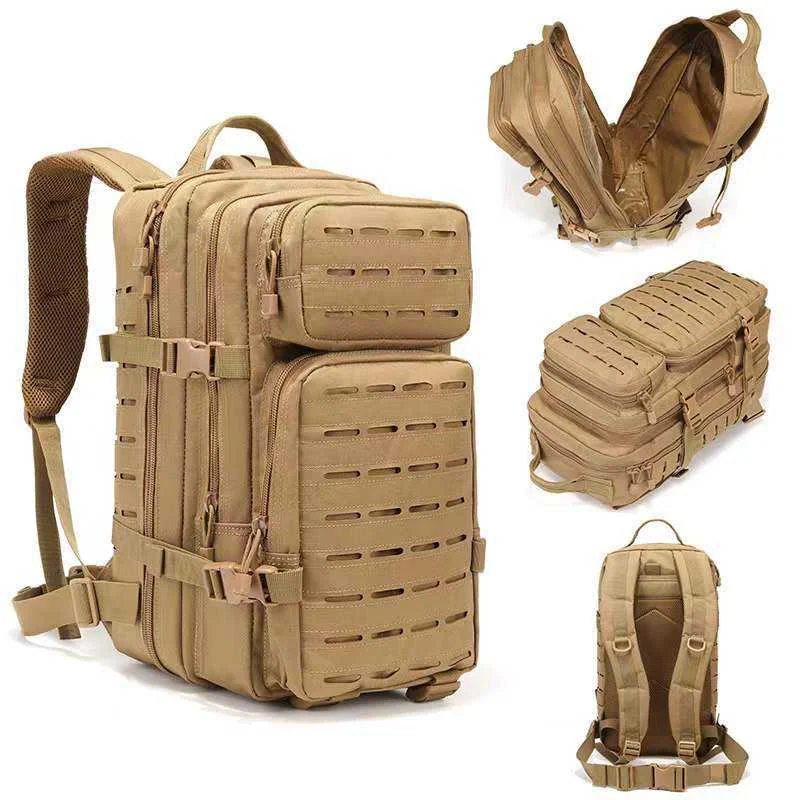
Load-led selection
Tactical backpack photographs can look similar while the usable compartment shape, access, harness, stitching, attachment layout and included components differ substantially. Jinteng helps procurement teams compare product options against a written load plan, then records the selected product ID, configuration, colour, marking, sample comments and packing basis in the commercial proposal. This gives technical, purchasing and receiving teams one clear description of what is being quoted and what should arrive.
Product selection
Find the style closest to your needs, then explore the available products.
01 · Configurable platform
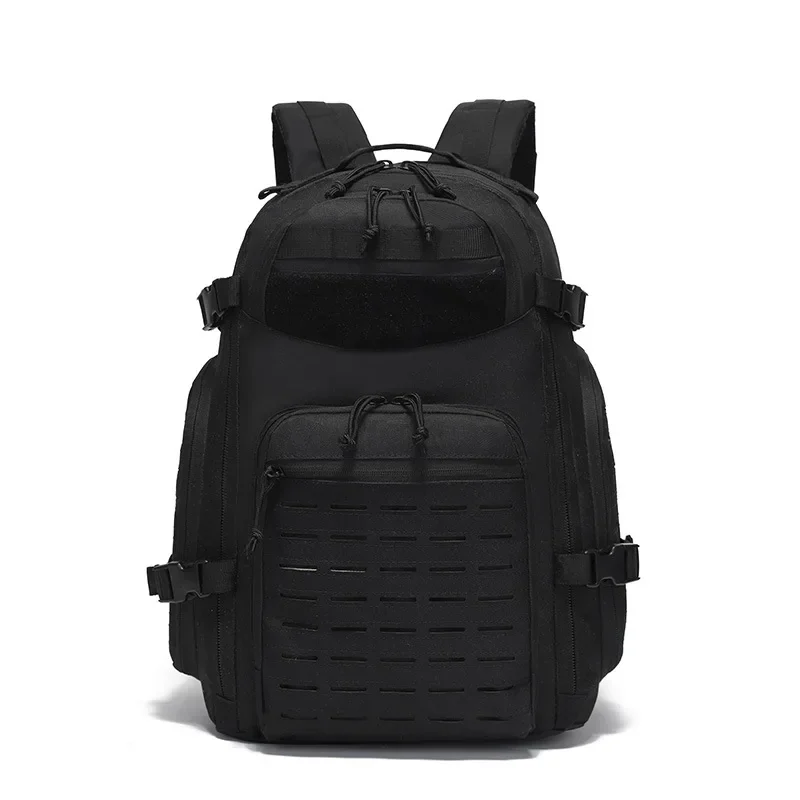
A mission-load backpack family reviewed by capacity, carriage system, internal organization and requested attachments.
View product details02 · Compact carried kit
A compact backpack option with external attachment areas for buyers organizing a defined day-use equipment set.
View product details03 · Extended field load
A larger rucksack-style option for requirements that need more internal organization and a load-focused harness review.
View product details04 · Multi-compartment pack
A multi-section backpack option for separating frequently accessed items from the main carried load.
View product detailsProduct advantages
Compare the features below when choosing your products.
Compare the real carried kit with compartment dimensions and access rather than relying on a volume label alone.
Review shoulder straps, adjustment, back contact and optional waist or sternum support as one carrying system.
Place urgent, routine and protected items in openings and compartments suited to how they will be reached.
Confirm webbing, straps and accessory interfaces by their actual dimensions and positions before sample approval.
Record shell material, lining, reinforcement, seams, zippers, buckles and stress-point construction for the selected model.
Define colour, authorized markings, label placement and any removable identification fields in the approved artwork record.
List every included strap, cover, removable panel and accessory so the quoted unit has a clear commercial scope.
Plan product labels, inner packs, carton marks and destination allocations around the receiving and issue process.
Fit and load control
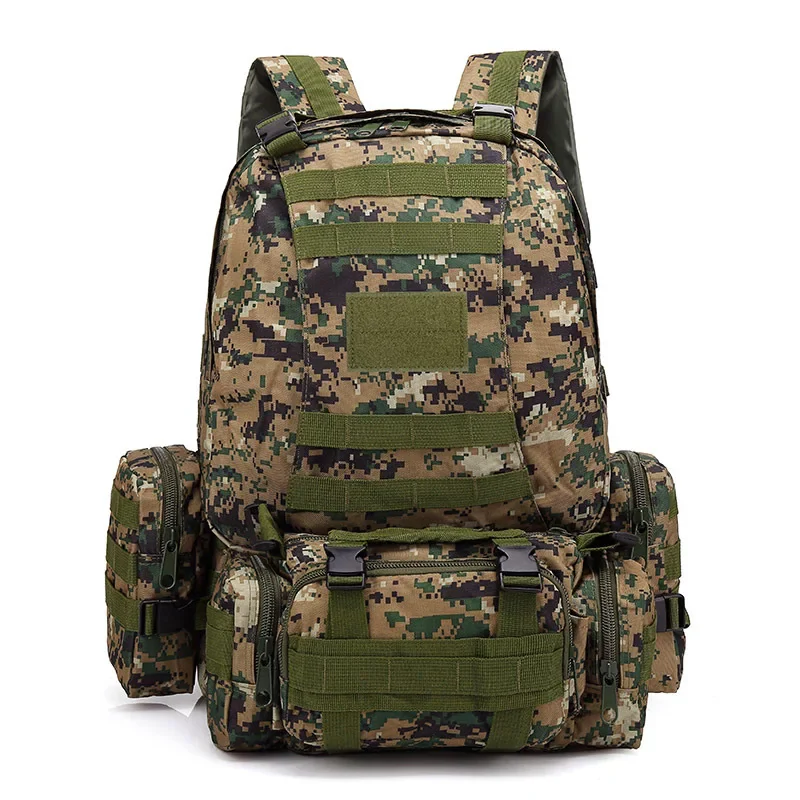
An empty backpack cannot show how the load sits against the back, whether adjustment remains accessible or whether dense items pull the pack away from the wearer. Prepare a representative carried-item set, place the heaviest items deliberately and record the accepted arrangement during sample review. The resulting load map gives the supplier and buyer a practical reference for compartment use, harness adjustment and any requested revision.
Quotation and delivery scope
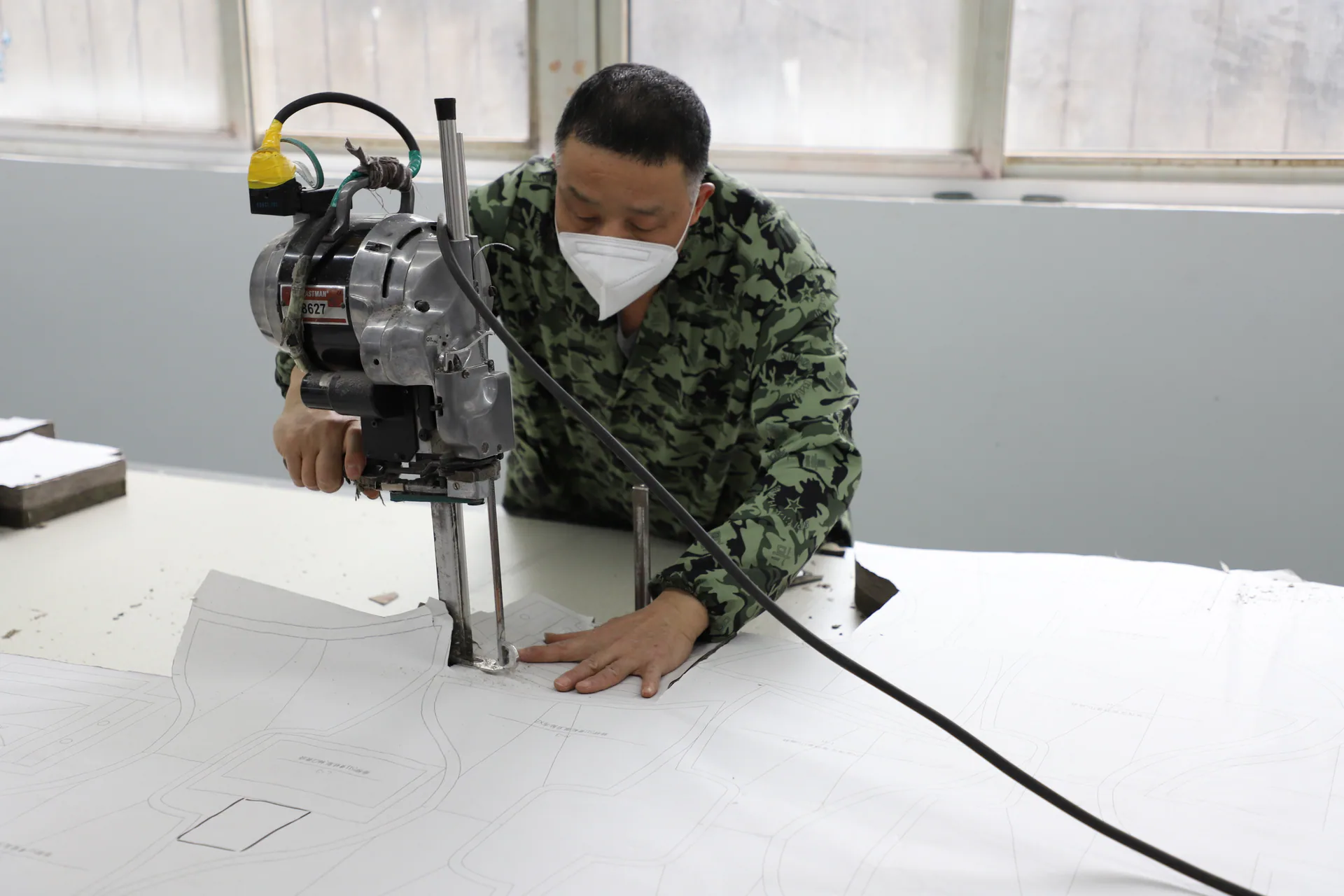
A backpack may be offered with removable straps, covers, internal panels or accessory pieces that are not obvious from the main image. The written offer should separate included, optional and excluded items, then carry the accepted list into sample comments, order confirmation and packing checks. This prevents a complete display sample from being compared with a base product price and helps receiving teams identify the correct issued set.
Backpack procurement workflow
The sequence connects user needs, product selection, sample approval and delivery records without asking buyers to decide every construction detail before supplier review.
Provide wearer roles, contents, approximate weights, access priorities, use duration, clothing layers and operating environment.
Compare pack shape, compartment plan, harness, attachment areas and current product options against the load map.
Pack representative items and check access, adjustment, stability, movement, hardware and requested identification.
Confirm product ID, materials, colour, components, labels, quantities, packing and the accepted sample revision.
Check product identities, included parts, issue packs, carton marks and destination quantities before dispatch.
Application contexts
Use these common program contexts to clarify the specification and route your enquiry to the most relevant product and project-support pages.
Buyer resources
The resources below help you define the requirement, choose the right approval stage and request a more comparable quotation.
Request the current company catalogue, then tell us which product families and configurations should be included in your quotation.
Request catalogue accessOrganize backpack components, issue units, carton marks and destination allocations before packing begins.
Read the buyer guideChoose the right product, configured-sample and approval stages for a bulk backpack order.
Read the buyer guideCheck a backpack requirement for missing load, material, marking, quantity and delivery inputs.
Read the buyer guideConnect the accepted configuration to order checks, packing records and shipment allocation.
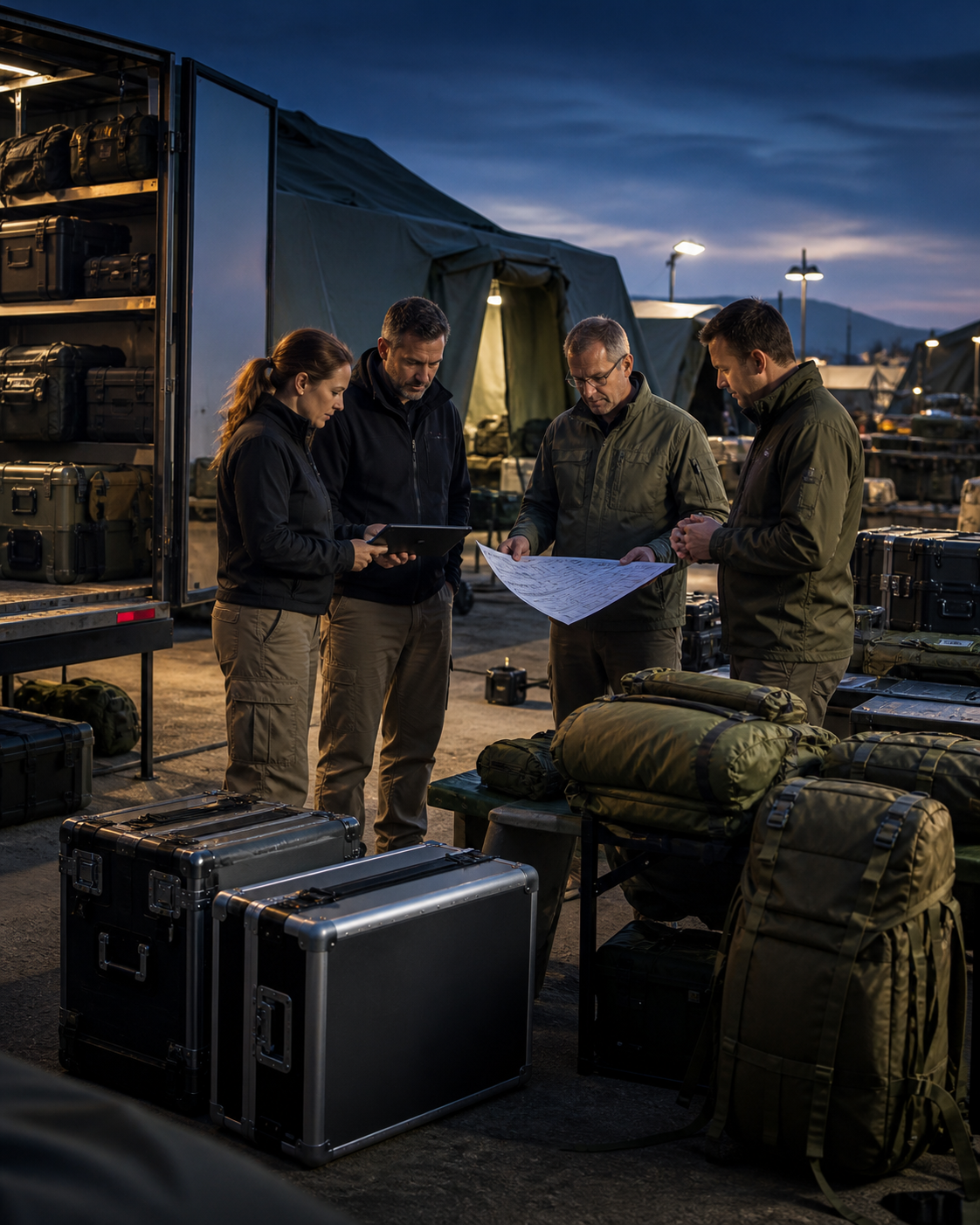
Read the buyer guideCoordinate personal load carriage with the team shelter and field-camp allocation plan.
Read the buyer guideInstitutional supply coordination
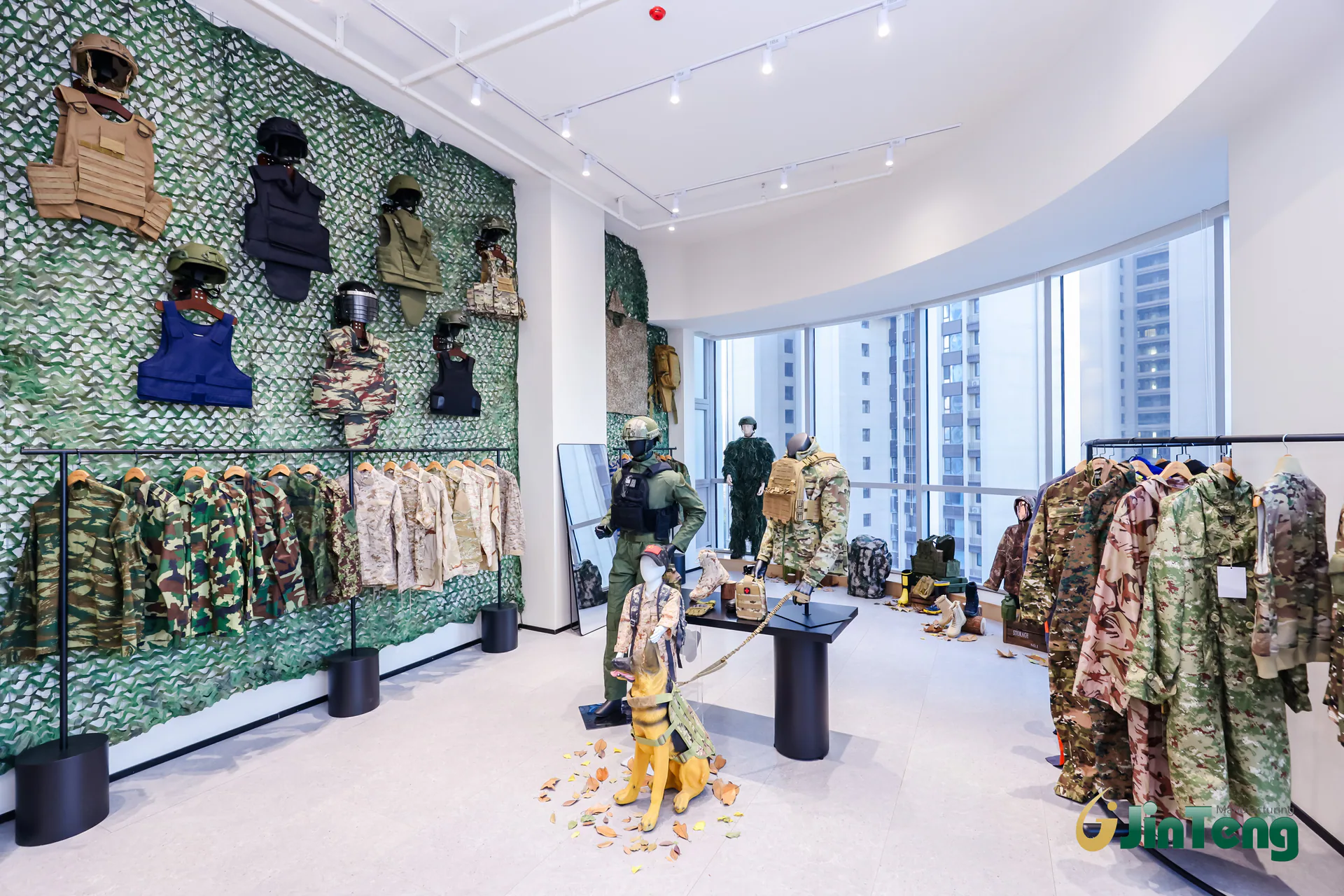
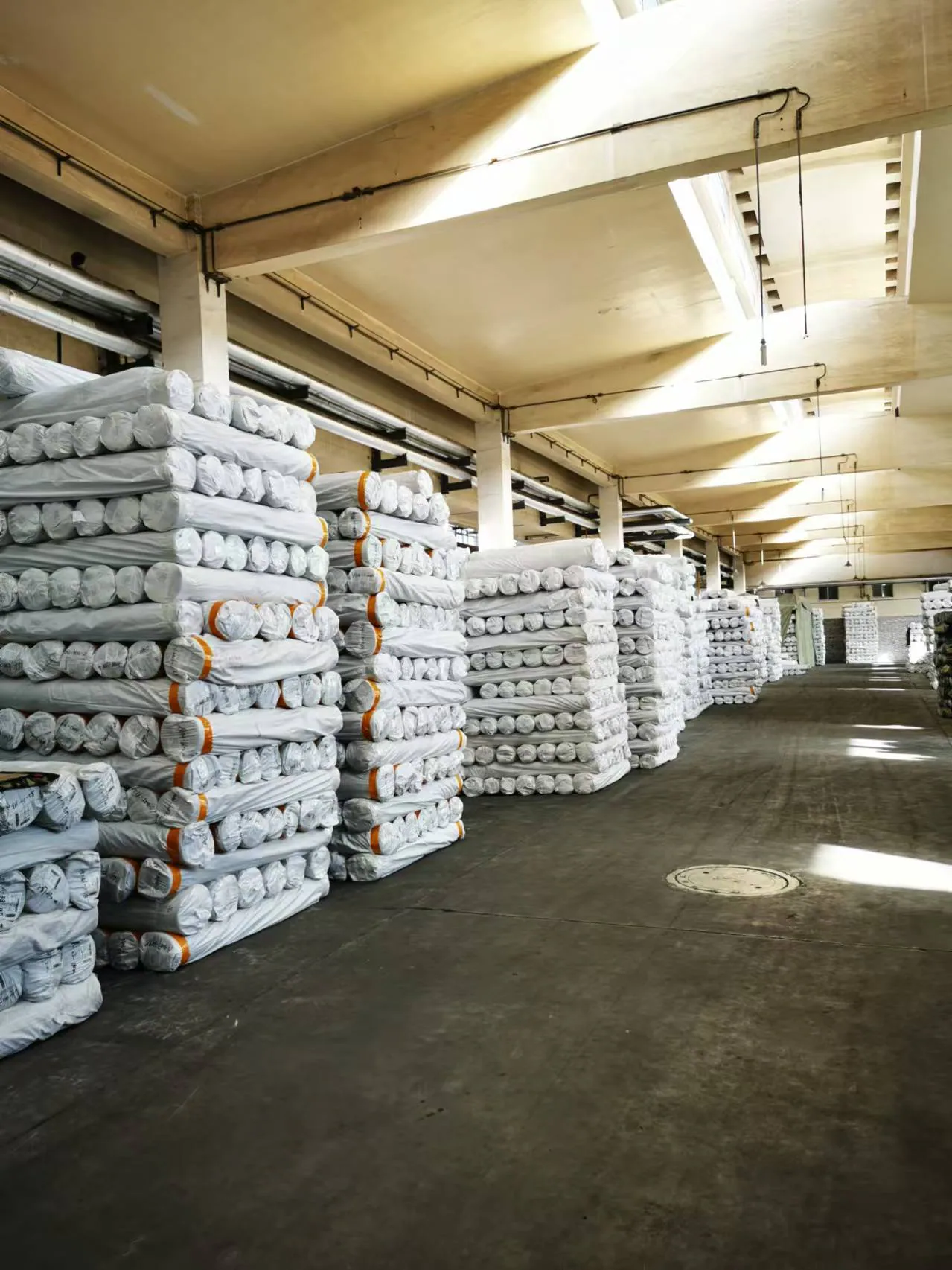
Jinteng has supported institutional product sourcing and export projects from Wuhan since 2002. Tactical backpack options can involve different qualified supply routes, so the commercial process is tied to exact product references, written configuration fields, sample comments and packing records. Buyers receive one point of coordination for product shortlisting, requirement clarification, order follow-up and delivery documentation while each proposed backpack remains identifiable at product level.
Configuration details
Review the product-specific details below, then use these tabs to plan any changes.
Usable space should be reviewed against the shape, weight and access priority of the actual kit.
The written configuration should identify the product as quoted rather than relying on a category description.
Identification details and functional changes should remain connected to the accepted product revision.
Packing records should follow the accepted components, quantities and receiving plan.
Quotation comparison
A named style family is only the starting point. Use one comparison table so every supplier answers the same technical and commercial questions.
| Decision | Buyer question | Input for quotation |
|---|---|---|
| Mission load | What must each wearer carry, for how long and under which movement conditions? | Load list, approximate weight, duration, access priorities and operating context. |
| Capacity and organization | Which compartments, openings, pockets and attachment fields are necessary? | Capacity basis, compartment map, attachment layout and included pouches. |
| Harness and structure | How should the shoulder, sternum, waist and back systems fit the wearer group? | Adjustment range, support structure, wearer layers and representative trial sizes. |
| Material and issue packing | Which shell, webbing, hardware, colour, markings and pack hierarchy are required? | Material and component specification, identity artwork, unit-set and carton plan. |
Procurement records that answer practical questions
A useful record explains the carried task, selected product and delivered configuration without depending on a broad claim or a catalogue photograph.
A carried-item matrix and proposed compartment map identifying dimensions, access priority and open fit questions.
A product-level option sheet naming straps, support components, external interfaces and requested changes.
Written sample comments covering loading, adjustment, access, movement, hardware and visible identification.
A component and packing reconciliation connected to product IDs, inner packs, carton marks and destination quantities.
Frequently asked questions
These answers address the configuration, order planning and approval details that most often affect a bulk project.
Provide the intended users, carried-item list, approximate item dimensions and weights, access priorities, expected use duration, operating environment and any required clothing or equipment interfaces. Add the quantity, colour or pattern reference, marking needs, destination, packing method and required delivery date. If the capacity is not fixed, explain the load and let the proposal identify suitable product options. This produces a more comparable quotation than requesting a generic backpack by appearance alone.
Compare usable compartment dimensions and organization against the actual carried items. A nominal volume does not explain opening size, compartment shape, dividers, hydration space, external attachment or how much room remains after dense equipment is loaded. Ask the supplier to identify the selected model and current configuration, then review a packing layout or configured sample when fit is important. Capacity decisions should also consider load distribution and whether frequently accessed items remain reachable.
No. A similar visual pattern does not confirm spacing, strap width, attachment method, pouch dimensions or stable placement under load. List the required accessories and provide their attachment details or reference products. The proposed backpack and pouch should be checked together during configuration review. Record accepted positions and included attachment pieces so the delivered set does not depend on an assumption made from photographs.
Describe the expected exposure, duration and contents that need protection, then ask for the material, coating, seam, zipper and cover configuration proposed for the exact product. Terms such as water-resistant or waterproof should not replace an agreed requirement and applicable evidence. Buyers should also consider opening design and water entry around seams or hardware. If a separate rain cover is required, identify whether it is included, its colour and how it will be packed.
Load representative equipment and check compartment access, harness adjustment, stability, wearer movement, stress points, zippers, buckles, webbing and any removable parts. Review the pack with the intended clothing and relevant equipment interfaces. Confirm colour, authorized markings and label placement at the same stage. Record every accepted component and revision in writing, because an empty sample or unrecorded verbal approval is not a reliable bulk-production reference.
Configuration changes can be reviewed for material, colour, compartment layout, attachment fields, straps, labels, authorized markings and packing. Feasibility, price, sample route and order quantity depend on the selected product and requested change. Begin with an existing product ID where possible and mark each required difference. The written proposal should separate standard features, approved changes and optional components so the buyer can see what is included in the quoted unit.
Prepare the allocation before final packing. Assign product IDs, component sets, quantities and any role or destination code to the required issue units. Agree on individual packaging, outer-carton quantity and carton marks, then reconcile the final packing list against the allocation. If spare straps, covers or accessory pieces are supplied, list and label them separately. This helps receiving teams distribute the shipment without opening and rebuilding every backpack set.
Tactical backpack buyer guide
The most reliable backpack requirement begins with the carried task, translates it into a product and harness configuration, and ends with records that receiving teams can check. Use the following sequence to compare options without turning the RFQ into an unnecessarily rigid design drawing.
Begin with the people and items rather than a photograph or a capacity number. List each user role, the equipment normally carried, approximate dimensions and weight, access priority, expected wear duration and operating environment. Identify items that must be protected, separated, reached quickly or carried externally. Note clothing layers and any vest, belt or other equipment that could overlap the backpack harness. A representative load list lets the supplier compare suitable pack shapes and shows whether one configuration can serve every role or whether separate issue sets are needed. It also creates a practical basis for sample loading, quotation comparison and later replenishment.
Capacity labels are useful for an initial shortlist, but they do not show whether the required equipment fits. Compare main-compartment dimensions, opening shape, internal dividers, secondary pockets, compression and external attachment areas. Map frequently accessed items to openings that can be reached without unloading the main compartment. Place dense or heavy items where the planned harness can control them and identify fragile or sensitive contents that need separation. If the request includes a hydration compartment, document sleeve or specialist equipment pocket, record its usable dimensions and closure. A simple packing plan often answers more procurement questions than a larger nominal volume.
Shoulder straps, back contact, adjustment points, load lifters, sternum support and any waist support should be reviewed together. Confirm the intended wearer range and whether thick seasonal clothing changes the required adjustment. Check where hardware sits under load and whether strap ends can be secured. If a waist belt or removable support is optional, state whether it is included in the quoted unit. During sample review, evaluate stability while walking, bending and reaching with the representative load. Record pressure, movement and interference comments against the selected product ID so any revision to the harness remains connected to the order configuration.
A tactical backpack is most useful when its organization follows the sequence of the task. Separate urgent, routine, protected and reserve items, then assign each group to an opening, compartment or external position. For removable pouches, identify the attachment method, dimensions and accepted position rather than assuming that similar webbing is automatically compatible. Check that external items do not block zippers, adjustment points or safe movement. If different roles use different accessory layouts, keep one base backpack where practical and create role-specific component rows. The resulting compartment and attachment map should accompany sample comments and the component schedule.
Ask for the proposed shell and lining materials, reinforcement areas, seam construction, zipper and buckle references, webbing arrangement and base protection for the exact model. Focus attention on points affected by the planned load: shoulder-strap joins, handles, compression anchors, lower corners and frequently operated openings. Colour, coatings and surface finishes should be stated as proposed values rather than inferred from an image. Where the project has a measurable performance or test requirement, define the method and evidence needed for the selected configuration. The goal is a clear purchasing description that supports comparison and inspection, not a list of unsupported promotional claims.
Choose a sample stage appropriate to the amount of change. An existing product may first be reviewed for dimensions and general construction, followed by a configured sample when load, colour, marking or component changes matter. Pack representative equipment and check access, adjustment, stability, movement, hardware operation and attachment positions. Photograph or describe each accepted revision and identify the final product reference. Confirm authorized artwork and labels at the same time. Written comments should close open questions or state what remains subject to the bulk order. This prevents a visually approved but empty sample from becoming the only production reference.
The commercial offer should identify the backpack, selected options, included and optional components, colour, markings, packaging, quantity and delivery basis. Separate the base product from accessories so buyers can compare equivalent scopes. If different user roles receive different sets, show each variation as a controlled row rather than using one general description. Carry the accepted configuration and sample reference into the purchase order and supplier confirmation. When a substitution or construction change is proposed, review it against the same functional fields before approval. This preserves the link between the buying decision and the product that is later packed.
Decide whether backpacks will be packed individually, by role, by team or by destination. State how removable components and spare pieces will be included and labeled. Confirm inner-pack identification, carton quantity, outer marks and destination allocation, then reconcile the final packing list against ordered product IDs and configurations. Retain the accepted product reference, option sheet, sample comments, artwork and packing structure after delivery. For replenishment, reconfirm any change in material, hardware, supplier route or requested marking before repeating the previous order. Good records allow a buyer to replace selected units or components without rebuilding the entire specification.
Project enquiry
Share the current requirement, even if some technical fields still need a supplier proposal. We will use the product IDs and project context to recommend the next quotation or sample step.
Share the product, quantity, destination, customization and delivery requirements. Our business team will reply with suitable options and the next quotation step.
 WhatsApp