
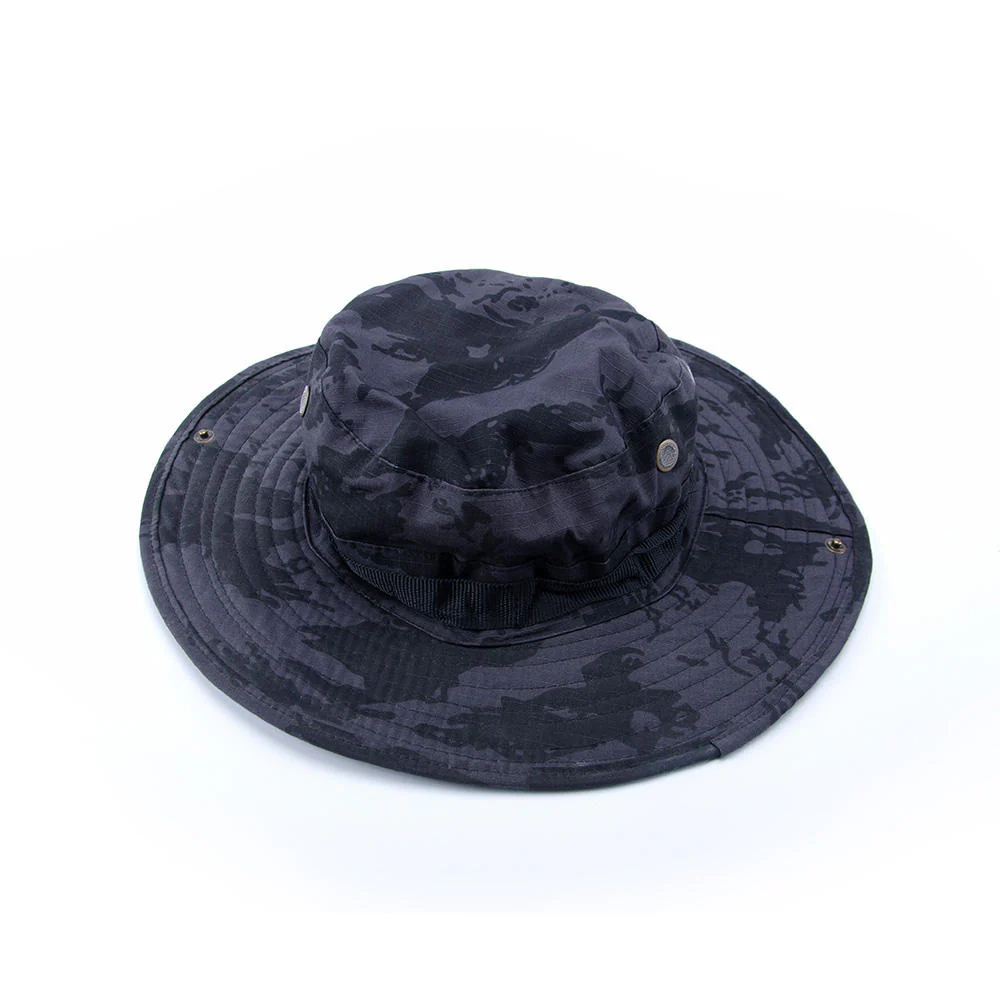
Field headwear collection
Military Boonie Hats and Tactical Caps for Controlled Bulk Programs
Compare boonie hats, patrol caps, octagonal caps and tactical caps by crown and brim construction, fabric, ventilation, sizing, camouflage, identity details and packing. Jinteng turns the selected style into a sample and production brief that buyers can inspect and reorder.
- Boonie, patrol, octagonal and tactical-cap product families
- Buyer-defined fabric, colour, camouflage and authorized markings
- Size, ventilation, brim and chin-cord details recorded before sampling
- Bulk ratio, inner-pack and carton allocation planned for issue
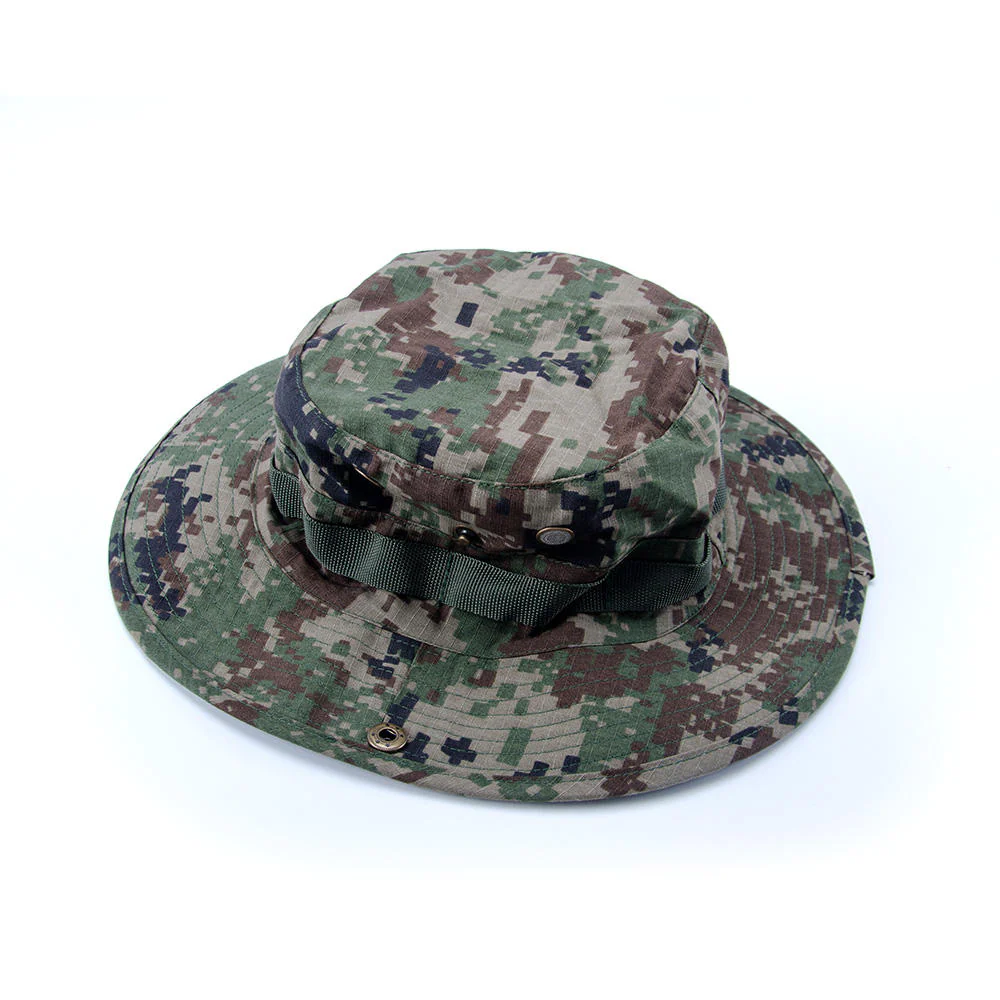
Available product options
9 product options for bulk enquiries
Compare the styles below. Open a product for its details, or send the product ID and your requirements to discuss a quotation.
JT-BH-002
Jinteng T65/C35 Multi Color Jungle Battle Russian Camouflage Boonie Hats
- Color
- Multi color
- Size
- S,M,L
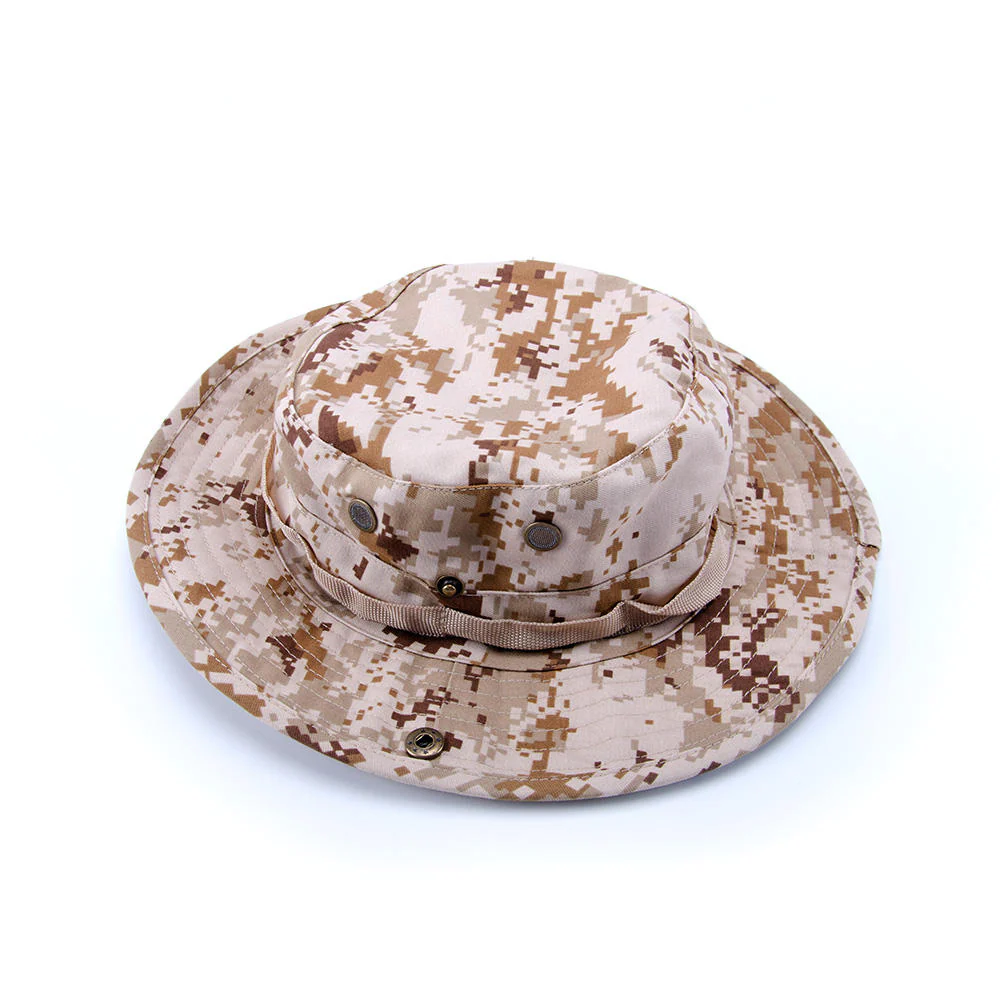
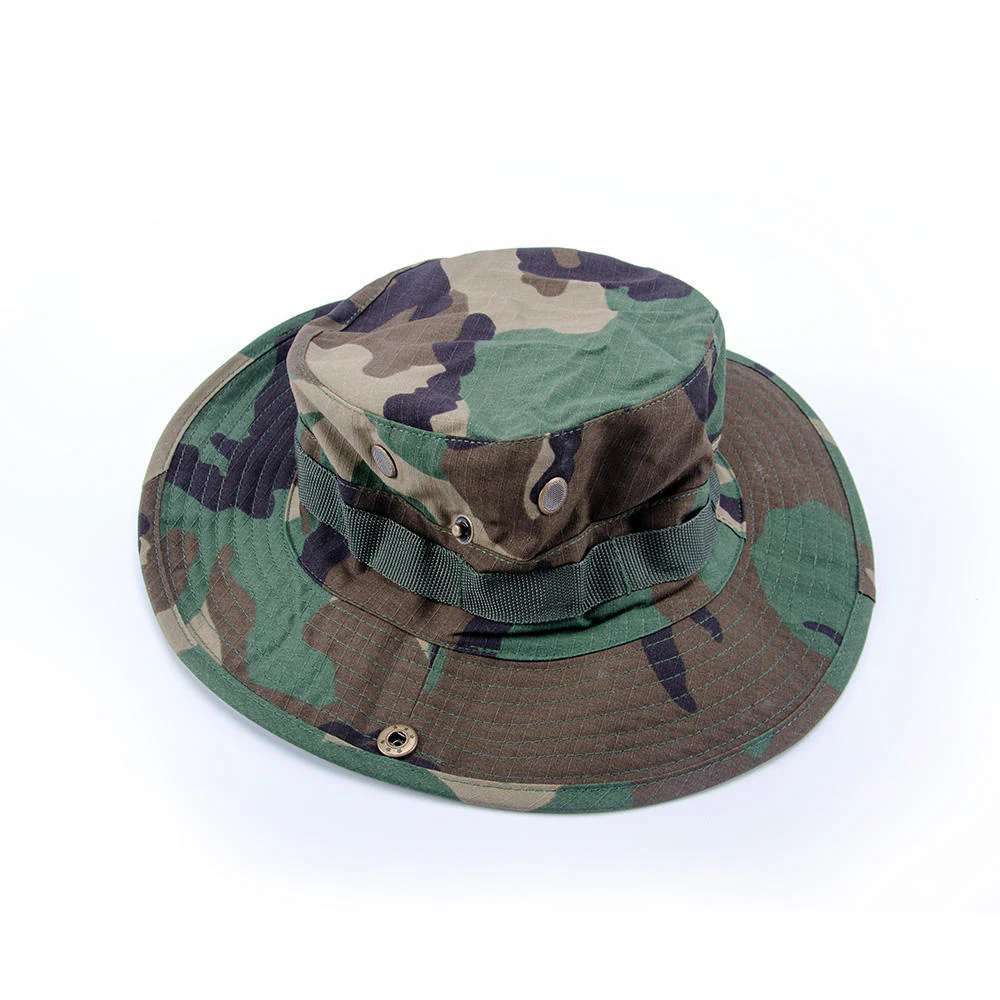
JT-BH-007
Woodland Camouflage Bonnie Hat
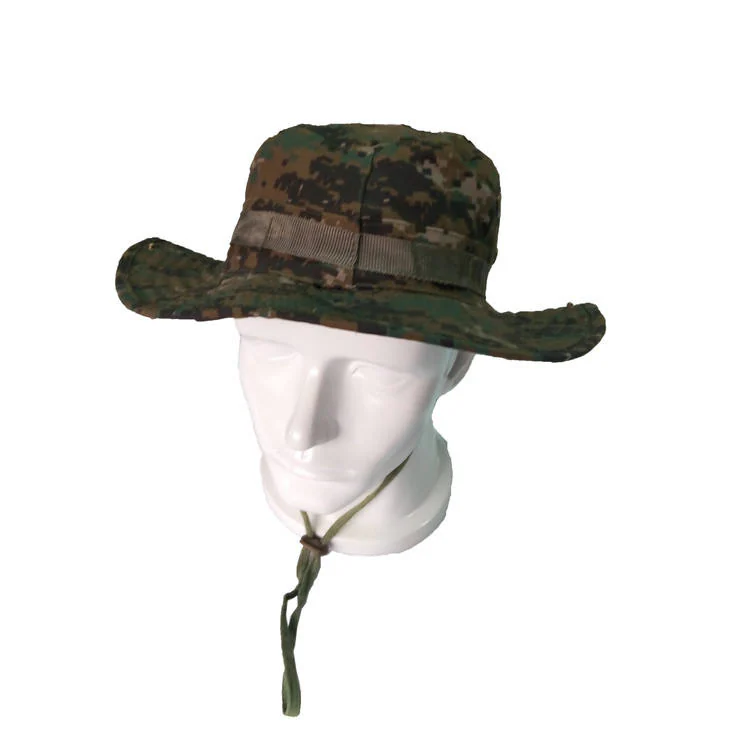
JT-H-007
Tactical Bonnie Hat Bucket Cap
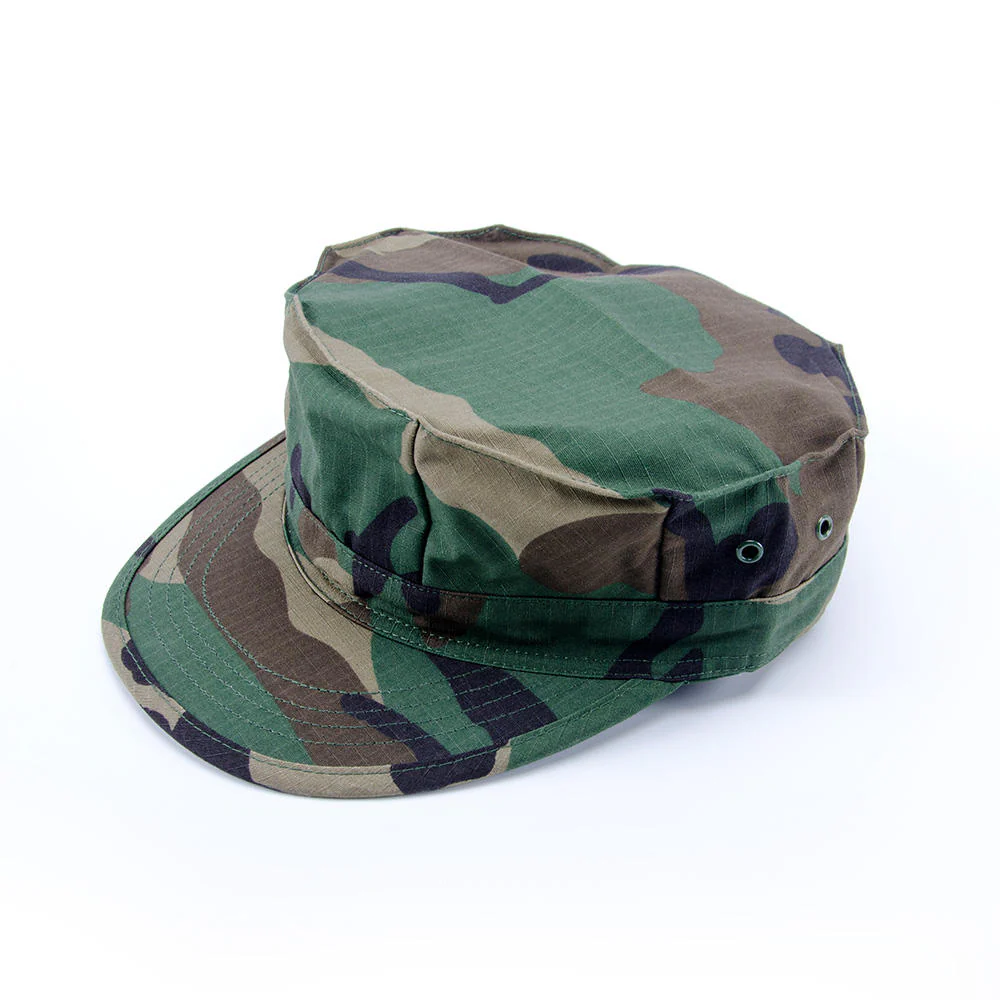
JT-H-013
WholesaleCamouflage Combat Hat Camo Men Octagonal Cap
- Color
- Woodland Camo
- Product type
- Tactical Cap
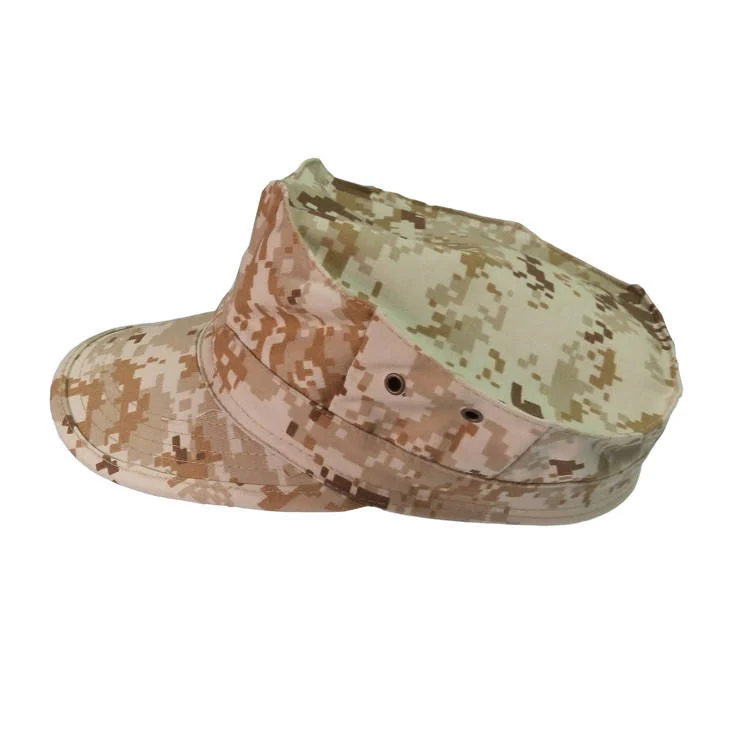
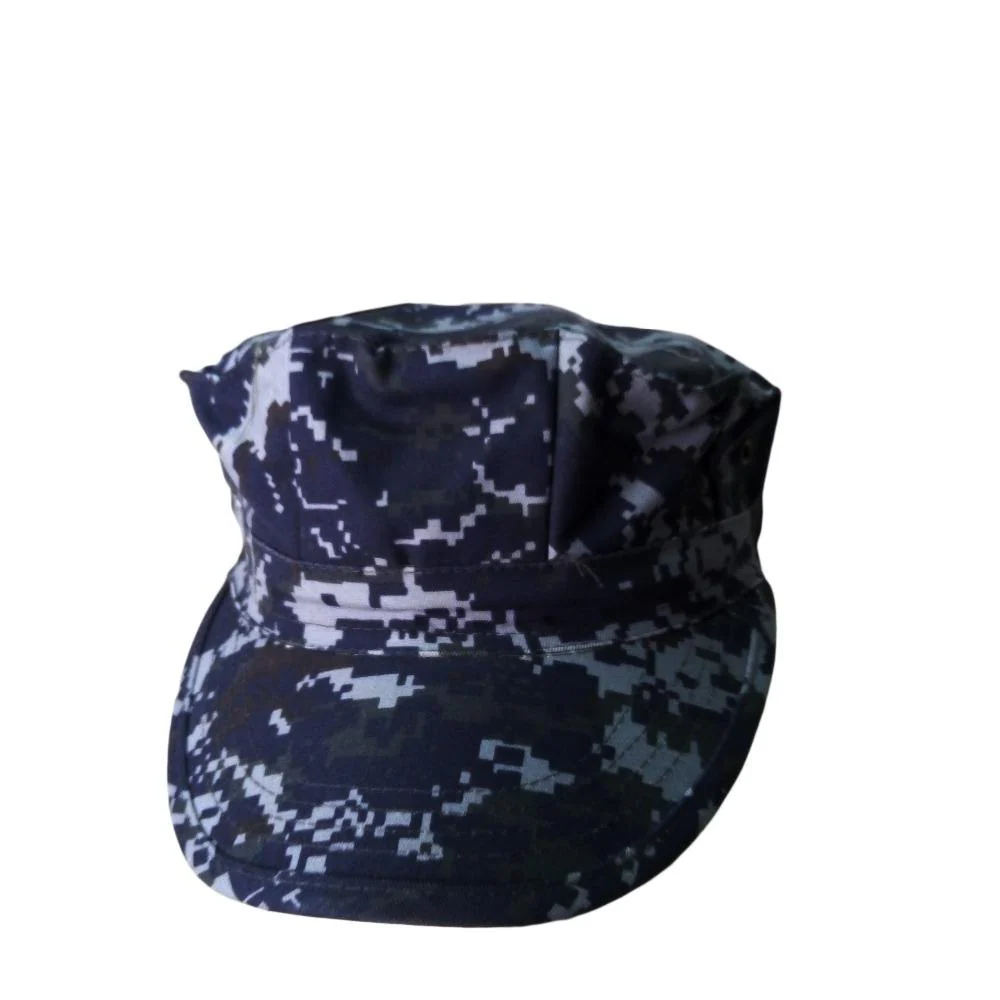
JT-H-014
Camouflage Octagonal Cap/Hat
- Color
- FG,AU,Universal,CP,Desert,woodland,digital,
- Size
- 58,59,60(cm)
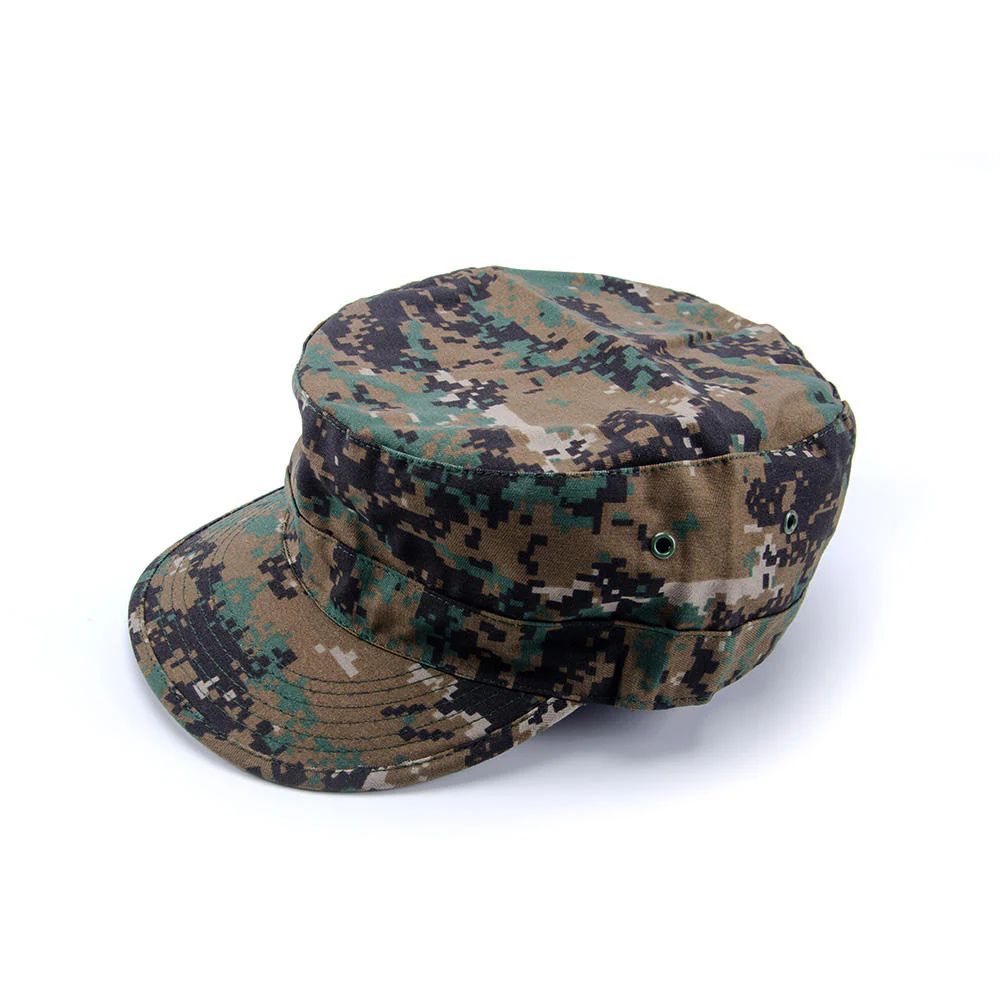
Headwear specified as a product
A familiar hat name is the starting point; construction and fit define what is delivered.
A military boonie hat, patrol cap or octagonal cap can change significantly when crown shape, brim width, ventilation, chin-cord construction, fabric weight, sizing or camouflage artwork changes. Jinteng helps institutional buyers compare the available headwear families, identify the fields that matter for the intended duty and place the accepted sample, measurements, material and packing instructions into one production record. The result is a headwear program that can be quoted, inspected and replenished without relying on a product photograph alone.
- 4 familiesChoose by construction
- Shortlist boonie, patrol, octagonal or tactical-cap shapes before deciding colour and trim.
- Sample firstConfirm fit and shape
- Review crown depth, brim behaviour, ventilation, adjustment and markings on the intended material.
- Ratio readyPlan bulk issue
- Connect the approved size range and colour mix to inner packs, cartons and destination allocation.
Product selection
Compare styles and uses
Find the style closest to your needs, then explore the available products.
01 · Sun and field coverage
Camouflage Boonie Hats
Wide-brim field headwear with configurable fabric, crown ventilation, loops, chin cord, brim construction and size range.
View product details02 · Structured field profile
Patrol and Combat Caps
Compact brimmed caps for duty and training programs that require a defined crown, closure, identification area and issue ratio.
View product details03 · Eight-panel construction
Octagonal Camouflage Caps
Panelled cap options reviewed by crown geometry, brim stiffness, fabric orientation, size and front identification placement.
View product details04 · Project-specific cap options
Tactical Camouflage Caps
Buyer-configured caps for coordinated uniform programs, including approved colour, camouflage, fit, adjustment and packing requirements.
View product detailsProduct advantages
Details that make a difference
Compare the features below when choosing your products.
Crown geometry that holds the selected profile
Record panel count, crown depth, seam construction and any internal support before sampling.
Brim dimensions matched to the duty
Specify width, shape, layers and stiffness instead of accepting a generic wide- or short-brim label.
Ventilation built into the construction
Define eyelets, mesh or other airflow details by location, material and accepted sample.
Fabric selected for climate and care
Compare composition, weave, finished weight, finish and wash expectations for the intended issue.
A reproducible size and adjustment plan
Use measurable crown dimensions, a fixed size range or an approved adjustment system.
Camouflage treated as controlled artwork
Confirm pattern source, scale, orientation, colour reference and panel matching expectations.
Authorized identity placed consistently
Record badge, embroidery, label or hook-and-loop dimensions and locations in the artwork register.
Bulk packing tied to issue quantities
Reconcile size and colour ratios through inner packs, cartons and destination-level allocation.
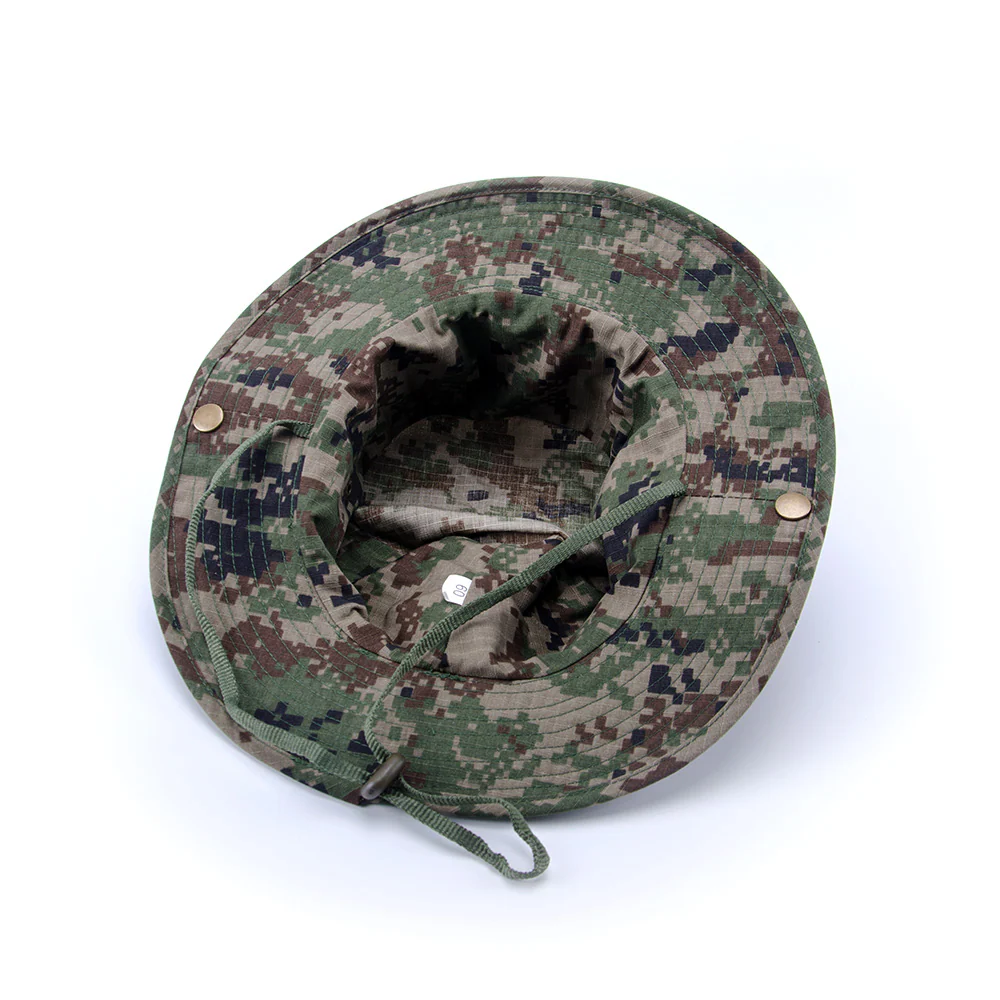
Shape and fit approval
Confirm how the headwear sits and performs before a bulk ratio is released.
Crown depth, circumference, brim behaviour, closure and chin-cord position affect comfort and appearance even when two products share the same style name. The development sample should use the intended construction and material, while the size review records measurable dimensions and the accepted fit. Those decisions can then govern labels, size ratios and final inspection.
- Measured crown and brim fields
- Accepted adjustment or size system
- Sample comments closed by revision
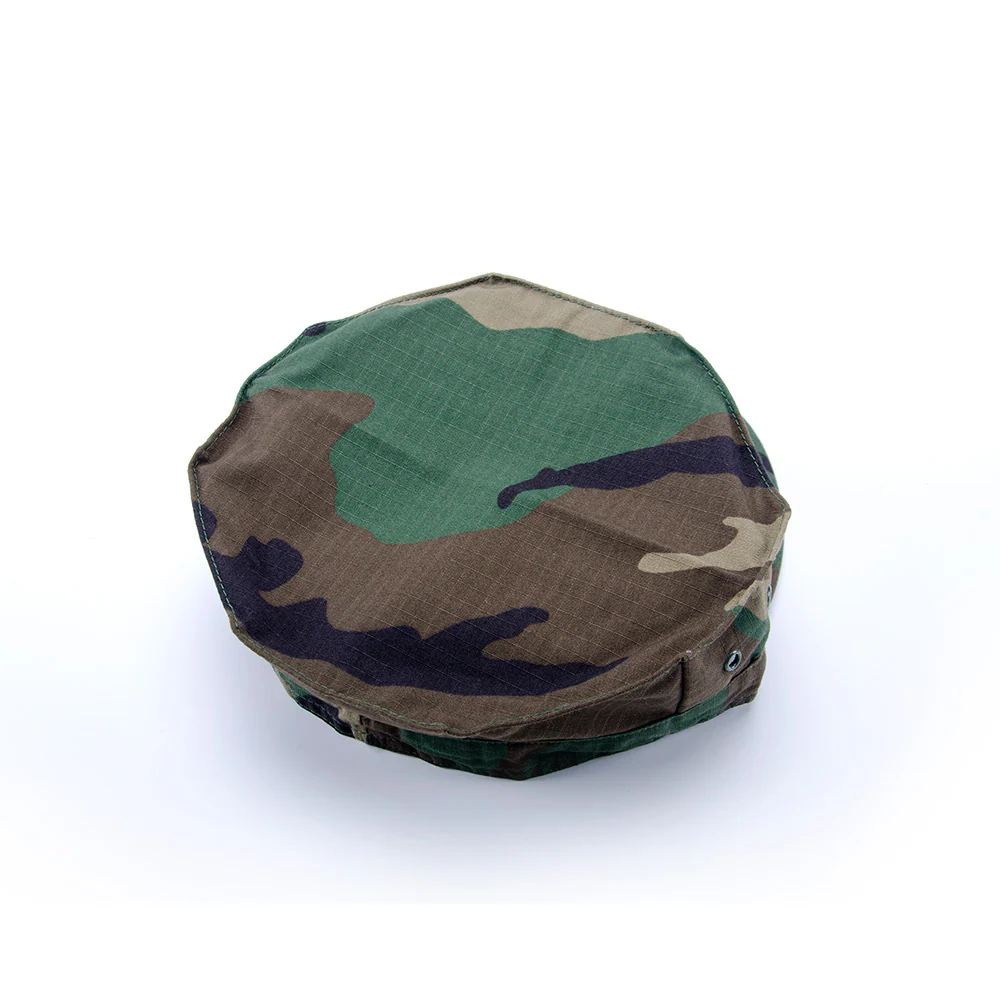
Fabric and identity control
Keep camouflage, construction and marking decisions connected to the same approved sample.
Panel orientation, shade, thread, eyelets, sweatband, label and visible identification can alter the delivered product. A useful production record identifies each component and artwork reference rather than describing the hat only as camouflage or tactical. This gives purchasing and inspection teams a clear basis for shade, workmanship and identity checks.
- Material and trim schedule
- Pattern and artwork reference
- Visible identity and label placement
Headwear development path
Five steps turn a shortlist into an inspectable bulk headwear order.
Each step closes a different source of shape, material, size or packing mismatch.
- 01
Define wearer and duty
State the user group, climate, sun or field exposure, uniform interface, quantity, destination and care route.
- 02
Choose the construction family
Select boonie, patrol, octagonal or tactical-cap options and record crown, brim, ventilation and adjustment requirements.
- 03
Develop the material and identity sample
Review fabric, colour or camouflage, trim, labels and authorized markings on the proposed construction.
- 04
Approve sizes and production details
Freeze measurements, tolerances, artwork, component schedule, sample revision and order ratio.
- 05
Inspect, pack and allocate
Check construction, dimensions, shade, identity, quantities and packing against the released record.
Application contexts
Organize the product around the people, environment and delivery task.
Use these common program contexts to clarify the specification and route your enquiry to the most relevant product and project-support pages.
Hot-climate field and training issue
Use boonie-hat construction, ventilation and brim decisions to support outdoor duty and training requirements.Patrol and facility duty uniforms
Coordinate cap profile, colour, identification and size allocation with the corresponding duty uniform.Tender and distributor assortments
Build a controlled assortment by product ID, construction, size and pack rather than mixing unrelated retail headwear.Buyer resources
Use practical guides and the company catalogue to prepare the next decision.
The resources below help you define the requirement, choose the right approval stage and request a more comparable quotation.
Product catalogue
2026 Product Catalogue
Request the current company catalogue, then tell us which product families and configurations should be included in your quotation.
Request catalogue access
Buyer guide
Military Uniform RFQ Checklist
Place headwear, quantity, material, sizing, identity and delivery fields into a comparable request.
Read the buyer guide
Buyer guide
Military Uniform Fabric Guide
Define composition, construction, finish, colour and camouflage as separate production fields.
Read the buyer guide
Buyer guide
Bulk Order Sampling Path
Choose evaluation, development and pre-production samples according to the decision required.
Read the buyer guide
Buyer guide
Institutional Kitting and Packaging Guide
Plan size ratios, individual packs, cartons and destination allocation before production.
Read the buyer guide
Buyer guide
Security Guard Uniforms
Compare coordinated cap, identity and wearer-allocation requirements for guard-force programs.
Read the buyer guideUniform-accessory program support
Headwear decisions remain connected to the wider uniform and delivery program.
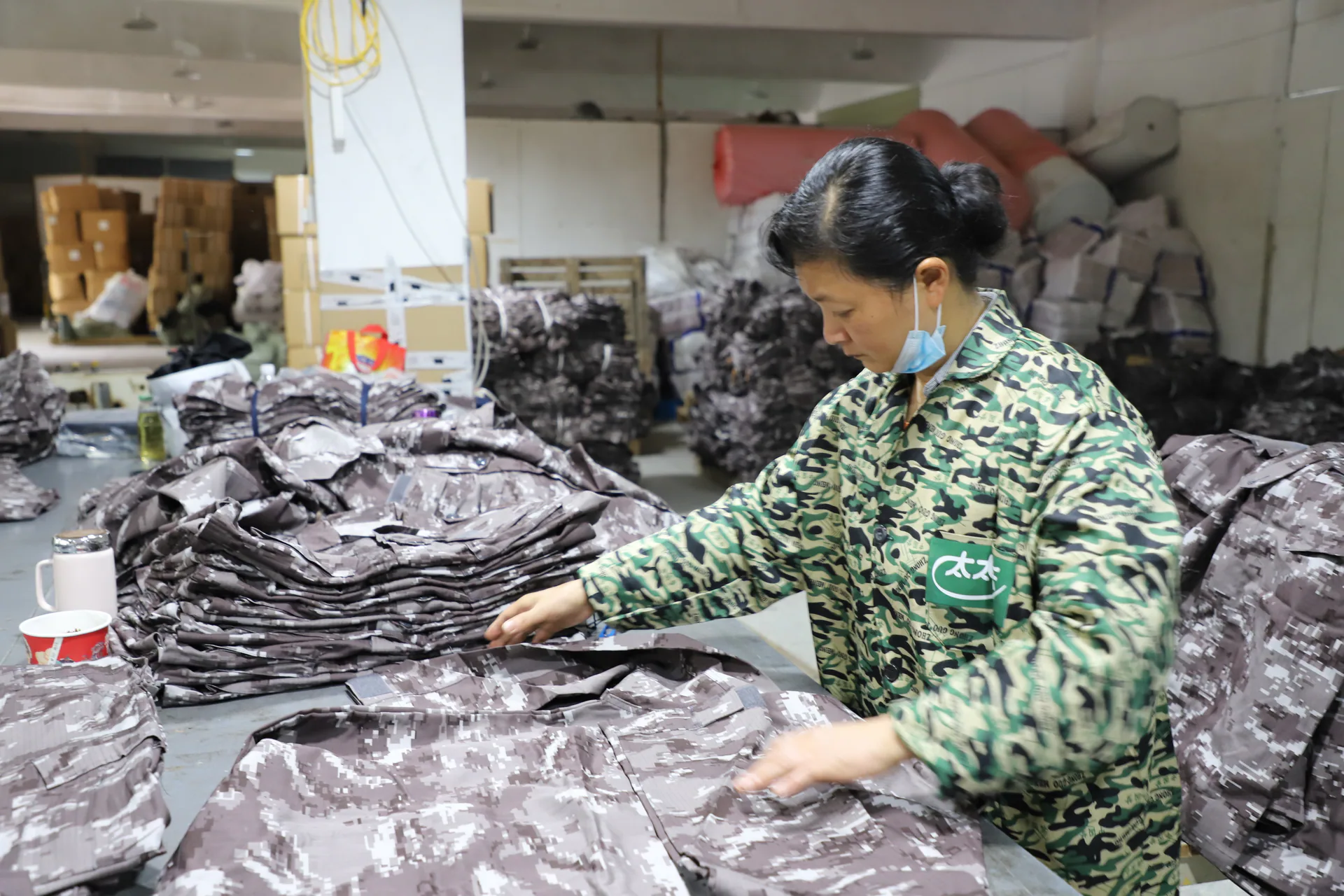
Wuhan Jinteng has worked with uniform and institutional procurement requirements since 2002. The company combines garment-production experience with product sourcing, sample coordination, inspection planning and export delivery. For a headwear order, the proposed production route and exact product configuration are confirmed during quotation; fabric, artwork, size and packing decisions are then recorded against the selected product rather than assumed from a catalogue image.
- 7,800 m² company site
- 5,600 m² workshop and warehouse area
- More than 200 people across the company team
- Proposed production route confirmed for the selected product

Configuration details
Materials, sizes and custom options
Review the product-specific details below, then use these tabs to plan any changes.
Choose a construction family before comparing details
The family name organizes the shortlist, while the accepted construction defines the product.
- Boonie hats with configurable brim, loops, ventilation and chin cord
- Patrol and combat caps with defined crown and visor construction
- Octagonal caps with controlled panel geometry and orientation
- Tactical caps configured for the named uniform and duty program
- JT-BH-002 · Size
- S,M,L
- JT-BH-002 · Material
- Usually standard T65/C35
Specify the material and every visible component
Fabric choice affects shape, comfort, care, shade and repeatability.
- Composition, weave and finished weight
- Colour or controlled camouflage artwork
- Sweatband, eyelets, mesh and chin-cord components
- Thread, binding, reinforcement and finish requirements
Connect fit, adjustment and authorized markings
A cap size or one-size label is useful only when its measurable basis is recorded.
- Head circumference range and crown depth
- Fixed sizes or adjustment construction
- Label, embroidery, badge or hook-and-loop placement
- Size, colour and identity ratio for the order
Inspect the accepted shape and deliver the correct issue mix
The final check should cover construction, measurements, appearance, identity and allocation.
- Crown symmetry, seam and brim workmanship
- Dimensions, shade and component identity
- Artwork and label position against the released record
- Inner-pack, carton and destination reconciliation
Quotation comparison
Record each decision in the RFQ and the approved sample.
A named style family is only the starting point. Use one comparison table so every supplier answers the same technical and commercial questions.
| Decision | Buyer question | Input for quotation |
|---|---|---|
| Headwear family | Does the program require a boonie hat, patrol-style cap, octagonal cap or another defined construction? | Style reference, wear context, product IDs and required construction. |
| Fabric and ventilation | Which garment-matching fabric, colour, camouflage and airflow details are required? | Material, colour or artwork reference, eyelet or panel construction and finish. |
| Fit and adjustment | Will the item use fixed sizes, adjustable closure or another approved fit method? | Head-size basis, size range, tolerance, adjustment and sample sizes. |
| Identity and allocation | Which labels, embroidery, insignia fields and pack identifiers belong on each item? | Artwork, placement, approval method, size ratio and unit-packing matrix. |
Records that support a purchasing decision
Ask for evidence connected to the exact headwear configuration being quoted.
Product photographs help with selection, but the following records make the quotation and bulk delivery easier to verify.
- 01
Which product and construction are included in the price?
A quotation naming the product ID, crown and brim construction, material, size range, trim, quantity and declared deviations.
- 02
Will the delivered hat match the approved shape?
An identified sample revision with recorded crown, brim, adjustment, ventilation and workmanship decisions.
- 03
How is camouflage or colour controlled?
The accepted material or artwork reference, approval method and component shade requirements for the selected product.
- 04
Can the required size mix be packed correctly?
An approved size and colour ratio linked to inner-pack, carton and destination quantities.
- 05
What governs a later replenishment?
Retained product ID, BOM, measurements, artwork, label and sample references, with any later change recorded separately.
Frequently asked questions
Questions buyers ask before sampling and quotation
These answers address the configuration, order planning and approval details that most often affect a bulk project.
What should a buyer specify for a military boonie hat order?
Start with the intended duty, climate, quantity and destination. Then define brim width and construction, crown depth and panels, ventilation, branch loops if required, chin cord, fabric composition and weight, colour or camouflage reference, size system, labels, authorized markings, sample stage and packing ratio. If some fields are open, ask the supplier to return a proposed value rather than filling them silently.
Are boonie hats, bucket hats and patrol caps the same product?
No. The terms may overlap in informal listings, but the delivered construction can differ in brim width and stiffness, crown profile, panel layout, ventilation, adjustment and intended uniform interface. A procurement file should identify the selected product ID and measurable construction instead of treating every camouflage hat as interchangeable.
How should camouflage be approved on tactical headwear?
Identify the authorized artwork or physical reference, repeat and scale, colour targets, panel orientation and approval method. Review the proposed fabric on the actual hat construction because seams, small panels and brim layers can change how the pattern appears. Keep the accepted material or artwork reference with the sample and order revision.
Should military caps use fixed sizes or an adjustable closure?
Either approach can be suitable when it matches the wearer group and appearance requirement. Fixed sizes need a clear circumference range, grading and order ratio. Adjustable caps need the closure type, adjustment range, back opening and identity placement recorded. The sample review should confirm comfort and profile at the relevant points in the range.
How are logos, badges or unit markings added?
Provide artwork, dimensions, colour, location and authorization for every visible mark. State whether the method is embroidery, patch, badge, label or hook-and-loop and identify who approves it. The supplier should show the marking on the intended material and construction before bulk release, then check its placement during final inspection.
Which sample stage is appropriate for a bulk headwear program?
An evaluation sample may confirm the general family, while a development sample closes construction, fabric and identity decisions. A size review is needed when several fixed sizes are ordered. The pre-production sample should represent the accepted material, measurements, artwork, trim and packing assumptions that will govern bulk production.
How should tactical hats be packed for institutional issue?
Define whether hats are packed individually, by wearer set, by size and colour, by unit or by destination. Record folding or shape-protection requirements, inner-pack quantities, carton marks and the final allocation file. Packing should protect the accepted brim and crown while allowing the receiving team to reconcile quantities efficiently.
Can different hat styles be combined in one quotation or shipment?
Yes, when each line keeps its own product ID, construction, material, size ratio, marking and quantity. A mixed order should also define whether products share fabric or artwork approvals and how each style is separated in packing. MOQ, sample cost and timing remain subject to the exact configuration and production route.
Military headwear buyer guide
How to source military boonie hats and tactical caps for a repeatable bulk program
A useful headwear specification makes shape, material, fit, identity and allocation visible before suppliers quote or prepare samples.
Read the full buying guide
Begin with the wearer, climate and uniform interface
Describe who will wear the headwear, the duty environment, the season, expected sun or rain exposure and the corresponding uniform. Note whether the item is intended for field use, training, patrol, facility duty or a coordinated contractor program. This context helps the buyer decide whether a boonie hat, patrol cap, octagonal cap or another tactical-cap construction is appropriate. It also gives a reason for brim coverage, ventilation, fabric weight and care requirements. List the expected quantity, destination, wearer groups and replenishment needs at the same stage. Do not assume that a camouflage photograph defines an operating requirement. A wide brim may suit outdoor coverage but conflict with equipment or appearance rules; a structured patrol cap may provide the required profile but need more precise sizing. Record these trade-offs before requesting a price so suppliers compare the same intended product instead of proposing whatever hat happens to look similar.
Convert the style name into measurable construction fields
After choosing the family, describe the crown, brim and adjustment system in terms that can be sampled and inspected. Record panel count, crown depth, circumference, seam arrangement, ventilation openings, branch loops, chin cord, back opening, visor or brim layers and stiffness. Identify which dimensions are mandatory, which can follow the supplier proposal and which will be approved from a sample. This step is especially important for boonie and octagonal styles because small changes in crown geometry or brim construction visibly alter the product. Ask each bidder to return the proposed values and deviations next to the requirement. A copied title such as military boonie hat or tactical patrol cap is not enough to compare quotations. A product ID plus a construction schedule allows purchasing, sampling and inspection teams to discuss the same item and prevents an attractive catalogue image from replacing details that affect fit, comfort and appearance.
Specify fabric, camouflage and components separately
Set out fibre content, weave or knit construction, finished weight, finish, colour or camouflage and care expectations as separate fields. If camouflage is required, identify the artwork owner or authorized source, repeat, scale, colour reference, orientation and approval method. Headwear uses small panels and layered brims, so pattern placement and shade can appear different from a shirt or trouser cut from a similar-looking fabric. Record sweatband, eyelet, mesh, thread, binding, cord, toggle, closure and reinforcement requirements as individual components. State whether components must match the shell fabric or follow another approved colour. Request a material proposal and confirm it on the actual headwear sample before bulk release. This approach also makes alternatives transparent: a supplier can propose another fabric or component, but the buyer can see the difference, evaluate it and record the accepted value rather than discovering it after production.
Build a size and fit approval that supports the order ratio
Choose fixed sizes, dual sizes or an adjustable construction according to wearer data and appearance requirements. For fixed-size headwear, define the finished internal circumference, crown depth, measurement method, tolerance and planned size range. For adjustable caps, record the closure, adjustment range and how the back opening affects fit and visible identity. Review samples at more than one point in the proposed range when grading or crown proportions may change. The accepted measurements should then connect directly to size labels, the purchase-order ratio and carton allocation. Avoid using a one-size description without an approved measurable range. Before production, reconcile the planned quantities by product, colour and size and identify reserves or destination splits. A good size record supports both immediate distribution and later replenishment because the next order can refer to the same measurement basis instead of depending on a previous label alone.
Control markings, samples and production release
List every visible and internal identity element, including embroidery, badges, patches, hook-and-loop fields, size labels, care labels and pack labels. Supply authorized artwork with dimensions, colour and placement and identify the person or organization that can approve it. Choose sample stages by decision: an evaluation sample confirms the family, a development sample closes construction and material, a size review checks fit, and a pre-production sample represents the complete accepted configuration. Consolidate comments by revision and state which earlier samples are superseded. The production release should identify the selected product ID, BOM, measurements, material and camouflage references, artwork register, accepted sample, quantity ratio and packing instructions. These records do not make the project bureaucratic; they prevent different teams from using different assumptions and give the factory and inspector one practical baseline for the exact order.
Inspect shape, identity and allocation before shipment
Create an inspection plan from the released configuration. Check material and component identity, crown and brim workmanship, key measurements, ventilation placement, closure or chin-cord function, camouflage or colour appearance, marking position, labels and quantities. The plan should state the sample basis, tolerances and how nonconformities will be handled. Packing inspection should confirm the size and colour ratio inside each pack and carton, protect the agreed crown and brim shape and reconcile carton marks with the destination file. Keep final quantity and inspection records with the order revision. When placing a repeat order, review whether material, components, artwork, measurements, production route or destination rules have changed. Record approved changes as a new revision rather than silently overwriting the original. This gives the buyer a stable reference while allowing later orders to improve or adapt deliberately.
Project enquiry
Request a focused quotation for military boonie hat.
Share the current requirement, even if some technical fields still need a supplier proposal. We will use the product IDs and project context to recommend the next quotation or sample step.
Helpful details to include
- Named product IDs and construction family
- Crown, brim, ventilation and adjustment fields
- Fabric, colour or camouflage and component schedule
- Size measurements, ratio and authorized markings
- Sample, inspection, packing and destination plan
 WhatsApp