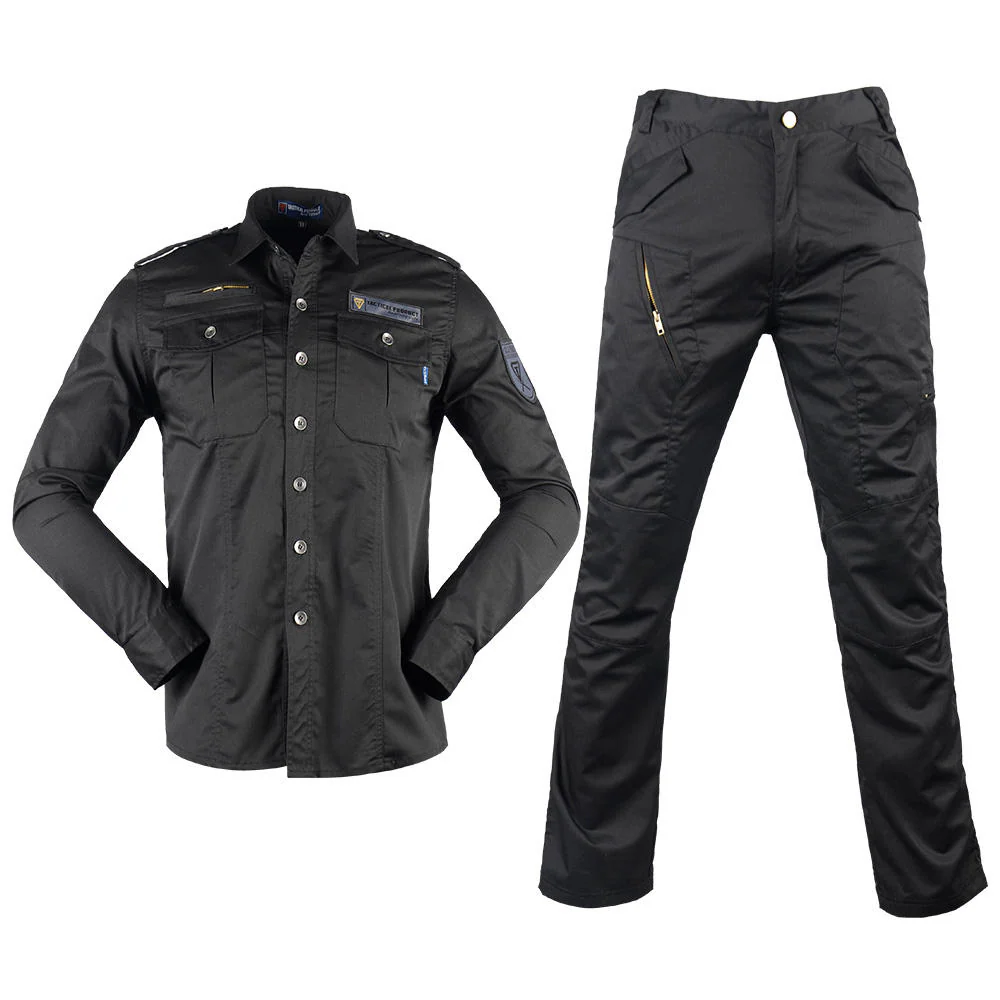
JT-1T-002
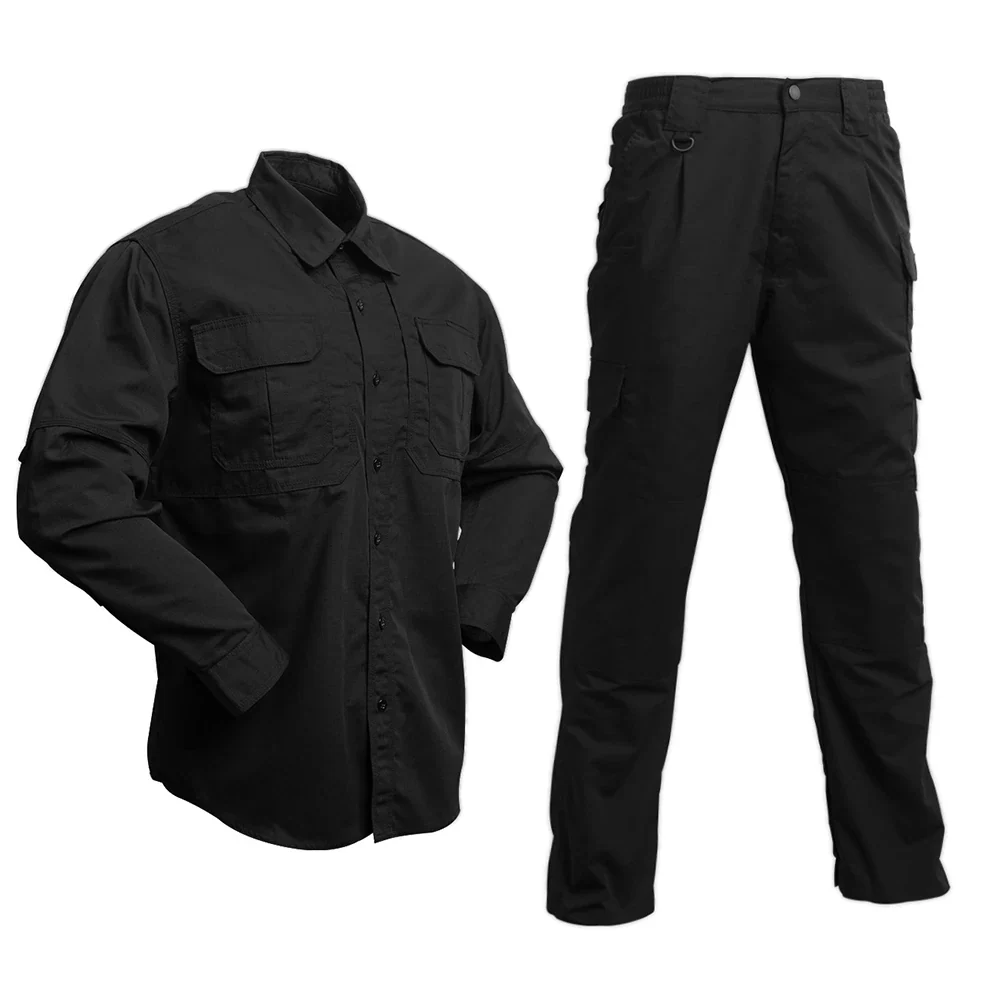
Tactical Formal Breathable Anti-static Rip-Stop Needle Detection Black
- Weight
- 1.25kg
- Season
- All seasons

Institutional security uniforms
Develop shirts, trousers and complete security guard uniform sets around the working environment, role hierarchy, seasonal plan, wearer sizes, authorized company identity and site-by-site allocation. This commercial and institutional collection is separate from official police uniforms.
Available product options
Compare the styles below. Open a product for its details, or send the product ID and your requirements to discuss a quotation.
JT-1T-002
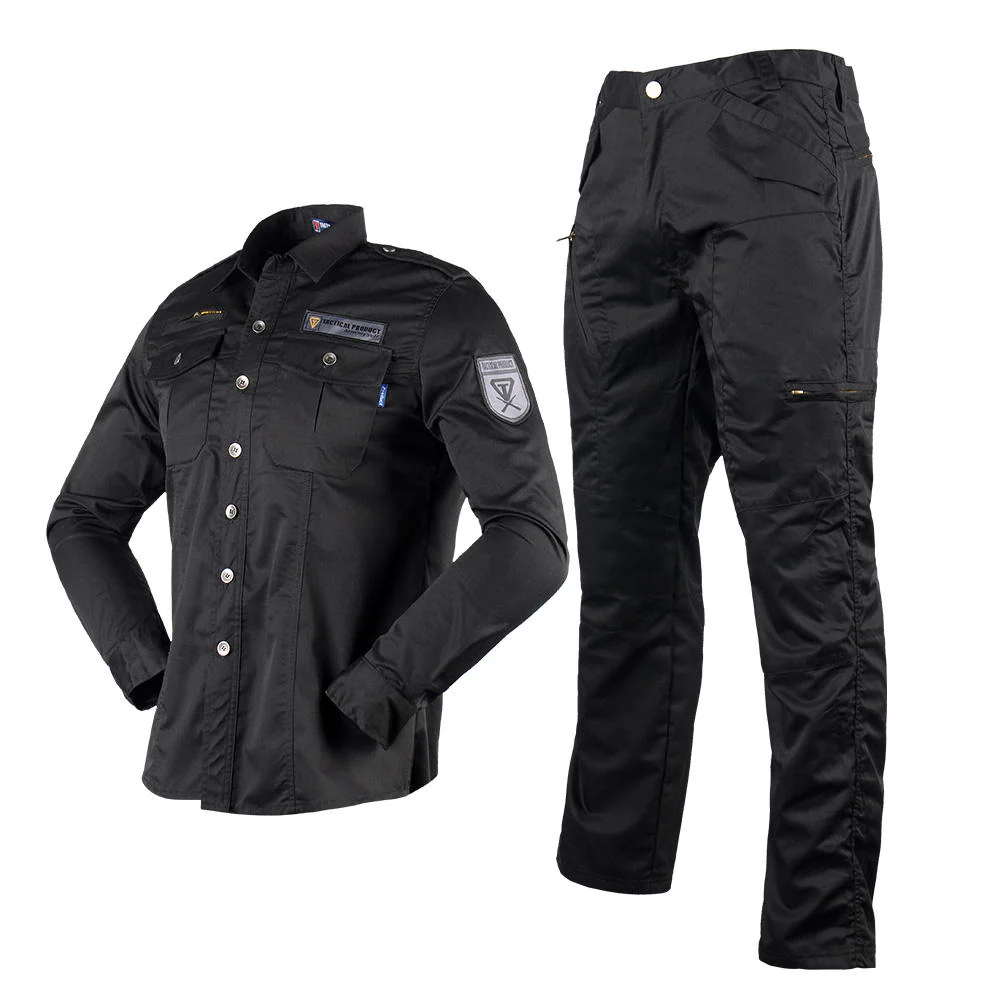
JT-1T-007
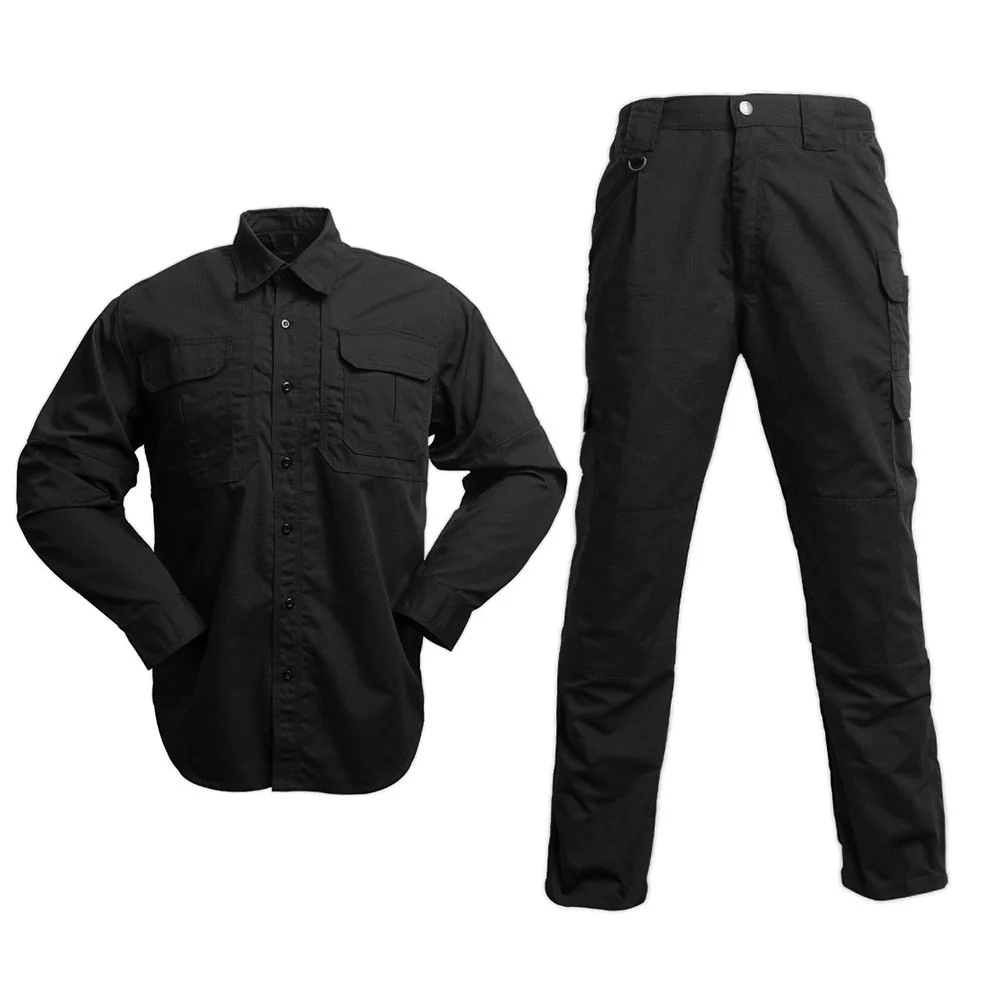
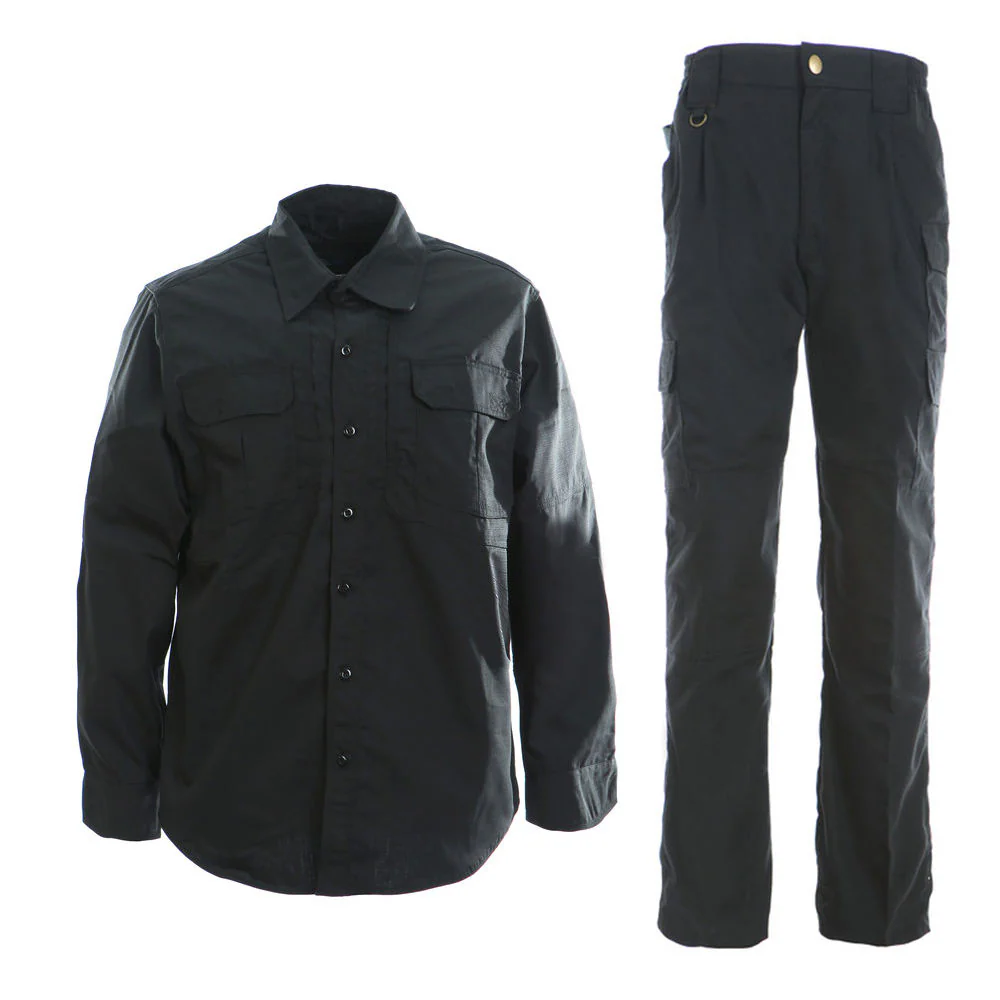
JT-57T-007
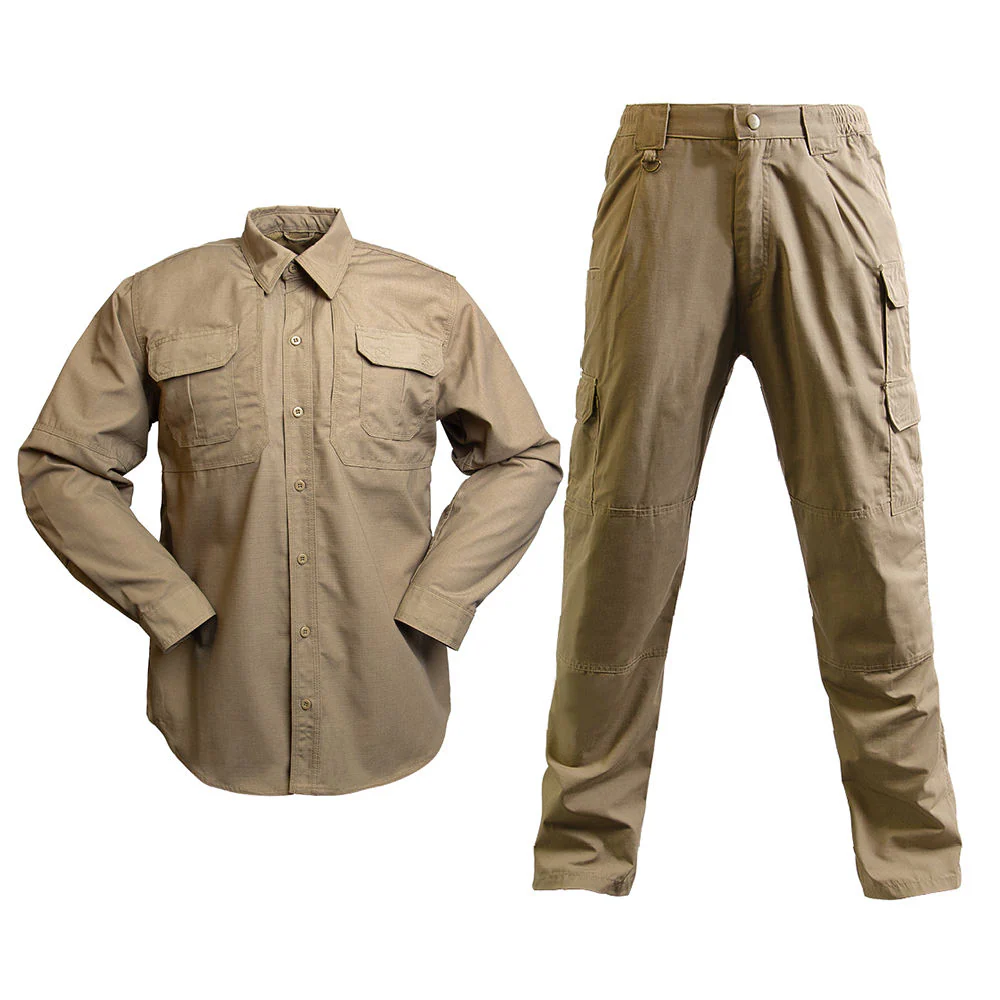
JT-HS-006
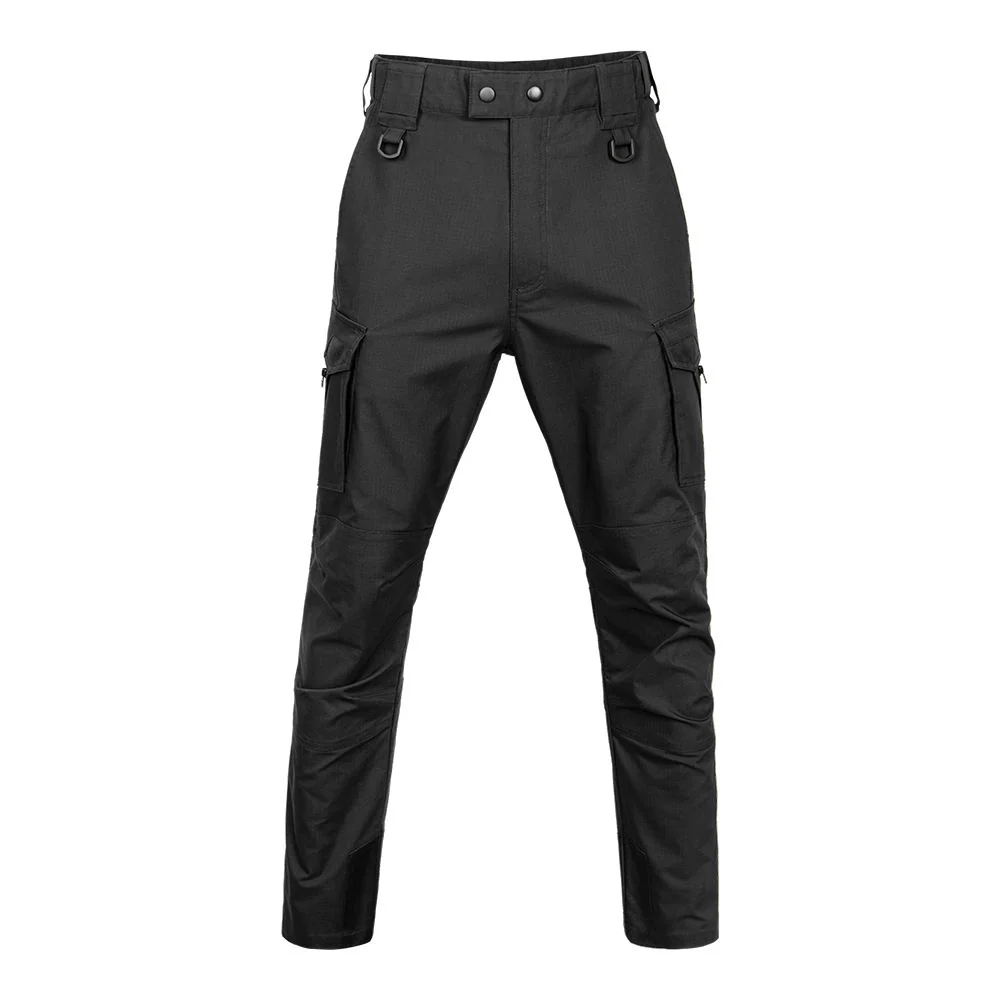
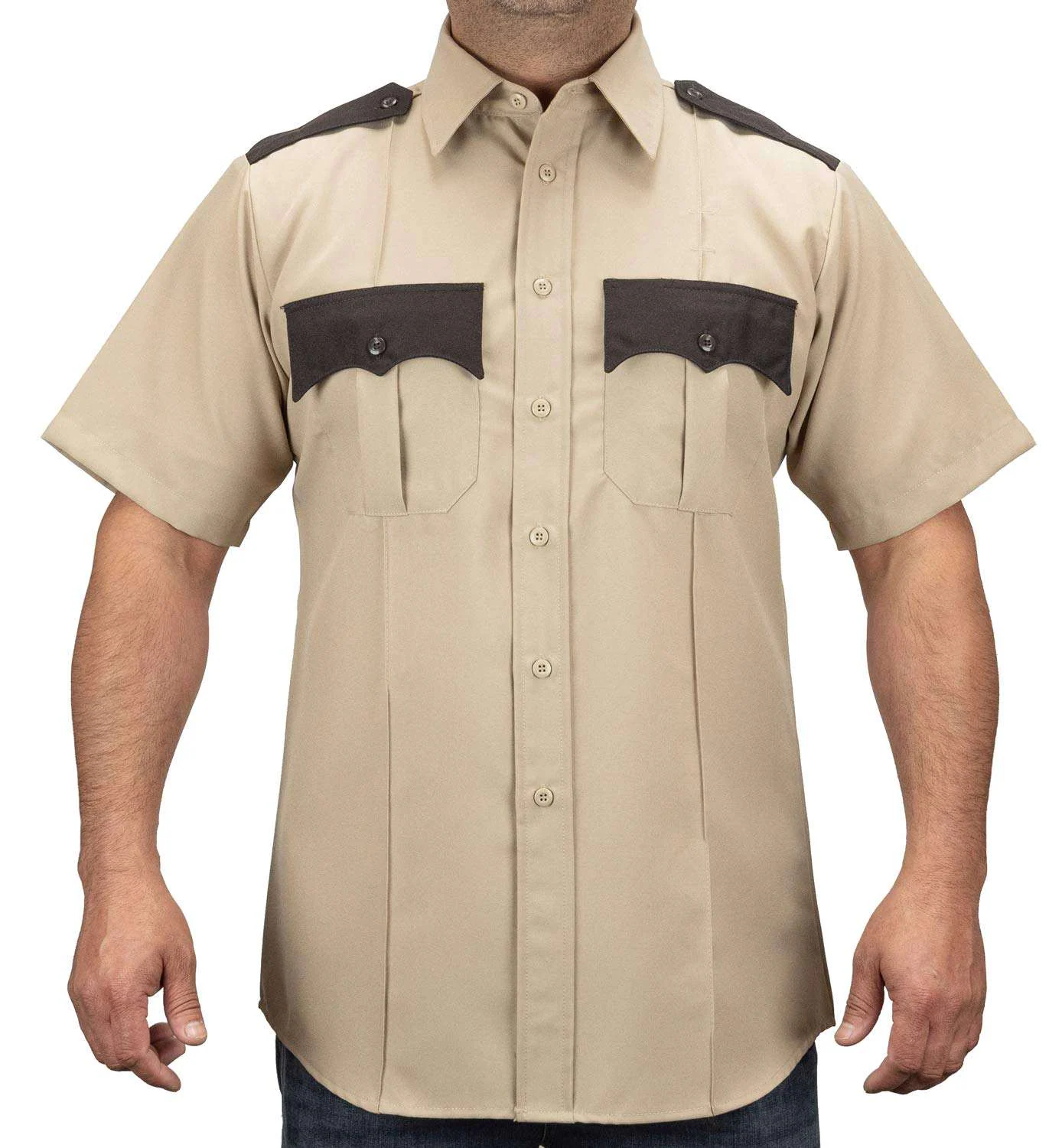
JT-S-012
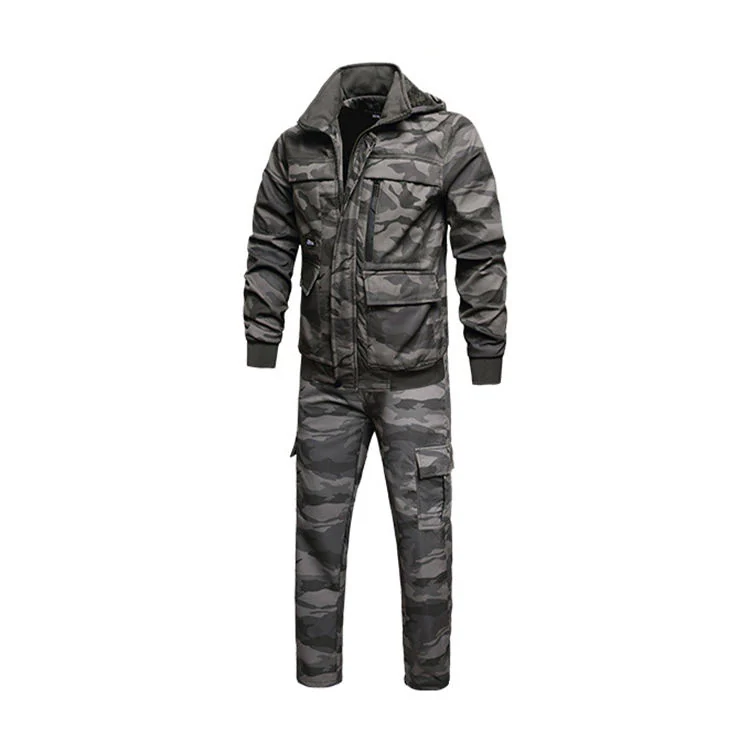
JT-WU-023
A uniform system for commercial security teams
A security guard uniform must help a private, enterprise or institutional team look consistent and remain practical through shifts, seasons, staff changes and multiple sites. Jinteng organizes the project around real roles and garments: shirts, trousers, outer layers and complete sets are matched to duty, climate, brand identity, wearer measurements and issue quantities. Official police insignia, protected identifiers and unsupported agency claims are outside this collection. The result is a controlled commercial-security uniform program that purchasing teams can quote, approve, distribute and replenish.
Product selection
Find the style closest to your needs, then explore the available products.
01 · Complete uniform sets
Coordinated sets for guard, patrol and facility teams, developed around working posture, climate, fit, colour and authorized identity.
View product details02 · Dark duty programs
Dark-colour shirt and trouser configurations for commercial security programs that require a consistent, practical duty appearance.
View product details03 · Seasonal shirt options
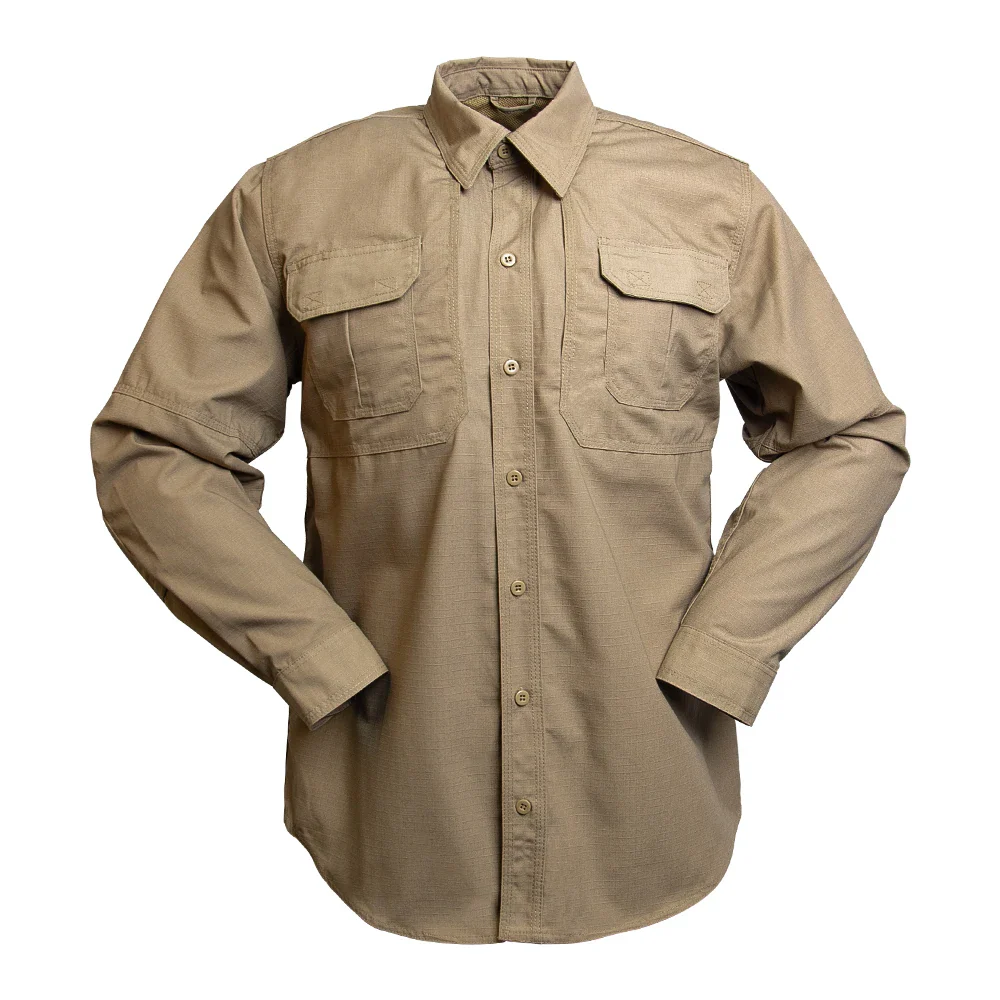
Long- or short-sleeve shirts coordinated by material, collar, pocket, identity, size range and the rest of the issue set.
View product details04 · Managed workforce issue
Jacket, shirt and trouser combinations planned by role, season, wearer ratio, location and repeat-order requirements.
View product detailsProduct advantages
Compare the features below when choosing your products.
Define the shirt, trouser, jacket and accessory set for each position and season.
Set fit, pocket access, closure and reinforcement according to standing, patrol and site duties.
Compare composition, construction, finished weight, comfort and laundering requirements.
Approve fabric or colour references for tops, trousers, outer layers and future reorders.
Translate the approved chart and size set into employee, department and site quantities.
Control company logos, name tapes, role labels and badges without imitating official police identity.
Keep warm- and hot-weather items, new-starter packs and replacement stock in one matrix.
Choose individual, wearer, role or site packs with clear labels and reconciled quantities.
Role and identity planning
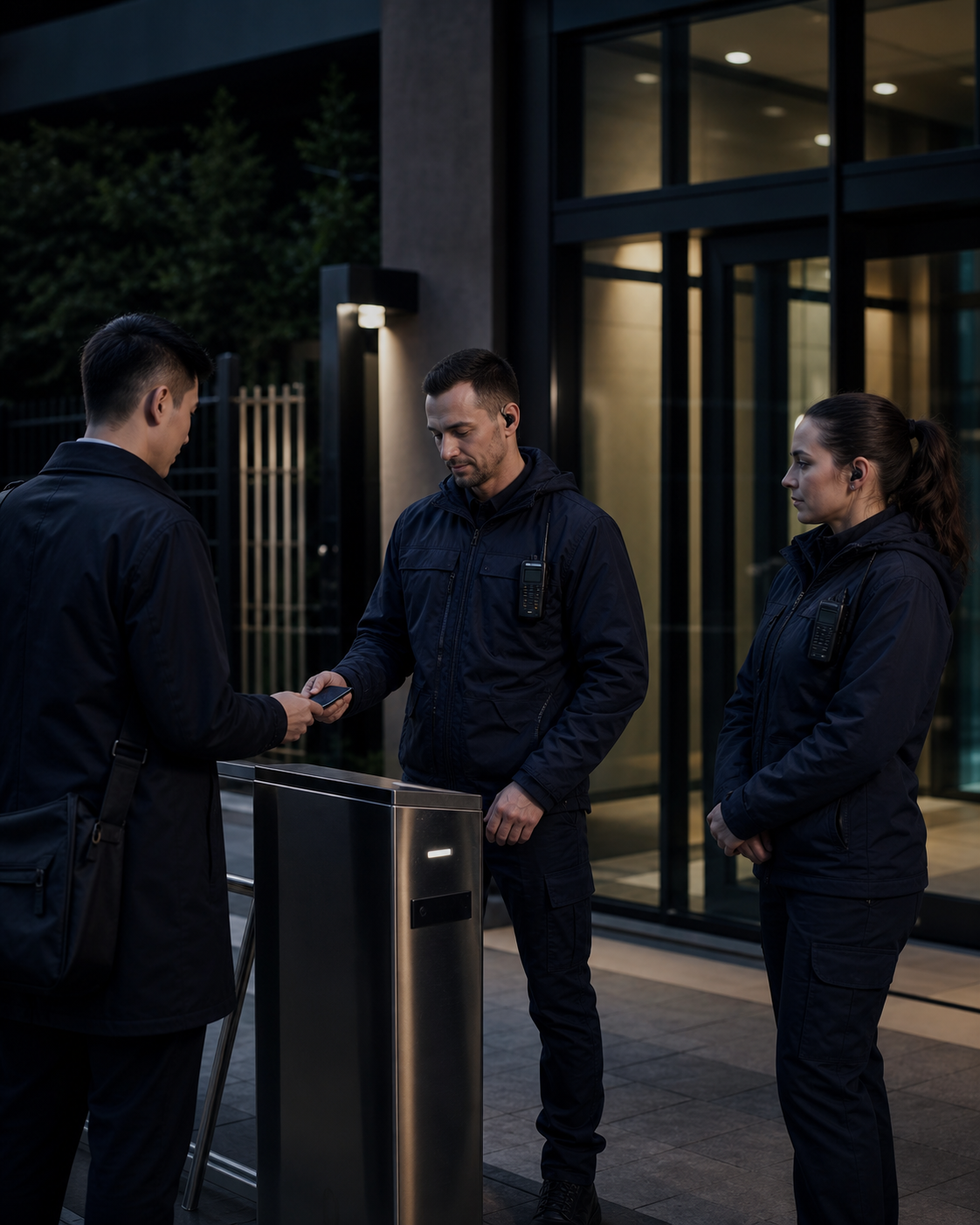
List every commercial-security role and the garments required for each season and shift. Then define colours, authorized logos, name or role identifiers and placement rules. This keeps supervisors, guards and site teams visually coordinated while preserving a clear boundary from official police uniforms, protected insignia and unsupported agency identity.
Sizing and replenishment
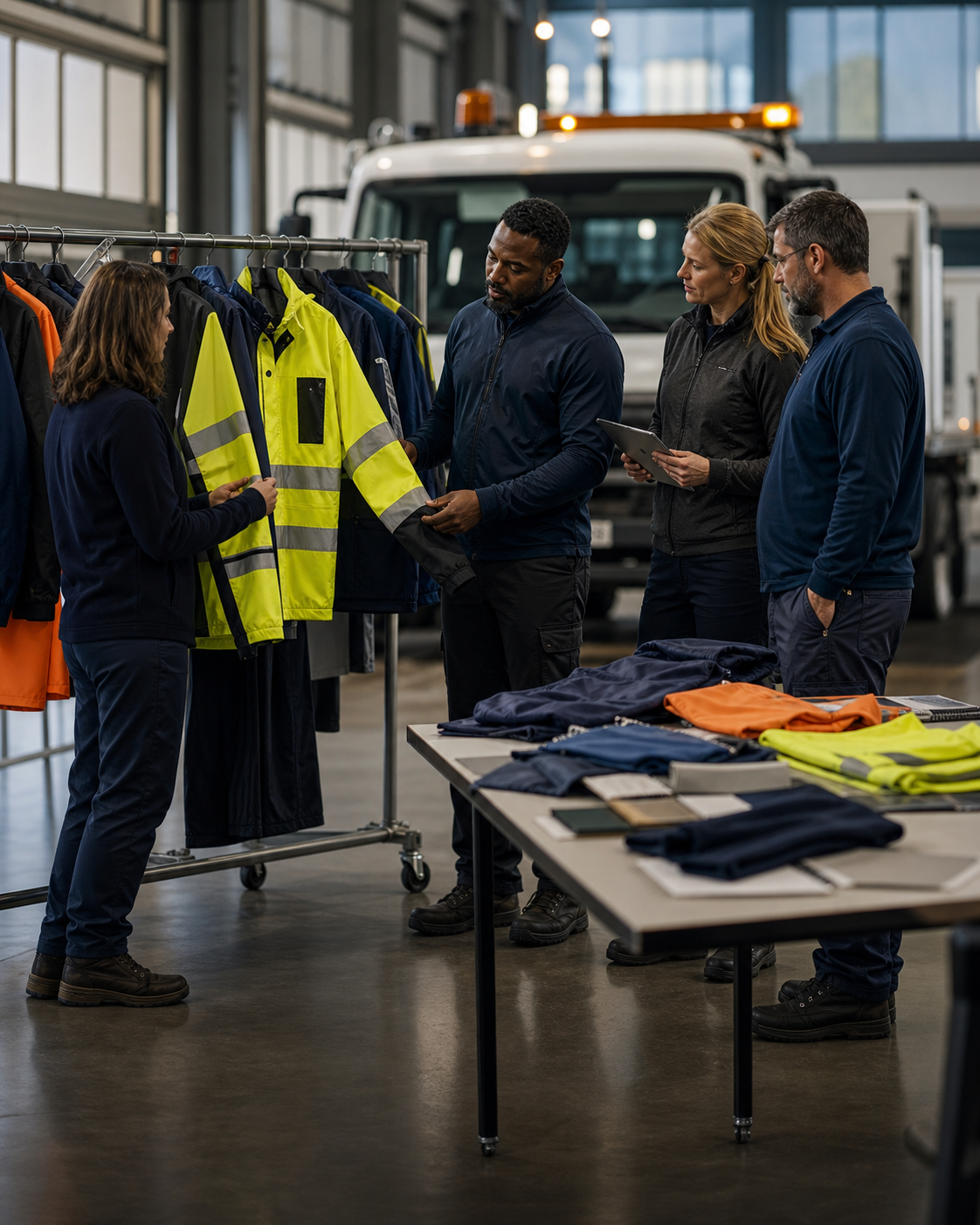
Security teams change over time, so one approved sample size cannot govern the whole program. Use a finished-garment chart, selected size samples and a wearer or historical size ratio. Link each issued set to the correct labels and packing method, then retain the approved measurements and product references for new starters and replacement stock.
Security uniform program path
The sequence keeps role, identity, fit, quantity and packing decisions visible from quotation to replenishment.
List wearer groups, duties, shift environment, garment sets, quantities, locations and replacement needs.
Align styles, fabric, colour, pockets, labels and authorized company artwork for each role.
Close construction, appearance, fit, grading and wearer feedback on named sample revisions.
Freeze the BOM, measurements, artwork, quantities, size ratios, site splits and packing instructions.
Verify garments and packs, reconcile delivery quantities and preserve the approved baseline for replacements.
Application contexts
Use these common program contexts to clarify the specification and route your enquiry to the most relevant product and project-support pages.

Buyer resources
The resources below help you define the requirement, choose the right approval stage and request a more comparable quotation.
Request the current company catalogue, then tell us which product families and configurations should be included in your quotation.
Request catalogue accessValidate fit, grading and the order ratio across the planned size range.
Read the buyer guideUse evaluation, development, size-set and pre-production samples for distinct decisions.
Read the buyer guidePlan wearer, role, site and destination packs before the purchase order is released.
Read the buyer guideApply the same material, colour and verification discipline to institutional security garments.
Read the buyer guideCoordinate headwear style, colour, identity and size allocation with the uniform issue set.
Read the buyer guideInstitutional garment capability
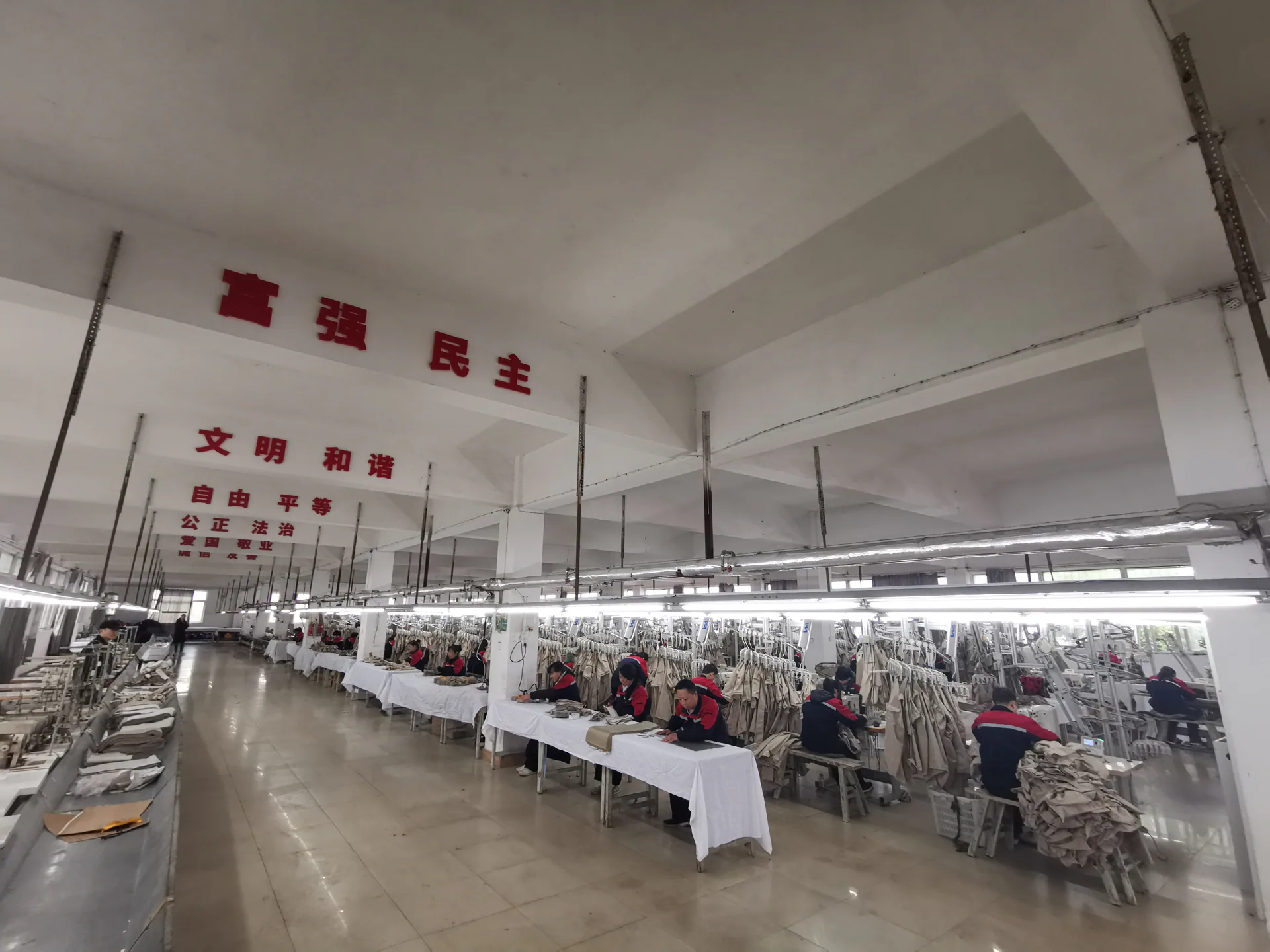
Established in Wuhan in 2002, Jinteng supports institutional garment projects through requirement review, product matching, sample development, production planning, inspection and export coordination. Security uniform proposals are prepared against the named organization, role matrix and selected products. The production or sourcing route is confirmed during quotation, while approved fabric, colour, measurements, identity and packing records provide the baseline for bulk delivery and future replacement orders.

Configuration details
Review the product-specific details below, then use these tabs to plan any changes.
List what every wearer receives rather than pricing isolated garments without their program context.
The selected appearance must remain practical and repeatable across garments and seasons.
Measurements, artwork and placement should be approved on the garment configuration intended for production.
Production inspection and packing reconciliation should use the same released order matrix.
Quotation comparison
A named style family is only the starting point. Use one comparison table so every supplier answers the same technical and commercial questions.
| Decision | Buyer question | Input for quotation |
|---|---|---|
| Role and issue set | Which posts, shifts and seasons require different garments or quantities? | Role matrix, wearer count, garment components, issue quantity and replacement plan. |
| Appearance and identity | Which colours, badges, embroidery, name fields and rank or department identifiers are approved? | Colour references, artwork, placement schedule and approval responsibility. |
| Material and comfort | Which fabric, weight, finish and construction suit indoor, outdoor or mixed duty? | Duty environment, care route, material brief and seasonal layering requirement. |
| Sizing and replenishment | How will wearer measurements, size allocation and later replacements be controlled? | Measurement chart, size ratio, wearer allocation, spare ratio and reorder identifiers. |
What purchasing teams can verify
These records are more useful than generic service claims because each one stays connected to the named security uniform program.
A role-by-garment matrix showing product IDs, seasonal variants, quantities, proposed values and declared deviations.
An artwork register with supplied files, dimensions, colours, placement, approval owner and the accepted sample reference.
A finished-garment chart, size-set comments and the wearer, historical or buyer-approved size ratio.
A packing and allocation matrix reconciled by product, role, size, employee or site as required.
Retained product, BOM, material, colour, measurements, artwork and packing revisions, with changes recorded before reorder.
Frequently asked questions
These answers address the configuration, order planning and approval details that most often affect a bulk project.
Provide the organization type, wearer roles, working environment, garment list, quantities, destination, seasonal needs, fabric or care requirements, colours, size chart or wearer data, authorized logo and identity details, sample stages, inspection expectations, packing method and delivery schedule. Separate mandatory requirements from fields where the supplier may propose an option.
No. This collection serves commercial, enterprise and institutional security teams. Garments can be configured for the buyer’s authorized company identity and working needs, but official police insignia, protected agency identifiers and unsupported claims of official issue are not assumed. The purchasing organization remains responsible for lawful artwork, marking and end use.
Create a role matrix listing every garment, colour, identifier and seasonal variant issued to each position. Mark shared components and controlled differences such as supervisor colour, role label, outer layer or site identifier. This makes quotations comparable and prevents role changes from being improvised during production or packing.
The answer depends on climate, shift length, movement, laundering, appearance and durability priorities. Define fibre blend, construction, finished weight, finish and care route, then review the proposed fabric on the selected garment. A generic polyester-cotton or breathable description is not a complete material specification.
Begin with a finished-garment chart or agreed body-data basis, define measurement points and tolerances, and review selected sizes across the planned range. Reconcile the approved chart with wearer data or a justified size ratio. Record how exchanges, new starters and replacement stock will be handled after delivery.
Yes, subject to authorization and production review. Provide the artwork, dimensions, colour, location and method for each logo, name, number or role identifier. Approve these elements on the intended garment and material, and keep the accepted artwork revision linked to the purchase order and pre-production sample.
Choose individual, wearer, role, department or site packs according to the receiving process. Provide an allocation file with product, colour, size, identity and quantity fields and define pack labels and carton marks. Final reconciliation should compare packed quantities with both the purchase order and destination matrix.
Retain the accepted product IDs, BOM, material and colour references, measurement chart, artwork register, labels, approved sample identification, size ratio and packing instructions. Before each reorder, confirm material availability, production route, artwork, wearer data and destination requirements and record any approved change as a new revision.
Security uniform buyer guide
A reliable program begins with roles and wearers, then turns garment, material, identity and delivery decisions into one repeatable order record.
List the sites, wearer groups, duties, shifts and seasonal conditions that the uniform must support. Separate guards, patrol staff, access-control personnel, reception-facing positions, supervisors and any other role that needs a visibly different issue set. For each role, list shirts, trousers, outer layers and authorized accessories, then record first-issue quantities, reserves, expected staff turnover and replacement needs. This prevents a catalogue style from becoming the program before the operational requirement is understood. It also keeps the collection distinct from official police uniforms: the project is built around the buyer’s commercial or institutional security identity, not copied government insignia or unsupported agency language. Note movement, pocket use, indoor or outdoor exposure, laundering and appearance expectations. Suppliers can then propose garments against a real role matrix and purchasing teams can compare whether each proposal covers the complete workforce rather than only its most visible shirt or jacket.
Translate every role into a garment schedule. Record sleeve options, collar and cuff construction, pocket number and position, closures, reinforcement, trouser waist and adjustment, outer-layer compatibility and any visibility or identification fields. Identify hot-weather, cool-weather and wet-weather combinations and state which components must share fabric or colour. If a complete shirt-and-trouser set is required, make clear whether the items are ordered, packed and replaced together or as separate stock lines. Mark mandatory construction details, acceptable alternatives and values open for supplier proposal. Ask bidders to return their proposed product IDs and deviations on the same matrix. This exposes meaningful differences before sample costs or unit prices are compared. It also prevents a generic security uniform title from hiding changes in pocket layout, fit or garment contents that later affect wearer acceptance, equipment use and distribution.
Choose material through the working environment and care route rather than a marketing adjective. State fibre content, woven or knitted construction, finished weight, finish, colour, comfort, durability and laundering expectations. If crease recovery, liquid resistance, visibility or another performance property matters, define the requirement and how the exact proposed material will be reviewed. Approve commercial colour references for shirts, trousers and outer layers and decide whether all garments must match or follow a controlled contrast. Record thread, buttons, zips, hook-and-loop, reinforcement and other visible components. Review the proposed material on the selected garment because drape, shade and fit can change with construction. Finally, decide how later substitutions will be managed. A retained swatch, specification and sample reference gives repeat orders a usable baseline, while a written change process allows alternatives without pretending that a similar-looking fabric is automatically equivalent.
Obtain the buyer’s approved chart or establish a finished-garment measurement basis with clearly named points, measurement methods, tolerances and ease. Use available wearer data, previous issue history or a justified planning assumption to create the preliminary size range and ratio. Develop samples for construction and appearance, then review selected sizes across the range to check grading, movement, shirt-to-trouser balance and compatibility with any outer layer. Consolidate fit comments by size and revision and update the chart before the pre-production release. Reconcile the final ratio with labels, purchase-order quantities and destination allocation. Plan exchanges, new starters, unusual sizes and replacement stock rather than treating them as exceptions after delivery. This process is more reliable than approving one medium sample and assuming every other size will behave the same. It also gives the next order a stable sizing reference even when staff composition or site quantities change.
Create an artwork register for every company logo, name tape, employee identifier, role label, badge, patch, embroidery, hook-and-loop field and internal label. Record supplied files, dimensions, colours, method, location and the buyer representative authorized to approve them. Review identity on the actual garment and material because pocket placement, seams and colour can affect visibility and appearance. Keep the security company or institution clearly distinguishable from official police organizations and do not assume permission to reproduce protected insignia, department names or emblems. If several clients, sites or roles are served from one garment platform, give each identity variant its own line and quantity in the order matrix. Freeze the accepted artwork and placement with the pre-production sample. Inspection can then verify the correct revision, location and colour, while packing records make sure each marked garment reaches the intended wearer or site.
Before bulk production, assemble the product and role matrix, BOM, material and colour references, measurement chart, artwork register, approved sample, quantity ratio, inspection plan and packing instructions under one revision. Define workmanship, measurement, appearance, function, label and identity checks appropriate to the selected garments. For distribution, choose individual, wearer, role, department or site packs and provide the allocation data early enough for production labels and carton marks to be prepared correctly. Final inspection should reconcile quantities not only against the purchase order but also against the size and destination matrices. Retain the accepted records after delivery and capture practical feedback such as size exchanges, frequently replaced garments and site-level stock gaps. Before a repeat order, confirm material availability, production route, wearer mix, artwork and destination rules. Approved changes should create a new revision, preserving continuity without concealing what changed between deliveries.
Project enquiry
Share the current requirement, even if some technical fields still need a supplier proposal. We will use the product IDs and project context to recommend the next quotation or sample step.
Share the product, quantity, destination, customization and delivery requirements. Our business team will reply with suitable options and the next quotation step.
 WhatsApp