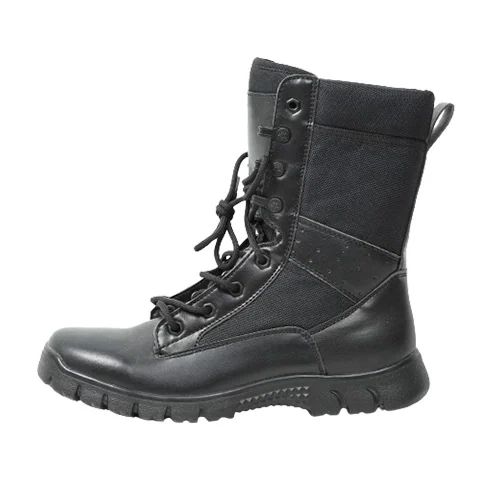
JTT-A04
Tactical Duty Boots
- Configuration
- Defined against buyer specification and approved BOM
- Colour
- Project-specific colours subject to component availability

Tactical footwear for bulk issue
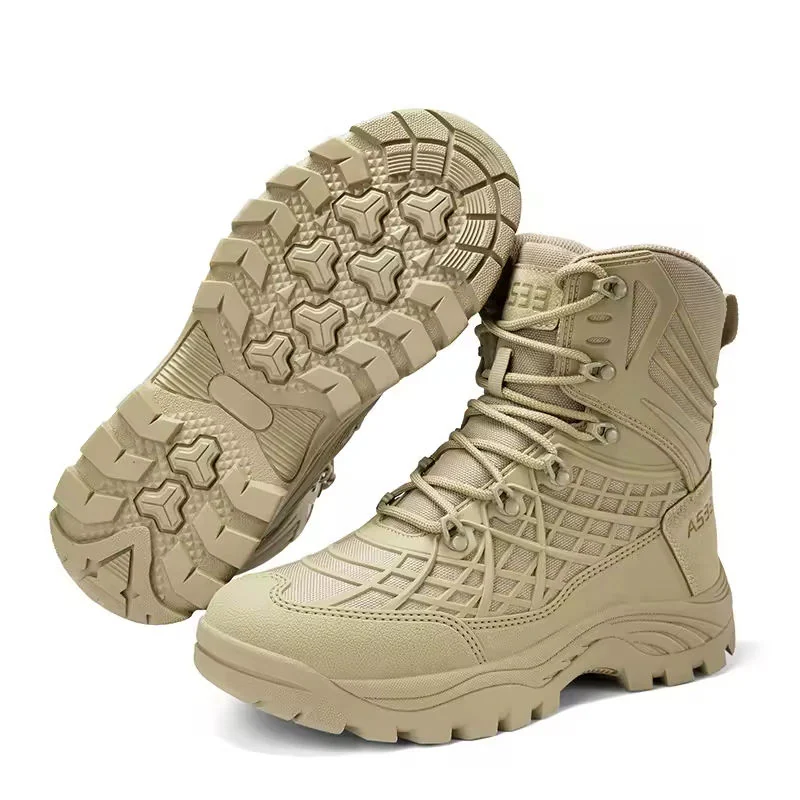
Compare tactical boots by upper, lining, outsole, height, closure, proposed size system and use conditions, then approve a representative fit sample before releasing bulk sizes and packing.
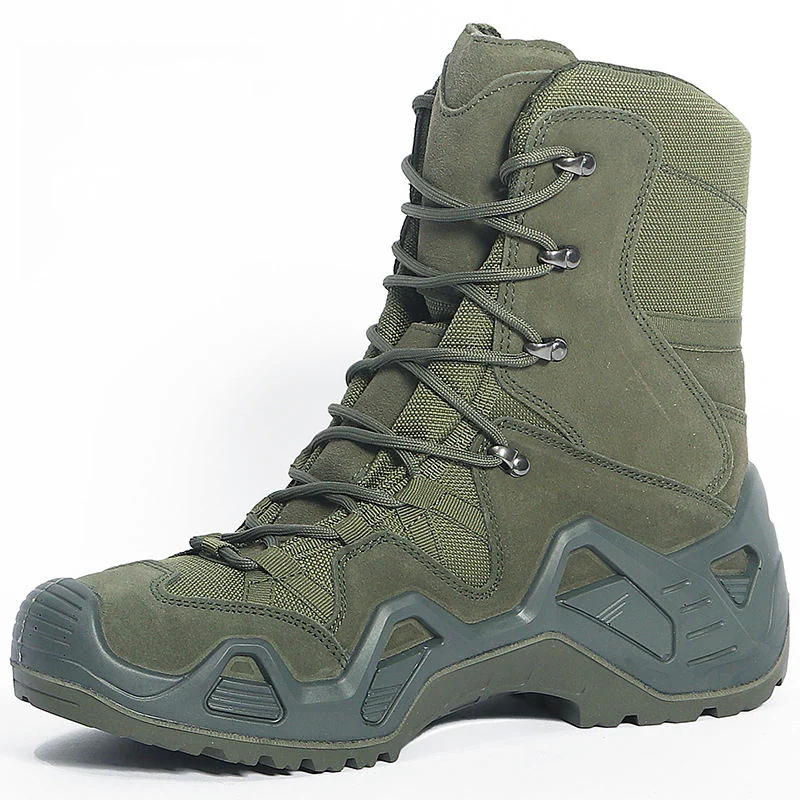
Available product options
Compare the styles below. Open a product for its details, or send the product ID and your requirements to discuss a quotation.
JTT-A04
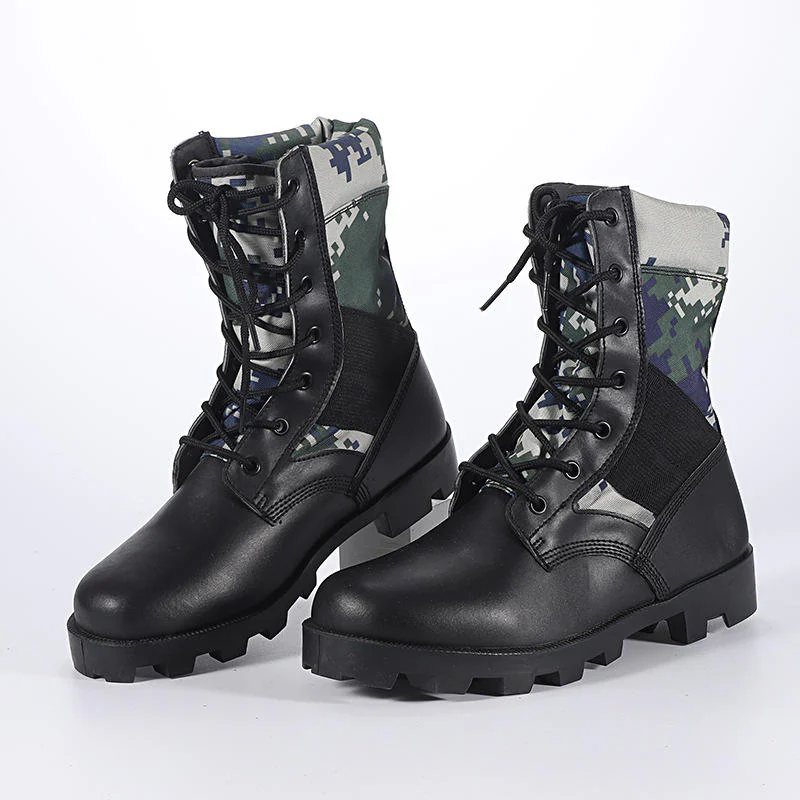
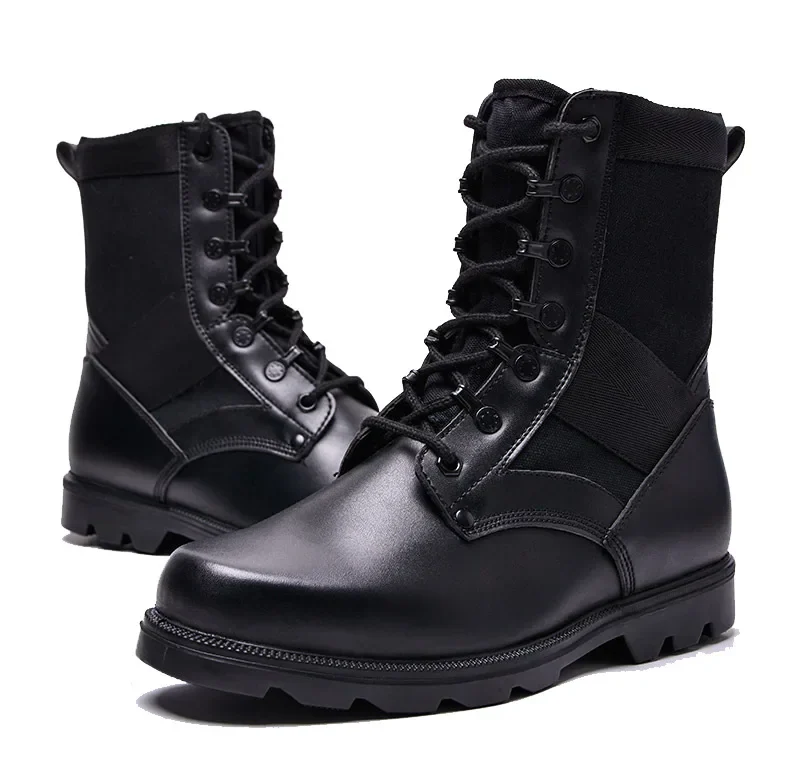
JT-F-005
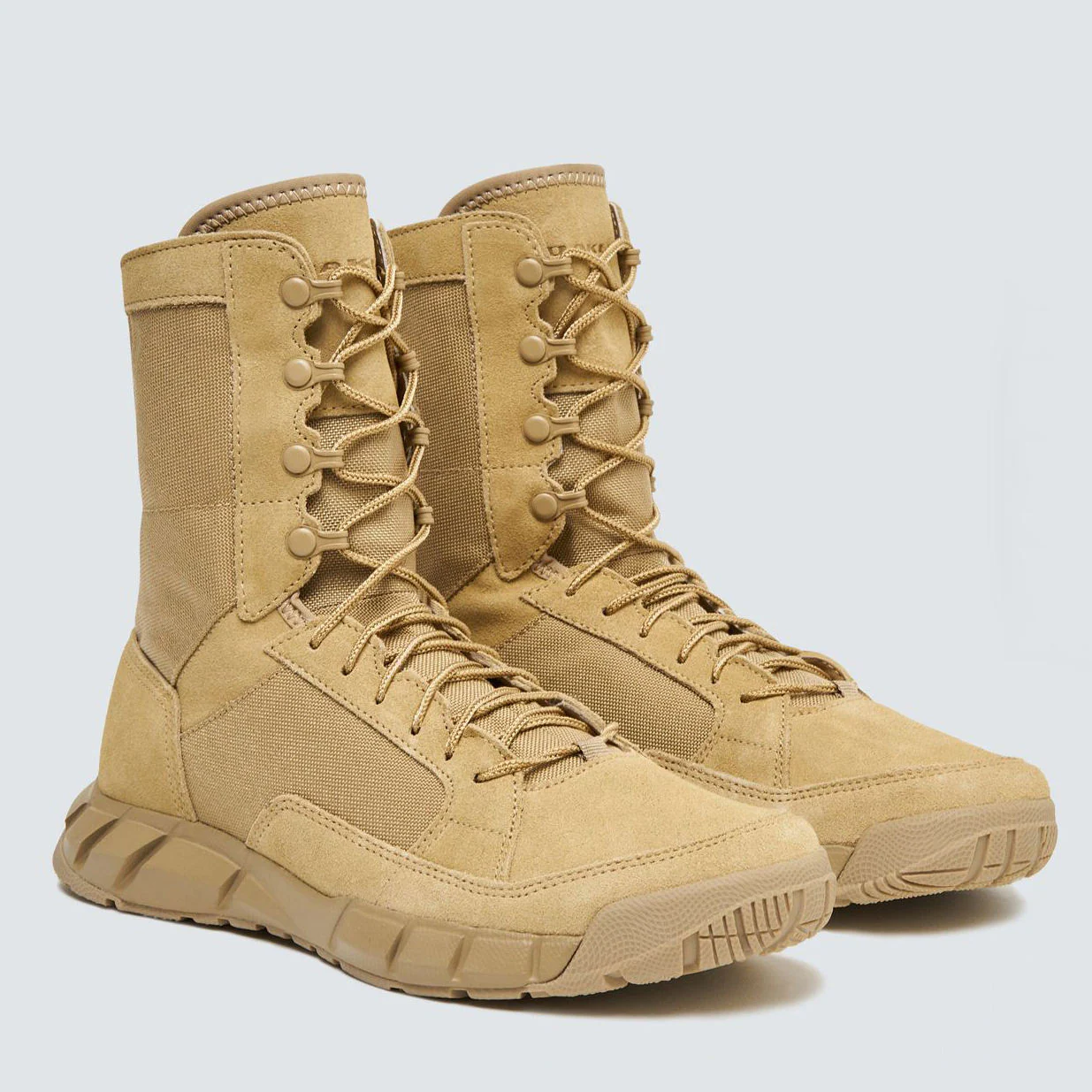
JT-F-007
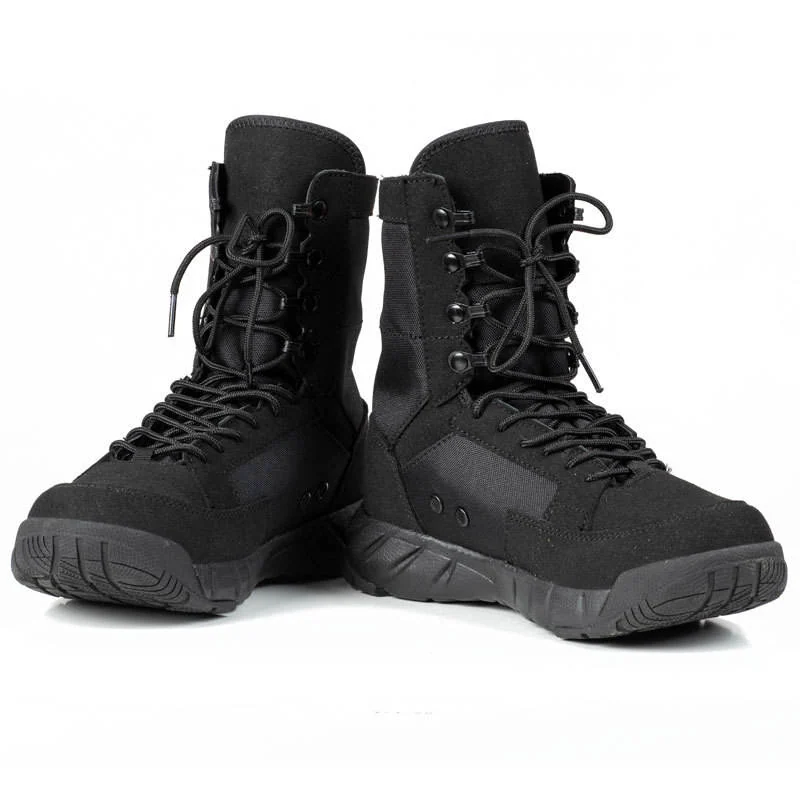
JT-OTHER-001
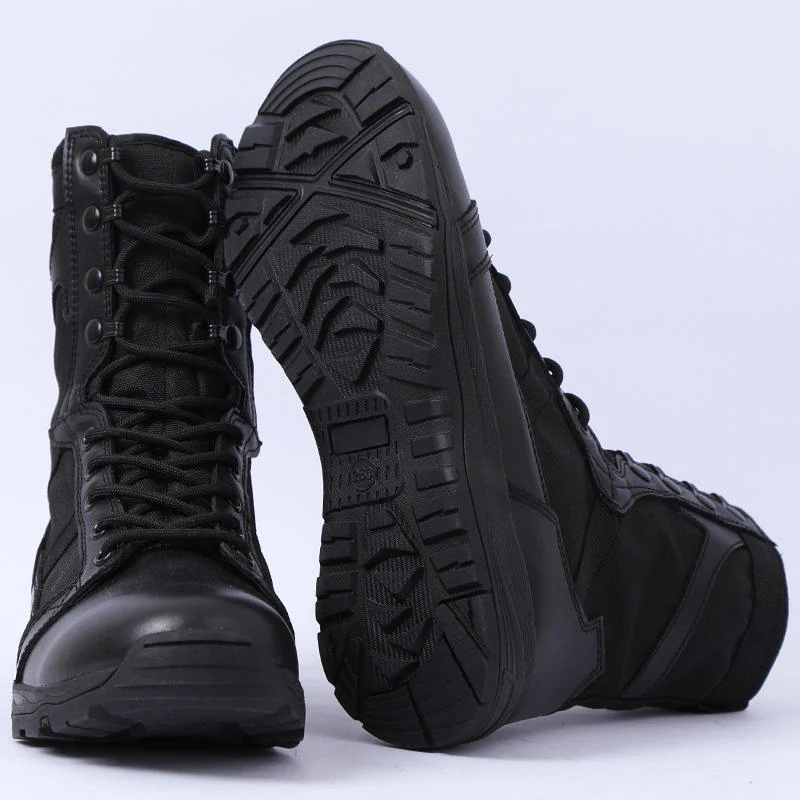
JT-OTHER-008
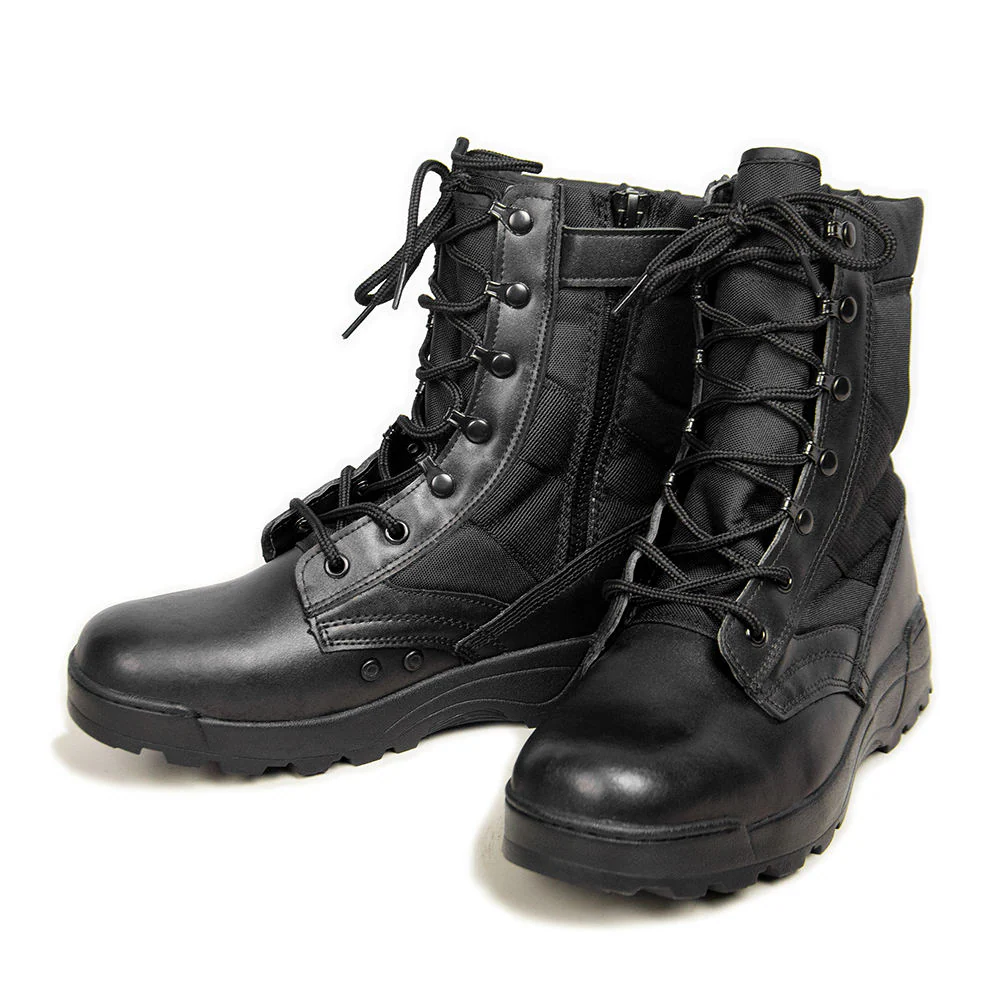
JT-T-013
JT-T-014
Footwear chosen beyond the catalogue image
A tactical boot name does not determine fit, construction or suitability. Jinteng helps institutional buyers compare exact offered models by upper, lining, outsole, height, closure, size system and declared options. The project then connects representative fit comments, requested product information, pair-level checks and carton allocation to the same product reference. Performance or certification is included only when a buyer defines the requirement and applicable evidence is confirmed for the exact proposed model.
Product selection
Find the style closest to your needs, then explore the available products.
01 · Coordinated duty footwear
A configurable starting point for uniform, patrol and field programs requiring a controlled footwear and size schedule.
View product details02 · Field and desert profile
Boot options compared by exact colour, size range, material, closure, packing and intended field conditions.
View product details03 · Leather duty construction
Leather-upper configurations reviewed by lining, outsole, height, size method and model-specific product details.
View product details04 · Extended-size field option
A field-footwear option for buyers comparing upper construction, available sizes, colour and bulk packing.
View product detailsProduct advantages
Compare the features below when choosing your products.
Record upper, lining, insole, outsole, reinforcement, hardware and closure for the exact model.
Use representative sizes and intended socks before releasing a bulk size conversion or ratio.
Check ankle coverage, lacing or zip arrangement and interaction with the selected trousers.
Compare the offered outsole material, construction and any required evidence without extending claims across models.
Identify lining, ventilation and other configuration fields relevant to the buyer’s declared conditions.
Check size, colour, visible construction, components and labels before individual packing.
Reconcile model and size quantities across inner boxes, outer cartons and destination splits.
Retain the accepted model, last or size system, components, sample and packing revision.
Representative fit
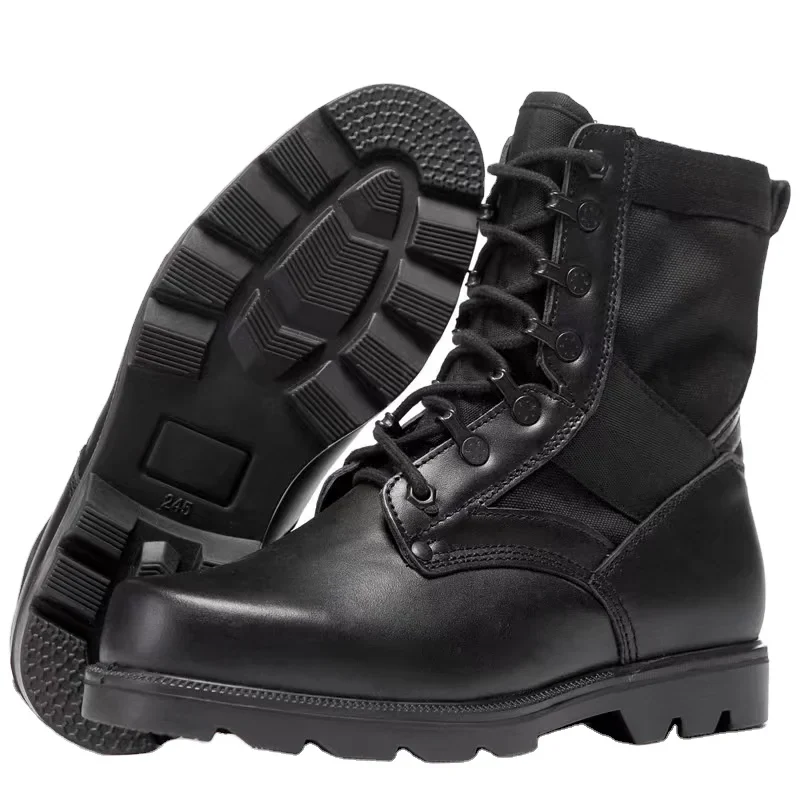
A printed size number cannot describe foot volume, heel hold, toe space or the interaction between boot height and trouser hem. Representative wearers should review the exact proposed model under defined conditions, record observations by size and close the size conversion before the bulk ratio is released.
Model and shipment control
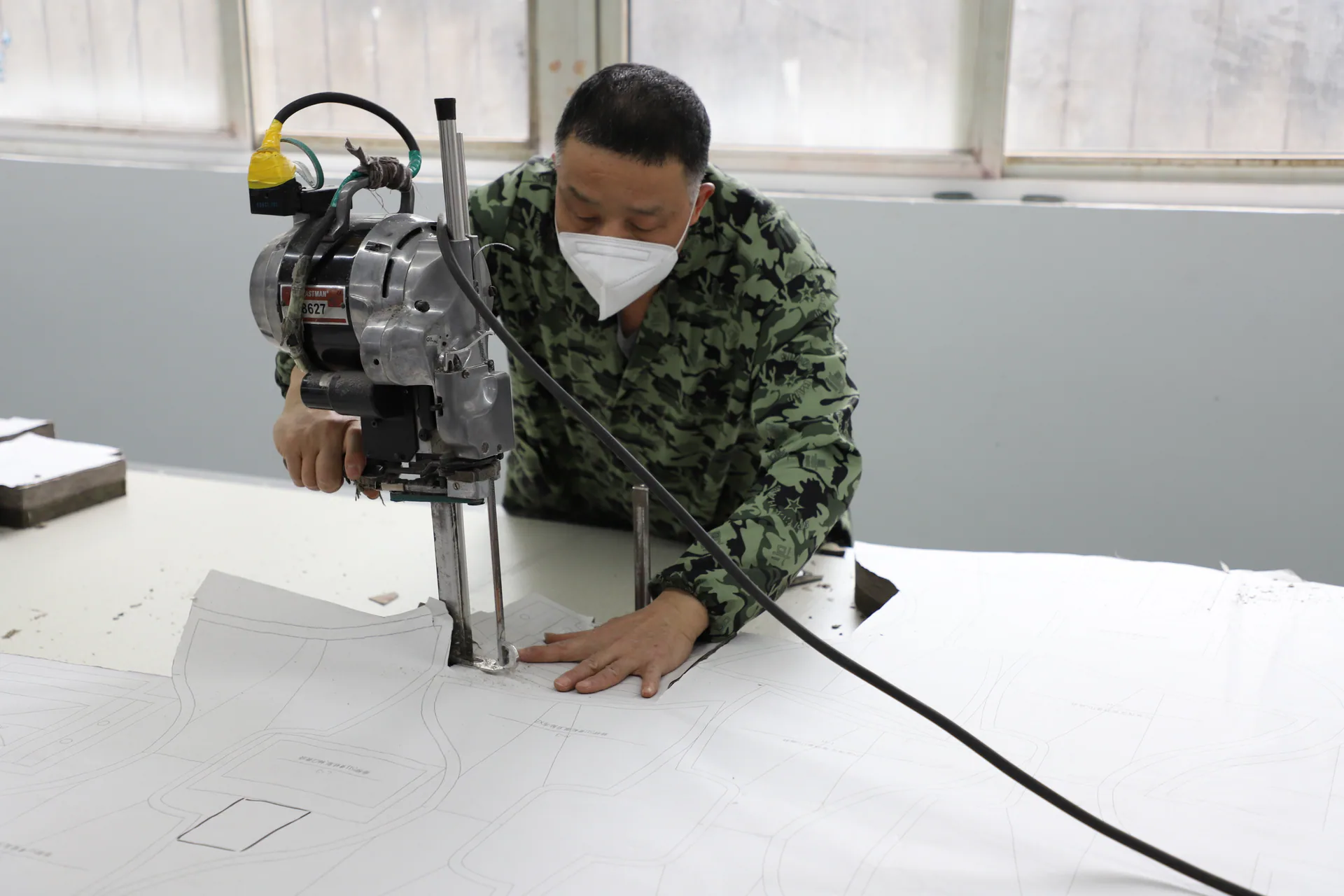
The quotation and approved sample should identify the model, materials, colour, size range, included components and packing method. Pair checks and carton reconciliation then help receiving teams distinguish a complete accepted order from a visually similar substitution.
Institutional footwear path
The sequence separates model choice, wearer fit and commercial allocation so one decision does not hide another.
State wearer roles, terrain, climate, daily duration, socks, trousers, quantities and destination.
Record model, upper, lining, outsole, height, closure, colour, available sizes and declared alternatives.
Check identified sizes under the agreed wear conditions and document model-specific fit observations.
Freeze the accepted model, components, size conversion, ratio, labels and packing hierarchy.
Reconcile pair construction, model, colour, sizes, quantities, cartons and destination splits before dispatch.
Application contexts
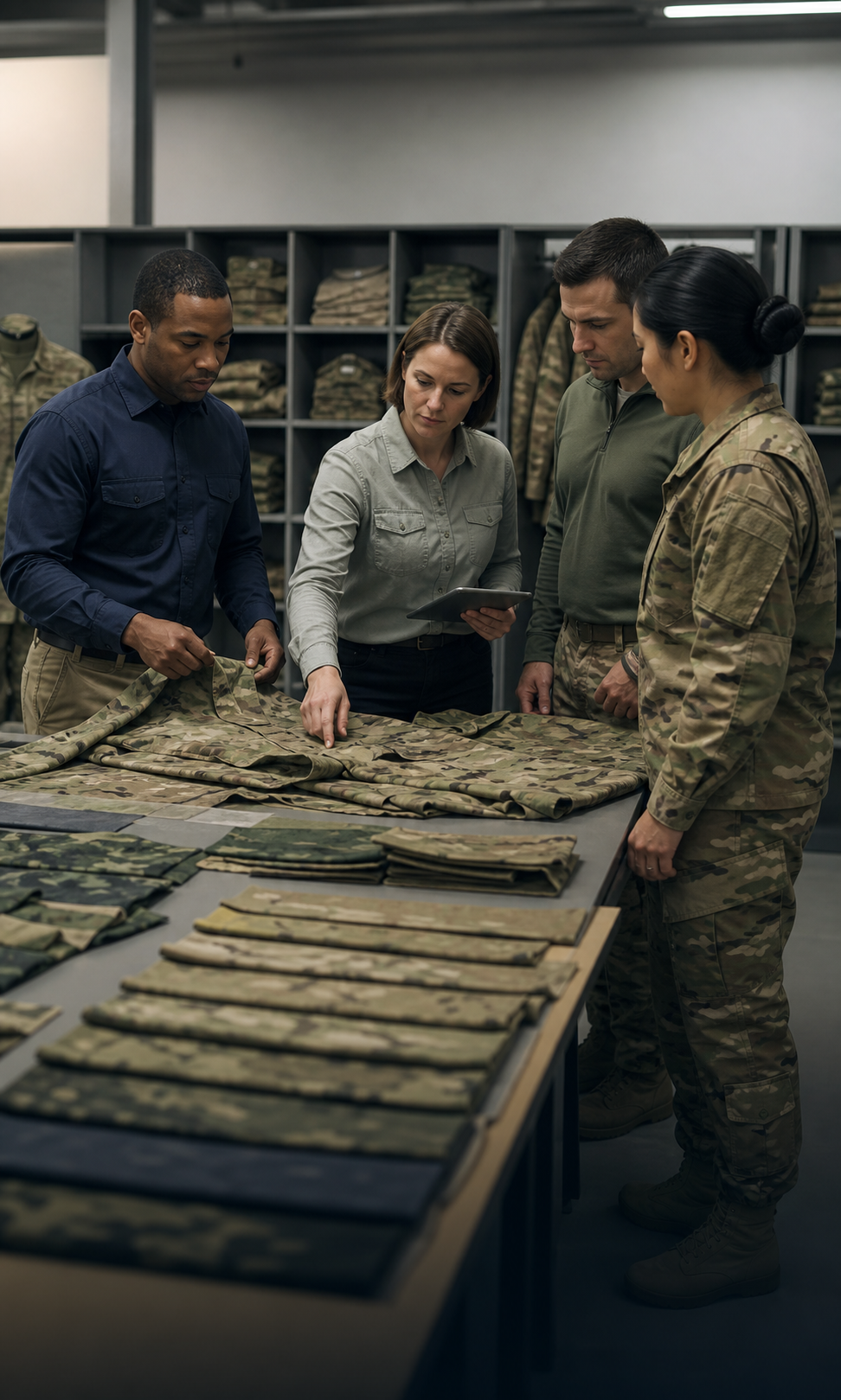
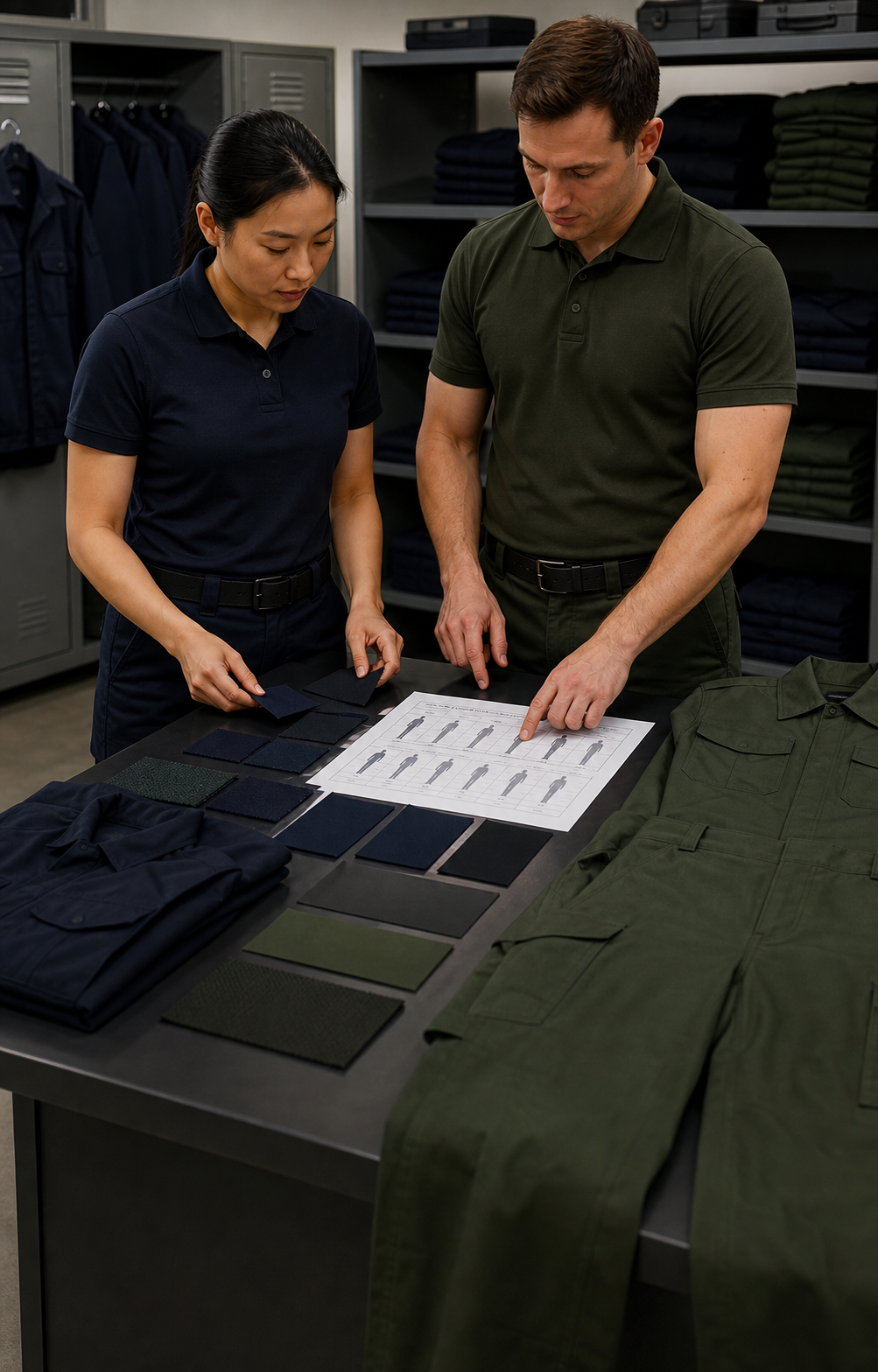
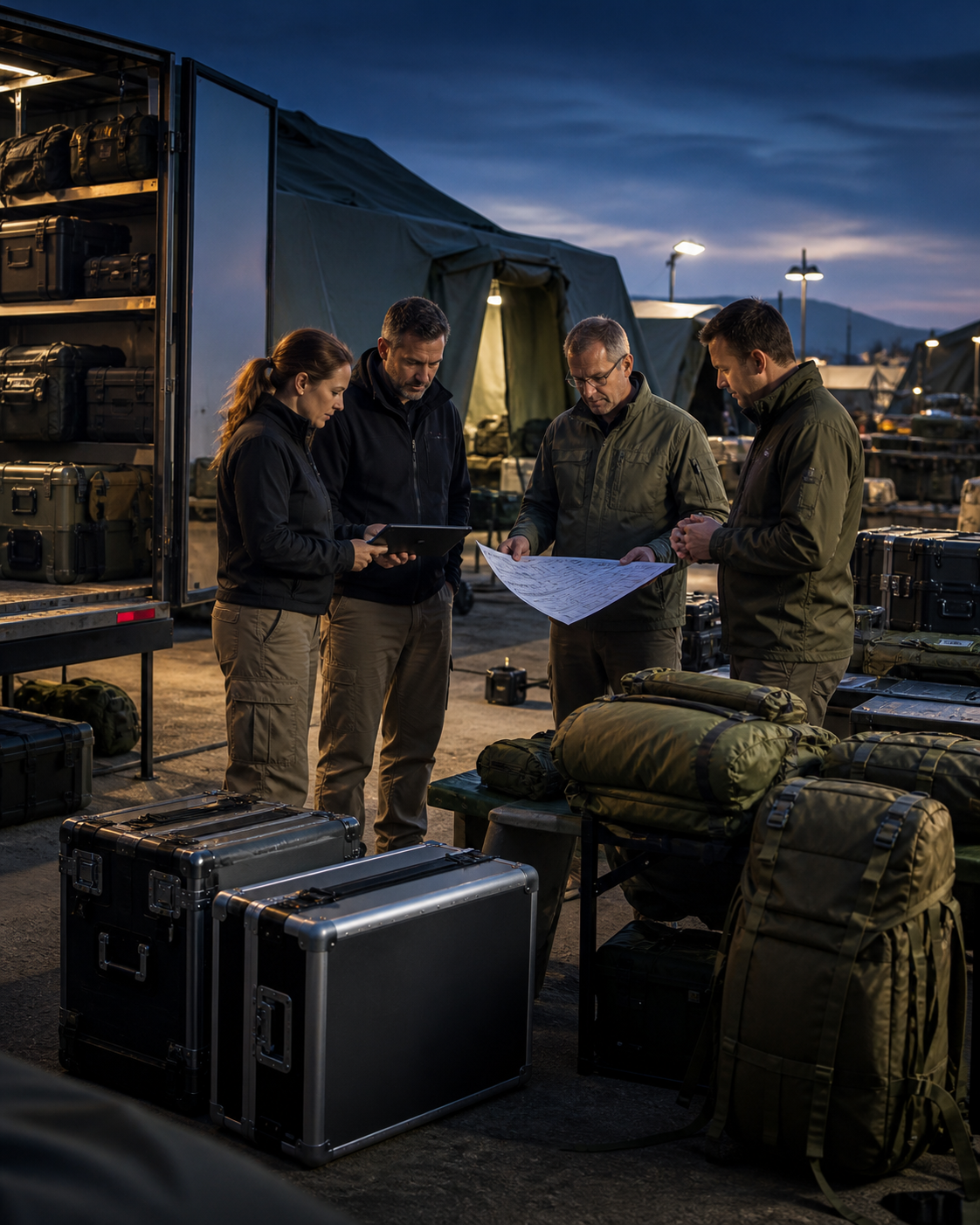
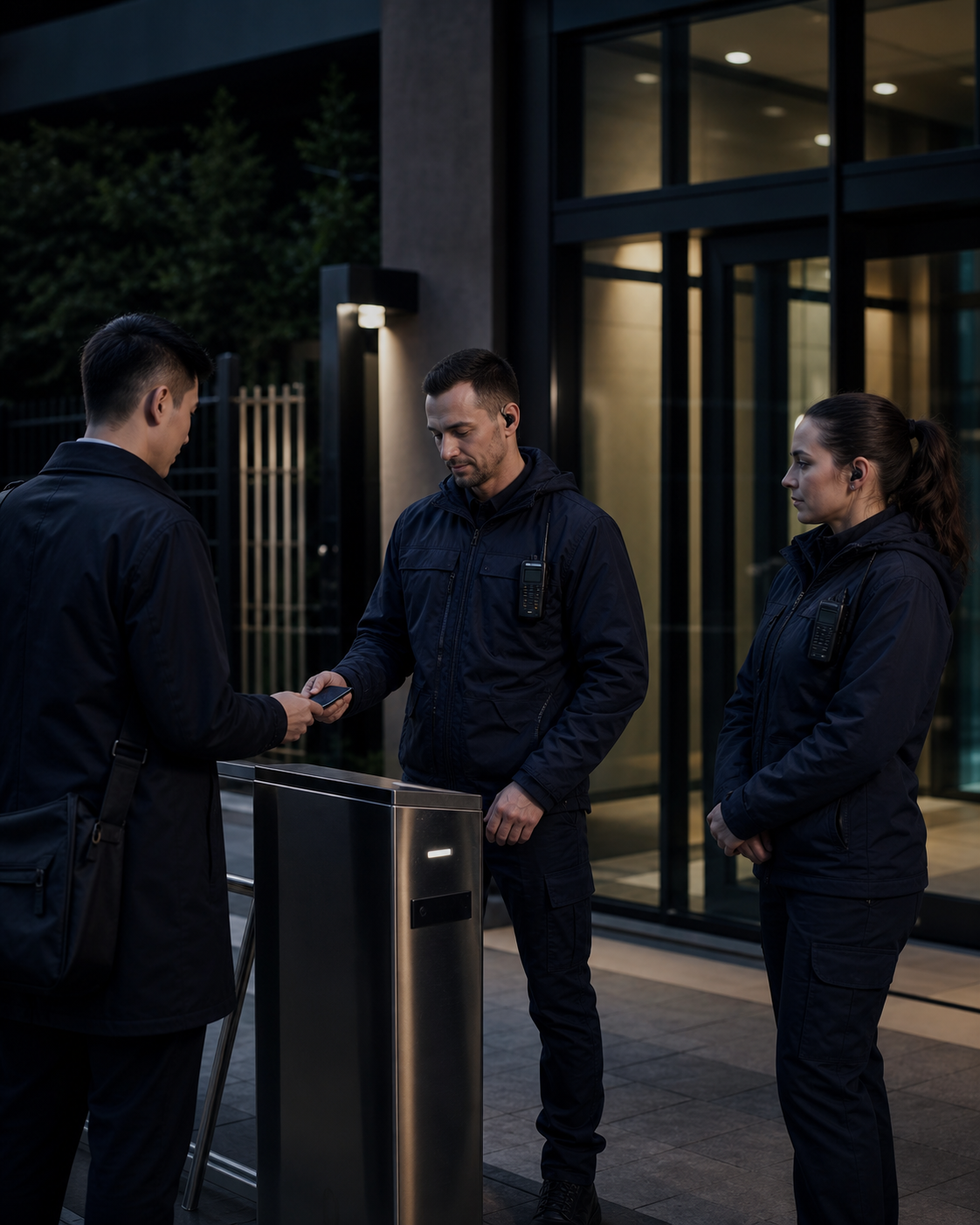
Use these common program contexts to clarify the specification and route your enquiry to the most relevant product and project-support pages.
Buyer resources
The resources below help you define the requirement, choose the right approval stage and request a more comparable quotation.
Request the current company catalogue, then tell us which product families and configurations should be included in your quotation.
Request catalogue accessChoose evaluation and approval samples around the decisions still open.
Read the buyer guideConnect product, size, inner-pack and carton references to receiving needs.
Read the buyer guidePrepare a comparable model, component, size and commercial response sheet.
Read the buyer guidePlan order-specific checks and allocation records before shipment.
Read the buyer guideReview trouser cuffs, layering and size allocation alongside the proposed duty boots.
Read the buyer guideCoordinated footwear sourcing
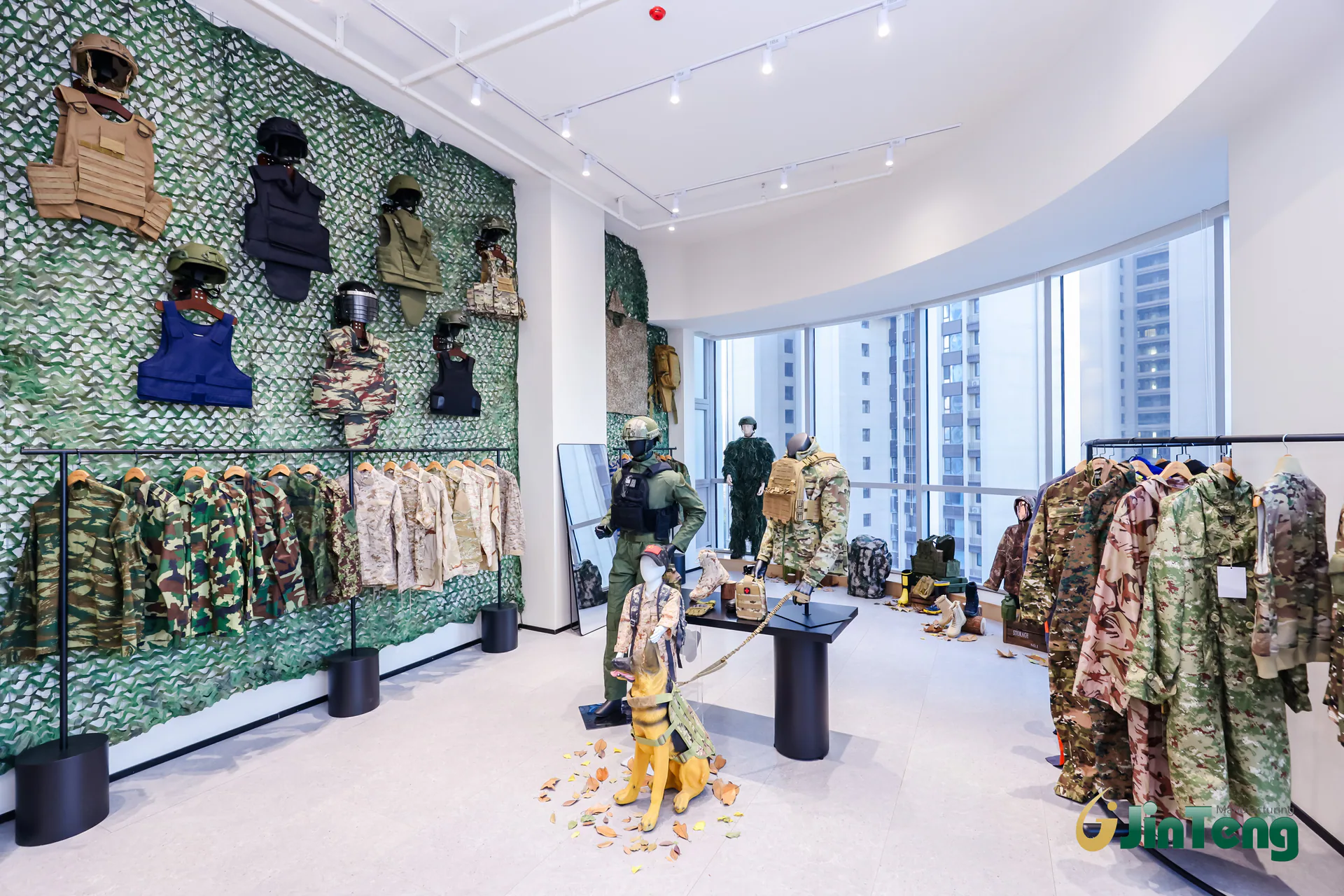
Jinteng has coordinated institutional supply from Wuhan since 2002. Tactical footwear can follow a qualified partner or sourced route, so the exact source and available product information are confirmed for the proposed item rather than represented as one universal factory claim. The commercial team connects buyer requirements, model selection, sample comments, size allocation, requested checks and packing records for the named order.
Configuration details
Review the product-specific details below, then use these tabs to plan any changes.
Product comparison begins with component-level construction, not a family name.
Size labels are useful only when connected to a repeatable measurement and fit decision.
Inspection and any performance evidence should follow the buyer specification and named product.
Packing should let receiving teams identify model, colour, size and quantity without guesswork.
Quotation comparison
A named style family is only the starting point. Use one comparison table so every supplier answers the same technical and commercial questions.
| Decision | Buyer question | Input for quotation |
|---|---|---|
| Duty surface and climate | Where, how long and in which weather will the boots be worn? | Duty description, terrain, temperature, moisture exposure and wear duration. |
| Upper and lining | Which material combination, ankle height, closure and internal construction are required? | Upper, lining, tongue, collar, lacing or zipper and colour requirements. |
| Outsole and build | Which traction, flexibility and construction method fit the intended surface? | Outsole compound or performance brief, tread, bonding or stitching requirement and sample test plan. |
| Fit and issue ratio | Which size system, width approach and trial method will govern allocation? | Size chart, conversion basis, width needs, sample sizes and estimated issue ratio. |
Footwear purchase records
The buyer should be able to follow the model, component, fit and size decisions from quotation through packing.
A model and option schedule naming upper, lining, outsole, height, closure, colour, size range, included components and deviations.
Comments tied to the proposed model, reviewed size, socks, trousers, wearer measurements and agreed movement conditions.
The buyer-defined requirement and any applicable product-specific document, with model and configuration identifiers checked against the offer.
Pair, label, inner-box and carton references reconciled to the accepted size and quantity schedule.
Retained model, material, component, size-system, sample and packing revisions with proposed substitutions reviewed separately.
Frequently asked questions
These answers address the configuration, order planning and approval details that most often affect a bulk project.
Provide the wearer groups, intended duty, terrain and climate, daily wear conditions, planned socks and trousers, quantity, destination and delivery target. Add preferred boot height, upper, lining, outsole, closure, colour, size system, markings, packing and any buyer-defined test or documentation requirement. Ask the supplier to identify the exact model and state deviations so commercial comparisons cover the same footwear configuration.
First identify the proposed boot model, last and sizing system. Collect wearer measurements using one documented method, then review representative sizes with the socks and conditions planned for use. Record fit observations by model and size before approving the conversion and ratio. The released size schedule should reconcile with product labels, inner boxes, cartons, destination splits and replacement stock.
Not automatically. Two models carrying the same printed size may use different lasts, internal volume, toe shape, lining thickness or construction. Treat a size conversion as model-specific until representative fit review supports it. If the proposed model or construction changes, reconfirm the affected sizes rather than carrying the previous ratio into the new order without review.
The offer should identify the proposed upper, lining, insole, outsole, reinforcement, hardware and closure materials for the named model. If the buyer requires a particular construction or measurable property, define the method and acceptance basis. Material names and broad terms such as waterproof, breathable or anti-slip should not be assumed to have identical meaning across different models or documents.
Use a representative sample of the exact proposed model and identify its size and configuration. Review fit with intended socks and trousers, then check lacing or zip operation, visible workmanship, component identity and any buyer-defined functional tasks. Record comments and accepted changes. Where testing is contracted, agree the exact method, sample source and acceptance rule before treating the result as part of approval.
The inspection scope may include model and component identity, left-right size and colour matching, visible construction, stitching, bonding appearance, hardware and closure operation, labels, pair quantity, inner boxes and carton allocation. Any flex, bonding, water or slip-related test should be included only when the buyer and supplier agree the method, sample basis and acceptance requirement for the exact model.
Yes, when each model, colour and size remains a separate line in the order and packing matrix. Define inner-box labels, carton marks, quantities and destination splits for every line. Mixed cartons should be used only when the receiving organization can identify and reconcile their contents. A pilot pack can confirm the label and allocation logic before the full order is packed.
Retain the accepted model ID, upper, lining, outsole, height, closure, colour, size system, fit comments, sample reference, labels and packing schedule. Before reordering, reconfirm availability and the applicable supply route. If a material, last, component or model changes, review it as a proposed substitution and repeat the affected fit or product checks before approval.
Tactical boots buyer guide
Institutional footwear purchasing works best when product construction, wearer fit, requested evidence and shipment allocation are treated as connected decisions. This guide provides a practical path from duty brief to receiving record.
Describe who will wear the footwear, the work they perform and the conditions in which the boot is expected to be used. Record terrain, climate, season, daily duration, planned socks, trouser interface, carried load where relevant and the balance between standing, walking, driving or climbing. State whether the footwear is intended for visible duty, field use, training, contractor issue or another defined role. Separate first-issue quantities from reserve and replacement needs. This brief does not prove that a particular model is suitable, but it gives suppliers a common basis for selecting candidates and explaining differences. It also prevents a catalogue term such as desert boot, duty boot or combat boot from becoming a substitute for the actual construction and fit needed by the wearer group.
Require every proposal to name a stable product or model reference. Record upper material and panel construction, lining, insole, outsole material and attachment, reinforcement, height, tongue, lacing, zip and hardware, colour, size range and included accessories. Mark mandatory values, acceptable alternatives and open proposal fields. Ask suppliers to declare deviations beside the requirement rather than hiding them in general notes. Do not extend a material, test or certification statement from one model to another because the boots look similar. When product information is supplied, check that its model, materials and configuration match the item being quoted. A component schedule makes commercial scope visible and becomes the basis for sample review, inspection, packing and later replacement purchasing.
Agree how feet will be measured and which sizing system the proposed model uses. Include length and other dimensions relevant to the supplier’s last, and record the socks or inserts used during review. Select representative sizes across the expected range rather than testing only one central size. Wearers should evaluate heel hold, toe space, instep and forefoot volume, ankle interaction and the interface with trousers under the agreed standing and movement conditions. Comments must identify the model and sample size because the same wearer may need a different printed size in a different last. Convert wearer data into the bulk ratio only after the fit decision is closed. Keep the accepted size conversion with labels and packing so receiving and replacement teams use the same reference.
State what each sample must decide. An evaluation sample may compare candidate constructions, while an approval sample may close the exact model, materials, colour and fit. If the buyer requires a functional or laboratory test, define the test method, conditioning, sample source, number of samples and acceptance basis in the purchasing specification. Ask for evidence that identifies the exact proposed model and relevant configuration. Broad claims in a title, image or unrelated document do not establish performance for the order. Record sample comments and approved changes in the model schedule, then identify the accepted reference before bulk release. This approach allows marketing language to be replaced by order-specific decisions that purchasing and technical teams can verify.
Build the inspection plan from the accepted model and buyer requirements. Pair-level review may include left-right size and colour matching, visible component identity, construction, stitching, bonding appearance, hardware, laces or zips, labels and packing. The plan should distinguish visual and dimensional checks from any contracted functional or laboratory test. Define the lot or sample basis and acceptance criteria before inspection. Reconcile the number of accepted pairs by model, colour and size against the purchase schedule. If several models share a carton or shipment, keep their identifiers and quantities separate. An order can contain correctly made individual boots and still fail operationally if pairs, sizes or destination quantities are mixed during packing.
Decide whether each pair uses an inner box or another agreed pack and specify how model, colour and size appear on labels. Define carton quantities, size ratios, destination marks and the treatment of spare laces, inserts or other included components. Check a pilot pack against the released model and allocation schedule before full packing. Receiving teams should be able to reconcile cartons to the order without opening every pair. After delivery, retain the exact model, component schedule, accepted fit and size conversion, sample comments, labels and carton plan. Reconfirm availability and supply route before a repeat order. Any change in model, last, material, outsole or other component should be presented as a substitution and reviewed for the affected fit, evidence and packing decisions.
Place each supplier response beside the same model, component, size and service schedule. Confirm whether quoted prices include development or approval samples, requested product documents, buyer-defined inspection, inner boxes, labels, spare components, size sorting, destination allocation and the stated delivery term. Separate optional work and alternative models so purchasing can see what changes the total delivered cost. Check minimum quantities and lead-time assumptions against the final model and size mix rather than a general category figure. If a size, material or colour is subject to different availability, record that limitation before the order ratio is approved. Commercial comparison should also state who is responsible for freight documentation, receiving marks and any required correction after inspection. This prevents a low headline price from winning only because fit review, model evidence or allocation work has been omitted from the scope.
Project enquiry
Share the current requirement, even if some technical fields still need a supplier proposal. We will use the product IDs and project context to recommend the next quotation or sample step.
Share the product, quantity, destination, customization and delivery requirements. Our business team will reply with suitable options and the next quotation step.
 WhatsApp