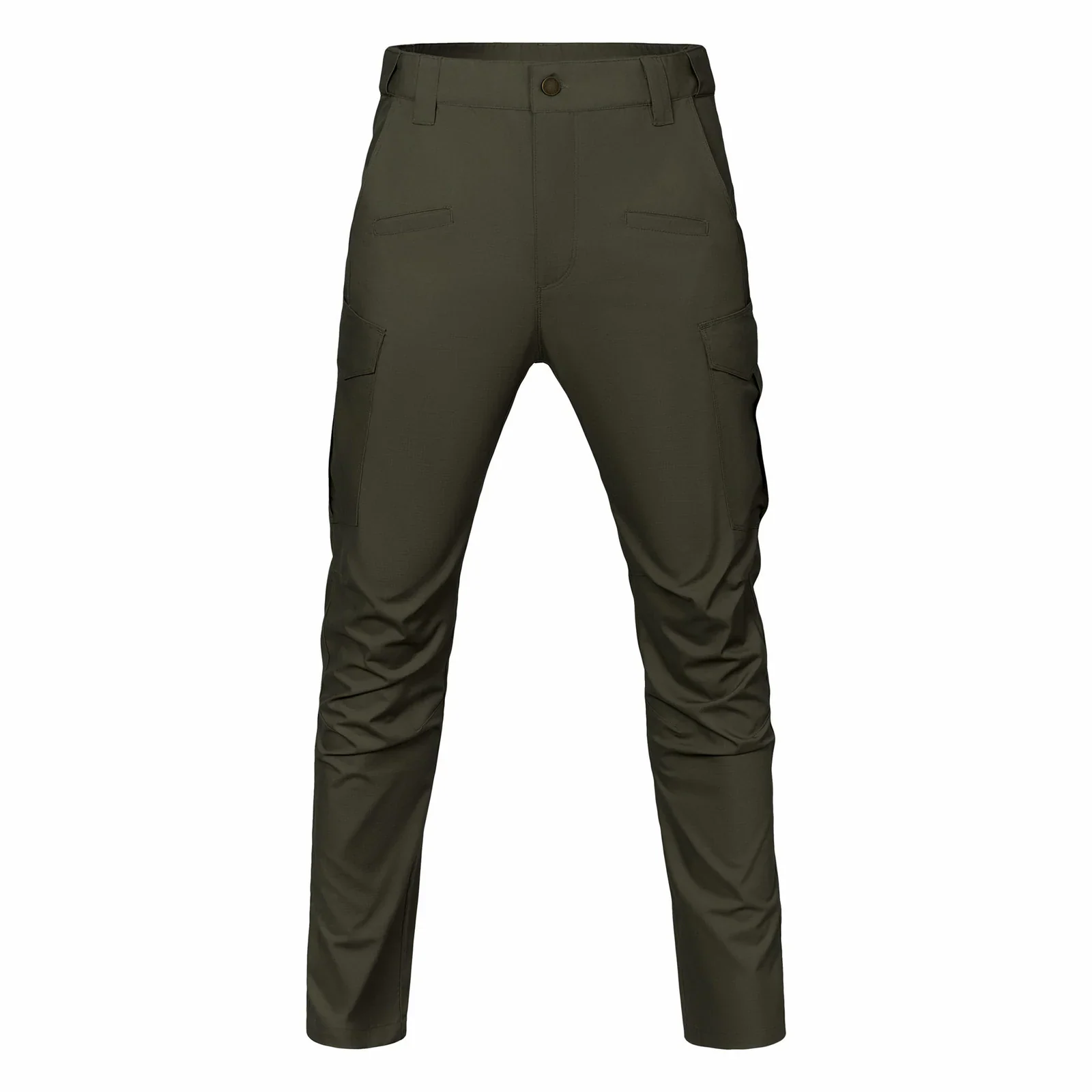
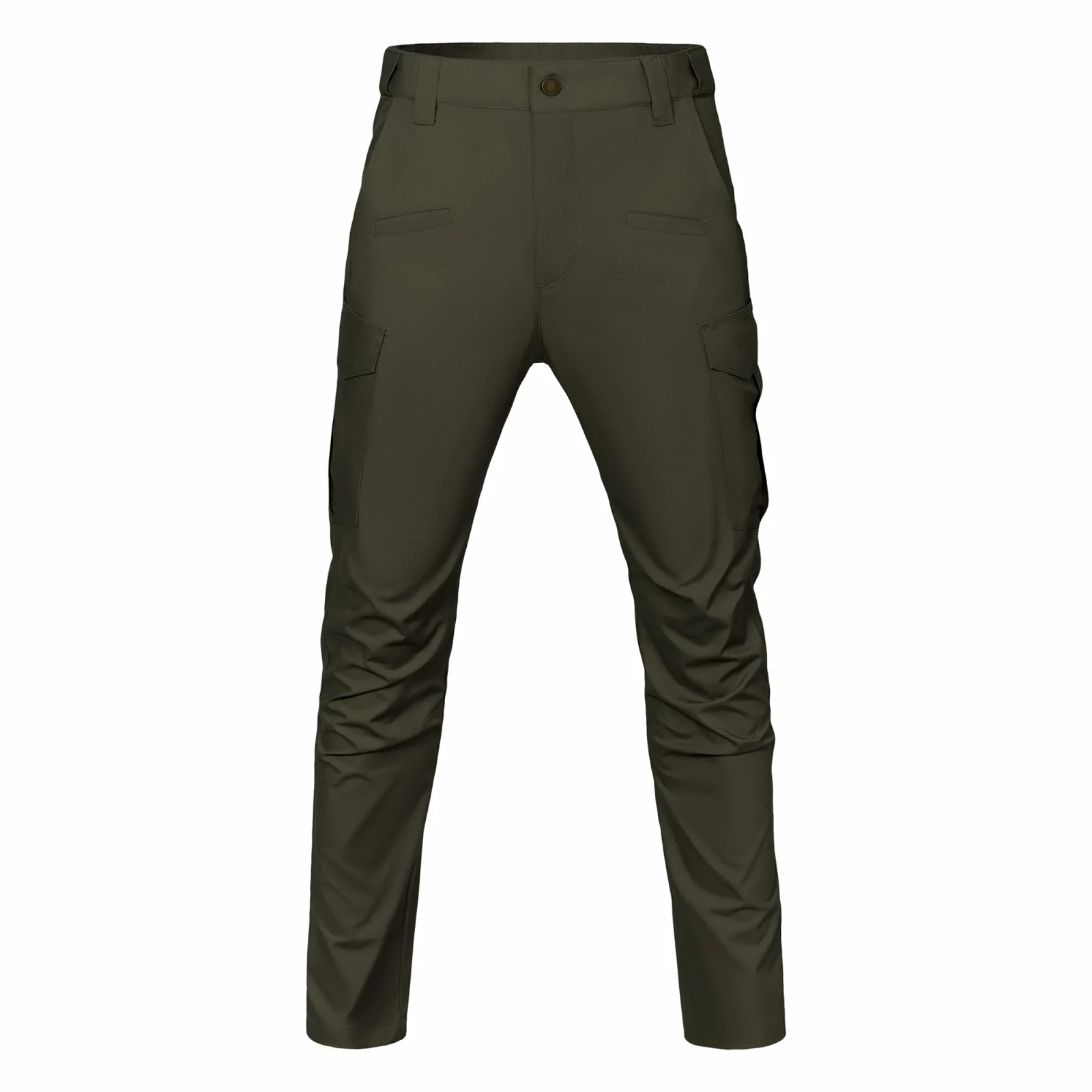
JTT-A03
Tactical Field Trousers
- Configuration
- Defined against buyer specification and approved BOM
- Colour
- Project-specific colours subject to component availability

Tactical trousers for institutional programs
Compare tactical pants by fabric, pocket layout, mobility, reinforcement, sizing and climate, then approve the exact configuration and allocation records required for a dependable institutional order.
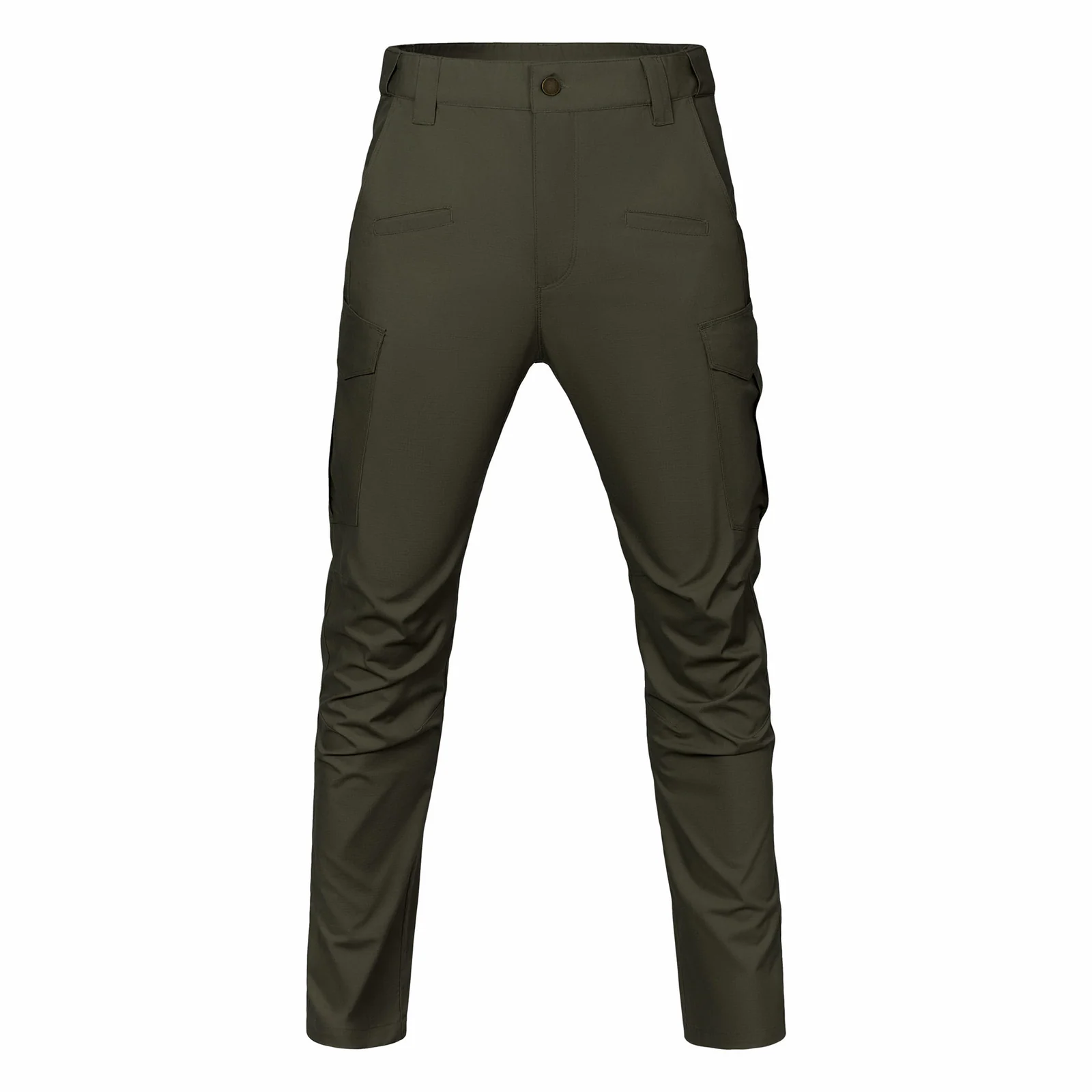
Available product options
Compare the styles below. Open a product for its details, or send the product ID and your requirements to discuss a quotation.
JTT-A03
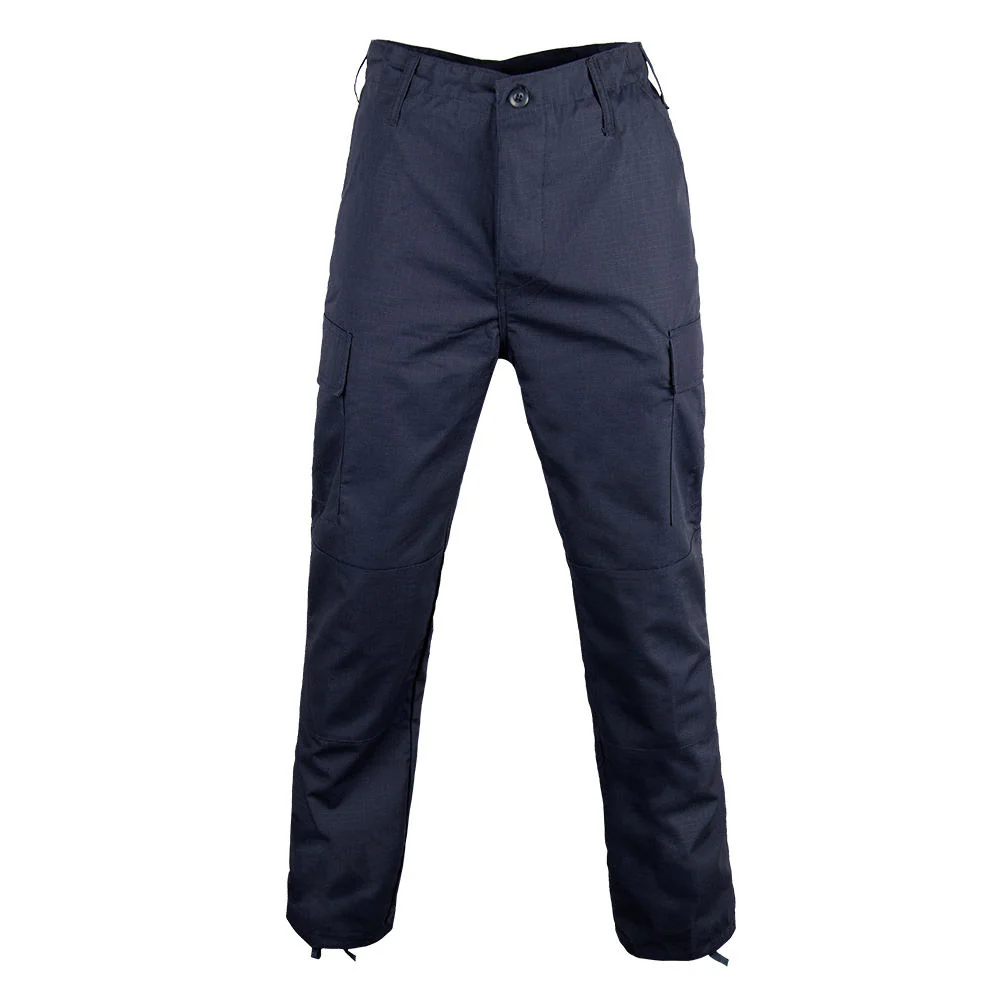
JT-BP-003
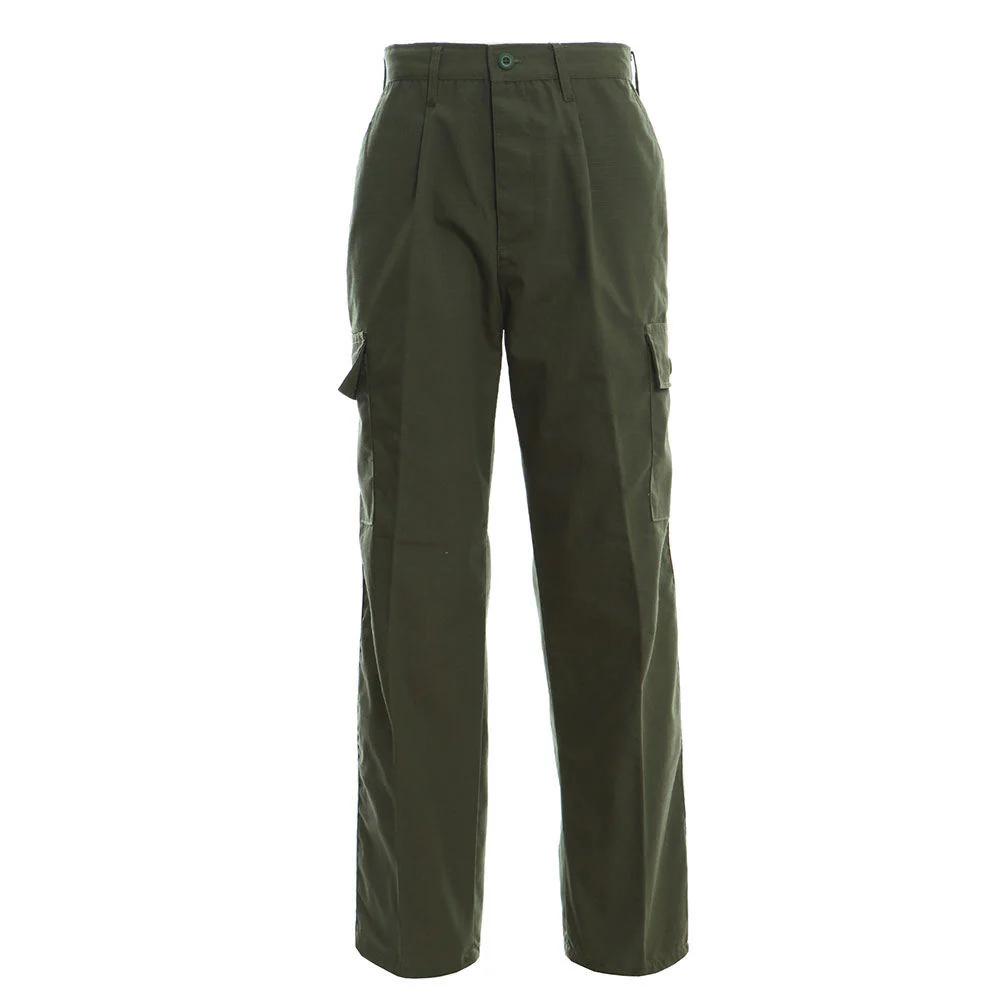
JT-BP-006
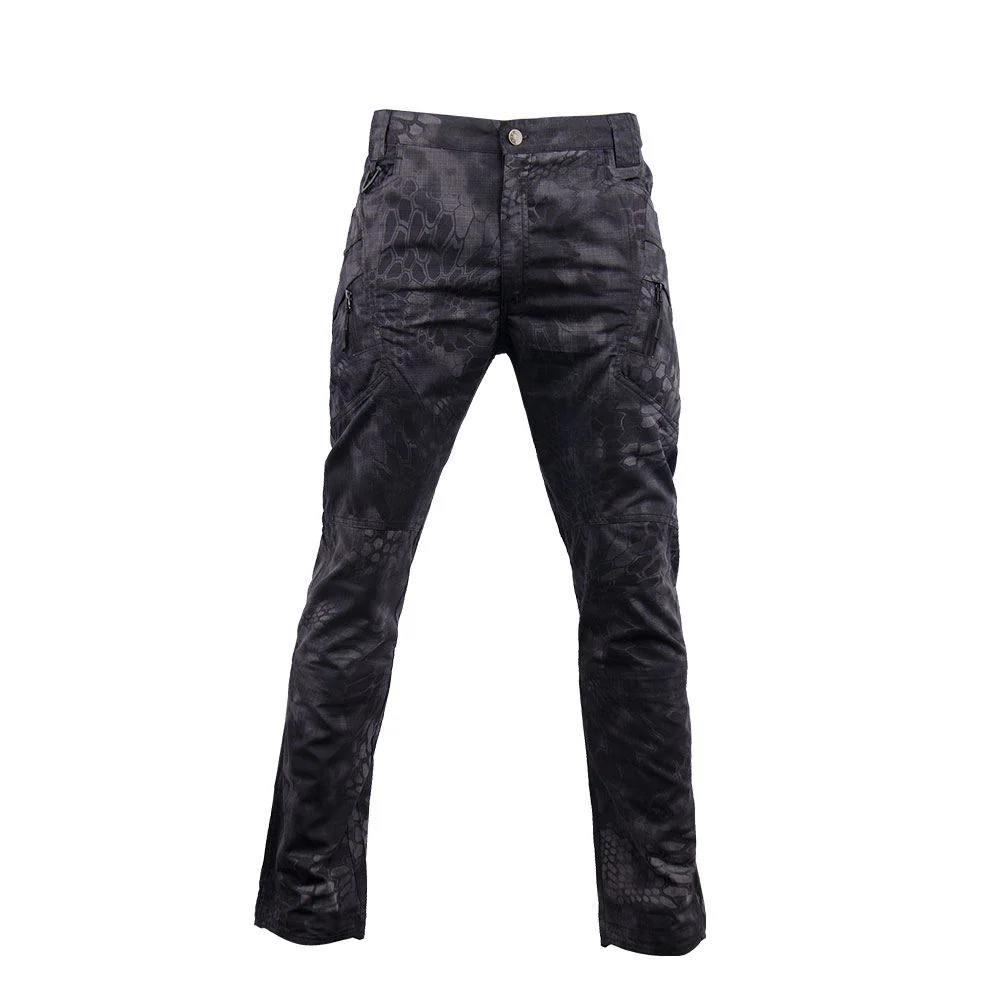
JT-CI-004
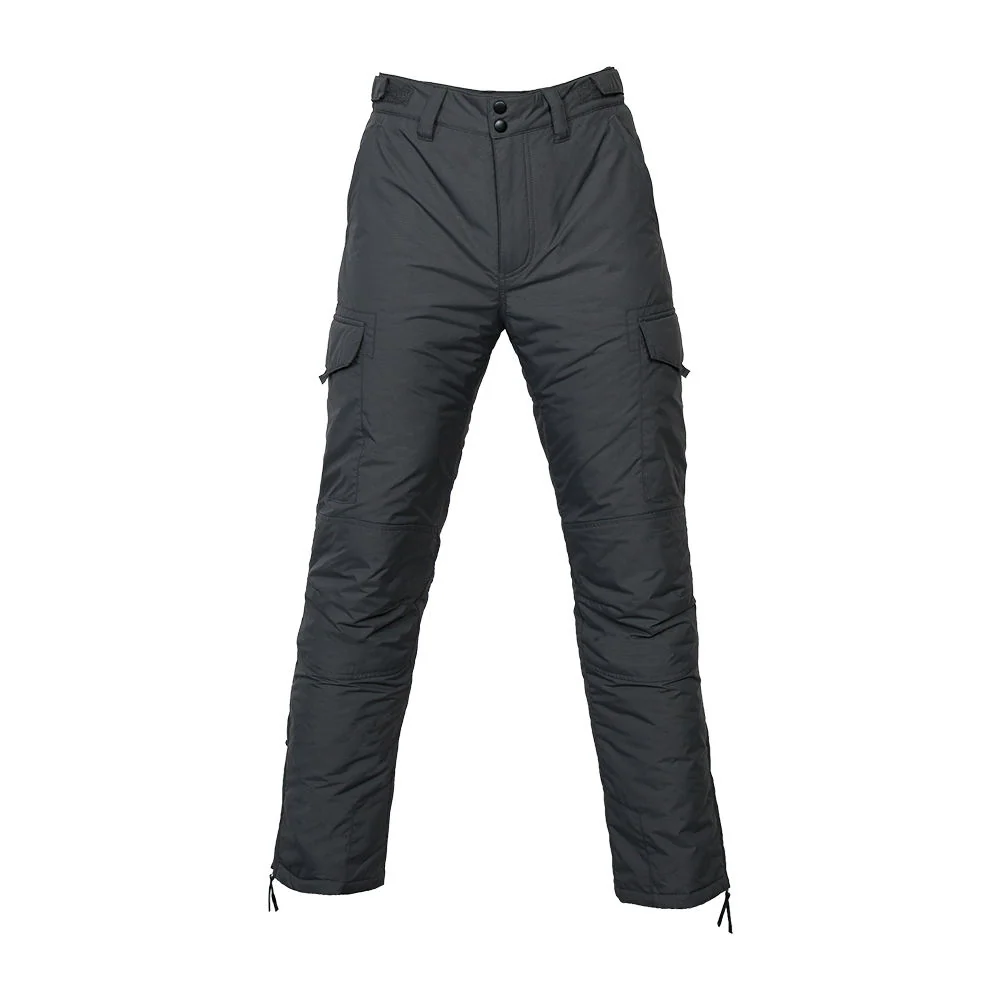
JT-FP-001
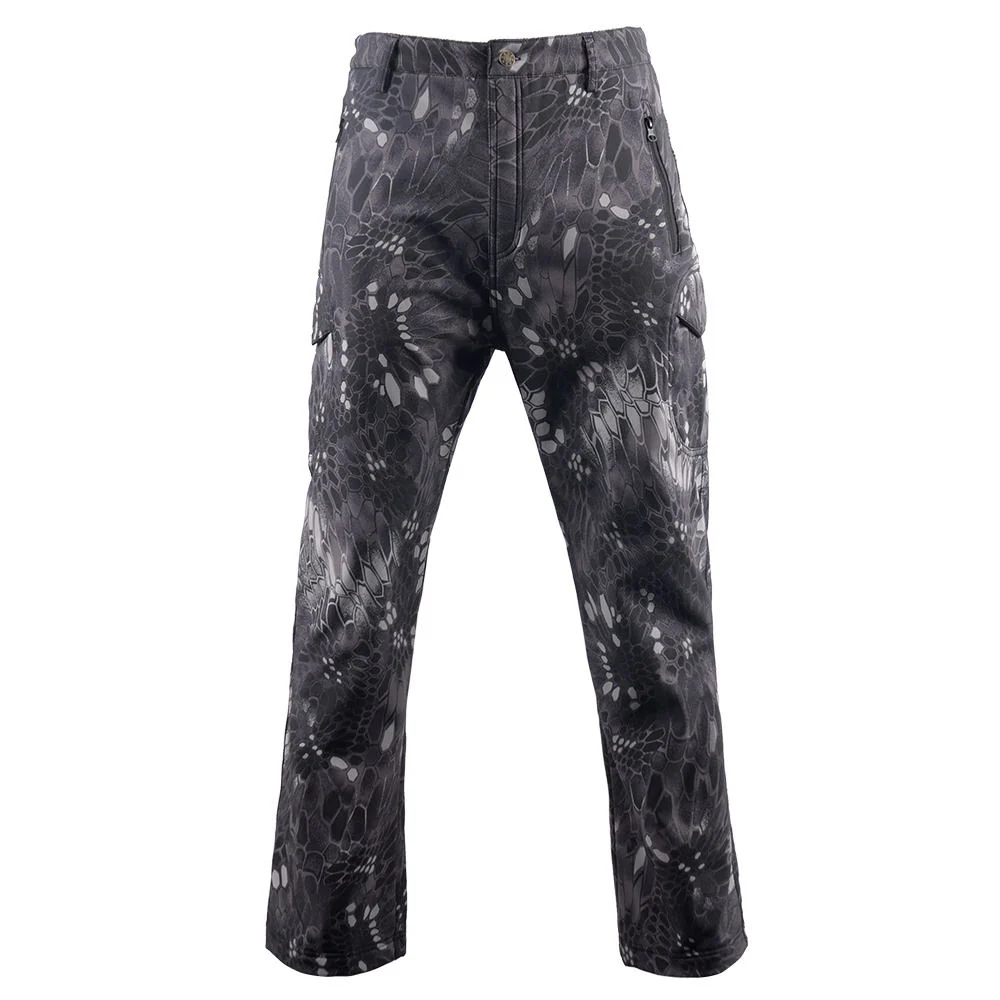
JT-FP-002
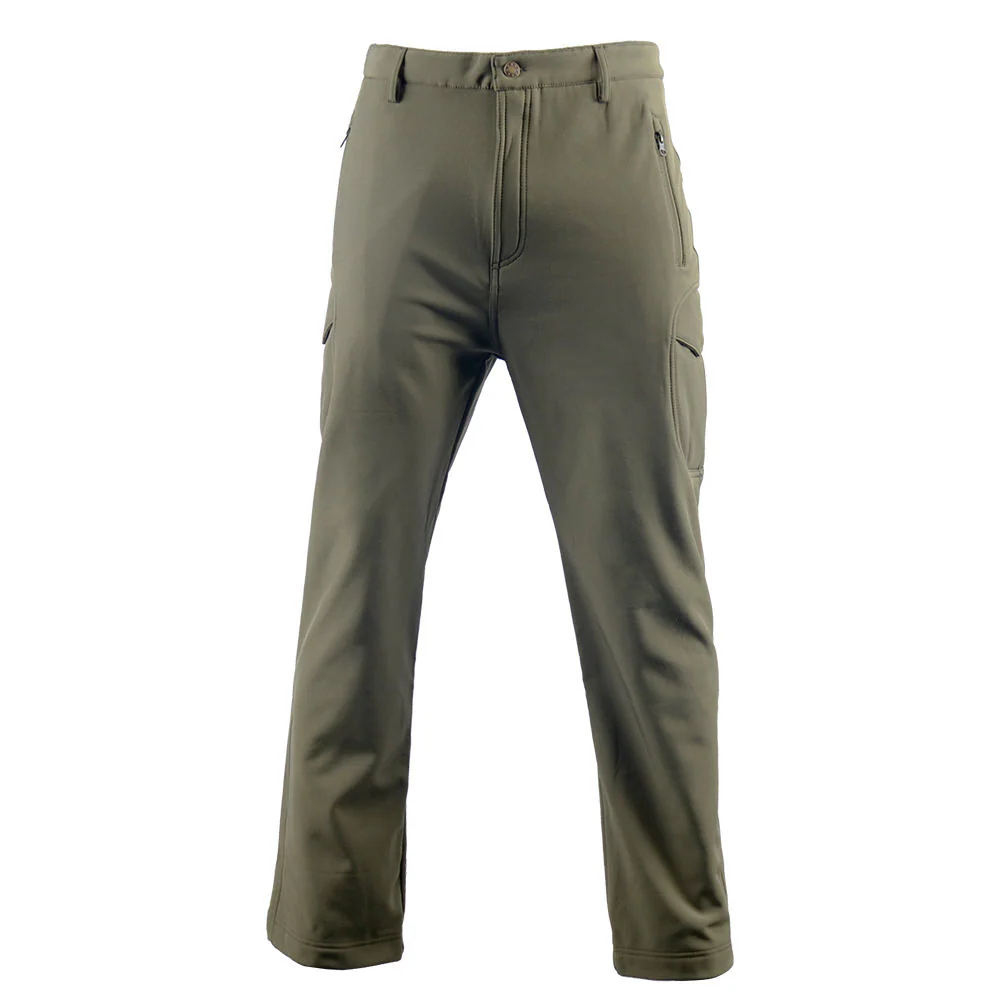
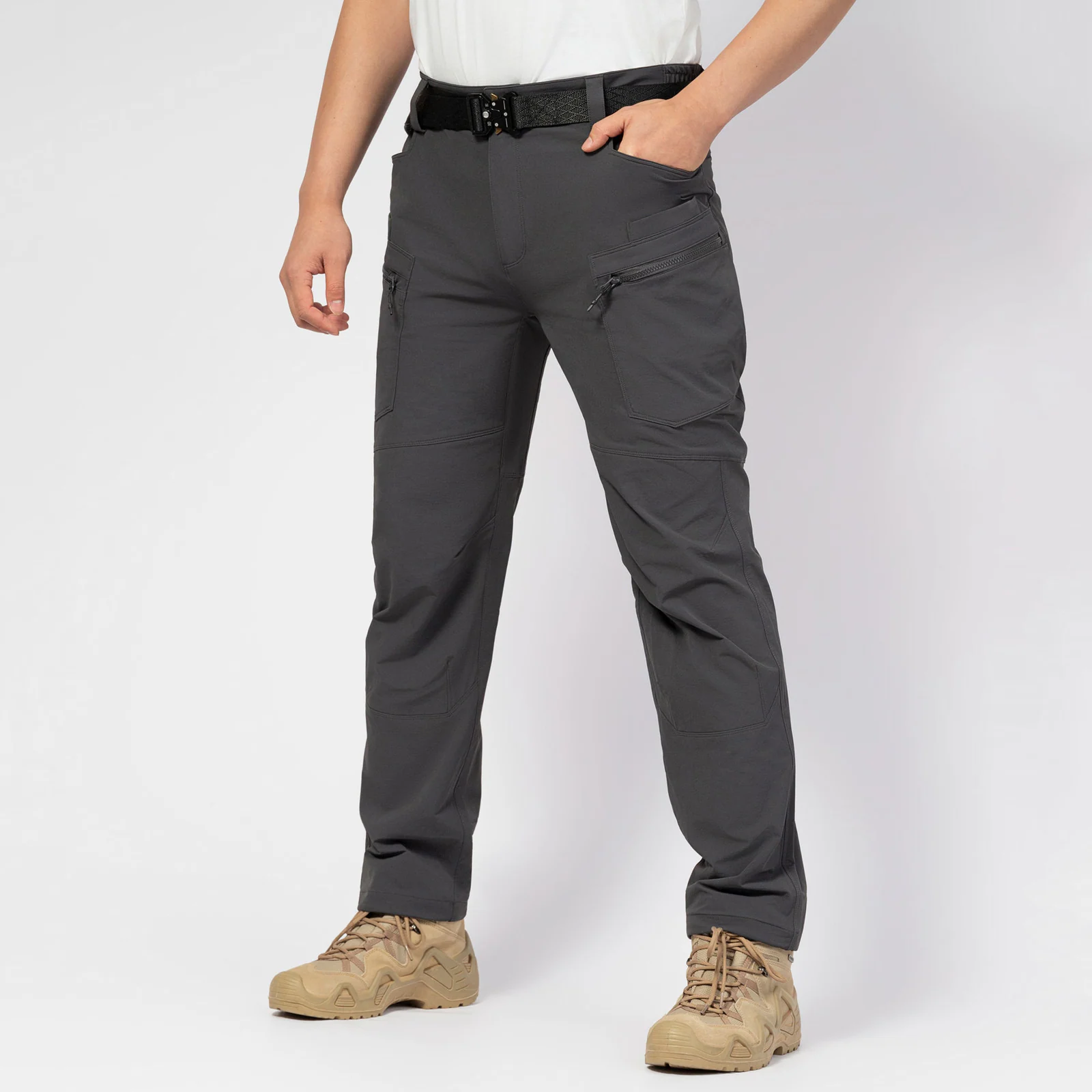
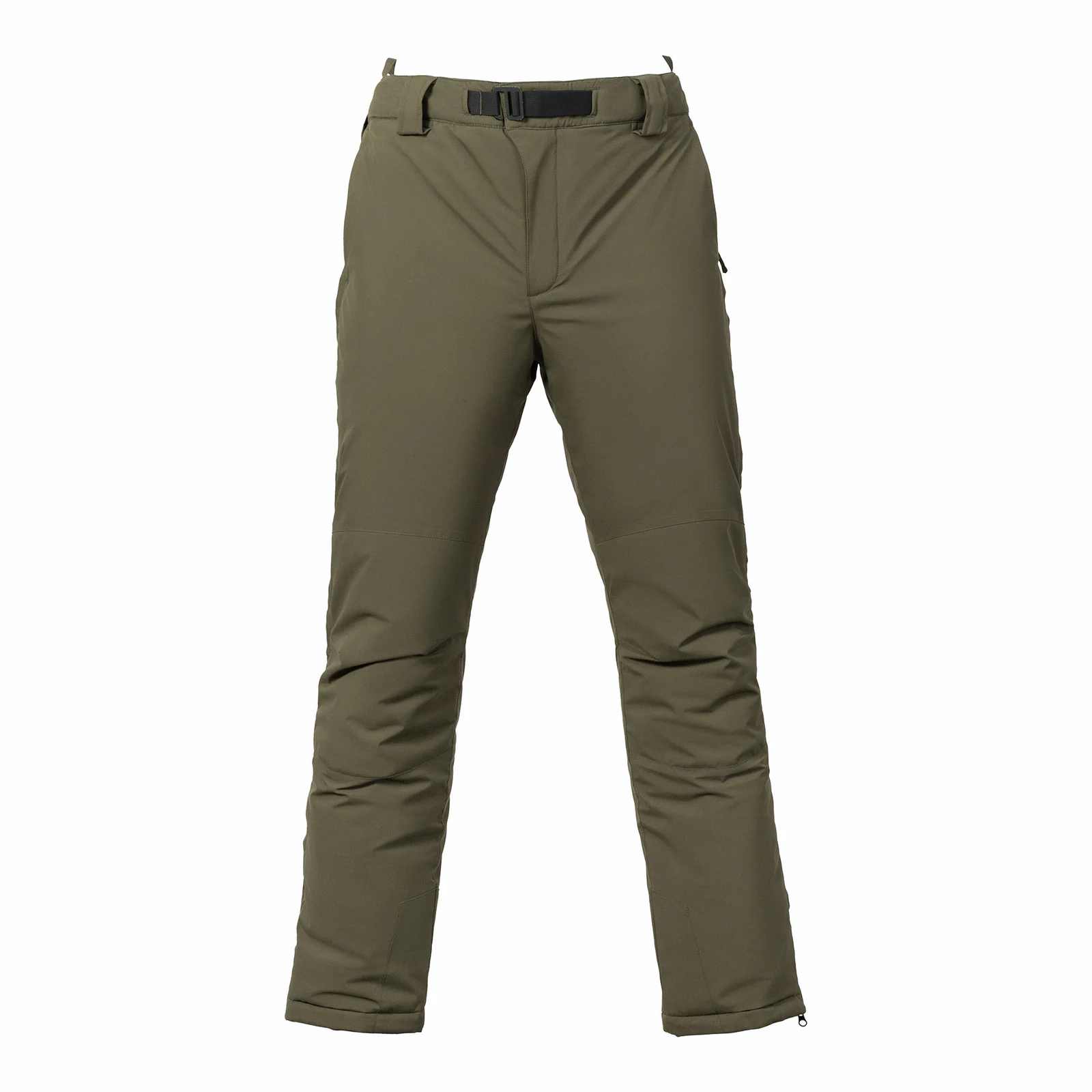
JT-PANT-009
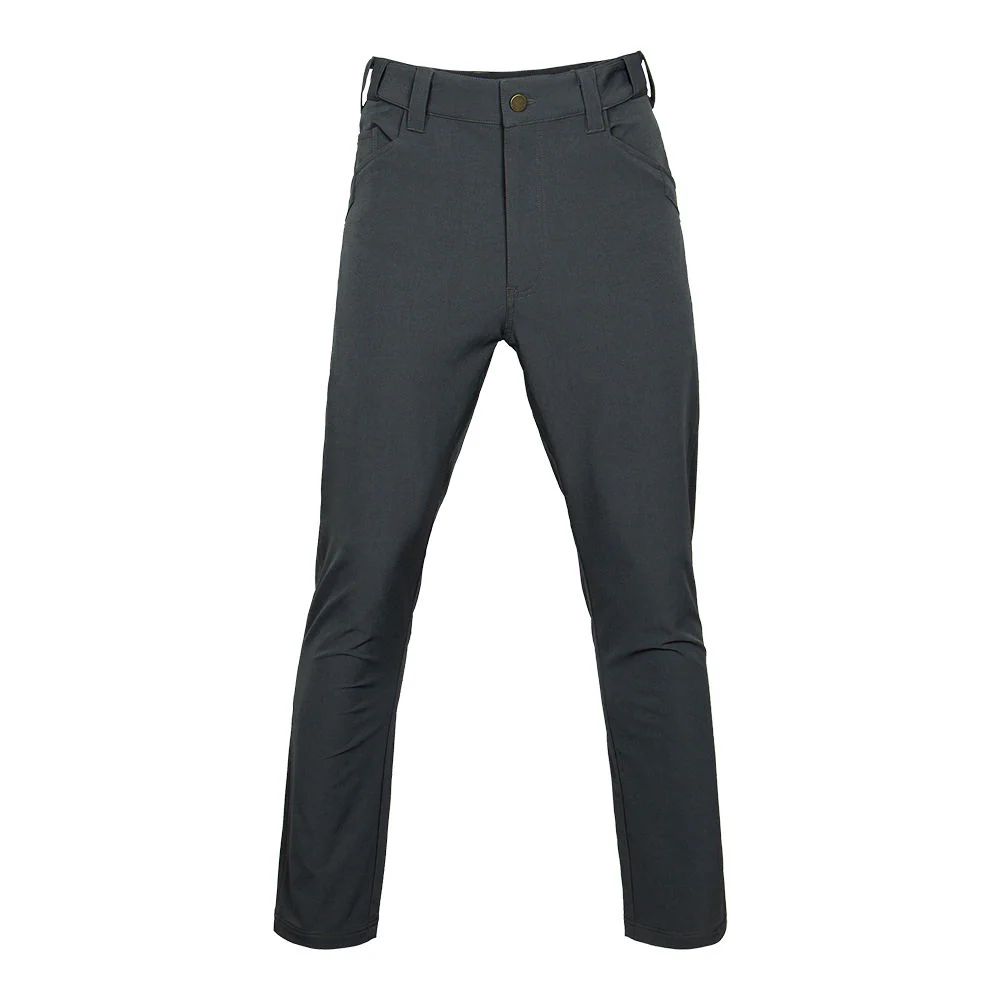
JT-PANTS-003
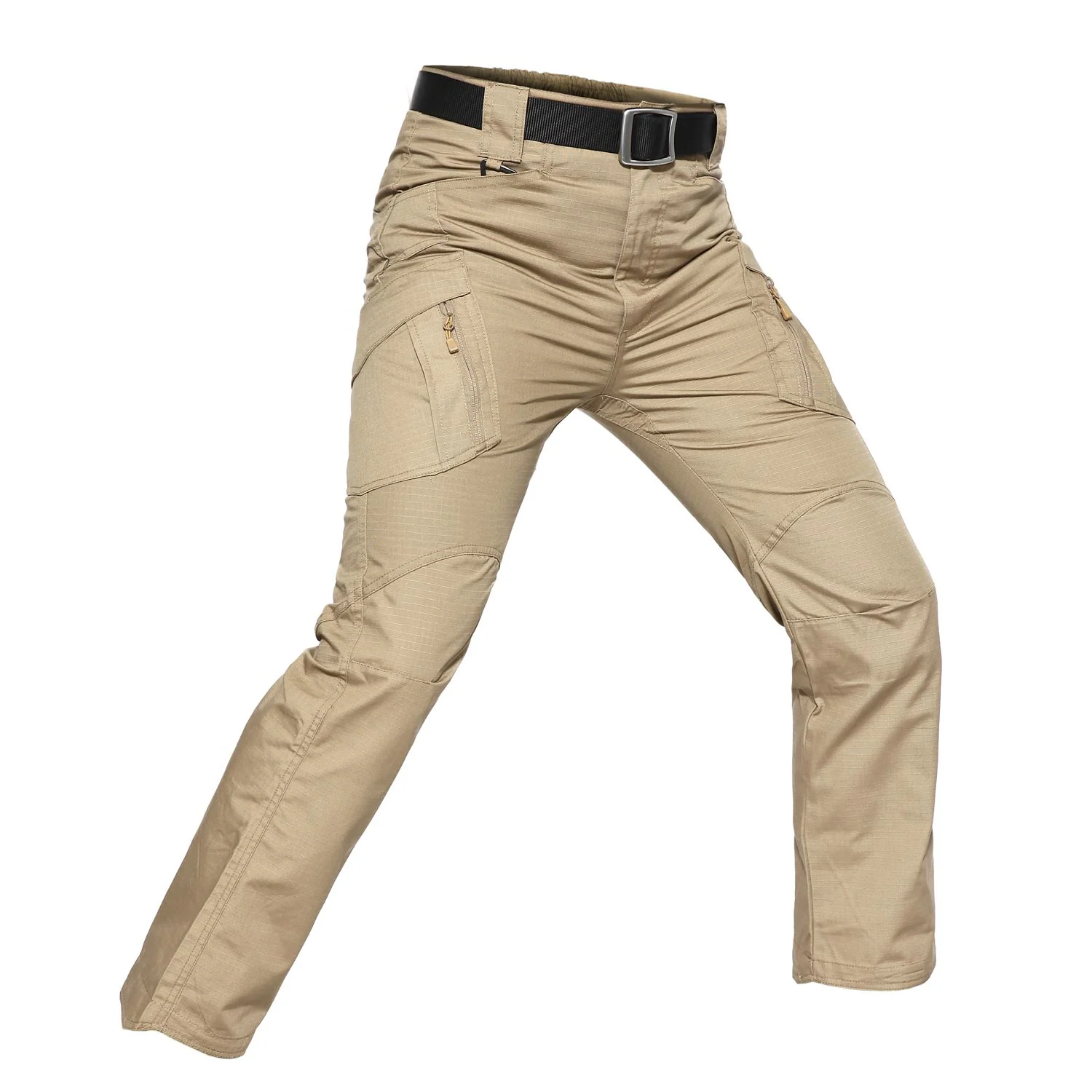
JT-XP-007
From product photo to issue-ready trouser
Tactical pants can look similar while differing in pattern, pocket access, material, reinforcement, knee construction and size method. Jinteng helps institutional buyers turn wearer roles and field conditions into a clear product matrix, then coordinate suitable samples, approved measurements, colour and identity details, inspection points and packing. The result is a tactical pants quotation that describes the exact proposed item rather than relying on a broad style name.
Product selection
Find the style closest to your needs, then explore the available products.
01 · Lightweight movement
A lightweight cargo format for buyers comparing movement, utility storage, fabric and repeatable duty sizing.
View product details02 · Configurable field platform
A project-focused trouser platform with configurable pockets, adjustment, reinforcement, colour and knee-interface options.
View product details03 · Cooler-weather layer
Softshell trouser options compared by proposed shell, lining, fit, pocket plan and intended seasonal use.
View product details04 · Visible duty uniform
Uniform trousers organized around appearance, practical storage, wearer sizing and coordinated institutional identity.
View product detailsProduct advantages
Compare the features below when choosing your products.
Review rise, seat, thigh, knee and hem against kneeling, climbing and seated duty tasks.
Define pocket dimensions, position, opening and closure from access needs rather than appearance.
Record the proposed fibre, construction, finished weight, finish and colour for each shortlisted item.
Specify seat, knee, hem or pocket reinforcement only where the program requires it.
Confirm pocket format, insert responsibility, adjustment and movement with the proposed trouser sample.
State adjustment, belt-loop, fly, cuff and boot-overlap requirements in the product schedule.
Connect colour, labels, badges and placement to identifiable artwork and sample revisions.
Link product ID, size, colour, quantity and packing position from quotation through delivery.
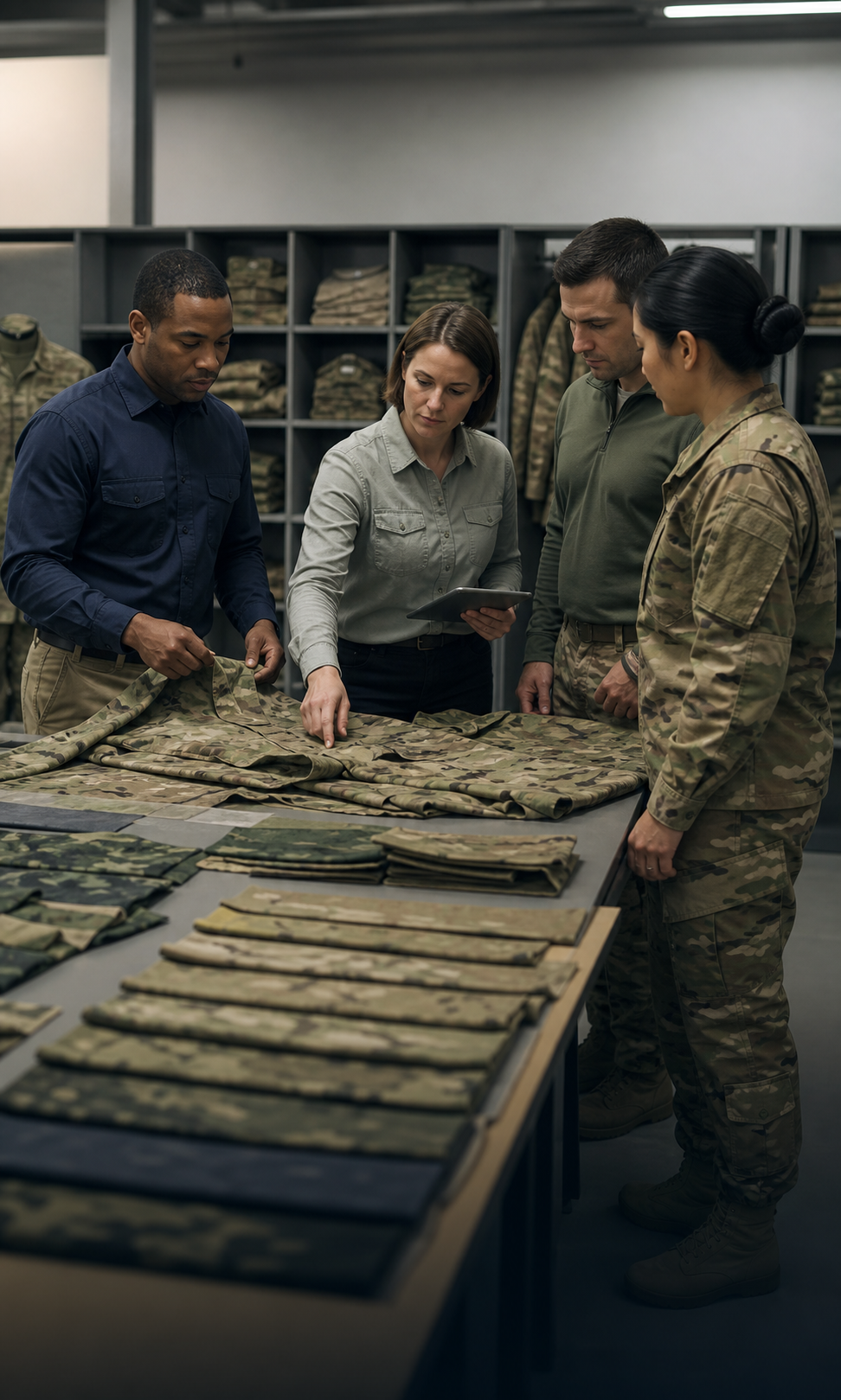
Movement and access
Representative wearers should check standing, kneeling, climbing, seated movement and access to required pockets while wearing the planned belt, footwear and upper garments. Comments are then translated into measurable pattern, pocket, reinforcement or grading decisions instead of being left as a general comfort opinion.
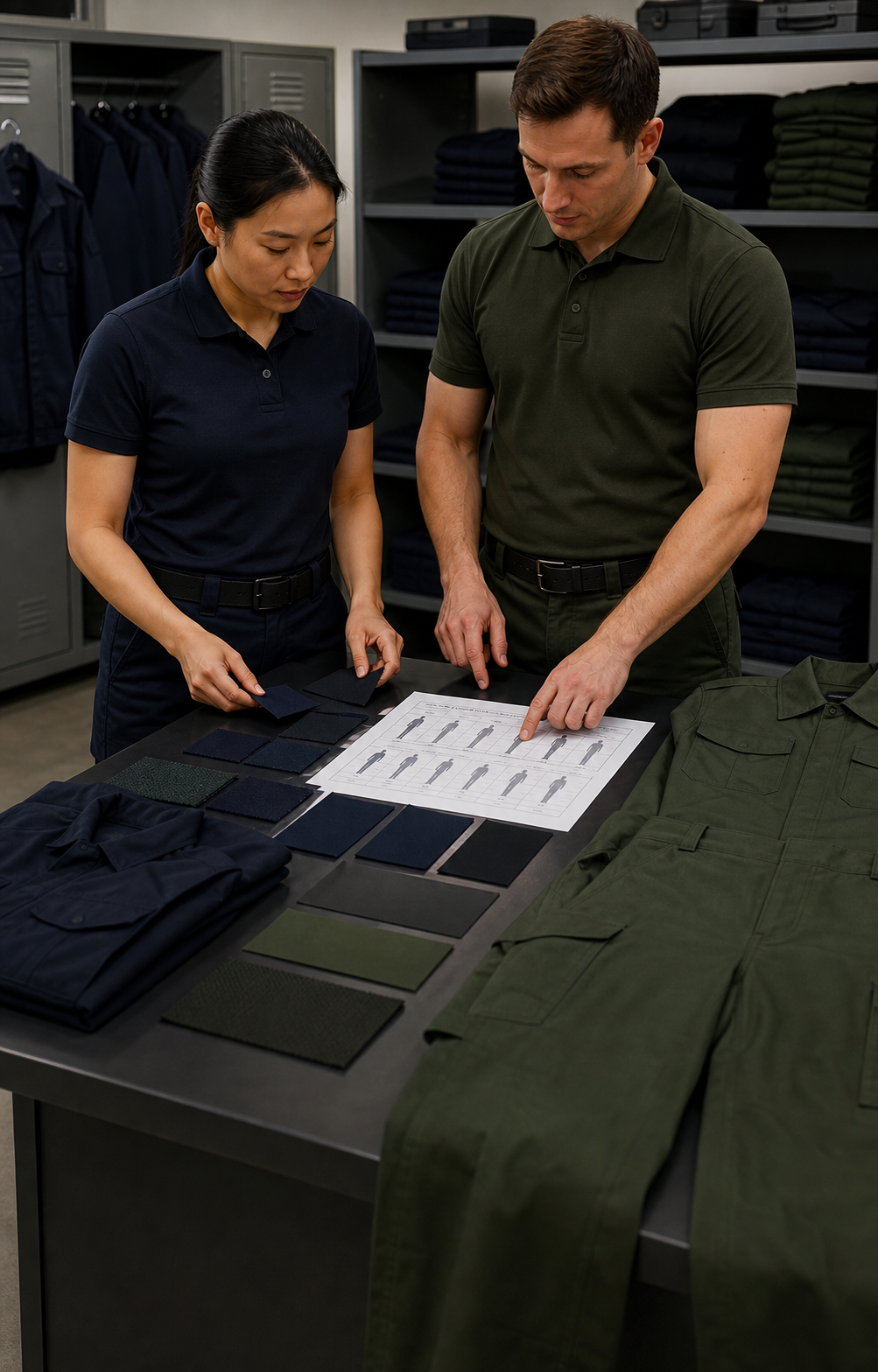
Size and bulk consistency
The buyer’s body data, finished-garment chart and intended fit must be reconciled before the order ratio is released. A selected size set helps expose grading or layering issues, while stable product, material and revision references support inspection and later replenishment.
Tactical pants development path
Each stage closes a different source of fit, product or delivery mismatch before the next commitment is made.
Record climate, daily tasks, planned layers, belt and footwear interfaces, quantity and destination.
Compare product families by material, fit, pockets, adjustment, reinforcement, knee format, colour and identity.
Use representative wearers to close construction, movement, access, measurements and grading decisions.
Freeze the accepted product ID, BOM, measurements, colour, artwork, labels and packing instructions.
Check the agreed workmanship, measurements, configuration, sizes and carton allocation before dispatch.
Application contexts
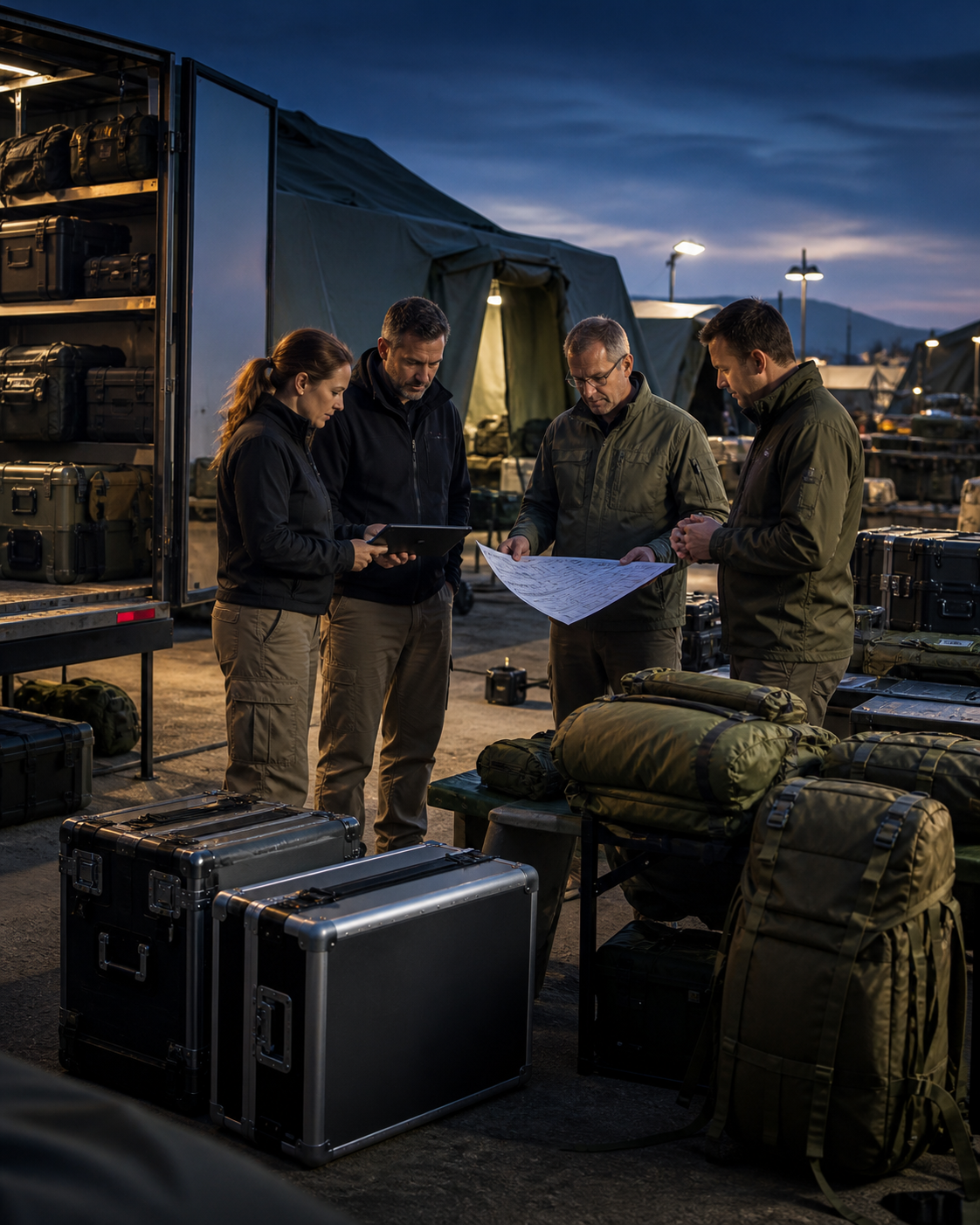
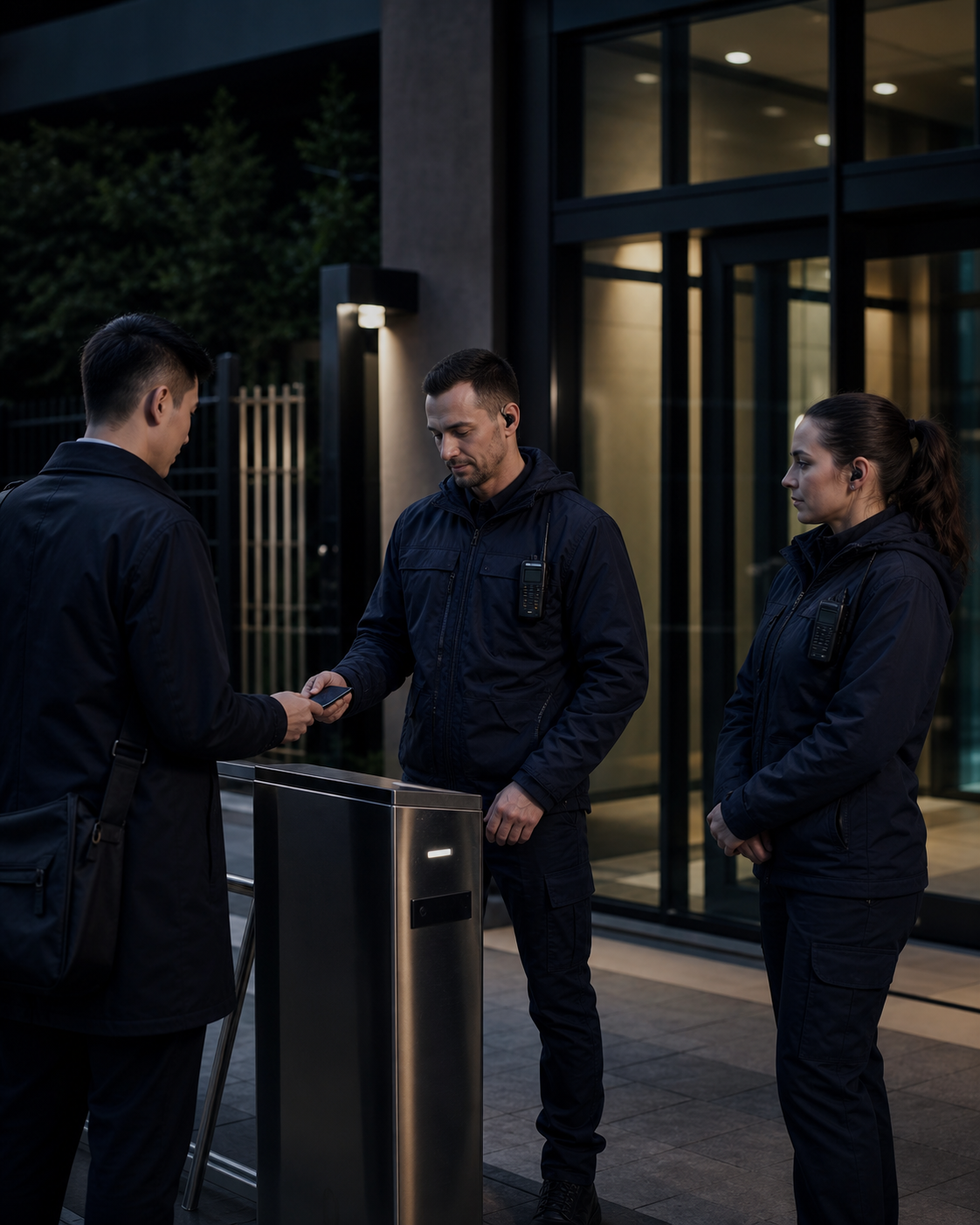
Use these common program contexts to clarify the specification and route your enquiry to the most relevant product and project-support pages.
Buyer resources
The resources below help you define the requirement, choose the right approval stage and request a more comparable quotation.
Request the current company catalogue, then tell us which product families and configurations should be included in your quotation.
Request catalogue accessMatch evaluation, development, size-set and pre-production samples to the decision being made.
Read the buyer guideConnect representative fit review to grading, order ratios and repeat orders.
Read the buyer guideDescribe material, construction, finished weight, finish and colour as separate purchasing fields.
Read the buyer guideTurn a draft trouser requirement into a comparable supplier response schedule.
Read the buyer guideCoordinate boot height, trouser cuff, climate and wearer-size allocation in the same issue set.
Read the buyer guideGarment project capability
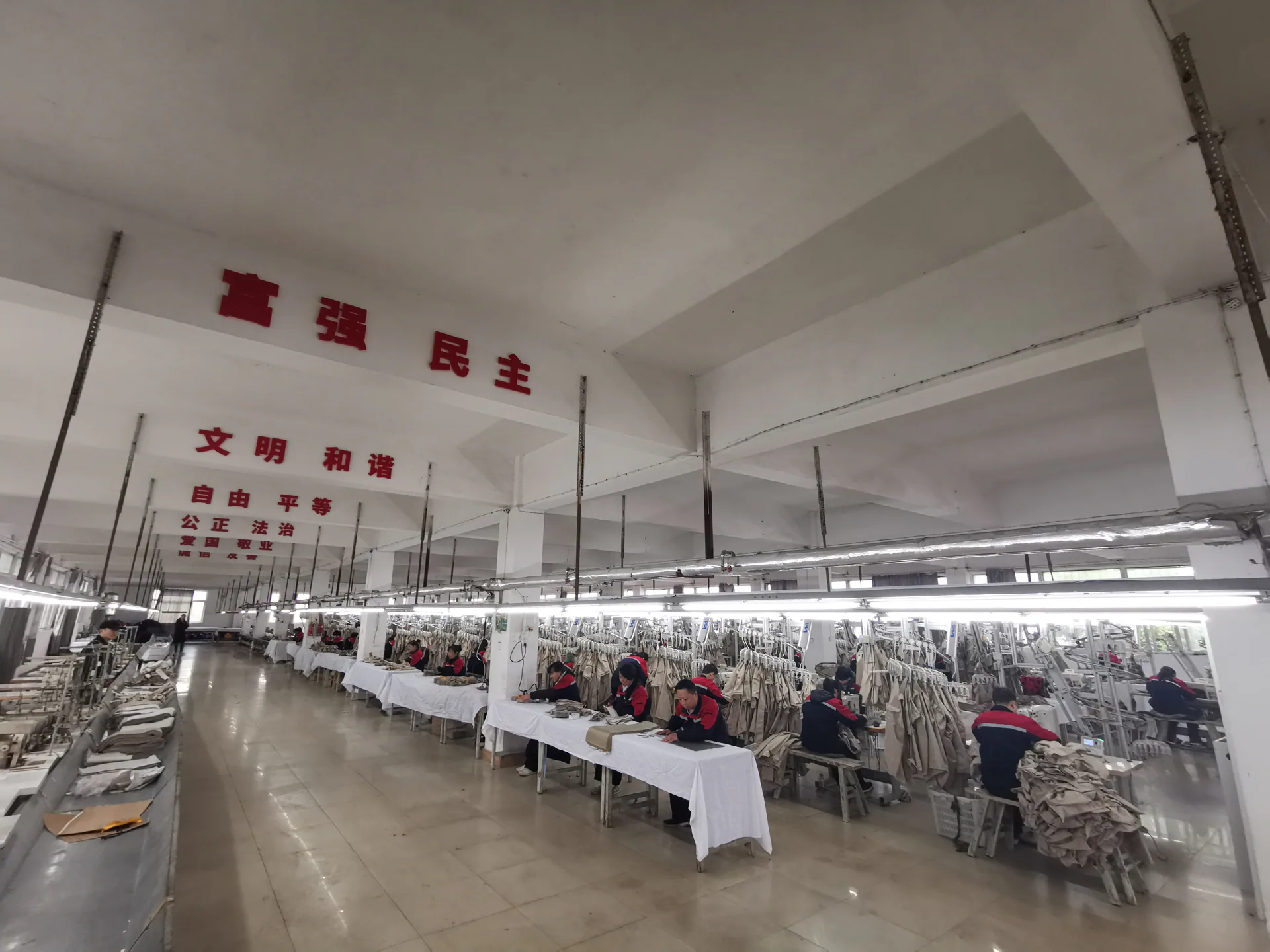
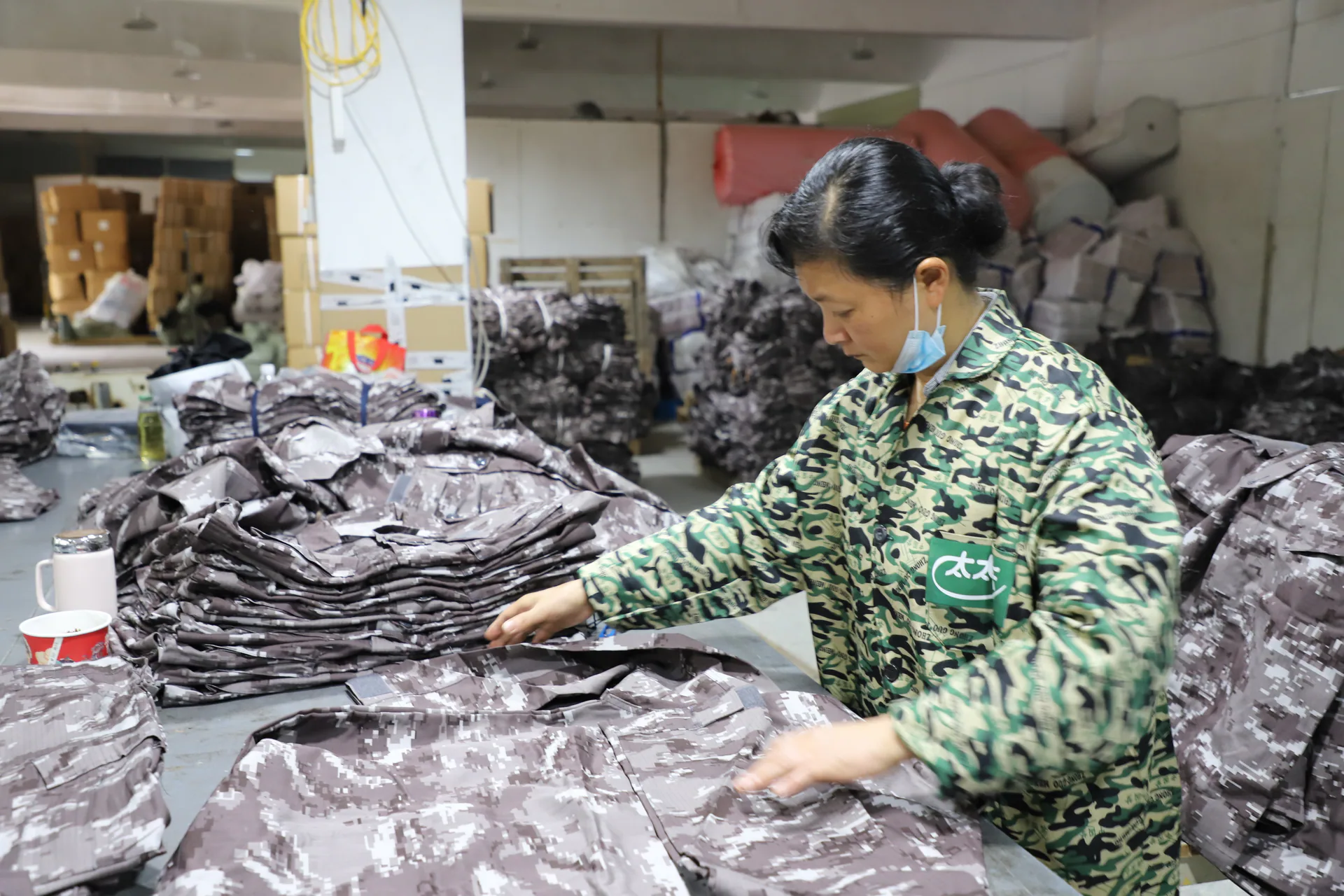
Established in Wuhan in 2002, Jinteng supports institutional garment projects through requirement review, sample coordination, production planning, inspection and export delivery. For each proposed tactical pants item, the applicable production or supply route is confirmed against the selected configuration. Buyer comments, measurements, materials, identity details and packing instructions are kept with the project record rather than inferred from a category photo.

Configuration details
Review the product-specific details below, then use these tabs to plan any changes.
Record each visible and functional construction decision before price comparison.
A tactical style name does not establish fabric or finish.
Measurements and sample comments should produce one reproducible size decision.
The exact accepted configuration should remain identifiable through delivery.
Quotation comparison
A named style family is only the starting point. Use one comparison table so every supplier answers the same technical and commercial questions.
| Decision | Buyer question | Input for quotation |
|---|---|---|
| Duty and climate | Will the trousers be used for patrol, field training, work, travel or cold-weather issue? | Wearer role, climate, season, expected layers and operating conditions. |
| Fabric and construction | Which blend, weave, finished weight, stretch, finish and reinforcement are required? | Material brief, colour reference, seam and reinforcement requirements. |
| Pocket and equipment access | Which items must remain accessible while standing, seated or wearing other equipment? | Pocket schedule, closure type, knee area and belt-interface requirements. |
| Fit and allocation | Which measurement chart, grading and size ratio will support the wearer group? | Points of measure, tolerances, size range, ratio and sample plan. |
What purchasing teams can verify
Useful evidence connects the commercial offer, sample decision, bulk inspection and packed sizes without relying on a generic performance statement.
A product and option schedule naming the proposed material, fit, pockets, adjustment, reinforcement, colour and declared deviations.
Sample comments identifying the reviewed size, clothing and equipment interfaces, movement tasks and closed changes.
A released finished-garment chart, grading basis, tolerance agreement and identified size-set reference.
An order-specific inspection plan covering agreed material identity, construction, measurements, appearance, quantities and packing.
Retained product, BOM, measurement, colour, artwork, label and packing revisions with approved changes recorded separately.
Frequently asked questions
These answers address the configuration, order planning and approval details that most often affect a bulk project.
Provide wearer roles, expected tasks, climate, planned upper garments, belt and footwear interfaces, quantity, destination and delivery target. Add the preferred trouser style, fabric requirement, colour, pocket and knee details, size chart, labels, sample stage, inspection needs and packing method. Where a field is open, mark it for supplier proposal so quotations can show an exact offered value and any deviation rather than silently making different assumptions.
Record fibre composition, fabric construction, finished weight, finish, colour or authorized camouflage reference and care expectations as separate fields. If a measurable property is required, name the project’s method and acceptance basis. Review the proposed fabric in the intended trouser construction because thickness, stretch and drape can affect fit, pocket operation and reinforcement. Final values remain subject to the written quotation, identified submission and approved sample.
The measurement chart should define waist, hip or seat, front and back rise, thigh, knee, hem, inseam, outseam and any pocket or knee-panel positions relevant to the design. State how each point is measured and the accepted tolerance. Review selected sizes with expected layers and movement tasks, then connect the released grading chart to product labels and the planned size ratio.
Pocket type, dimensions, position, opening direction, closure and internal organization can be reviewed against the proposed trouser platform. Knee zones can be configured for reinforcement or a buyer-defined insert interface where suitable. The requirement should also state who supplies any insert. Approve these decisions on an identified sample and drawing before bulk release because changes can affect pattern balance, movement, sewing operations and cost.
Begin with wearer data in the sizing system intended for the project. Compare it with the proposed finished-garment chart and planned fit or layering allowance. Use representative size samples to close grading and movement issues before converting the wearer distribution into order quantities. The final ratio should reconcile with inner labels, individual packs, cartons, destination splits and any spare or replacement allocation.
An evaluation sample can help shortlist a product family; a development sample closes construction and material decisions; a size set checks grading; and an identified pre-production sample can freeze the accepted bulk reference. Not every project needs every stage. The quotation should name the purpose, quantity, cost, timing, review owner and decisions expected from each requested sample.
The inspection plan should follow the accepted order rather than a generic checklist. Typical fields include product and material identity, construction, workmanship, critical measurements, pocket and closure function, colour and identity placement, size and quantity reconciliation, labels, individual packing and carton marks. Any laboratory or functional test is included only when the exact method, sample basis and acceptance requirement are agreed for the named product.
Retain the accepted product ID, BOM, material and colour reference, measurement and grading chart, sample comments, artwork, labels and packing instructions. Before a replenishment order, reconfirm material availability, production or supply route, requested sizes and destination requirements. Record substitutions and approved changes as a new revision instead of treating a similar-looking trouser or earlier quotation as an automatic match.
Tactical pants buyer guide
A useful tactical pants specification begins with the wearer’s work and ends with a traceable product, size and packing record. The following process helps purchasing, technical and receiving teams compare the same delivered scope.
List the wearer groups and describe what each group actually does in the trousers. Include standing, seated duty, driving, climbing, kneeling, walking distance and any repeated access to carried items. Record climate, season, expected underwear or thermal layers, duty belt width, planned footwear and overlap with jackets or load carriage. State whether the trousers are a visible uniform item, a field layer or part of a mixed contractor kit. Quantities should distinguish initial issue, reserve stock and expected replenishment. This context gives every later material, fit and pocket decision a practical reason. It also helps suppliers propose different options for genuinely different wearer groups instead of forcing one trouser configuration across roles that have incompatible movement, appearance or climate requirements.
Use a requirement matrix, drawing or identified reference sample to define the intended silhouette and construction. Record waist method, belt loops, fly and closure, rise, gusset or articulation, leg shape, hem, pocket types and positions, reinforcement zones and knee construction. Separate mandatory fields from acceptable alternatives and open proposal fields. Ask each supplier to return the exact value offered and to state deviations beside the requirement. A phrase such as tactical cargo pants is not a complete specification because two products can share that label while using different pocket access, adjustment, pattern balance and reinforcement. A completed construction schedule makes samples easier to review and prevents visible details from being added or removed without a recorded decision.
Name fibre composition, fabric construction, finished weight and finish separately. Describe the intended climate, wear and care route, then identify any project-defined measurable requirement with its method and acceptance basis. Do not assume that terms such as ripstop, stretch, quick dry or softshell have one universal value; request the exact proposed construction and supporting product information for the named offer. Colour should follow an approved physical or controlled digital reference, and camouflage artwork should only be used when the buyer has the required authority and production reference. Trims, pocketing, reinforcement, thread, zips, buttons and hook-and-loop should be included in the material schedule because their shade, dimensions and operation affect both appearance and serviceability.
Define every finished-garment point of measure, how it is taken and the agreed tolerance. Explain whether the fit is based on body measurements, an existing garment chart or a project reference sample, and account for planned layers and equipment. Select representative sizes across the range rather than approving only a middle size. Wearers should perform the movements and pocket-access tasks identified in the brief while using the intended belt and footwear. Record comments against the exact sample ID and size, then update the pattern, measurement chart and grading rules together. Only after these decisions are closed should the buyer approve the size ratio. This protects both large and small sizes from being derived from an untested grade and keeps later replenishment tied to a repeatable chart.
Give every sample a purpose. An evaluation sample may compare available product families, a development sample may close construction and material choices, a size set may verify grading, and a pre-production sample may become the bulk reference. State who reviews each submission, when comments are due and which records are updated after approval. Build the bulk inspection plan from the accepted configuration and the risks that matter to the order: product and material identity, construction, workmanship, critical measurements, pocket and closure function, colour, labels, size quantities and packing. Where a laboratory or functional test is necessary, agree the exact method, sample preparation, sample source and acceptance rule in writing. Broad performance language should never substitute for a model- and order-specific requirement.
Compare quotations using the same product matrix and commercial scope. Confirm whether the price includes required samples, artwork or colour submissions, labels, requested documents, inspection work, individual packing, unit or destination sorting and delivery terms. Show optional services separately. Before packing, reconcile one pilot set against the released product, size and identity records. Define how the size appears on the garment label, individual pack and carton, and how cartons are divided by unit or destination. After delivery, retain the approved product ID, BOM, measurements, material and colour references, sample revision and packing matrix. A repeat order can then identify a deliberate change, material replacement or different production route instead of accepting a similar-looking trouser as equivalent.
Name one responsible party for consolidating buyer comments and give every drawing, measurement chart, material submission and sample comment sheet a revision. When a proposed change affects pockets, grading, reinforcement, artwork or packing, identify the reason, affected sizes and documents before approval. Do not replace an earlier baseline silently, because production, inspection and receiving teams may otherwise work from different versions. The released purchase schedule should list the current documents and accepted sample reference, while superseded versions remain available for traceability. During production, route any material shortage or construction alternative through the same change record. This discipline is especially important when several tactical pants styles or destinations share one order: a decision intended for one line must not migrate into another. A controlled revision process makes the final delivery easier to inspect and gives the next replenishment order a reliable starting point.
Project enquiry
Share the current requirement, even if some technical fields still need a supplier proposal. We will use the product IDs and project context to recommend the next quotation or sample step.
Share the product, quantity, destination, customization and delivery requirements. Our business team will reply with suitable options and the next quotation step.
 WhatsApp