
Buyer question
How can I customize military uniforms for my unit?
For a qualified bulk project, define the duty and climate, then specify fabric, colour or camouflage reference, construction, size range, labels, packing and buyer-approved artwork. For U.S. Army controlled heraldic items—such as approved shoulder sleeve or distinctive unit insignia—the applicable TIOH authorization and certified-manufacturer rules govern; that evidence does not establish permission for other services or countries. Release ordinary garment production only after the buyer approves a controlled sample and revision.
What unit-level customization must control
- Mission, climate, wearer measurements, layering and equipment interfaces should drive the design before styling choices.
- Drawings, bill of materials, measurements, artwork, samples and inspection criteria must reference one controlled revision.
- Keep ordinary garment development separate from authorization-dependent insignia or heraldic-item work.
- TIOH evidence applies to the identified U.S. Army heraldic controls; other services and countries require their own authority and rules.
From mission brief to approved production sample
- 01
Define the duty, climate, wearer population, layer system, equipment interfaces, quantity and destination.
- 02
Prepare garment drawings, materials, construction details, measurement chart, size allocation, artwork and packing instructions.
- 03
Separate the plain garments, buyer-owned branding and any official identity items into distinct approval lines.
- 04
For each official identifier, record the country, service, item class, rights owner and applicable authorization route.
- 05
Approve material and shade references, a representative garment and a graded size set.
- 06
Freeze the approved revision and inspection plan before bulk cutting or identity-item production.
Specification, fit and identity controls
A customized uniform should be scoped as a system. Shirts, trousers, headwear, outer layers and identity items may use different materials, interfaces and acceptance tests, so each supplied item and quantity must appear in the bill of materials.
Every accepted change should update the relevant drawing, material line, measurement point or artwork reference. Fit approval should cover representative sizes and intended layers or equipment. TIOH’s published process supports U.S. Army controlled heraldic items and certified sourcing; it should not be generalized into blanket permission for camouflage, other services, other countries or every buyer-supplied mark.
Proceed to development only when duty, climate, component set, wearer profile, quantity and acceptance method are documented.
Approve the sample only when material, shade, construction, measurements, artwork and packing reference the same revision.
Release plain garments separately when their specification is approved but an official identity item remains unresolved.
Hold the affected identity-item line when the relevant authority, approved drawing, certified source or entitlement evidence is missing.
Before you order
- Treat TIOH guidance as limited to the covered U.S. Army heraldic items; it is not permission for non-Army, non-U.S. or unrelated commercial marks.
- Appearance alone cannot support a claim of official issue, endorsement or wear authorization.
- Before committing to an MOQ, lead time or performance result, review material availability, testing and approval dependencies.
Related products, services and guides
Continue with the product family, sourcing service or practical guide that best matches your next step.
Find a relevant product
Explore product categories
Open a category to compare available product families, then include the product type, quantity, destination and customization needs in your enquiry.
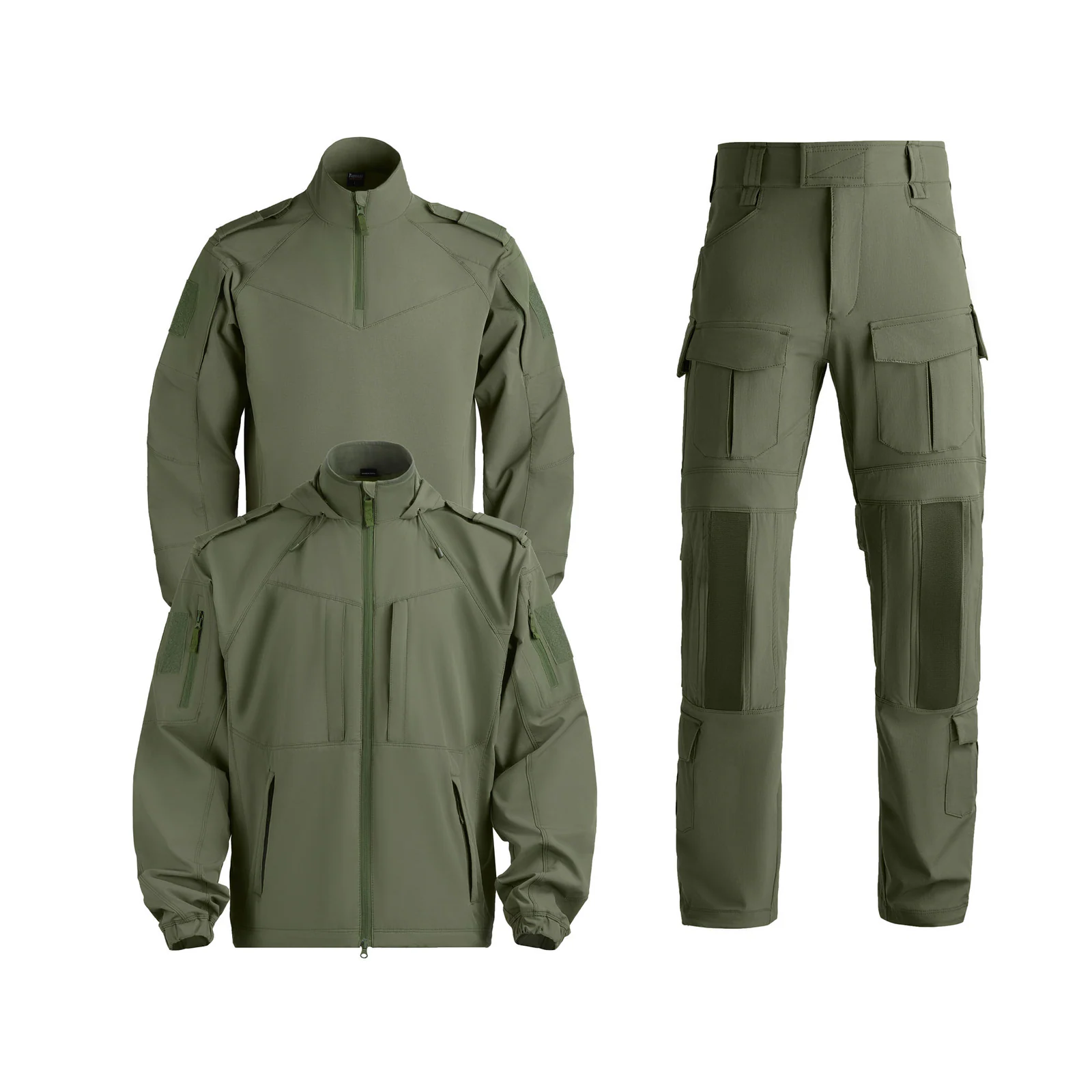
Military & Camouflage Uniform Systems
Configurable BDU, ACU-style, combat and training uniform programs for institutional procurement.
View products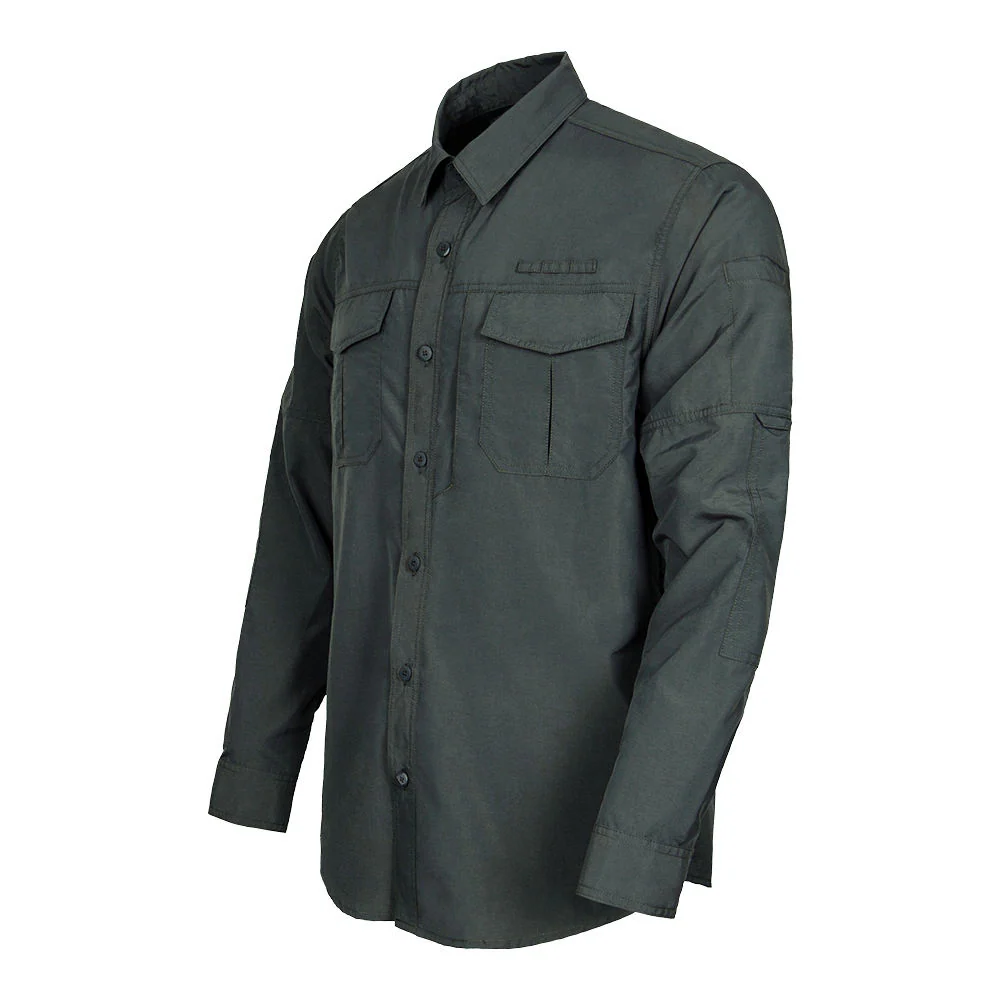
Tactical Apparel
Jackets, shirts, trousers and field layers configured for duty, training and contractor programs.
View products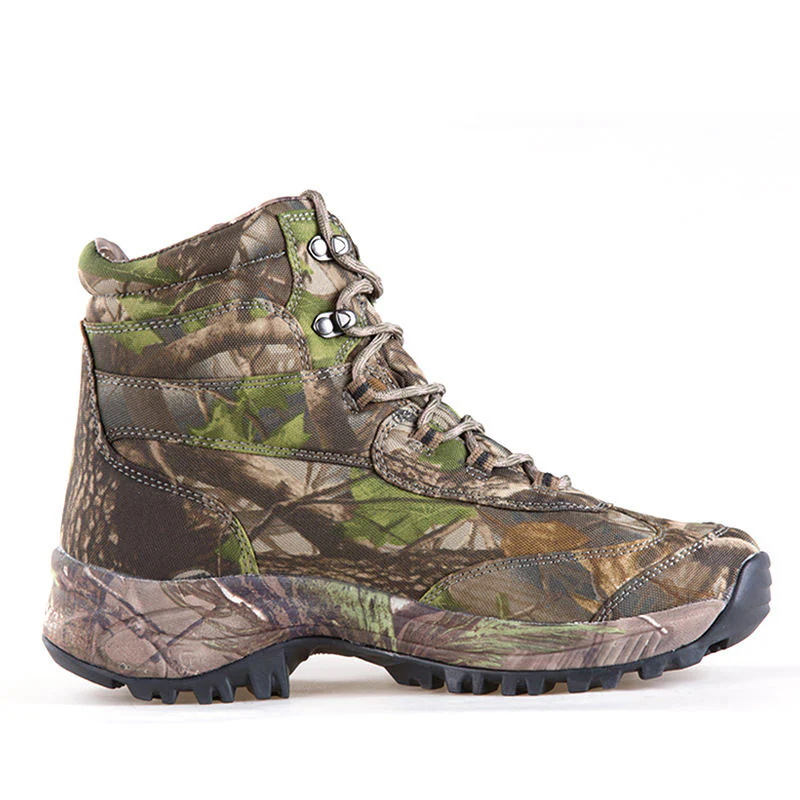
Tactical Footwear, Headwear & Accessories
Boots, shoes, socks, caps, hats, gloves and eyewear for coordinated duty and field-use programs.
View products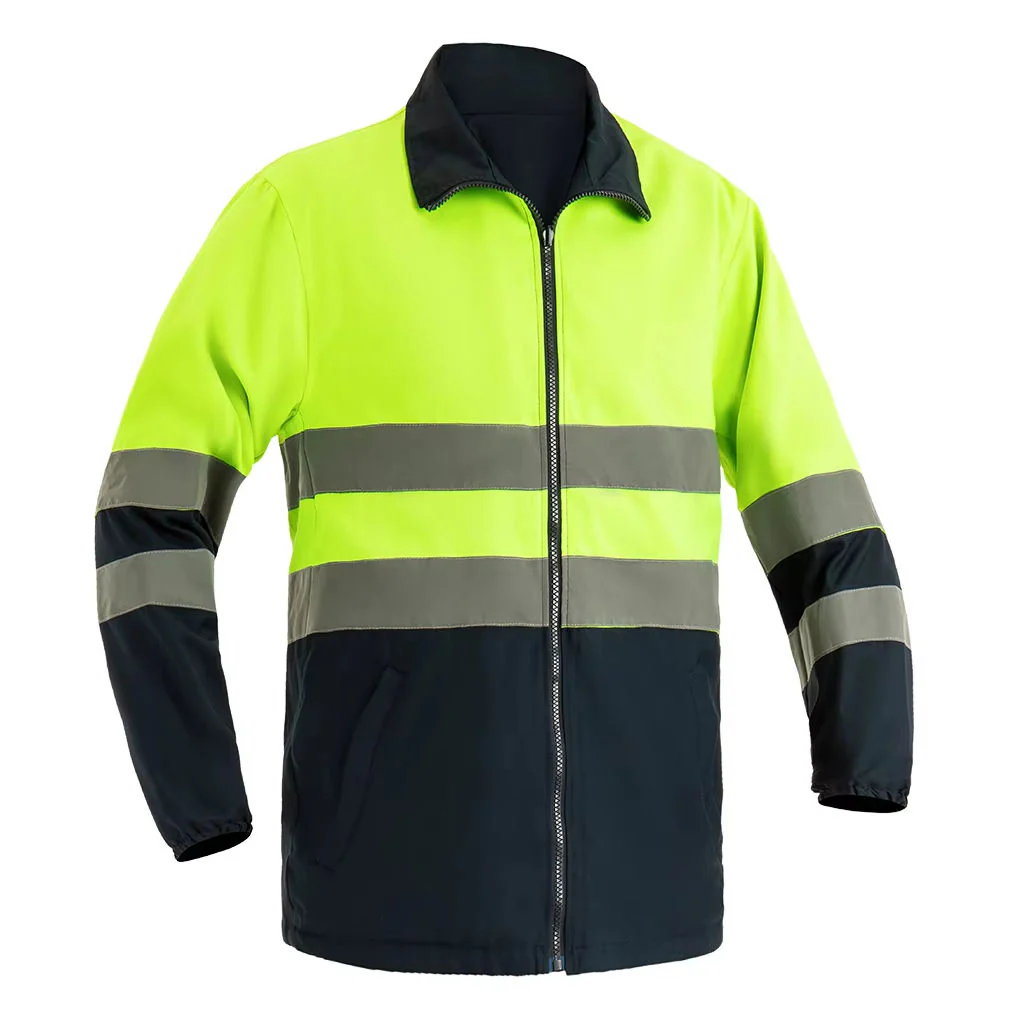
Institutional Uniforms & Workwear
Uniform programs for government departments, public institutions and enterprise workforces.
View products