
Buyer question
How do outfitters customize tactical gear for different needs?
Outfitters customize tactical gear by configuring a system around the user’s mission, carried equipment, body-size range, climate, duration and protection requirements—not by adding features at random. They select compatible pouches, closures, adjustment ranges, materials and attachment interfaces; build a representative configuration; and test access, mobility, load distribution and interference with clothing or protective equipment. Any ballistic, flame, infrared or weather claim needs the named test method and verified result for the exact configuration.
How needs become a tactical-gear configuration
- Begin with tasks, carried equipment, operating environment, user dimensions and required duration.
- Validate the complete worn system because independently suitable items can interfere when combined.
- Tie every protective or signature-management claim to the exact material, configuration and test evidence.
- Record the approved configuration so modular choices do not become uncontrolled substitutions.
Configure, prototype and validate the system
- 01
Create a use-case matrix covering users, tasks, climate, carried items, movement and protective interfaces.
- 02
Map attachment points, adjustment ranges and access zones, then build representative configurations across the intended size range.
- 03
Evaluate fit, access, mobility, load distribution, snag points and integration with issued clothing or protection.
- 04
Freeze the approved configuration, component list and acceptance checks before production.
Interfaces, load distribution and measurable performance
Customization choices are interdependent. Moving a pouch can change reach or prone comfort; changing a closure can affect access with gloves; adding reinforcement can increase heat and stiffness. Each change should therefore answer a documented use requirement.
Evaluation should use the combined system on representative users rather than checking items only on a table. Clothing layers, belts, armor, harnesses and carried equipment can change fit and access.
A material name alone does not prove ballistic, flame, waterproof, infrared or durability performance. The claim must identify the exact finished article, conditioning, test method and result.
A foot-mobile configuration should control total carried load, balance, ventilation, movement and repeated access.
A vehicle or harness configuration should be checked for seat, restraint, emergency-egress and snag interference; any approved modular alternatives should remain on a controlled component list.
Before you order
- More attachment points or pockets do not automatically improve the configured system.
- A test result remains valid only for the material or component configuration actually evaluated; materially different finished gear needs its own evidence.
- Service or unit identifiers should enter production only after the responsible buyer supplies the required authorization.
Related products, services and guides
Continue with the product family, sourcing service or practical guide that best matches your next step.
Find a relevant product
Explore product categories
Open a category to compare available product families, then include the product type, quantity, destination and customization needs in your enquiry.
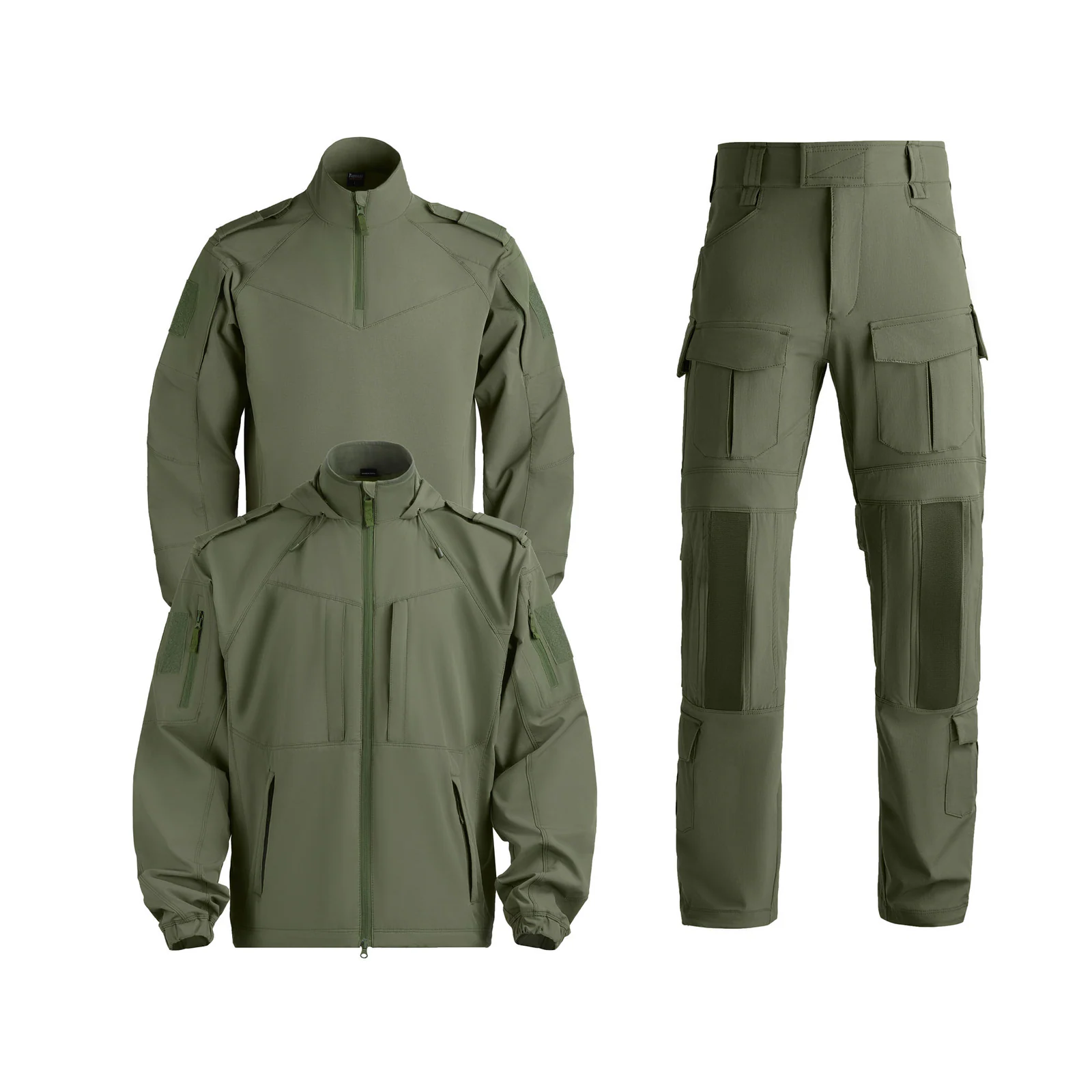
Military & Camouflage Uniform Systems
Configurable BDU, ACU-style, combat and training uniform programs for institutional procurement.
View products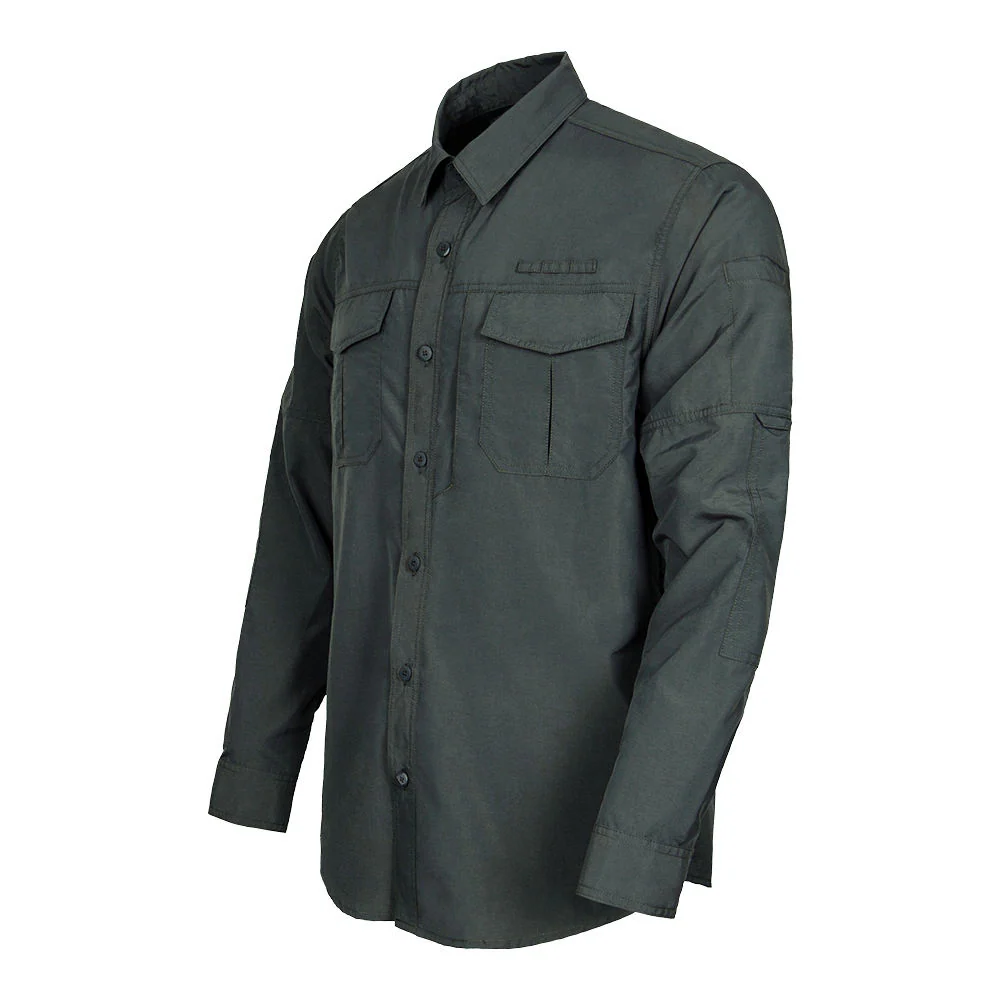
Tactical Apparel
Jackets, shirts, trousers and field layers configured for duty, training and contractor programs.
View products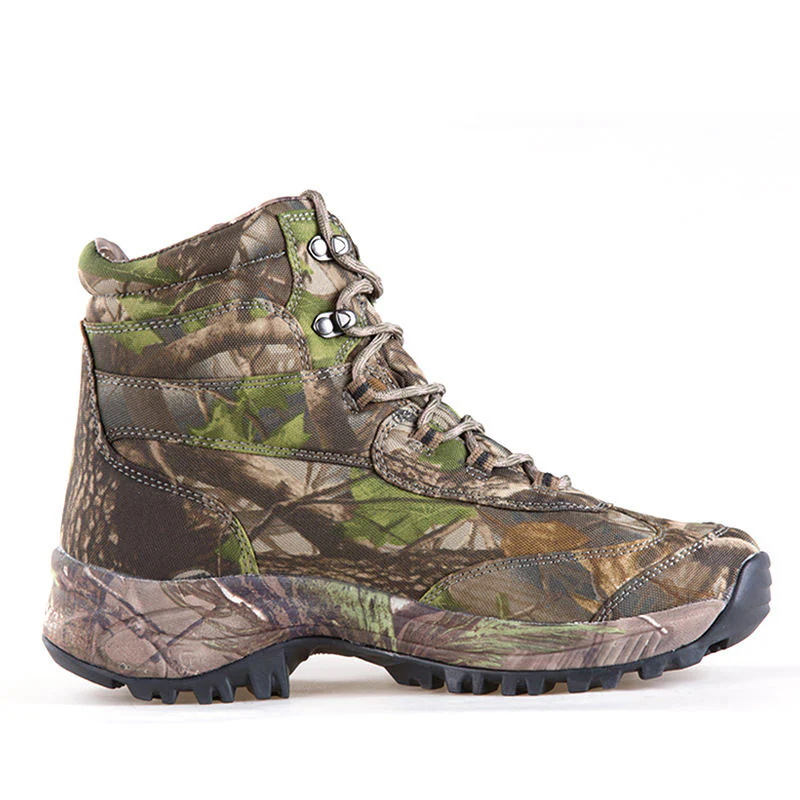
Tactical Footwear, Headwear & Accessories
Boots, shoes, socks, caps, hats, gloves and eyewear for coordinated duty and field-use programs.
View products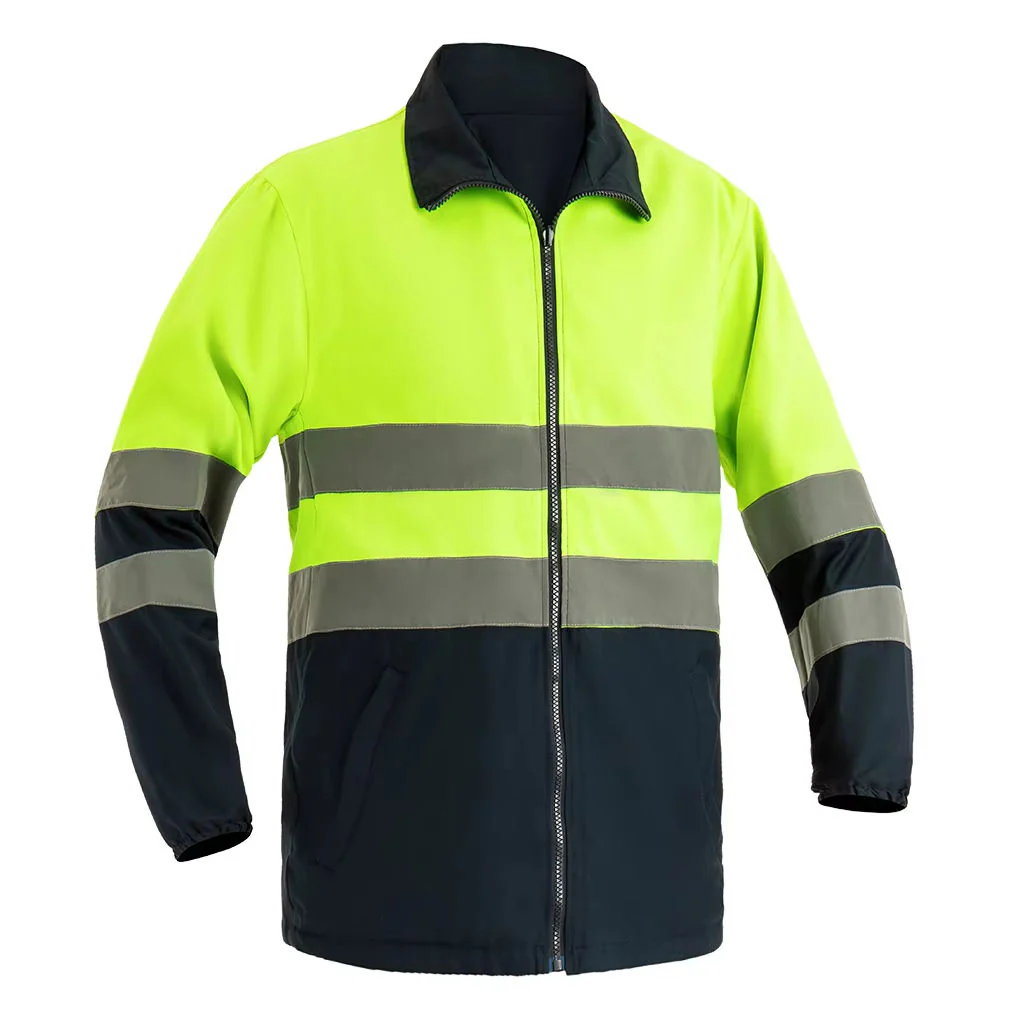
Institutional Uniforms & Workwear
Uniform programs for government departments, public institutions and enterprise workforces.
View products