
Buyer question
how to design a military uniform
Military-uniform design starts with a documented operational need: wearer population, tasks, climate, hazards, movement, load-carriage interfaces and identity requirements. Whether creating a new design or explaining how an established uniform was designed, trace those needs into garment architecture, materials, patterns, measurements, construction and acceptance tests. Prototype the system, conduct fit and user evaluations, correct deficiencies, then release one controlled technical data package. Military styling alone does not make a design officially adopted.
Design starts with mission requirements, not styling
- Operational tasks, environment and wearer population should become measurable design requirements.
- Materials, pattern, fit, construction and equipment interfaces must be developed as one garment system.
- User and laboratory findings should change the design before the production baseline is frozen.
- The final design needs controlled production data and acceptance tests, not only sketches or a prototype.
Build and prove a production-ready design
- 01
Document users, tasks, movement, climate, hazards, layering, equipment and identity requirements.
- 02
Translate those needs into garment architecture, material properties, measurements and construction features.
- 03
Develop the base pattern and graded size strategy.
- 04
Build prototypes and conduct fit, mobility, interface and user evaluations.
- 05
Correct the design and verify the required laboratory or field tests.
- 06
Release drawings, patterns, grading, BOM, workmanship criteria and test requirements as one controlled package.
Human factors, technical data and validation
Requirement definition should precede fabric or pocket selection. For example, kneeling, climbing, wearing a harness or operating in hot and wet conditions each creates different measurable needs.
Pattern and material decisions interact. Pocket placement affects equipment access; added layers affect heat and drying; seam position can affect movement or pressure under armor. Prototype evaluations should test these interactions.
Once accepted, the technical package must be detailed enough for another qualified producer and an independent inspector to reach the same interpretation.
Fit and movement criteria cover reach, kneeling, sitting, layering and equipment interfaces across representative sizes.
Environmental or protective requirements identify the measurable property and test method.
User evaluation records explain why important material, pattern or component choices were accepted.
Production readiness requires graded patterns, BOM, construction, measurements, workmanship limits and an approved sample.
Before you order
- A military-looking design is not evidence of official adoption, entitlement or issue status.
- Performance labels belong in the specification only after the complete material and garment configuration can meet the relevant test.
Related products, services and guides
Continue with the product family, sourcing service or practical guide that best matches your next step.
Find a relevant product
Explore product categories
Open a category to compare available product families, then include the product type, quantity, destination and customization needs in your enquiry.
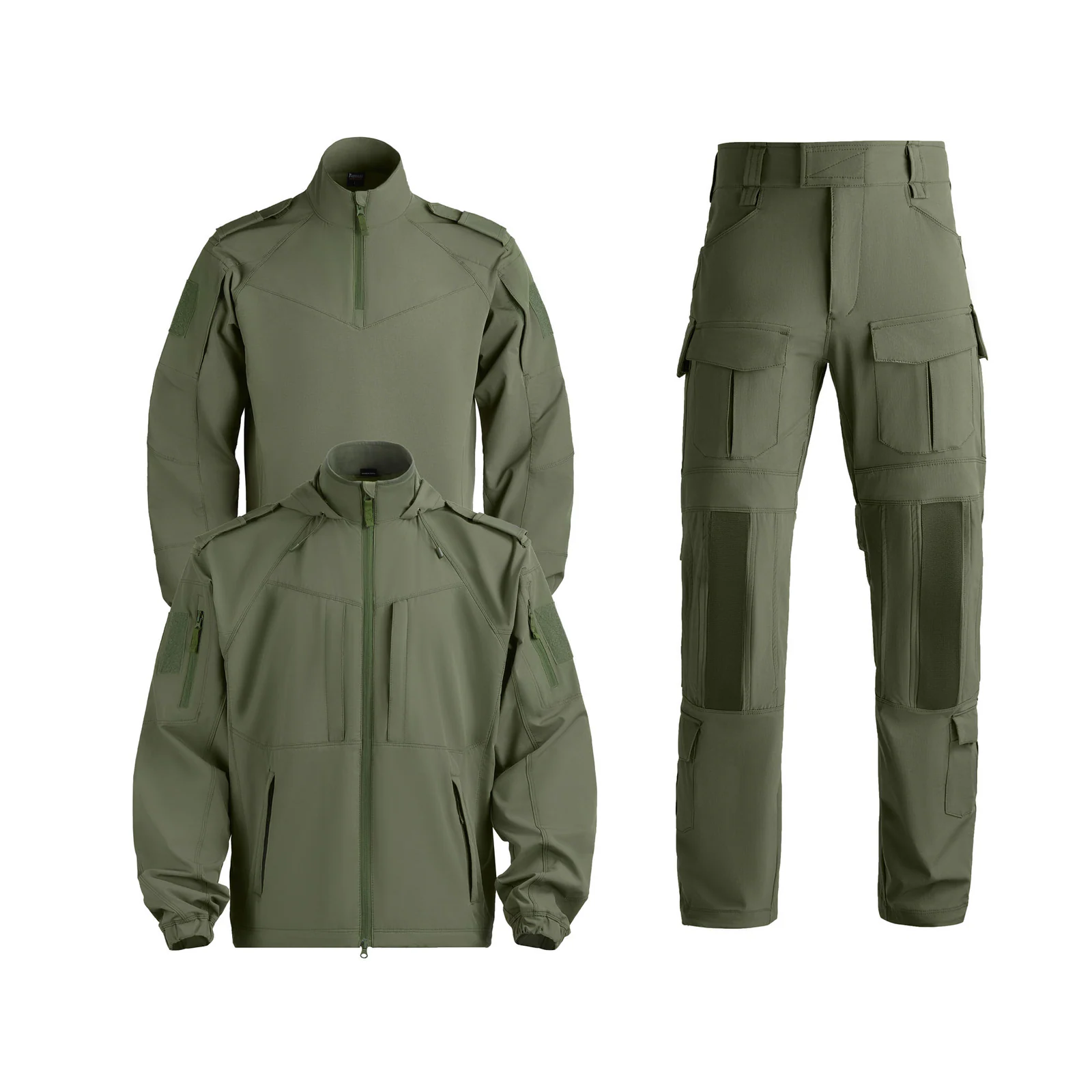
Military & Camouflage Uniform Systems
Configurable BDU, ACU-style, combat and training uniform programs for institutional procurement.
View products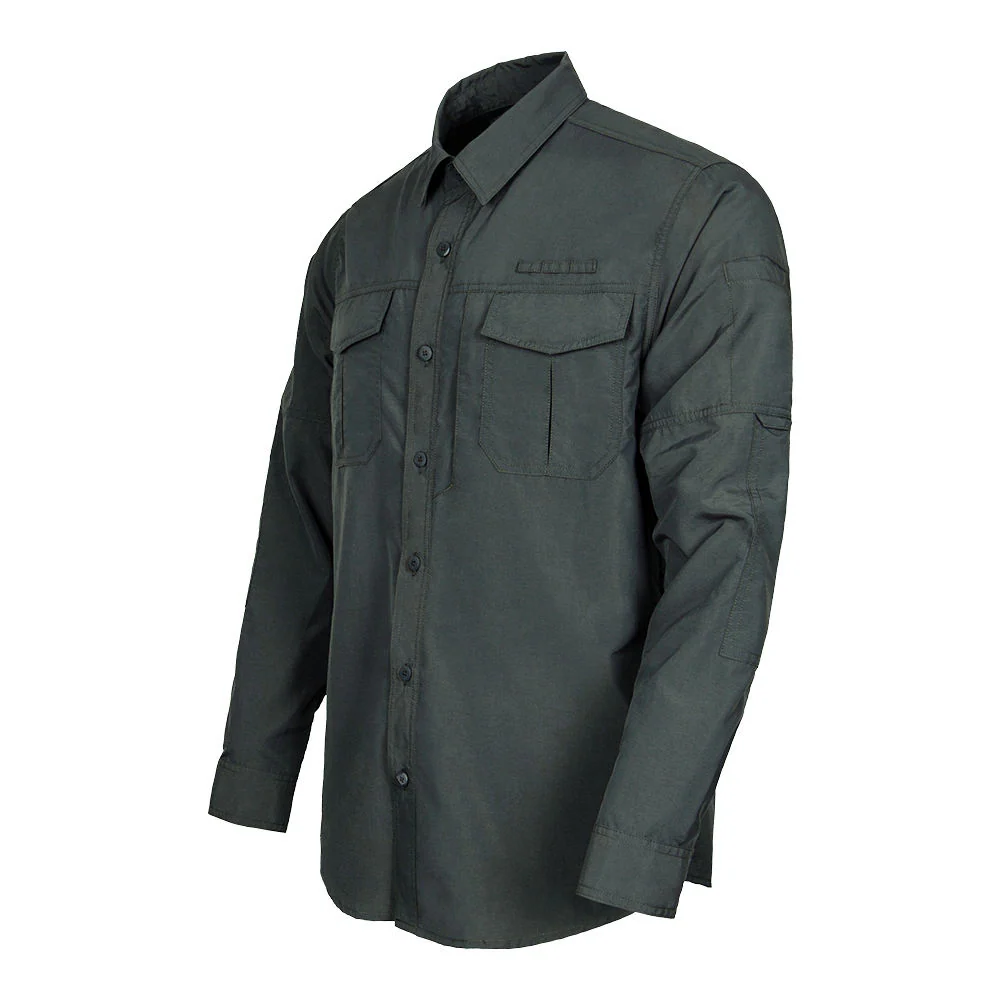
Tactical Apparel
Jackets, shirts, trousers and field layers configured for duty, training and contractor programs.
View products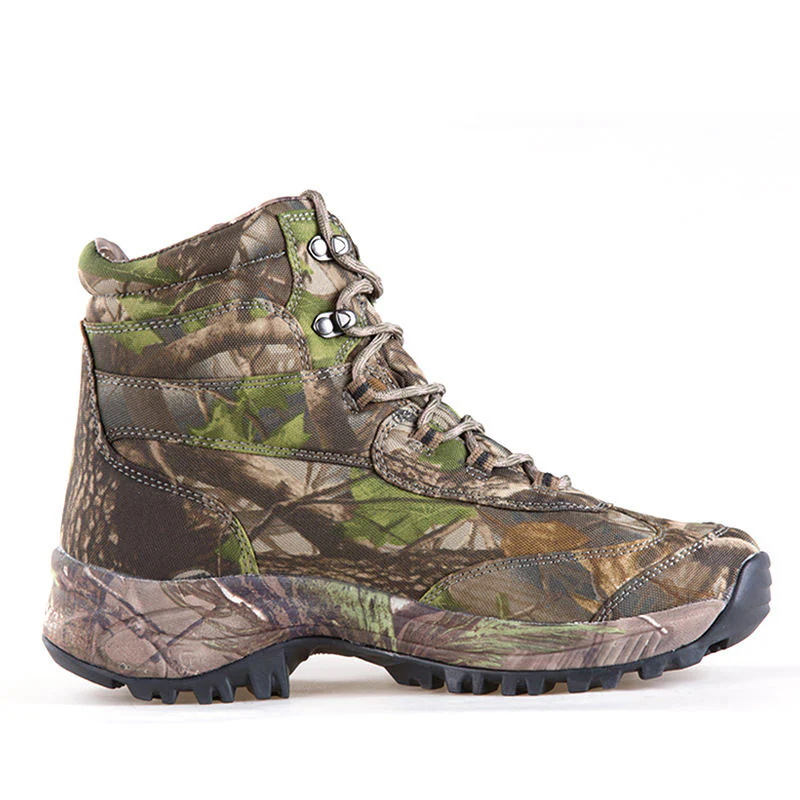
Tactical Footwear, Headwear & Accessories
Boots, shoes, socks, caps, hats, gloves and eyewear for coordinated duty and field-use programs.
View products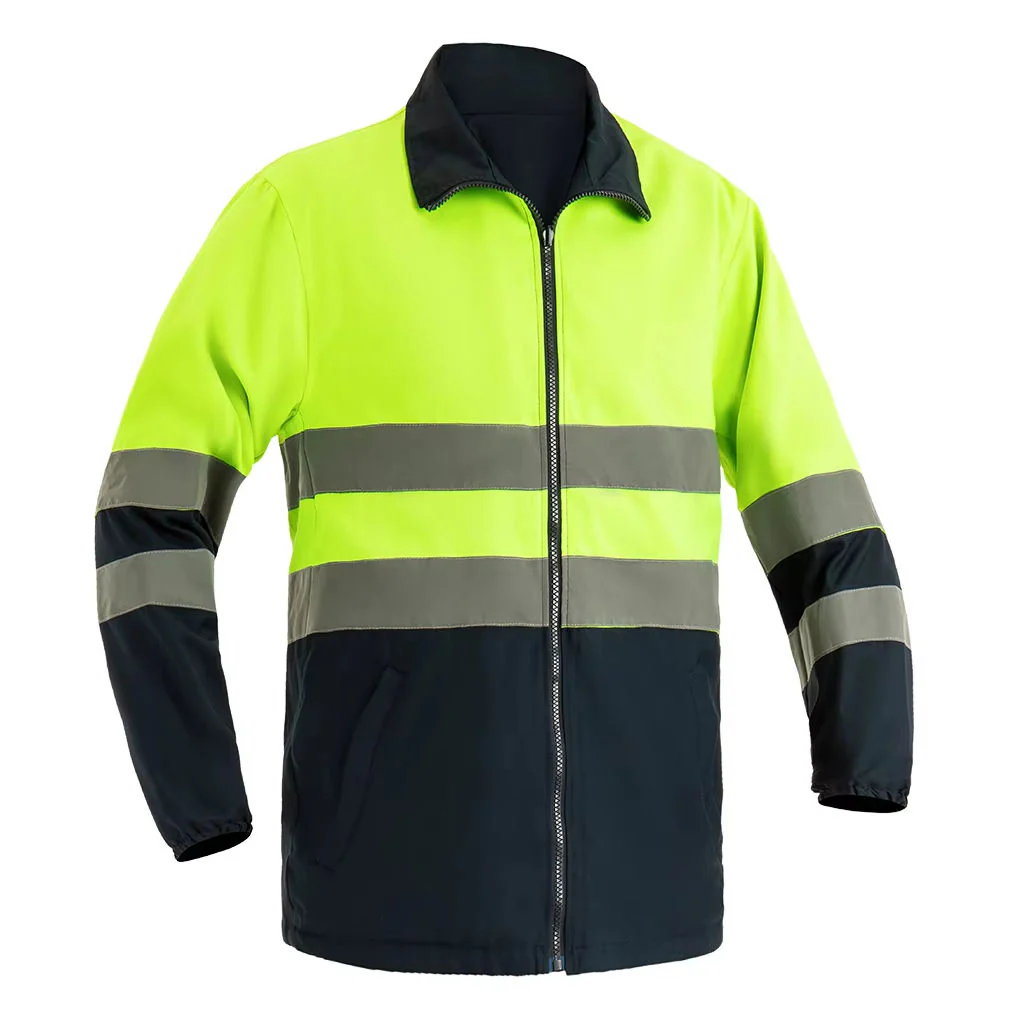
Institutional Uniforms & Workwear
Uniform programs for government departments, public institutions and enterprise workforces.
View products