
Buyer question
what happens when military uniforms need resizing or repair
When a military uniform needs resizing or repair, first identify the garment, issuing authority and permitted alteration or repair standard. A fitter inspects condition and measurements, then chooses an authorized alteration, a special-measurement replacement, an approved repair, or referral for replacement when restoration could affect fit, appearance or performance. After work, recheck dimensions, symmetry, insignia placement and function against the controlling specification; protective items require their own approved maintenance rules.
Alter, special-size, repair or replace?
- Alteration authority and acceptable methods depend on the exact garment and issuing organization.
- Special measurement is preferable when standard sizing cannot achieve fit without distorting the design.
- Repaired garments need dimensional, visual and functional reinspection before return to use.
- Identity placement and any protective construction must remain within the controlling requirements.
Inspect, approve the method and re-verify fit
Record the garment, specification or model, wearer measurements, defect and current condition.
Check the issuing authority’s alteration, repair and insignia-placement rules.
Choose an allowed alteration, special-measurement garment, approved repair or replacement referral, then perform only the documented method.
Reinspect dimensions, balance, closures, seams, identity placement and any relevant function.
Fit recovery, repair scope and records
Resizing and repair solve different problems. Resizing changes fit; repair restores damaged construction. Combining them without a controlled plan can move pockets, distort balance or change authorized insignia placement.
DLA’s special-measurement process creates garments for individual body shapes when the standard size tariff is unsuitable. That is a controlled pattern process, not merely unrestricted local tailoring.
Damage involving protective fabrics, coatings, reflective or identification features, load-bearing seams or structural closures should be routed through the item’s own approved maintenance criteria.
Use an alteration only when the permitted seam allowance and finished-measurement rules preserve the approved design.
Use special measurement when standard sizes cannot fit the wearer without disproportionate changes.
Repair local damage only when the approved method restores the specified materials and construction.
Refer for replacement when no approved repair can restore construction, appearance or required performance.
Before you order
- Before using a civilian tailor, confirm that the issuing authority permits the proposed alteration and insignia work.
- Substitute materials or stitching are unsuitable for protective or performance-critical repairs unless the governing procedure expressly permits them.
- Record the completed alteration or repair so later fit and quality decisions are not based on an unknown garment history.
Related products, services and guides
Continue with the product family, sourcing service or practical guide that best matches your next step.
Find a relevant product
Explore product categories
Open a category to compare available product families, then include the product type, quantity, destination and customization needs in your enquiry.
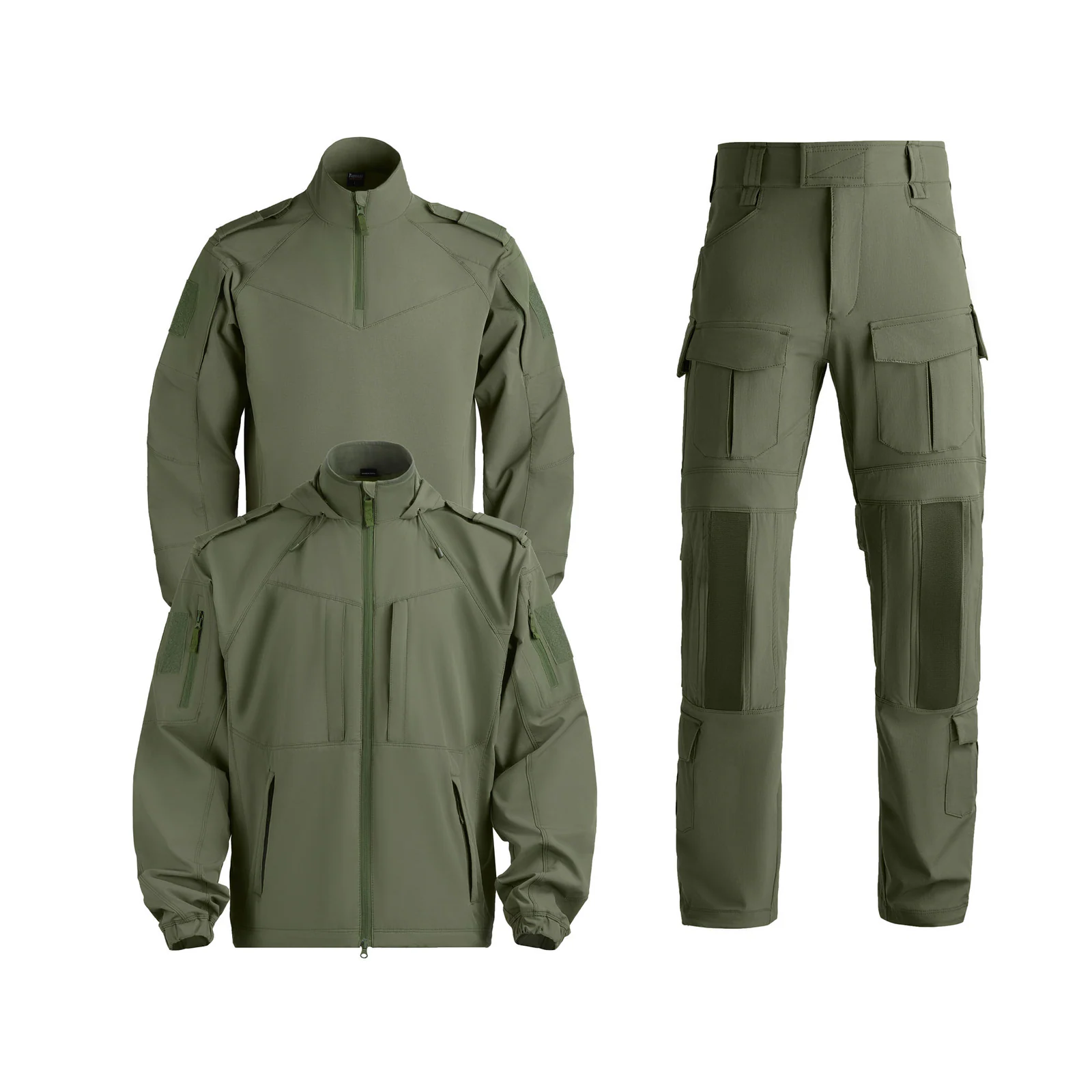
Military & Camouflage Uniform Systems
Configurable BDU, ACU-style, combat and training uniform programs for institutional procurement.
View products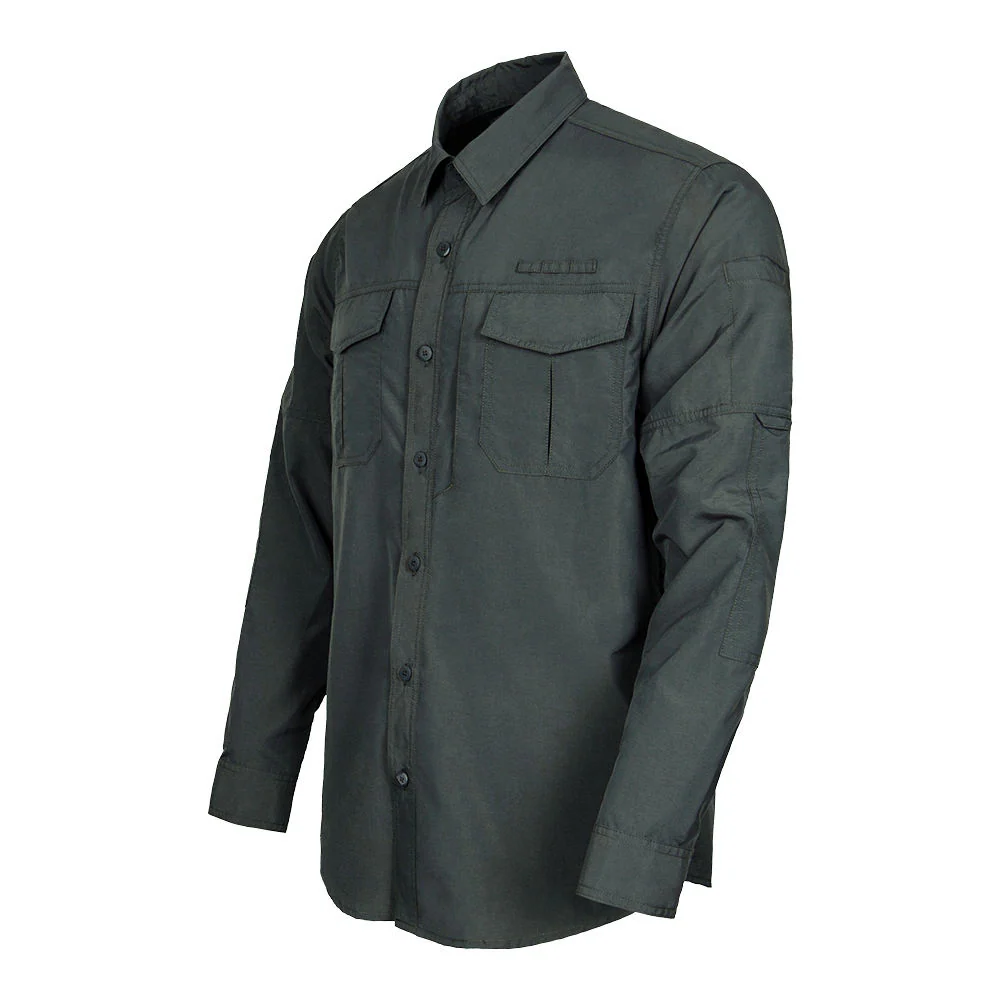
Tactical Apparel
Jackets, shirts, trousers and field layers configured for duty, training and contractor programs.
View products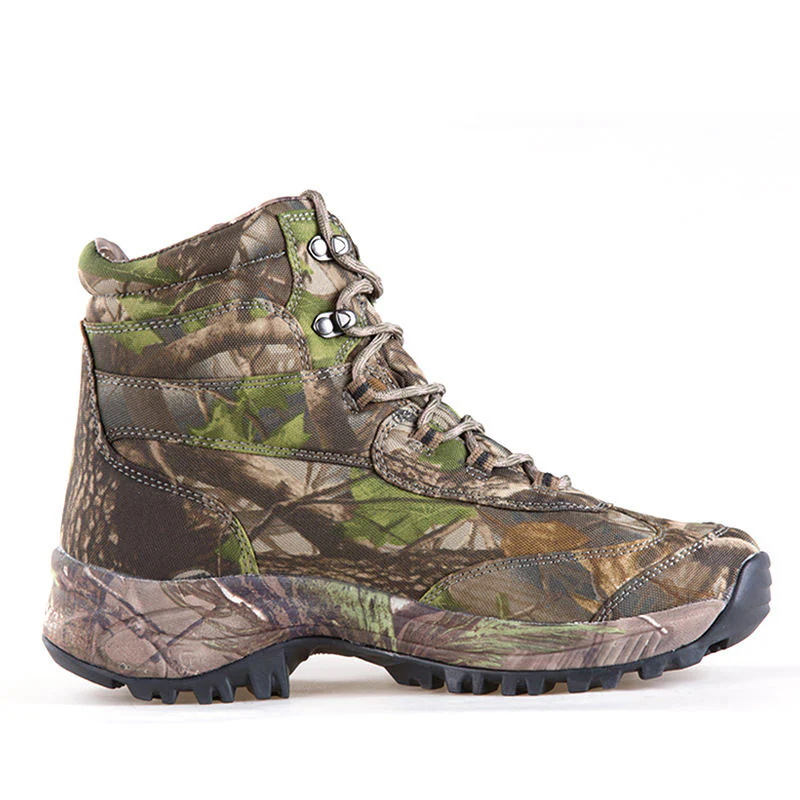
Tactical Footwear, Headwear & Accessories
Boots, shoes, socks, caps, hats, gloves and eyewear for coordinated duty and field-use programs.
View products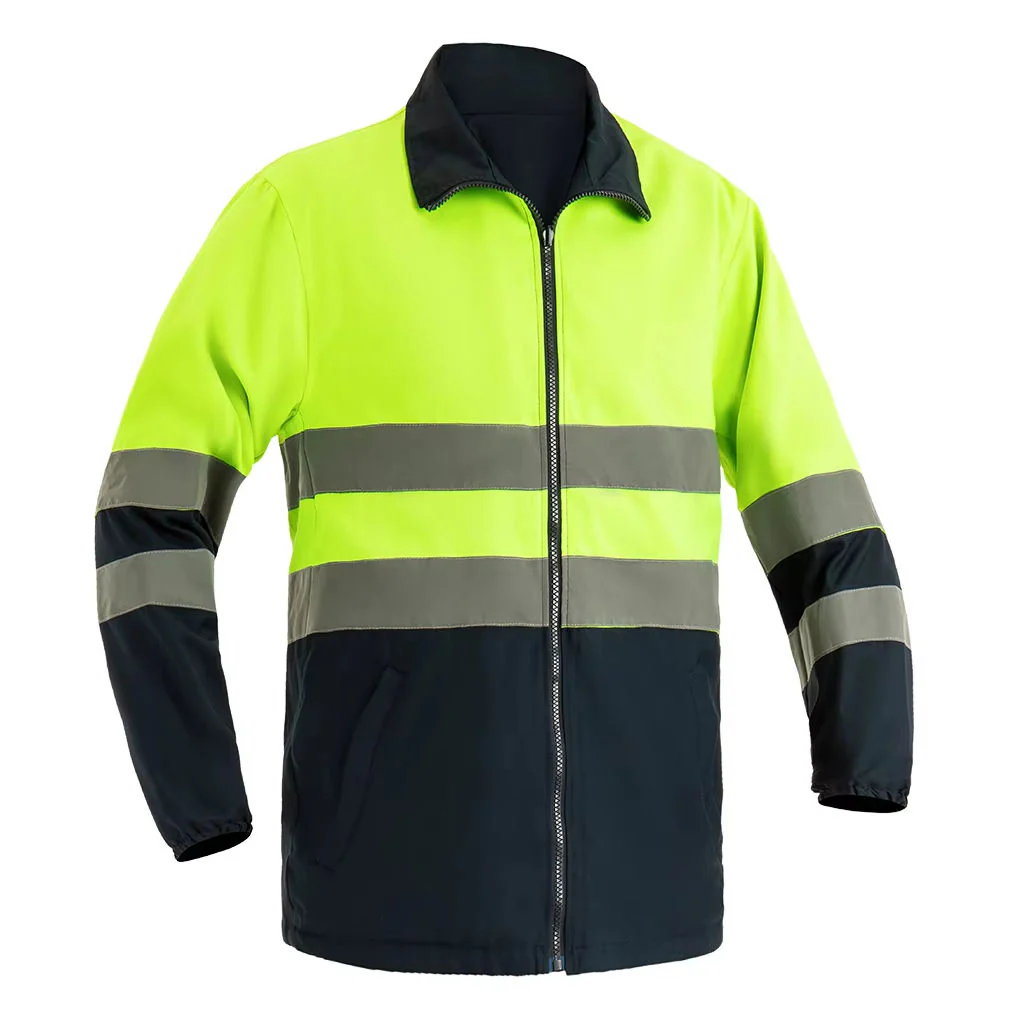
Institutional Uniforms & Workwear
Uniform programs for government departments, public institutions and enterprise workforces.
View products