
Buyer question
what fabric are military uniforms made of
There is no single military-uniform fabric. The U.S. Army’s standard non-flame-resistant ACU, for example, uses a 50/50 nylon-cotton blend, while the IHWCU uses 57 percent nylon and 43 percent cotton. Flame-resistant combat uniforms, dress garments, insulating layers and rain shells use different materials. Identify the exact service, garment and version, then verify fibre content, fabric construction, mass, finish and performance evidence for that finished item.
Why military uniforms use different fabrics
- Fibre content changes between combat, hot-weather, flame-resistant, dress, insulated and rain-protection garments.
- Weave or knit, fabric mass, finish and garment construction matter in addition to the listed percentages.
- Material information must be tied to the exact uniform version and governing specification.
Identify the exact garment before reading the blend
Name the service, garment category, climate version and protective variant, then confirm that identity against the sewn-in labels and applicable specification.
Record fibre percentages together with fabric construction, mass, colour or print and applied finish.
Request evidence for relevant finished-garment claims and compare a production-representative sample with the approved material and shade references.
Army fabric examples and what the percentages omit
DA PAM 670-1 lists several Army combat-uniform examples: 50 percent nylon and 50 percent cotton for the ACU, 57 percent nylon and 43 percent cotton for the IHWCU, and a different fibre combination for the flame-resistant combat uniform. Those figures answer what the named version contains, not what every military uniform contains.
Other uniform families solve other tasks. A service-uniform fabric prioritizes appearance and tailoring; an insulating layer manages warmth; and a wet-weather shell needs a weather barrier and suitable seams. Treating all of them as one “military fabric” obscures the actual requirement.
Two fabrics with the same fibre percentages can behave differently because yarn, weave, mass, finish, dyeing, printing and aftercare differ. Finished-garment design and conditioning should therefore be included when assessing drying, strength, flame or rain claims.
Use the 50/50 nylon-cotton figure only when discussing the specified non-flame-resistant U.S. Army ACU—not uniforms in general.
Use the IHWCU’s 57/43 nylon-cotton blend as one hot-weather Army example, then evaluate its garment design and authorized use as well as the blend.
For a protective or weather layer, require the material system and applicable test evidence instead of substituting a familiar combat-uniform blend.
Before you order
- Avoid using “military grade” as a substitute for fibre content, construction, specification or test results.
- Flame, drying, insect, infrared and waterproof claims belong to the exact blend and uniform version tested; they are not transferable by resemblance.
Related products, services and guides
Continue with the product family, sourcing service or practical guide that best matches your next step.
Find a relevant product
Explore product categories
Open a category to compare available product families, then include the product type, quantity, destination and customization needs in your enquiry.
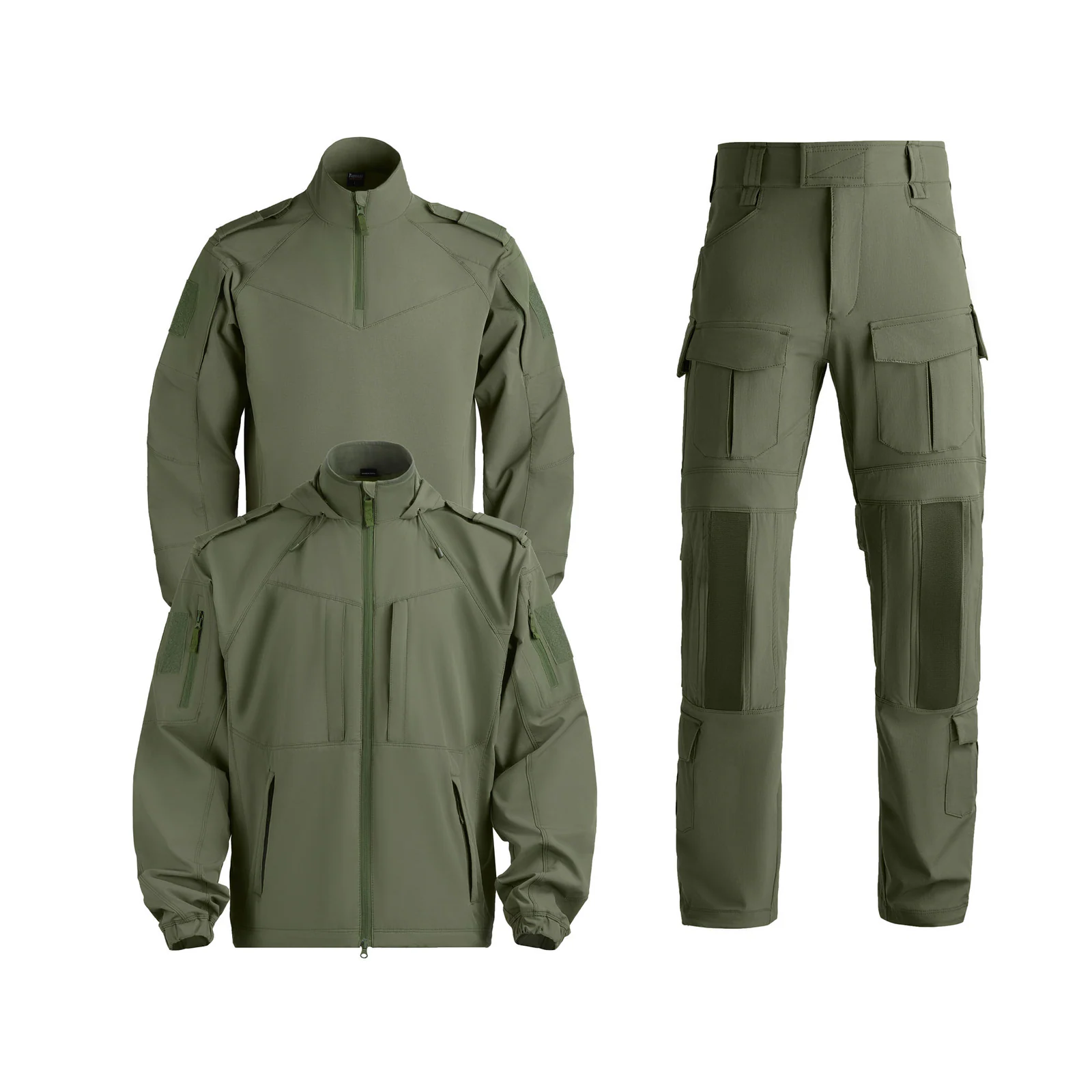
Military & Camouflage Uniform Systems
Configurable BDU, ACU-style, combat and training uniform programs for institutional procurement.
View products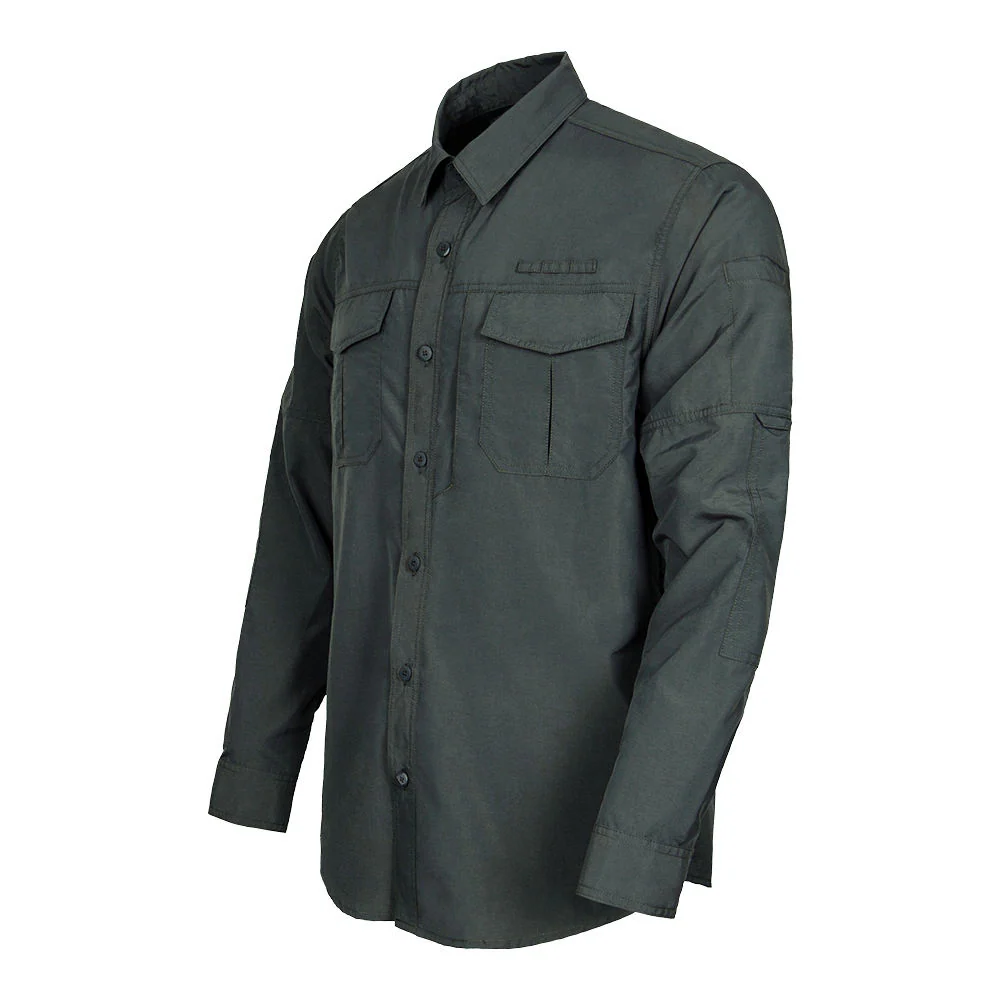
Tactical Apparel
Jackets, shirts, trousers and field layers configured for duty, training and contractor programs.
View products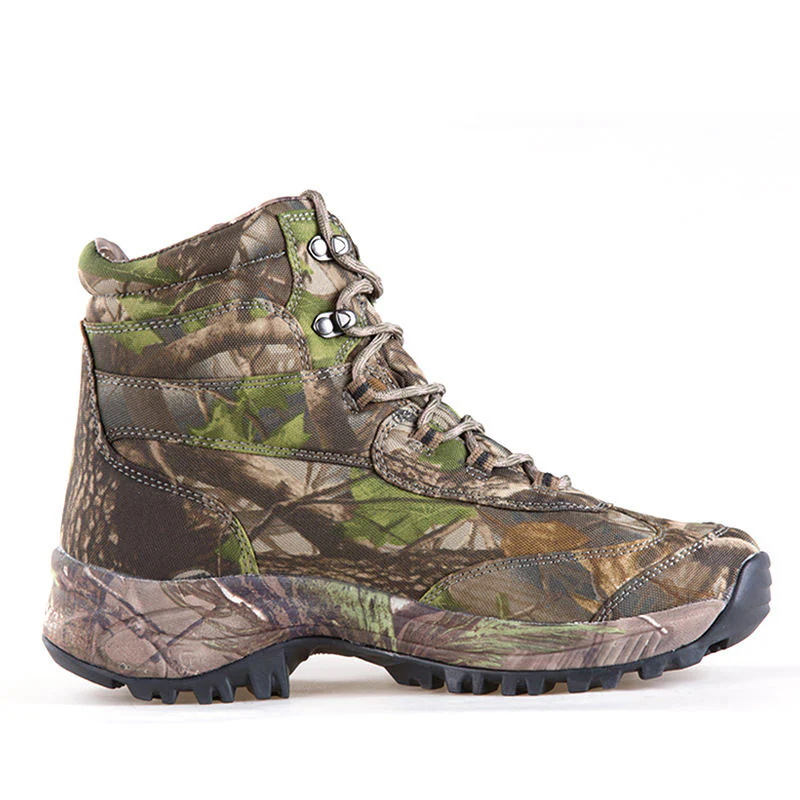
Tactical Footwear, Headwear & Accessories
Boots, shoes, socks, caps, hats, gloves and eyewear for coordinated duty and field-use programs.
View products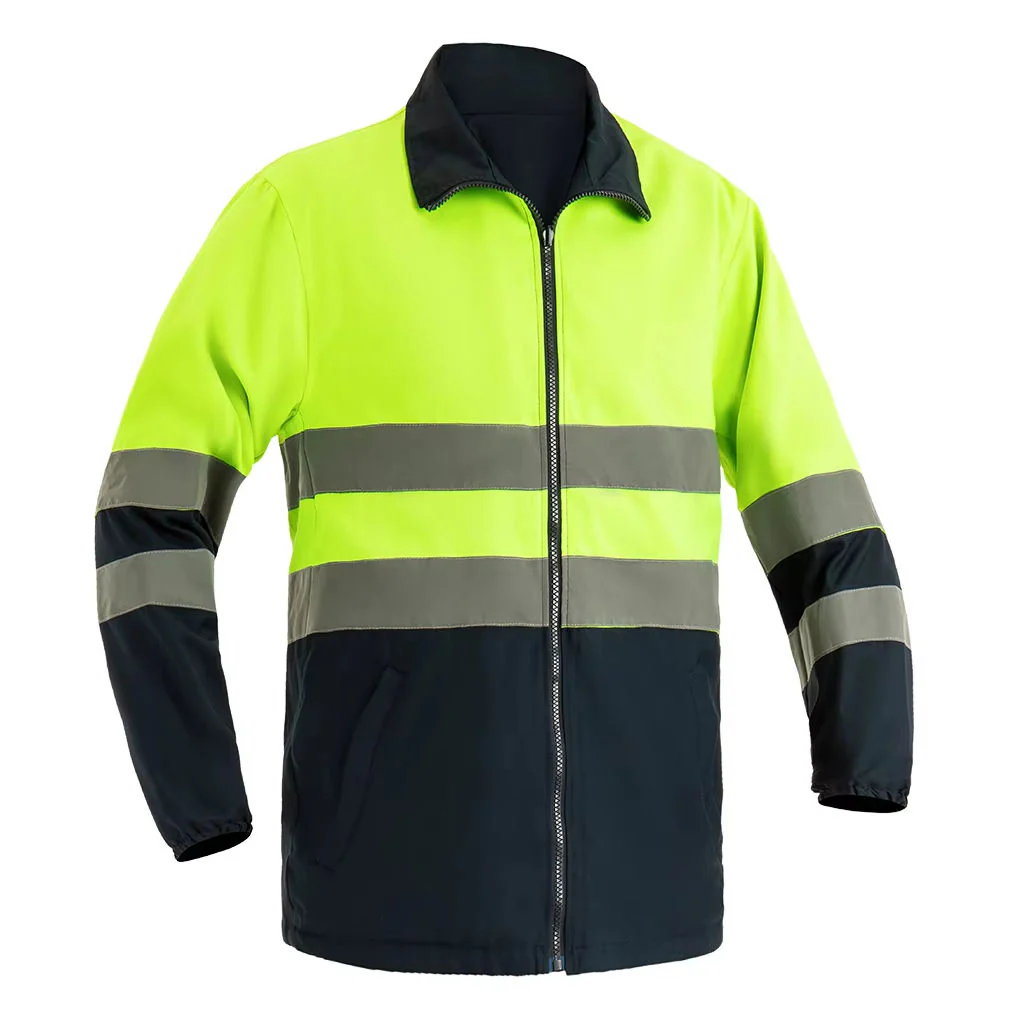
Institutional Uniforms & Workwear
Uniform programs for government departments, public institutions and enterprise workforces.
View products