
Buyer question
how military uniform should fit
A military uniform should look neat while allowing full movement, correct layering and safe use of duty equipment. For the U.S. Army combat uniform, official guidance says the coat should fit easily over the chest or bust and shoulders without restricting the arms; trousers should allow bending and squatting without binding. Use body measurements and the exact size chart, then check the complete uniform with intended underlayers, boots, armor and load carriage—not by label size alone.
Fit must preserve both appearance and movement
- The correct fit meets the service’s required appearance while leaving enough ease for task movement and approved layers.
- Body measurements and the manufacturer’s exact chart are a starting point; a try-on confirms length, rise, ease and mobility.
- Fit must be assessed with boots, armor, belts, packs or other equipment that will actually be worn.
Measure, try on and check the duty system
Take the body measurements required by the exact uniform size chart without substituting a casual-clothing size.
Try the coat and trousers over the intended base layers and fasten every normal closure.
Check arm reach, shoulder movement, sitting, kneeling, squatting, stepping and pocket access for binding or excessive displacement.
Add the intended boots, body armor, duty belt and load carriage, then recheck overlap, pressure points and access across representative sizes before documenting any authorized alteration.
Army coat, trouser and headgear fit cues
DA PAM 670-1 gives specific ACU cues. The coat should fit easily over the chest or bust and shoulders, allow free use of the arms, and fall to the prescribed area near the trouser cargo-pocket flap. The trousers should fit easily at the waist, avoid binding at the crotch and leave enough seat ease for bending and squatting.
Headgear also has a functional fit. The Army patrol cap is worn snug and level with the visor straight across the forehead and clear of vision. Other garments and services have their own standards, so this ACU guidance should not be copied onto a dress coat, flight garment or another service’s uniform.
For procurement, test the smallest, middle and largest representative sizes rather than approving only one attractive sample. Grade rules can introduce problems in sleeve length, rise, pocket position and equipment interfaces even when the base size fits well.
A combat coat is too small if closing it pulls the front edges out of line or prevents unrestricted arm movement over the intended layer.
Combat trousers are unsuitable if the crotch binds, the seat prevents a full squat, or the length cannot blouse as prescribed over the boots.
A fit is not approved until armor and load carriage can be donned without opening unintended gaps, trapping closures or blocking required pockets.
Before you order
- Preserve the ease required for movement and equipment; a slimmer silhouette does not justify an alteration the issuing authority has not permitted.
- A nominal size is not transferable across services, uniform families, suppliers or standard and alternate fit blocks.
Related products, services and guides
Continue with the product family, sourcing service or practical guide that best matches your next step.
Find a relevant product
Explore product categories
Open a category to compare available product families, then include the product type, quantity, destination and customization needs in your enquiry.
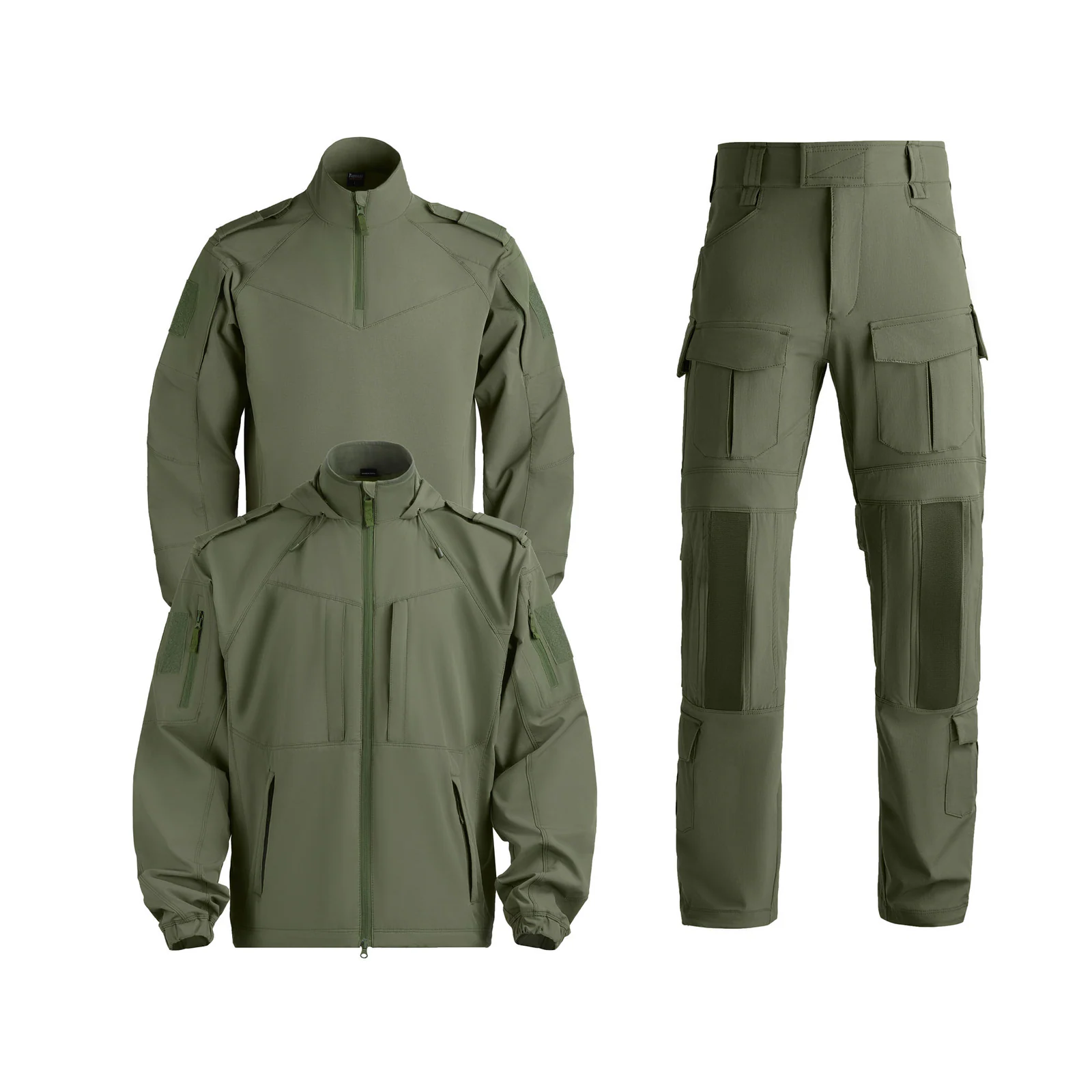
Military & Camouflage Uniform Systems
Configurable BDU, ACU-style, combat and training uniform programs for institutional procurement.
View products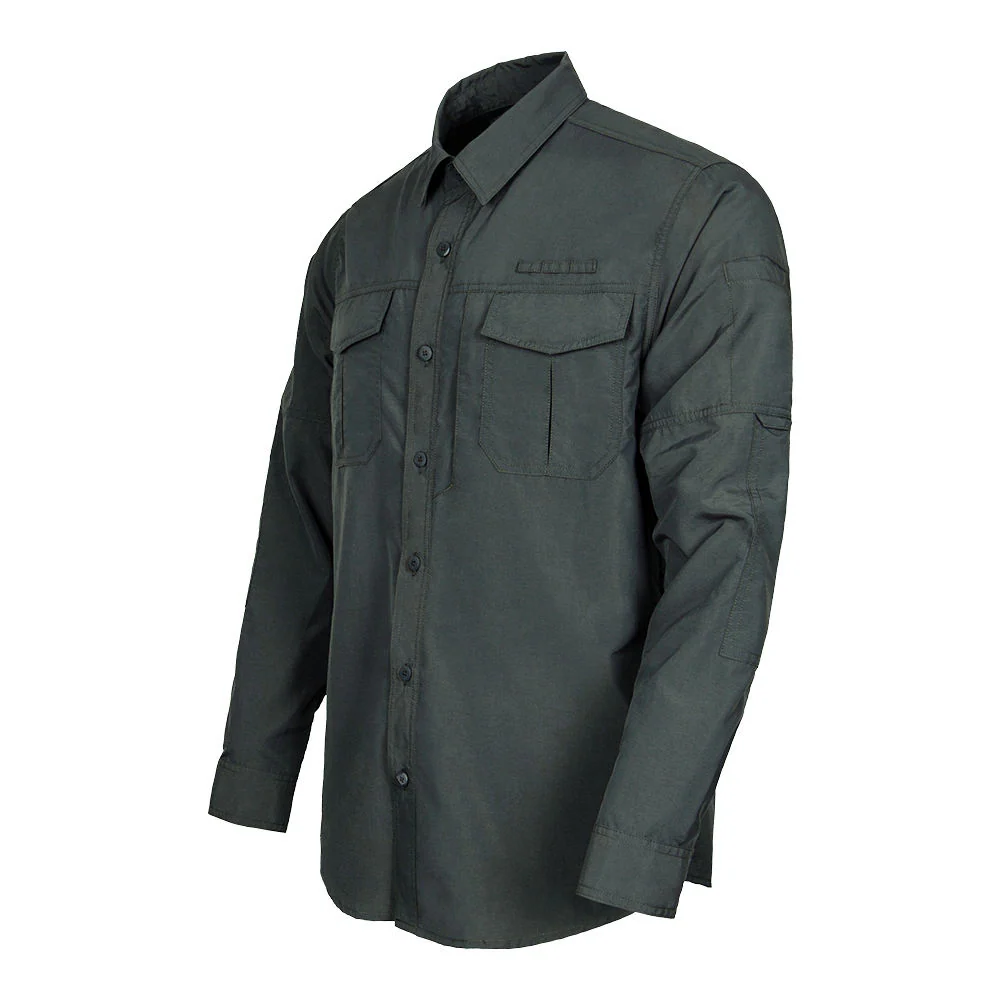
Tactical Apparel
Jackets, shirts, trousers and field layers configured for duty, training and contractor programs.
View products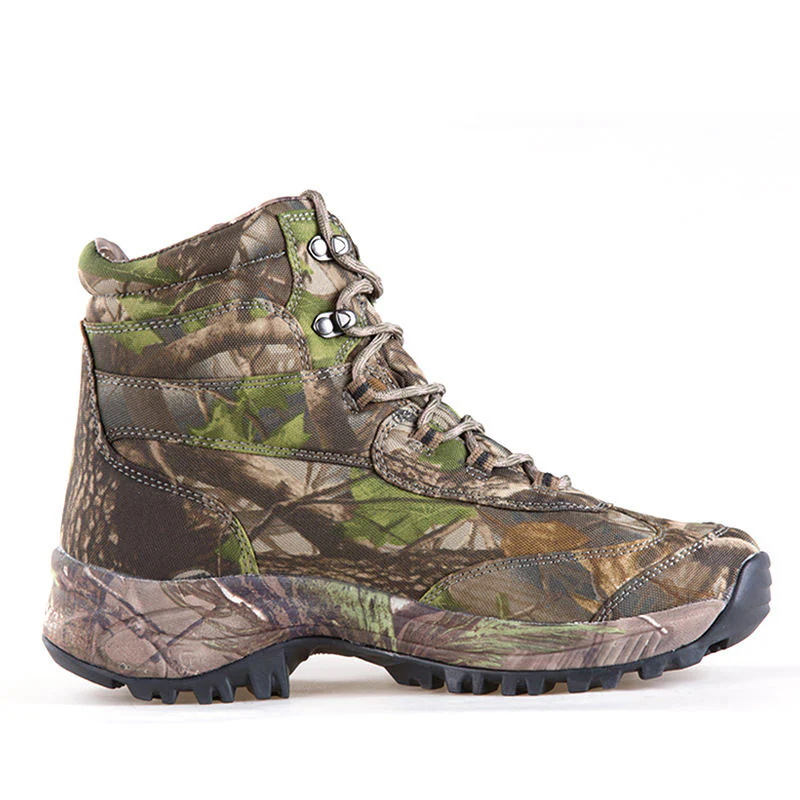
Tactical Footwear, Headwear & Accessories
Boots, shoes, socks, caps, hats, gloves and eyewear for coordinated duty and field-use programs.
View products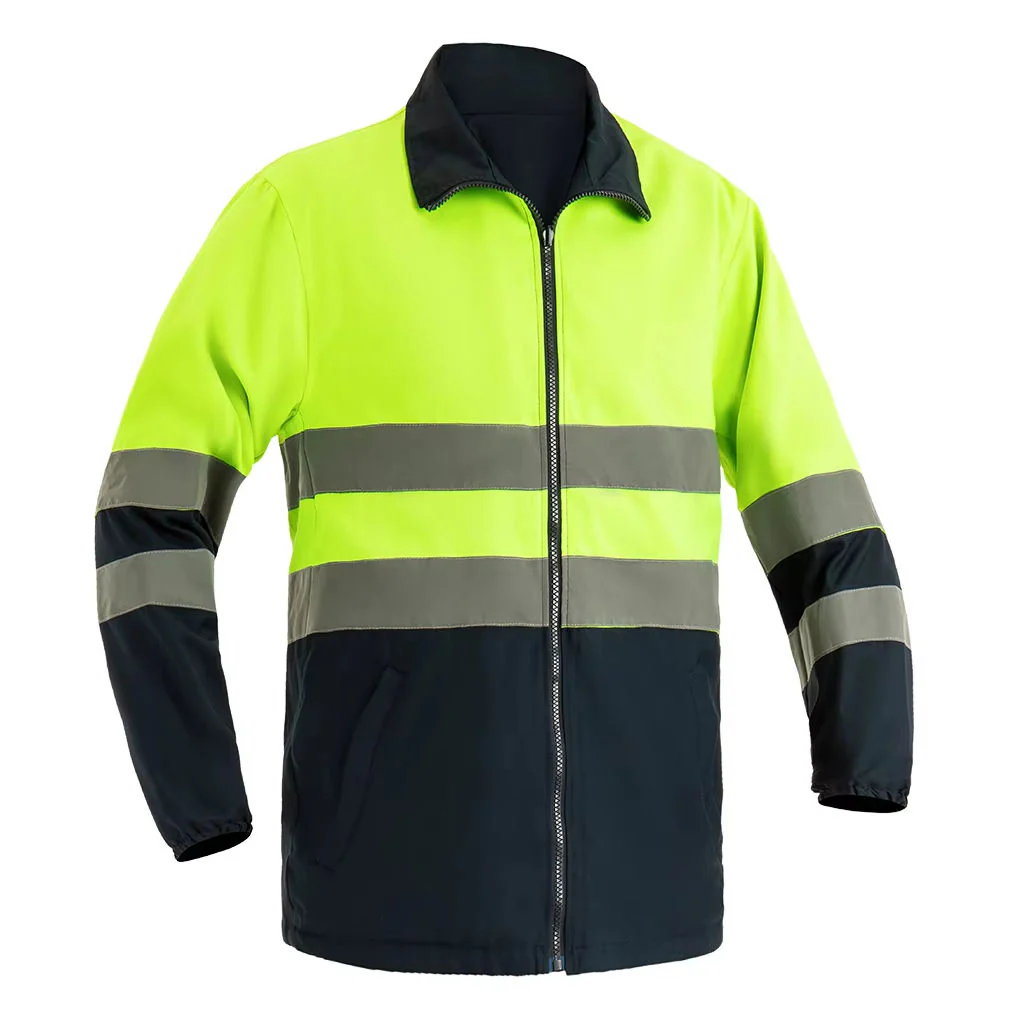
Institutional Uniforms & Workwear
Uniform programs for government departments, public institutions and enterprise workforces.
View products