
Buyer question
How do winter uniforms differ from standard military uniforms?
Winter military clothing is usually an adjustable layer system rather than a heavier version of one standard uniform. Base layers manage moisture, insulating layers retain heat, and outer layers address wind or rain. The combination changes with temperature, precipitation, activity and body armor. A useful requirement therefore defines the operating environment, movement level and layer interfaces instead of treating “winter uniform” as a complete material specification.
Why cold-weather clothing works as a system
- Cold-weather capability comes from coordinated moisture-management, insulation and weather-protection layers.
- Activity level, precipitation, wind, temperature and equipment interfaces determine which layers are worn together.
- Each component needs its own material, sizing, care and acceptance criteria; “winter” alone is not measurable.
Define the cold-weather mission before choosing layers
Record the expected temperature band, wind, rain or snow exposure, activity level and duration, then map which moisture, insulation and weather-protection layers those conditions require.
Check range of motion and moisture escape with the intended body armor, load carriage and gloves.
Review the care label and drying method for every layer, especially insulated and laminated components.
Evaluate a complete sample system during both movement and lower-activity periods before approving bulk production.
Moisture, insulation and outer-layer roles
A standard combat uniform is primarily a work or field layer. Cold-weather systems add components that can be put on, vented or removed as work rate and weather change. The U.S. Army’s GEN III ECWCS illustrates this approach: its pieces function alone or together through insulation, layering and ventilation.
The layers solve different problems. A base layer moves moisture away from skin; an insulating layer traps warm air; a soft shell balances air movement and protection; and a designated hard shell handles prolonged cold rain. More insulation is not always better during strenuous movement because retained sweat can reduce comfort when activity stops.
For sourcing, define how adjacent layers overlap, how closures work with gloves, and whether outer dimensions accommodate the approved underlayers. A fabric test on one component does not demonstrate the thermal or weather performance of the assembled clothing system.
For repeated movement followed by static observation, favor a system that can vent during work and accept added insulation during the static phase without changing the prescribed equipment interface.
For prolonged cold rain, require a designated wet-weather shell and approve the complete stack only after it preserves mobility, pocket access and compatibility with issued equipment.
Before you order
- A temperature rating is meaningful only when it names the complete ensemble, activity assumptions, conditioning and test method.
- Where service or command policy governs wear, an unauthorized commercial layer cannot simply replace issued or prescribed clothing.
Related products, services and guides
Continue with the product family, sourcing service or practical guide that best matches your next step.
Find a relevant product
Explore product categories
Open a category to compare available product families, then include the product type, quantity, destination and customization needs in your enquiry.
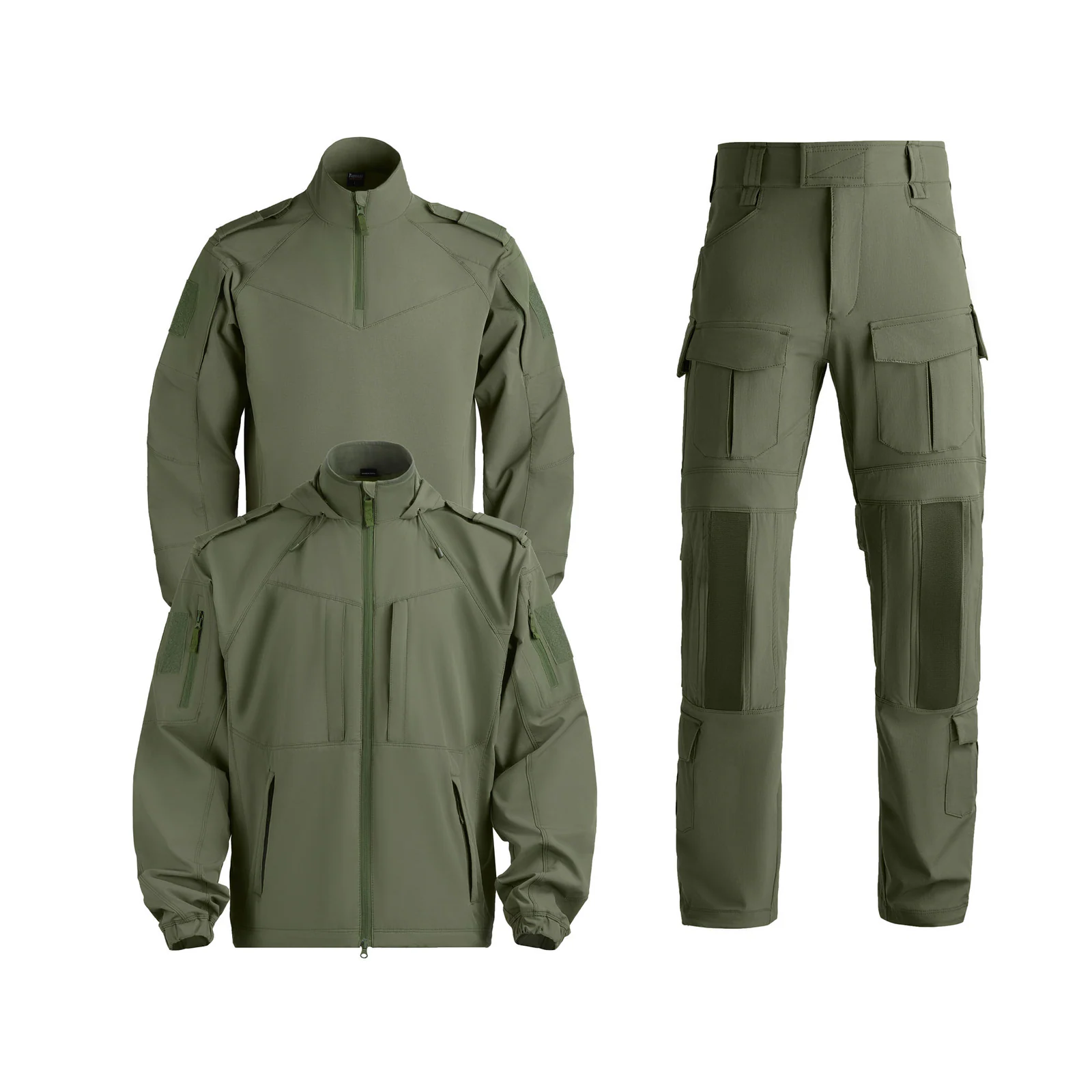
Military & Camouflage Uniform Systems
Configurable BDU, ACU-style, combat and training uniform programs for institutional procurement.
View products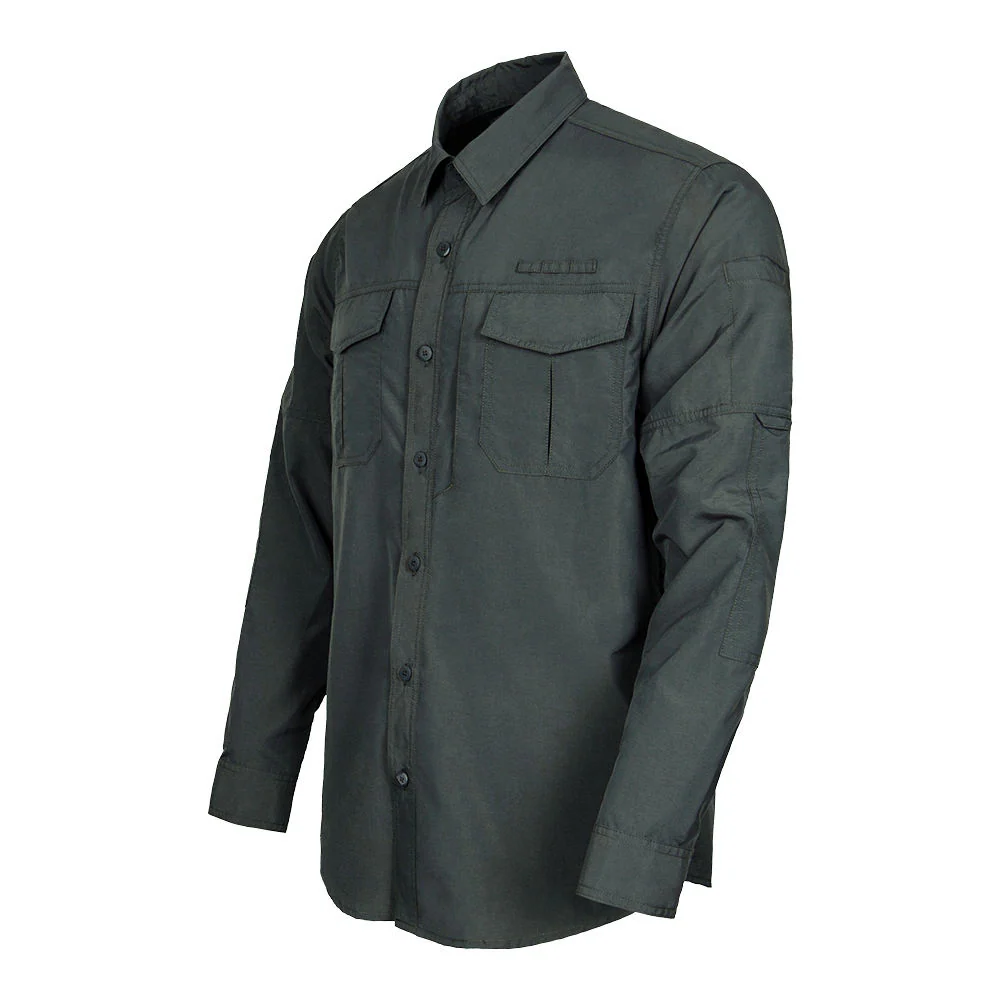
Tactical Apparel
Jackets, shirts, trousers and field layers configured for duty, training and contractor programs.
View products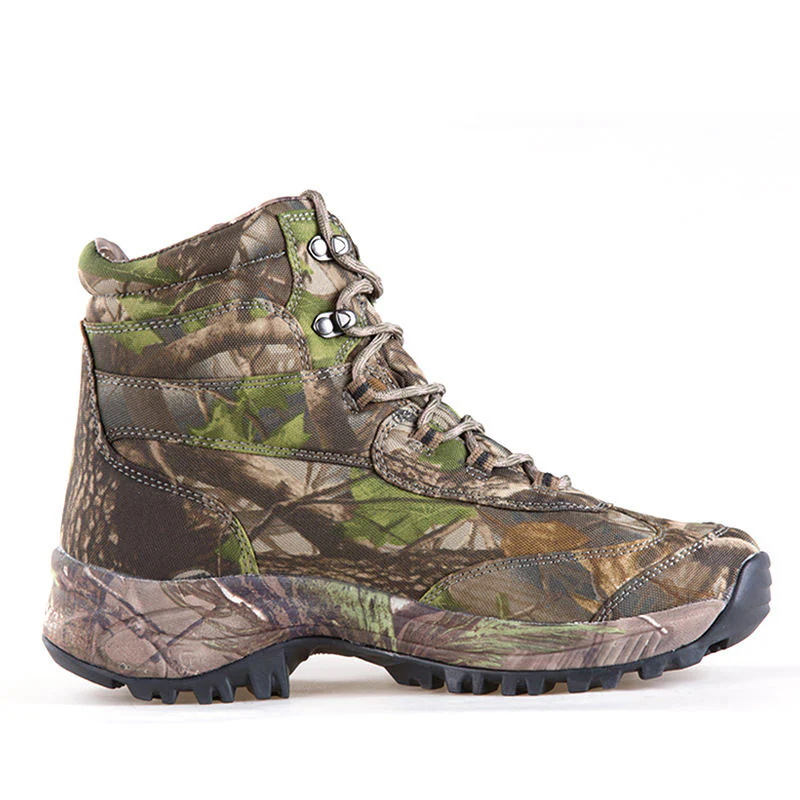
Tactical Footwear, Headwear & Accessories
Boots, shoes, socks, caps, hats, gloves and eyewear for coordinated duty and field-use programs.
View products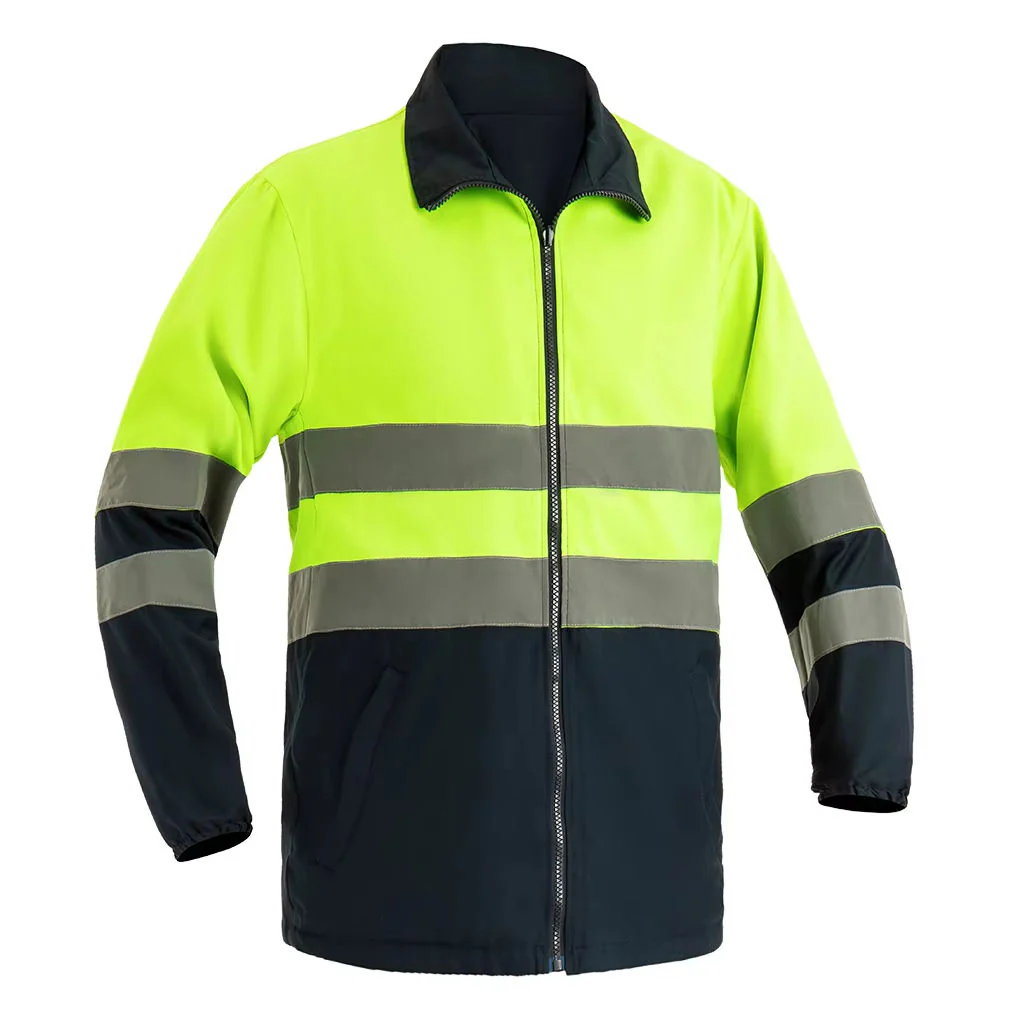
Institutional Uniforms & Workwear
Uniform programs for government departments, public institutions and enterprise workforces.
View products