
Buyer question
What are the different types of military uniforms for women?
Women use the same main uniform categories as other personnel—combat or field, service, dress, physical training and climate-specific clothing—but may need alternate fit blocks, maternity versions and a broader size range. In the U.S. Army, the ACU-Alternate improves fit for female and smaller-stature Soldiers, while maternity and hot-weather options have their own authorization. Choose the duty category first, then validate measurements, mobility, underlayers and equipment interfaces on representative wearers.
Duty category first, fit option second
- Combat, service, dress, training and climate-specific categories are defined by duty and occasion, not by sex alone.
- Alternate cuts and broader size ranges can improve fit for female and smaller-stature wearers while preserving the required appearance.
- Maternity clothing is an authorized uniform option with its own issue process, not simply an oversized standard garment.
- Maternity items and optional components remain subject to the current service regulation, issue process and commander direction.
Choose the authorized uniform and validate the fit block
Identify the service, duty or event, climate and current wear authority, then list the standard, alternate-fit or maternity options actually authorized for it.
Collect wearer measurements and compare both the standard and any authorized alternate size system without converting from civilian sizing.
Fit the coat and trousers with intended underlayers, footwear, body armor or duty equipment.
Check reach, kneeling, sitting, pocket access, waist and hip ease, trouser rise and garment length on representative wearers; route maternity needs through the prescribed issue process.
Combat, service, dress and maternity choices
The primary types are functional: combat or utility clothing for field and work duties, service uniforms for professional settings, dress or ceremonial uniforms, physical-fitness clothing, and climate or job-specific garments. Women may have authorized skirts, slacks, footwear or other optional components within a service or dress uniform, but the governing publication determines the combination.
The Army Combat Uniform-Alternate is a fit option rather than a different duty uniform. CPE Ground states that it was designed to improve fit and sizing for female and smaller-stature Soldiers. The most suitable choice depends on the individual body shape, so both standard and alternate cuts should be tried where available.
Maternity utility and service uniforms have separate authorization and issue rules. A buyer developing a broader commercial size range should still preserve the approved uniform appearance and verify grading through a representative size set instead of assuming that reducing a men’s pattern will produce correct bust, waist, hip, rise and shoulder proportions.
For field duty, compare the standard ACU and authorized alternate fit, then select the size that permits squatting, arm movement and equipment use without binding.
For a service or dress requirement, verify the prescribed class and whether trousers, slacks, skirt, footwear and maternity components are required or optional for that occasion.
Approve a bulk size plan only when body-measurement coverage, finished-garment ease and grading have been checked on representative women across the intended range.
Before you order
- An alternate cut is a fit option, not a universal choice for women or a separate rank, role or uniform class.
- When a service limits alterations or requires ease for movement and equipment, tailoring an issued uniform to a closer fashion fit is not acceptable.
Related products, services and guides
Continue with the product family, sourcing service or practical guide that best matches your next step.
Find a relevant product
Explore product categories
Open a category to compare available product families, then include the product type, quantity, destination and customization needs in your enquiry.
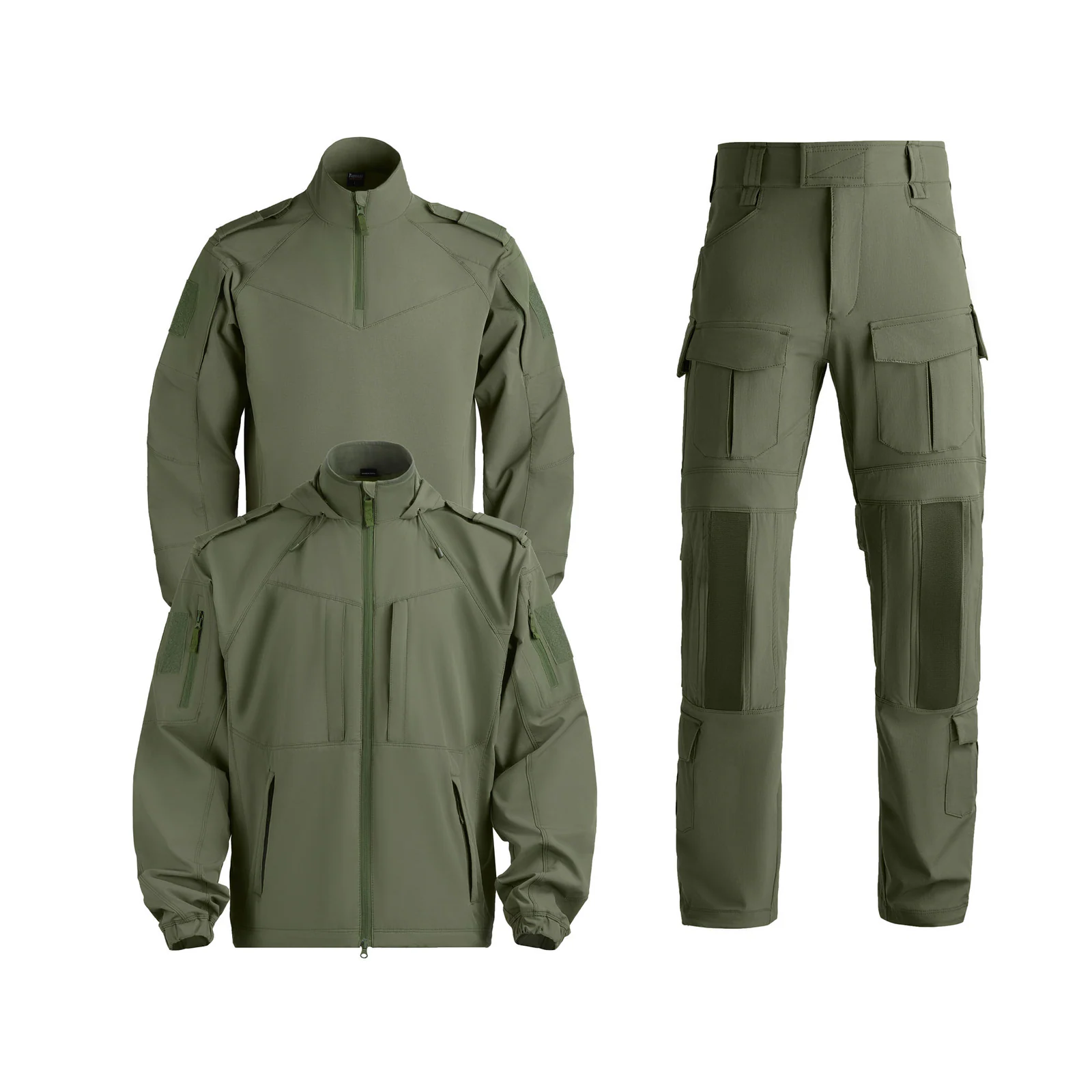
Military & Camouflage Uniform Systems
Configurable BDU, ACU-style, combat and training uniform programs for institutional procurement.
View products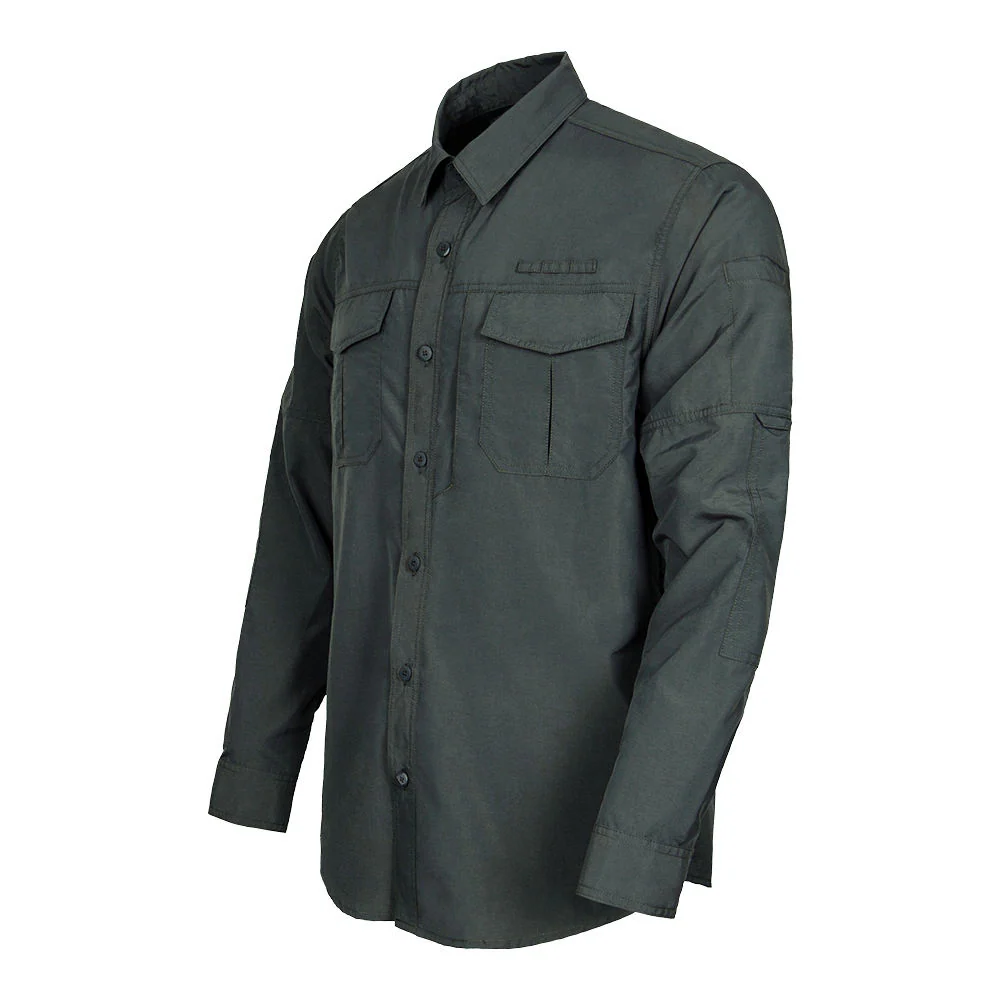
Tactical Apparel
Jackets, shirts, trousers and field layers configured for duty, training and contractor programs.
View products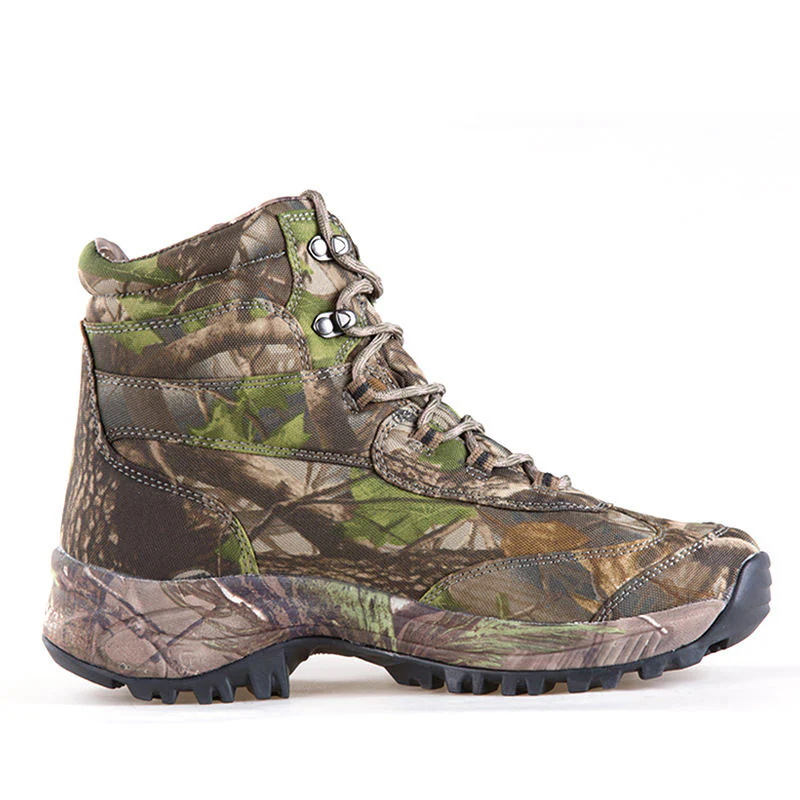
Tactical Footwear, Headwear & Accessories
Boots, shoes, socks, caps, hats, gloves and eyewear for coordinated duty and field-use programs.
View products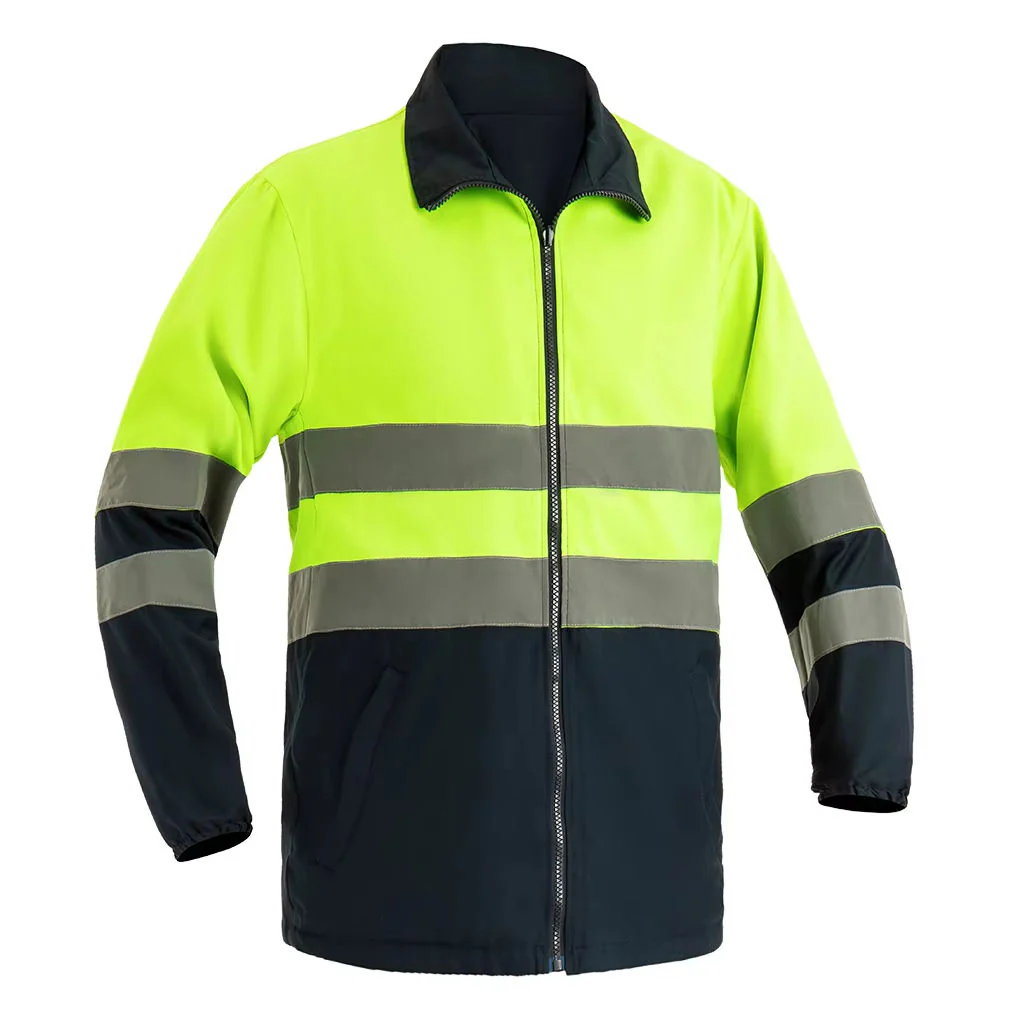
Institutional Uniforms & Workwear
Uniform programs for government departments, public institutions and enterprise workforces.
View products