
Buyer question
How do I choose the right hot weather army uniform?
Choose a hot-weather Army uniform by combining current wear authorization with the actual heat, humidity, rainfall, workload and equipment. For U.S. Army use, the IHWCU is an authorized option whose material and design provide faster drying, breathability and comfort in hot, wet conditions. Compare the exact garment’s fit under armor, durability, pocket access and care instructions, then approve it through a representative wear trial rather than relying on a “lightweight” label.
Match an authorized uniform to hot-weather duty
- Authorization, mission and command policy determine whether a hot-weather uniform may be worn.
- Humidity, rain, work rate, drying opportunities and body armor matter alongside air temperature.
- The finished garment should be evaluated for fit, mobility, pocket access, durability and label-directed care.
From climate profile to wearer trial
Confirm the current Army wear policy and local command direction for the proposed uniform.
Describe heat, humidity, rainfall, sun exposure, work rate and drying opportunities, then compare the exact fabric and construction against that profile.
Fit representative wearers with their normal underlayers, body armor, belt and load carriage.
Run a documented wear trial that checks drying, chafing, reach, heat comfort and durability before approving quantity production.
IHWCU performance, fit and system compatibility
AR 670-1 identifies the Improved Hot Weather Combat Uniform as an authorized Army item and states that its material and design provide faster drying, improved comfort and enhanced breathability in hot and wet environments. Authorization does not mean a commander must require personal purchase, and the regulation says the outer elements of the IHWCU and ACU are not to be mixed.
DA PAM 670-1 identifies the IHWCU fabric as 57 percent nylon and 43 percent cotton. That blend is useful context, but climate performance also depends on weave, garment design, openings, pocket layers, fit and condition after repeated care.
A wear trial should reproduce the intended system. A shirt that feels comfortable by itself may behave differently under armor or a pack, while an overly close fit can reduce movement and press wet fabric against the skin. Heat-risk controls set by the responsible authority still apply regardless of uniform choice.
For hot, humid field work with repeated wetting, prioritize an authorized fast-drying ensemble and verify comfort under the actual load carriage.
For hot but highly abrasive work, balance lower bulk and drying with seam, reinforcement and snag-resistance requirements.
Hold selection if a supplier cannot identify the exact material, finished-garment measurements, care method or evidence supporting its performance claims.
Before you order
- Current Army policy keeps IHWCU and standard ACU outer elements as separate ensembles; follow that restriction when selecting components.
- A commercial hot-weather uniform should be described as official issue or compliant only when authorization and exact specification evidence support the claim.
Related products, services and guides
Continue with the product family, sourcing service or practical guide that best matches your next step.
Find a relevant product
Explore product categories
Open a category to compare available product families, then include the product type, quantity, destination and customization needs in your enquiry.
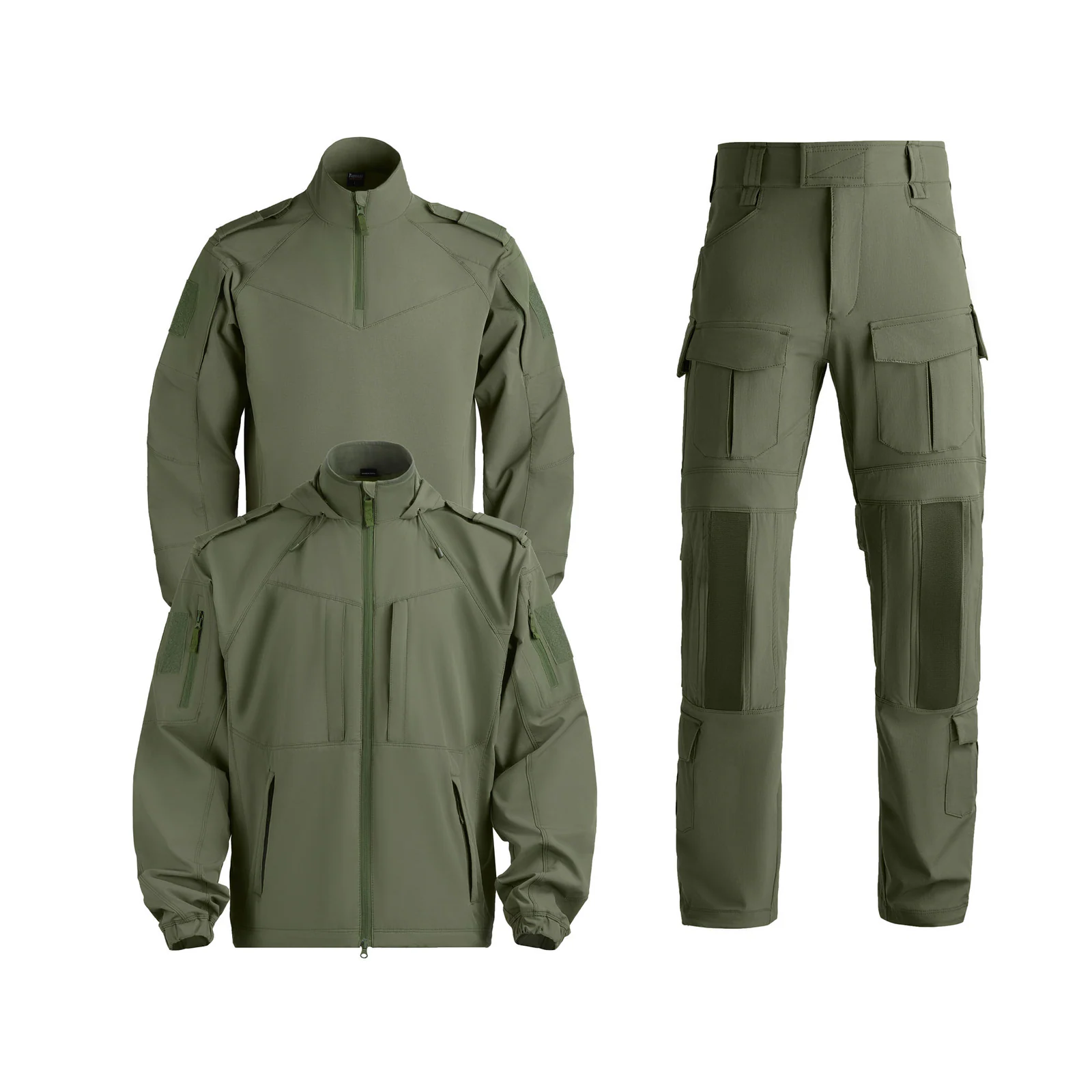
Military & Camouflage Uniform Systems
Configurable BDU, ACU-style, combat and training uniform programs for institutional procurement.
View products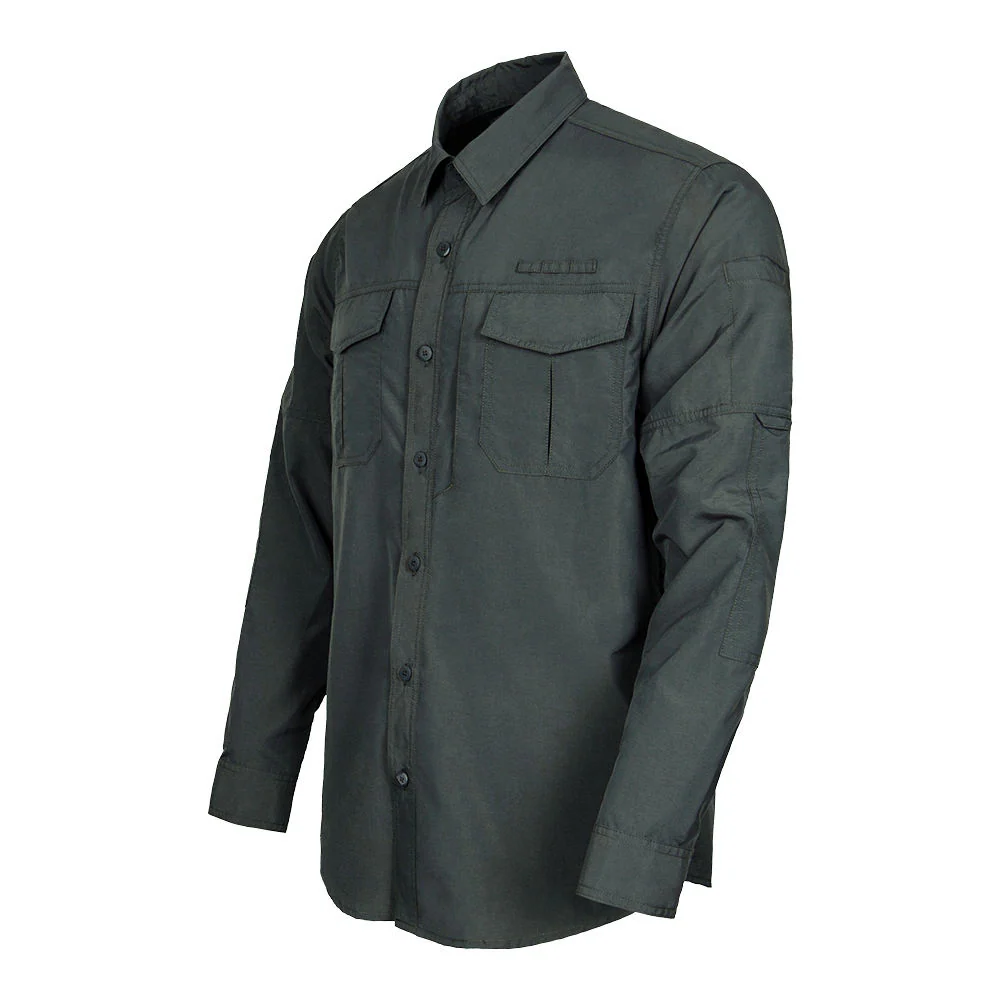
Tactical Apparel
Jackets, shirts, trousers and field layers configured for duty, training and contractor programs.
View products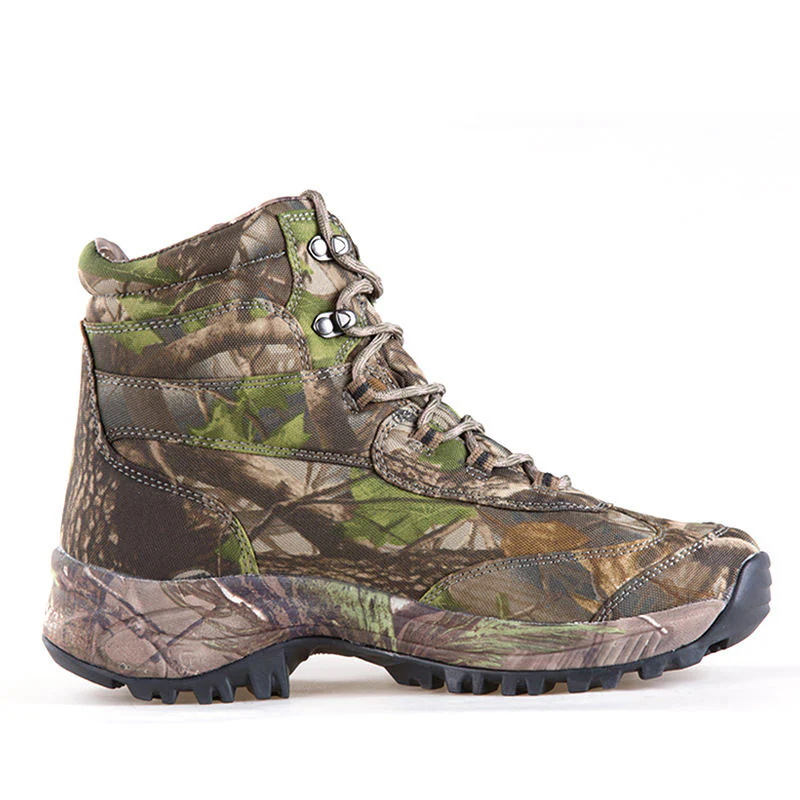
Tactical Footwear, Headwear & Accessories
Boots, shoes, socks, caps, hats, gloves and eyewear for coordinated duty and field-use programs.
View products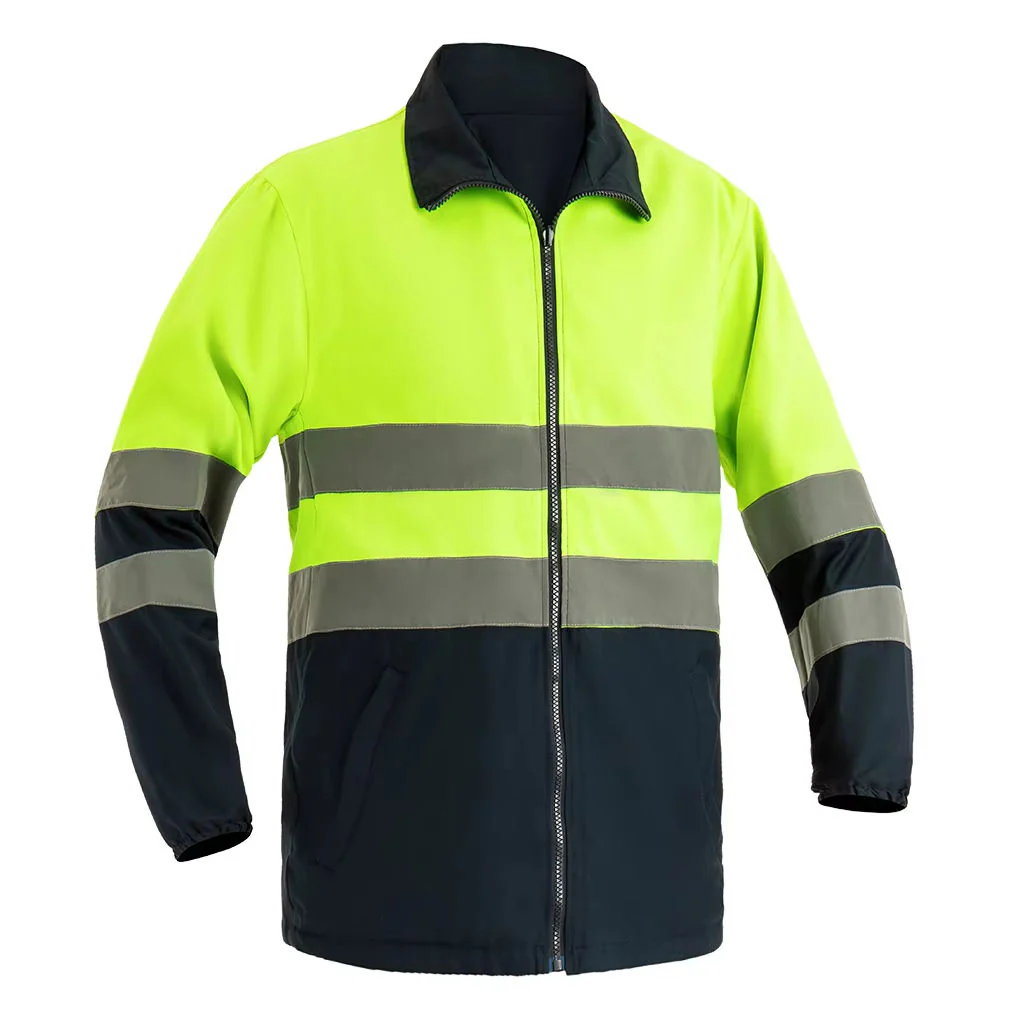
Institutional Uniforms & Workwear
Uniform programs for government departments, public institutions and enterprise workforces.
View products