
Buyer question
how to take care of military uniforms
Good military-uniform care starts with the sewn-in label because combat, flame-resistant, insect-treated, waterproof, insulated and dress garments are not maintained the same way. Empty pockets, secure closures, use only the specified detergent and temperature, dry as directed, and inspect seams, fasteners and high-wear areas before reuse. Avoid unapproved starch, bleach, dry cleaning, high heat or alterations that can damage a treatment or change the authorized appearance.
Preserve function as well as appearance
- Identify the exact garment and follow its care label before applying any general cleaning advice.
- Routine inspection catches seam, closure, abrasion and treatment problems before the next duty.
- Clean, fully dry storage helps prevent avoidable odor, mildew and damage between periods of use.
- Starch, bleach, solvent cleaning, heat, reproofing and alterations should never be assumed acceptable.
A label-led care routine from wear to storage
- 01
After wear, empty every pocket and inspect the garment for soil, moisture, tears, loose stitching and damaged closures.
- 02
Read the care label and separate items that require different detergents, cycles, temperatures or professional handling.
- 03
Prepare detachable items and closures as directed, then wash and dry using the least aggressive approved method.
- 04
Allow the uniform to dry fully, reshape or hang it only as permitted, and store it clean in a dry, ventilated place.
- 05
Route repairs, replacement, re-treatment or alterations through the issuing authority when function or authorized appearance may be affected.
Cleaning, inspection and controlled repair
Care begins before the washer. Soil type, attached hardware, removable insignia, hook-and-loop fasteners and damaged seams can change how an item should be prepared. The official Army ACU routine is a useful example, but it is not a universal instruction for a dress coat or laminated shell.
For the Army combat uniform, DA PAM 670-1 prohibits starching, dry cleaning and steam pressing and specifies cold water, suitable mild detergent and controlled drying. These limits protect the garment’s treatments and durability as well as its appearance.
Inspection is part of care. Abrasion, seam opening, delamination, failed fasteners or a missing label can affect serviceability. Make only repairs and alterations allowed for the item; if a protective layer’s construction or treatment is compromised, obtain direction from the issuer rather than hiding the damage with an improvised patch or coating.
For an ACU, use the published combat-uniform wash method and check high-wear seams, pocket closures and cuffs after drying.
For a waterproof shell, service coat or dress garment, use that item’s own re-treatment, pressing or professional-care directions rather than importing ACU detergent and heat assumptions.
Before you order
- A sharper appearance never justifies starch, steam pressing or dry cleaning when the garment instructions prohibit those processes.
- Unauthorized repairs, alterations or treatments can mask damage, impair protection or change the prescribed appearance.
Related products, services and guides
Continue with the product family, sourcing service or practical guide that best matches your next step.
Find a relevant product
Explore product categories
Open a category to compare available product families, then include the product type, quantity, destination and customization needs in your enquiry.
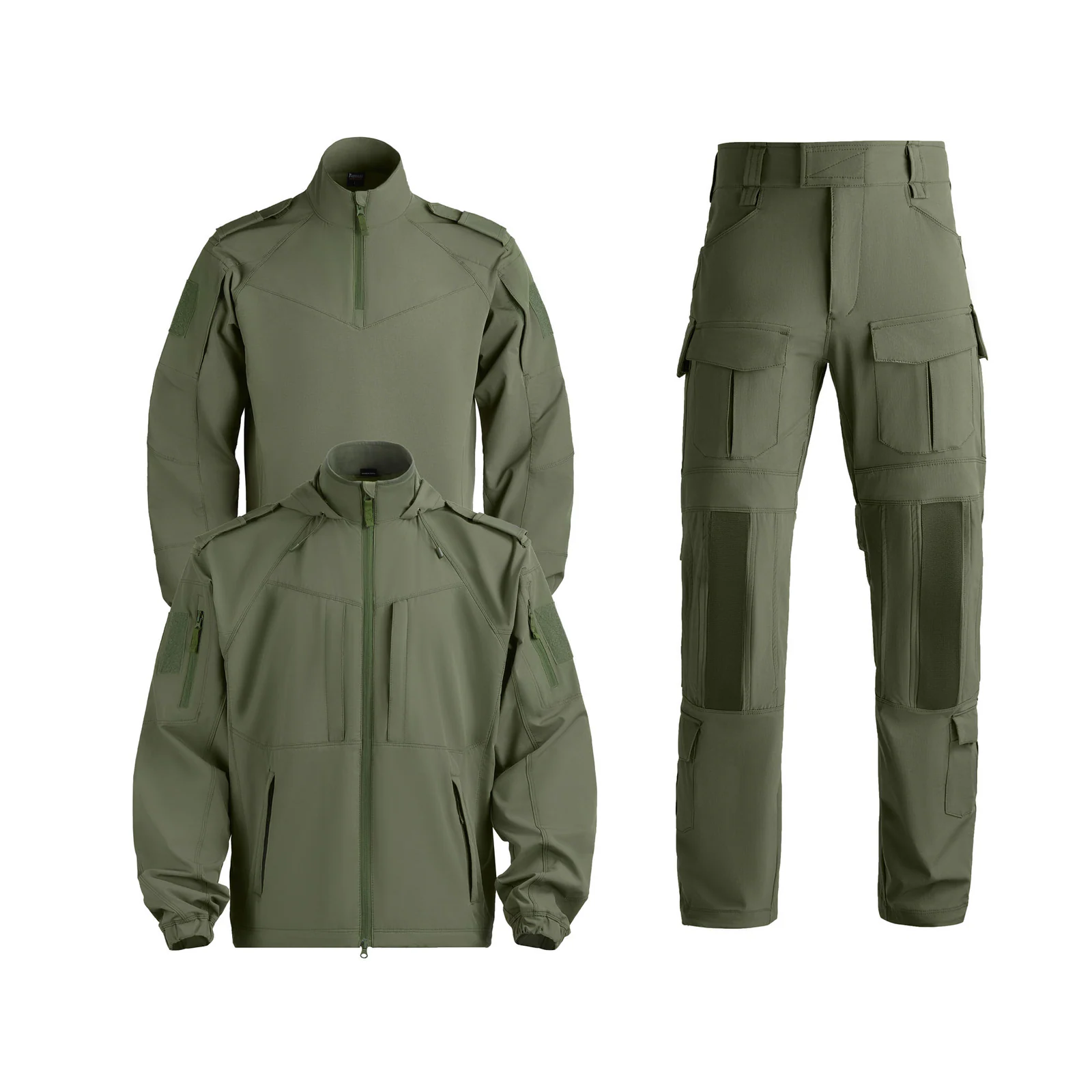
Military & Camouflage Uniform Systems
Configurable BDU, ACU-style, combat and training uniform programs for institutional procurement.
View products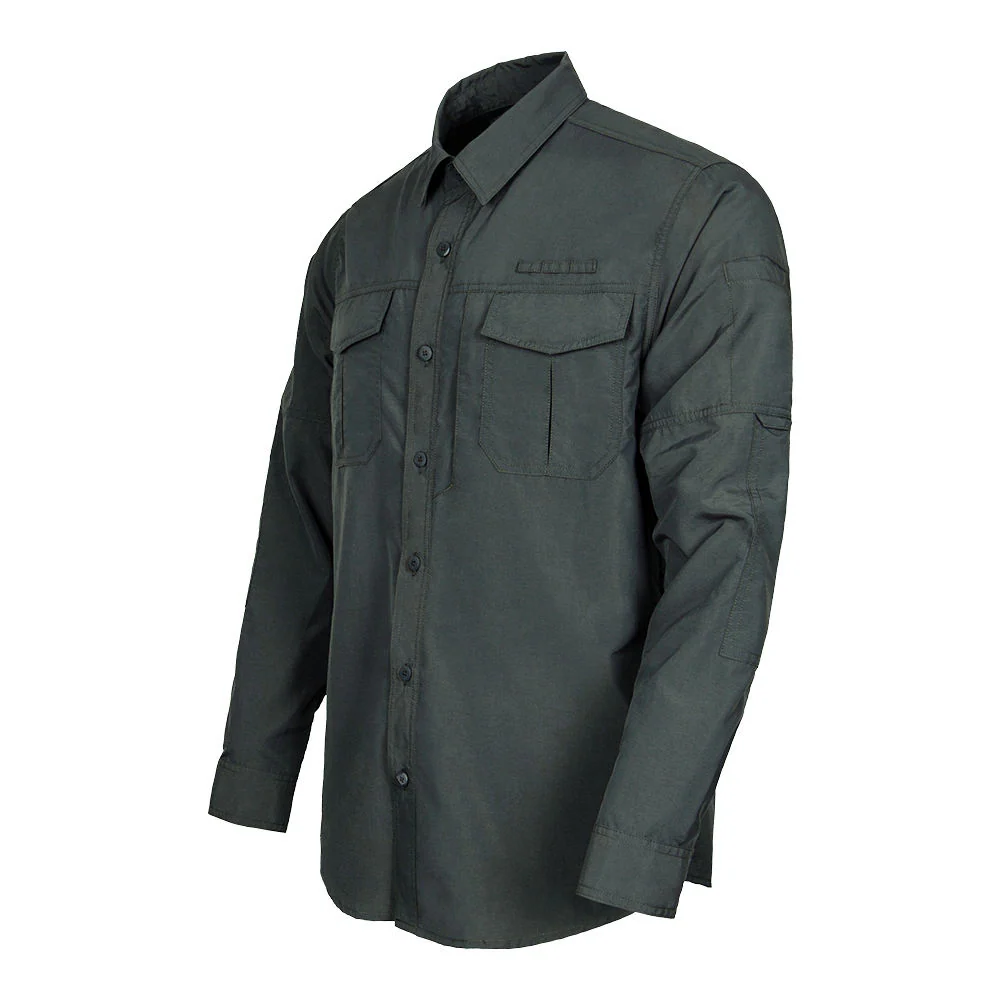
Tactical Apparel
Jackets, shirts, trousers and field layers configured for duty, training and contractor programs.
View products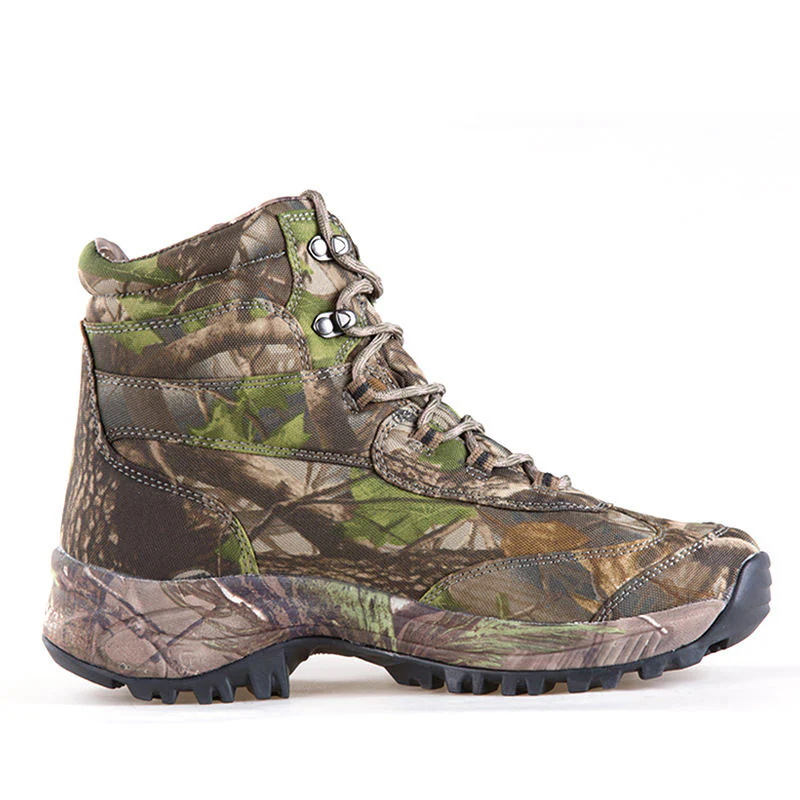
Tactical Footwear, Headwear & Accessories
Boots, shoes, socks, caps, hats, gloves and eyewear for coordinated duty and field-use programs.
View products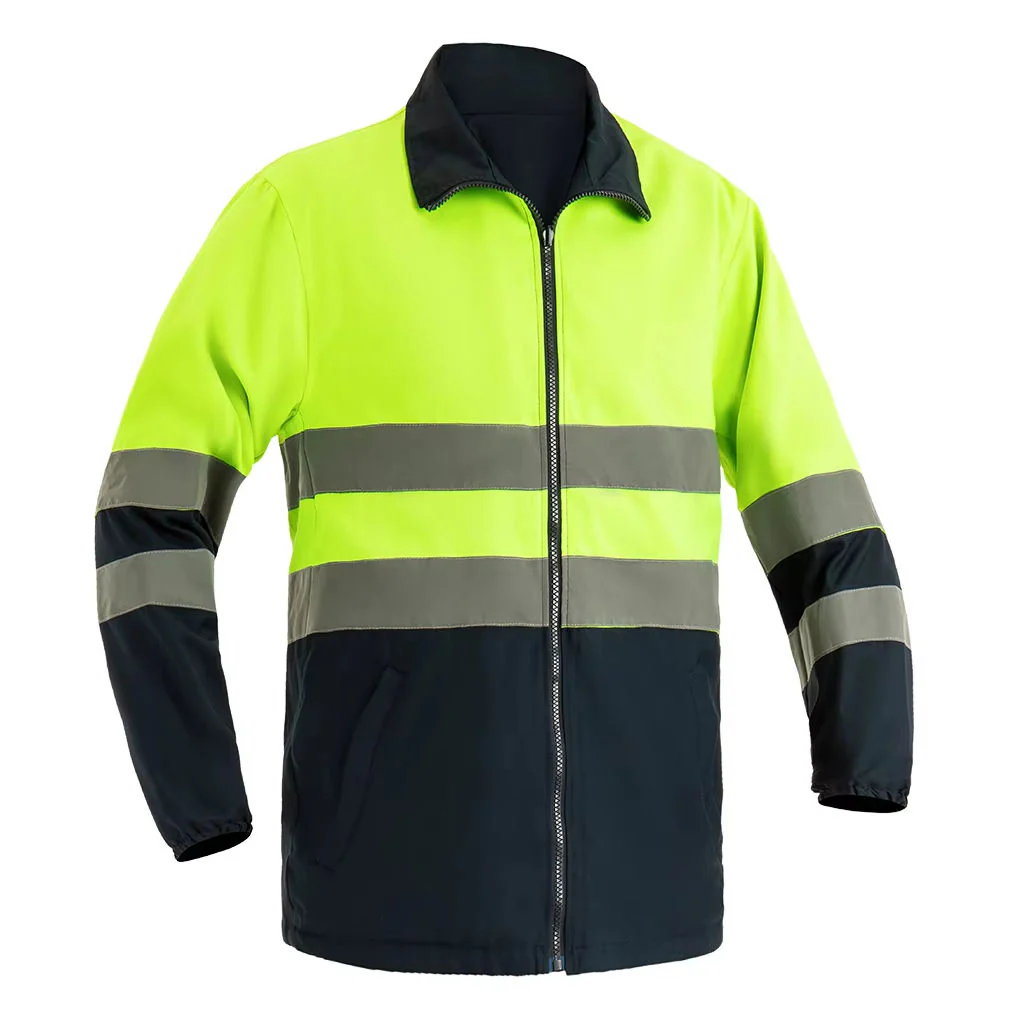
Institutional Uniforms & Workwear
Uniform programs for government departments, public institutions and enterprise workforces.
View products