
Buyer question
how often to wash military uniform
There is no universal schedule requiring every military uniform to be washed after a fixed number of wears. Follow the sewn-in label and current unit or service instructions, and wash when sweat, soil, odor, staining or the next duty requires a clean garment. Hot field work may justify washing after one wear; light administrative wear may not. Hazardous exposure follows the designated decontamination process, not an ordinary home-laundry timetable.
Use condition and exposure, not a fixed wear count
- The garment label and service or unit direction control the care method, while actual soil and exposure drive timing.
- Heat, sweat and field soil may shorten the interval, while specialty or hazardous exposure can require an issued process rather than ordinary household laundering.
Make a wash decision after each duty period
After each duty period, check sweat, odor, visible soil, stains, moisture, unusual exposure and the cleanliness required for the next use.
When washing is needed, use the exact label-directed detergent, temperature, cycle and drying method.
Air and fully dry a garment before storage, and rotate authorized sets so one item is not repeatedly worn damp.
Report fuel, chemical, biological or other hazardous contamination and use the responsible authority’s decontamination or disposal procedure.
How climate, work and garment type change frequency
Army ACU care guidance explains how to launder the garment but does not prescribe one wash after every set number of wears. That is sensible because a humid field day and a short indoor duty period leave very different levels of sweat and soil.
Waiting too long can allow odor, soil and stains to build, while unnecessary harsh laundering can accelerate colour loss, finish wear and mechanical damage. The practical aim is a clean, serviceable garment maintained with the least aggressive approved process—not maximizing or minimizing the wash count.
Protective clothing needs an additional decision. If the item has flame-resistant, insect-treated, waterproof or other functional construction, follow its label. If exposure involves hazardous material, ordinary washing frequency is the wrong control; the issuing organization must direct decontamination, exchange or disposal.
After strenuous hot-weather field duty, wash the uniform when the label permits because sweat, soil and odor are already present.
After brief clean administrative wear, inspect the garment and follow local appearance and hygiene expectations rather than applying an invented one-wear rule.
After contact with a hazardous substance, isolate and report the item as directed instead of placing it in a household washer.
Before you order
- A universal schedule such as “every day” or “every three wears” needs garment-specific authority and a defined use condition; otherwise it is misleading.
- Wash when condition requires it: postponing solely to preserve colour—and then using bleach, excessive detergent or excess heat—can create more damage.
Related products, services and guides
Continue with the product family, sourcing service or practical guide that best matches your next step.
Find a relevant product
Explore product categories
Open a category to compare available product families, then include the product type, quantity, destination and customization needs in your enquiry.
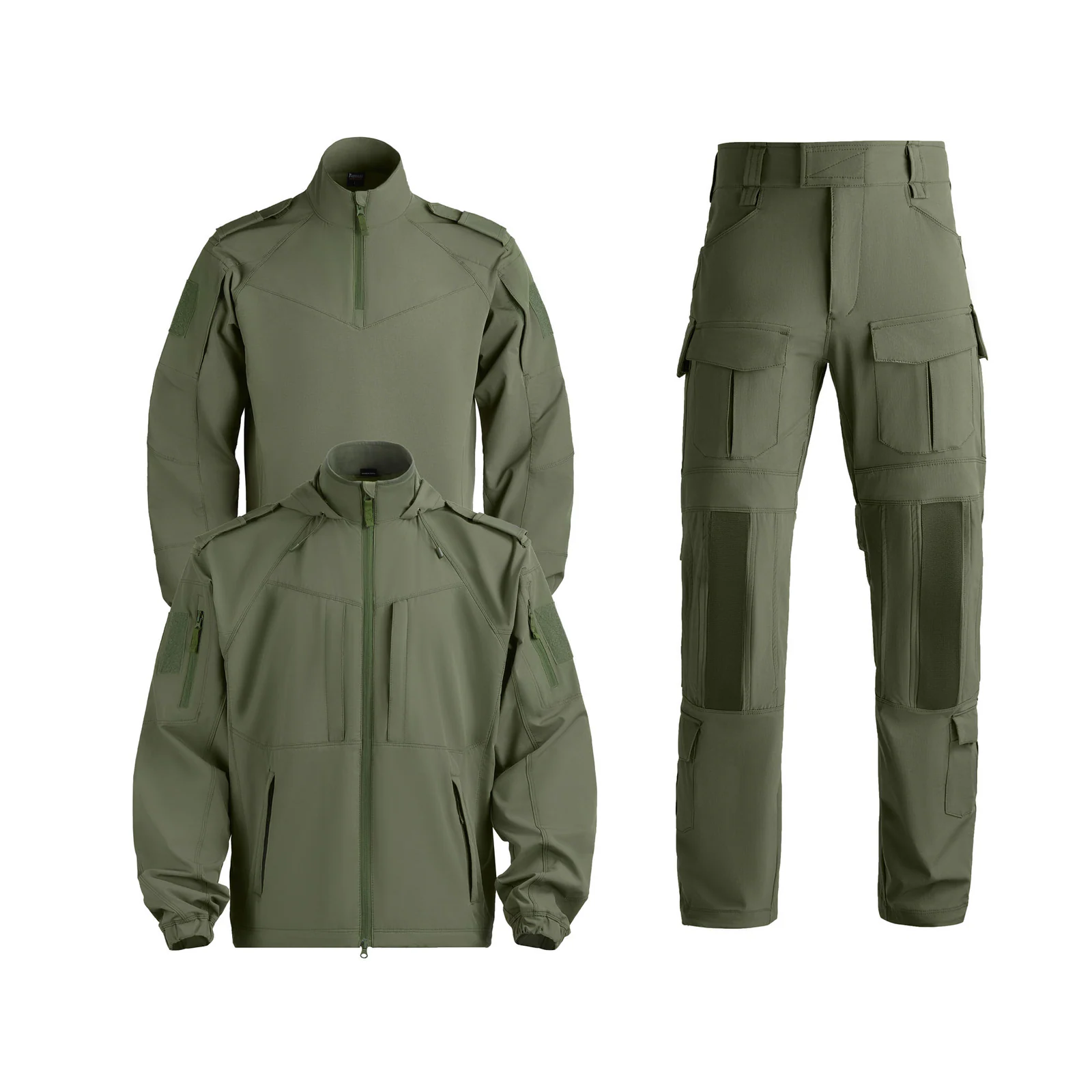
Military & Camouflage Uniform Systems
Configurable BDU, ACU-style, combat and training uniform programs for institutional procurement.
View products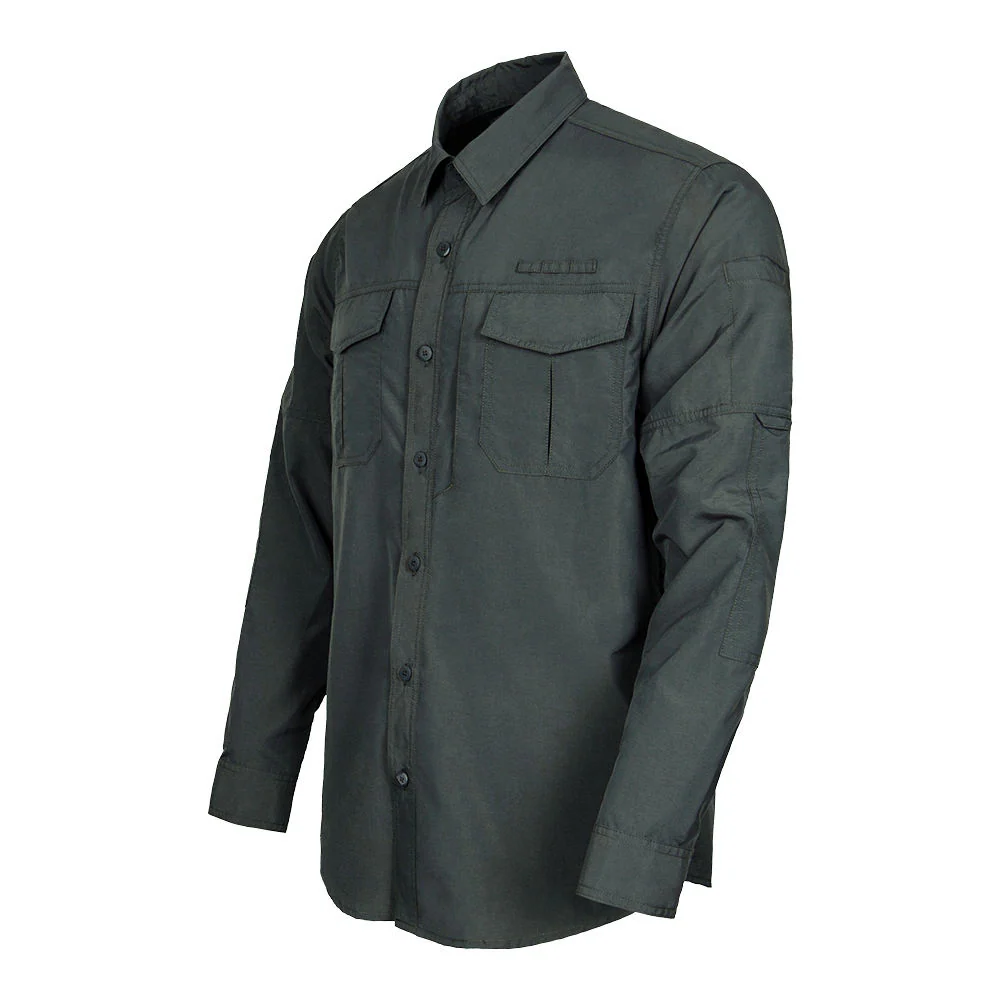
Tactical Apparel
Jackets, shirts, trousers and field layers configured for duty, training and contractor programs.
View products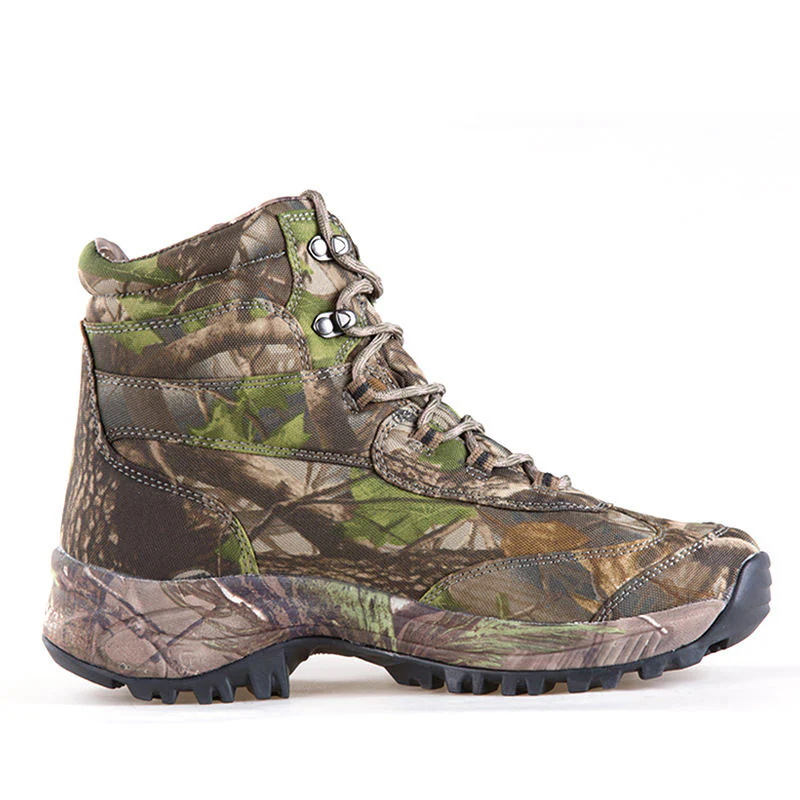
Tactical Footwear, Headwear & Accessories
Boots, shoes, socks, caps, hats, gloves and eyewear for coordinated duty and field-use programs.
View products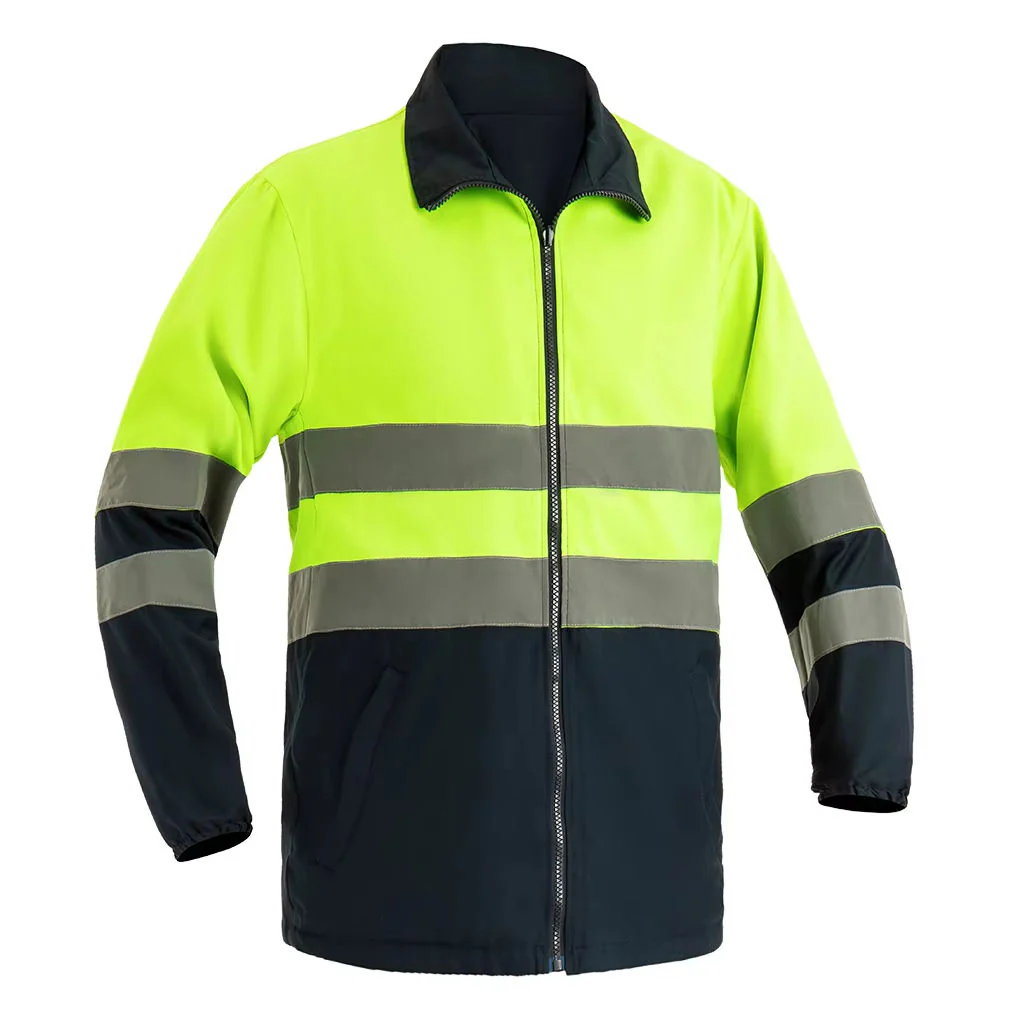
Institutional Uniforms & Workwear
Uniform programs for government departments, public institutions and enterprise workforces.
View products