
Buyer question
what type of fabric to use for military uniforms
Select fabric from the duty and hazards, not from a generic “military grade” label. Start with climate, work rate, abrasion, drying, flame or thermal risk, visibility, care method and expected service life. Then define fibre blend, weave or knit, mass, finish, colour and measurable acceptance tests. A nylon-cotton ripstop may suit one field uniform, but a rain shell, flame-resistant garment, dress uniform or insulating layer needs a different material system.
Turn the mission into textile requirements
- Duty, climate, hazard and care requirements should be written before a fibre blend is selected.
- Fibre percentages, fabric construction, mass and finish must be controlled together.
- Protective functions such as flame resistance or prolonged-rain protection may require a different material system, not a heavier version of field ripstop.
- Acceptance should use named tests and a production-representative garment, not a swatch or marketing description alone.
Screen, sample and qualify the proposed fabric
- 01
Create a use profile covering climate, activity, wear duration, abrasion, equipment contact, laundering and required service life.
- 02
Separate ordinary field performance from any flame, chemical, rain, insect or signature-management requirement.
- 03
Translate each required function into a measurable test, threshold, conditioning method and lot-acceptance rule.
- 04
Ask suppliers to declare fibre blend, construction, mass, finish, shade and traceable material source for the exact proposal.
- 05
Approve the material only after testing and a garment trial confirm comfort, mobility, care and durability in the intended configuration.
Blend, construction, finish and garment evidence
A nylon-cotton woven fabric can balance strength, comfort and field care for some combat uniforms, as the Army ACU and IHWCU examples show. Their differing percentages and designs also show why there is no automatic “best” nylon-cotton recipe for every climate or task.
Protective functions change the material system. Flame resistance may require inherently resistant fibres or a controlled treatment; prolonged rain normally needs a shell construction; cold-weather insulation and next-to-skin moisture management are separate layers. Combining unrelated requirements in one fabric can create trade-offs in weight, stiffness, drying or durability.
The request for quotation should identify the approved technical baseline: material, construction, colour, finish, care, tests, sample status and revision. If an official uniform is being reproduced or supplied, the buyer must also provide the applicable specification and authority rather than asking a factory to infer them from photographs.
For a general field shirt and trouser, compare compliant woven candidates for strength, drying, air permeability, dimensional stability, colourfastness and wearer comfort.
For a wet-weather requirement, evaluate a complete shell—including seams and closures—against the agreed rain and breathability tests instead of choosing ordinary ripstop.
For a flame or thermal hazard, stop selection until the authority defines the exact protective requirement, test method and garment configuration.
Before you order
- A familiar fibre blend does not by itself prove flame resistance, waterproofness, infrared behavior, durability or official compliance.
- Replacing a buyer-controlled specification or technical data package with the nearest commercial fabric requires the buyer’s written approval.
Related products, services and guides
Continue with the product family, sourcing service or practical guide that best matches your next step.
Find a relevant product
Explore product categories
Open a category to compare available product families, then include the product type, quantity, destination and customization needs in your enquiry.
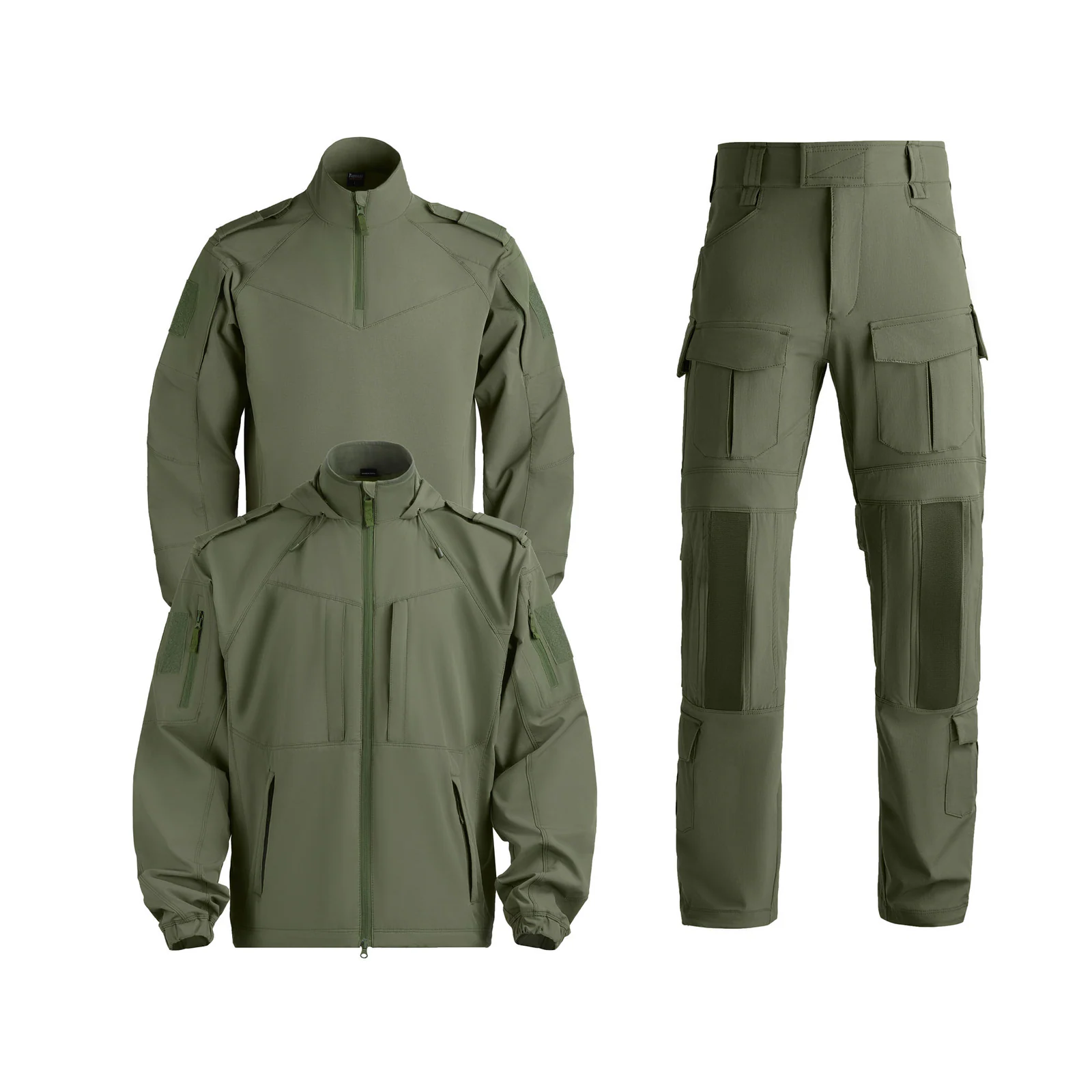
Military & Camouflage Uniform Systems
Configurable BDU, ACU-style, combat and training uniform programs for institutional procurement.
View products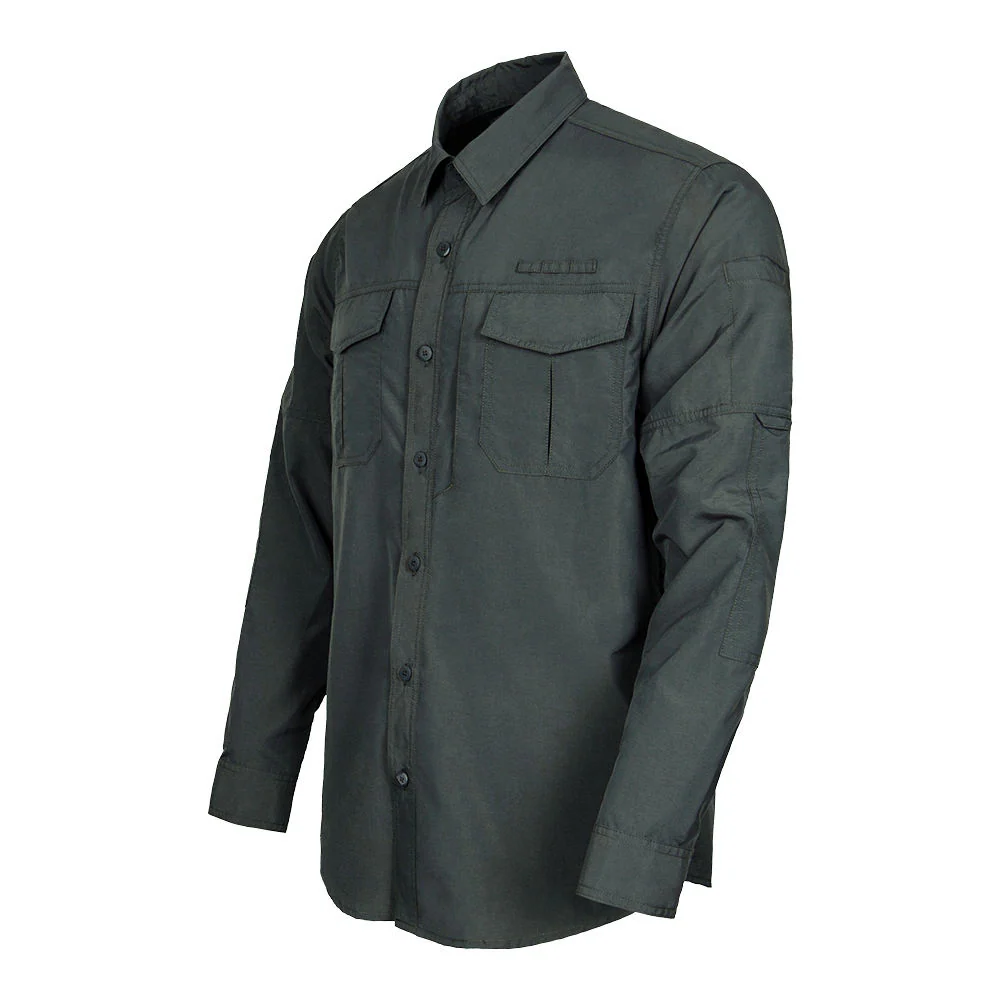
Tactical Apparel
Jackets, shirts, trousers and field layers configured for duty, training and contractor programs.
View products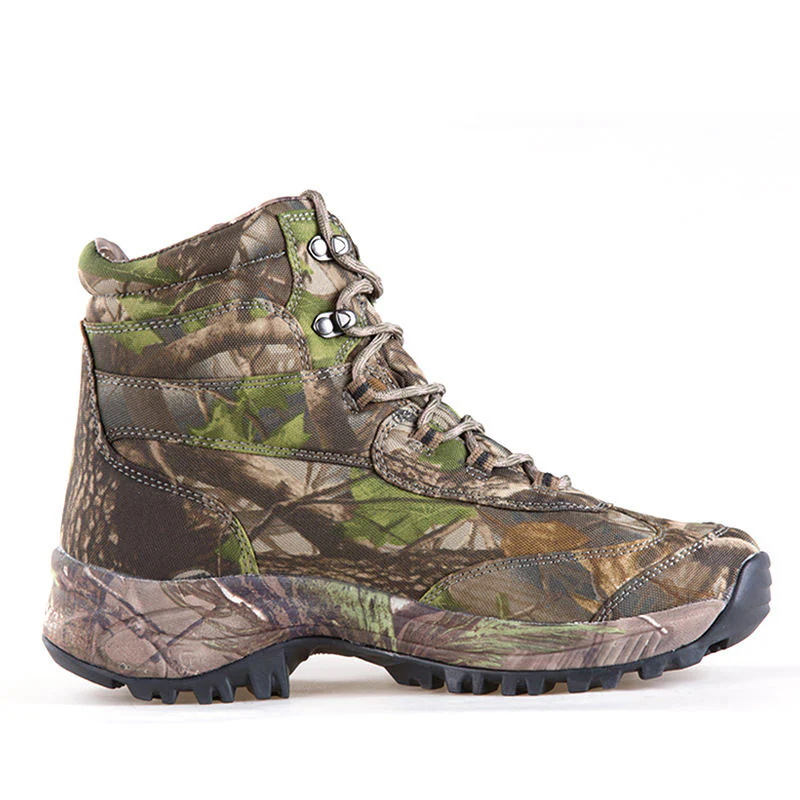
Tactical Footwear, Headwear & Accessories
Boots, shoes, socks, caps, hats, gloves and eyewear for coordinated duty and field-use programs.
View products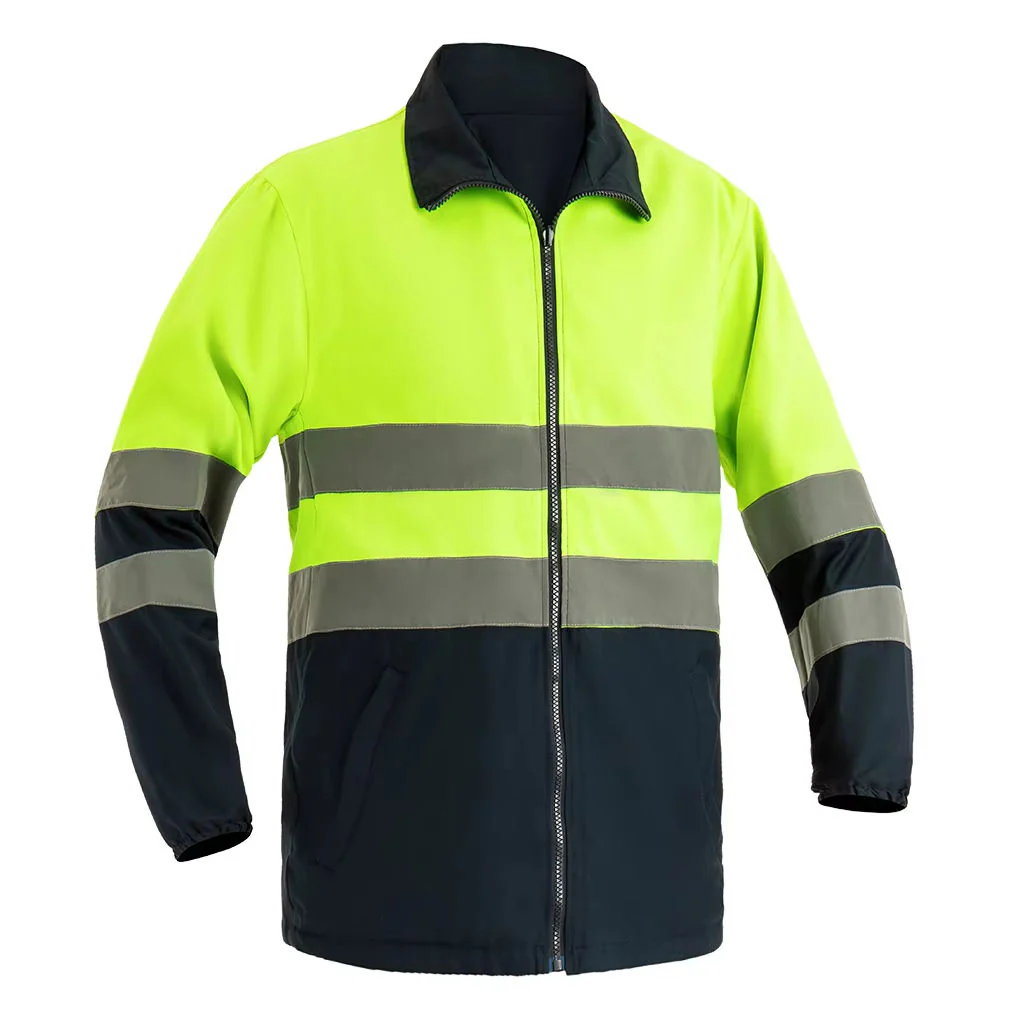
Institutional Uniforms & Workwear
Uniform programs for government departments, public institutions and enterprise workforces.
View products